Part 1
what is glomerular disease?
Glomerular disease is a disorder of the kidneys, in which the normal functioning of the kidneys is disturbed and the chemical balance is not maintained in your blood and urine
what are the 2 main types of glomerular disease?
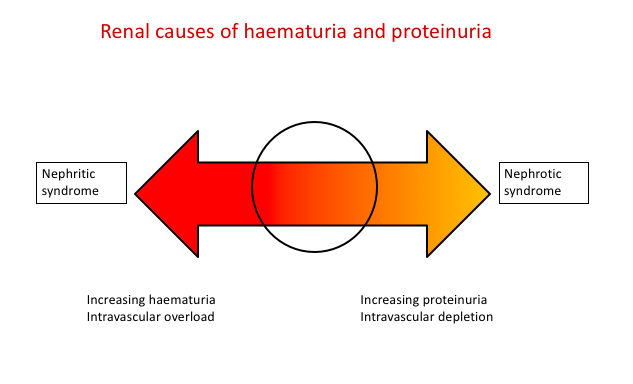
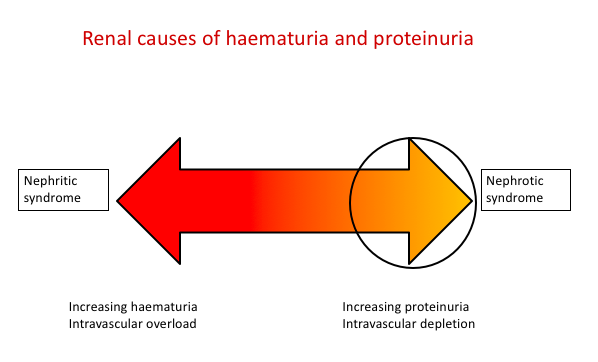
The two basic types of glomerular disease include nephritic and nephrotic, but, with some diseases, the two types can overlap
The key feature of nephritic disease (“glomerulonephritis”) is blood in the urine (hematuria)
People with nephrotic syndrome have protein in the urine (proteinuria) but, often, little to no blood in the urine (hematuria)
what is teh strucutre of the nephron?
- Receives 25% cardiac output/min
- GFR:
- neonate 20-30ml/min/1.73m²
- Age 2yrs equals adult 90-120
(Don’t have normal kidney function at birth)
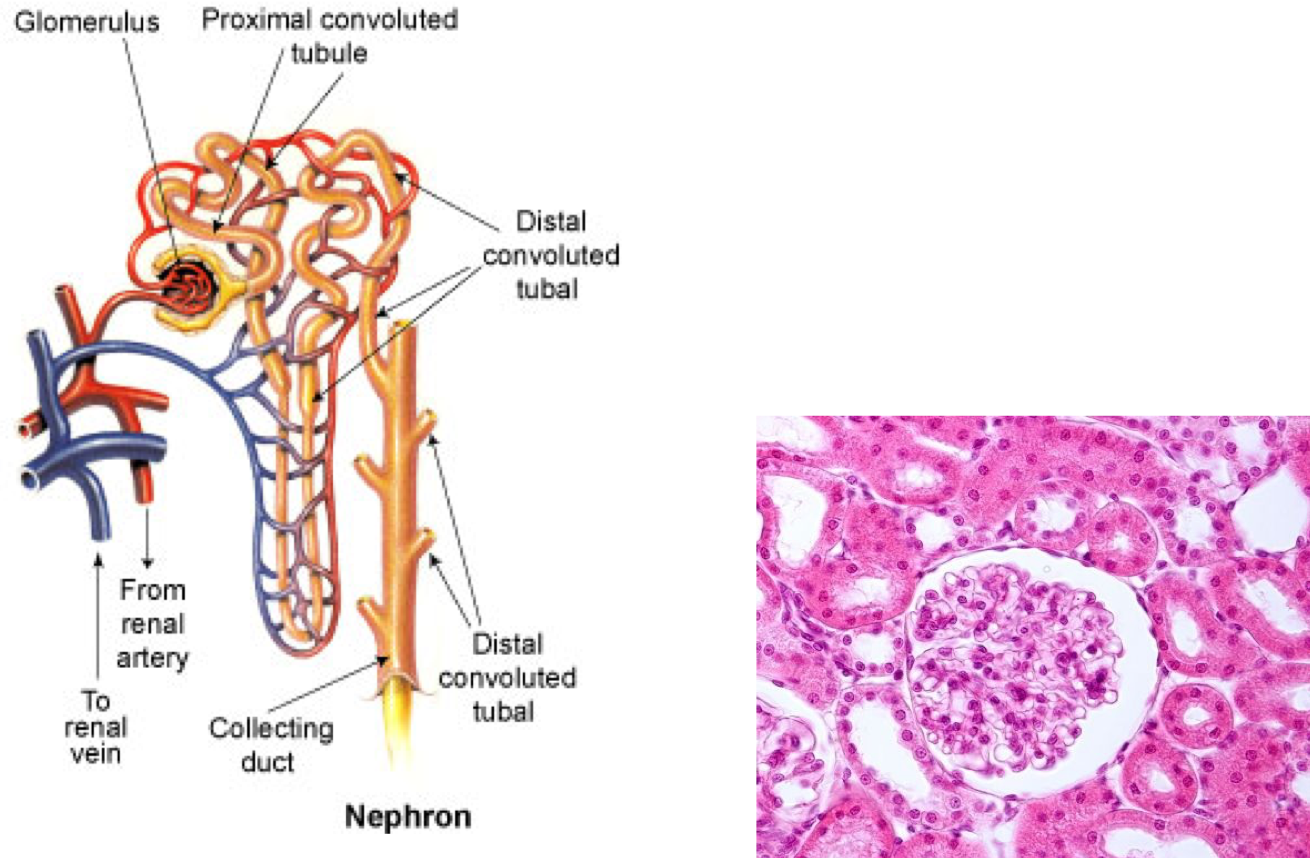
glomerular disease cn be caused in 2 main way - what are they?
congenital
aquired
what are the 5 kidney functions?
- Waste handling (urea/creatinine)
- Water handling
- Salt balance (sodium/potassium/calcium/phosphate)
- Acid base control (bicarbonate)
- Endocrine - red cells/blood pressure/bone health
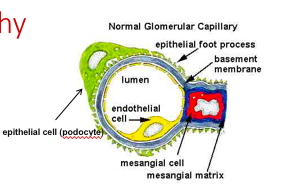
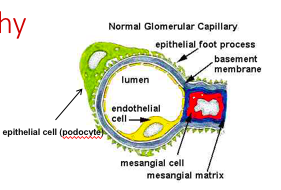
what makes up the Glomerular Filtration barrier?
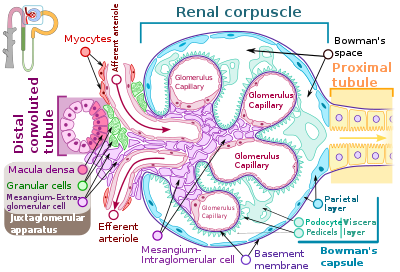
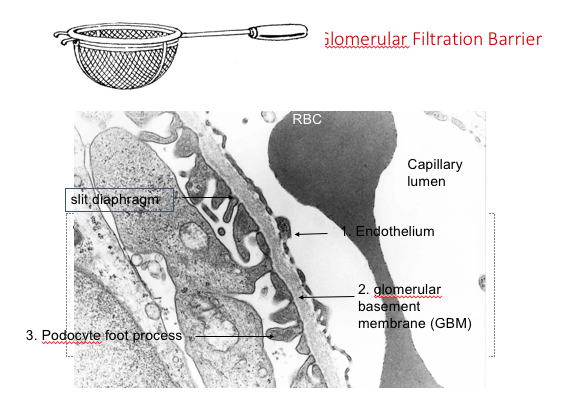
- Endothelial cell - Fenestrated, Vulnerable to immune mediated injury
- GBM - Synthesis from podocytes and endothelial cells, Mesangial cells playing a role in turnover
- Podocyte - Proteins
- Mesangial cells - Glomerular structural support, Embedded in GBM, Regulates blood flow of the glomerular capillaries

This barrier has three major components: what are they?
the fenestrated endothelial cell, the glomerular basement membrane (GBM), and the podocyte with their “slit diaphragms”
what are the main things patients present with with glomerular disease?
Haematuria and Proteinuria
Glomerulopathy:
•Blood and protein in varying amounts dictate:
- Clinical _________
- Suggests ______
- However - Injury to one part of the GFB affects the other ________
- Take home message - _________ signifies glomerular injury
presentation
diagnosis
components
Proteinuria
does haematuria and proteinuria indicate nephrotic or nephritic syndrome?
Acquired Glomerulopathy is common
what commonets are affected?
(Acquired more common than congenital in paediatrics)
- Epithelial cell (podocyte) - Minimal Change Disease
- Basement Membrane - Post Infectious Glomerulonephritis (PIGN)
- Endothelial cell - PIGN, Haemolytic Uraemic Syndrome (HUS)
- Mesangial cell - HSP / IgA nephropathy
Congenital Glomerulopathy is rare
what layers may be affected?
- Podocyte cytoskeletal integrity - Congenital nephrotic syndrome
- Basement membrane proteins - Alport syndrome (XL), Thin basement membrane disease (AD)
- Endothelial/microvascular integrity - Complement regulatory proteins (MPGN)
Proteinuria - How much is too much?
Dipstix - Measures concentration, ≥ 3+ usually abnormal
Protein Creatinine Ratio (practical) - Early morning urine (best), normal: Pr:CR ratio <20mg/mmol, Nephrotic range: >250mg/mmol
24hr urine collection (gold standard) - normal <60mg/m²/24hrs, Nephrotic range>1g/m²/24hrs
What is Nephrotic Syndrome
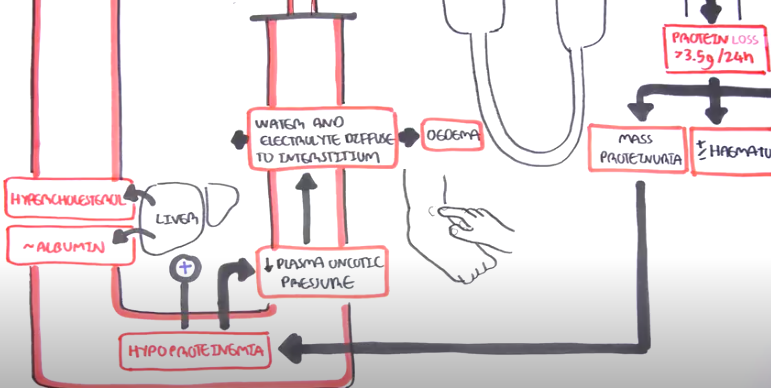
Nephrotic range proteinuria = Hypoalbuminaemia = Oedema increasing 3rd space fluid volume
Nephrotic syndrome is a collection of symptoms due to kidney damage. This includes protein in the urine, low blood albumin levels, high blood lipids, and significant swelling
the low level of protein in the blood reduces the flow of water from body tissues back into the blood vessels, leading to swelling
how does proteinuria cause oedema?
Starling’s forces - Oncotic (Osmotic) vs. Hydrostatic - Protein (Osmotic) = “magnet to water”
no solutes or proteins in the vascular compartment to hold the water so the water moves to the interstitium resulting in peripheral oedema e.g. sweeling of feet
also causes decereased volume in circulation meaning decreased venous return to the heart meaning decereased in renal blood flow and then decreased in GFR
Nephrotic syndrome:
Diagnosis easy once you have clinical presentation
what would ou seen on presentation?
- Oedema
- Proteinuria
50% of children presenting with minimal change disease have microscopic haematuria
low albumin
Urine Na – 10mmol/l - if less then 20 then means your holding onto water
Serum creatinine will be in the normal range in uncomplicated nephrotic syndrome, such as that occurring in minimal-change nephropathy
What type of nephrotic syndrome are common at different age of presentation?
Minimal change is steroid sensitive but if steroid resistant then think about FSGS and MCGN
80% of children will have minimal change disease
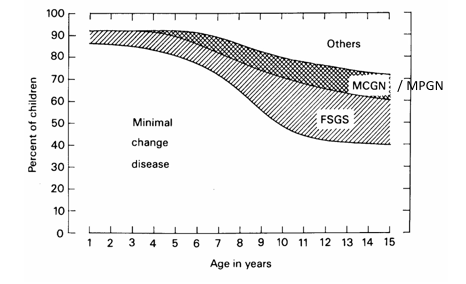
Nephrotic Syndrome- MCD - what are the typical and atypical features?
- Typical Features - Age 1 - 10 (2-5yrs most common age range), Normal blood pressure, No Frank haematuria, Normal renal function
- Atypical features - Suggestions of autoimmune disease, Abnormal renal function, Steroid resistance
Only then consider renal biopsy
Clinical diagnosis
Don’t biopsy in MCD
what is Nephrotic syndrome Treatment?
- If typical features
- Prednisolone 8 weeks
- Side effects from high dose glucocorticoids
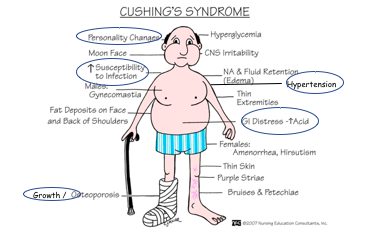
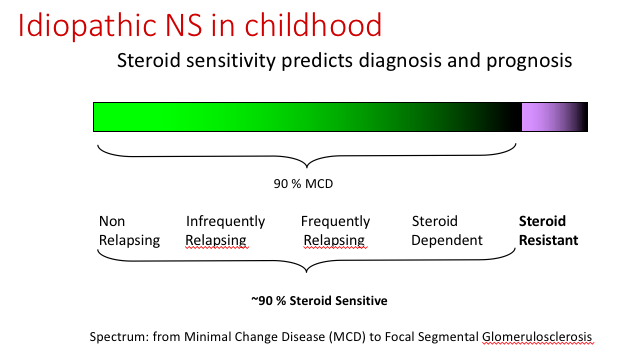
More readily response to steroid, more likely you have ___
MCD
what is the outcome of nephrotic syndrome?
- Remission - 95% in 2-4 weeks
- Relapse - 80%
- 80% long term remission
- Don’t do harm before good! - Second line immunosuppression - Steroid dependant and frequent relapses (>4 relapses/year) – on steriods more than they arnt and that’s when you use second line therapies
Steroid Resistant Nephrotic Syndrome - whata re the causes?
•Acquired - Focal Segmental Glomeruloscerosis (FSGS) = Podocyte loss and Progressive inflammation and sclerosis
Acquired cause is more common
50% of children with FSGS will need renal replacement therapy in 5 years
•Congenital - Infant presentations, NPHS1 – nephrin , NPHS 2 – podocin, Podocyte loss


-
Children are not Small Adults35
-
An Approach to Assessing Children37
-
A Child's Journey46
-
Approach to the Yellow Baby36
-
Paediatric Upper & Lower GI Disorders - Chronic Constipation16
-
Paediatric Upper & Lower GI Disorders - Crohn's, IBD, UC21
-
Vomiting and Malabsorption in Children48
-
Paediatric Neurology - The Child with Headache16
-
Infant Feeds44
-
Fits, Faints and Funny Turns (Seizures and Seizure-mimics)22
-
Head Sizes and Shapes12
-
Neuromuscular disorders:The child that presents with weakness5
-
Children with Special Needs31
-
Paediatric Genetics30
-
Adolescent Health36
-
Paediatric Case 128
-
Communication with Children and Families9
-
Clinical Features of Asthma in Children38
-
Management of Asthma in Children Non-Acute29
-
Management of Asthma in Children Acute6
-
Upper Respiratory Tract Infections in Children13
-
Lower Respiratory Tract Infections in Children28
-
Paediatric Nephrology77
-
Paediatric Cardiology38
-
Paediatric Growth and Endocrine41
-
Introduction to Paediatric Surgery26
-
Paediatric Urology30
-
Paediatric Infectious Diseases58
-
Paediatric Dermatology39
-
Neonatology (Physiology, prematurity, Common postnatal, term admissions to NNU)31
-
Paediatric Oncology31
-
Child Protection and Non-Accidental Injury27
-
Common Postnatal Problems35
-
An approach to Acute Paediatrics20
-
Paediatric Allergy37
-
Paediatric Pharmacology22
-
Introduction to Neonatology14
-
Born too early too small27
-
The Injured Child17
-
Paediatric Rheumatology27



