1
Q
- Lymph Node Function
- Thymus Function
- T-cell origin
- T-cell function
- Largest Lymphatic Organ
A
- drain body tissues and return to the blood as plasma
- enable lymphcyte to develop in to T cells
- T-bone marrow, mature in the thymus
- Attack foreign or abnormal cells
- Spleen
2
Q
- Function of the Spleen
- Function of the Tonsils
- How are antibodies used?
A
- Macrophages, cell debris, process hemoglobin
- protect against airborne/ingested pathogens
- B-cells in response to antigen, 1 set of Ig
3
Q
- IgG
- IgA
- IgM
- IgE
- IgD
A
- Antibacterial/Viral. 80-85% of plasma antibodies
- Body surfaces, respiratory/GI tract
- FIRST responder, too large to cross membrane
- Mast Cells–> histamine/heparin
- B cells, antigen receptor (breaks down)
4
Q
- Neutrophils
- Eosinophils
- Basophils
- Monocytes
- Macrophages
A
- 60% WBC, phagocytosis
- Parasitic, Allergic, Lung/Skin Infections
- Release histamine, Contain Heparin
- Devour invading organisms
- Migrate to tissue to devour, inflammation
5
Q
- Allergy
- Autoimmunity
- Alloimmunity
A
- anything NOT found in the individual
- Does not recognize own antigens- Tcells damage tissue
- attacks transplanted tissue/fetus. Own species
6
Q
Hypersensitivity
- IgE mediated
- Tissue/Cytolytic/Cytotoxic
- Immune Complex Mediated
- Cell Mediated
A
- Anaphylaxis, Penicillin, basophils–> release histamine
- IgM/IgG, Cell lysis, ABO incom, hemolytic anemia
- Anitgen/Antibody complex, vessel walls/tissue, inflammation Arthus, Lupus
- T-Cells, lymphokine, TB dermatitis, transplant rejection
7
Q
- Prostaglandins
- Histamines
- Edema
- 2nd line defense cells
- Activator of inflammation
A
- Inflammation-remove harm
- inc permeability of capillaries to WBCs-infected tissue
- Leakage of plasma proteins
- Mast, dendritic, blood (rbcs, wbcs, platelets, granulocytes)
- Mast cells, closest
8
Q
- Histamin 1
- Histamine 2
- Histamine 3
A
- dilate blood vessels and contract smooth muscle
- stimulate heart rate and gastric secretion
- regulate histamine from neurons
9
Q
- Early phase of inflammation
- Late phase inflammation
- 3rd line of defense/Acquired Immunity
A
- fever, leukocytosis, plasma protein synthesis (8-10days)
- Dense infiltration of lymphocytes & macrophages
- Exposure to various antigens
10
Q
Acquired Immunity Processes
- Antigens/Immunogens
- Humoral Resonse
- Cell mediated Immunity
- B & T together
A
- Binding/Elicits Immune response
- Immediate against bacterial/viral infection
- Rejects transplanted organs–> T cells
- needed for a normal immune response
11
Q
- Active Immunity
- Passive Immunity
- Titer
- Self antigens
- Inflammatory Process
A
- Long-term acuired antibody protection
- Not permanents, trasferred placent–> fetus
- Concentration of antibody
- Doesn’t recognize as immunogenic, TOLERANCE
- Inc WBC, thrombus, macroscopic inflammation, microscopic accumulation of fluid
12
Q
- Inflammation Signs
- Bradykinin
- Leukotrienes
- Lysozymes
- Lymphadenopathy
A
- Heat, hardening, pain, edema, redness
- W/ Prostaglandin, PAIN, permability, smooth muscle contraction
- Histamine like effect, prolonged response, later stage 2nd line
- Body secretions KILL bacteria
- proliferation of lymphocytes and monocytes, enlarged lymph
13
Q
Types of T Cells
- Cytotoxic
- Helper
- Regulatory
- Memory
A
- Disrupts membranes and destroy internal environment
- Help B-cells to mature>release macrophage>activate cytotoxic
- Tolerance-abolish-Autoimmune
- Pattern Recognition
14
Q
- Bacteria
- Virus
- Fungi
- Yeast
- Mold
A
- 1 celled no nucleus reproduce by cell division
- DNA and RNA, no metabolism. Use host cells
- Non photosynthetic microbe asexual has a nuclues. Damage tissue
- Spheres, Facultative anaerobe
- Mutlinucleated aerobic microbe
15
Q
- Interferons
- Cyclosporins
- Complement System
- Infant T-Cell response
- Elderly T-Cell Response
A
- Immunomodulator Agent–>Slow tumor cell division
- Supress production of interferon-y
- Can destroy pathogens directly
- Slow Tcell development-depressed inflammatory function (neutrophils)
- Inc Autoantibodies, Deficient T-cell/Antibody production
16
Q
Complement System
- Classical Pathway
- Alternate Pathway
- Lectin Pathway
- Final Resut
A
- Antibody attaches to antigen > C1 Complex >Serine Protease > C3
- Young C3 and pathogen (innate immunity) > thioester bond > C3
- MCL binds to carbohydrate > C3
- MAC (membrane attack complex)
17
Q
Final Results of the Comlement System
- Opsonins
- Chemotactic
- Anaphylatoxins
A
- Coat the surface of bactera, phagocytized
- Diffuse from site of inflammation phags
- Rapid degranulation of mast cells. Release HISTAMINE
18
Q
Clotting Cascade
- Clotting Cascade Activation
- Activation of Intrinsic Pathway
- Activation of Extrinsic Pathway
- Function of Platelets
- The Liver
A
- Enzymes from a fibrin clot
- Damaged vessel surfaces
- Tissue Injury, Release Thromboplastin factor 3
- hemostatic plugs in blood vessels
- Makes clotting factors
19
Q
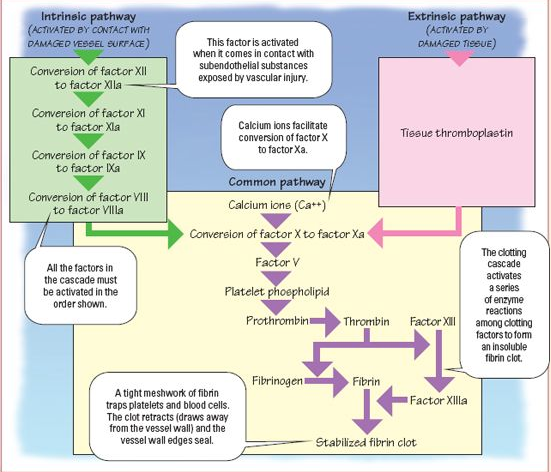
A
20
Q
- Thromboplastin
- Life span for RBC
- DIC is marked by
- Thrombocytopenia
- Prolonged Prothrombin Time
A
- Released by damaged endothelial cells
- 120 days
- Clotting and hemorrhage
- Cancerous bone marrow, Sequestration, Infection, Radiation
- Liver cell necrosis, bleed easy
21
Q
- Thrombocytosis
- Thrombocytopahty
- Hematocrit represents
- Erythropoietin
- Polycythemia
A
- too many platelets
- Liver failure SE of NSAIDS
- RBC mass
- Produced by Kidneys from chronic HYPOXIA
- Excessive erythrocyte in the bone marrow COPD
22
Q
- Universal Recipient
- Universal Donor
- Rh +
- Rh -
- Crossmatch Response
A
- AB
- O
- Antigen D Present, can transfusion
- Antigen D Absence, cannot receive Rh+
- RBCs destroyed lysis, agglutination
23
Q
- CD 4 T-Cells
- Seroconversion Process
- Cortisol released by
- Adrenergic Receptors
- Reaction to Catecholamine
A
- HIV destroys this
- Antibody exceeds antigen (prior to process only antigen)
- Adrenal Cortex
- Catecholamines - Norephinephrine, Epinephrine
- Inc HR, Vasoconstriction, Inc oxygen demand, hyperglycemia
24
Q
- Where does catecholamine get released
- TNF
- Who secretes TNF
- Function of TNF
- Blood cancers in children
A
- Adrenal Medulla
- Regulate bone metabolism, osteblast
- Macrophages
- fever, liver secretes for inflammation, can be lethal
- Leukemia, Hodkins, Non-Hodgkins
25
Wound Healing
1. Inflammatory Phase
2. New Tissue, Fibroblastic
3. Remodeling
4. Primary Intention Wound
5. Secondary Intention Wound
1. Neutrophils clear the wound of debris
2. Seal, Fibrin Clot replaced by scar tissue, 4th day of injury
3. Scar tissue is thinner, firm, inelastic
4. approximated, closed no dead space
5. Tissue loss, require filling of dead space w/connective tissue
26
1. Folate
2. S/Sx Folate Deficiency
3. Iron deficiency
4. Iron & RBCs
5. Aplastic Anemia Etiology
1. Required for DNA & RNA synthesis, Bone marrow production of Platelets
2. Dysphagia, watery diarrhea, stomatitis, fissures of the mouth
3. Hemoglobin deficiency in RBCs
4. Microcytic & hypochromic (anemia)
5. chronic exposure to viruses, infection autoimmune, allergic states
27
1. Pancytopenia -leukemia, aplastic anemia
2. Aplastic Anemia Treatment
3. Mononucleosis
4. Mono relationship
5. What should you monitor in mono?
1. deficient RBCs, WBCs, platelets, arrested development of bone marrow
2. Bone Marrow transplant
3. B lymphocytes\> receptor EBV
4. Bacteria, virus, Lymphadenopathy, Hematosplenomegaly, Strep
5. Splenic Rupture (LUQ, Left shoulder, Ab)
28
1. What is leukemia
2. Manifestation of leukemia
3. Chronic Myeloid Leukemia
4. Patient that might have lymphadenopathy
5. Malignant Lymphomas possible linkage
1. Overcrowding bone marrow with WBCs, decreased everything else
2. bone pain, inc hr (low h/h), SOB, pallor, dec cap refill, low BP, **WEIGHT LOSS**, inc INR, prolonged PTT, **BLEEDING**
3. Philadelphia chromosome
4. HIV, syphilis, leukemia, Hodkin TB, Mono
5. Mono
29
1. Malignant Lymphoma Cells
2. Manifestation of malignant lymphoma
3. Treatment for Malignant lymphoma
4. Splenomegaly
5. Splenomegaly indicitave of
1. RS
2. pruritis, drenching night sweats, fever
3. chemotherapy, radiation stem cell transplant
4. Sequestering of all three blood components (anemia)
5. Leukemia, TB, Sphyilis, Thalssemai R. HF, Mono Esophageal Varices, Fungal
30
1. Vitamin K deficit
2. Outcome of Vitamin K deficit
3. Trasmission of Hemophilia
4. Etiology of hemophilia
5. Factors of DIC
1. inability to coagulate for synthesis of prothrombin
2. impaired hemostasis associted w/ LIVER dysfunction
3. X-linked recessive disorder by females to males
4. abnormal bleeding, epistaxis
5. Infection, OB complications, Neoplastic disease (leuk), necrosis, heat stroke/shock
31
1. What happens in DIC
2. Treatment for DIC
3. Components needed to make RBC
4. Intrinsic Factor
5. Pernicious Anemia
1. damage to endothelium, activate X factor, Excess Fibrin, occulsion of organs from thromboembolus formation
2. Heparin, oxygen
3. Iron, B12, Folate
4. secreted by the stomach that enables body to absorb b12
5. deficiency of intrinsic factor necessar to absorb b12
32
1. Why injections for Pernicious anemia
2. How long for injections
3. Structure of RBC in Sc.Anemia
4. Sickle Cell Crisis
5. SCAnemia Diet
1. Can't absorb in the GI tract
2. every week until deficiency is correctly, monthly for life
3. lack of o2 causes cell to make a s shape, Rigid, clumped
4. anything that will cause increase need for oxygen
5. high calorie, high protien, folic acid supplement
33
1. Why vaccines for Sc.Anemia
2. Sickling Conditions
3. Conditions associated with Sickle Crisis
1. Absence of normal spleen function
2. hemoglobin A replaced w/ hemoglobin S (sensitive to o2 changes)
3. vasoocclusive crisis, splenic sequestration, hyperhemolytic, aplastic
34
1. Respiratory Acidosis
2. Respiratory Alkalosis
3. Acids are
4. Metabolic Acidosis Etiology
5. Metabolic Alkalosi Etiology
1. Hypoventilation Excess CO2,
2. Hyperventilation (compensating HC03 decreases) Similar to m. acidosis
3. hydrogen ion DONORS, end product of metabolism
4. Kussmauls, hypotension, headache
5. vomiting, gastic suction, cardiac dysrythmias, twitching
35
1. Order of Compensation Acid/Base Balance
2. RAAS controls...
3. When renin is released
4. What is Angiotensin II
5. Aldosterone stimulates...
1. Buffer, Lungs, Kidneys, Potassium
2. reabsorption of sodium
3. BP or fluid concentration is LOW
4. vasoconstrictor, secretes ALDOSTERONE
5. absorb NA secrete K
36
1. Where is ADH produced
2. What stimulates ADH
3. ADH + Aldosterone inc BP
4. 3rd spacing
5. Risk for 3rd spacing
1. Hypothalamus
2. dehydration or high sodium, decreased blood volume
3. Increase Sodium and water
4. trapped fluid in interstitial space (nonfunctional), fluid LOSS
5. Burn patients, preeclampsia
37
1. Osmotic Pressure
2. Hydrostatic pressure/Filtration
3. HTN and Coronary Disease
4. Which cardiac ensymes are affected in MI
5. Stimulation of baroreceptors
1. low concentration to high concentration
2. higher pressure to lower pressure
3. CDA is loss of oxygen, HTN increase oxygen demand
4. Creanin Kinase, NP, Troponins, Myoglobin
5. hypoperfusion in MI
38
1. Where can MI stem from
2. EKG changes MI
3. Signs Right sided HF
4. Signs Left sided HF
5. What type of HF happens first
1. athrosclerosis, thrmobsis platelet, stenosis
2. ST elevated
3. Jug vein distention, peripheral edema
4. pulmonary edema, paroxysmal nocturnal dyspnea
5. Left sided
39
1. Asthma
2. Chronic Bronchitis
3. Emphysema
4. Obstructive Lung Disease
5. Restrictive Lung Disease
1. bronchospasma, increase mucus, wheezing, airflow resist
2. inflammation, productive cough
3. enlargements of acini and destruction of alveolar walls, TISSUE, not mucus
4. SOB, exhaling is difficult
5. can't inhale/expand fully, lung stiffness
40
1. Cor Pulmonale
2. S/Sx Cor Pulmonale
3. Pulmonary Edema
1. chronic hypoxemia, pulmonary HTN, hypertrophy of muscle
2. hepatomegaly, RUQ discomfort, weight gain, dyspnea
3. sodium water enters the lungs, can lead to ARDS
41
1. Arthus define
2. Aplastic define
3. Kinin system define
1. Edema-Abscesses-Gangrene
2. Ineffective development
3. Hormones-BP control-Coag-Pain

Nursing School Pt 2
flashcards
Decks in class (13)
# Cards



