Hyperkalaemia
Perfect question — this is exactly how Picmonics are meant to be used. I’ll walk you through a clear, one-to-one explanation so each visual element anchors a specific cause of hyperkalaemia in your memory.
I’ll assume the Picmonic you’re looking at contains the usual exaggerated, cartoon-style elements (potassium theme, kidneys, drugs as characters, etc.). Even if the exact visual differs slightly, the logic below will still lock it in.
Core theme of the image
Central object = “K⁺ explosion / banana / lightning bolt”
This represents hyperkalaemia itself
Think: “Too much potassium = electrical chaos”
Everything around it is a cause feeding into the potassium overload.
One-by-one breakdown
🧠 ACE inhibitors
Visual:
A broken ACE card, scissor cutting “ACE”, or a smashed enzyme
Memory link:
ACE inhibitors ↓ aldosterone → ↓ potassium excretion
ACE = Aldosterone Controls Electrolytes
Broken ACE → potassium rises
👉 If ACE is blocked, K⁺ escapes control
🔥 Metabolic acidosis
Visual:
Acid puddle / bubbling green slime / corrosive fumes
Memory link:
H⁺ moves into cells, K⁺ shifts out
Acidosis = potassium pushed into blood
👉 Acid pushes potassium out
🚫 Angiotensin II receptor blockers (ARBs)
Visual:
A locked or blocked Angiotensin “door”
Memory link:
Same mechanism as ACE inhibitors
↓ aldosterone → ↑ potassium
👉 ARB = “ACE inhibitor in disguise”
🩺 Acute renal failure
Visual:
Cracked, leaking kidney with warning signs
Memory link:
Kidneys can’t excrete potassium
Most common real-world cause
👉 No pee = no potassium exit
💪 Rhabdomyolysis
Visual:
Exploding muscles / ripped muscle fibres
Memory link:
Muscle cell breakdown releases intracellular potassium
👉 Muscle rupture = potassium flood
🧂 Addison’s disease
Visual:
Exhausted person / collapsed adrenal gland
Memory link:
↓ aldosterone → ↓ Na⁺ reabsorption, ↓ K⁺ excretion
Addison’s = “No salt, high potassium”
👉 No aldosterone = potassium rises
🩸 Massive blood transfusion
Visual:
Blood bags pouring potassium into veins
Memory link:
Stored blood leaks potassium over time
Especially in massive or rapid transfusion
👉 Old blood = potassium-rich
💊 Spironolactone
Visual:
Spiral-shaped pill or “K⁺ shield”
Memory link:
Potassium-sparing diuretic
Blocks aldosterone receptors
👉 Spironolactone SAVES potassium
🧬 Ciclosporin
Visual:
Cyborg / immune suppressor attacking kidneys
Memory link:
Nephrotoxic
Causes reduced potassium excretion
👉 Immunosuppression hurts kidneys → K⁺ rises
How to mentally replay the Picmonic (10-second recall)
Picture this sequence:
> Kidneys break → muscles explode → acid bubbles → hormones blocked → potassium floods everywhere
Or use this verbal mnemonic:
“A CREAM SCAR”
Each letter = cause of hyperkalaemia
ACE inhibitors / ARBs
Ciclosporin
Renal failure
Excess acid (metabolic acidosis)
Addison’s
Muscle breakdown (rhabdo)
Spironolactone
Cell lysis / transfusion
Acid again (reinforcement)
Rhabdo (reinforcement)
Exam tip (very MSRA-relevant)
If you see:
ACEi / ARB / spironolactone + rising K⁺ → stop drug first
AKI + hyperkalaemia → kidneys are the problem
Acidosis + hyperkalaemia → think intracellular shift
If you want, next I can:
Turn this into ready-to-paste Brainscape cards
Create a single ultra-minimal exam mnemonic
Or do a “hyperkalaemia management” Picmonic to pair with this
Just tell me 👍

Hypokalaemia Causes
Perfect — I’ll walk you through it Picmonic-style, mapping each visual element → each cause of hypokalaemia, so you can reconstruct the list just by replaying the image in your head.
I’ll assume the image has a “LOW potassium” theme (sagging banana / drooping lightning bolt / tired muscles), and then distinct exaggerated objects around it.
🧠 Core Scene: “LOW POTASSIUM WORLD”
Everything looks weak, floppy, drained → this primes your brain for hypokalaemia
Think:
> “Potassium is LOW → muscles weak → things droop / leak / get flushed away”
1️⃣ Primary hyperaldosteronism
🧠 Image cue: Adrenal crown / aldosterone king flushing potassium away
A gold crown or adrenal gland sitting high, dumping potassium into a drain
Aldosterone = “ALDO the salt king”
🔑 Memory link:
Aldosterone → ↑ Na⁺ reabsorption → ↑ K⁺ excretion
High aldosterone = LOW potassium
📌 Phrase to remember:
> “ALDO steals potassium”
2️⃣ Cushing’s syndrome
🧠 Image cue: Moon face / fat torso / cortisol drip
Puffy moon face
Cortisol leaking from adrenal glands
🔑 Memory link:
Cortisol has mineralocorticoid effects
Acts like aldosterone → K⁺ loss
📌 Phrase:
> “CUSHION pushes potassium out”
3️⃣ Magnesium deficiency
🧠 Image cue: Broken Mg magnet
A cracked magnet labelled “Mg” that can’t hold potassium balls
🔑 Memory link:
Mg required to retain K⁺ in kidneys
Low Mg → refractory hypokalaemia
📌 Phrase:
> “No magnesium = potassium won’t stay”
💡 Exam pearl:
If K won’t correct → check Mg
4️⃣ Thiazide diuretics
🧠 Image cue: Water pill / toilet / rain cloud
A pill spraying water everywhere
Potassium falling into the toilet 🚽
🔑 Memory link:
Thiazides ↑ Na⁺ delivery to collecting duct
→ ↑ K⁺ secretion
📌 Phrase:
> “THIAZIDES flush potassium”
5️⃣ Diarrhoea
🧠 Image cue: Leaking pipe / explosive toilet
Brown liquid flowing out fast
Potassium symbols swept away
🔑 Memory link:
GI loss of potassium
📌 Phrase:
> “Runs = potassium runs away”
6️⃣ Vomiting
🧠 Image cue: Green vomit cloud
Stomach ejecting contents
Potassium escaping upward
🔑 Memory link:
Direct loss + metabolic alkalosis → renal K⁺ loss
📌 Phrase:
> “Vomit → alkalosis → kidneys dump K”
7️⃣ Acetazolamide
🧠 Image cue: Carbonic anhydrase crossed out
Mountain climber with oxygen mask (classic acetazolamide cue)
K⁺ falling behind them
🔑 Memory link:
Carbonic anhydrase inhibition → bicarbonate diuresis
→ ↑ distal Na⁺ → ↑ K⁺ loss
📌 Phrase:
> “ACETAZOLOMIDE leaks potassium”
🧩 Putting it all together (exam recall trick)
When you see hypokalaemia, mentally ask:
🧠 “Did potassium get…”
- Pushed out hormonally?
Aldosterone
Cortisol (Cushing’s)
- Flushed out renally?
Thiazides
Acetazolamide
- Lost through the gut?
Diarrhoea
Vomiting
- Unable to be retained?
Magnesium deficiency
🚨 One-line MSRA memory hook
> “LOW K⁺ = hormones push it out, diuretics flush it, gut loses it, Mg can’t hold it.”
If you want, next we can:
Turn this into copy-paste Brainscape Q&A
Make a paired hyper vs hypo potassium Picmonic
Or do ECG changes Picmonic (U waves, flat T waves)

Stroke Anatomy
Yes — this is exactly the kind of content that benefits from a Picmonic-style scene. Before jumping straight to generating an image, it’s smart to design the mnemonic properly so every artery + syndrome has a clear, non-overlapping visual hook. I’ll walk you through what the image should contain and why it works, then give you a backup non-visual memory scaffold in case you want redundancy.
🧠 Big Picture Strategy (how to remember stroke anatomy)
You’re trying to remember 3 things per stroke:
- Which artery
- Which brain region
- What deficits dominate
The best Picmonic approach here is:
> A cartoon brain “map” divided into vascular territories, each with exaggerated props acting out the deficits
Think of it as a “Stroke Theme Park” — each artery is a ride, and the symptoms are happening inside that ride.
🗺️ Core Layout of the Picmonic Image
The brain is shown from the side (lateral view) and brainstem below
Each vascular territory is colour-coded and labeled subtly.
1️⃣ ACA – Anterior Cerebral Artery
🔑 Memory: “ACA = Affects the Ankle”
Where in image
Medial frontal brain (top, inner surface)
Visual elements
A giant leg/foot sticking out of the medial brain
The arm is tiny by comparison
The leg is weak and numb
Encodes
Contralateral hemiparesis & sensory loss
Lower limb > upper limb
📌 Exam reflex:
> Medial = leg (motor homunculus)
2️⃣ MCA – Middle Cerebral Artery
🔑 Memory: “MCA = Mouth, Movement, Meaning”
Where
Lateral convexity of brain
Visuals
Huge arm and face flailing
A speech bubble broken in half
A TV screen missing one side (hemianopia)
Encodes
Upper limb > lower limb weakness
Aphasia (dominant hemisphere)
Contralateral homonymous hemianopia
📌 Exam reflex:
> Lateral cortex = face + arm + speech
3️⃣ PCA – Posterior Cerebral Artery
🔑 Memory: “PCA = Picture Centre Affected”
Where
Occipital lobe
Visuals
A movie screen with the centre intact but edges gone
Someone failing to recognise objects (agnosia)
Encodes
Contralateral homonymous hemianopia
Macular sparing
Visual agnosia
📌 Exam reflex:
> Occipital = vision, macula spared
4️⃣ Weber’s Syndrome (Midbrain, PCA branches)
🔑 Memory: “Weber = Wobbly Eye + Weak Body”
Where
Midbrain section
Visuals
One eye looking down and out (CN III palsy)
Opposite side body slumped
Encodes
Ipsilateral CN III palsy
Contralateral hemiparesis
📌 Exam reflex:
> Crossed signs = brainstem
5️⃣ PICA – Wallenberg (Lateral Medullary)
🔑 Memory: “PICA = Pain In face, Ataxia”
Where
Lateral medulla
Visuals
One side of face on fire ❌ (pain/temp loss)
Opposite body side icy ❄️
Person stumbling drunk (ataxia)
Spinning eyes (nystagmus)
Encodes
Ipsilateral facial pain/temp loss
Contralateral body pain/temp loss
Ataxia, nystagmus
📌 Exam reflex:
> Face and body opposite = lateral medulla
6️⃣ AICA – Lateral Pontine
🔑 Memory: “AICA = Affects the Face & Audio”
Where
Lateral pons
Visuals
Same as PICA PLUS:
Facial droop
Broken headphones (deafness)
Encodes
Facial paralysis
Deafness
Wallenberg-like features
📌 Exam reflex:
> PICA + facial weakness = AICA
7️⃣ Basilar Artery
🔑 Memory: “Basilar = Body Frozen”
Where
Ventral brainstem
Visuals
Person locked inside a glass box
Eyes moving, body paralysed
Encodes
Locked-in syndrome
📌 Exam reflex:
> Basilar = catastrophic brainstem infarct
8️⃣ Retinal / Ophthalmic Artery
🔑 Memory: “Curtain Drop Eye”
Visuals
Curtain dropping over one eye
Encodes
Amaurosis fugax
9️⃣ Lacunar Strokes
🔑 Memory: “Little holes from hypertension”
Visuals
Small bullet holes in:
Internal capsule
Thalamus
Basal ganglia
BP cuff exploding
Encodes
Pure motor / sensory syndromes
Strong HTN association
🧠 Non-visual backup (VERY exam high-yield)
Memorise this one-liner scaffold:
> ACA = leg
MCA = face + arm + speech
PCA = vision
Brainstem = crossed signs
PICA = face pain + ataxia
AICA = PICA + facial weakness
Basilar = locked-in
Lacunar = pure syndromes + HTN
Next steps (your choice)
I can:
✅ Generate the actual Picmonic image exactly as described
✅ Convert this into Anki / Brainscape cards
✅ Make one brutal MSRA-style table
✅ Do a rapid-fire exam vignette drill
Tell me what you want next 👌

Murmurs
This is actually a great topic for pattern-based memorisation rather than brute force. I’ll give you one core framework, then mini-hooks for each murmur so it sticks under exam pressure.
The ONE framework (learn this first)
1️⃣ TIMING → THINK STRUCTURE
Ask when you hear it, then your brain auto-narrows the options.
Timing What it usually is
Ejection systolic Outflow problems
Pansystolic Leaky valves / holes
Late systolic Valve prolapse / pressure problems
Early diastolic Leaky semilunar valves
Mid–late diastolic Stenotic AV valves
Continuous Abnormal persistent connection
If you only remember this table, you’ll already get most murmur questions right.
2️⃣ SIDE → BREATHING (RILE)
This is the highest-yield murmur rule.
RILE
Right-sided → louder on Inspiration
Left-sided → louder on Expiration
> If inspiration makes it louder → think right heart
Now layer in the memory hooks
🔊 EJECTION SYSTOLIC = “SQUEEZING OUT”
Think blood being pushed out of ventricles.
Louder on expiration (LEFT heart)
Aortic stenosis → tight door, harsh sound
HOCM → muscle blocking outflow
Hook:
> “Left side breathes OUT → AS & HOCM OUTLET problems”
Louder on inspiration (RIGHT heart)
Pulmonary stenosis
ASD (flow murmur, fixed split S2)
Also remember:
Tetralogy of Fallot → ejection systolic (RV outflow obstruction)
🔄 PAN-SYSTOLIC = “LEAK ALL THE WAY”
Whole systole = something leaking or a hole
MR / TR → blowing
VSD → harsh
Key discriminator
TR louder on inspiration (RIGHT heart, RILE)
MR louder on expiration
Hook:
> “Pan = Plumbing problem”
🕰 LATE SYSTOLIC = STRUCTURAL SNAP
Mitral valve prolapse → late click + murmur
Coarctation of aorta (pressure-related)
Hook:
> “Late = floppy valve snaps late”
💨 EARLY DIASTOLIC = BACKFLOW
Blood leaking backwards immediately after systole.
Aortic regurgitation → high-pitched, blowing
Graham-Steell (pulmonary regurgitation)
Hook:
> “Early diastole = valves shouldn’t be leaking yet”
🌊 MID–LATE DIASTOLIC = RUMBLING IN
Blood trickling through a tight valve
Mitral stenosis → rumbling
Austin-Flint (severe AR mimicking MS)
Hook:
> “Stenosis sounds like thunder far away”
⚙️ CONTINUOUS = MACHINE
PDA → continuous machine-like murmur
Hook:
> “PDA never shuts up”
Ultra-short exam summary (the version your brain uses)
Ejection systolic → outflow (AS, PS, HOCM, ASD, TOF)
Pan-systolic → leak or hole (MR, TR, VSD)
Early diastolic → AR / PR
Mid-late diastolic → MS / Austin-Flint
Continuous → PDA
Inspiration louder? → RIGHT heart (RILE)
Want the Picmonic-style image next?
I can:
Build a heart-shaped timeline diagram
Colour-code right vs left
Add sound cues (“blowing”, “rumbling”, “machine”)
Or make a 1-page murmur exam map
Just tell me 👍
Absolutely — I’ll walk you through the Picmonic-style image conceptually, linking each visual element → murmur type → exam rule, so it sticks under pressure.
🫀 Core Layout of the Image (Big Picture)
Imagine a cartoon heart-stage performance with:
A conductor controlling breathing (Inspiration vs Expiration)
Different “sound effects” happening at different times of the heartbeat (systole vs diastole)
Machines, leaks, and rumbling floors to represent murmur quality
This lets you remember: 👉 TIMING + QUALITY + SIDE + BREATHING = DIAGNOSIS
1️⃣ The Breathing Rule (RILE) – the FIRST thing to anchor
🎺 Image element:
A conductor blowing air:
INSPIRING air to the RIGHT side
EXPIRING air to the LEFT side
🔑 Meaning:
RILE
Right-sided murmurs → louder on Inspiration
Left-sided murmurs → louder on Expiration
This is shown by:
Right heart valves glowing during inspiration
Left heart valves glowing during expiration
This single visual explains:
TR louder on inspiration
MR louder on expiration
Pulmonary vs aortic differentiation
2️⃣ Ejection Systolic Murmurs (the “shooting out” phase)
🎯 Visual:
Blood shooting out like a cannon during systole
A) Left-sided (expiration) ejection systolic
Aortic stenosis + HOCM
Image cues:
Tight stone gate → Aortic stenosis
Muscular septum bulging into LVOT → HOCM
💡 Both:
Systolic
Ejection
Left-sided → louder on expiration
B) Right-sided (inspiration) ejection systolic
Pulmonary stenosis + ASD
Image cues:
Narrow pulmonary valve
Hole in atrial wall with excess flow
💡 ASD reminder:
Murmur is from ↑ pulmonary flow, not the hole itself
🧠 Bonus:
Tetralogy of Fallot Shown as:
A blue baby
Pulmonary stenosis icon dominates
3️⃣ Holosystolic (Pansystolic) Murmurs – “LEAKING ALL THE WAY”
🔥 Visual:
A continuous leak through the entire systole Like a hose spraying nonstop
A) Mitral regurgitation
Left-sided
Loud on expiration
Image:
Leaky mitral valve spraying backwards
High-pitched whistle
B) Tricuspid regurgitation
Right-sided
Loud on inspiration
Image:
Leak gets stronger when the conductor inspires
Reinforces RILE
C) Ventricular septal defect
Image:
Jagged hole with harsh sparks
“Harsh” sound = turbulent flow
4️⃣ Late Systolic Murmurs – “The SNAP at the END”
🎯 Visual:
A balloon snapping late in systole
A) Mitral valve prolapse
Mid-to-late systolic click
Followed by murmur
B) Coarctation
Represented as a tight aortic narrowing
Late systolic sound downstream
5️⃣ Early Diastolic Murmurs – “BACKFLOW AFTER THE BEAT”
💨 Visual:
Blood leaking backward immediately after systole
A) Aortic regurgitation
High-pitched
Blowing
Image:
Wind rushing backward
Blood flowing DOWN the aorta into LV
B) Graham-Steell murmur
Pulmonary regurgitation
Same sound quality
Image:
Pulmonary valve leaking
Often associated with pulmonary hypertension
6️⃣ Mid–Late Diastolic Murmurs – “THE RUMBLE”
🌊 Visual:
A deep rumbling floor vibration
A) Mitral stenosis
Opening snap
Low-pitched rumble
B) Austin–Flint murmur
Severe AR causing functional MS
Image:
AR jet hitting mitral valve
Creating turbulence → rumble
7️⃣ Continuous Machine-like Murmur – “THE ENGINE”
⚙️ Visual:
A steampunk engine running continuously
Meaning:
Patent ductus arteriosus
Continuous systole + diastole
“Machine-like” sound
🧠 Ultra-High-Yield Memory Hooks
🔑 Timing:
Systole = ejection / regurg / leaks
Diastole = backflow / rumble
🔑 Quality:
Blowing → regurg
Harsh → VSD
Rumbling → stenosis
Machine-like → PDA
🔑 Breathing:
RIGHT = IN
LEFT = OUT
🏆 One-line exam recall sentence:
> “During systole I listen for leaks or ejection, during diastole for backflow or rumble — and I always apply RILE.”
If you want, next we can:
Turn this into Anki-ready cards
Make a single-page murmur decision tree
Do rapid-fire MSRA murmur vignettes
You’re thinking about this exactly the right way for exam performance 👌

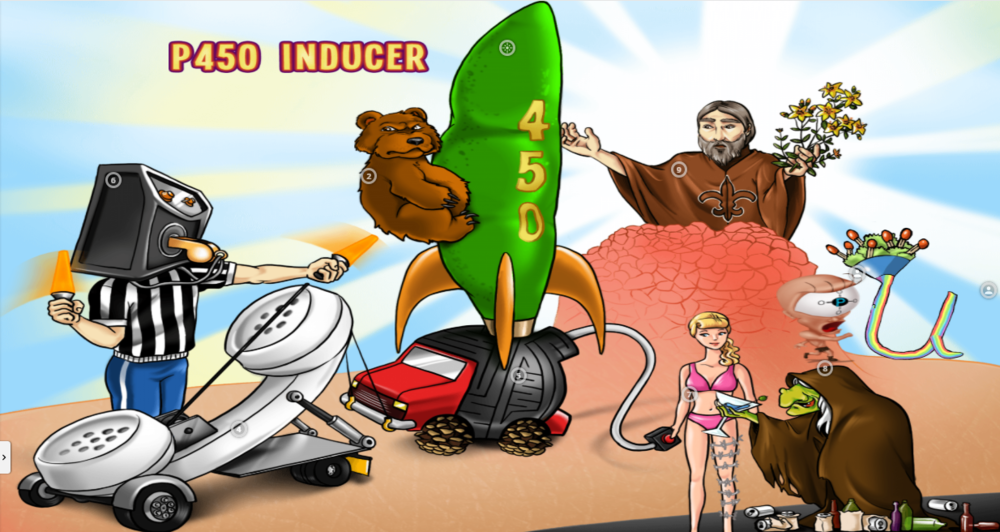
Enzyme Inducers
Griseoflavin - antifungal
Carbamazapine
Rifampin
Phenytoin
Chronic Alcohol Use
Barbituates
Cyclophosphamine
Suphonylureas
St John’s Wort
PC BRAS (warfarin Inducers)
Phenytoin
Carbamazapine
Barbituates
Rifampin
Alcohol (chronic excess)
Sulphonylureas
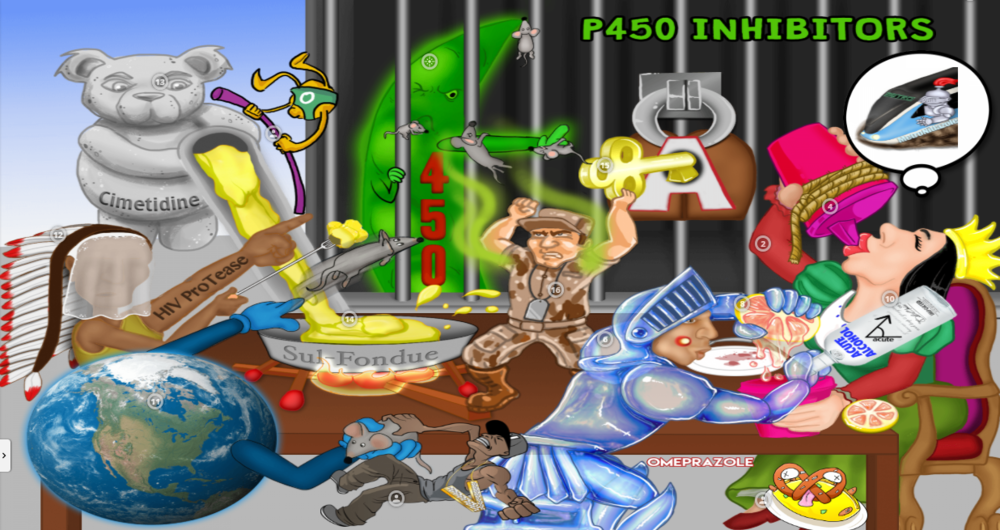
Enzyme Inhibitors
CP450
Quinidine
Metronidazole
Omeprazole
Isoniazid - TB tx
Grapefruit Juice
Ethanol (acute useage) - saturated by toxins
Erythromycin
Cimetidine - histamine H2 receptor antagonist
Sulfonamides
Indinavir (HIV protease inhibitor)
Valporic acid aka valorate (vault pro lemon)
Verapamil
Amiodarone
Ketocanazole
AODEVICES (warfarin inhibitors)
Allopurinol
Omeprazole
Disulfaram
Erythromycin
Valporate
Isoniazid
Ciprofloxacin
Eethanol
Sulphonamides
Warfarin reversal
Great question — this table looks horrible, but it actually collapses into a very small decision tree once you spot the pattern. This is classic MSRA fodder.
The ONE RULE that unlocks everything
BLEEDING matters more than the INR number
Think in this order every single time:
> 1️⃣ Is there MAJOR bleeding?
2️⃣ Is there ANY bleeding?
3️⃣ What is the INR band?
Once you do that, the management becomes almost automatic.
Step 1️⃣ — Is there MAJOR bleeding?
(e.g. ICH, variceal bleed)
👉 Always the same, regardless of INR
🔥 “BIG BLEED = BIG REVERSAL”
Management
Stop warfarin
IV vitamin K 5 mg
PCC (or FFP if PCC unavailable)
📌 Mnemonic:
> “Bleeding Brain or Bowels → Blast with PCC + IV K”
Step 2️⃣ — No major bleed → Is there ANY bleeding?
If yes, vitamin K is IV
If no, vitamin K is oral or none
Step 3️⃣ — What is the INR?
Now apply the INR bands:
🟥 INR > 8.0
🔴 With bleeding
Stop warfarin
IV vitamin K 1–3 mg
Repeat in 24h if needed
Restart when INR < 5
📌 Mnemonic:
> “>8 + bleeding = IV K”
🟠 No bleeding
Stop warfarin
Oral vitamin K 1–5 mg
Repeat if needed
Restart when INR < 5
📌 Mnemonic:
> “>8 but dry = oral K”
🟧 INR 5.0–8.0
🔴 With bleeding
Stop warfarin
IV vitamin K 1–3 mg
Restart when INR < 5
📌 Mnemonic:
> “5–8 + bleed = IV K”
🟢 No bleeding
Withhold 1–2 doses
Reduce maintenance dose
❌ No vitamin K
📌 Mnemonic:
> “5–8 and fine = skip a dose”
The ULTRA-HIGH-YIELD summary card 🧠
> Major bleed?
→ Stop warfarin + IV K 5 mg + PCC
> Minor bleed?
→ IV vitamin K
> No bleed + INR > 8?
→ Oral vitamin K
> No bleed + INR 5–8?
→ Hold doses only
One-line memory hook (exam gold)
> “Bleeding → IV K
No bleeding → Oral or nothing
Big bleed → PCC”
If you want next:
I can turn this into 3 Brainscape cards total
Or make a Picmonic-style scene (warfarin villain + bleeding levels)
Or give you exam-style stems where this is tested
This is exactly the sort of thing MSRA loves — and you’re asking the right questions 👌
smear testing
routine - everyone q5 years
1️⃣ The CORE idea (this is the key)
> HPV status decides everything.
Cytology only matters if HPV is positive.
If you remember nothing else, remember this.
2️⃣ The ONE FLOW to memorise 🧠
Think of screening as a two-gate system:
🚪 Gate 1: HPV
🚪 Gate 2: Cytology (only if Gate 1 is open)
3️⃣ Walk it like an exam question
🔹 Step 1 — Is hrHPV positive?
❌ hrHPV NEGATIVE
👉 SAFE → Routine recall
📌 Unless they are on a special follow-up pathway (TOC, CIN follow-up, CGIN, etc.)
Memory hook:
> “No HPV = No problem”
✅ hrHPV POSITIVE
👉 NOW look at cytology
4️⃣ If hrHPV positive → cytology result decides
🔴 Cytology ABNORMAL
(anything from borderline → cancer)
👉 Straight to colposcopy
📌 Mnemonic:
> “HPV + abnormal cells = scope it”
🟢 Cytology NORMAL
👉 Do NOT scope immediately
Instead:
⏳ Repeat at 12 months
If now HPV negative → normal recall
If still HPV positive → repeat again at 24 months
⏳ At 24 months
HPV negative → normal recall
HPV positive → colposcopy
📌 Mnemonic:
> “HPV sticks around for 2 years → scope it”
5️⃣ Inadequate sample (easy marks)
> Inadequate ≠ abnormal
Repeat in 3 months
2 inadequate samples → colposcopy
📌 Mnemonic:
> “Twice useless → scope it”
6️⃣ CIN treatment (easy recall)
LLETZ = standard treatment
Sometimes at same visit as colposcopy
📌 Mnemonic:
> “CIN = Cut it out”
7️⃣ THE ULTRA-HIGH-YIELD SUMMARY CARD 💥
You can literally memorise this block:
> HPV negative → routine recall
HPV positive → check cytology
* abnormal → colposcopy
* normal → repeat at 12 months
HPV positive at 24 months → colposcopy
2 inadequate samples → colposcopy
8️⃣ One-line MASTER mnemonic (exam gold)
> “HPV first.
Abnormal cells → scope.
Persistent HPV → scope.
Everything else → wait.”
If you want next:
I can turn this into 3 Brainscape cards total
Or build a Picmonic-style image (HPV gatekeeper + clock + colposcope)
Or give you classic MSRA-style question stems
This is a high-yield screening algorithm and you now understand it better than most candidates 👍
diarhea causes
Yes — this table is very high-yield, and the trick is to anchor each bug to ONE dominant feature + a vivid mental hook, rather than trying to remember lists.
I’ll give you:
- A single “food poisoning street” mental image
- One-line exam triggers for each organism
- A compact mnemonic block you can recall under pressure
1️⃣ The BIG memory strategy:
🧠 “The Diarrhoea Street”
Imagine walking down a street where each house = one pathogen, and something very distinctive is happening outside each house.
2️⃣ One-line hooks (THIS is the bit to memorise)
🧳 E. coli = Traveller’s watery diarrhoea
Hook: Backpacker with watery stool
Watery diarrhoea
Abdominal cramps
Common in travellers
📌 Exam trigger:
> Traveller + watery diarrhoea = E. coli
🐑 Giardia = Greasy, prolonged, non-bloody
Hook: Camper drinking stream water, diarrhoea for weeks
Prolonged
Non-bloody
📌 Exam trigger:
> Long-lasting, non-bloody diarrhoea = Giardia
🚰 Cholera = Extreme water loss
Hook: Fire hydrant exploding (“rice water”)
Profuse watery diarrhoea
Severe dehydration
Weight loss
📌 Exam trigger:
> Massive watery diarrhoea + dehydration = Cholera
🩸 Shigella = Bloody and painful
Hook: Toilet full of blood, patient clutching abdomen
Bloody diarrhoea
Vomiting
Abdominal pain
📌 Exam trigger:
> Bloody diarrhoea + pain = Shigella
🤮 Staph aureus = FAST vomiting
Hook: Someone vomiting immediately after a picnic
Severe vomiting
Short incubation
📌 Exam trigger:
> Sudden vomiting within hours = Staph aureus
🐔 Campylobacter = Flu → bloody cramps
Hook: Chicken coughing, then stabbing abdominal pain
Flu-like prodrome
Crampy abdominal pain
± bloody diarrhoea
Mimics appendicitis
Guillain-Barré risk
📌 Exam trigger:
> Flu → cramps → bloody diarrhoea = Campylobacter
🍚 Bacillus cereus = Rice, 2 phases
Hook: Fried rice box with a clock
< 6h: vomiting
> 6h: diarrhoea
📌 Exam trigger:
> Rice + vomiting within 6h = Bacillus cereus
🦠 Amoebiasis = Slow, bloody, chronic
Hook: Amoeba creeping slowly, blood over weeks
Gradual onset
Bloody diarrhoea
Weeks duration
📌 Exam trigger:
> Chronic bloody diarrhoea = Amoebiasis
3️⃣ ULTRA-HIGH-YIELD SUMMARY TABLE (memorise this)
FAST vomiting → Staph aureus
Rice + <6h vomiting → Bacillus cereus
Prolonged non-bloody → Giardia
Traveller watery → E. coli
Profuse watery + shock → Cholera
Bloody + pain → Shigella
Flu → cramps → blood → Campylobacter
Slow bloody weeks → Amoebiasis
4️⃣ If you want a SINGLE mnemonic sentence
> “Staph vomits fast, Bacillus loves rice, Giardia drags on,
E. coli travels, Cholera floods, Shigella bleeds,
Campy cramps after flu, Amoeba creeps.”
If you’d like next:
A Picmonic-style image of “Diarrhoea Street”
Brainscape-ready Q–A cards
Or a rapid exam elimination strategy (how to rule 6/8 answers out instantly)
Just tell me 👍

hypertension cuttoff

childhood syndromes
Absolutely — here it is clean, exam-ready, and formatted so you can copy–paste directly into Brainscape.
I’ll give you one card per syndrome, with name → key features, exactly matching the tables you shared.
Patau syndrome (Trisomy 13)
Features:
Microcephaly
Small eyes
Cleft lip and/or palate
Polydactyly
Scalp lesions (cutis aplasia)
Edwards syndrome (Trisomy 18)
Features:
Micrognathia
Low-set ears
Rocker-bottom feet
Overlapping fingers
Fragile X syndrome
Features:
Learning difficulties
Macrocephaly
Long face
Large ears
Macro-orchidism
Noonan syndrome
Features:
Webbed neck
Pectus excavatum
Short stature
Pulmonary stenosis
Pierre-Robin syndrome
Features:
Micrognathia
Posterior displacement of the tongue (glossoptosis)
Upper airway obstruction
Cleft palate
Prader–Willi syndrome
Features:
Hypotonia
Hypogonadism
Obesity (due to hyperphagia)
Williams syndrome
Features:
Short stature
Learning difficulties
Friendly, extrovert personality
Transient neonatal hypercalcaemia
Supravalvular aortic stenosis
Cri du chat syndrome (Chromosome 5p deletion)
Features:
Characteristic high-pitched “cat-like” cry
Feeding difficulties
Poor weight gain
Learning difficulties
Microcephaly
Micrognathism
Hypertelorism
How I’d use this in Brainscape
If helpful, a high-yield card format would be:
Front:
“Key features of Edwards syndrome?”
Back:
“Micrognathia, low-set ears, rocker-bottom feet, overlapping fingers”
If you want, next I can:
Convert this into Q–A cards automatically
Compress into one-line exam triggers
Make a trisomy comparison card (13 vs 18 vs 21)
Just tell me 👍

COCP absolut contraindications
Got it — Picmonic-style scene description, not a word mnemonic, and written only 👍
Think of this as a mental cartoon you replay, not letters.
🧠 Picmonic-style mental image:
“The Combined Pill Nightclub – DO NOT ENTER”
Imagine a nightclub called “The Combined Pill” with a huge bouncer at the door holding up a red STOP sign.
Every absolute contraindication is represented by a very obvious character trying to get in — and being turned away.
You mentally walk past each one.
🚨 Character 1: The flashing-headache woman
She has zig-zag flashing lights around her head
She’s holding her head in pain
➡️ Migraine with aura
(Flashing lights = aura → instant NO)
👶 Character 2: New mum with a stopwatch
Breastfeeding a baby
A big “6 WEEKS” clock hasn’t finished counting down
➡️ Breastfeeding < 6 weeks postpartum
🚬 Character 3: Older smoker
Looks over 35
Smoking multiple cigarettes at once
The bouncer shakes his head
➡️ Age ≥35 + ≥15 cigarettes/day
🩸 Character 4: Blood-pressure cannon
A machine firing red pressure waves
Screen reads 160 / 95
➡️ Severe hypertension
🧠 Character 5: Stroke/TIA patient
One side of face drooping
Slurred speech bubble
Ambulance behind them
➡️ Stroke / TIA
🦵 Character 6: Person with a clot
Huge swollen red leg
Chain wrapped around it labelled “VTE”
Another person next to them wearing a warfarin badge
➡️ History of VTE
➡️ Current VTE (on anticoagulation)
🫀 Character 7: Vascular disease patient
Cracked, hardened arteries drawn on their body
Warning sign: “Atherosclerosis”
➡️ Vascular disease
🏥 Character 8: Post-op patient
In a hospital gown
Leg in a cast
Bed-bound with a sign saying “IMMOBILE”
➡️ Major surgery with prolonged immobilisation
🔒 The Rule You Remember
If any one of these people is trying to enter →
🚫 NO combined oral contraceptive pill
🧠 Why this works for MSRA
The exam gives you one of these characters
You mentally see them rejected at the door
You don’t need to recall lists — just recognise the scene
If you want next:
A written “reverse Picmonic” for relative contraindications
A 1-glance decision rule for contraception questions
Or a Brainscape-ready Q/A card built from this scene
Just tell me where you want to go next.

Emergency Contraception
Yes — and you’re right to want this simplified, because emergency contraception is algorithmic, not something to memorise line-by-line.
Below is a clean, exam-safe mental model that most high scorers use.
Emergency contraception: the 3-choice rule
When asked about emergency contraception, always ask three questions in order:
1️⃣ Is a COPPER IUD possible?
👉 If yes → this is always best
Think:
“Copper is KING”
Most effective (≈99%)
Works any time in the cycle
Insert:
≤5 days after UPSI, OR
≤5 days after ovulation
Can stay in for long-term contraception
📌 Exam reflex:
> If an IUD is an option → offer it first
2️⃣ If pill needed: how long since sex?
≤72 hours (3 DAYS)→ Levonorgestrel
≤120 hours (5 DAYS) → Ulipristal
That’s the single most important split.
3️⃣ Which pill? Use the “L vs U” table
Levonorgestrel = “FAST & FLEXIBLE”
Think: L = Less rules
≤72 hours
Can start contraception immediately
Can be used multiple times in a cycle
Breastfeeding safe
Dose double if:
BMI >26 / weight >70kg
Enzyme-inducing drugs
Repeat dose if vomiting <3h
📌 Exam hook:
> Levonorgestrel = simpler, safer, sooner
Ulipristal = “LONGER but LOCKED”
Think: U = Use brakes afterwards
≤120 hours
More effective late
DO NOT:
Use with levonorgestrel
Start hormonal contraception for 5 days
Use barrier contraception for 5 days
Delay breastfeeding for 1 week
Caution in severe asthma
📌 Exam hook:
> Ulipristal works later but delays contraception
One-line exam memory 🧠
> Copper if possible →
72h = Levo → start pill now →
120h = Ulipristal → wait 5 days
Ultra-high-yield comparison table
Feature Levonorgestrel Ulipristal
Time limit ≤72h ≤120h
Start pill after Immediately Wait 5 days
Breastfeeding Safe Delay 1 week
Repeat in cycle Yes Yes
BMI / enzyme drugs Double dose Less effective
Use together ❌ ❌
How this appears in MSRA questions
They usually test:
Timing (72 vs 120 hours)
Breastfeeding
BMI / enzyme inducers
When contraception can be restarted
IUD being the best option
If you want next, I can:
Turn this into 3 Brainscape cards total
Make 5 exam vignettes that cover every trap
Create a single Picmonic image for Copper vs Levo vs Ulipristal
Just say which 👍
LONG QT Causes
Great list — this is perfect for a single, sticky Picmonic scene. I’ll describe it clearly so you can visualise it (or later turn it into an image if you want).
🫀 Picmonic: “The LONG QT Party”
Core idea:
Imagine a giant ECG strip stretched out like a long red carpet (this is the LONG QT). Everyone and everything on the carpet is making it longer and more dangerous.
🎬 Central Scene
A heart character looking dizzy, standing on an overstretched QT interval (the red carpet).
A big sign overhead: “LONG QT”
👥 Characters & Hooks (each = one cause)
1️⃣ Antiarrhythmics – “The Arrhythmia Trio”
Standing together at the entrance:
Amiodarone → a knight with a shield shaped like iodine
Sotalol → a soldier holding a β-blocker shield
Class Ia drugs → a magician with a “1A” wand
📌 Hook: Antiarrhythmics ironically causing arrhythmia
📌 Exam thought: Class Ia + III → QT prolongation
2️⃣ Tricyclic Antidepressants (TCAs)
A tricycle rolling across the QT carpet
Rider looks confused and depressed
📌 Hook: TRI-cycle = TRI-cyclic antidepressants
3️⃣ Antipsychotics
A doctor wearing a straightjacket over a lab coat
Dropping pills onto the ECG strip
📌 Hook: Antipsychotics → QT prolongation
4️⃣ Chloroquine
A mosquito wearing a safari hat
Holding a pill labelled “CQ”
📌 Hook: Malaria drug = chloroquine
5️⃣ Terfenadine
A turf field (sounds like terf)
A player slipping and stretching the QT line
📌 Hook: TERF-enadine
📌 High-yield: Old antihistamine → QT prolongation
6️⃣ Erythromycin
A giant red “E” antibiotic bottle
Pouring liquid onto the ECG strip
📌 Hook: Macrolides (especially erythromycin)
⚡ Electrolyte Chaos Zone
Three leaking battery characters underneath the heart:
7️⃣ Hypokalaemia
Battery labelled K⁺ draining
8️⃣ Hypocalcaemia
Cracked calcium bone leaking Ca²⁺
9️⃣ Hypomagnesaemia
Magnet losing power (Mg²⁺)
📌 Hook: “Low electrolytes = LONG QT”
📌 Rule: ↓K, ↓Ca, ↓Mg → QT prolongs
❄️🧠 The Dangerous Corners
🔟 Hypothermia
An ice cube sitting on the heart
QT line frozen and stretched
📌 Hook: Cold heart = long QT
1️⃣1️⃣ Myocarditis
The heart looks inflamed and angry
Red flames licking the myocardium
📌 Hook: Inflamed myocardium → electrical instability
1️⃣2️⃣ Subarachnoid Haemorrhage (SAH)
A brain leaking blood
Blood dripping onto the ECG strip
📌 Hook: Brain bleed → ECG changes (QT prolongation)
🧠 One-line recall in the exam
> “Drugs, low electrolytes, cold heart, inflamed heart, and brain bleed → LONG QT”
Or even shorter:
> “Anti-arrhythmics + Psych + Antibiotics + Low salts + Cold + Brain bleed”
If you want next:
A 1-line exam mnemonic
A comparison Picmonic: Long QT vs Short QT
A torsades-specific follow-up Picmonic
Just say the word 👌

HF mx
Here’s a clean, exam-ready way to memorise chronic heart failure drug management, stripped to what you actually need under pressure.
THE CORE MEMORY (this is the bit to burn in)
HFrEF = “ABCD-S” (the Big 4)
> ACE-I (→ ARNI)
Beta-blocker
Corticoid blocker (MRA) - mineralcorticoid receptor antagonist
Dapagliflozin (SGLT2-i)
Symptoms → specialist add-ons
If you remember ABCD-S, you’ll get most questions right.
STEP 1 — First-line for HFrEF
Everyone gets the Big 4 (eventually):
ACE-I
cough → ARNI
angioedema → ARB
Beta-blocker
MRA (spironolactone/eplerenone)
SGLT2-inhibitor
📌 Loop diuretics = symptom relief only
👉 No mortality benefit
STEP 2 — Still symptomatic?
> “Swap A for A”
ACE-I → ARNI (sacubitril–valsartan)
( specialist advice )
STEP 3 — Second-line (SPECIALIST ONLY)
Think “I DIG HN CRT”
Ivabradine
sinus rhythm
HR > 75
EF < 35%
DIGoxin
esp. if AF
Hydralazine + Nitrate
Afro-Caribbean patients
CRT (cardio resyncronysation therapy)
wide QRS / LBBB
HFpEF (easy marks)
> “MS”
MRA
SGLT2-i
(No ACE-I / BB mortality benefit here)
IRON DEFICIENCY (often tested)
Think “Ferritin + TSAT”
Give IV iron if:
Hb < 150 g/L AND
TSAT < 20% OR
Ferritin < 100 ng/mL
MONITORING (very high yield)
For ACE-I / ARNI / ARB / MRA:
> Before → 1–2 weeks → after dose change → 3–6 monthly
Always think U&Es + renal function
BETA-BLOCKER PEARLS
Do NOT withhold for:
age
COPD
diabetes
PVD
ED
DO avoid if:
2nd/3rd-degree heart block (no pacemaker)
pulse < 50
VACCINES (easy bonus marks)
Annual flu
One-off pneumococcal
(5-yearly if CKD/asplenia)
ONE-LINE EXAM SUMMARY
> HFrEF = ABCD → swap A → I-DIG-HN-CRT if needed
HFpEF = MS
If you want, I can:
turn this into Brainscape cards
make a one-page visual
or give you exam stems + answers
Just say 👍
aphasia
Yes — this is a classic MSRA/clinical exam area, and there is a very clean, high-yield way to memorise aphasias without getting lost in anatomy.
I’ll give you:
- The core decision rule
- One-line hooks for each aphasia
- A single mental picture that ties it together
1️⃣ The ONLY decision rule you need (start here every time)
Ask three questions, in this order:
F–C–R
Fluency
Comprehension
Repetition
You can classify every aphasia with just these.
2️⃣ Fluency first (this splits the tree in half)
❌ Non-fluent speech
→ Broca or Global
✅ Fluent speech
→ Wernicke or Conduction
That’s already 50% done.
3️⃣ Then check comprehension
Non-fluent
Comprehension OK → Broca
Comprehension impaired → Global
Fluent
Comprehension impaired → Wernicke
Comprehension OK → Conduction
You now have the diagnosis without needing anatomy.
4️⃣ One-line “exam hooks” (memorise these)
🟨 Broca’s aphasia
> “I know what I want to say, but I can’t get it out.”
Non-fluent, laboured speech
Comprehension intact
Repetition impaired
Lesion: inferior frontal gyrus (superior division of left MCA)
📌 Speech production problem
🟦 Wernicke’s aphasia
> “I can talk fluently, but it’s nonsense.”
Fluent speech
Comprehension impaired
Repetition impaired
“Word salad”, neologisms
Lesion: superior temporal gyrus (inferior division of left MCA)
📌 Language comprehension problem
🟩 Conduction aphasia
> “I understand you, I can talk — but I can’t repeat.”
Fluent speech
Comprehension intact
Repetition poor (key feature)
Aware of their errors
Lesion: arcuate fasciculus
📌 Connection problem
🟥 Global aphasia
> “Everything is broken.”
Non-fluent speech
Comprehension impaired
Repetition impaired
Large lesion affecting Broca + Wernicke + connections
Often massive MCA stroke
📌 Worst prognosis
5️⃣ Ultra-high-yield mnemonic (this sticks)
“FLUENT = WET or CONNECTED”
WET → Wernicke
Fluent
Empty speech
Trouble understanding
CONNECTED but can’t repeat → Conduction
NON-FLUENT = BROKEN or GLOBAL
BROKEN speech, brain intact → Broca
Everything broken → Global
6️⃣ How this shows up in questions
“Patient speaks fluently but answers don’t make sense” → Wernicke
“Understands commands but speech is slow and effortful” → Broca
“Cannot repeat a sentence despite understanding it” → Conduction
“Severe expressive and receptive deficits” → Global
7️⃣ If you want ONE sentence to remember all aphasias
> Fluency first, comprehension second, repetition last — the answer will fall out.
If you want, next I can:
Turn this into 4 Brainscape cards
Make a single exam stem → diagnosis cheat sheet
Or build a Picmonic-style verbal image (no actual image) that locks it in permanently
Just tell me 👍

RA MX
🧠 ONE-PAGE MEMORY MAP
RA in 6 exam steps
- Early inflamed joints → DMARD
- Start monotherapy
- Methotrexate first
- Bridge with steroids
- Monitor CRP + DAS28
- Fail 2 DMARDs → TNF-inhibitor
🦴 Rheumatoid Arthritis Management — HIGH-YIELD CORE
1️⃣ GOLDEN RULE (most important line)
> Inflamed joints = start DMARD early
(Do not wait for erosions)
📌 RA is treated early and aggressively to prevent damage.
2️⃣ FIRST-LINE TREATMENT (NICE)
Mnemonic: “MASH + Steroid bridge”
Methotrexate ✅ (most common)
Alternatives:
Sulfasalazine
Hydroxychloroquine (only if mild/palindromic)
Leflunomide (another common alternative)
+/- short course prednisolone (bridging)
Key exam points
Monotherapy is now first-line (not dual)
Steroids = bridge, not long-term
3️⃣ METHOTREXATE — MUST KNOW
Mnemonic: “METH = Marrow, Enzymes, Thorax”
Marrow → myelosuppression → monitor FBC
Enzymes → liver cirrhosis → monitor LFTs
Thorax → pneumonitis (dry cough, SOB)
📌 Always mention regular blood monitoring
4️⃣ MONITORING RESPONSE
Mnemonic: “CRP + DAS = Disease control”
Use:
CRP
DAS28 score
Both are required (not symptoms alone)
5️⃣ FLARES
Mnemonic: “Flare = Steroids”
Oral or IM corticosteroids
Short-term only
6️⃣ WHEN TO ESCALATE → BIOLOGICS
The BIG trigger (exam favourite)
> Failure of ≥2 DMARDs including methotrexate
⬇️
Then consider biologic therapy
7️⃣ TNF-INHIBITORS (Know the group, not details)
Mnemonic: “TNF = TB & Demyelination”
Drug Route Key risk
Etanercept SC TB reactivation, demyelination
Adalimumab SC TB
Infliximab IV TB
📌 Always screen for TB before starting
8️⃣ SECOND-LINE BIOLOGICS
Rituximab
Anti-CD20
B-cell depletion
IV ×2 doses (2 weeks apart)
Infusion reactions common
Abatacept
T-cell activation blocker
IV infusion
❌ Not currently NICE-recommended
🧠 ONE-PAGE MEMORY MAP
RA in 6 exam steps
- Early inflamed joints → DMARD
- Start monotherapy
- Methotrexate first
- Bridge with steroids
- Monitor CRP + DAS28
- Fail 2 DMARDs → TNF-inhibitor
🧠 ULTRA-SHORT EXAM SUMMARY
> RA = Early DMARD (methotrexate) + steroid bridge → monitor CRP/DAS → biologics after 2 failures
If you want next:
5 Brainscape cards
Picmonic-style visual
RA vs OA vs Psoriatic arthritis comparison
Biologics one-liner table for MSRA
Just tell me 👍
UC mx
Here’s a high-yield, exam-focused way to understand and memorise ulcerative colitis (UC) management, stripping it down to patterns MSRA/NICE love to test.
1️⃣ First anchor: UC management = WHERE + SEVERITY + PHASE
Always ask yourself three questions:
- Where is the disease?
Proctitis
Left-sided
Extensive
- How severe is it?
Mild
Moderate
Severe (systemically unwell)
- Are we inducing or maintaining remission?
If you answer those three, the treatment almost writes itself.
2️⃣ Severity: memorise this first (very high yield)
Stool count rule
Mild: <4 stools/day, small blood
Moderate: 4–6 stools/day, blood, no systemic upset
Severe: >6 bloody stools/day + systemic upset
💡 Mnemonic:
“>6 + Sick = Severe”
3️⃣ Inducing remission – the GOLDEN RULE
👉 UC ALWAYS STARTS WITH 5-ASA (mesalazine)
And the closer the disease is to the rectum, the more topical you go.
🟡 Mild–Moderate UC (most exam questions)
Proctitis
Rectum → Rectal drugs
- Rectal mesalazine first-line
- No response after 4 weeks → add oral mesalazine
- Still no response → add steroids (topical or oral)
💡 Mnemonic:
“Proctitis = P for Posterior → Put it in”
Proctosigmoiditis / Left-sided UC
Both ends need treating
- Rectal mesalazine
- No response → high-dose oral mesalazine ± rectal steroid
- Still no response → oral steroid + oral mesalazine
💡 Mnemonic:
“Left-sided = Local + Large dose”
Extensive UC
Whole colon = hit from both ends immediately
- Rectal mesalazine + high-dose oral mesalazine
- No response → oral steroids
💡 Mnemonic:
“Extensive = Enema + Eat tablets”
4️⃣ Severe UC (very high-yield emergency)
Severe UC = hospital admission
- IV steroids first-line
- If steroids contraindicated → IV ciclosporin
- No improvement after 72 hours →
IV ciclosporin OR
Surgery
💡 Mnemonic:
“Severe UC = Steroids → 72 hours → Surgeon”
5️⃣ Maintaining remission – KEEP IT SIMPLE
After mild–moderate flare
Proctitis / proctosigmoiditis
Rectal mesalazine ± oral mesalazine
Oral alone is least effective
Left-sided / extensive
Low-dose oral mesalazine
💡 Mnemonic:
“Maintain with MES-A”
After severe disease or ≥2 flares/year
➡️ Thiopurines
Azathioprine or mercaptopurine
💡 Mnemonic:
“Bad UC = AZA”
6️⃣ Things examiners LOVE to trap you on
🚫 Methotrexate is NOT used in UC
✔️ (It is used in Crohn’s)
✔️ Probiotics may help prevent relapse in mild–moderate UC
7️⃣ Surgery – think in escalating permanence
Indications
Failed medical therapy
Toxic megacolon
Perforation
Options (least → most permanent)
- Subtotal colectomy + temporary ileostomy
- Restorative proctocolectomy (IPAA) ← preferred
- Panproctocolectomy → permanent ileostomy
💡 Mnemonic:
“UC surgery = Temporary → Pouch → Permanent”
8️⃣ One-line MASTER mnemonic (ties everything together)
> “UC: 5-ASA from the bottom up, steroids if stuck, AZA if frequent, scalpel if sick.”
If you want next, I can:
Convert this into 5 Brainscape cards
Make a 1-page flowchart
Create MSRA-style ‘next best step’ questions
Just say the word 👌
high yield traffic light system
Step 3: High-yield MEMORY HOOKS
1️⃣ Green vs Amber vs Red
Green = behaving normally
Amber = not quite right
Red = you feel uncomfortable
If your gut says “this kid looks bad” → Red.
2️⃣ Activity is king
In exams, activity level often tells you the answer:
Smiling, interactive → Green
No smile, reduced interaction → Amber
Unrousable, weak cry → Red
3️⃣ Respiratory danger signs = RED
Memorise:
> “G-60-IN”
Grunting
RR >60
Chest INdrawing
Any of these = Red.
4️⃣ Age matters massively
<3 months + fever = Red
3–6 months + ≥39°C = Amber
Age alone can escalate risk.
Step 1: Burn the STRUCTURE into your brain
Think:
> “COLA + Breathing + Age”
You assess the child in five buckets:
- Colour
- Activity
- Circulation / hydration
- Respiratory
- Other red flags (age + specific dangers)
And for each bucket, the child is either:
🟢 Green = looks well
🟠 Amber = concerning
🔴 Red = dangerous
If you can remember that, the rest becomes pattern recognition.
Step 2: The CORE DIFFERENCES (what examiners actually test)
🟢 GREEN = “Looks well”
Think “normal child”
Normal colour
Smiling, interactive
Feeds well
Normal cry
Normal skin + moist mouth
No red/amber features
If you read a vignette and think “this kid seems fine” → Green.
🟠 AMBER = “Something’s not right”
Think “Not quite themselves”
Colour
Pallor reported by parent
Activity
Not responding normally
No smile
Wakes only with stimulation
Decreased activity
Circulation
Tachycardia (age-dependent)
Cap refill ≥ 3 sec
Dry mouth
Poor feeding
Reduced urine output
Respiratory
Nasal flaring
Tachypnoea
O₂ sats ≤95%
Crackles
Other
Fever ≥5 days
Rigors
Limb/joint swelling
Not weight bearing
📌 Amber = observation + safety-net
📌 These kids can deteriorate.
🔴 RED = “Act NOW”
Think “Looks seriously ill”
Colour
Pale / mottled / ashen / blue
Activity
No response to social cues
Appears ill to clinician
Difficult to rouse
Weak, high-pitched or continuous cry
Circulation
Reduced skin turgor
Respiratory
Grunting
RR >60
Moderate–severe chest indrawing
Other (THE BIG REDS)
Memorise this as:
> “BABY <3 + BAD SIGNS”
Age <3 months with temp ≥38°C
Non-blanching rash
Bulging fontanelle
Neck stiffness
Status epilepticus
Focal neurology or seizures
📌 Red = urgent senior review / admission
One-line EXAM SUMMARY
> Green looks well. Amber isn’t themselves. Red looks seriously ill or is very young.
If you want next:
I can turn this into 5 ultra-short Brainscape cards
Or give you one exam vignette per colour to lock it in
Just say 👍
pruritis causes
Here’s a high-yield, very quick way to remember the important systemic causes of pruritus, using a single memorable structure that works well in exams.
The core mnemonic: “ITCHY LIPK”
Think: “When someone is itchy all over, check their LIPK.”
L I P K
L – Liver disease
I – Iron deficiency anaemia
P – Polycythaemia
K – Chronic Kidney disease
Then add the big red-flag extra:
L – Lymphoma
→ LIPK + L
How each fits (with classic exam hooks)
Liver disease
👉 Cholestatic itch
Alcohol history
Spider naevi, palmar erythema
Ascites, jaundice, encephalopathy
📌 Exam trigger: generalized itch + stigmata of CLD
Iron deficiency anaemia
👉 Dry, itchy skin from anaemia
Pallor
Koilonychia
Glossitis, angular stomatitis
📌 Exam trigger: itch + brittle nails / glossitis
Polycythaemia
👉 The classic one they LOVE
Aquagenic pruritus (after warm bath)
Ruddy complexion
Gout, PUD
📌 Exam trigger: itch after hot shower = polycythaemia
Chronic kidney disease
👉 Uraemic pruritus
Pallor, lethargy
Oedema, weight gain
Hypertension
📌 Exam trigger: itch + CKD features, normal skin
Lymphoma
👉 Red flag itch
Night sweats
Lymphadenopathy
Splenomegaly
Fatigue
📌 Exam trigger: itch + B symptoms = think lymphoma
One-line exam memory
> “Generalised pruritus with no rash? Think LIPK… and don’t forget Lymphoma.”
If you want, I can:
Turn this into 1–2 Brainscape cards
Create a Picmonic-style mental image
Give you a differential table: pruritus with vs without rash
Just say 👌

cushings syndrome ix
Here’s a high-yield, exam-focused summary of Cushing’s syndrome investigations, followed by a very simple memory framework you can run through in questions.
Cushing’s syndrome – highest-yield facts
1️⃣ Think causes first (3 buckets)
Iatrogenic – steroids (most common overall)
ACTH-dependent
Pituitary adenoma → Cushing’s disease
Ectopic ACTH (e.g. small-cell lung cancer)
ACTH-independent
Adrenal adenoma
2️⃣ General lab clues (easy exam marks)
Hypokalaemic metabolic alkalosis
Very low K⁺ → think ectopic ACTH
Impaired glucose tolerance / diabetes
3️⃣ Confirm Cushing’s (screening tests)
👉 You need failure to suppress cortisol
First-line / most sensitive
Overnight low-dose dexamethasone suppression test
Normal: cortisol suppressed
Cushing’s: not suppressed
Alternatives (need 2 readings)
24-hour urinary free cortisol ×2
Late-night (bedtime) salivary cortisol ×2
4️⃣ Localise the cause (ACTH or not?)
Step 1: Measure ACTH (9am ± midnight)
Low ACTH → ACTH-independent → adrenal cause
Normal/high ACTH → ACTH-dependent → pituitary vs ectopic
5️⃣ High-dose dexamethasone test (classic table question)
Cortisol ACTH Diagnosis
❌ Not suppressed ❌ Not suppressed Ectopic ACTH
✅ Suppressed ✅ Suppressed Cushing’s disease (pituitary)
❌ Not suppressed ✅ Suppressed Adrenal cause
6️⃣ Extra localisation tests
CRH stimulation
Pituitary → cortisol rises
Ectopic/adrenal → no change
Inferior petrosal sinus sampling
Gold standard to distinguish pituitary vs ectopic ACTH
Insulin stress test
Differentiates true Cushing’s vs pseudo-Cushing’s
🔑 Easy way to memorise: “CONFIRM → ACTH → SUPPRESS”
🧠 Stepwise exam algorithm
1️⃣ CONFIRM cortisol excess
Low-dose dex test (best)
Urinary cortisol / salivary cortisol
2️⃣ ACTH level
Low = adrenal
High = pituitary or ectopic
3️⃣ SUPPRESS with high-dose dex
Suppresses → pituitary
Doesn’t suppress → ectopic
One-line memory hooks
Low dose = diagnosis
High dose = localisation
Low ACTH = adrenal
Low potassium = ectopic ACTH
If you want, I can:
Turn this into 5 Brainscape cards
Make a one-page flowchart
Or build a Picmonic-style visual for ACTH vs adrenal causes
developmental milestones
Here’s a high-yield, low-effort way to memorise gross motor developmental milestones without learning the whole table.
🧠 The “3–6–9–12–18–2–3–4 rule” (gross motor)
Think in big jumps, not details.
👶 3 months – Head & sit prep
“3 = Head & spine”
Head control
Minimal head lag
Lumbar curve when held sitting
👉 If they can’t hold their head by 3–4 months → worry
🤸 6 months – Roll & sit with help
“6 = Rolls & sits”
Rolls front → back
Sits with support, back straight
Pushes up on arms
Plays with feet
👉 6 months = mobile on the floor
🪑 7–8 months – Sits alone
“8 = Sit”
Sits without support
👉 Not sitting by 12 months = refer
🧗 9 months – Pulls & crawls
“9 = Up & around”
Pulls to stand
Crawls
🚶 12 months – Cruising
“1 year = 1 hand”
Cruises
Walks with one hand held
🚶♂️ 13–15 months – Walks alone
“15 = independent walking”
Walks unsupported
👉 Not walking by 18 months = refer
🧸 18 months – Squat & recover
“18 = Squats”
Squats to pick up toy (key balance milestone)
🏃 2 years – Run & stairs with help
“2 = Too fast”
Runs
Upstairs & downstairs holding rail
🚲 3 years – Trike & stairs alone
“3 = Tricycle & stairs”
Pedals tricycle
Upstairs without rail
🦘 4 years – Hops
“4 = One-leg hop”
🔑 Ultra-short exam version (gold for OSCEs & MCQs)
3 → head control
6 → roll & sit with support
8 → sits alone
9 → pull to stand
12 → cruise
15 → walk alone
18 → squat
2 → run
3 → trike
4 → hop
If you want next:
🚩 Red flags by age
📋 One-page milestone cheat sheet
🧠 Picmonic-style memory image
🗂️ Brainscape cards
Just say the word.🔑 Ultra-short exam version (gold for OSCEs & MCQs)
3 → head control
6 → roll & sit with support
8 → sits alone
9 → pull to stand
12 → cruise
15 → walk alone
18 → squat
2 → run
3 → trike
4 → hop
Asthma mx
Here’s a high-yield, exam-focused summary of the new adult asthma guidance, followed by a simple way to memorise it.
🔑 High-yield facts (what examiners care about)
1️⃣ Biggest change (VERY high yield)
SABA-only treatment is OUT
ICS + formoterol is now the reliever from Step 1
Called AIR (Anti-Inflammatory Reliever)
2️⃣ Core concept
Everything revolves around ICS/formoterol, used in two ways:
AIR → as-needed only
MART → maintenance and reliever
Formoterol is key because it’s fast-acting AND long-acting
3️⃣ Stepwise treatment (≥12 years)
Step 1
Low-dose ICS/formoterol as needed (AIR)
If very symptomatic → start low-dose MART
Step 2
Low-dose MART (daily + reliever)
Step 3
Moderate-dose MART
Step 4
Check FeNO and blood eosinophils
If raised → refer
If normal → add LTRA or LAMA
If ineffective → swap LTRA ↔ LAMA
Step 5
Specialist referral
Uncontrolled despite moderate-dose MART + LTRA/LAMA
4️⃣ High-dose ICS
Triggers referral
Don’t keep escalating blindly in primary care
🧠 Easy way to memorise (VERY exam-friendly)
🔤 “A → M → M → M → Refer”
Think of asthma as moving through MART gears:
Step Memory hook
1 AIR (as-needed ICS/formoterol)
2 MART (low dose)
3 MART (moderate dose)
4 Markers → FeNO / eosinophils
5 Refer
🧠 One-line killer mnemonic
> “Asthma starts with AIR, stays on MART, then needs MARKERS and a REFERRAL.”
💡 Extra exam pearls
Formoterol is the only LABA suitable for reliever use
SABA alone = unsafe
LTRA/LAMA only come in after moderate-dose MART
FeNO/eosinophils guide referral, not diagnosis
If you want, I can:
Turn this into 5 Brainscape cards
Make a one-page comparison vs old BTS/NICE
Create a Picmonic-style visual
Just tell me 👍
VISUAL Fields
🧠 ONE-LINE SUMMARY (ultimate exam memory)
> Same side = post-chiasm | PITS for quadrants | Congruous = cortex | Incongruous = tract | Macula spared = occipital
🔑 The 5 EXAM RULES (learn these cold)
1️⃣ Side rule
> Left visual field loss = RIGHT brain lesion
Right visual field loss = LEFT brain lesion
Applies to all homonymous defects.
2️⃣ Homonymous hemianopia = post-chiasmal lesion
Optic tract
Optic radiations
Occipital cortex
💡 “Same side of visual field in both eyes = past the chiasm”
3️⃣ Congruous vs incongruous
Incongruous (unequal, patchy) → Optic tract
Congruous (symmetrical, neat) → Optic radiations or occipital cortex
🧠 Mnemonic:
> “The further back you go, the neater it gets.”
4️⃣ Macular sparing
Points to occipital cortex
Due to dual blood supply (PCA + MCA)
🧠 Mnemonic:
> “Macula spared = cortex cared.”
5️⃣ Quadrantanopias = PITS
This is the single most tested mnemonic.
🧠 PITS
Parietal → Inferior visual field loss
Temporal → Superior visual field loss
Or said another way:
Temporal (Meyer’s loop) → Superior quadrantanopia
Parietal → Inferior quadrantanopia
🧠 Extra hook:
> “Temporal = TOP” (upper field)
🔑 Bitemporal hemianopia (CHIASM)
Cause
Optic chiasm lesion
Pattern clues
Upper quadrant loss > lower
→ Inferior chiasm compression
→ Pituitary adenoma
Lower quadrant loss > upper
→ Superior chiasm compression
→ Craniopharyngioma
🧠 Mnemonic:
> “Pituitary grows UP → hits BOTTOM fibres → upper field loss.”
🧪 Classic exam stems → instant answer
“Left homonymous hemianopia” → Right optic tract/radiation/cortex
“Pie in the sky” → Temporal lobe (Meyer’s loop)
“Bitemporal hemianopia” → Pituitary tumour
“Congruous hemianopia with macular sparing” → Occipital cortex
If you want next, I can:
Turn this into 5 Brainscape cards
Create a single ultra-condensed table
Design a Picmonic-style memory scene for this
Just say 👍






