plants Flashcards

(186 cards)

1
Q

Chinese Evergreen

Aglaonema spp.
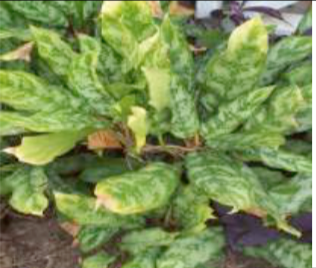
A

Toxic principle: insoluable calcium oxalate (acid)

MOA: penetration via needle shaped calcium oxalate crystals

C.S.: irritation of lips, mouth, throat, vomiting

2
Q

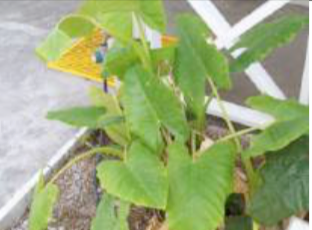
Alocacia, elephant’s ear

A

Toxicity: insoluable calcium oxalate (acid)

MOA: penetration via needle shaped calcium oxalate crystals

C.S.: irritation of lips, mouth, throat, vomiting

3
Q

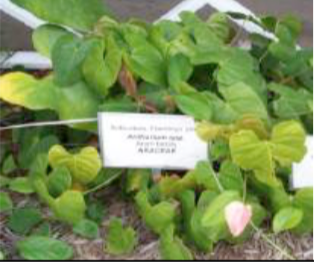
Flamingo plant

A

toxicity: insoluable calcium oxalate (acid)

MOA: penetration via needle shaped calcium oxalate crystals

C.S.: irritation of lips, mouth, throat, vomiting

4
Q

Jack in the pulpit (Arisaema triphyllum)

A

toxic principles: insoluable calcium oxalate

MOA: penetration via needle shaped calcium oxalate crystals

C.S.: irritation of lips, mouth, throat, vomiting

5
Q

Cuckoo-pint

(Arum maculatum)

A

toxic principles: insoluable calcium oxalate

MOA: penetration via needle shaped calcium oxalate crystals

C.S.: irritation of lips, mouth, throat, vomiting

6
Q

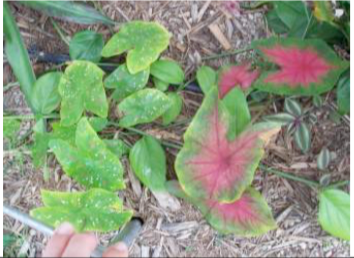
Caladium varieties

A

toxic principles: insoluable calcium oxalate

MOA: penetration via needle shaped calcium oxalate crystals

C.S.: irritation of lips, throat, mouth, vomiting

7
Q

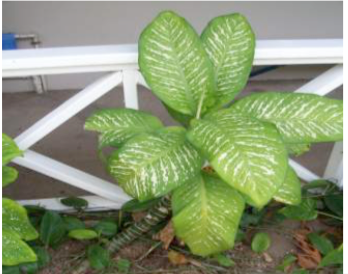
Dumcane varieties- Dieffenbachia spp

A

toxic principles: insoluble calcium oxalate

MOA: penetration via needle shaped calcium oxalate crystals

C.S: irritation of lips, mouth, throat, vomiting

8
Q

Pothos, Devil’s Ivy (Epipremnum spp.)

A

toxic principles: insoluble calcium oxalate

MOA: penetration via needle shaped calcium oxalate crystals

C.S.: irritation of lips, mouth, throat, vomiting

9
Q

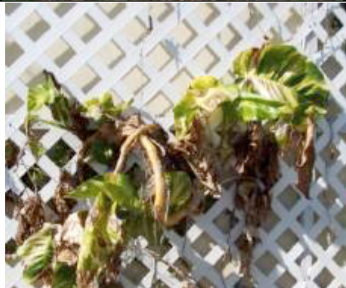
Cutleaf philodendron, Swiss Cheese plant (Monstera deliciosa)
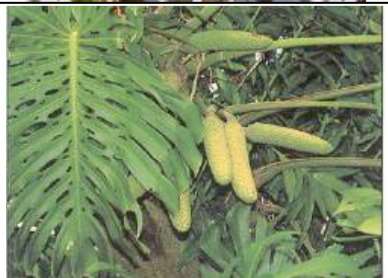
A

toxic principles: insoluable calcium oxalate

MOA: penetration via needle shaped calcium oxalate crystals

C.S.: irritation of lips, mouth, throat, vomiting

10
Q

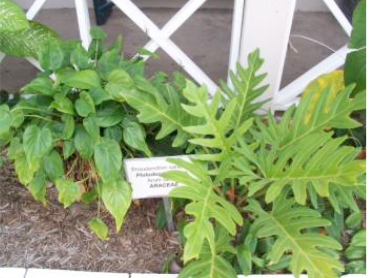
Philodendron varieties

A

toxic principles: insoluable calcium oxalate

MOA: penetration via needle shaped calcium oxalate crystals

C.S: irritation of lips, mouth, throat, vomiting

11
Q

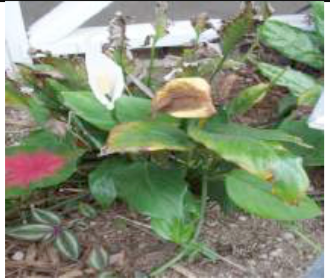
Peace lily (Spathiphyllum spp.)

A

toxic principles: insoluable calcium oxalate

MOA: penetratin via needle shaped calcium oxalate crystals

C.S.: irritation of lips, mouth, throat, vomiting

12
Q

Skunk cabbage (Sympolocarpus foetidus)
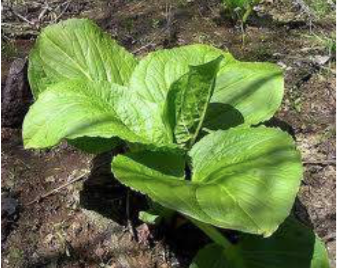
A

Toxic principles: insoluable calcium oxalate

MOA: penetration via needle shaped calcium oxalate crystals

C.S.: irritation of lips, mouth, throat, vomiting

13
Q

Arrowhead vine, Nephthytis (syngonium podophyllum)
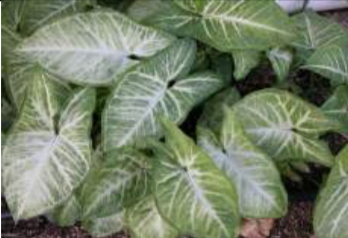
A

toxic principle: insoluable calcium oxalate

MOA: penetration via needle shaped calcium oxalate crystals

C.S.: irritation of lips, mouth, throat, vomiting

14
Q

Calla lily , arum lily (Zantedeschia oethiopica)
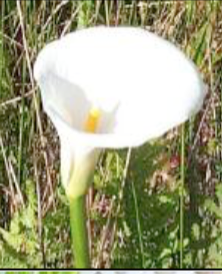
A

toxic principle: insoluable calcium oxalate

MOA: penetration via needle shaped calcium oxalate crystals

C.S.: irritation of lips, mouth, throat, vomiting

15
Q

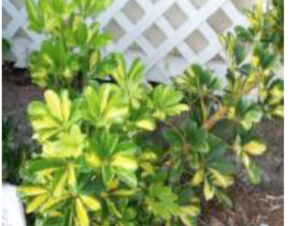
Aralia family- Umbrella tree (Schlefflera spp)
A

toxic principles: insoluble calcium oxalate

MOA: penetration via needle shaped calcium oxalate crystals

C.S.: irritation of lips, mouth, throat, vomiting

16
Q

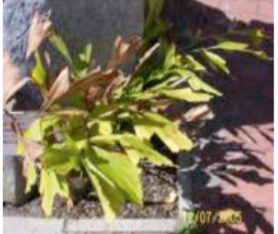
Palm family -Fishtail palm (Caryota mitis)
A

Toxic principle: insoluable calcium oxalate

MOA: penetration by needle shaped calcium oxalated crystals

C.S.: irritation of lips, mouth, throat, vomiting

17
Q

Halogeton

A

Toxic principles: soluble oxalate

MOA: hypocalcemia, precepitation of Ca oxalates in soft tissues and kidney damage

C.S.: hypocalcemia, kidney damage

18
Q

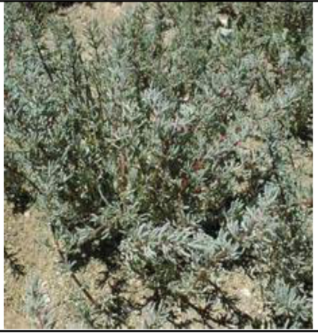
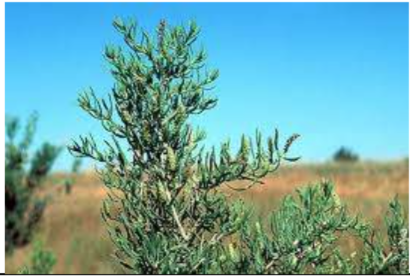
Greasewood (Sarcobatus vermiculatus)

A

Toxic principles: soluble oxalate

MOA: hypocalcemia, precipitation of calcium oxalates in soft tissues and kidney damage

C.S.: hypocalcemia, kidney

19
Q

Pigweed (Amaranthus retroflexus)

A

Toxic principles: soluble oxalate

MOA: hypocalcemia, precipitation of Ca oxalates in soft tissues and kidney damage

C.S.: hypocalcemia, methemoglobinemia, kidney damage

20
Q

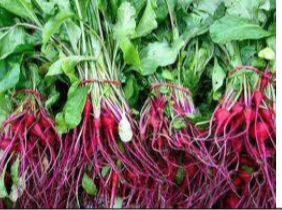
Beet (Beta vulgaris)

A

toxic principle: soluble oxalate

MOA: hypocalcemia, precipitation of Ca oxalates in soft tissues and kidney damage

C.S.: hypocalcemia, kidney damage

21
Q

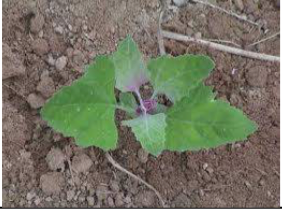
Lamb’s quarters (Chenopodium album)

A

Toxic principle: soluble oxalate

MOA: hypocalcemia, precipitation of Ca oxalates in soft tissues and kidney damage

C.S.: hypocalcemia, kidney damage

22
Q

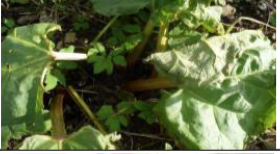
Rhubarb (Rheum rhaponiticum)

A

Toxic principle: soluble oxalate

MOA: hypocalcemia, precipitation of calcium oxalates in soft tissue, kidney damage

C.S. hypocalcemia, kidney damage

23
Q

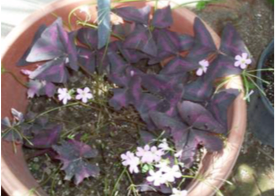
Sorrel and soursop (Oxalais spp)

A

Toxic principle: soluble oxalate

MOA: hypocalcemia, precipitation of calcium oxalates in soft tissues and kidney damage

C.S: hypocalcemia, tetany, recumbency, large doses may cause renal failure

24
Q

Purslane (Portulacca oleracea)

A

Toxic principle: soluble oxalate

MOA: hypocalcemia, precipitation of Ca oxalates in soft tissues and kidney damage

C.S. hypocalcemia, kidney damage

25
Ponderosa pine (Pinus ponderosa)
Toxic principles: isocupressic acid MOA: vasoconstriction decreases uterine blood flow, stimulates release of fetal cortisol and abortion C.S.: abortion in cattle
26
Monterey cypress (Cupressus macrocarpus)
Toxic principles: Isocupressic acid MOA: vasoconstriction decreased urine blood flow that stimulates release of fetal cortisol and abortion C.S.: abortion in cattle
27
St. John's wort- Hypericum perforatum
Toxic principle: quinone MOA: primary photosensitization C.S.: erythema, pruruitis, edema, necrosis of skin (secondary bacterial infections)
28
Buckwheat (Fagopyrun esculentum)
toxic principle: quinone MOA: primary photosensitization C.S.: erythema and pruritis, edema and necrosis of the skin, secondary bacterial infections
29
Oak Tree (Quercus spp.)
Toxic principles: Tannic acid (tannin) MOA: tissue damage including GI lesions and kidney damage C.S.: Cattle: constipation, brown urine, anorexia, depression Monogastric: mainly GI (colic, depression, hemorrhagic diarrhea, hemoglobinuria, hematuria, icterus)
30
Pride of Barbados
Toxic principles: Tannic acid (tannin) MOA: tissue damage including GI lesions and kidney damage C.S.: Cattle: constipation, brown urine, anorexia, depression Monogastric: mainly GI (colic, depression, hemorrhagic diarrhea, hemoglobinuria, hematuria, icterus)
31
Lantana (lantana camara), yellow sage
toxic principle: triterpene acids- worse in cattle MOA: liver damage (damage of bile canaliculi, membranes, cholestasis), hepatic photosensitization, hepatic encephalopathy C.S.: depression, anorexia, constipation, diarrhea, icterus, photophobia, erythema of skin, swelling, necrosis, sloughing
32
Autumn crocus, meadow saffron
Toxic principle: colchicine MOA: antimitotic (rapidly dividing cells more susceptible) C.S.: involves many organs: GI, respiratory, renal, hepatic
33
Glory Lily, climbing Lily
Toxic principle: colchicine MOA: antimitotic (rapidly dividing cells more susceptible) C.S.: involves many organs: GI, respiratory, renal, hepatic
34
Buttercup family- Larkspur, Delphinium (Delphinium spp)
Toxic principles: Diterpene alkaloids MOA:competitive blockade of the nicotinic receptors at the muscle endplate similar to crurare C.S. : sudden death in cattle, muscle weakness, stiffness, staggering, bloating, recumbency, collapse TX: physostigmine
35
Monkshade, Aconite, Monkshood (Aconitum spp.)
Toxic principles: Diterpene alkaloids MOA:competitive blockade of the nicotinic receptors at the muscle endplate similar to crurare C.S. : sudden death in cattle, muscle weakness, stiffness, staggering, bloating, recumbency, collapse TX: physostigmine
36
Ergot (Claviceps purpurea)
Toxic principles: Ergot Alkaloid MOA/C.S.: vasoconstriction and gangrene, uterine contraction and abortion (chronic)
37
Locoweed (Astragalus spp.), Milkvetches (Oxytropis spp.)
Legume family toxic principles: indolizidine alkaloids (swainsonine) MOA: inhibition of lysosomal enzymes (decrease glycoprotiens), peripheral neuronal degeneration (via nitropropanolol glycoside), abnormal hoof and hair (via selenium), alteration of cellular function in brain and other organs C.S.: neuronal signs: depression, incoordination, ataxia, circling, abnormal behavior infertility, congenital defects, heart failure, weight loss, decreased immune system locoism in horses
38
Narcissus (Narcissus spp.)
Amaryllis family Toxic principle: lycorine MOA: emetic and purgative, bulb most toxic C.S.: Anorexia, saliva, vomiting, diarrhea, hypotension, muscle tremors/seizures
39
Kaffir lily (Clivia spp.)
Toxic principle: lycorine MOA: emetic and purgative, bulb most toxic C.S.: Anorexia, saliva, vomiting, diarrhea, hypotension, muscle tremors/seizures
40
Spider lily (Hymenocallis caribaea)
Toxic principle: lycorine MOA: emetic and purgative, bulb most toxic C.S.: Anorexia, saliva, vomiting, diarrhea, hypotension, muscle tremors/seizures
41
Barbados lily, fire lily (Hippeastrum spp)
Toxic principle: lycorine MOA: emetic and purgative, bulb most toxic C.S.: Anorexia, saliva, vomiting, diarrhea, hypotension, muscle tremors/seizures
42
Zephyr lily, rain lily (Zephyranthes spp)
Toxic principle: lycorine MOA: emetic and purgative, bulb most toxic C.S.: Anorexia, saliva, vomiting, diarrhea, hypotension, muscle tremors/seizures
43
River lily (Crinium bulbispermum)
Toxic principle: lycorine MOA: emetic and purgative, bulb most toxic C.S.: Anorexia, saliva, vomiting, diarrhea, hypotension, muscle tremors/seizures
44
Poisonous mushroom (Aminita muscaria)
Toxic principle: muscarine MOA: stimulation of muscarinic cholinergic receptors, CNS stimulation C.S.: delayed onset liver damage, neuro signs Tx: Atropine, symptomatic treatment, decontaminate
45
Poison hemlock, spotted hemlock, California or Nebraska fern (Canium masculatum)
toxic principles: piperdine alkaloids MOA: nicotinic effects starting with ganglionic and neuromuscular stimulation followed by ganglionic and nueromuscular blockade C.S: mainly ataxia, incoordination, birth defects (skeletal malformation and cleft palate)
46
Lupines (Lupinus spp)
toxic principles: piperdine alkaloids MOA: nicotinic effects starting with ganglionic and neuromuscular stimulation followed by ganglionic and nueromuscular blockade C.S: mainly ataxia, incoordination, birth defects (skeletal malformation and cleft palate)
47
Tobacco (Nicotiana tobaccum)
toxic principles: piperdine alkaloids MOA: nicotinic effects starting with ganglionic and neuromuscular stimulation followed by ganglionic and nueromuscular blockade C.S: mainly ataxia, incoordination, birth defects (skeletal malformation and cleft palate)
48
Tree tobacco (Nicotiana gluca)
toxic principles: piperdine alkaloids MOA: nicotinic effects starting with ganglionic and neuromuscular stimulation followed by ganglionic and nueromuscular blockade C.S: mainly ataxia, incoordination, birth defects (skeletal malformation and cleft palate)
49
Coyote tobacco (*Nicotiana attenuata*)
toxic principles: piperdine alkaloids MOA: nicotinic effects starting with ganglionic and neuromuscular stimulation followed by ganglionic and nueromuscular blockade C.S: mainly ataxia, incoordination, birth defects (skeletal malformation and cleft palate)
50
Nightshade family- tobacco plant (nicotiana tabacum)
Toxic principles: pyridine alkaloids (nicotine and lobeline) MOA: act on nicotinic recceptors at autonomic ganglia, NMJ, and some synapses in the CNS, low doses causes depolarization, large doses cause blockade C.S.: rapid onset, early signs are excitation, salivation, lacrimation, vomiting, diarrhea, tachypnea, dyspnea, and muscle twitching **death due to respiratory failure**
51
tree tobacco (*Nicotiana gluca*)
Toxic principles: pyridine alkaloids (nicotine and lobeline) MOA: act on nicotinic recceptors at autonomic ganglia, NMJ, and some synapses in the CNS, low doses causes depolarization, large doses cause blockade C.S.: rapid onset, early signs are excitation, salivation, lacrimation, vomiting, diarrhea, tachypnea, dyspnea, and muscle twitching **death due to respiratory failure**
52
Lobelia
Toxic principles:pyridine alkaloids (nicotene and lobeline) MOA: act on nicotinic recceptors at autonomic ganglia, NMJ, and some synapses in the CNS, low doses causes depolarization, large doses cause blockade C.S.: rapid onset, early signs are excitation, salivation, lacrimation, vomiting, diarrhea, tachypnea, dyspnea, and muscle twitching **death due to respiratory failure**
53
Rattlebox or crotolaria (crotolaria spp.)
Toxic principle: Pyrrolizidine alkaloids MOA: hepatotoxic
54
Senecio, groundsel, ragwort ## Footnote *(Senecio spp)*
Toxic principle: Pyrrolizidine alkaloids MOA: hepatotoxic
55
Black nightshade (Solanum niger)
Toxic principles: Solanine and solanidine alkaloids MOA/C.S.: GI, CNS, respiratory, cardiac all plants in this family are only toxic when green and immature MOA: similar to atropine
56
American nightshade (Solanum americanum)
Toxic principle: solanine and solanidine alkaloids C.S.: GI, CNS, repiratory,cardiac
57
Eggplant (Solanum melongena)
Toxic principle: solanine and solanidine alkaloids C.S.: GI, CNS, repiratory,cardiac
58
Tomato (Lycopersicon lycopersicon)
Toxic principle: solanine and solanidine alkaloids C.S.: GI, CNS, repiratory,cardiac
59
Turkey berry (Solanum torvum)
Toxic principle: solanine and solanidine alkaloids C.S.: GI, CNS, repiratory,cardiac
60
Chalice vine (Solandra guttota)
Toxic principle: solanine and solanidine alkaloids C.S.: GI, CNS, respiratory,cardiac
61
Chinese lantern (Physalis spp)
Toxic principle: solanine and solanidine alkaloids C.S.: GI, CNS, respiratory,cardiac
62
Japenese yew (Taxus spp.)
toxic principles: taxine alkaloids C.S.: cardiotoxic (similar to cardiac glycosides) and GI
63
Jimsonweed, thornapple, angel's trumpet (Datura stramonium)
toxic principles: tropane alkaloids (atropine, hyoscine, hyoscamine) MOA: all parts of plant are toxic CS: GI, CNS (convulsive seizures), mydriasis, tachycardia Antidote: physostigmine
64
Angel's trumpet (Brugmansia candida)
toxic principles: tropane alkaloids (atropine, hyoscine, hyoscamine) MOA: all parts of plant are toxic CS: GI, CNS (convulsive seizures), mydriasis, tachycardia Antidote: physostigmine
65
Henbane (Hyoscymaus spp.)
toxic principles: tropane alkaloids (atropine, hyoscine, hyoscamine) MOA: all parts of plant are toxic CS: GI, CNS (convulsive seizures), mydriasis, tachycardia Antidote: physostigmine
66
Cocoa (Theobroma cocao)
toxic princles: Xanthine alkaloids (caffine, theophylline, theobromide) **MOA:** Blocking adenosine (A) receptors, inhibiting phosphodiesterase C.S.: salivation, vomiting, colic, diarrhea, CNS stimulation, convulsive seizures, muscle tremors, tachycardia, hypotension, urination
67
Coffee (Coffee arabica)
toxic principles: Xanthine alkaloids (caffine, theophylline, theobromide) **MOA**: Blocking adenosine (A) receptors, inhibiting phosphodiesterase C.S.: salivation, vomiting, colic, diarrhea, CNS stimulation, convulsive seizures, muscle tremors, tachycardia, hypotension, urination
68
Cascara sagrada- from Rhamnus purshiana DC
toxic principles: anthraquinone MOA/CS: purgative
69
Buckthorn (Rhamnus spp.)
toxic principles: anthraquinone CS/MOA: purgative
70
Coffee weed, senna (senna occidentalis)
toxic principles: anthraquinone MOA/C.S.: purgative, skeletal and cardiac muscle degeneration, **urine may be coffee colored due to myoglobinuria,** kidney damage (similar to monensin) horses usually die from liver failure and not muscle degeneration
71
Aloe (Aloe vera)
toxic principle: anthraquinone CS/MOA: purgative
72
Day blooming Jessamine (Cestrum diurnum)
toxic principles: calcinogenic glycoside (Vitamin D analog) MOA/C.S.: hypercalcemia, lameness calcification of elastic tissues of arteries, tendons, and ligaments, increased density of bones
73
Turkey berry (Solanum torvum)
toxic principles: calcinogenic glycoside (Vitamin D analog) MOA/C.S.: hypercalcemia, lameness calcification of elastic tissues of arteries, tendons, and ligaments, increased density of bones
74
Cocklebur (Xanthium strumarium)
Toxic principles: carboxy- atractyloside (sulfated glycoside) CS/MOA: **hepatotoxicity,** excessive salivation, renal damage, hypoglycemia
75
Foxglove (Digitalis purpurea)
toxic principle: cardiac glycoside MOA: cardiotoxic by inhibiting Na/K ATPase **Tx: digi-bind (digoxin immune Fab)**
76
Oleander (Nerium oleander)
**one of the most toxic plants, 1 leaf can kill animal** toxic principle: cardiac glycoside MOA: cardiotoxic by inhibiting Na/K ATPase **Tx: digi-bind (digoxin immune Fab)**
77
Yellow oleander, lucky nut, Be-still tree (Thevetia peruviana)
toxic principle: cardiac glycoside MOA: cardiotoxic by inhibiting Na/K ATPase **Tx: digi-bind (digoxin immune Fab)**
78
Squill (ureginea maritima)
toxic principle: cardiac glycoside MOA: cardiotoxic by inhibiting Na/K ATPase **Tx: digi-bind (digoxin immune Fab)**
79
Lily of the valley (Convallaria majalis)
toxic principle: cardiac glycoside MOA: cardiotoxic by inhibiting Na/K ATPase **Tx: digi-bind (digoxin immune Fab)**
80
Milkweed (asclepias spp)
toxic principle: cardiac glycoside MOA: cardiotoxic by inhibiting Na/K ATPase **Tx: digi-bind (digoxin immune Fab)**
81
Kallanchoe
toxic principle: cardiac glycoside MOA: cardiotoxic by inhibiting Na/K ATPase **Tx: digi-bind (digoxin immune Fab)**
82
Periwinkle (Cathanranthus roseus)
toxic principle: cardiac glycoside MOA: cardiotoxic by inhibiting Na/K ATPase **Tx: digi-bind (digoxin immune Fab)**
83
Sweet clover (Melilotus officinalis)
Toxic principles: Coumarin glycoside MOA: form dicoumarol in spoiled plants. Inhibit Vitamin K epoxide reductase resulting in deficiency of coag factors: II, VII, IX, X (1972) C.S. hemorrhage **Antidote: Vitamin K1 or whole blood**
84
Wild Cherries (Prunus spp.)
toxic principles: cyanogenic glycosides MOA: release HCN on hydrolysis in damaged plants, metabolized in liver to thiocyanates C.S.: acute: inhibition of cytochrome oxidase and inhibition of cellular respiration, vasoconstriction, inhibition of glycolysis, inhibition of citric acid cycle, irritation of MM Chronic: neuronal degeneration
85
Johnsongrass, Sudan Grass, Sorghum (Sorghum spp.)
toxic principles: cyanogenic glycosides MOA: release HCN on hydrolysis in damaged plants, metabolized in liver to thiocyanates C.S.: acute: inhibition of cytochrome oxidase and inhibition of cellular respiration, vasoconstriction, inhibition of glycolysis, inhibition of citric acid cycle, irritation of MM Chronic: neuronal degeneration and antithyroid effect
86
Elderberry (Sambucus canadensis)
toxic principles: cyanogenic glycosides MOA: release HCN on hydrolysis in damaged plants, metabolized in liver to thiocyanates C.S.: acute: inhibition of cytochrome oxidase and inhibition of cellular respiration, vasoconstriction, inhibition of glycolysis, inhibition of citric acid cycle, irritation of MM Chronic: neuronal degeneration and anti-thyroid effect
87
Sago palm (Cycas circinalis)
toxic principle: Cyasin MOA: glycoside that causes GI irritation and liver damage, teratogenic, mutagenic, carcinogenic- ß-methylamino-L-alanine (BMAA) --\> neurotoxic AA, unknown toxin--\> axonal degeneration in CNS C.S.: GI and liver damage (dogs), GI and weight loss (sheep), Zamia staggers- ataxia, weaknes weight loss (cattle) also can cause CNS signs
88
Japanese cycad (Cycas revoluta)
toxic principle: Cyasin MOA: glycoside that causes GI irritation and liver damage, teratogenic, mutagenic, carcinogenic- ß-methylamino-L-alanine (BMAA) --\> neurotoxic AA, unknown toxin--\> axonal degeneration in CNS C.S.: GI and liver damage (dogs), GI and weight loss (sheep), Zamia staggers- ataxia, weaknes weight loss (cattle) also can cause CNS signs
89
Cardboard palm (Zamia furfuraceae)
toxic principle: Cyasin MOA: glycoside that causes GI irritation and liver damage, teratogenic, mutagenic, carcinogenic- ß-methylamino-L-alanine (BMAA) --\> neurotoxic AA, unknown toxin--\> axonal degeneration in CNS C.S.: GI and liver damage (dogs), GI and weight loss (sheep), Zamia staggers- ataxia, weaknes weight loss (cattle) also can cause CNS signs
90
Coontie (Zamia pulmila)
toxic principle: Cyasin MOA: glycoside that causes GI irritation and liver damage, teratogenic, mutagenic, carcinogenic- ß-methylamino-L-alanine (BMAA) --\> neurotoxic AA, unknown toxin--\> axonal degeneration in CNS C.S.: GI and liver damage (dogs), GI and weight loss (sheep), Zamia staggers- ataxia, weaknes weight loss (cattle) also can cause CNS signs
91
Rape seed, kale, broccoli, brussel sprouts, cabbage, turnip, cauliflower Brassica spp.
toxic principle: glucosinolate (thiocynate glycoside) C.S./MOA: antithyroid
92
Soybean (Glycine spp.)
toxic principle: glucosinolate (thiocynate glycoside) C.S./MOA: antithyroid
93
Flax (Linum spp.)
toxic principle: glucosinolate (thiocynate glycoside) C.S./MOA: antithyroid
94
Milkvetch (Astragalus spp.)
toxic principles: nitropropanol glycoside MOA: inhibits enzymes of the Krebs cycle and cellular oxidative phosphorylation C.S. cattle and sheep: respiratory and neurologic signs (cracker heels or roaring disease) horses and rodents: neurologic signs
95
Violets (Viola spp.)
toxic principles: nitropropanol glycoside MOA: inhibits enzymes of the Krebs cycle and cellular oxidative phosphorylation C.S. cattle and sheep: respiratory and neurologic signs (cracker heels or roaring disease) horses and rodents: neurologic signs
96
Lotus
toxic principles: nitropropanol glycoside MOA: inhibits enzymes of the Krebs cycle and cellular oxidative phosphorylation C.S. cattle and sheep: respiratory and neurologic signs (cracker heels or roaring disease) horses and rodents: neurologic signs
97
Indigo (Indigofera spp.)
toxic principles: nitropropanol glycoside MOA: inhibits enzymes of the Krebs cycle and cellular oxidative phosphorylation C.S. cattle and sheep: respiratory and neurologic signs (cracker heels or roaring disease) horses and rodents: neurologic signs
98
White clover (Trifolium repens)
Toxic principles: phytoestrogens MOA: bind to estrogen recpetors causing infertility in females and males C.S.: infertility in female, decreased libido and feminization in males
99
Subterranean clover (Trifolium subterraneum)
Toxic principles: phytoestrogens MOA: bind to estrogen recpetors causing infertility in females and males C.S.: infertility in female, decreased libido and feminization in males
100
Alfalfa (Medicago sativa)
Toxic principles: phytoestrogens MOA: bind to estrogen recpetors causing infertility in females and males C.S.: infertility in female, decreased libido and feminization in males
101
Buttercup family (Ranunculaceae): Anemone, Ranunculus, Clematic, Hellborus
MOA: protoanemonin (volatile oil) MOA: volatile oil released by hydrolysis of glycoside C.S.: severe irritation of GI mucosa and dermatitis
102
Braken fern (Pteridium aquilinum)
toxic principle: Ptaquiloside MOA: death of precursor cells in the BM, neoplasm in the UT, tumors in the URT, retinal degeneration (**bright blindness\***) C.S.: acute onset aplastic anemia, anorexia, hemorrhage, enzootic hematuria- blood in urine, anemia, tachycardia, death
103
Agave (Agave lechugilla)
toxic principles: steroidal saponins MOA: liver damage and inability to eliminate phylloerythrin, a metabolite of cholorophyll which acts as a photodynamic substance , **hepatogenic photosensitization** C.S.:signs of photosensitization and liver damage
104
Beargrass (Nolina spp)
toxic principles: steroidal saponins MOA: liver damage and inability to eliminate phylloerythrin, a metabolite of cholorophyll which acts as a photodynamic substance , **hepatogenic photosensitization** C.S.:signs of photosensitization and liver damage
105
Grass family (Pancium spp.)
toxic principles: steroidal saponins MOA: liver damage and inability to eliminate phylloerythrin, a metabolite of cholorophyll which acts as a photodynamic substance , **hepatogenic photosensitization** C.S.:signs of photosensitization and liver damage
106
Pancium vigratum
toxic principles: steroidal saponins MOA: liver damage and inability to eliminate phylloerythrin, a metabolite of cholorophyll which acts as a photodynamic substance , **hepatogenic photosensitization** C.S.:signs of photosensitization and liver damage
107
Dracaena spp.- Madgascar Dragon Tree, Song of India, Cornstalk, Dwarf bouquet or Calypso queen,
toxic principles: steroidal saponins MOA: mainly GI irritation C.S.: GI signs including hypersalivation, nausea, vomiting which may be bloody, colic and diarrhea, depression in dogs and cats, dilated pupils in cats
108
Cordyline spp.
toxic principles: steroidal saponins MOA: mainly GI irritation C.S.: GI signs including hypersalivation, nausea, vomiting which may be bloody, colic and diarrhea, depression in dogs and cats, dilated pupils in cats
109
Molybdenum
toxic principles: molybdenum C.S./MOA: signs of copper deficiency including watery bubbly diarrhea, wasting, depigmentation, demyelination, osteoporosis
110
Clovers
Toxic principles: Copper MOA/C.S.: liver damage, hemolysis, methemoglobinemia
111
Aster
Toxic principles: selenium C.S./MOA: Acute: GI irritation and respiratory signs Chronic: hoof and hair abnormalities
112
Woody aster (Xylorrhiza spp.)
Toxic principles: selenium C.S./MOA: Acute: GI irritation and respiratory signs Chronic: hoof and hair abnormalities
113
Princess's plume (Stanlyea spp.)
Toxic principles: selenium C.S./MOA: Acute: GI irritation and respiratory signs Chronic: hoof and hair abnormalities
114
Milk vetch (Astragalus spp.)
Toxic principles: selenium C.S./MOA: Acute: GI irritation and respiratory signs Chronic: hoof and hair abnormalities
115
Goldenwood (Onopsis spp.)
Toxic principles: selenium C.S./MOA: Acute: GI irritation and respiratory signs Chronic: hoof and hair abnormalities
116
Paintbrush (Castilleja spp.)
Toxic principles: selenium C.S./MOA: Acute: GI irritation and respiratory signs Chronic: hoof and hair abnormalities
117
Saltbrush (Atriplex spp.)
Toxic principles: selenium C.S./MOA: Acute: GI irritation and respiratory signs Chronic: hoof and hair abnormalities
118
Alfalfa (Medicago Sativa)
Toxic principles: selenium C.S./MOA: Acute: GI irritation and respiratory signs Chronic: hoof and hair abnormalities
119
Tall grasses (Sorghum spp)
Toxic principles: selenium C.S./MOA: Acute: GI irritation and respiratory signs Chronic: hoof and hair abnormalities
120
Pigweed (Amaranthus retroflexus)
Toxic principles: Nitrate MOA/C.S.: Acute: GI irritation. Nitrate is reduced to nitrate by nitrate reductase. Nitrate causes oxidation of ferrous iron of hemoglobin to ferric iron, forms methemoglobin. Respiratory insufficiency signs due to inability of the blood to carry oxygen. Fetal methemolobinemia and death causing abortion. Chronic: decreased progesterone during pregnancy and abortion. Reduced performance
121
Oats (Avena sativa)
Toxic principles: Nitrate MOA/C.S.: Acute: GI irritation. Nitrate is reduced to nitrate by nitrate reductase. Nitrate causes oxidation of ferrous iron of hemoglobin to ferric iron, forms methemoglobin. Respiratory insufficiency signs due to inability of the blood to carry oxygen. Fetal methemolobinemia and death causing abortion. Chronic: decreased progesterone during pregnancy and abortion. Reduced performance
122
Johnsngrass, Sudangrass, Milo (Sorghum spp.)
Toxic principles: Nitrate MOA/C.S.: Acute: GI irritation. Nitrate is reduced to nitrate by nitrate reductase. Nitrate causes oxidation of ferrous iron of hemoglobin to ferric iron, forms methemoglobin. Respiratory insufficiency signs due to inability of the blood to carry oxygen. Fetal methemolobinemia and death causing abortion. Chronic: decreased progesterone during pregnancy and abortion. Reduced performance
123
Corn, Maize (Zea mays)
Toxic principles: Nitrate MOA/C.S.: Acute: GI irritation. Nitrate is reduced to nitrate by nitrate reductase. Nitrate causes oxidation of ferrous iron of hemoglobin to ferric iron, forms methemoglobin. Respiratory insufficiency signs due to inability of the blood to carry oxygen. Fetal methemolobinemia and death causing abortion. Chronic: decreased progesterone during pregnancy and abortion. Reduced performance
124
Beet (Beta vulgaris)
Toxic principles: Nitrate MOA/C.S.: Acute: GI irritation. Nitrate is reduced to nitrate by nitrate reductase. Nitrate causes oxidation of ferrous iron of hemoglobin to ferric iron, forms methemoglobin. Respiratory insufficiency signs due to inability of the blood to carry oxygen. Fetal methemolobinemia and death causing abortion. Chronic: decreased progesterone during pregnancy and abortion. Reduced performance
125
Lamb's quarters (Chenopodium album)
Toxic principles: Nitrate MOA/C.S.: Acute: GI irritation. Nitrate is reduced to nitrate by nitrate reductase. Nitrate causes oxidation of ferrous iron of hemoglobin to ferric iron, forms methemoglobin. Respiratory insufficiency signs due to inability of the blood to carry oxygen. Fetal methemolobinemia and death causing abortion. Chronic: decreased progesterone during pregnancy and abortion. Reduced performance
126
Sweet clover (Melilotus officinalis)
Toxic principles: Nitrate MOA/C.S.: Acute: GI irritation. Nitrate is reduced to nitrate by nitrate reductase. Nitrate causes oxidation of ferrous iron of hemoglobin to ferric iron, forms methemoglobin. Respiratory insufficiency signs due to inability of the blood to carry oxygen. Fetal methemolobinemia and death causing abortion. Chronic: decreased progesterone during pregnancy and abortion. Reduced performance
127
Alfalfa (Medicago sativa)
Toxic principles: Nitrate MOA/C.S.: Acute: GI irritation. Nitrate is reduced to nitrate by nitrate reductase. Nitrate causes oxidation of ferrous iron of hemoglobin to ferric iron, forms methemoglobin. Respiratory insufficiency signs due to inability of the blood to carry oxygen. Fetal methemolobinemia and death causing abortion. Chronic: decreased progesterone during pregnancy and abortion. Reduced performance
128
Wheat (Triticum aestivum)
Toxic principles: Nitrate MOA/C.S.: Acute: GI irritation. Nitrate is reduced to nitrate by nitrate reductase. Nitrate causes oxidation of ferrous iron of hemoglobin to ferric iron, forms methemoglobin. Respiratory insufficiency signs due to inability of the blood to carry oxygen. Fetal methemolobinemia and death causing abortion. Chronic: decreased progesterone during pregnancy and abortion. Reduced performance
129
Sunflower (Helianthus annuus)
Toxic principles: Nitrate MOA/C.S.: Acute: GI irritation. Nitrate is reduced to nitrate by nitrate reductase. Nitrate causes oxidation of ferrous iron of hemoglobin to ferric iron, forms methemoglobin. Respiratory insufficiency signs due to inability of the blood to carry oxygen. Fetal methemolobinemia and death causing abortion. Chronic: decreased progesterone during pregnancy and abortion. Reduced performance
130
Mustards (Brassica spp.)
Toxic principles: Dimethyl dislfide MOA: plant contains 5-methyl cysteine sulfoxide- reduced to dimethyl disulfide, causes oxidation of RBCs and heinz body anemia C.S.: anemia, depression, hemoglobinuria, hemoglobinemia, icterus, cyanosis
131
Spurge family- Chenille plant, Cat tail (Acalypha hispida)
Toxic principles: diterpene esters MOA: activate protein kinase C resulting in cell damage and enzyme dysfunction C.S.: irritation and blistering of GI mucosa--\> salivation, vomiting and diarrhea (with/without blood) usually mild in small animals, may be severe in large animals (especially horses)
132
Croton (Cadiaeum variegatum)
Toxic principles: diterpene esters MOA: activate protein kinase C resulting in cell damage and enzyme dysfunction C.S.: irritation and blistering of GI mucosa--\> salivation, vomiting and diarrhea (with/without blood) usually mild in small animals, may be severe in large animals (especially horses)
133
Candalabra "cactus" (Euphorbia lacta)
Toxic principles: diterpene esters MOA: activate protein kinase C resulting in cell damage and enzyme dysfunction C.S.: irritation and blistering of GI mucosa--\> salivation, vomiting and diarrhea (with/without blood) usually mild in small animals, may be severe in large animals (especially horses)
134
Crown of thorns (Euphorbia milli var splendens)
Toxic principles: diterpene esters MOA: activate protein kinase C resulting in cell damage and enzyme dysfunction C.S.: irritation and blistering of GI mucosa--\> salivation, vomiting and diarrhea (with/without blood) usually mild in small animals, may be severe in large animals (especially horses)
135
Poinsettia (Euphorbia pulcherrima)
Toxic principles: diterpene esters MOA: activate protein kinase C resulting in cell damage and enzyme dysfunction C.S.: irritation and blistering of GI mucosa--\> salivation, vomiting and diarrhea (with/without blood) usually mild in small animals, may be severe in large animals (especially horses)
136
Pencil tree (Euphorbia tirucalli)
Toxic principles: diterpene esters MOA: activate protein kinase C resulting in cell damage and enzyme dysfunction C.S.: irritation and blistering of GI mucosa--\> salivation, vomiting and diarrhea (with/without blood) usually mild in small animals, may be severe in large animals (especially horses)
137
Manchineel (Hippomane manchinella)
Toxic principles: diterpene esters MOA: activate protein kinase C resulting in cell damage and enzyme dysfunction C.S.: irritation and blistering of GI mucosa--\> salivation, vomiting and diarrhea (with/without blood) usually mild in small animals, may be severe in large animals (especially horses)
138
Sandbox tree (Hura crepitans)
Toxic principles: diterpene esters MOA: activate protein kinase C resulting in cell damage and enzyme dysfunction C.S.: irritation and blistering of GI mucosa--\> salivation, vomiting and diarrhea (with/without blood) usually mild in small animals, may be severe in large animals (especially horses)
139
Physicnut (Jatropha curas)
Toxic principles: diterpene esters MOA: activate protein kinase C resulting in cell damage and enzyme dysfunction C.S.: irritation and blistering of GI mucosa--\> salivation, vomiting and diarrhea (with/without blood) usually mild in small animals, may be severe in large animals (especially horses)
140
Wild physicnut (jatropha gossipifolia)
Toxic principles: diterpene esters MOA: activate protein kinase C resulting in cell damage and enzyme dysfunction C.S.: irritation and blistering of GI mucosa--\> salivation, vomiting and diarrhea (with/without blood) usually mild in small animals, may be severe in large animals (especially horses)
141
Rhodendron, Azalea (Rhodedendron spp.)
Toxic principles: Grayanotoxins MOA: binds to Na channels in excitable cells (nerve, skeletal muscle, cardiac muscle, CNS), increase permeability and depolarization, irritation of GI mucosa C.S.: GI signs, depression, recumbency, tachycardia, tachypnea, seizures, fever. Death due to aspiration pneumonia.
142
Mountain laurel, sheep laurel, sheepkill (Kalmia spp.)
Toxic principles: Grayanotoxins MOA: binds to Na channels in excitable cells (nerve, skeletal muscle, cardiac muscle, CNS), increase permeability and depolarization, irritation of GI mucosa C.S.: GI signs, depression, recumbency, tachycardia, tachypnea, seizures, fever. Death due to aspiration pneumonia.
143
Japanese pieris, mountain pieris (Pieris spp.)
Toxic principles: Grayanotoxins MOA: binds to Na channels in excitable cells (nerve, skeletal muscle, cardiac muscle, CNS), increase permeability and depolarization, irritation of GI mucosa C.S.: GI signs, depression, recumbency, tachycardia, tachypnea, seizures, fever. Death due to aspiration pneumonia.
144
Dog hobble, dog laurel, black laurel (Leucothoe spp.)
Toxic principles: Grayanotoxins MOA: binds to Na channels in excitable cells (nerve, skeletal muscle, cardiac muscle, CNS), increase permeability and depolarization, irritation of GI mucosa C.S.: GI signs, depression, recumbency, tachycardia, tachypnea, seizures, fever. Death due to aspiration pneumonia.
145
Mapleberry, fetter bush, stagger bush (Lyonia spp.)
Toxic principles: Grayanotoxins MOA: binds to Na channels in excitable cells (nerve, skeletal muscle, cardiac muscle, CNS), increase permeability and depolarization, irritation of GI mucosa C.S.: GI signs, depression, recumbency, tachycardia, tachypnea, seizures, fever. Death due to aspiration pneumonia.
146
Castor bean (Ricinus communis)
toxic principle: lectin (phytotoxin, toxalbumin) MOA: inhibit cellular protein synthesis resulting in cell death C.S.: GI signs including hemorrhagic gastroenteritis
147
Precatory bean (Abrus precatorius)
toxic principle: lectin (phytotoxin, toxalbumin) MOA: inhibit cellular protein synthesis resulting in cell death C.S.: GI signs including hemorrhagic gastroenteritis
148
Coral plant (Jatropha crucas)
toxic principle: lectin (phytotoxin, toxalbumin) MOA: inhibit cellular protein synthesis resulting in cell death C.S.: GI signs including hemorrhagic gastroenteritis
149
Sandbox tree (Hura crepitans)
toxic principle: lectin (phytotoxin, toxalbumin) MOA: inhibit cellular protein synthesis resulting in cell death C.S.: GI signs including hemorrhagic gastroenteritis
150
Black locus (Rhobina pseudocacia)
toxic principle: lectin (phytotoxin, toxalbumin) MOA: inhibit cellular protein synthesis resulting in cell death C.S.: GI signs including hemorrhagic gastroenteritis
151
Beans (soybeans, kidney, pinto, navy)
toxic principle: lectin (phytotoxin, toxalbumin) MOA: inhibit cellular protein synthesis resulting in cell death C.S.: GI signs including hemorrhagic gastroenteritis
152
Mahogony family- Chinaberry (Melia azedarrach)
toxic principle: meliatoxin MOA: enterotoxic, neurotoxic C.S.: GI signs with or withoug blood, CNS and peripheral neuronal signs similar to nicotine poisoning, death from respiratory failure
153
Amarlyllis family (Onion, garlic, shallots, chives, leek)- Allium spp.
toxic principle: propyl disulfide MOA: oxygen free radicals--\> damage RBC membranes--\> heinz bodies C.S.: anorexia, ataxia, tachycardia, tachypnea, dyspnea, icterus, onion odor, abortion
154
Horsebrush (Tetradymia spp.)
Toxic principle: Tetradymol MOA: liver damage and inability to eliminate phylloerythrin, a metabolite of chlorophyll which acts as a photodynamic substance, **hepatogenic photosensitization** C.S.: \*\*sheep\*\*anorexia, depression, incoordination, dyspnea, icterus, head pressing,skin swelling, erythema, necrosis, sloughing, secondary bacterial infections
155
Horsetail (Equisetum hyemale)
toxic principle: thiaminase MOA/C.S.: destroys thiamine in the diet and produces signs of thiamin (Vita B1) deficiency in monogastric animals (neurotoxic)
156
Braken fern (Pteridium aquilinum)
toxic principle: thiaminase MOA/C.S.: destroys thiamine in the diet and produces signs of thiamine (Vita B1) deficiency in monogastric animals (neurotoxic)
157
Alfalfa (Medicago sativa)
toxic principle: triterpenoid saponins MOA: direct irritation of the GI mucosa C.S.: salivation, vomiting, anorexia, diarrhea, colic, hypothermia
158
Hollyy family- English holly, Christmas holly (Ilex aquifolum)
toxic principle: lectin (phytotoxin, toxalbumin) MOA: inhibit cellular protein synthesis resulting in cell death C.S.: GI signs including hemorrhagic gastroenteritis
159
American holly (Ilex opaca)
toxic principle: lectin (phytotoxin, toxalbumin) MOA: inhibit cellular protein synthesis resulting in cell death C.S.: GI signs including hemorrhagic gastroenteritis
160
Ginseng family-English Ivy, common ivy (Hendra helix)
toxic principle: lectin (phytotoxin, toxalbumin) MOA: inhibit cellular protein synthesis resulting in cell death C.S.: GI signs including hemorrhagic gastroenteritis
161
Pokeweed family- pokeweed, inkberry (Phytolacca americana)
toxic principle: lectin (phytotoxin, toxalbumin) MOA: inhibit cellular protein synthesis resulting in cell death C.S.: GI signs including hemorrhagic gastroenteritis
162
Milkweed family (Asclepias spp.)
Toxic principles: resin or resinoids MOA/C.S.: irritation of nervous or muscle tissue
163
Opium family- Marijuana (cannibis sativa)
Toxic principles: resin or resinoids MOA/C.S.: irritation of nervous or muscle tissue
164
Mahogony family- Chinaberry (Melia azedarach)
Toxic principles: resin or resinoids MOA/C.S.: irritation of nervous or muscle tissue
165
Legume family- Alsike clover (Trifolium hybridium)
toxic principles: alsike clover and red clover MOA: hepatotoxicity and secondary photosensitization in horses only (due to liver damage), hepatic encephalopathy at large doses, primary photosensitization also C.S.:lacrimation, photophobia, erythma, pruritis, edema, necrosis, sloughing of skin
166
Red clover (Trifolium pratense)
toxic principles: alsike clover and red clover MOA: hepatotoxicity and secondary photosensitization in horses only (due to liver damage), hepatic encephalopathy at large doses, primary photosensitization also C.S.:lacrimation, photophobia, erythma, pruritis, edema, necrosis, sloughing of skin
167
Laurel family- Avocado (Persea americana)
toxic principles: avocado CS/MOA: cardiotoxicity in goats, horses, rabbits, and caged birds noninfectious mastitis and agalactica in cattle, horses, goats, and rabbits
168
Black walnut
toxic principles: black walnut C.S./MOA: ingestion of fresh shavings made from heartwood (as bedding), causes laminitis
169
Legume family- moldy alfalfa (medicago sativa)
toxic principles: forage-induced photosensitization MOA: primary photosensitization, secondary photosensitization due to liver damage C.S.:lacrimation, photophobia, erythma, pruritis, edema, necrosis, sloughing of skin
170
Grass family- moldy wheat (triticum aestivum)
toxic principles: forage induced photosensitization MOA: primary photosensitization, secondary photosensitization due to liver damage C.S.:lacrimation, photophobia, erythma, pruritis, edema, necrosis, sloughing of skin
171
Grape family- Grapevine (Vitis spp)
Toxic principles: grapes and raisins MOA: unknown toxin causes renal failure only in dogs C.S.: GI signs including vomiting followed by signs of acute renal failure
172
Lily family- Easter Lily (Lilium longiflorum)
toxic principle: Lily MOA: an unknown toxin causes renal failure only in cats (two leaves can cause poisoning), GI irritation in dogs and cats C.S.: GI signs including salivation, vomiting, depression, complete anorexia, PU followed by anuria and death from renal failure
173
Tiger Lily (Lilium tigrinum)
toxic principle: Lily MOA: an unknown toxin causes renal failure only in cats (two leaves can cause poisoning), GI irritation in dogs and cats C.S.: GI signs including salivation, vomiting, depression, complete anorexia, PU followed by anuria and death from renal failure
174
Japanese show lily (Lilium hybridium)
toxic principle: Lily MOA: an unknown toxin causes renal failure only in cats (two leaves can cause poisoning), GI irritation in dogs and cats C.S.: GI signs including salivation, vomiting, depression, complete anorexia, PU followed by anuria and death from renal failure
175
Day lily (Hemerocallis spp.)
toxic principle: Lily MOA: an unknown toxin causes renal failure only in cats (two leaves can cause poisoning), GI irritation in dogs and cats C.S.: GI signs including salivation, vomiting, depression, complete anorexia, PU followed by anuria and death from renal failure
176
Pigweed family- redroot pigweed (Amaranthus spp.)
toxic principle: pigweed MOA: acute: nitrate--\>methemoglobinemia chronic: abortion soluable oxalate: hypocalcemia and kidney damage unknown: renal tubular damage--\> ruminants, horses, pigs C.S.: depression, weakness, incoordination, renal failure
177
Red maple family (acer rubrum)
toxic principle: red maple MOA: unknown toxin in dried leaves--\> hemolytic anemia, hemoglobinemia, heinz bodies C.S.: anorexia, depression, anemia, icterus, brown MM, hemoglobinuria, dyspnea, cyanosis, death may cause renal failure
178
Legume family- Coffee senna (senna occidentalis)
toxic principles: senna MOA: unknown mechanism--\> skeletal muscle myopathy and cardiomyopathy, anthroquinone--\> cathartic C.S.: diarrhea, muscle weakness, recumbency, good appetite, myoglobinuria, coffee colored urine, tachycardia, death
179
Sicklepod (Senna obtusifolia)
toxic principles: senna MOA: unknown mechanism--\> skeletal muscle myopathy and cardiomyopathy, anthroquinone--\> cathartic C.S.: diarrhea, muscle weakness, recumbency, good appetite, myoglobinuria, coffee colored urine, tachycardia, death
180
Sunflower family- yellow starthistle (centaurea solstitialis)
toxic principles: yellow starthistle and Russian knapweed MOA: toxins interact with dopamine transporters resulting in death of dopaminergic neurons in the brain C.S.: equine nigropallidal encephalomalacia (ENE) or chewing disease- sudden onset of inability to eat or drink, drowsiness interuppted by excitation, head down, dehydration
181
Russian knapweed (Acropitilon repens, Centaurea repens)
toxic principles: yellow starthistle and Russian knapweed MOA: toxins interact with dopamine transporters resulting in death of dopaminergic neurons in the brain C.S.: equine nigropallidal encephalomalacia (ENE) or chewing disease- sudden onset of inability to eat or drink, drowsiness interrupted by excitation, head down, dehydration
182
Protea family Macademia
toxic principle: macademia nuts MOA: unknown, toxin is unknown C.S. dog- onset of signs within 12 hours- weakness in hindlimbs, depression, ataxia, tremors, hyperthermia, lameness, recumbency, vomiting, colic, diarrhea, pale MM. Full recovery in 2 days
183
Cactus family
toxic principle: mechanical injury MOA/C.S.: thorns, spines, stinging, or irritating hair
184
Jimsonweed seed pods (Datura stramonium)
toxic principle: mechanical injury MOA/C.S.: thorns, spines, stinging, or irritating hair
185
Cocklebur seed pods (xanthium strumarium)
mechanical injury thorns, spines, stinging or irritating hair
186