The prostate is broken up into zones
which zone do se wee cancer in?
BPH?
Central = Cancer
Transition = BPH
is accessible to palpation on rectal exa m
Peripheral Zone (PZ)
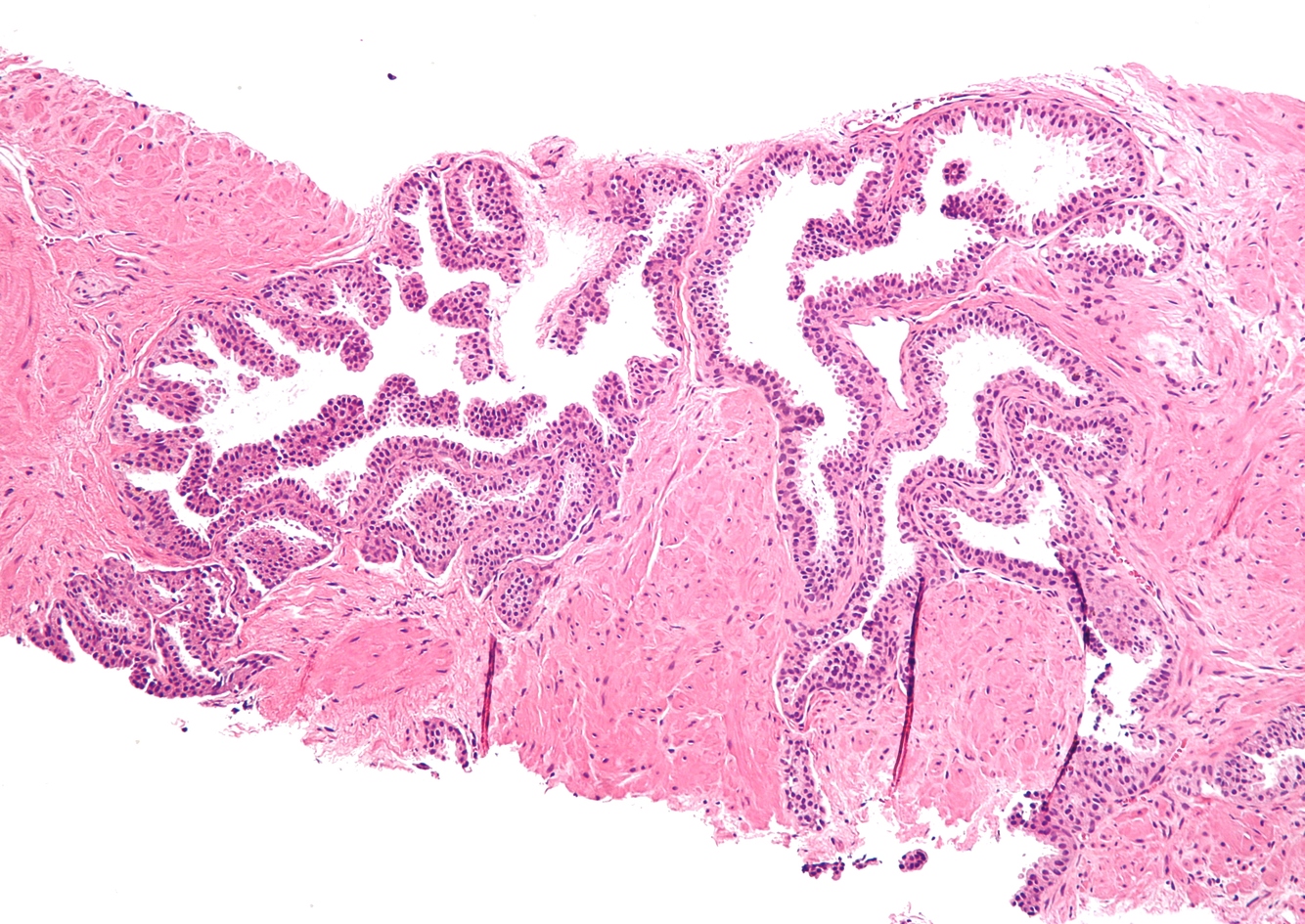
Describe normal prostate histology
double layer of cells: secreatory and basal
flat nuclie, lie at the edge of gland and these basal cells = normal and healthy basally located cells are absent in prostate cancer
What are the three types of Prostatitis
acute
chronic
granulomatous
may be due to prior instrumentation, or bacille Calmette-Guérin therapy for bladder cancer, or a number of other reasons
Granulomatous Prostatitis
i. Intraprostate reflux of urine from the posterior urethra or urinary bladder
Acute prostatitis
Pathogens involved in Acute Prostatitis
Rods
• E. coli, P. aeruginosa, K. pneumoniae
Causes of chronic prostatitis
i. Majority are abacterial :Chronic bacterial infection
• Due to recurrent acute prostatitis
Clincal findings of prostatitis
a. Fever (occurs in acute prostatitis).
b. Lower back, perineal, or suprapubic pain
c. Painful/swollen gland on rectal examination
d. Dysuria, hematuria
What lab findings are seen in Prostatitis
can raise the serum PSA above normal (above 4.0 ng/mL)
Agents responsible for acute prostatitis
E. coli
- Gram negative bacilli
- Gram positive cocci
•Young Men with low back pain, fever, myalgia and tender swollen prostate
Acute Bacterial Prostatitis
•Recurrent with associated urinary tract infections and same organism each culture; they are asymptomatic with calculi
Chronic Bacterial Prostatitis
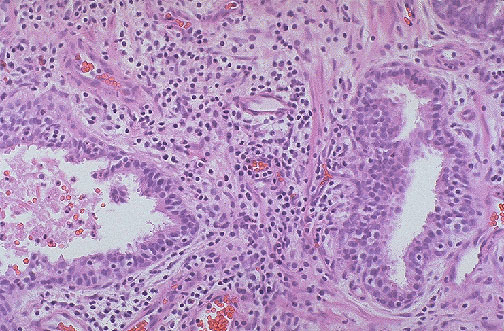
How do you diagnose prostatitis
• 10-12 wbc/field in secretions/urine or/and Positive bacterial cultures
- Accounts for 95% of prostatitis
- Prostatitis without UTI or positive cultures
Chronic Nonbacterial Prostatitis
“Chronic Pelvic Pain Syndrome”
CPPS
Possible organisms of chronic nonbacterial prostatitis and “chronic pelvic pain syndrome”
- Chlamydia trachomatis
- Ureaplasma urealyticum
- Trichomonas vaginalis
Non infectious causes of granulomatous prostatitis
infectious causes:
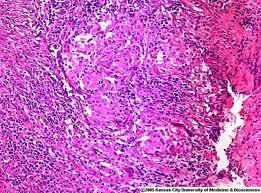
- Infectious: Tuberculosis (hematogenous) and Fungal / mycotic (AIDS)
- Non-infectious: Post-surgical (biopsy site reaction) and Post-BCG (Bacille Calmette-Guérin) • Non-specific
A proliferation of the glands and stroma in the TRANSITION ZONE of the prostate
Benign Prostatic Hyperplasia (BPH)
Causes bladder outlet obstruction (BOO) involving urinary
frequency, incomplete emptying, nocturia, dysuria
90% prevalence by age 80
Benign Prostatic Hyperplasia (BPH)
BPH is an ______ process chiefly caused by _______
Is an androgen-dependent process
Chiefly caused by dihydrotestosterone (DHT)
____ binds the AR with a 5-fold higher affinity than testosterone
The AR will upregulate the transactivation of target genes
DHT
Role of PSA
Proteolytic enzyme
- Increases sperm motility
- Maintains seminal secretions in the liquid state
PSA levels in BPH
ii. PSA is neither sensitive nor specific for BPH.
iii. PSA usually normal (0-4 ng/mL) but BPH can increase it to between 4 and 10 ng/mL, and rarely over 10 ng/mL
Treatement option for BPH
TURP
trans urethral resection of Prostate; removal of excess tissue



-
Anatomy Review14
-
Female Physiology49
-
Male Repro Pharmacology55
-
Male VM overview36
-
Penis and Scrotum Pathology62
-
Penis/Scrotum Pathology32
-
Abnormal Male Puberty72
-
Prostate Pathology42
-
Voiding Dysfunction58
-
Urinary tract infections62
-
Male infertility32
-
Genitourinary Cases34
-
Female Pharmacology68
-
Contraception Reproductive Physiology66
-
Ovulatory Dysfunction58
-
Abnormal Uterine Bleeding39



