Apartheid
.
abrogate

— vb
( tr ) to cancel or revoke formally or officially; repeal; annul
[C16: from Latin abrogātus repealed, from ab- 1 + rogāre to propose (a law)]
admonish

— vb
- to reprove firmly but not harshly
- to advise to do or against doing something; warn; caution
[C14: via Old French from Vulgar Latin admonestāre (unattested), from Latin admonēre to put one in mind of, from monēre to advise]
agrarian

— adj
- of or relating to land or its cultivation or to systems of dividing landed property
- of or relating to rural or agricultural matters
— n
3. a person who favours the redistribution of landed property
[C16: from Latin agrārius, from ager field, land]
amenable
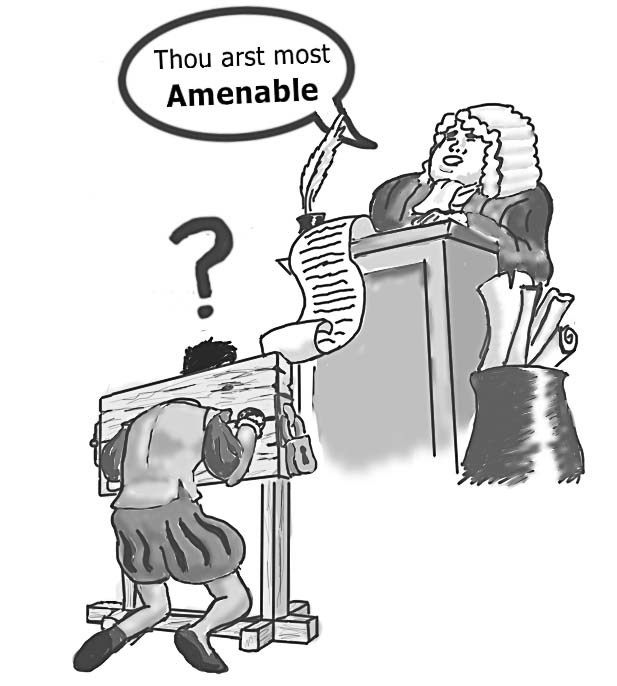
— adj
- open or susceptible to suggestion; likely to listen, cooperate, etc
- accountable for behaviour to some authority; answerable
- capable of being or liable to be tested, judged, etc
[C16: from Anglo-French, from Old French amener to lead up, from Latin mināre to drive (cattle), from minārī to threaten]
apodictic
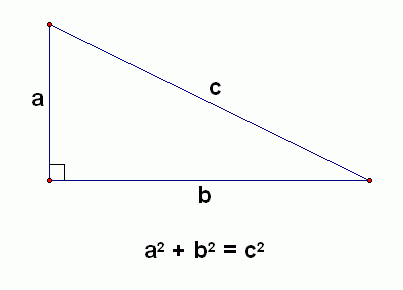
— adj
- unquestionably true by virtue of demonstration
- archaic logic
a. necessarily true
b. asserting that a property holds necessarily
[C17: from Latin apodīcticus, from Greek apodeiktikos clearly demonstrating, from apodeiknunai to demonstrate]
castigate

— vb
( tr ) to rebuke or criticize in a severe manner; chastise
[C17: from Latin castīgāre to correct, punish, from castum pure + agere to compel (to be)]
casuistic

— adj
- attempting to resolve moral dilemmas by the application of general rules and the careful distinction of special cases
- a person who is oversubtle in his or her analysis of fine distinctions; intellectually dishonest; sophist
[C17: from French casuiste, from Spanish casuista, from Latin cāsus case 1]
commensurate

— adj
- having the same extent or duration
- corresponding in degree, amount, or size; proportionate
- able to be measured by a common standard; commensurable
[C17: from Late Latin commēnsūrātus, from Latin com- same + mēnsurāre to measure]
comport

— vb (foll by with )
- ( tr ) to conduct or bear (oneself) in a specified way; behave
- to be in agreement, harmony, or conformity (usually followed by with ): His statement does not comport with the facts.
[C16: from Latin comportāre to bear, collect, from com- together + portāre to carry]
concomitant

— adj
1. existing or occurring together; associative
— n
2. a concomitant act, person, etc
[C17: from Late Latin concomitārī to accompany, from com- with + comes companion, fellow]
contemporaneous

-adj
living or occurring during the same period of time; contemporary.
1630s, from Medieval Latin contemporarius, from Latin com- “with” (see com-) + temporarius “of time,” from tempus “time” (see temporal (v.)). Meaning “modern, characteristic of the present” is from 1866.
convalescence

— vb
( intr ) to recover from illness, injury, or the aftereffects of a surgical operation, esp by resting
[C15: from Latin convalēscere, from com- (intensive) + valēscere to grow strong, from valēre to be strong]
corpus

— n , pl -pora
- a collection or body of writings, esp by a single author or on a specific topic: the corpus of Dickens’ works
- the main body, section, or substance of something
[C14: from Latin: body]
corroborate

— vb
1. ( tr ) to confirm or support (facts, opinions, etc), esp by providing fresh evidence
[C16: from Latin corrōborāre to invigorate, from rōborāre to make strong, from rōbur strength, literally: oak]
demur

— vb , -murs , -murring , -murred
- to raise objections or show reluctance; object
- law to raise an objection by entering a demurrer
[C13: from Old French demorer, from Latin dēmorārī to loiter, linger, from morārī to delay, from mora a delay]
desuetude
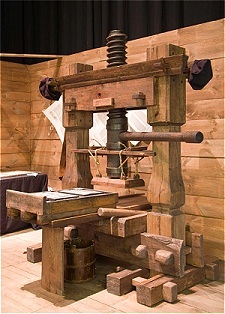
— n
[des-wi-tood, -tyood]
the state of being no longer used or practiced.
[C15: from Latin dēsuētūdō, from dēsuescere to lay aside a habit, from de- + suescere to grow accustomed]
diametrically

— adv
1. completely; utterly
- Also: diametral of, related to, or along a diameter
- completely opposed
[1630s, “completely” (opposed, contrary, etc.); see diametric. Mostly in figurative use; the two points that mark the ends of a line of diameter across a circle are opposite one another.]
dictum
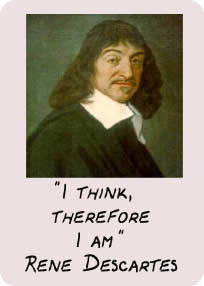
— n , pl -tums , -ta
- a formal or authoritative statement or assertion; pronouncement
- a popular saying or maxim
[C16: from Latin, from dīcere to say]
disparage

— vb
- to speak contemptuously of; belittle
- to damage the reputation of
[C14: from Old French desparagier, from des- dis- 1 + parage equality, from Latin par equal]
dispensation
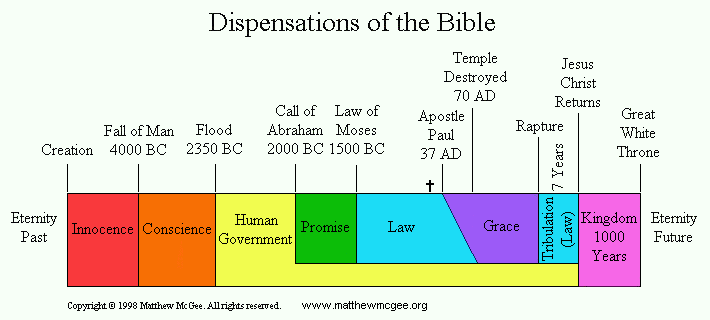
— n
- the act of distributing or dispensing
- something distributed or dispensed
- a system or plan of administering or dispensing
- Christianity
a. the ordering of life and events by God
b. a divine decree affecting an individual or group
c. a religious system or code of prescriptions for life and conduct regarded as of divine origin
[late 14c., from O.Fr. despensation, from L. dispensatio “management, charge,” from pp. stem of dispensare (see dispense). Theological sense is from being used to translate Gk. oikonomoia “office, method of administration.”]
divest

–v
1.
to strip of clothing, ornament, etc.: The wind divested the trees of their leaves.
2.
to strip or deprive (someone or something), especially of property or rights; dispossess.
[Medieval Latin dīvestīre, equivalent to dī- di-2 + vestīre to dress, vest]
dubious

— adj
- marked by or causing doubt: a dubious reply
- unsettled in mind; uncertain; doubtful
- of doubtful quality; untrustworthy: a dubious reputation
- not certain in outcome
[C16: from Latin dubius wavering]
eclectic

— adj
- (in art, philosophy, etc) selecting what seems best from various styles, doctrines, ideas, methods, etc
- composed of elements drawn from a variety of sources, styles, etc
[C17: from Greek eklektikos, from eklegein to select, from legein to gather]






