define
inflammation of nose and paranasal sinuses with ≥2 symptoms, one of which must be nasal congestion or discharge
other symptoms
facial pain or pressure
decreased olfaction
endoscopic signs of nasal polyps or mucus ± pus discharged primarily from the sinuses
sneezing, itch, crusting, epistaxis
what may a CT show
mucosal changes within the sinuses
2y symptoms
dry mouth, sore throat, snoring, halitosis, loss of taste
nasal examination
airway patency
external nose - front, sides, behind
rhinscopy
how does one examine for nasal patency
cold metal to visualize steam under nostrils or block one nostril and ask patient to sniff
investigations
test for allergy -skin prick and RAST to measure specific IgE levels
what is there a risk of with skin prick test
severe allergic or anaphylactic reaction
mechanism of action of corticosteroids
- Anti-inflammatory: cause vasodilation and inhibit prostaglandin formation
how long can steroid puffers and drops be used for
- Steroid puffers may be used indefinitely, but steroid drops are systemically absorbed so must be used for <1 month at a time, <6 times a year
mechanism of action of anti histamines
- Block H1 histamine receptors
mechanism of action of decongestants
eg pseudoephedrine
- Vasoconstrictors that shrink the lining of the nose allowing one to breathe
- Reduction of blood supply can cause rebound congestion
mechanism of action of anti-cholinergics
block muscarinic ACh receptors - reducing parasympathetic activity
mechanism of action of LTR blockers
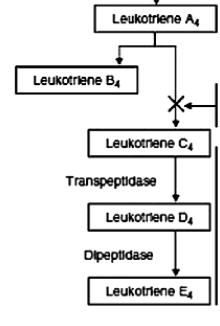
eg montelukast
- Block CysLT receptors, which when activated by mast cell derived CysLTs (e.g. LTC4) cause smooth muscle contraction, oedema and mucus secretion
- Mast cell activation causes release of arachidonic acid, which stimulates LTA4
describe the immunology of allergic rhinitis
IgE mediated inflammation from allergen exposure to nasal mucosa causing inflammatory mediator release from mast cells (preformed histamine, tryptase and heparin and other inflammatory mediators that are synthesized on demand e.g. leukotrienes, prostaglandins and cytokines)
Fc part of IgE antibody binds to Fc receptor on mast cells on 1st exposure, on subsequent exposure the allergen binds to the bound IgE and causes mast cell degranulation
what can cause intermittent allergic rhinitis
grass pollen (hayfever), tree pollen (in spring) and fungal spores
what can cause persistent allergic rhinitis
house dust mite, cat or dog
criteria for intermittent/persistent ARIA classification of allergic rhinitis
intermittent: ≤4 days/week or ≤4 weeks
persistent: >4 days/week and >4 weeks
criteria for mild/moderate-severe ARIA classification of allergic rhinitis
impairement of/abnormal:
- sleep
- work and school
- daily activities, sport, leisure
troublesome symptoms?
symptoms of allergic rhinitis
sneezing, pruritus, rhinorrhoea (bilateral and variable)
signs of allergic rhinitis
skin tests may show allergen, consider RAST
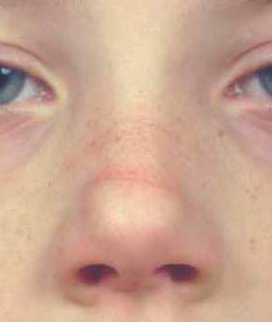
allergic crease from rubbing nose (itch)
turbinates may be swollen and mucosae pale or mauve
nasal polyps
managment ladder of allergic rhinitis
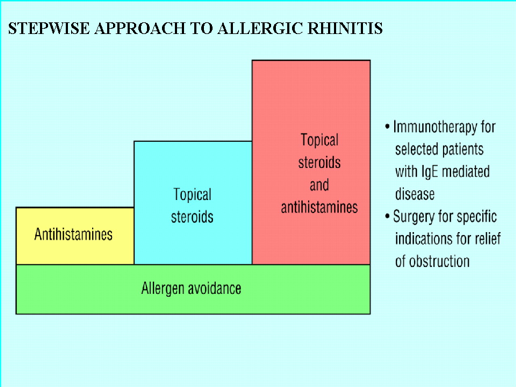
when is surgery indicated in allergic rhinitis
fibrosis and scarring due to chronic inflammation
non-allergic rhinitis
vasomotor rhinitis - parasympathetic stimulation causes excessive secretion from nasal gland and vasodilation and engorgement, leading to rhinorrhoea and nasal congestion


-
Anatomy: Nasal Cavities and Paranasal Sinuses62
-
Anatomy: Ear75
-
Anatomy: Palate80
-
Physiology of Taste and Smell37
-
Anatomy: Larynx58
-
Embryology12
-
Adenotonsillar Disease37
-
AOM and Cholesteatoma23
-
Physiology of Hearing and Balance15
-
OME22
-
Otitis Externa20
-
Nasal Polyps14
-
Vestibular Schwannoma9
-
Microbiology of ENT Infections26
-
Infectious Mononucleosis17
-
Head and Neck Cancers29
-
The Dizzy Patient44
-
Rhinosinusitis33
-
Salivary Gland28
-
Airway Obstruction25
-
Deafness in Adults27
-
ENT Trauma53



