What is tuberculosis?
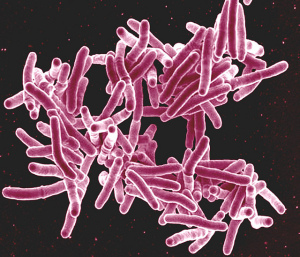
Tuberculosis is a bacterial infection caused by Mycobacterium tuberculosis which mainly affects the lungs, but can affect any part of the body (abdomen, glands, bones and nervous system)
Identify 3 common organisms which cause TB
- M tuberculosis (most common)
- M bovis
- M africanum
Describe the structure of mycobacterium tuberculosis
- Non-motile rod-shaped bacteria
- Obligate aerobe
- Long-chain fatty acids (structural rigidity)
- relatively slow growing
How is TB transmitted?
Spread is by respiratory droplets e.g. coughing, sneezing, etc
How easily can TB be transmitted?
- Contagious, but not easy to acquire infection
- Prolonged exposure facilitates transmission (at-least 8 hours/day up to 6 months)
In 6 steps, outline the pathogenesis of TB
⇒ Inhaled infectious droplets
⇒ Engulfed by alveolar macrophages but cant kill
→ Th1 or CD+4 activate macrophages to kill MTB (4-6weeks)
⇒ Travels to local lymph nodes
⇒ Primary complex (primary infection – Ghon’s focus)
⇒ Initial containment of the infection (latent infection)
⇒ Either: heals/self cure (95%) OR reactivates to post primary TB
What is a Ghon’s focus?
Ghon’s focus is a calcified tuberculous caseating granuloma which represents the sequelae of primary pulmonary tuberculosis infection
Ghons complex: primary ghons focus and draining lymph nodes together
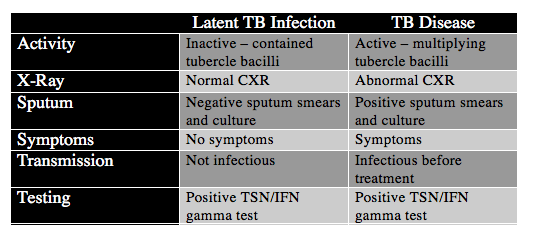
Distinguish between Latent TB and TB disease in terms of the following:
- Activity
- Chest X-Ray
- Sputum
- Symptoms
- Transmission
- Testing
What is post-primary TB?
- Post-primary tuberculosis is a condition which usually occurs during the two years following the initial infection (can occur at any point)
- Reactivation frequently occurs in the setting of decreased immunity and usually involves the lung apex
What is latent TB?
A latent tuberculosis infection (LTBI) is a condition wherein a patient is infected with Mycobacterium tuberculosis, but the infection is contained by the host’s body and is not active
Identify 5 risk factors for the reactivation of latent TB
- HIV infection
- Substance abuse
- Prolonged corticosterioid therapy
- Diabetes Mellitus (poorly controlled)
- Organ transplant (immunosuppression)
Describe the pathology & histology of tuberculosis
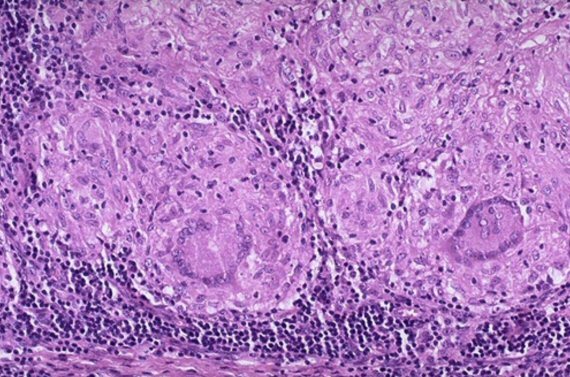
A caseating granuloma appears in the lung parenchyma and mediastinal lymph nodes
very prominent feature of TB
a granuloma is rich in immune cells: macrophages, dendrites, neutrophils
Identify the sites of pulmonary, extrapulmonary and miliary TB respectively
- Pulmonary TB: lungs
- Extrapulmonary TB: larynx, lymph nodes, pleura, brain, kidneys
- Miliary TB: all other parts of the body (through the bloodstream)
Most cases of TB are pulmonary and miliary TB is rare.
When is extra-pulmonary TB most commonly seen?
- HIV-infected
- Immunosuppressed persons
- Young children
Outline the clinical approach for a patient with suspected TB
- Index of suspicion
- Suggestive symptoms (history)
- Investigations
- Treatment
- Prevent transmission
Identify 5 groups of people in whom one should suspect TB
- Non-UK born/recent migrants (South Asia/Sub-Saharan Africa)
- HIV
- Immunocompromised people
- Homeless
- Drug users
Identify 5 key parts of the history of a patient with suspected TB
- Ethnicity
- Travel history (high TB burden countries)
- Contacts with TB
- BCG vaccination?
- Specific clinical features
Identify 5 symptoms of TB
- Fever
- Night sweats
- Weight loss and anorexia
- Tiredness and malaise
- Cough (haemoptysis occasionally)
Identify 5 signs of TB
- Pyrexia
- Weight loss
- CXR abnormality
- Crackles in affected area
- Fibrosis (in extensive disease)
those infected have 10% risk of developing active disease of which 5% develop primary TB at time of infection and another 5% develop post primary
Identify 4 investigations one can request for when treating a patient with suspected TB
- Chest X Ray
- Sputum (3 early morning samples)
- Induced sputum
- Bronchoscopy
Why is the apex of the lung often affected by TB?
The apex of the lung is the most oxygenated region of the lung and Mycobacterium tuberculosis is an aerobe
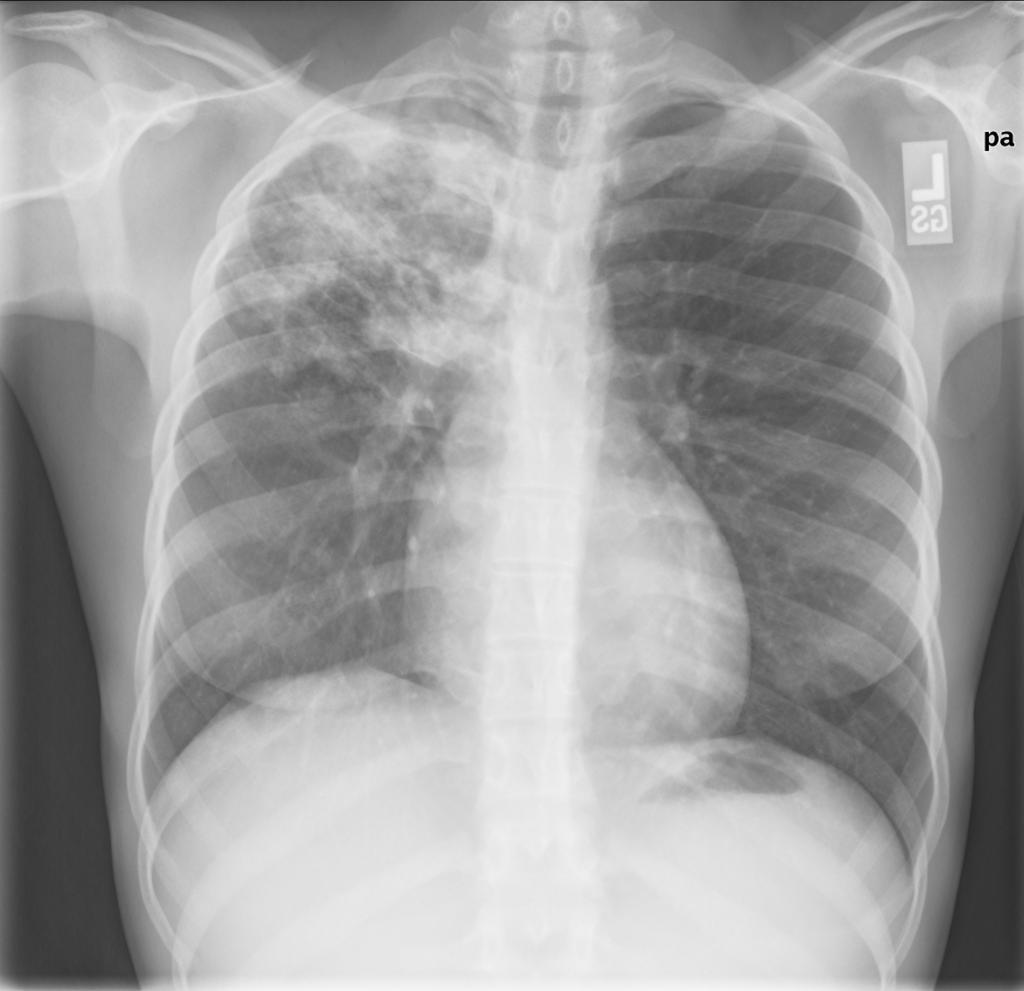
Describe the radiological appearances of TB
- Ill-defined patchy consolidation
- Cavitation develops within consolidation
- Healing results in fibrosis
- Pleural effusion (if pleural involvement)
Identify 5 laboratory tests used for TB
- Sputum culture (gold standard)
- Gastric acid aspirates (in kids)
- NAAT
- Chromatography
- Drug sensitvity (for treatment)
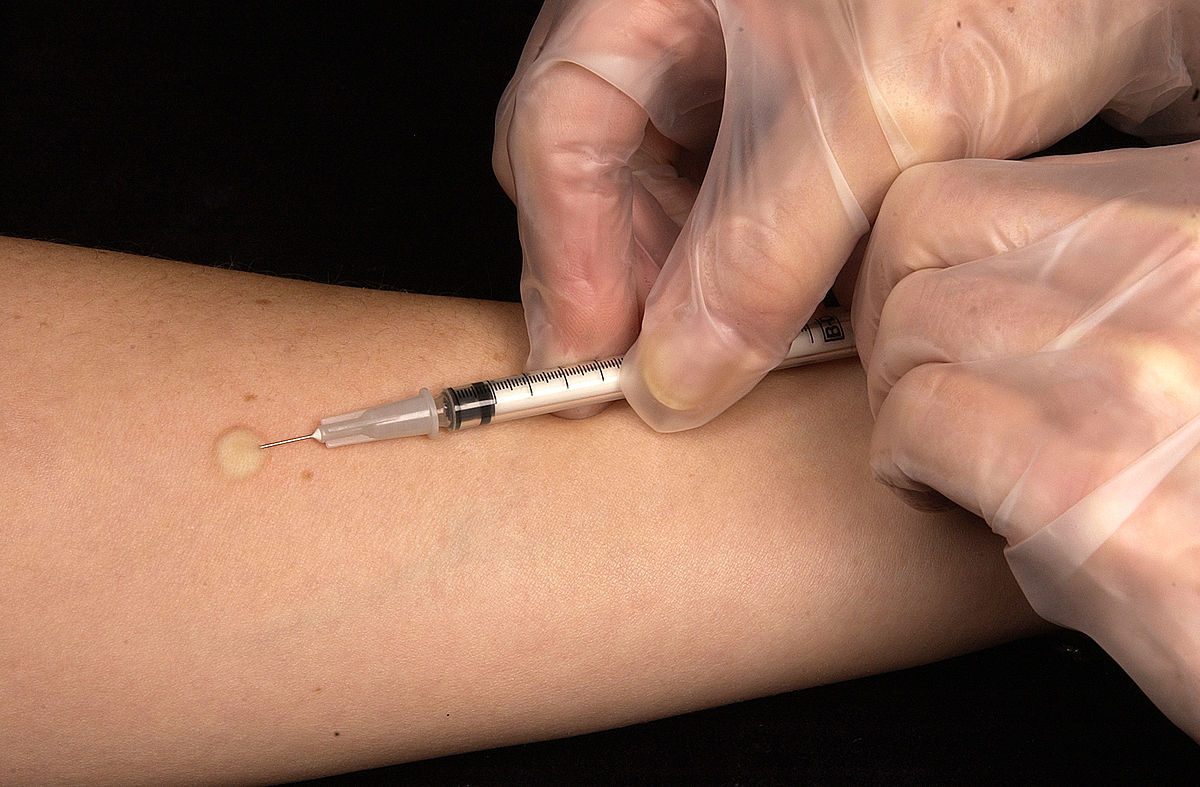
What is the tuberculin sensitivity test?
TST/ Mantoux test is a diagnostic test for TB wherein tuberculin is injected into the patient intradermally to observe a skin reaction if one has been exposed to TB


-
S2) Ventilation and Lung Mechanics57
-
Respiratory clinical conditions121
-
S1) Anatomy of the Respiratory System87
-
Causes of Interstitial Lung disease9
-
S3) Gas Exchange in the Lungs47
-
S3) Properties of Gases38
-
S1) Anatomy of the Respiratory System COPY58
-
10. Respiratory117
-
S4) Carbon Dioxide in the Blood35
-
S4) Chemical Control of Breathing47
-
S6) Pulmonary Embolism27
-
S7) Respiratory Failure52
-
Pneumothorax and pleural effusion24
-
S8) Cystic Fibrosis and Bronchiectasis25
-
S8) COPD26
-
S8) Asthma37
-
Lung function tests25
-
S10) Radiology of the Chest51
-
S9) Lower Respiratory Tract Infections and Pneumonia ❌❌❌❌46
-
S12) Lung Cancer35
-
S9) Tuberculosis48
-
S11) Signs and Symptoms of Respiratory Disease70
-
Clinical Conditions26



