Outline what a membrane potential is, how the resting potential of a cell
may be measured, and the range of values found
- What is a mp?
- How is the RMP measured i.e units?
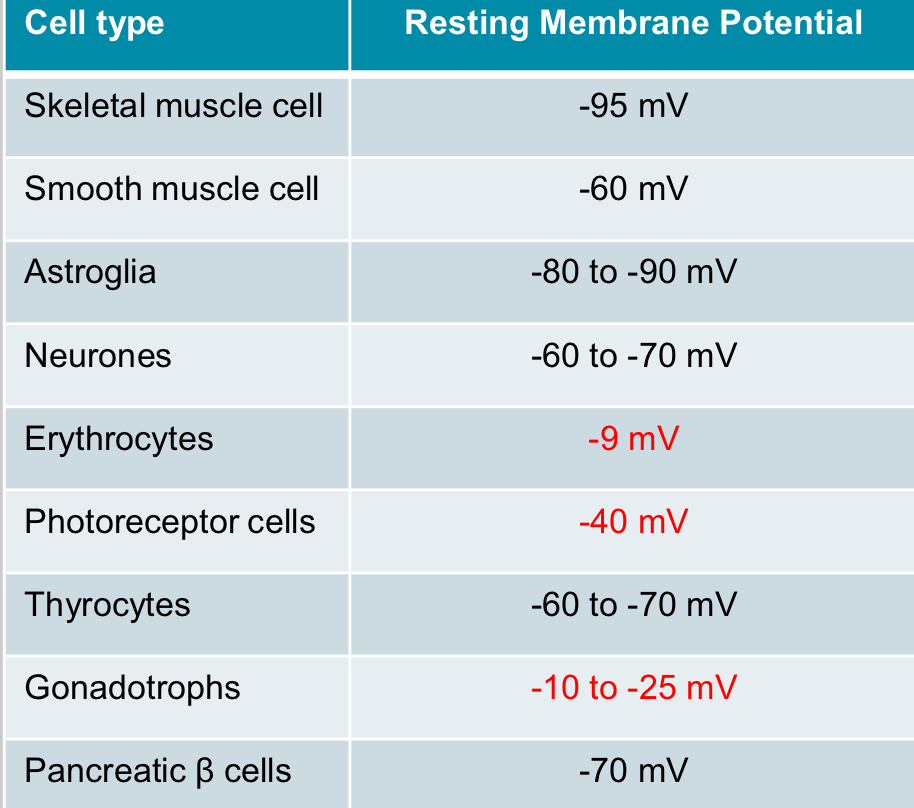
- Give examples of the RMP is different cells
- magnitude of an electrical charge that exists across a plasma membrane and is always expressed as the potential inside the cell relative to the extracellular solution
- Millivolts (mV) [1mV = 10-3 V]
- – Cardiac and skeletal muscle: -80 to -95 mV
– Nerve cells: -50 to -75 mV
– Erthyrocytes have the smallest
What is the mp in skeletal muscle, erythrocytes and neurones
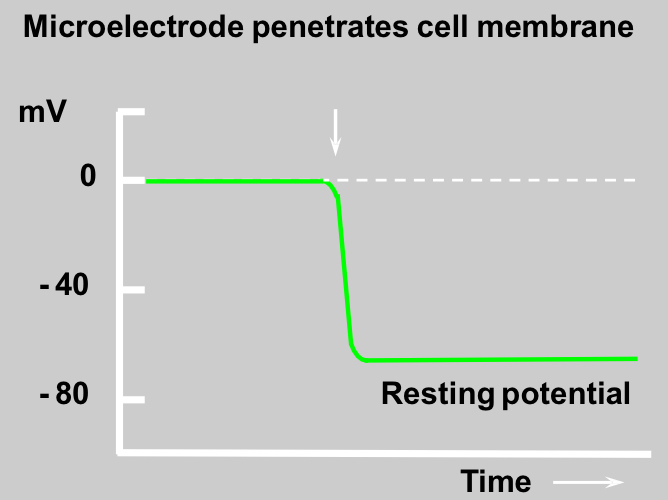
What instrument can be used to measure the mp?
The MICROELECTRODE is a fine glass pipette
Tip diameter is <1 µm
Can penetrate cell membrane
Filled with a conducting solution (KCl)
Explain the concept of selective permeability LO
Establishment of the membrane potential
Two factors are important for the generation of the membrane potential. They are:
• Asymmetric distribution of ions across the plasma membrane
– (i.e., ion concentration gradients)
• Selective ion channels in the plasma membrane
– K+, Na+, and Cl − channels are the most important channel types for most cells;
however, there are many cells in which other channels are important as well.
• (Can you name an extra one? Can you name two?)
Ion Channel properties:(3)
- Selectivity: for one (or a few) ion species. Na+, K+, Ca2+, Cl-, cation channels.
- Gating: the pore can open or close by a conformational change in the protein
- Rapid ion flow: always down the electrochemical gradient
Describe how the resting potential is set up given the distribution of ions across
cell membranes LO
What is the conc of Na+, K+ , Cl- and A- intra and extracellularly ?
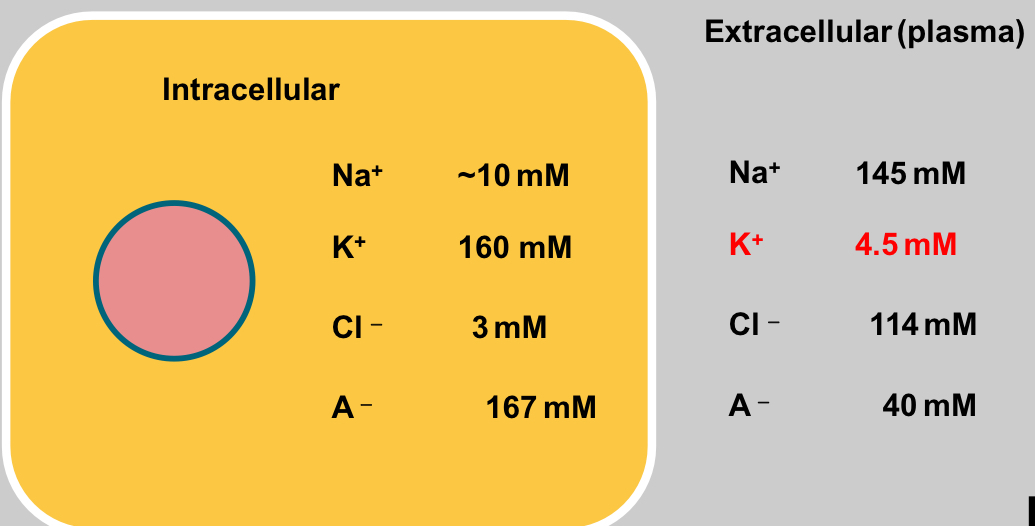
Describe how the resting potential is set up given the distribution of ions across
cell membranes LO
What ion channel and ion sets up the resting membrane potential and how
- For most cells, open K+ channels dominate the membrane ionic permeability at rest.
- When these are equal and opposite, there will be no net movement of K+, but there will be a negative CHARGE across the membrane – i.e. the resting membrane potential
- Thus, the resting membrane potential arises because the membrane is selectively permeable to K+
How big would such a membrane potential be ?
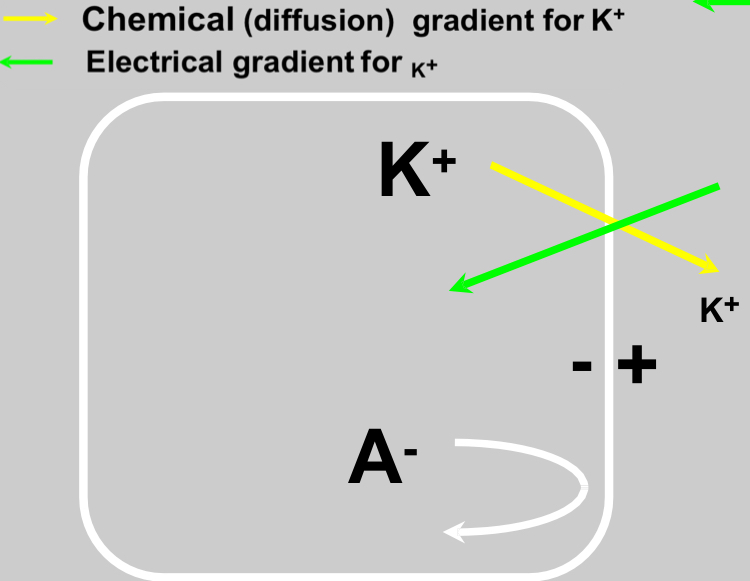
If a membrane is selectively permeable to K+ alone, its membrane potential will be at ?
Ek
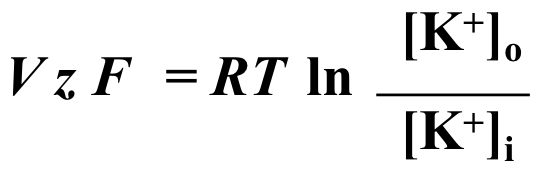
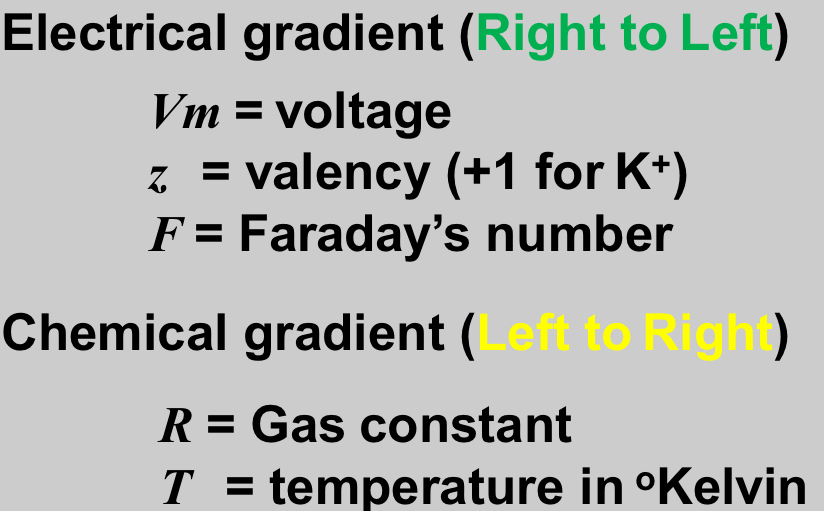
- That for most cells ? dominate the resting membrane permeability
- Ek =
- Extracellular:
- Intracellular:
- open K+ channels
- -95 mV (from Nernst equation)
- [K+] o = 4.5 mM
- [K+] i = 160 mM
Cardiac muscle (-80 mV), nerve cells (-70 mV):
Resting membrane potential is quite close to EK Not exactly at EK (less negative): ?
membrane not perfectly selective for K+
Cells with lower resting membrane potentials: Somewhat lower selectivity for K+ : increased contribution from other channels, e.g.
smooth muscle cells (-50 mV); erythrocytes virtually no selectivity for K+ (-9 mV)
Skeletal muscle:
Many ? open in resting membrane
Resting potential ≈ -90 mV
Close to both ?
Cl- and K+ channels
ECl and Ek
• To be able to outline the major physiological roles of:
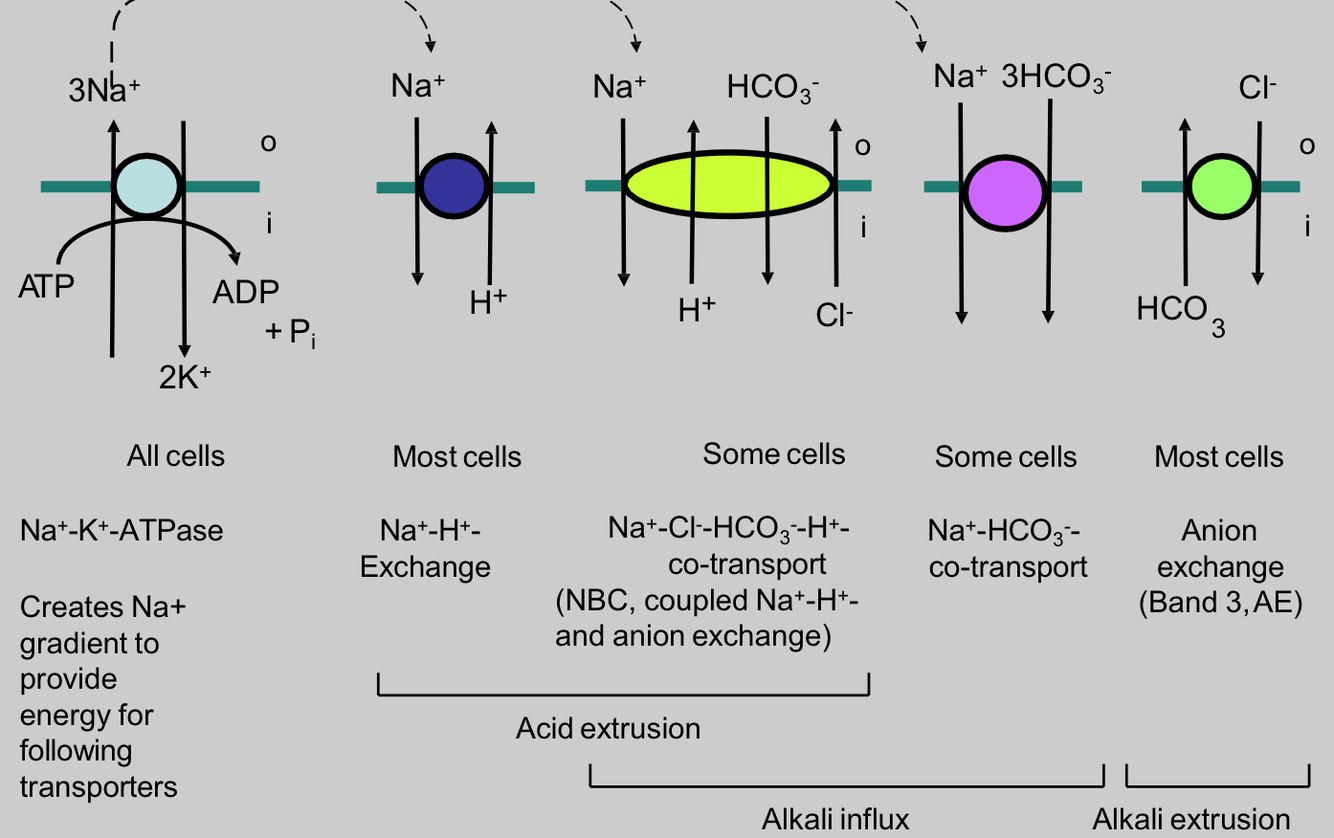
– Sodium-potassium ATPase (Na+-K+-ATPase, ‘The Na pump’)
– Plasma membrane Ca2+ ATPase (PMCA)
– Sarco(endo)plasmic reticulum Ca2+ ATPase (SERCA)
– Sodium calcium exchanger (NCX)
– Sodium hydrogen exchanger (NHE)
– Anion exchanger (AE)
- To be able to discuss how ion transporters work together in cell physiology
- To be able to discuss how ion transport contributes to:
– The control of resting intracellular Ca2+ concentration
– Cellular pH regulation
– Cell volume regulation
– Renal bicarbonate reabsorption
– Renal Na+ ion handling
Na+-K+-ATPase (Na pump) - Functions
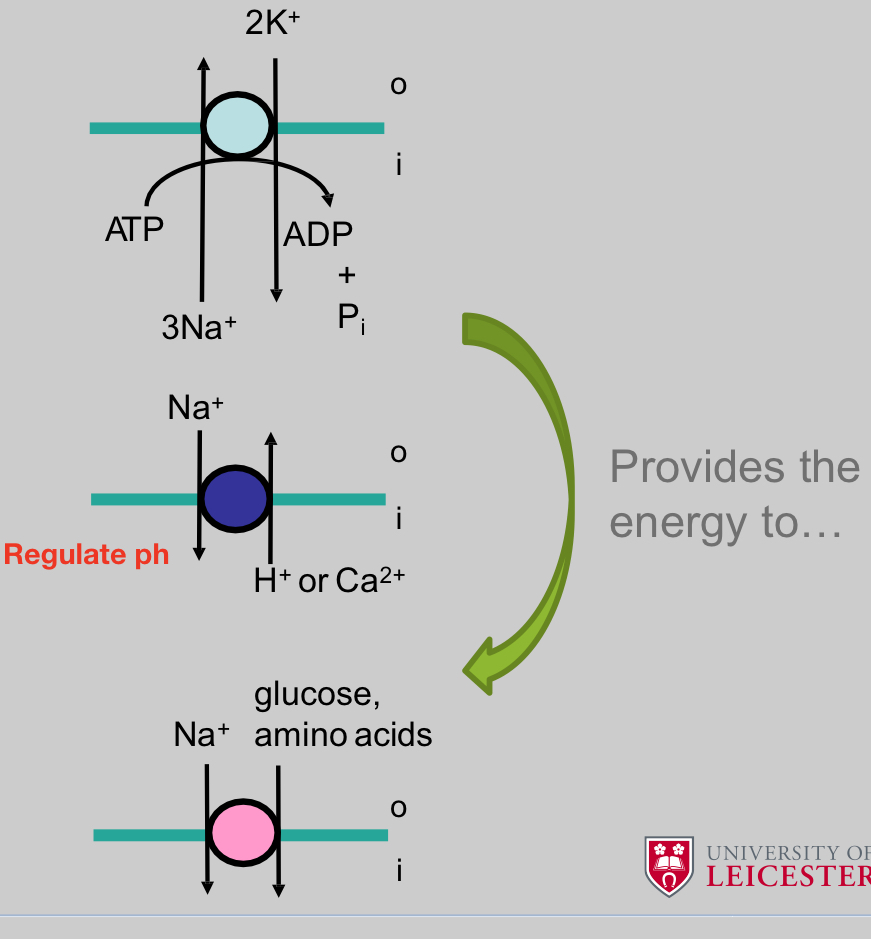
- Forms Na+ and K+ gradients
– Necessary for electrical excitability
– (only contributes about - 5 mV to the resting membrane potential) - Drives Secondary Active transport
– Control of pHi
– Regulation of cell volume and [Ca2+]i
– Absorption of Na+ in epithelia
– Nutrient uptake, e.g. glucose or amino acids from the small intestine
Draw/name all the ca channels found in the cell
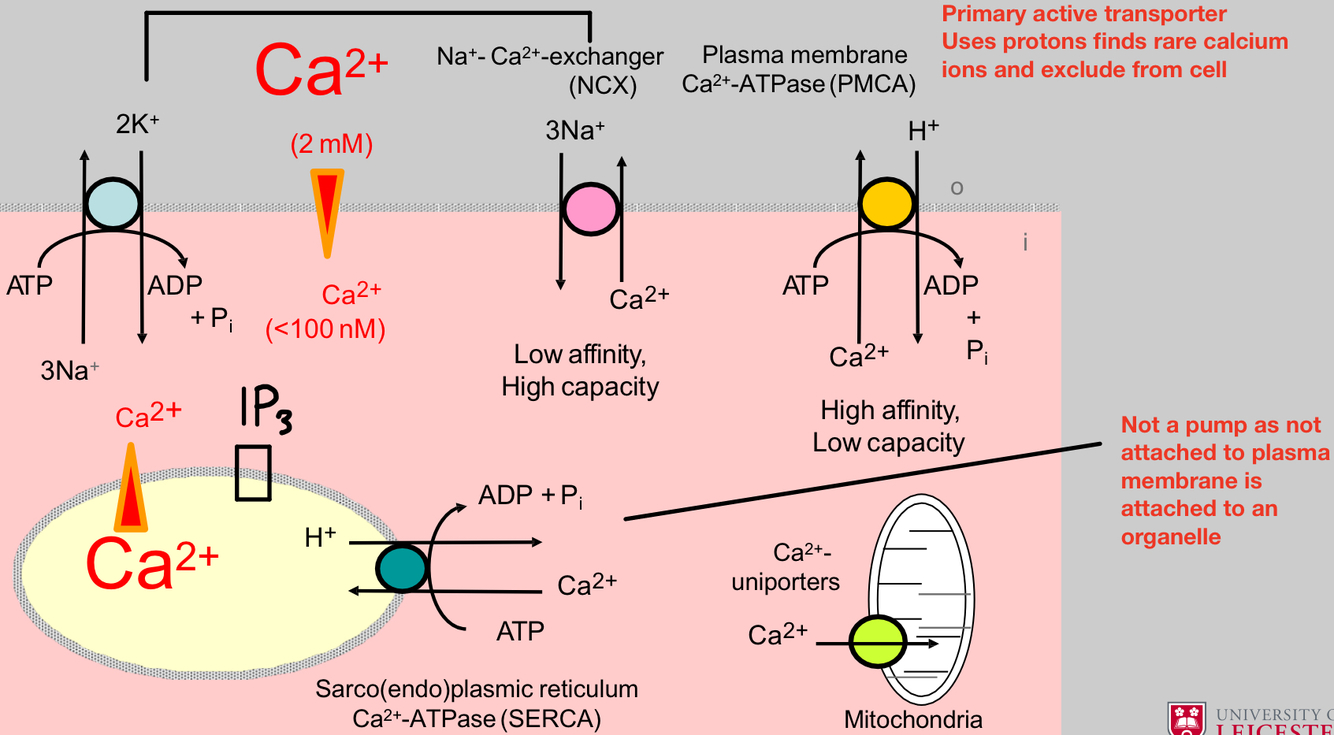
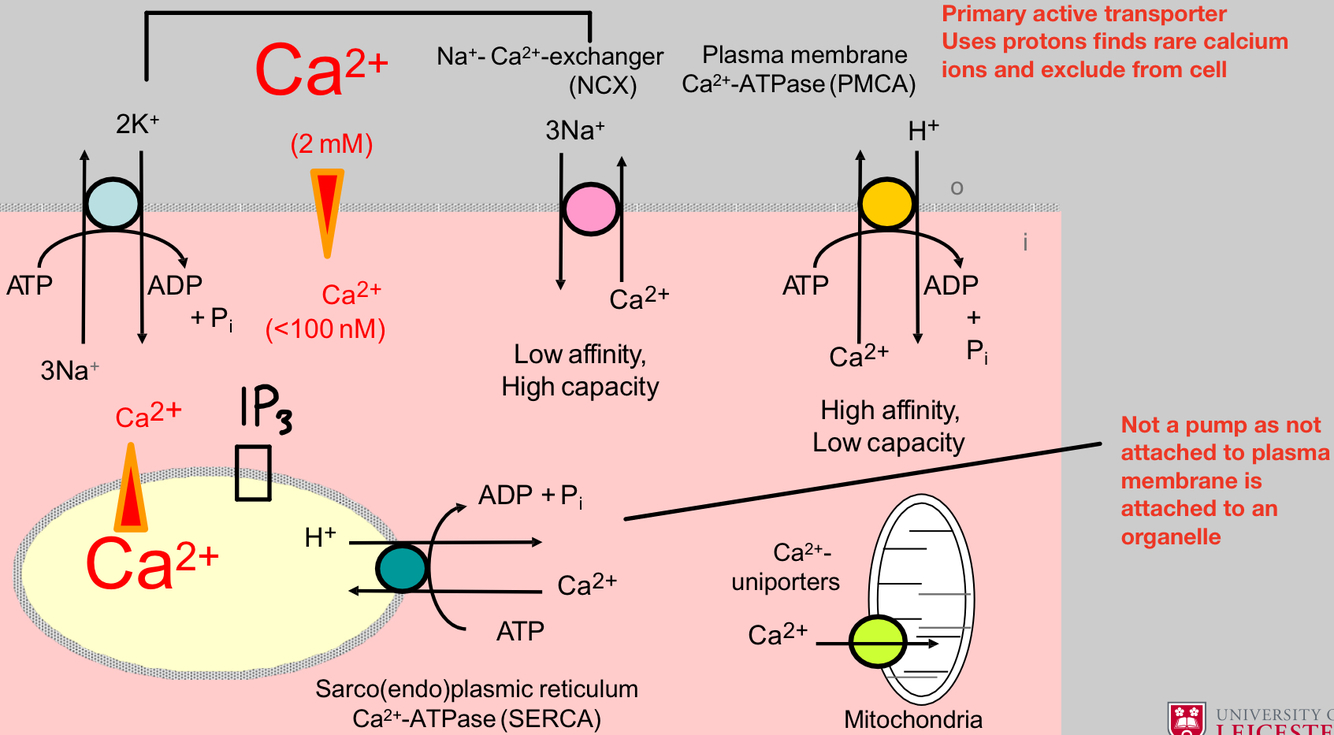
Control of resting [Ca2+]i - summary
- Primary active transport
- Secondary active transport
- Facilitated transport
- – PMCA expels Ca2+ out of the cell
• High affinity, low capacity (removes residual Ca2+)
– SERCA accumulates Ca2+ into the SR/ER
• High affinity, low capacity (removes residual Ca2+)
- – Na+-Ca+-exchange (NCX)
• Low affinity, high capacity (removes most Ca2+) - – Mitochondrial Ca2+ uniports
• Operate at high [Ca2+]i to buffer potentially damaging [Ca2+]
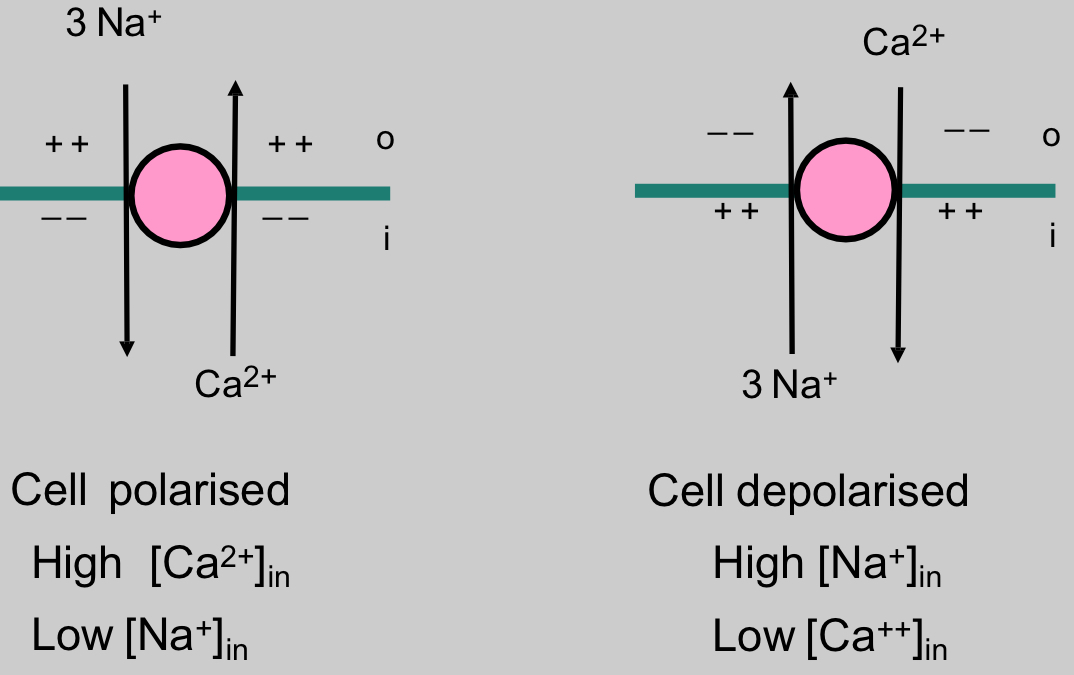
Sodium Calcium Exchanger (NCX) activity is membrane potential-dependent. Thus explain how it acts during depolarisation and polarisation
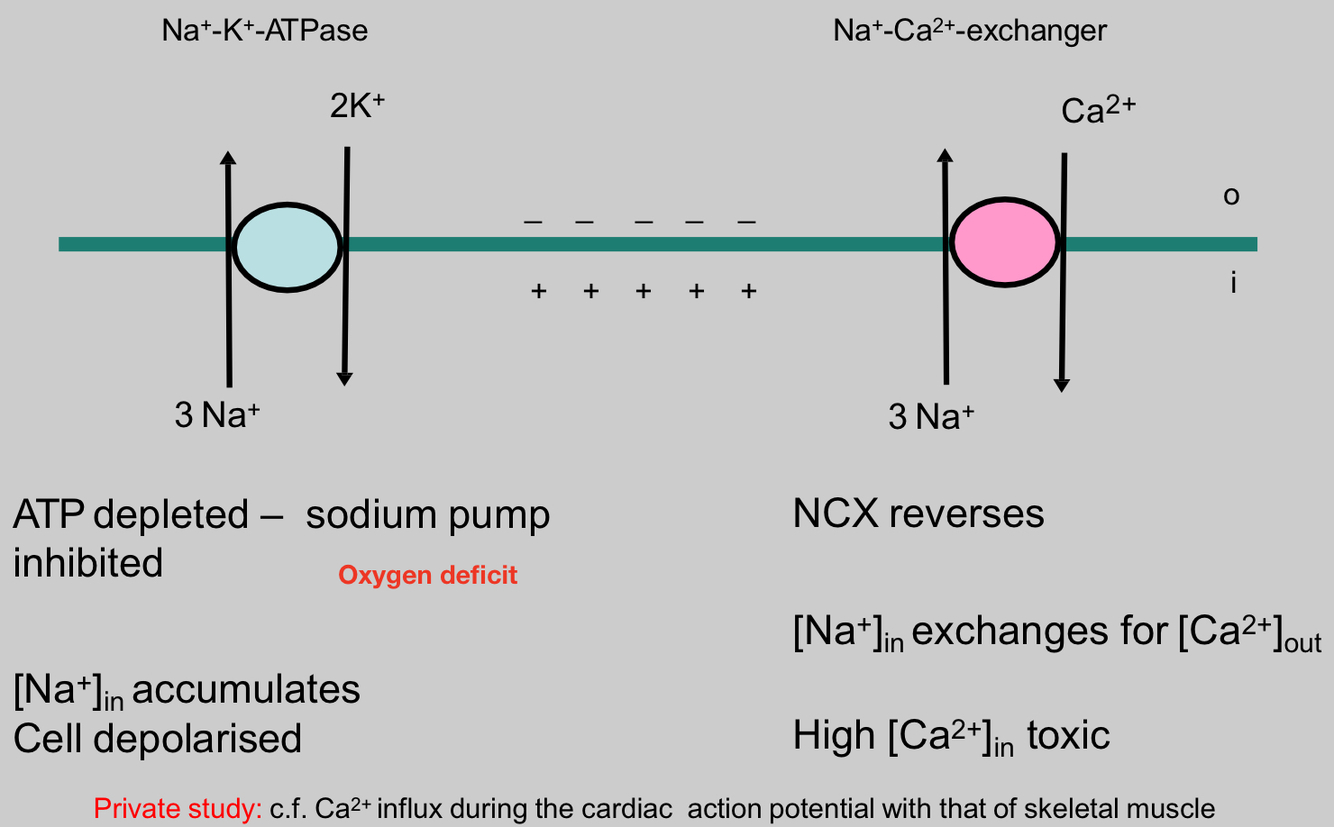
Explain what happens to the Na+ Ca2+ exchanger during Ischaemia
To be able to outline the major physiological roles – Sodium hydrogen exchanger (NHE) LO
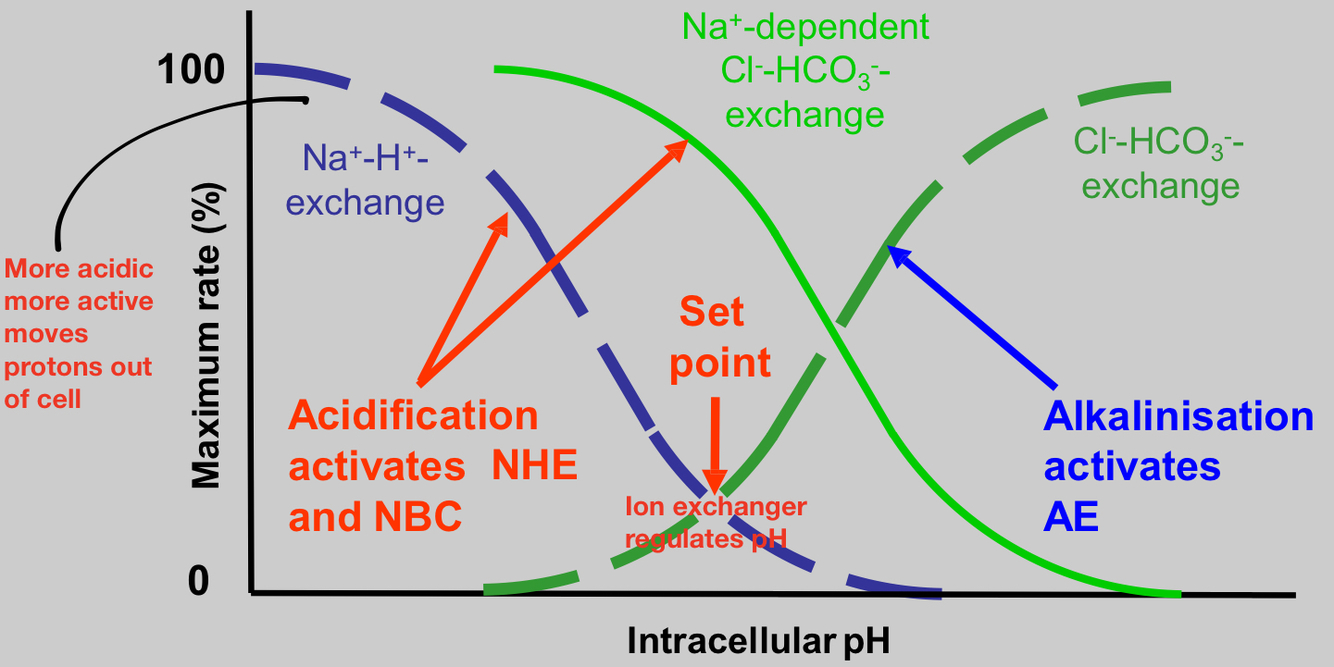
- Exchanges extracellular Na+ for intracellular H+
- Electroneutral 1:1 exchange
- Regulates pHin
- Regulates cell volume
- Activated by growth factors
- Inhibited by amiloride (a potassium sparing diuretic)
Cancer produces lots of protons thus more active
Function of AE
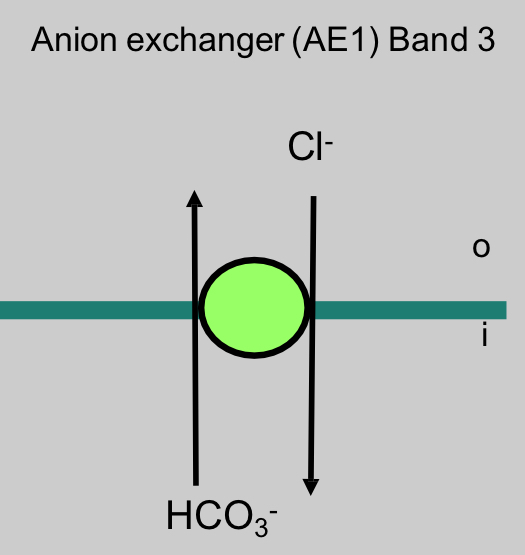
- cell volume regulation
- Acidifies cell
To be able to discuss how ion transport contributes to:
– The control of resting intracellular Ca2+ concentration
To be able to discuss how ion transport contributes to:
– Cellular pH regulation
Coordination of intracellular pH regulation
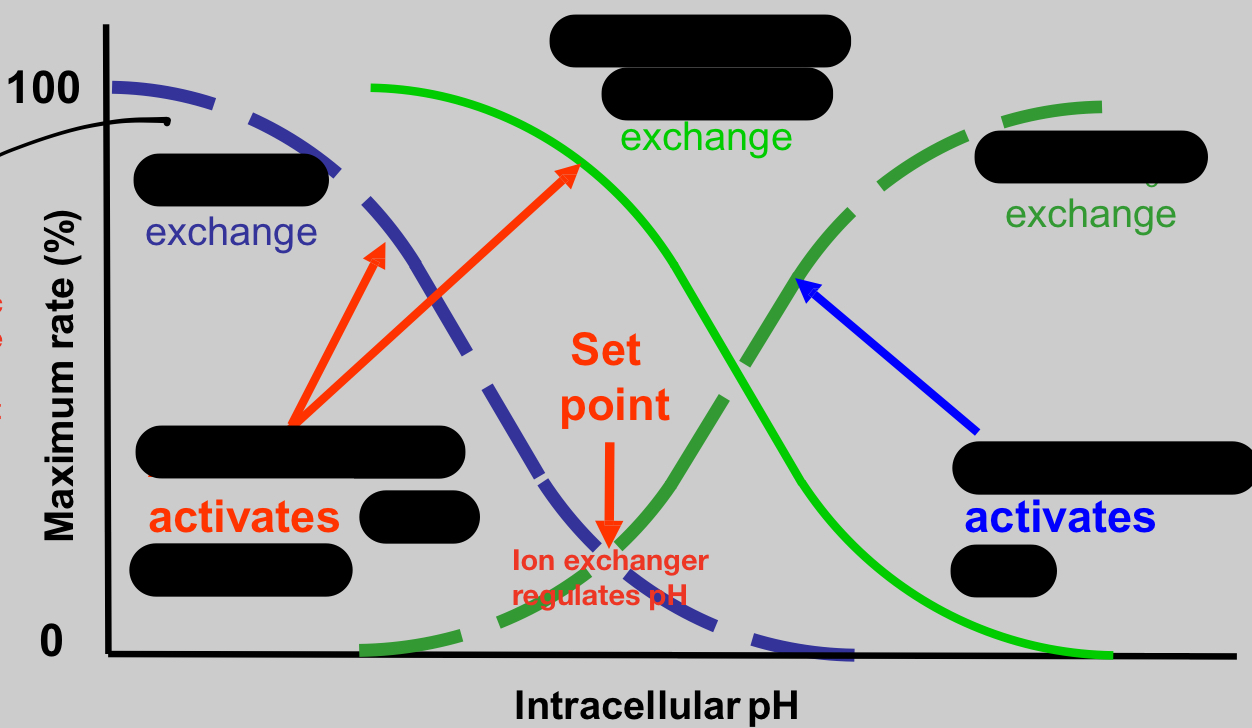
pH is held at the set point. Any drift away from this pH is corrected by the increased activity of either the Na+-H+- or Cl–HCO3- exchangers