what are the 2 major structral components of the skeletal system?
Bone
Cartilage
A. What are the functions of cartilage?
B. In what types of body areas will you find it?
A. Functions of cartilage:
- to support soft tissues
- to provide a relatively friction-free surface for bone articulations at joints
- to enable growth and development of long bones
B. locations:
- areas where support and flexibility are needed
A. What type of tissue if cartilage?
B. Identify 2 important characteristics about cartilage innervation and vasculature.
A. connective tissue
B. Avascular and a-neural
What quantities of extracellular fibers will be found in cartiledge located:
A. in areas with greater stress and weight-bearing demands:
B. areas with less stress and weight-bearing demands:
A. less elastic and more collagen fibers
B. more elastic and less collagen fibers
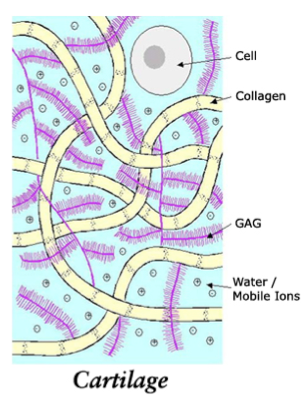
Name this type of cartilage, what is contains, and where it can be located:
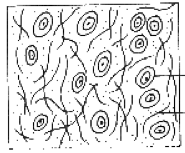
Fibrous:
limited number of cells & ground substance in matrix; large number of collagen fibers
(e.g.,intervertebral disc)
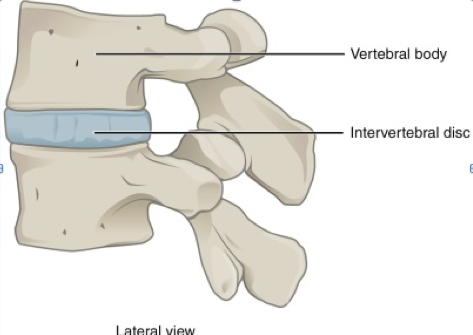
Name this type of cartilage, what is contains, and where it can be located:
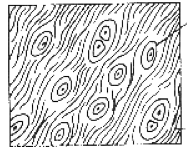
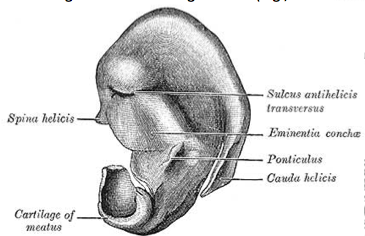
Elastic:
collagen fibers along with a large number of elastic fibers in matrix
(e.g., external ear)
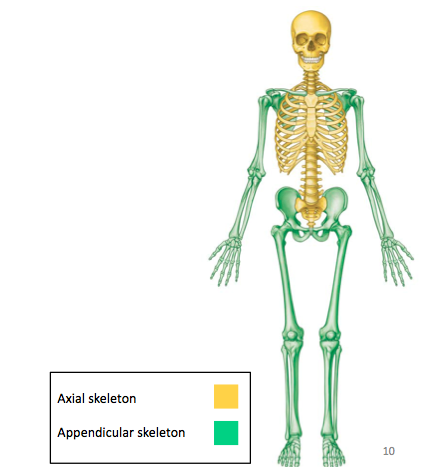
What are the subgroups of the skeletal system and what structures do they contain?
Axial skeleton:
cranium + mandible + neck + vertebral column + ribs + sternum
Appendicular skeleton:
bones of upper limb + bones of lower limb + clavicle + scapula + pelvis
How many bones are in the human body?
What are the 3 main components of bone?
206
** **intercellular calcified matrix + collagen + cells within matrix
What are 5 functions of bone?
- supportive structures for body
- protectors of vital organs
- reservoirs of calcium and phosphorus
- mechanical basis for movement
- containers for blood-producing cells
What is the tissuse covering of bones?
What are its functions?
Periosteum
Functions:
- capable of bone deposition
- interface for attachments of tendons and ligaments
- * not found on articular surfaces of bone*
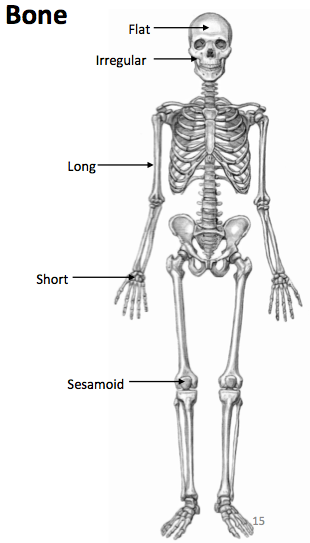
Name and describe 5 differnt bone shapes.
Give and example of each one
Flat bones: consist of two compact bone plates separated by spongy bones (e.g., bones of skull)
Irregular bones: are bones with various shapes (e.g., bones of face)
Long bones: are tubular (e.g., humerus and femur)
Short bones: are cuboidal (e.g., bones of wrist and ankle)
Sesamoid bones: develop in tendons (e.g., patella)
Identify the 4 common features of long bones
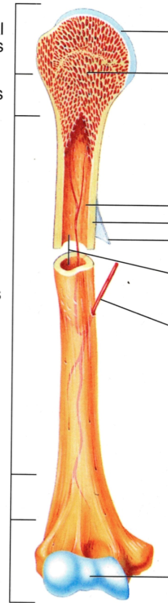
Diaphysis: tubular shaft composed of compact bone
Epiphysis: at each end of bone
Metaphysis: trabeculae-filled expansion of diaphysis separating diaphysis from epiphysis
Epiphyseal (growth) plate: between diaphysis (metaphysis) and epiphysis
How many bones are in the human body?
What are the 3 main components of bone?
206
** **intercellular calcified matrix + collagen + cells within matrix
Name 2 types of bone.
Identify their structures.
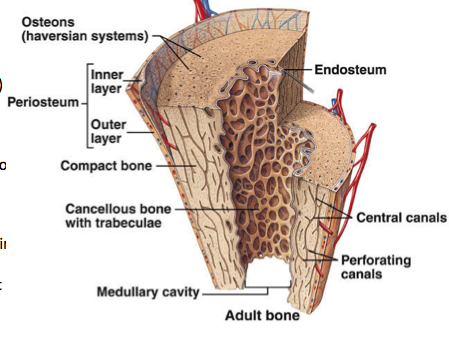
Compact bone:
- dense bone on outer shell of all bones
- surrounds spongy bone
- provides strength for weight-bearing
- amount is greatest near mid-shaft of long bones
Spongy bone (trabecular, cancellous):
- formed by spicules (trabeculae) of bone
- encloses medullary cavity
- production of red blood cell and platelet in medullary cavity
Identify the 4 common features of long bones
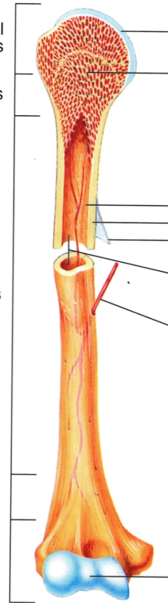
Diaphysis: tubular shaft composed of compact bone
Epiphysis: at each end of bone
Metaphysis: trabeculae-filled expansion of diaphysis separating diaphysis from epiphysis
Epiphyseal (growth) plate: between diaphysis (metaphysis) and epiphysis
A. What type of tissue if cartilage?
B. Identify 2 important characteristics about cartilage innervation and vasculature.
A. connective tissue
B. Avascular and a-neural
What quantities of extracellular fibers will be found in cartiledge located:
A. in areas with greater stress and weight-bearing demands:
B. areas with less stress and weight-bearing demands:
A. less elastic and more collagen fibers
B. more elastic and less collagen fibers
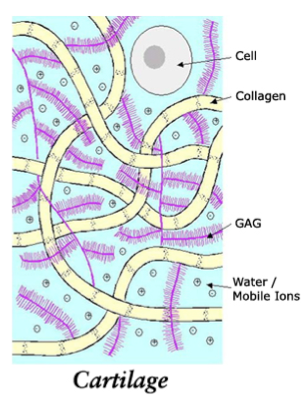
Name this type of cartilage, what is contains, and where it can be located:
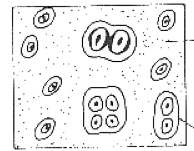
Hyaline:
moderate amount of collagen fibers in matrix
(e.g., articular surfaces of long bones)
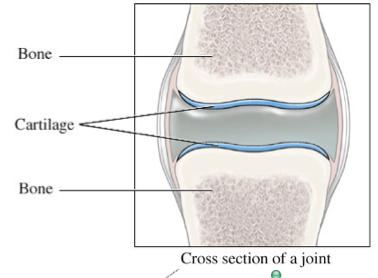
Name this type of cartilage, what is contains, and where it can be located:
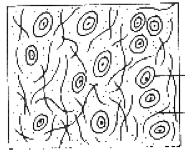
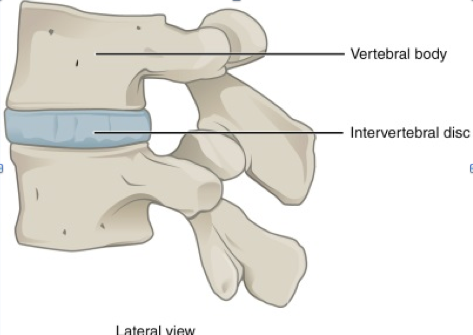
Fibrous:
limited number of cells & ground substance in matrix; large number of collagen fibers
(e.g.,intervertebral disc)

-
Anatomy INTRO Block 179
-
Mediatinum Block 112
-
Thorax 2118
-
Pericardium And Heart Part 1101
-
The Heart #2 Block 155
-
The HEART #2 Block 166
-
Anatomy Intro. (Grace's)20
-
Skeletal System19
-
Thorax 1 (Grace's)65
-
Mediastinum 3 (Grace's)48
-
Bones & Joints (Jasmine)75
-
Mediastinum 1 (Jasmine)54
-
Peripheral Nervous System (Megan)100
-
Thorax 3 (Megan)89
-
Pericardium & Heart Anatomy 2 (Megan)140
-
Muscles of the Back (Maria)83
-
Mediastinum 2 (Maria)36



