Blood supply of spinal cord
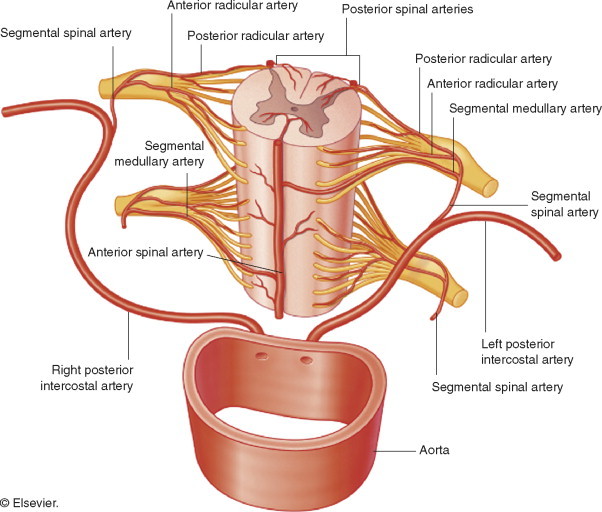
Three longitudinal arteries
Two posterior spinal arteries
One anterior spinal artery
External causes of spinal-cord injury
Spinal trauma, compression, blockage of blood supply
internal causes of spinal-cord injury
- Syrinxes - cysts
- Spinal stroke
- Inflammation e.g. transverse myelitis
- Tumours
- Abscesses
- Vitamin B12 deficiency
- Copper deficiency
- Infection
- MS
- Syphilis
Best form of imaging for spinal-cord disorders?
MRI
What is myelography?
X-rays of spinal cord are taken after radiopaque contrast injected into subarachnoid space
What is the term for a pathology that affects the spinal-cord?
Myelopathy
What are the potential abnormal findings following lumbar puncture
- Increased WCC suggesting infection
- Cloudy fluid due to increased WCCs indicates infection e.g. meningitis or encephalitis
- High protein levels due to injury to CNS or spina nerve root
- Abnormal antibodies suggesting MS or infection
- Low glucose: meningitis or cancer because both consume a lot of glucose
- Blood: brain haemorrhage
- Increased opening pressure: space occupying lesion, meningitis
Why do we not do a lumbar puncture when there is a raised ICP?
The removal of fluid may suddenly cause brain to herniate
Where does CSF run?
Subarachnoid space
Brown Sequard syndrome
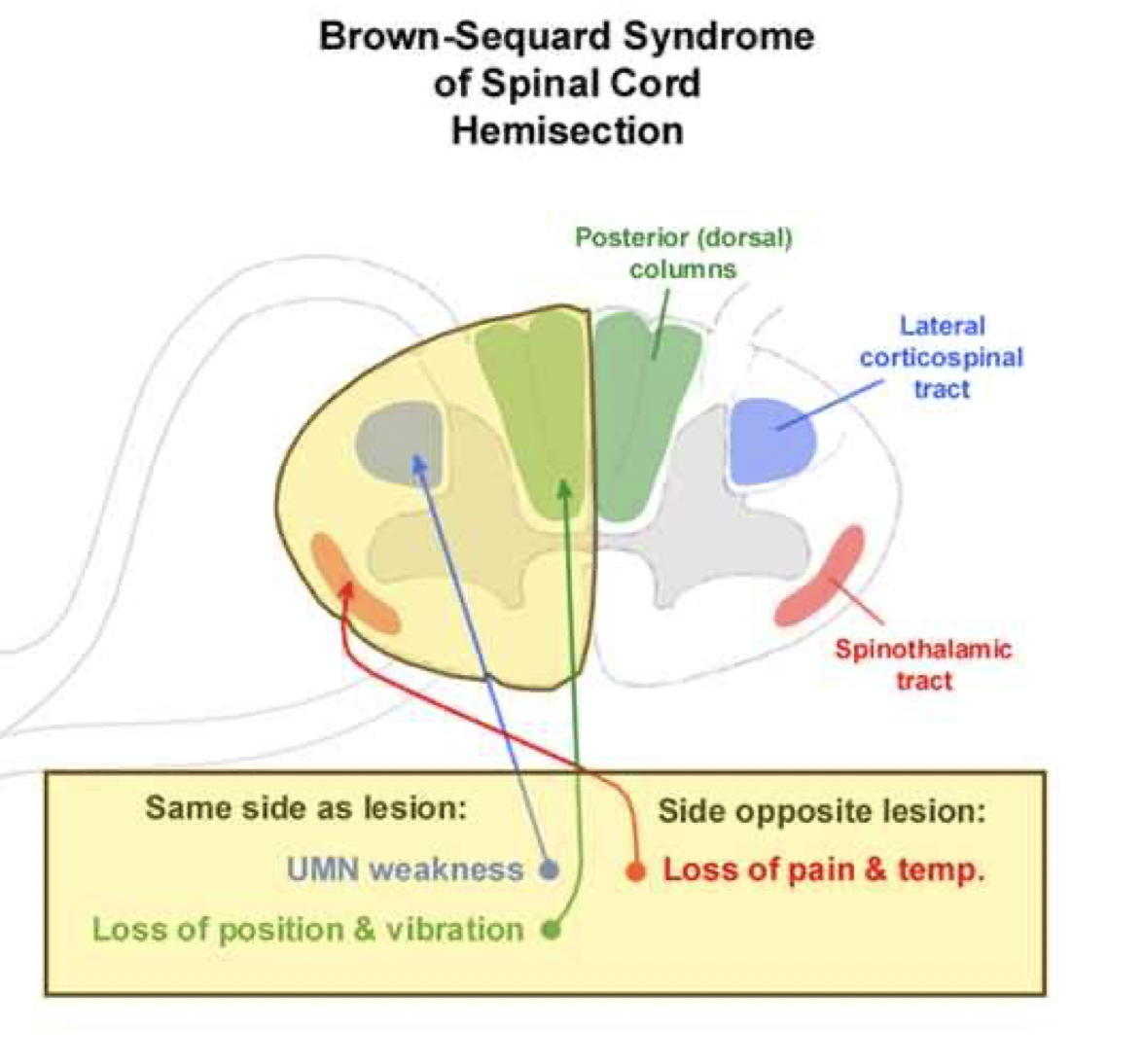
Damage to hemisection of spinal-cord
Consequences: loss of pain and temperature sensation on the opposite side (because the spinothalamic tract crosses in the spinal-cord)
Spastic paralysis and loss of proprioception and fine touch on the same side
Causes: trauma is the most common cause, tumours, ischaemia, infection or inflammation
Investigations: only really performed in non-traumatic cases, imaging via a spinal x-ray to look for bony trauma, MRI to determine the extent of spinal-cord injury or CT Milagra 30 if the use of MRI is contra indicated
Management: Careful cervical spine or dorsal spine immobilisation and clarification of the level affected, important to identify cases of spinal-cord herniation were surgical intervention may improve prognosis however there is no real treatment
Tract loss in Brown-Séquard syndrome
- Damage to dorsal columns: ipsilateral loss of fine touch, proprioception and vibration
- Damage to corticospinal tract: loss of motor function ipsilaterally/ UMN symptoms
- Damage to spinothalamic tract: loss of pain and temperature 1-2 segments below the level of the lesion contralaterally because the tract enters the cord and ascends 1-2 segments before crossing over
- Damage to anterior grey horn: ipsilateral LMN signs at the level of the lesion
Central cord syndrome
Injury to the central region of the spinal-cord, this is the most common incomplete spinal cord syndrome
Causes motor loss in the upper limbs more than the lower
Common in the elderly with degeneration in the cervical spine
What causes central cord syndrome?
Most common mechanism is patients who have cervical spondylosis who have an acute hyper extension injury – can occur during car crash or falls
- These injuries cause the ligamentum flavum to squash the spinal-cord, mashing occurs on both sides and the central portion is damaged
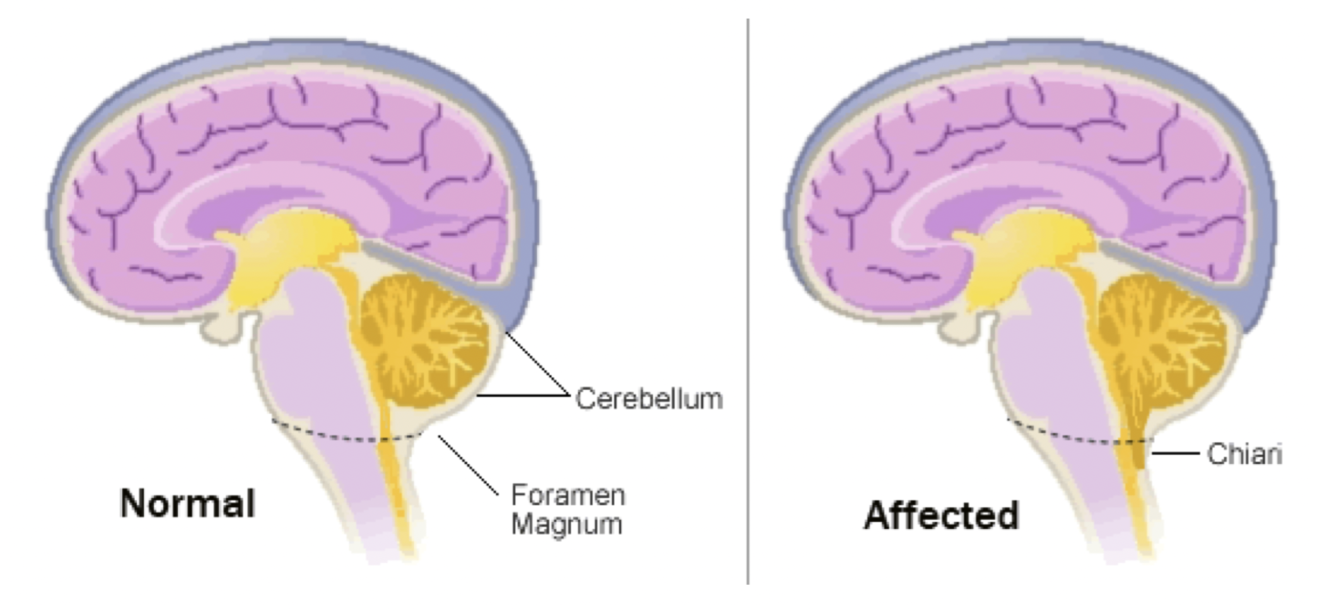
Syringomyelia - dilation or expansion of the central cord
Can occur due to Arnold-Chiari malformation type one where the cerebellar tonsils squeeze through the foramen magnum and squashed a portion of the spinal-cord causing dilation on either side
Also due to development of cystic fluid cavity within spinal canal
Clinical features of central cord syndrome
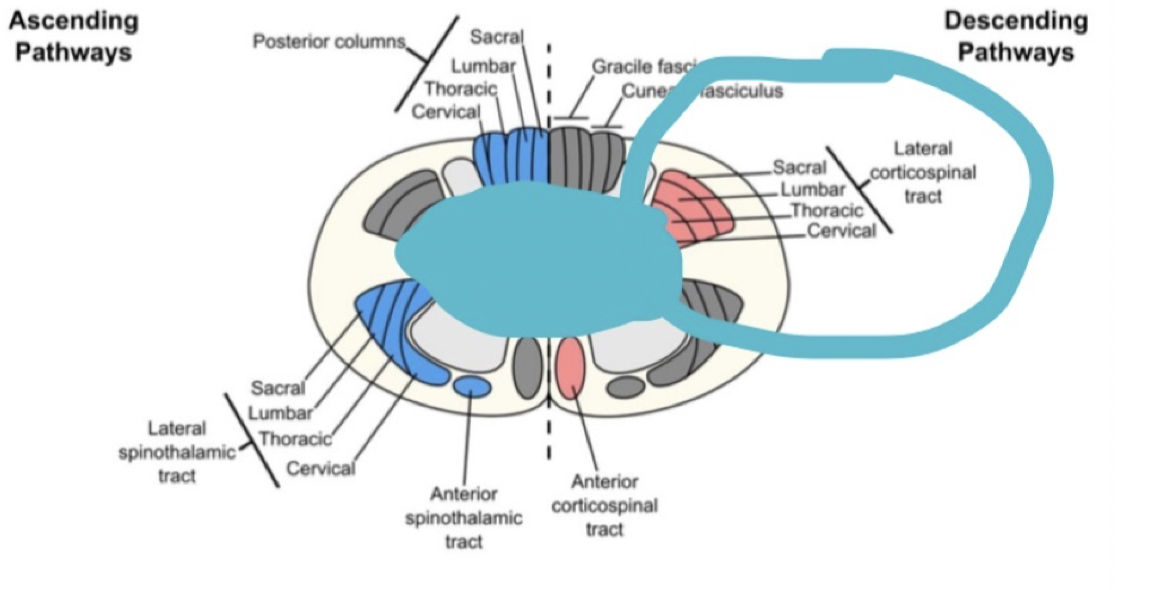
The lateral corticospinal tracts are comprised of UMN so we would get UMN signs
- Spastic paralysis
- Hyperreflexia
- Hypertonia
- Arms affected more because it is the portions of the corticospinal tract that control upper limb movement
- Anterior grey horn also affected: LMN lesion at the level of the lesion only (doesn’t affected fibres still descending as they are descending outside of central region)
- The spinothalamic tract’s decussation occurs over the anterior white commissure before entering the anterior or lateral spinothalamic tracts - this is also affected bilaterally so sensation of pain, temperature, crude touch and pressure will be lost at the level of the lesion and below
Most commonly occurs in cervical and thoracic region - said to be like a cape
What is anterior cord syndrome?
- Damage to the anterior 2/3 of the spinal cord
- Usually due to anterior artery occlusion/ damage
- Tends to occur lower in the spinal cord
Features of anterior cord syndrome
- Wipes out spinothalamic, corticospinal and autonomic pathways
- Faecal and urinary incontinence due to autonomic loss
- Loss of corticospinal tract = UMN lesion so bilateral spastic paralysis
- Loss of spinothalamic tract = loss of pain, crude touch, temperature and pressure
- Damage to anterior grey horn leading to bilateral LMN lesion at the level of the lesion - causing LMN signs AT the level of the lesion
- The sensation of fine touch is maintained
What are the consequences of anterior horn lesions?
Anterior horn contains lower motor neurons - the neurons exit and innervate the skeletal muscles
- Damage therefore causes LMN signs
- Hyporeflexia
- Loss of tone
- Flaccid paralysis
What causes anterior horn syndrome?
- Anterior spinal artery ischaemia, polio, spinal muscular atrophy
- Viruses: poliomyelitis
- Hx of no vaccinations?
- SMA: genetic condition - seen in young patients
- ALS: causes LMN and UMN lesions
Causes of posterior cord syndrome
- Can be caused by tertiary syphilis: tabes dorsalis
- Trauma to the neck: hyperflexion injuries
- B12 deficiency
- Tumours
- Friedrich’s ataxia
Supportive management for patients with spinal cord injuries
- Pressure sores: keep skin clean, turn patient frequently, use of special beds
- Urinary difficulty: catheter?
- Pneumonia: teach patient deep breathing exercises and position them at an angle to help drain secretions
- VTE: anticoagulation
- Rehab
- PT/ OT
What is radiculopathy?
AKA spinal nerve root dysfunction
- Compression or impingement of spinal nerve root causing pain, numbness, weakness in the distribution of the affected spinal nerve root
- Radicular pain – sharp, burning, shooting
- Compression of the root causes friction, pressure and demyelination and ischaemia
- Cervical radiculopathy: neck pain radiating down arms
- Lumbar radiculopathy: lower back pain, sciatica
- Straight leg raise
- If this occurs below L1 and the cause is a large disc herniation it can cause cauda equina
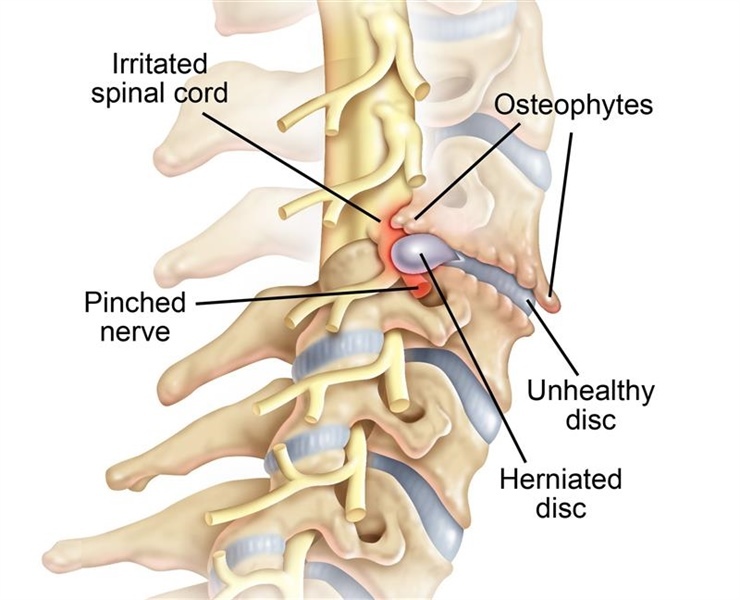
What is the most common cause of radiculopathy?
Herniated disc - most common in lumbar spine
Symptoms of radiculopathy?
- Symptoms will affect the myotome and dermatome supplied by that spinal nerve root
- To find the spinal nerve root affected we can test sensation to elicit the dermatome affected and test power in muscles to assess myotome affected
- This is classically seen due to disc prolapse which usually affects either the cervical or the lumbar spine
How is radiculopathy diagnosed?
Spinal MRI
If no lesion visible on MRI: Neurophysiology


-
General principles57
-
Motor neurone disease18
-
Multiple Sclerosis27
-
Huntington's14
-
Mononeuritis multiplex18
-
Myasthenia Gravis20
-
Guillain Barré17
-
Charcot Marie Tooth13
-
Herditary spastic paraparesis5
-
Transverse myelitis6
-
Peripheral neuropathy5
-
Cerebellar syndrome9
-
Spinal cord disorders37
-
Muscular dystrophy22
-
Stroke138
-
Seizures45
-
Headaches138
-
Gait disorders8
-
Parkinson's39
-
False localising signs5
-
Facial pain20
-
Neurological tumours36
-
Cranial nerve revision11



