Surface Analysis
Topology
- Surface chemistry (charge, roughness) - host response
Composition
- Contaminants (leaching, degradation products) - toxic
Interaction
- Bonding - cell adhesion or clotting
X-ray photoelectron spectroscopy (XPS)
Process
Electron Spectroscopy for Chemical Analysis (ESCA)
Process:
- Done in a vacuum
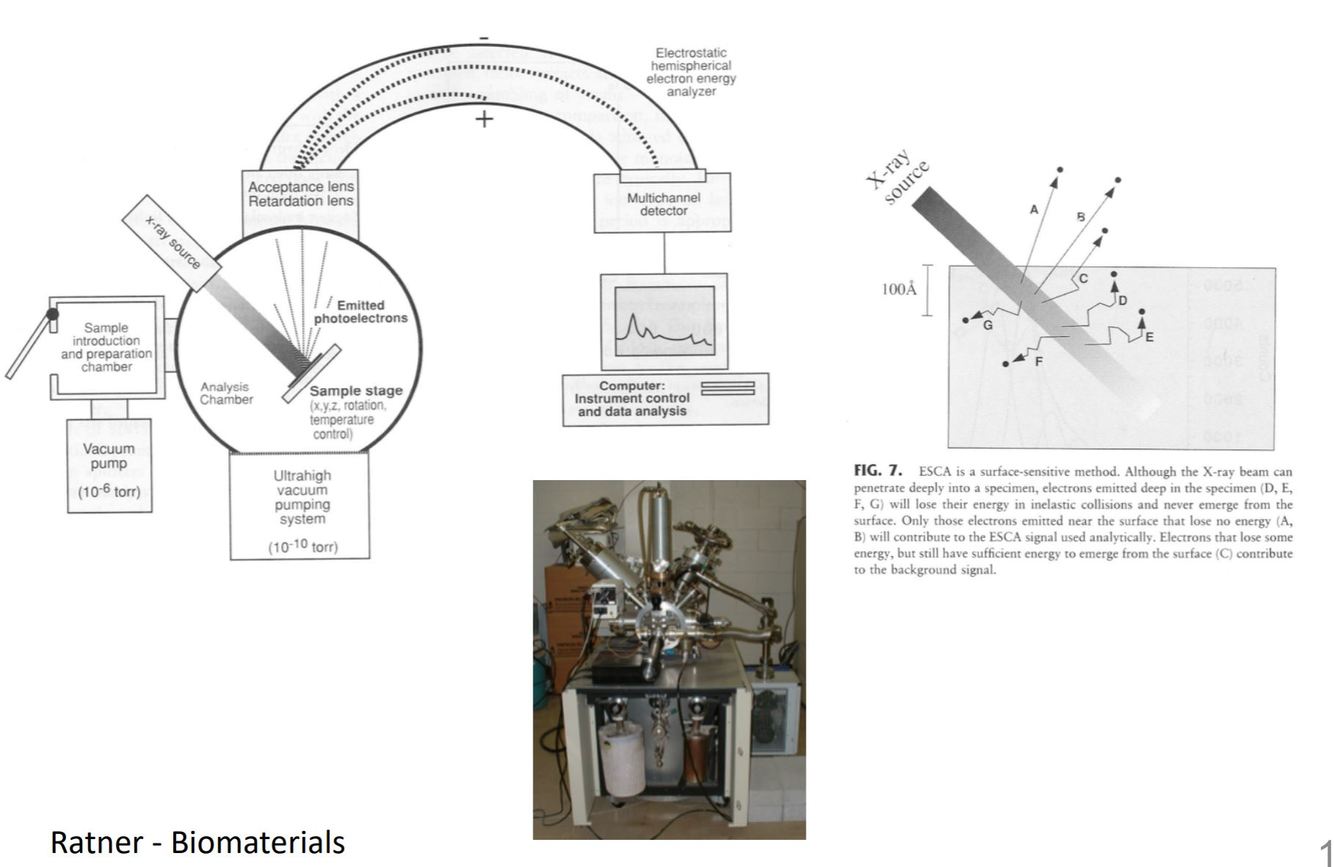
- Irradiate sample surface with X-ray radiation, photons with certain energies in the analysis chamber
- Hits sample surface and core electrons of atoms
- Penetrate at depth of a micrometer
- Signal obtained for 10-100A, 0.5 – 10 nm on surface
- Secondary electrons ejected and collected by the acceptance lens
- Enter the electrostatic hemispehrical electron energy analyzer
- Reach the multichannel detector
- Analysis of the photoelectron energies yields a quantitative measure of the surface atomic composition
- Also provides information about the structure and oxidation states of compounds
- Computer analysis
X-ray photoelectron spectroscopy (XPS)
Sensitivity
Surface-sensistive method unlike ATR-FTIR
- If x-ray penetrated deep, electrons emmited would lose energy in inelastic collisions and not reach surface for collection
- Only electrons emitted near surfae that lose no energy cotribute to the ESCA signal
- Those that lose energy but make it through are bacground noise
X-ray photoelectron spectroscopy (XPS)
Equation
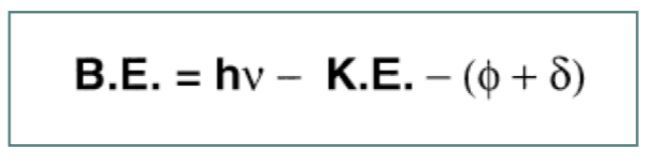
Data collected: kinetic energy of emitted electrons
Data calculated: binding energy
Variables:
- h = the Plank constant 6.63 x 10⁻³⁴ J s.
- ν = the frequency of the incident light in hertz (Hz)
- phi = the work function in joules (J)
- K.E. = the maximum kinetic energy of the emitted electrons in (J)
B.E. is characteristic of core electrons (Z-orbital) for each element, determined by attraction of electrons to nucleus
- hν is photon energy from the x-ray source (controlled)
- w is the spectrometer work function of a few eV (dependent on machine environment; found by calibration)
X-ray photoelectron spectroscopy (XPS)
High Res Spectrum
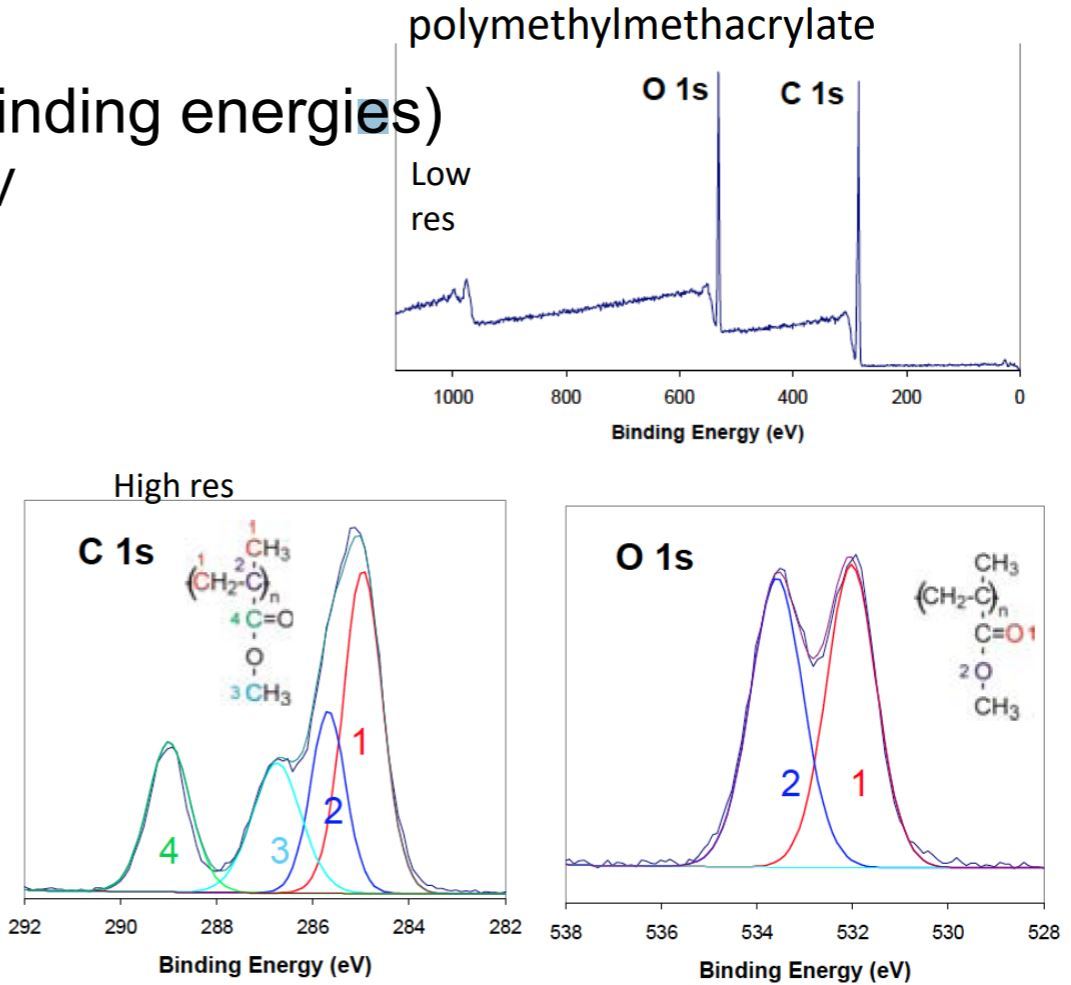
Signal from an element is sensitive to its neighbor
High res spectrum gives more accurate look at chemical states.
Can the binding energies of orbital 1s based on atmoic number of element (8 for O [~500], 6 for C [~300])
Then, gives energy of each individual C or O in PMMA, influenced by neighbors.
X-ray photoelectron spectroscopy (XPS)
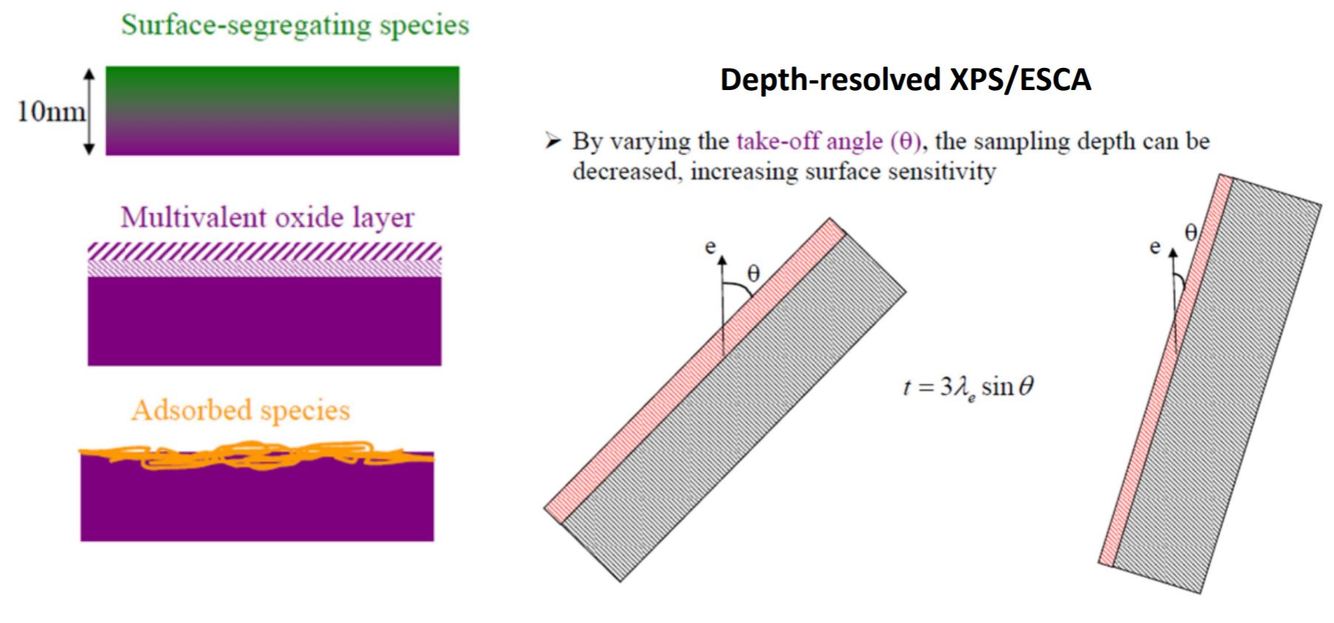
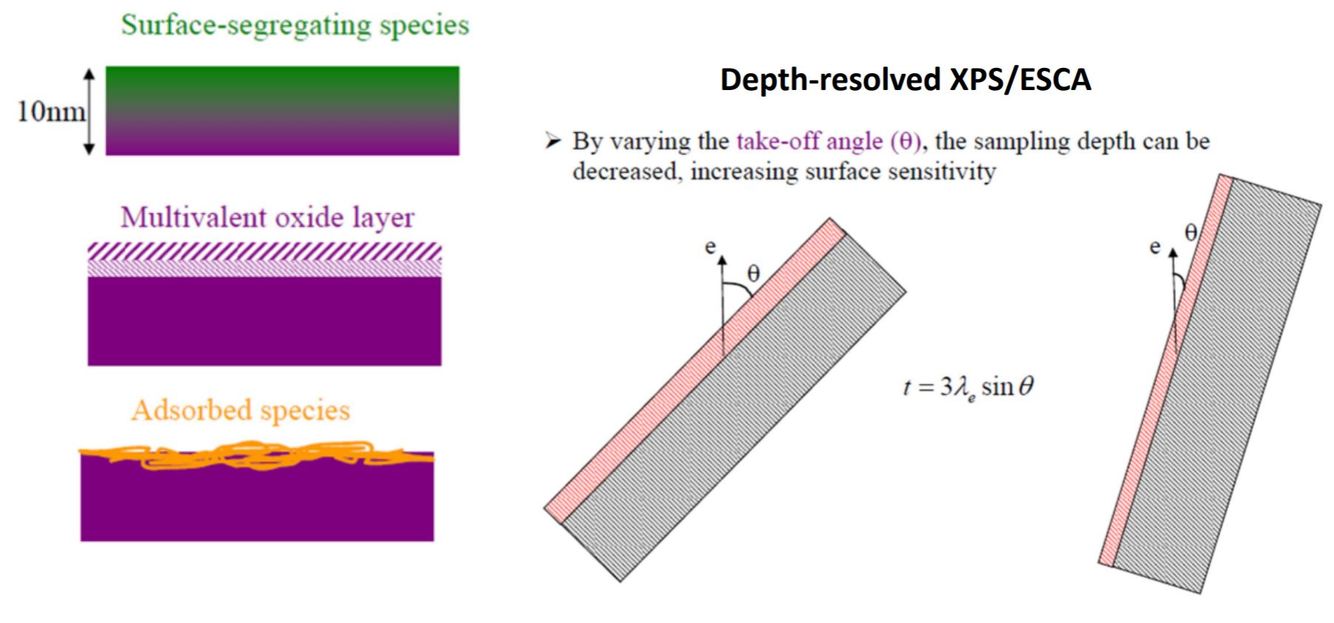
Depth Profiling
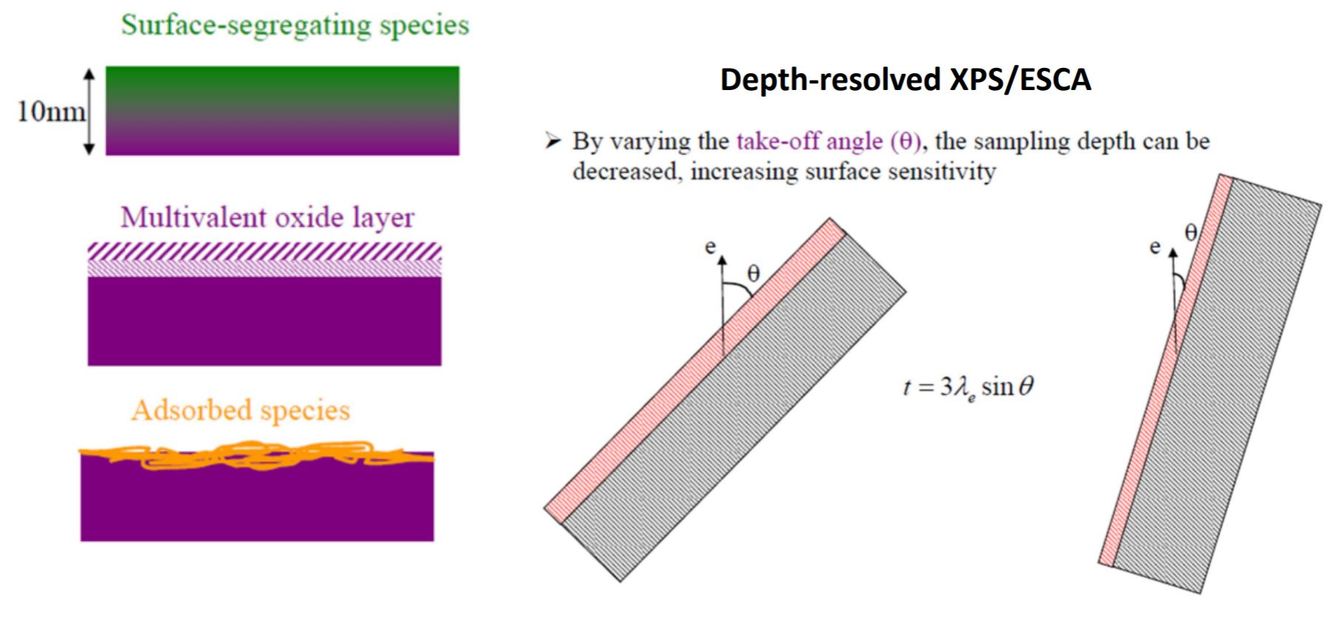
Signal from outermost 10nm
Concentration gradient? Vary the take-off angle to decrease depth and increase sensitivity - more selective of only surface elements.
X-ray photoelectron spectroscopy (XPS)
Info Learned
- Elemental composition of the surface (1 – 10 nm)
- Empirical formula of pure materials
- Elements that are contaminating surface
- Chemical/electronic state of surface elements
- Uniformity of elemental composition of the surface
- Can be a quantitative or qualitative technique
X-ray photoelectron spectroscopy (XPS)
Pros and Cons
Advantages
- Excellent quantitative accuracy can be obtained from homogenous solid state materials (~90 – 95%)
Disadvantages
- Organic compounds are degraded by x-ray source and heat generated during analysis (i.e., not idea for polymers or biological specimens)
- Samples must be compatible with ultra high vacuum environment (i.e., dead, very low pressure)
- X-rays can cause changes to the surface of material
- Sensitivity to chemical structures is short-ranged and a complimentary methods is required
Resolution: Rayleigh
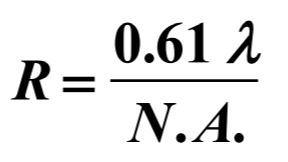
Resolution is defined as the ability of an objective to separate clearly two points or
details lying close together in the specimen.
R ~ wavelength
R ~ 1 / numerical aperture
Modeling kinetics (QCM-D)

Pros and Cons
Composition

Pros and Cons
Topology

Pros and Cons
Interaction

Characterization in TBP-PEG modified implant
AFM: particle sizes
XPS: changes in surface functionalities
- composition of bonds (ester, ether, etc.) showed higher ether with PEG
QCM-D: real-time film measurements of mass (f) and surface coverage (d), binding kinetics, substrate specificity, protein adsorption (no change in f with exposure to fibronectin)
Method to choose

Macroscopic

Microscopic

Nanostructure