Number of Brodman areas
47
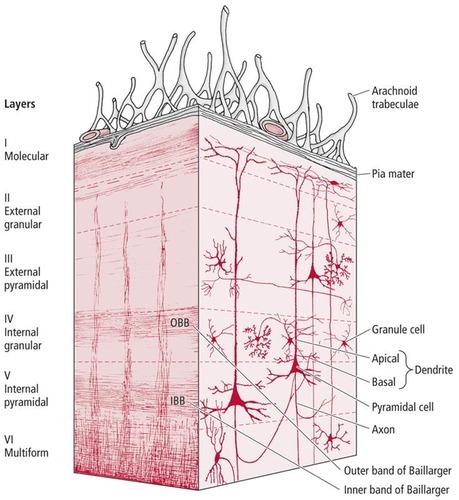
6 layers of cerebral cortex
Molecular
External granular
External pyramidal
Internal granular
Internal pyramidal
Multiform
Agranular cortex
Frontal lobe
Dominated by pyramidal rather than granular layers
Granular cortex
Parietal sensory cortex
Functions of non dominant hemisphere
Visual and spatial perception
Visual (non-language dependent) memory
Functions of dominant hemisphere
Language
Language dependent hemisphere
Wada test
Can be used to demonstrate hemispheric dominance.
Injection of sodium amytal into the ICA.
On the dominant side this will cause an arrest of speech for up to 30 seconds.
May be useful prior to temporal lobectomy when there is doubt over hemispheric dominance
Key gyri on the lateral surface of the frontal lobe
Superior frontal gyrus
Middle frontal gyrus
Inferior frontal gyrus (pars triangularis, pars orbitalis, pars opercularis)
Precentral gyrus
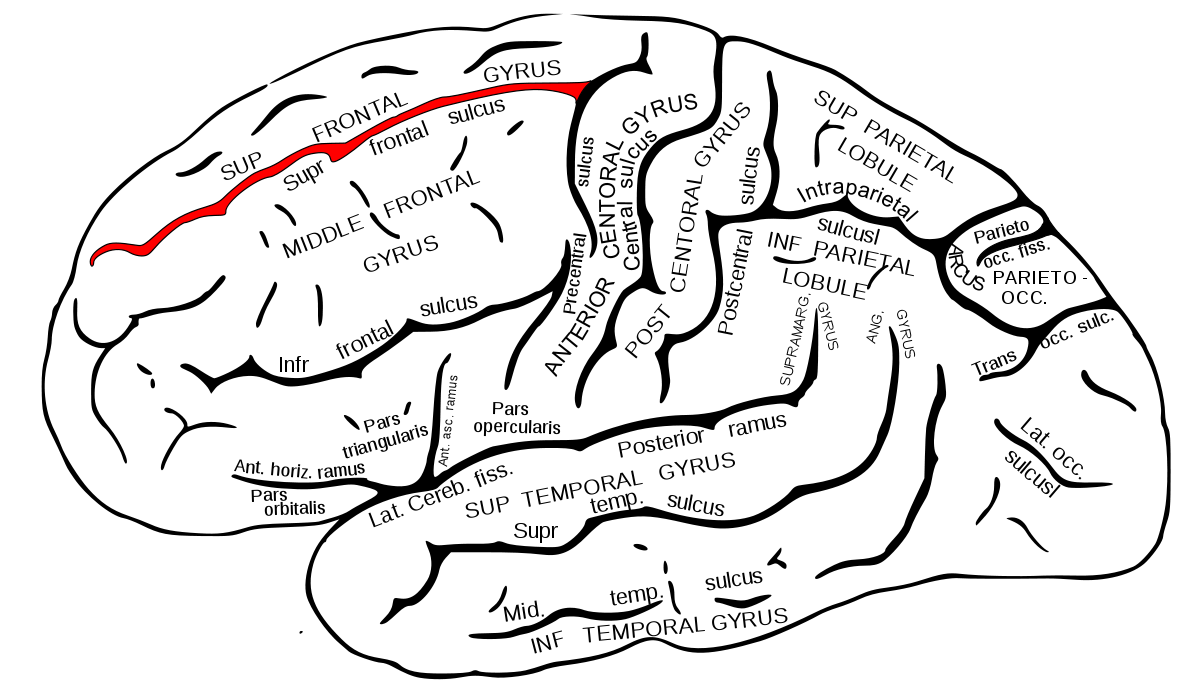
Key sulci on lateral surface of frontal lobe
Superior frontal sulcus
Inferior frontal sulcus
Pre-central sulcus
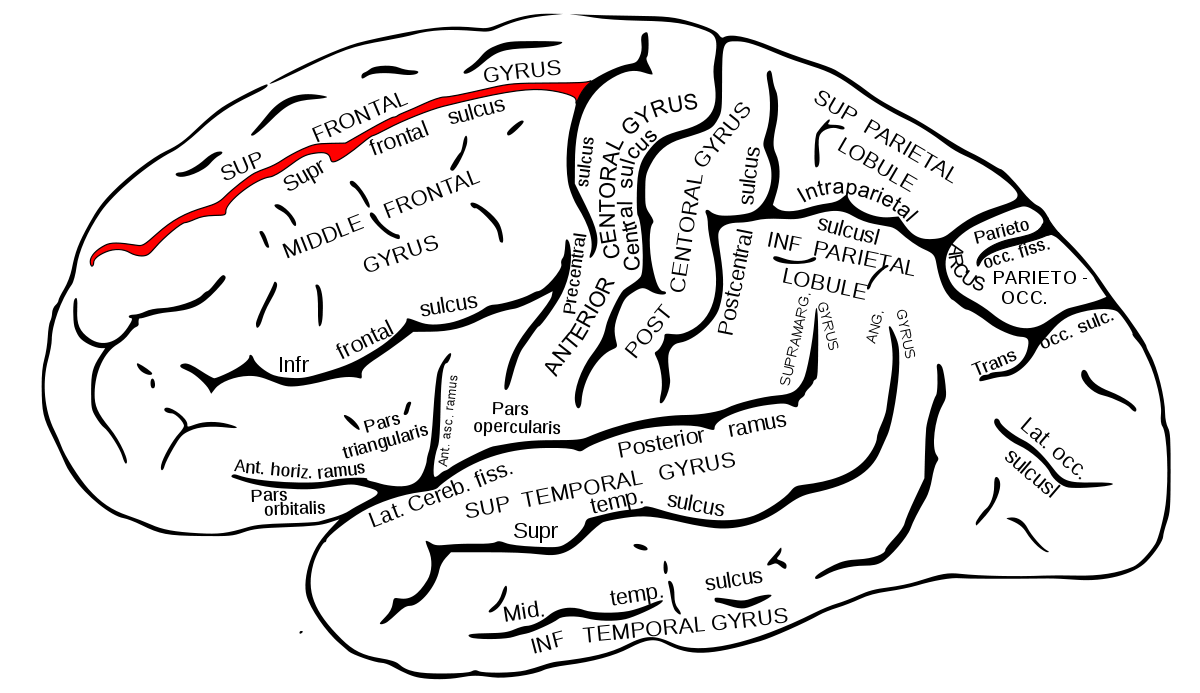
Key gyri on superior view of frontal cortex
Superior frontal gyrus
Middle frontal gyrus
Inferior frontal gyrus
Precentral gyrus
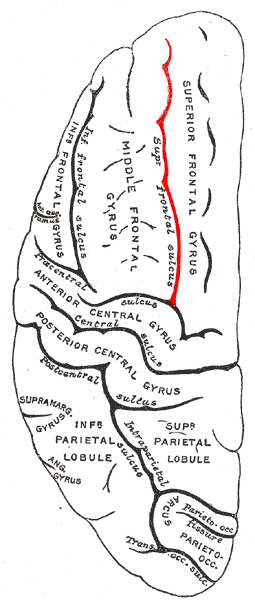
Key sulci on superior view of frontal lobe
Superior frontal sulcus
Inferior frontal sulcus
Precentral sulcus
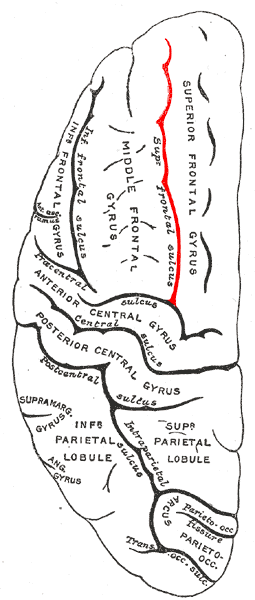
Key gyri on medial view of frontal lobe
Superior frontal gyrus
Paracentral lobule
Cingulate gyrus
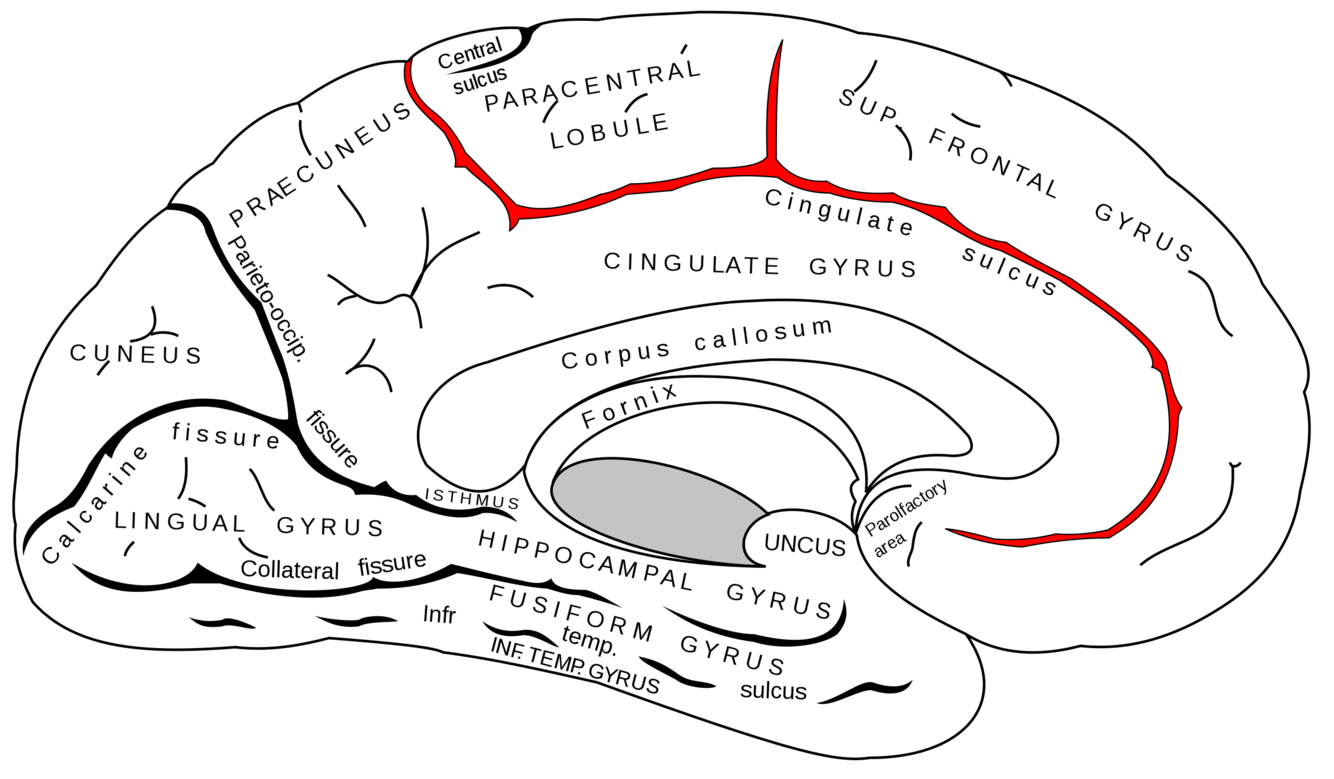
Key sulci on medial surface of frontal lobe
Cingulate sulcus
Key gyri on orbital view of frontal lobe
Gyrus rectus
Medial orbital gyrus
Anterior orbital gyrus
Posterior orbital gyrus
Lateral orbital gyrus
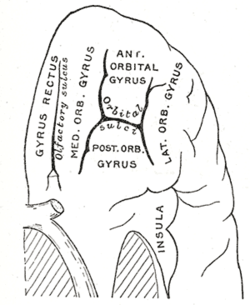
Key sulci on orbital surface of frontal lobe
Olfactory sulcus
Orbital sulcus
Function of precentral gyrus
Motor cortex.
Contralateral movement of face, arm, leg, trunk
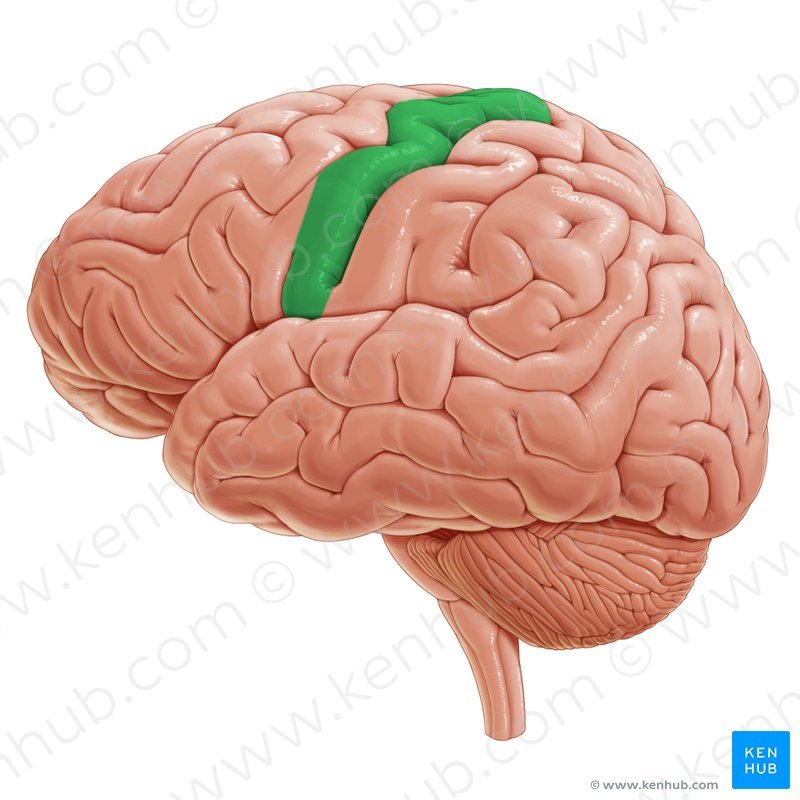
Lesion to this area would result in?
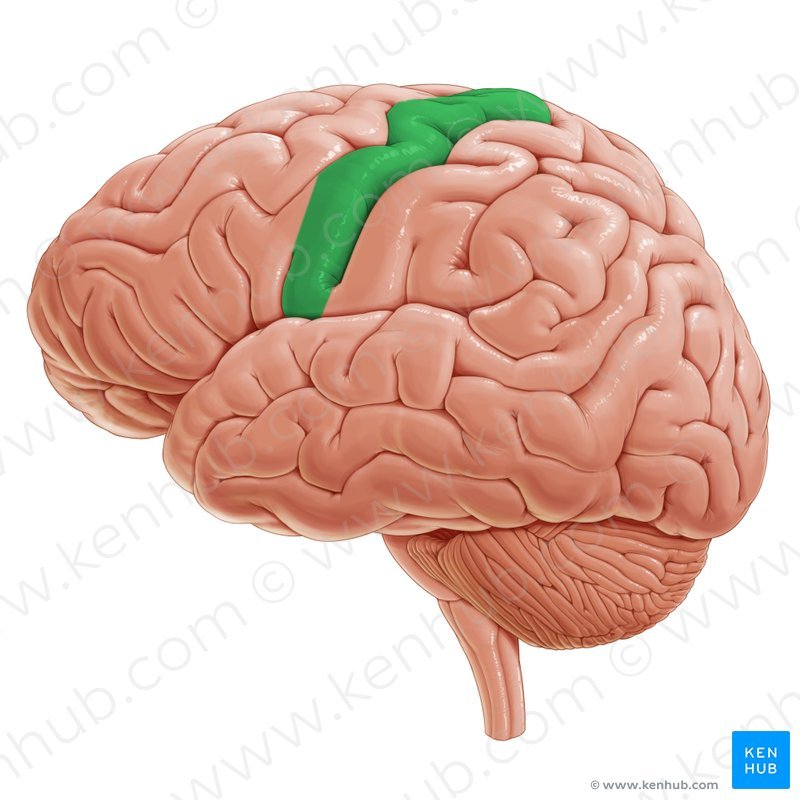
This is the precentral gyrus
Monoplegia or hemiplegia depending on extent of damage
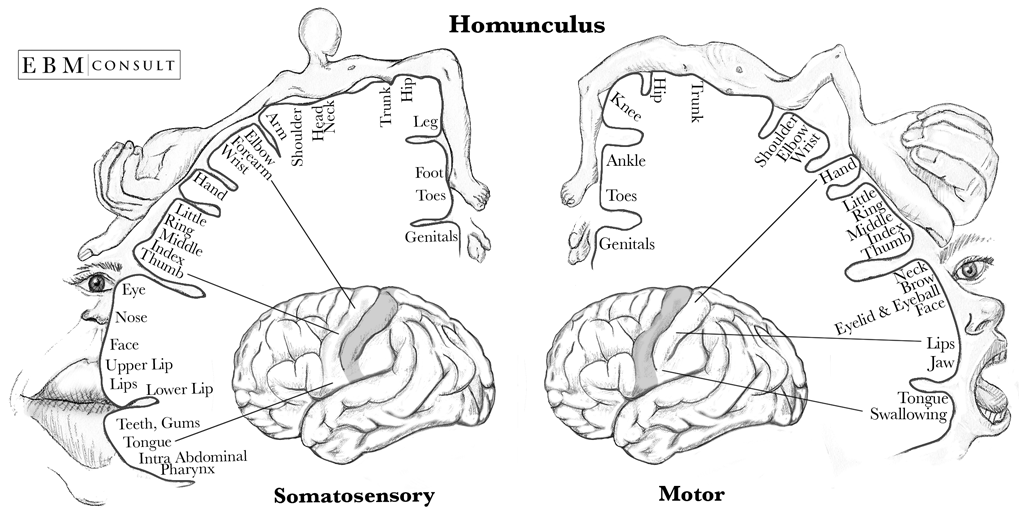
Function of Broca’s area (dominant hemisphere)
Expressive centre for speech
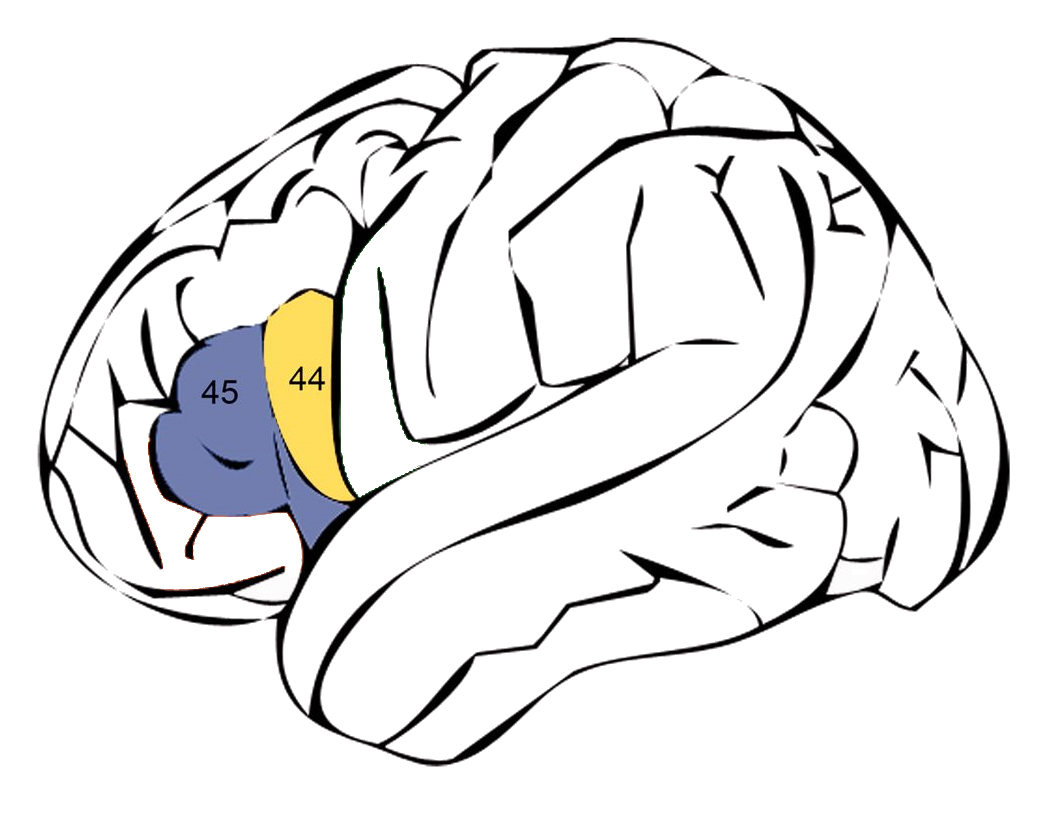
Lesions to this area would result in?
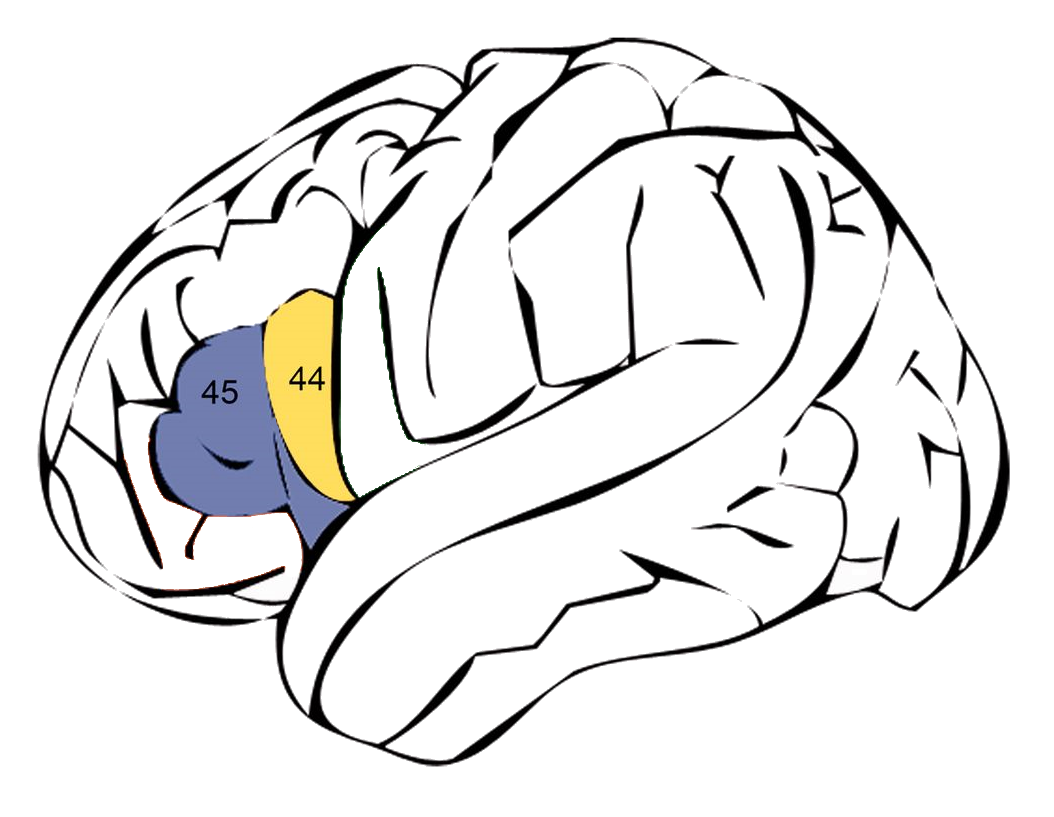
Dominant hemisphere:
Broca’s dysphasia (motor or expressive)
Function of SMA
Motor planning
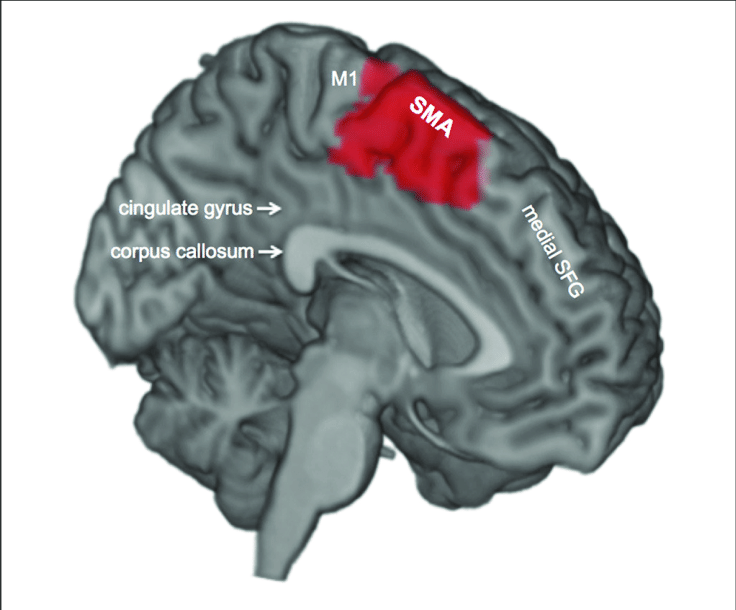
Consequences of lesions affecting this area
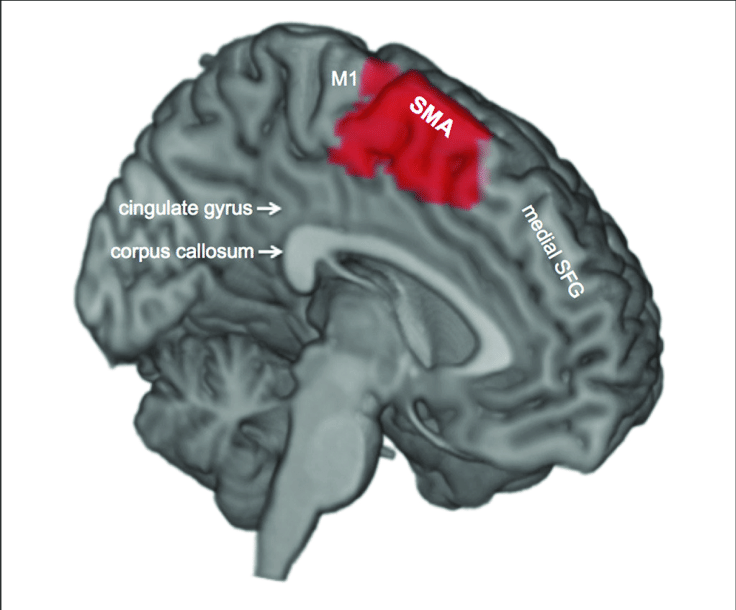
SMA
Paralysis of head and eye movements to the opposite side.
Head turns and looks towards the diseased hemisphere and eyes look in the same direction
Hypokinetic mutism
What makes up the prefrontal areas?
Vast parts of the frontal lobes anterior to the motor cortex as well as orbital part of frontal lobes
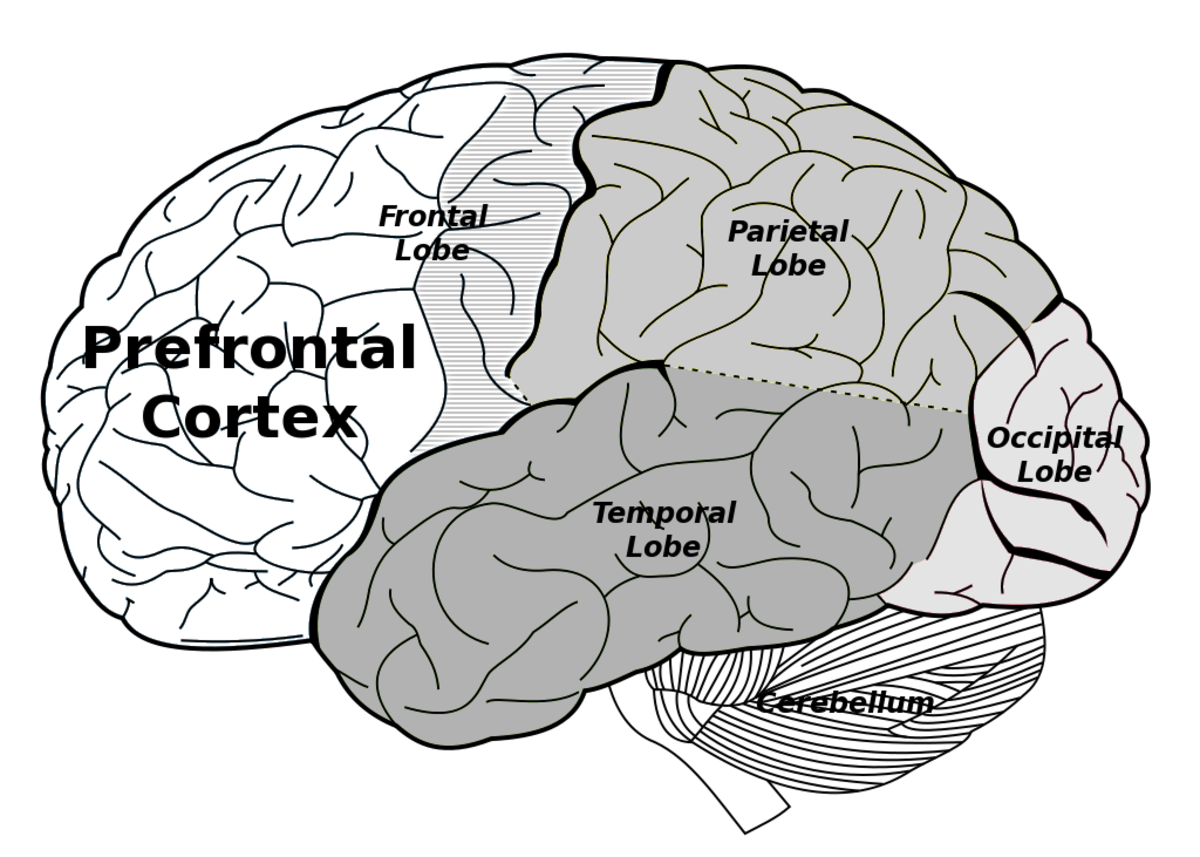
Causes of prefrontal damage?
Often bilateral e.g. infarction, following haemorrhage from ACommA, neoplasm, trauma or frontal dementia resulting in a change of personality with antisocial behaviour/loss of inhibitions
What are the three prefrontal syndromes?
Orbitofrontal syndrome
Frontal convexity syndrome
Medial frontal syndrome





-
Brainstem250
-
Cerebellum142
-
Rhoton's II486
-
Peripheral Nerves242
-
Bony Anatomy47
-
Spinal Anatomy270
-
Rhoton's I500
-
Cranial nerves364
-
Ventricular System150
-
Telencephalon507
-
CNS Blood Supply477
-
Diencephalon157
-
Meninges28
-
Basal Ganglia41
-
Visual System118
-
Overview and Embryology166
-
Auditory + Vestibular System98
-
Neurosurgical Anatomy260



