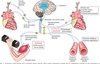
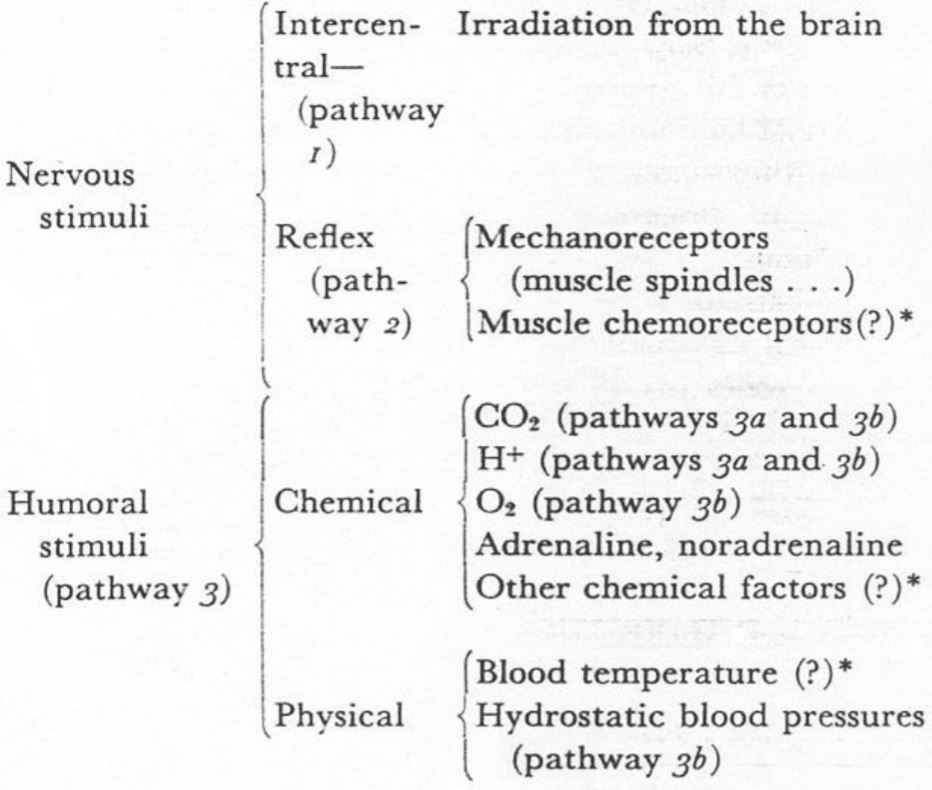
Give a summary of the main respiratory stimuli (i.e. factors that affect breathing).
- Stimuli may be nervous or humoral
- Nervous stimuli include conscious central pathways and reflex pathways
- Humoral stimuli include chemical and physical stimuli
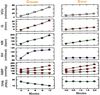
Give some experimental evidence for how ventilation changes with exercise.
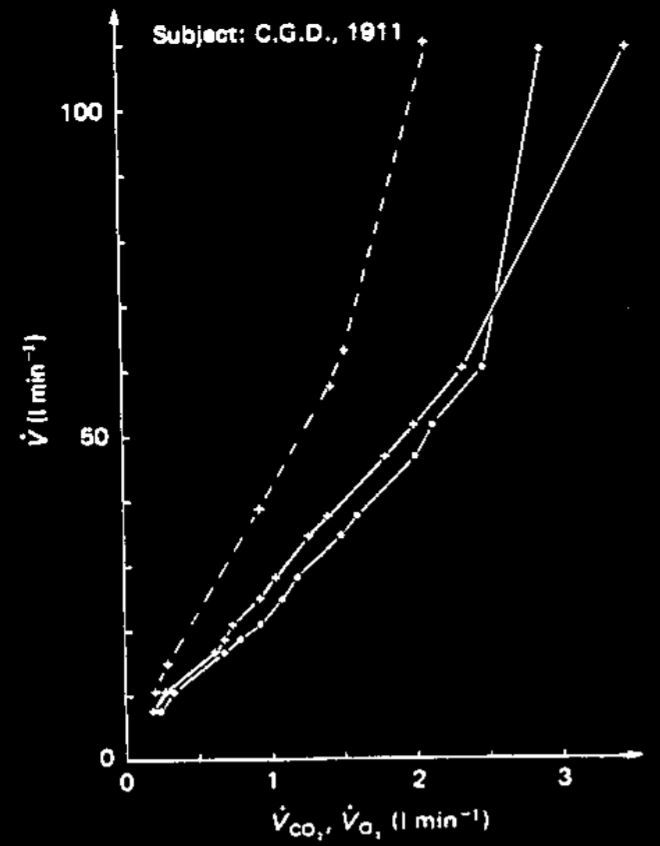
(Douglas, 2013):
- Collected breath samples as he walked at various intensities through Oxford
- Ventilation increased approximately linearly with O2 consumption and CO2 production up to a “break point” where the ventilation increases rapidly
- This rapid increase is thought to be perhaps due to increased lactic acid production at this point
- The increase is mostly due to tidal volume at first and then due to respiratory rate
Describe the different stages of breathing during exercise.
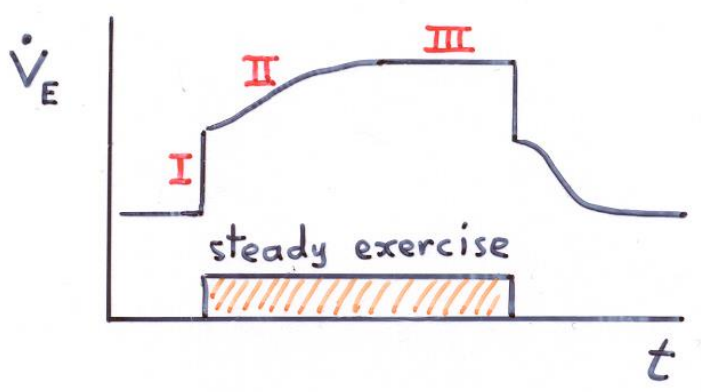
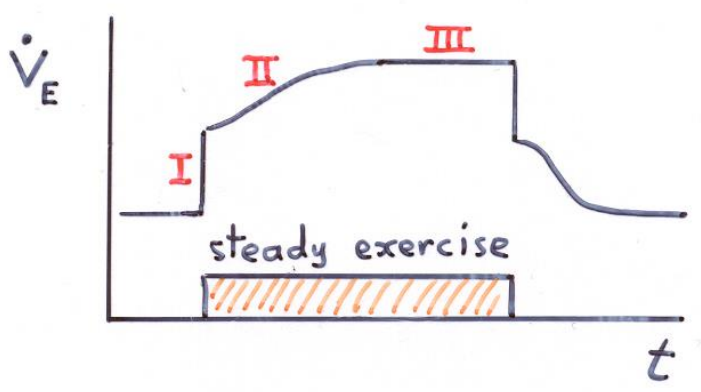
- Phase 1 -> Rapid increase in breathing within seconds of starting the exercise
- Phase 2 -> More slow increase in breathing later
- Phase 3 -> Plateau in breathing
Does blood pH, PaCO2 and PaO2 change during exercise? What is the implication of this?
- Not with mild to moderate exercise. The homeostasis is very effective.
- This means that feedback mechanisms on ventilation cannot work via chemoreceptors for these signals, since they do not change.
What are some hypotheses for why the ventilation increases rapidly at the very start of exercise (phase 1)?
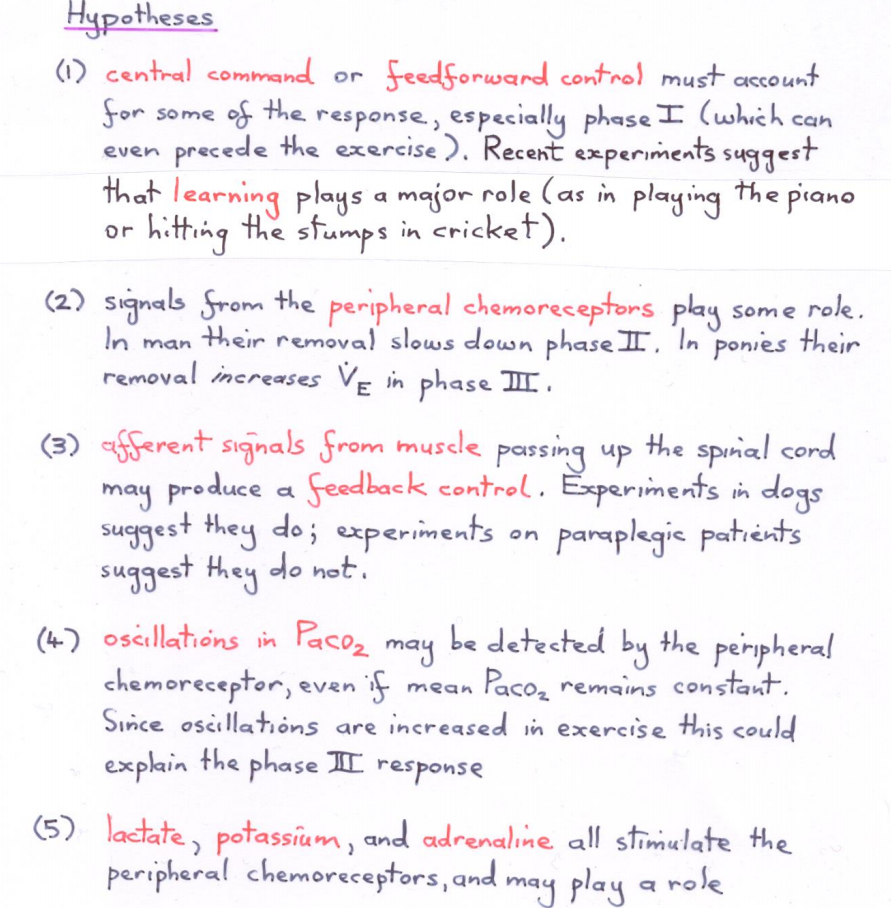
- Central command -> This would allow a faster response since there is no need to wait for feedback. Learning plays a major role in this
- Peripheral chemoreceptors:
- Mean PaCO2 does not change majorly, but there are oscillations in PaCO2, which increase during exercise. Chemoreceptors could detect this increased oscillation.
- Lactate, potassium and adrenaline all stimulate peripheral chemoreceptors.
- Reflex feedback from muscle ‘work receptors’ via the spinal cord (experiments in dogs suggest this is the case, but experiments in paraplegics suggest it is not)
After these fast responses, the feedback mechanisms, such as from the peripheral chemoreceptors, can also assist in ventilation control.
Give some experimental evidence for the role of central command in increasing ventilation dueing exercise.
(Krogh and Lindhard, 1913):
- Proposed the concept of “cortical irradiation” to account for anticipatory hyperventilation prior to exercise
- Found that alterations in perceived load transiently affected ventilatory responses
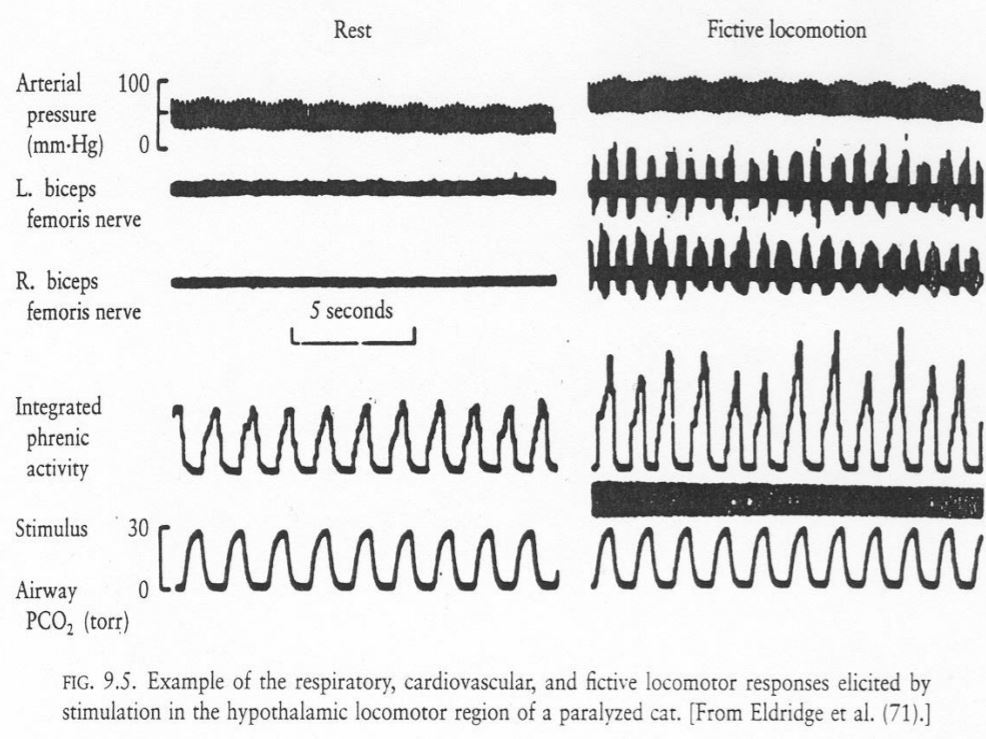
(Eldridge, 1985):
- Studied a paralysed cat
- Stimulated the hypothalamic locomotor region
- This led to activity in not only the bicep femoris nerves but also in the phrenic nerve
- This shows that anticipation of exercise influences ventilation
Give some experimental evidence for/against the importance of muscle feedback onto ventilation during exercise. How can these contradictory results be explained?
FOR
(Kao, 1963):
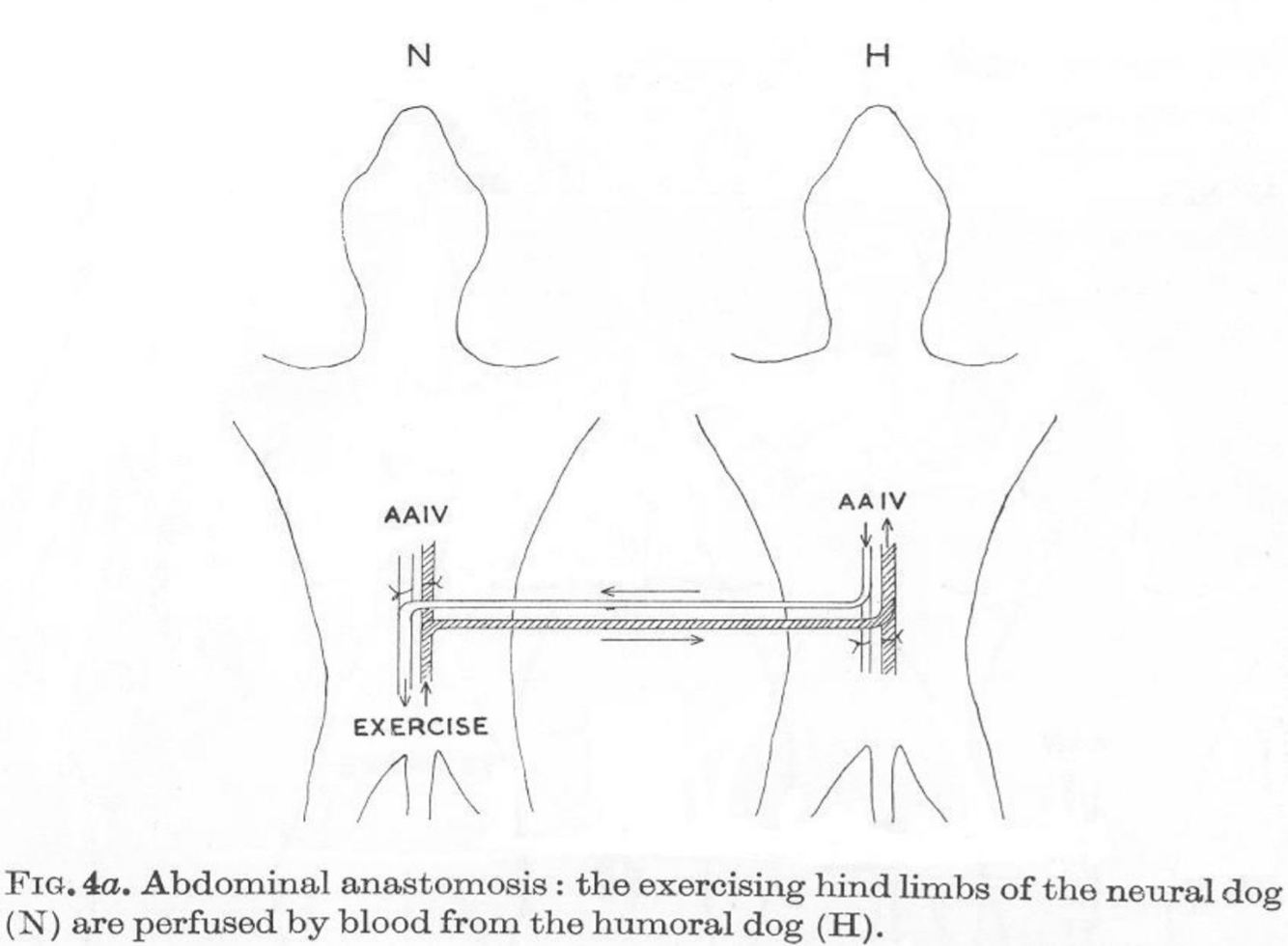
- Connected the circulatory systems of two dogs so that one dog (the neural dog) received all of its perfusion from the other dog (the humoral dog)
- Stimulated the neural dog’s hind legs to make them exercise artifically
- The neural dog breathed harder even though all of its metabolic needs were met by the humoral dog
- If the spinal cord of the dog is cut, the increase in breathing is lost
- Therefore, this is evidence of afferent feedback from the muscle onto control of breathing
(McCloskey, 1972):
- Severed the dorsal roots related to the muscles that were exercising in a cat
- When the cat exercised, the ventilation did not increase as much as it normally would
- Therefore, this is evidence of afferent feedback from the muscle onto control of breathing
AGAINST
(Adams, 1984):
- Used transcutaneous stimulation to exercise leg muscles in healthy and paraplegic patients
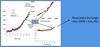
- Plotted a graph of ventilation against carbon dioxide production for both groups, which showed that both groups had similar ventilatory responses to exercise
- This suggested that afferent feedback from muscles is not necessary for a normal ventilatory response to exercise
EXPLANATION
It seems that the ventilatory response to exercise includes a lot of redundancy. This means that removing one component (e.g. the muscle feedback) is not sufficient to lose the response, but if we remove all other components, then removing the last component will indeed lead to loss of the response.
What is the name for the increase in ventilation caused by increased blood flow?
Cardiodynamic hyperpnoea
Give some experimental evidence for/against the importance of cardiodynamic hyperpnoea in increasing ventilation during exercise. How can these contradictory results be explained?
FOR
(Wasserman, 1974):
- Injected 4 micrograms of isoproterenol into the vena cava of an awake dog
- Observed increased cardiac output and an associated increase in ventilation, despite no change in PCO2
- This provides evidence for cardiodynamic hyperpnoea.
AGAINST
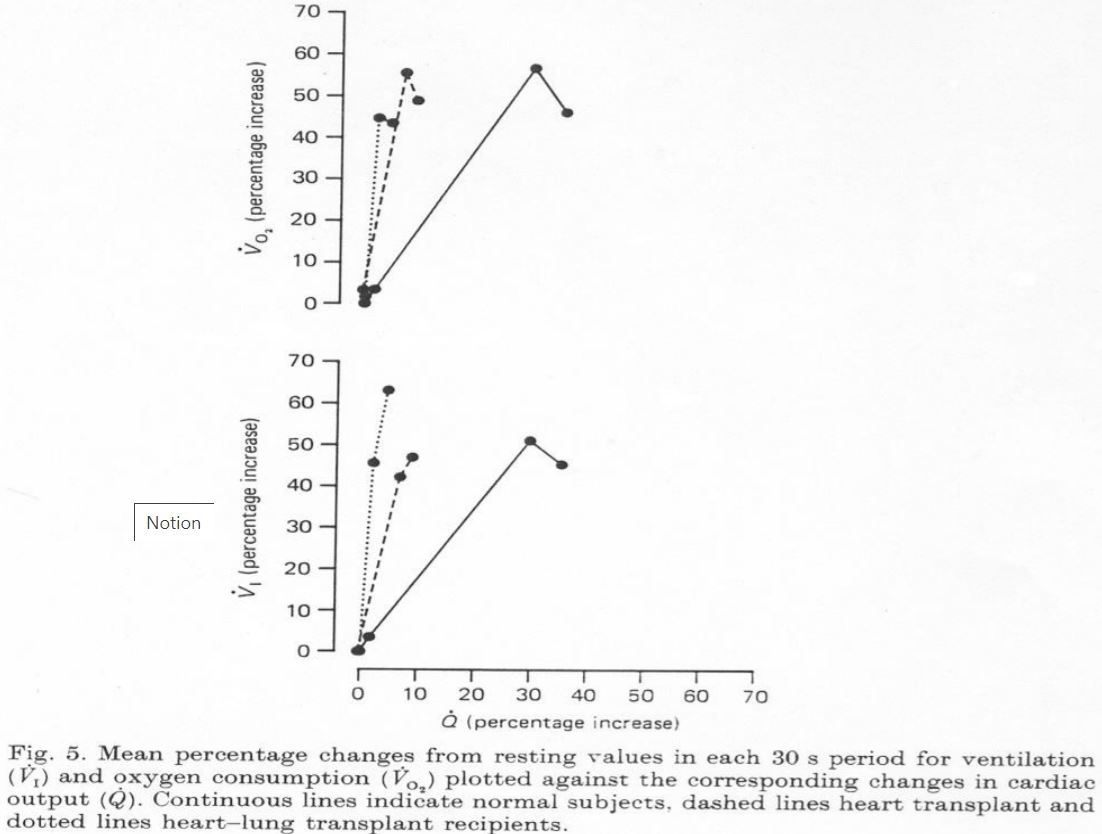
(Banner, 1988):
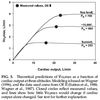
- Plotted ventilation and oxygen consumption against cardiac output during 30 seconds of exercise in normal patients and those who had undergone heart or heart-lung transplants
- All subjects had similar increases in ventilation and oxygen consumption, despite the fact that the transplant patients had much smaller increases in cardiac output
- This suggests that cardiodynamic hyperpnoea is not necessary for ventilatory increases during exercise.
EXPLANATION
It seems that the ventilatory response to exercise includes a lot of redundancy. This means that removing one component (e.g. the cardiac output increase) is not sufficient to lose the response, but if we remove all other components, then removing the last component will indeed lead to loss of the response.
Give some experimental evidence for/against the importance of CO2 flux (i.e. increased CO2 production) in increasing ventilation during exercise. How can these contradictory results be explained?
Experiments studying this are difficult because ventilation should increase when arterial CO2 is increased (due to central chemoreceptors). However, this blood CO2 increase is not seen in exercise, so any response due to increased CO2 production must be observed separate to increased arterial CO2.
AGAINST
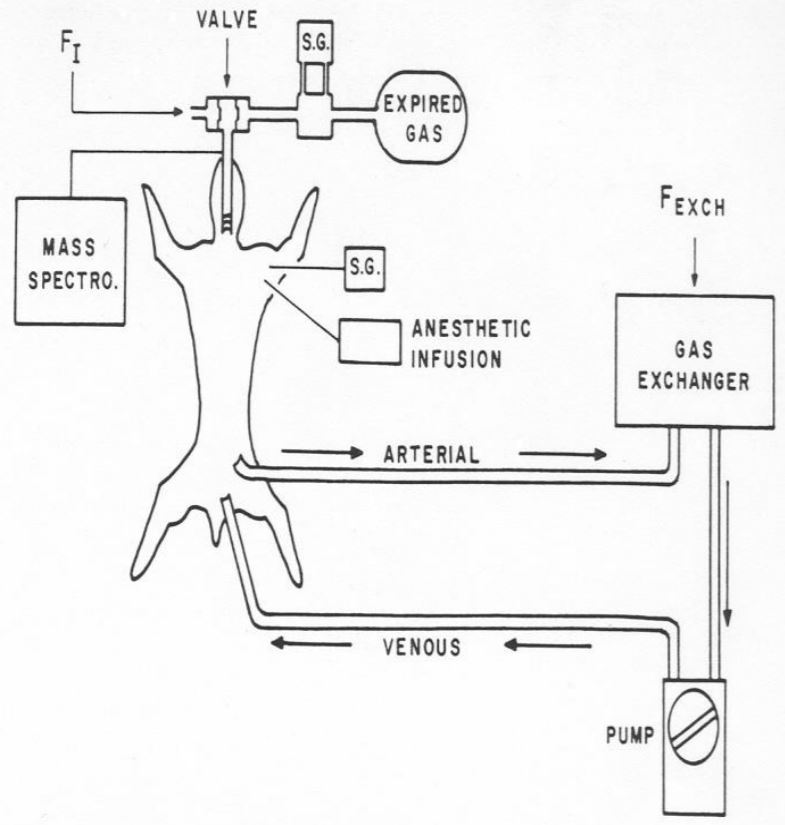
(Fordyce, 1980):
- Passed arterial blood from anaesthetised dogs through a gas exchanger to pump it full of CO2, then released the blood into the venous circulation
- Found that ventilation increased, but the increase was alongside an increase in arterial CO2, meaning that the effect could be explained by central chemoreceptor feedback
- Thus, this was not mimicking the increase in ventilation that you get without increase in arterial CO2 during exercise
FOR
(Phillipson, 1981):
- Passed venous blood from sheep through a gas exchanger to pump it full of CO2, then released the blood into the venous circulation -> This is better than an arterio-venous exchanger because it doesn’t increase cardiac output and thus lead to cardiodynamic hyperpnoea
- In each of the four sheep, there was found to be a linear relationship between the rate of CO2 production and ventilation, regardless of whether CO2 production was increased by exercise, venous CO2 infusion, or combinations of both procedures.
- This increase in ventilation was seen even though arterial CO2 remained constant.
EXPLANATION
There are too many technical complications to these experiments, so there is no definitive answer.
Do the carotid bodies generate an increase in ventilation during exercise?
FOR
(Perret, 1960):
- Made subjects breathe 21% oxygen
- Switched the gas to 40% and 60% oxygen surreptitiously during the study period
- Each time the oxygen increased, there was a transient drop in ventilation before it returned to normal
- This suggests that the carotid bodies detect the lack of oxygen and lead to reduced breathing, before redundant mechanisms return ventilation to normal -> Thus, the reverse could happen during exercise
(Yamamoto, 1960):
- Modelled the changes in alveolar CO2 that occur during exercise and showed that alveolar CO2 fluctuates much more rapidly during exercise
- This means that the arterial blood and therefore carotid bodies experience rapid fluctuations in CO2, even though mean CO2 stays the same
- This is a possible model for how the carotid bodies could lead to increased ventilation during exercise
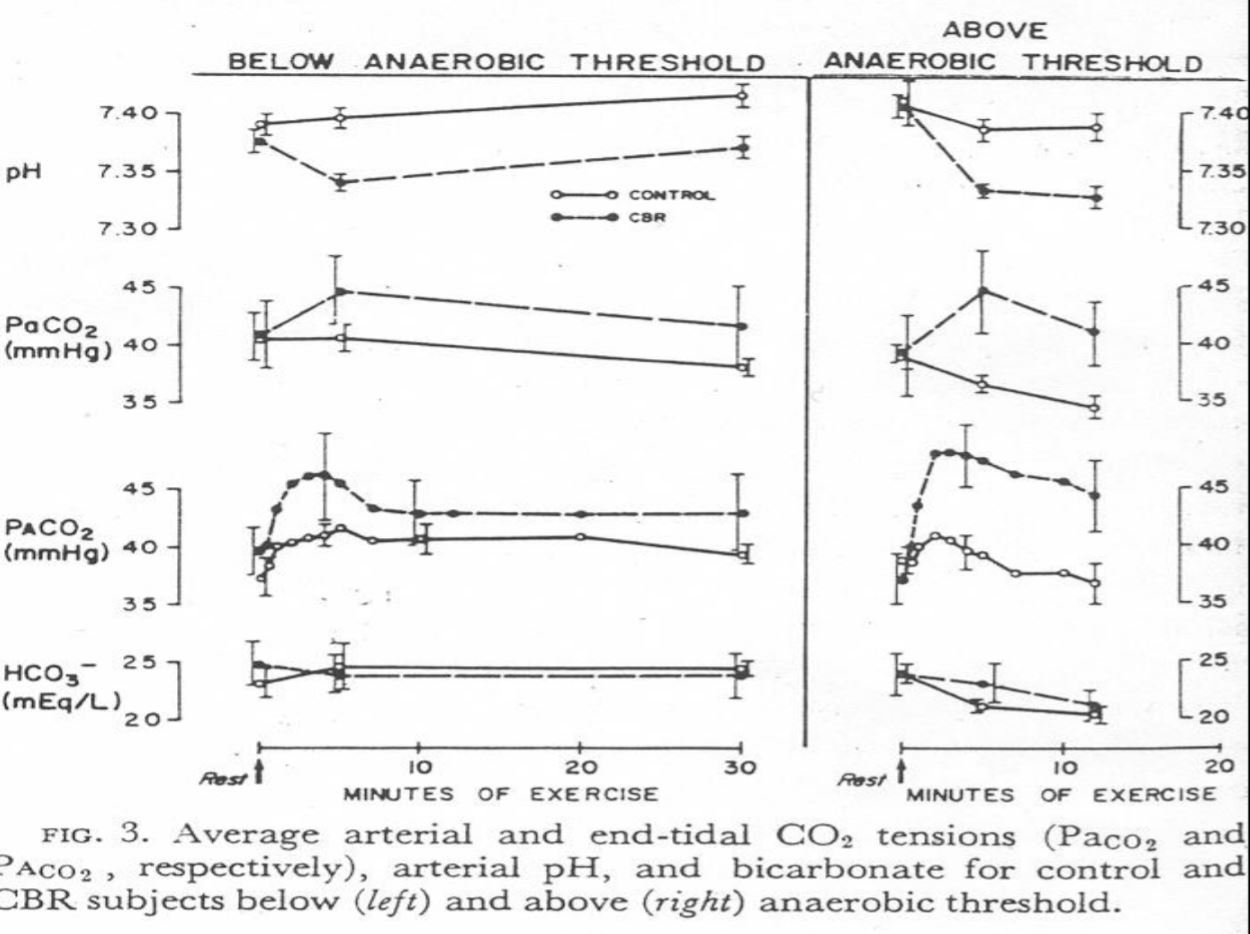
(Wasserman, 1975):
- Compared the responses to exercise of normal subjects and those who had undergone carotid body resection
- Below the anaerobic threshold, there was little difference between the arterial CO2 in the groups
- Above the anaerobic threshold, the difference became more pronounced
- This suggests that the carotid bodies may play a role in increasing ventilation above the anaerobic threshold only
Summarise what the role of the carotid bodies might be in control of ventilation during breathing.
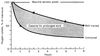
- There is mixed evidence about whether the carotid bodies are involved in increasing ventilation during exercise
- However, it is likely that they are involved in augmenting feedback mechanisms depending on the size of the disruption (e.g. a small/large partial pressure disturbance) -> This is known as load compensation
- (Cunningham, 1966):
- Found that there is little difference in ventilation at rest between hypoxia and hyperoxia
- However, during exercise this difference becomes much larger, which could be explained by the carotid bodies augmenting feedback mechanisms on ventilation
Summarise the main stimuli to breathe during exercise.
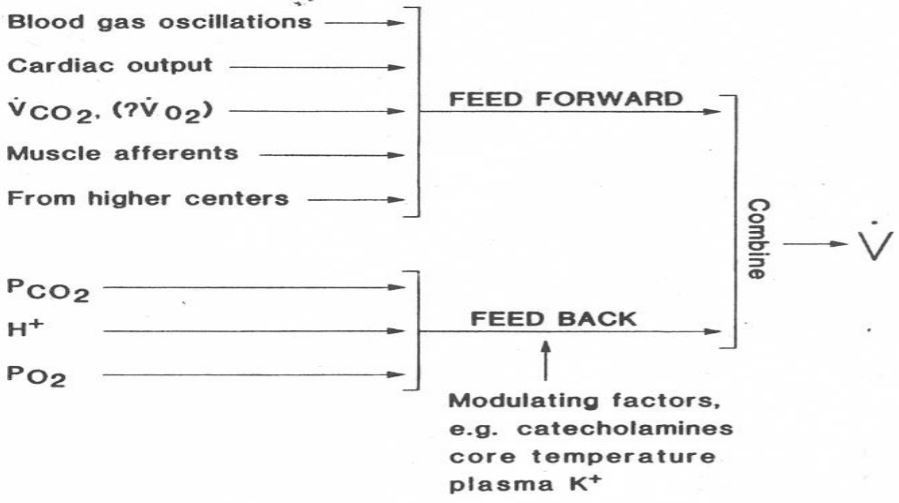
Feed-forward mechanisms:
- Blood gas oscillations (at the carotid bodies)
- Cardiac output (cardiogynamic hyperpneoa)
- Carbon dioxide fluxes
- Muscle afferents
- Signals from higher centres
Feed-back mechanisms:
- PCO2
- H+
- PO2
Feed-forward mechanisms show a degree of redundancy, while feedback mechanisms do not.
How are feed-forward mechanisms of increasing ventilation during exercise calibrated? Give experimental evidence.
- Somjen (1992):
- Proposed that the brain “knows” exactly how much O2 is demanded and CO2 produced by the level of exercise being undertaken, and has learned to anticipate the corresponding increase in VE that is necessary to avoid any changes in arterial blood gases. He hypothesised that the brain has learned how to do this over a period of many years, from early in infancy, by a process of “trial and error”.
- (Martin, 1993):
- Studied the ventilatory response of goats -> These tend to become slightly hypocapnic during exercise
- Made the goats undergo repeated exercise, except each time the goats were administered with CO2 to increase feedback
- After the experimentation period, even without the CO2 administration, the goats had learned to breathe harder during exercise and thus became more hypocapnic
- (Robbins, 2003):
- Measured the end tidal CO2 changes during exercises in 3 tests groups
- Exposed the 3 groups to different interventions 10 times a day for 7 days:
- 4 minutes of exercise and increased airway CO2
- 4 minutes of exercise
- 4 minutes of increased airway CO2
- End tidal CO2 increased less during exercise in the exercise and increased airway CO2 group, but not the other two groups
- This shows evidence of learning from feedback
Describe the origin of fuel and fuel consumption after 24 hours of fasting in a normal subject and in a subject adapted after 5-6 weeks of fasting. Give a reference.
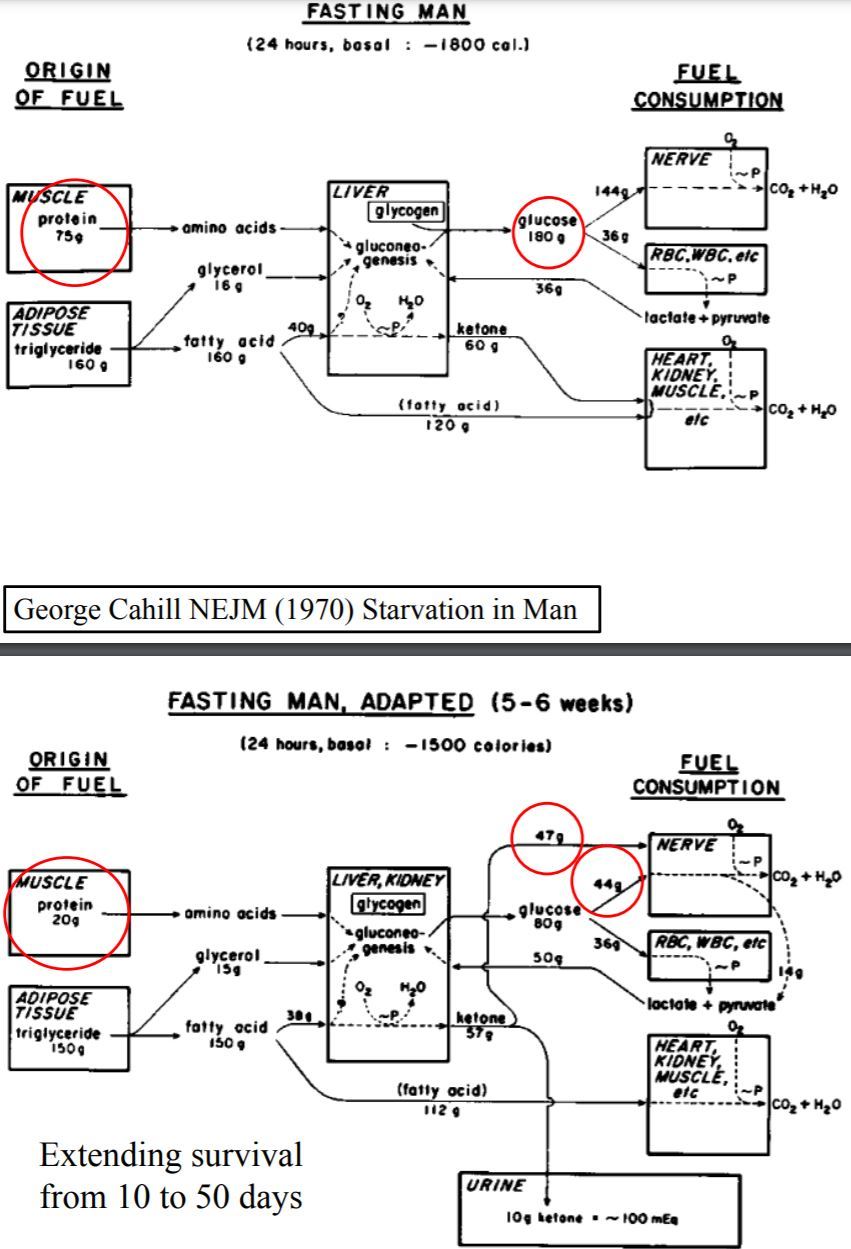
(Cahill, 1970):
- Normal subject:
- Every day 75g of muscle are broken down, which is used in gluconeogenesis
- 180g glucose is used per day, mostly by the brain
- Fasted subject:
- Every day only 20g of muscle are broken down, which is used in gluconeogenesis
- Only 80g glucose is used per day, mostly by the brain
- Ketone are largely diverted to the brain instead of the heart, etc.
- The reduced muscle break down is enabled by the diversion of ketones to the brain. This extends survival from 10 to 50 days without food. This sort of adaptation can be considered normal and healthy.
How much do each of these increase during exercise:
- Ventilation
- Cardiac output
- Skeletal muscle blood flow
- Factorial aerobic score (how much oxygen you take up between rest and exercise)
- Ventilation -> 17x
- Cardiac output -> 6-7x
- Skeletal muscle blood flow -> 30x
- Factorial aerobic score (how much oxygen you take up between rest and exercise) -> 10x
What body failures can be diagnosed via exercise?
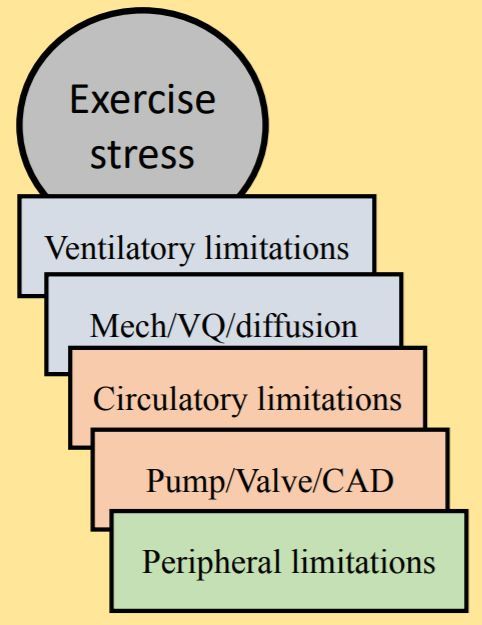
Several types of failures become exposed during exercise, which can help with diagnosis of these.
What is the main energy store in the human body? Give experimental evidence.
(Cahill, 1970):
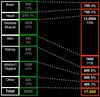
- Fat is overwhelmingly the main energy store at around 140,000kcal stored
- Glycogen only stores about 900kcal
- Protein also stores a moderate amount but energy storage is not the primary function
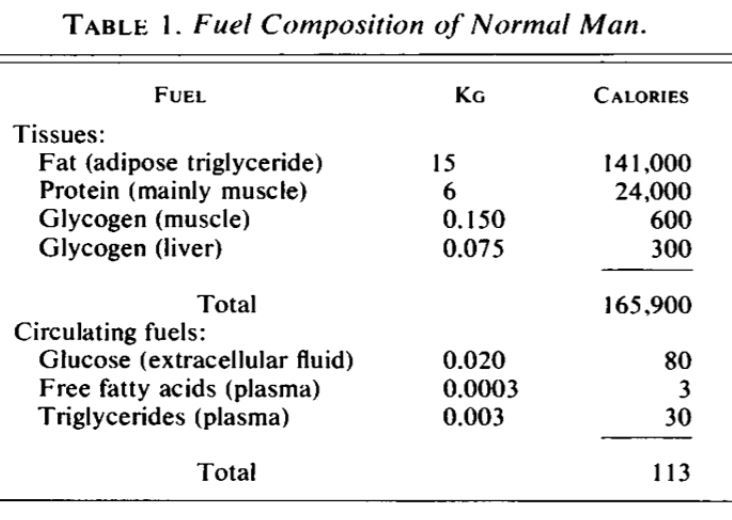
The body stores approximately … times more energy as fat than as carbohydrate.
500
What makes fat a good energy store?
- Light (energy dense) and readily available
- Used by all organs (except the brain, which is why the use of ketone bodies evolved)
- Efficient
What features are required of energy transduction (i.e. the use of fuels)? How is each of these achieved in human cells during exercise?
- Immediate/Fast
- There is some existing ATP already in cells, ready for the start of exercise
- Creatine is a source of phosphate so that ATP can be very rapidly regenerated during the first few seconds of exercise
- Glycolysis enables anaerobic respiration during the first 40-60s of exercise
- Sustainability
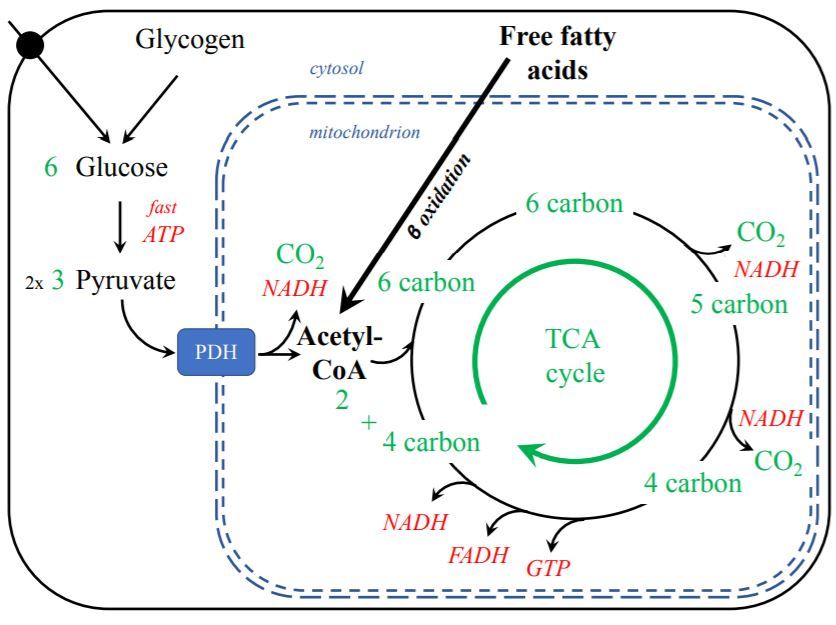
- After 40-60s, aerobic respiration takes over, which is enabled by the TCA cycle and ETC
- Both glycogen, protein and fatty acids can feed into the TCA cycle
- High flux
- Due to the TCA cycle
What is the use of the TCA cycle as the end-point of the oxidation of multiple types of fuel?
It provides a drain for the end products of the previous processes (such as glycolysis), making them non-linear. This means that glycolysis, etc. can proceed without their products building up.
Draw how glycogen and fatty acids feed into the TCA cycle.
What is the limiting factor of submaximal exercise? Give some experimental evidence.
- Glycogen availability is the limiting factor
- (Bergstrom, 1966):
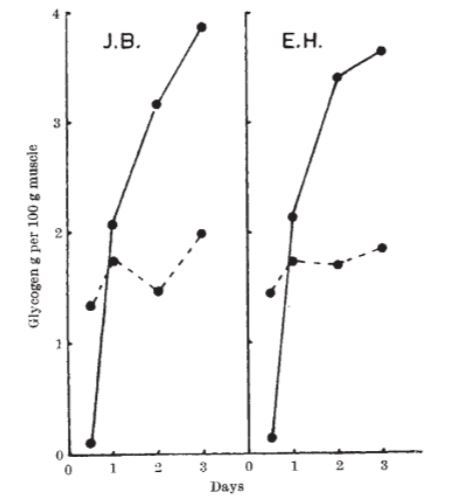
- Fatigued one leg by cycling at a moderate pace while resting the other leg
- Measured glycogen in each leg via biopsy in the 3 days following fatigue
- The glycogen concentration was much lower in the exercising leg at first but rose to be much higher after 3 days (the exercising leg preparing for future exercise)
- (Bergstrom, 1967):
- Measured muscle concentration of glycogen over time in steady exercise
- Muscle glycogen concentration steadily decreased to close to 0, at which point exercise that was perceived as easy at the start became impossible
- The rate at which muscle glycogen decreases is approximately proportional to the pulse rate (i.e. a measure of exercise intensity)