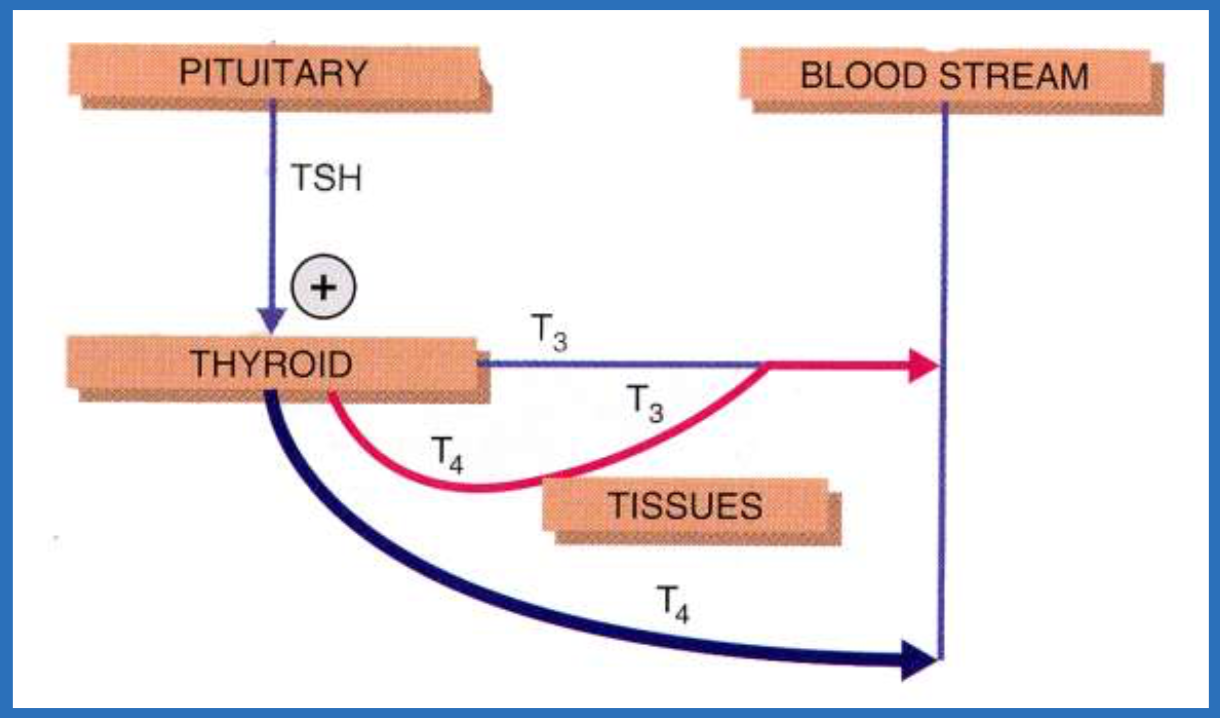
Explain the process of Thyroid Hormone Synthesis
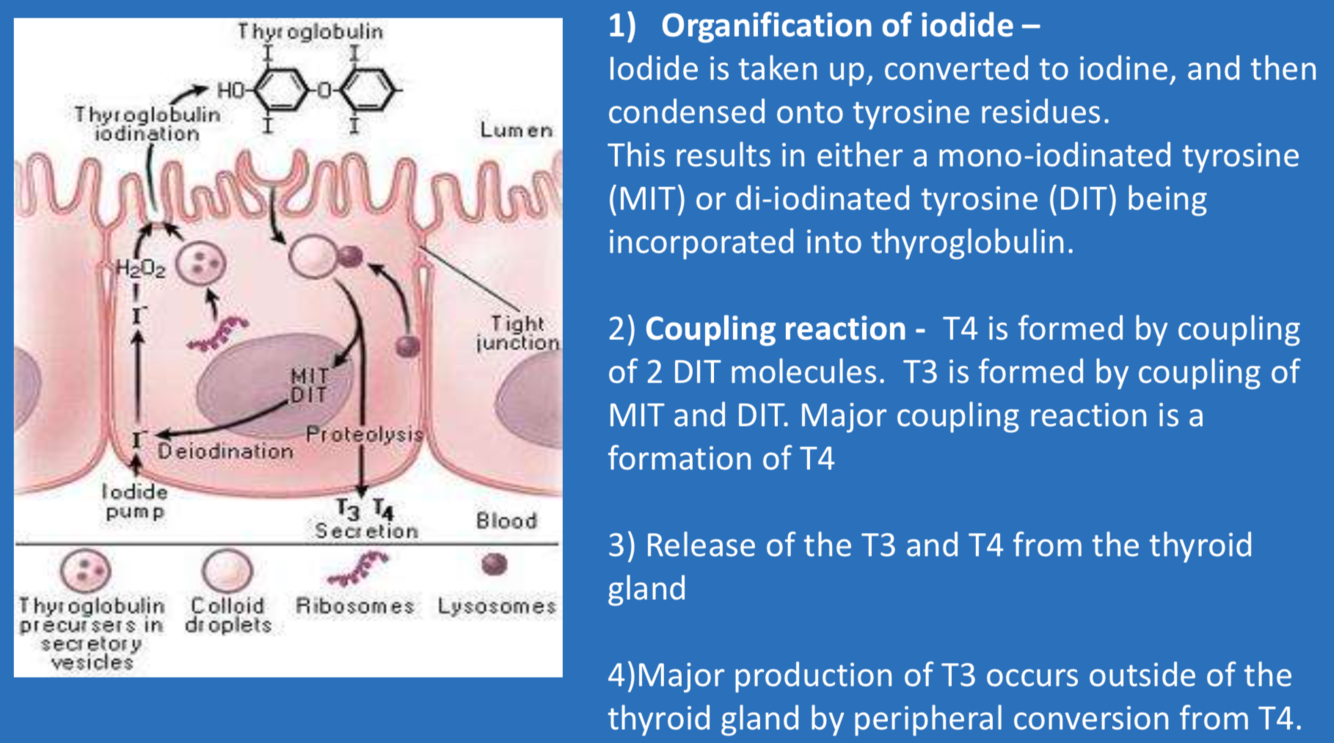
1) Organification of iodide: Iodide → Iodine → condensed onto tyrosine residues → mono or di-iodinated tyrosine
2) Coupling reaction: 2 DIT molecules → T4
3) Release of the T3 and T4 from the thyroid gland
4) Major production of T3 occurs outside of the thyroid gland by peripheral conversion from T4
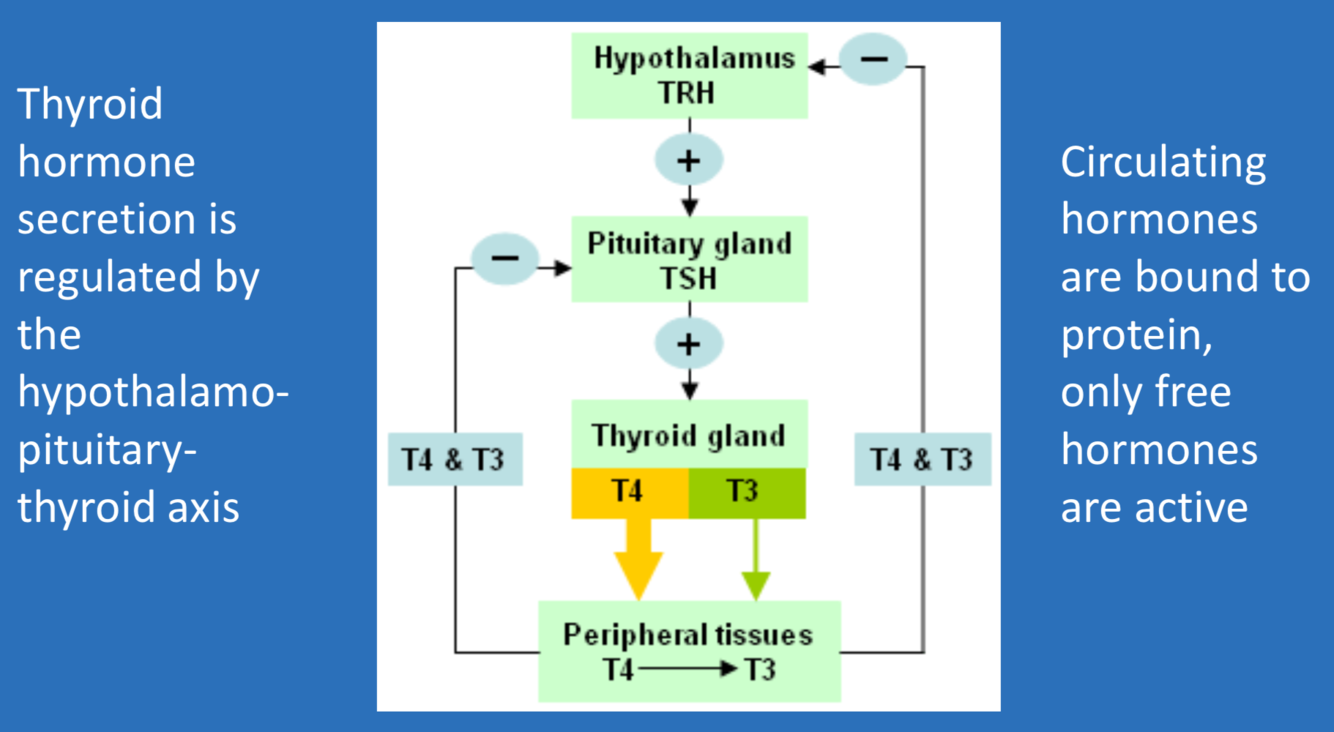
Explain the hypothalamo-pituitary-thyroid axis
Are primary or secondary disorders of thyroid gland more common?
Primary
Are thyroid diseases more common in women or men
Women
What are autoimmune thyroid disorders commonly associated with?
Other autoimmune diseases e.g. T1 DM, autoimmune adrenal insufficiency
Is T3 or T4 more more biologically active
T3
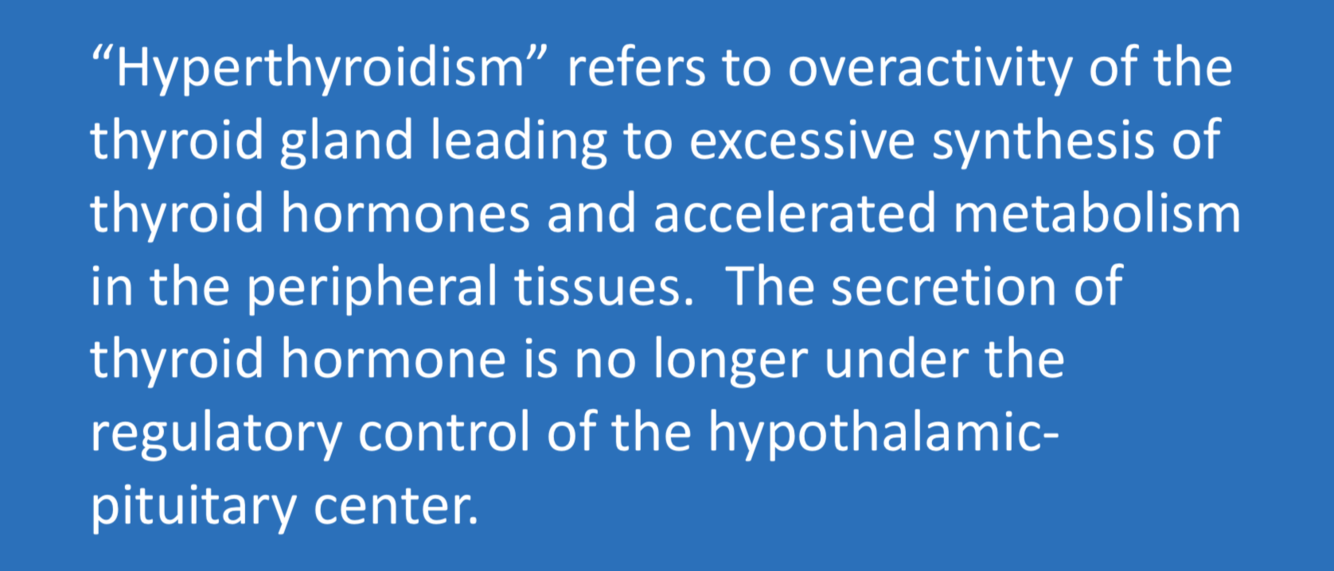
What is Hyperthyroidism?
Over-production of thyroid hormone by the thyroid gland
What is Thyrotoxicosis?
Abnormal and excessive quantity of thyroid hormone in the body
Most common cause of Hyperthyroidism?
List 4 other common causes of thyrotoxicosis
Graves’ Disease ☆
- Iatrogenic,
- Toxic adenoma,
- Toxic multinodular goitre
- Thyroiditis
- Iodide excess
What is Graves disease? Incl the pathophysiology
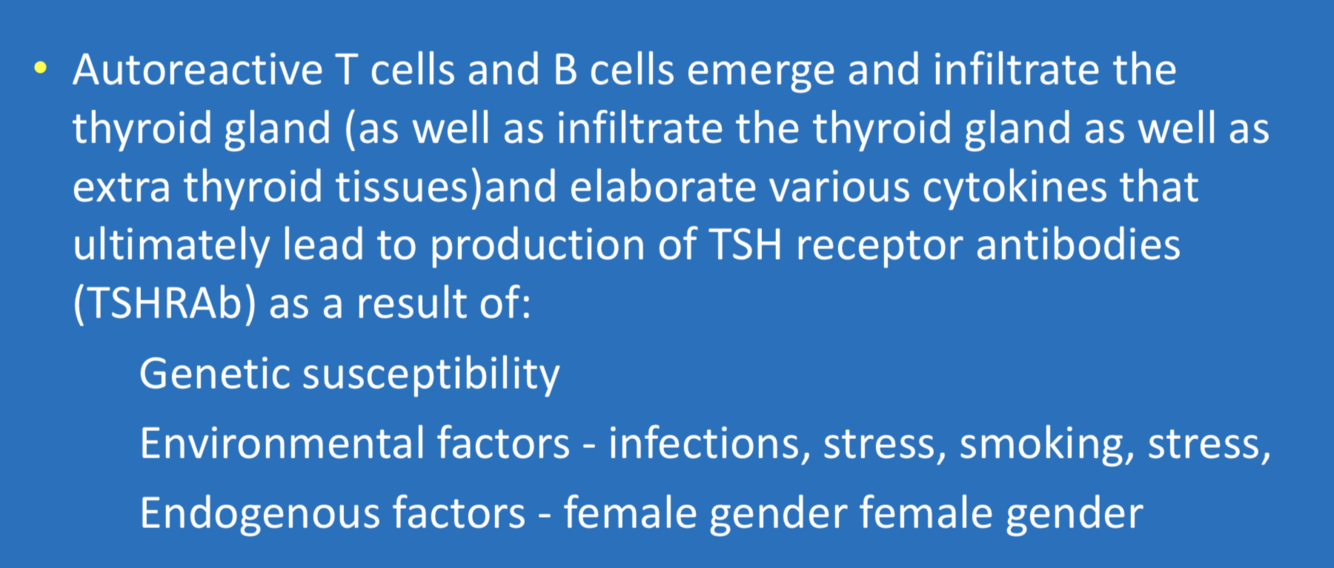
Autoimmune condition where TSH receptor antibodies cause a primary hyperthyroidism.
These TSH receptor antibodies (TSHRAb) mimic TSH and stimulate TSH receptors on the thyroid
What is subclinical hyperthyroidism?
Low levels of TSH but normal levels of T3 and T4
List 4 symptoms of hyperthyroidism
- Anxiety and irritability
- Weakness and fatigue
- Palpitations
- Sweating and heat intolerance
- Dyspnoea
- Frequent loose stools (hyperdefecation)
- Insomnia
- Poor concentration
- Menstrual abnormalities and sexual dysfunction
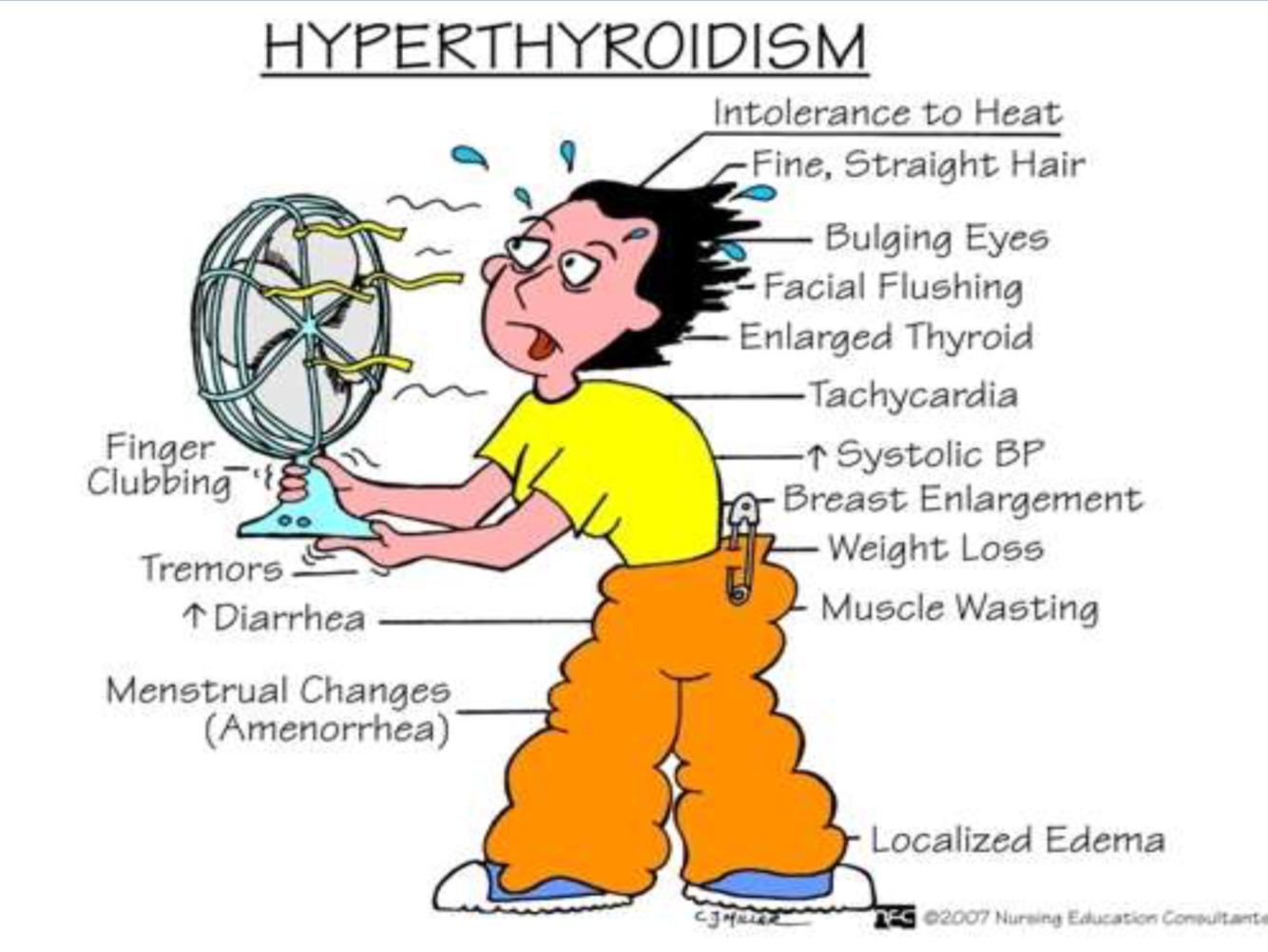
List 4 signs of hyperthyroidism
- Weight loss
- Proximal myopathy
- Tachycardia, arrythmias
- Warm, moist skin
- Tremor
- Eye conditions (stare, lid lag, lid retraction)
- Emotional lability
- Hyperactive deep tendon reflexes with shortened relaxation time
What is a Thyroid storm?
Exaggerated typical signs and symptoms, fever, jaundice, changes in neurologic function
Clinical features/presentation specific to Graves disease
- Diffuse goitre (without nodules)
- Graves eye disease
- Bilateral exophthalmos
- Pretibial myxoedema
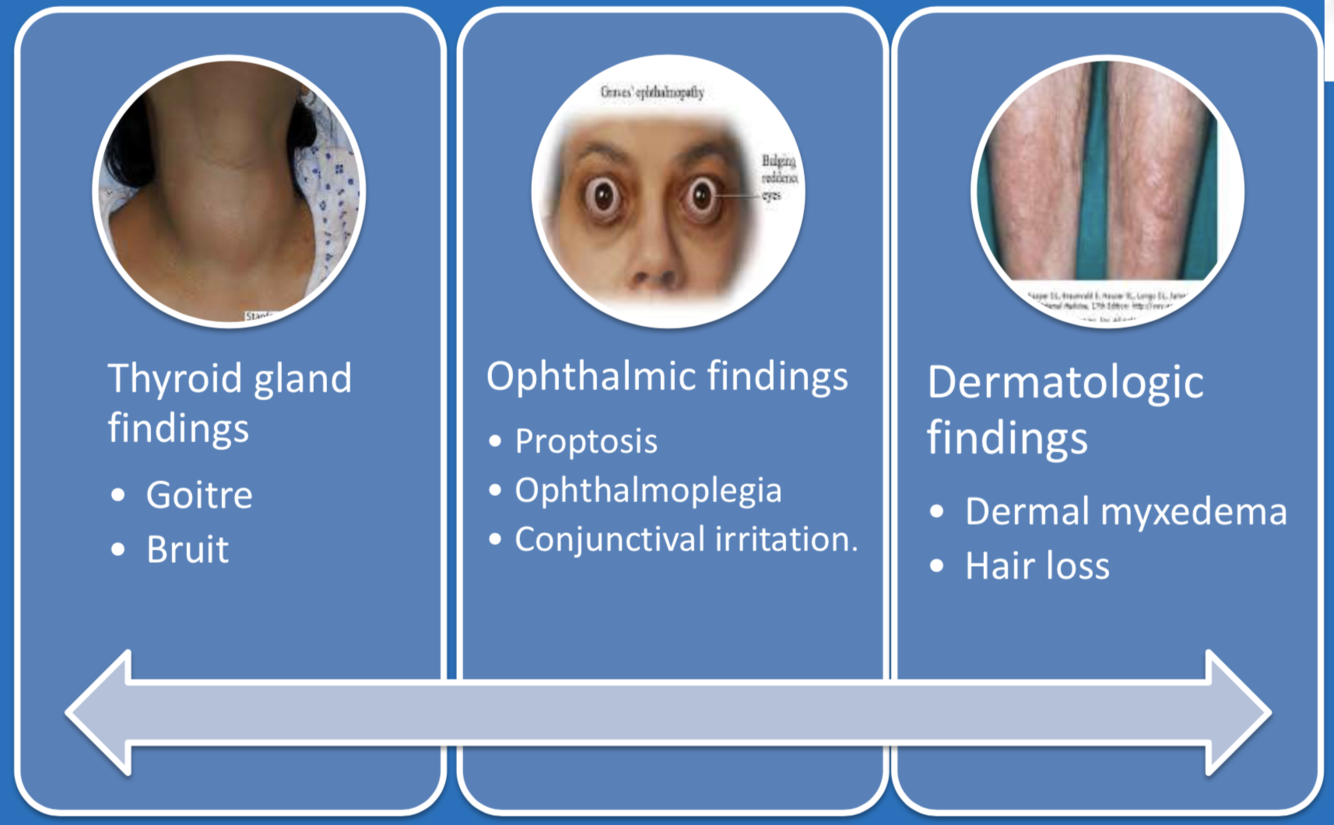
Pathophysiology behind Graves’ Ophthalmopathy?
Antibodies to TSH receptor also target retroorbital tissues
- T-cell inflammatory infiltrate → fibroblast growth
- Severe: exposure keratopathy, diplopia, com-pressive optic neuropathy
Strong link with tobacco and seen in 50% of Graves Disease
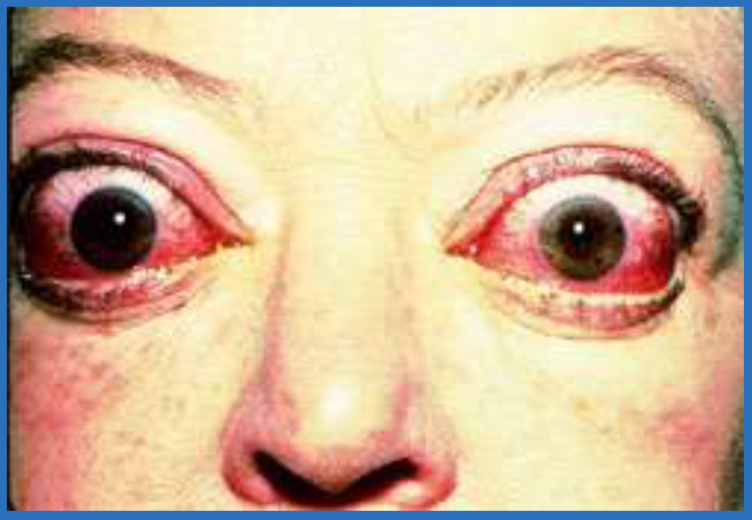
Pathophysiology behind Graves’ Myxedema (thyroid dermopathy)
Activation of fibroblasts → increased hyaluronic acid and chondroitin sulfate
Asymmetric, raised, firm, pink-to-purple, brown plaques of nonpitting edema
Occurs In <5% of Graves disease
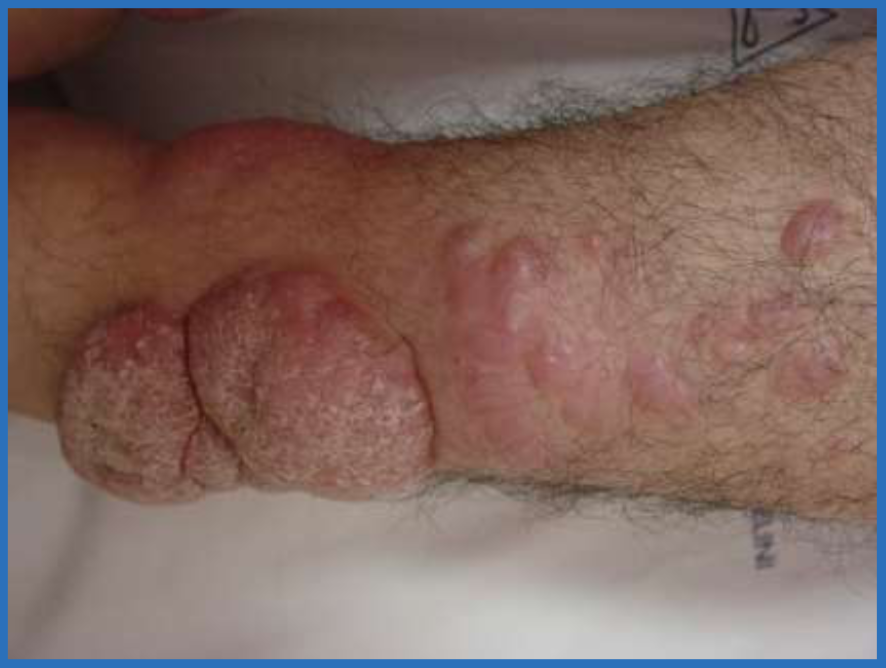
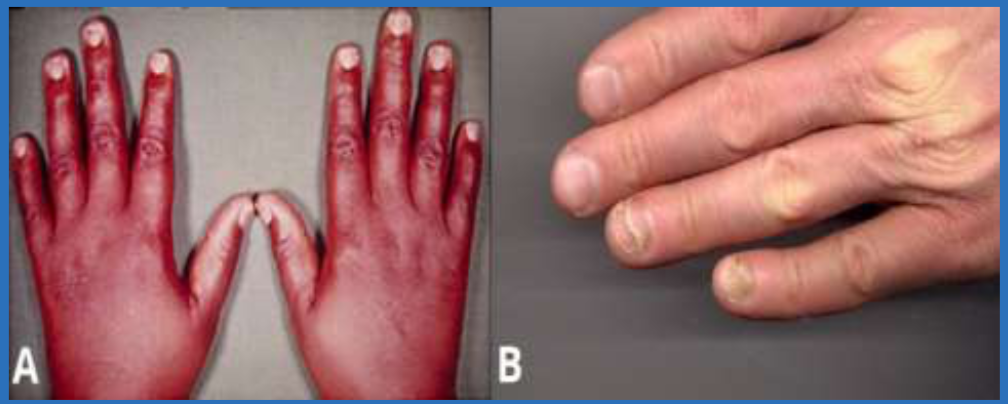
What is Thyroid acropachy?
List the 3 characteristic findings on imaging which comprise this
Rare complication of autoimmune thyroid disease
- Digital clubbing
- Soft tissue swelling of hands and feet
- Periosteal bone formation
Occurs in 0.1-1 % and almost always in patients with myxedema and ophthalmopathy
Laboratory findings indicative of primary hyperthyroidism?
Suppressed TSH (<0.05 uU/ml)
Elevated Free T4 and/or Free T3
Ddx in a patient with hyperthyroidism for the follow values of T3:T4
- T3:T4 > 20
- T3:T4 < 20
T3:T4 > 20:
- Graves’ Disease
- Toxic MN Goiter
T3:T4 < 20:
- Non-thyroid illness
- Thyroiditis
- Exogenous thyroxine
List 3 other investigations for hyperthyroidism
- Thyroid radioiodine uptake
- TSH receptor antibodies: Grave’s
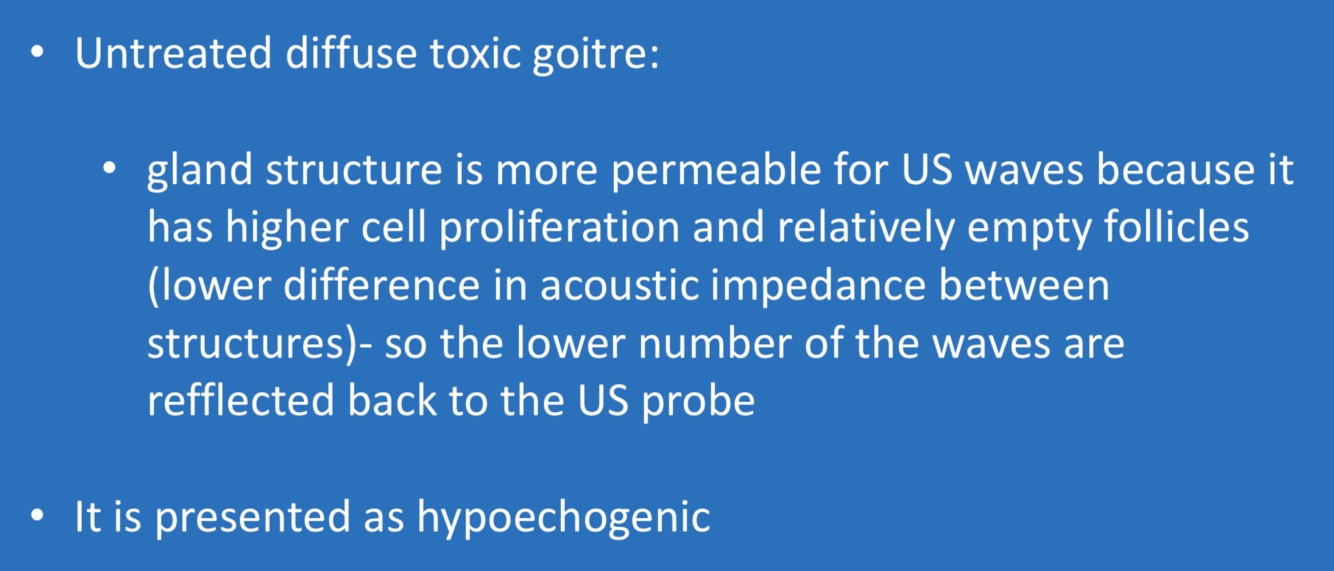
- US thyroid: hypoechogenic in untreated diffuse toxic goitre
What would iodine uptake show on nuclear scintigraphy for the following:
- Toxic multinodular
- Graves
- De Quervain’s thyroiditis
- TMG: Patchy uptake
- Graves: diffuse, homogenous, increased uptake
- DQ thyroiditis: globally reduced uptake of iodine-131
List 4 complications of hyperthyroidism
- Atrial Fibrillation
- Osteoporosis
- Heart failure
- Thyroid Storm
List 4 treatments of thyrotoxicois?
- Antithyroid medications: Carbimazole and Propylthiouracil
- β- blockers for symptom control (Propranolol preferred)
- Radioactive iodine
- Surgery



-
The Breadth of GI disease57
-
GI Investigations 125
-
GI Investigations 243
-
Common infections and parasites of the GIT45
-
Peptic Ulcer Disease19
-
Upper GI Cancers65
-
Gastrointestinal bleeding37
-
Gallstones24
-
Acute Liver Failure - liver emergencies45
-
Alcoholic Liver Disease24
-
Hepatocellular Carcinoma and Cholangiocarcinoma19
-
IBD - Crohns and Ulcerative colitis43
-
Malabsorption syndrome and Coeliac disease42
-
Pancreatitis22
-
Pancreatic Cancer28
-
Diabetes Mellitis + DKA, HHS, Hypos72
-
Thyroid disorders49
-
Addison's and Cushing's33
-
Hyperaldosteronism, CAH, Phaeochromocytoma33
-
SIADH and Diabetes Insipidus30
-
Acromegaly10
-
Hyperparathyroidism12
-
Acute renal failure (AKI and CKD)36
-
Urinary tract infections30
-
Glomerulonephritis39
-
Nephrotic Syndrome25



