points for classification or urological symptoms:
upper urinary tract symtpms
1-Pain
lower urinary tract sx:
2-Disturbances in urination
3-Changes in voided urine
4- Group of specific symptoms in Genito sexual symptoms
Describe the characeristics of pain in urology
- pain refers to the diseased organ but not to the nature or type of disease e.g. loin pain might suggest renal diseases
- Pain is as a result of enlargement of the organ,
- sudden enlargement of an organ leads to acute pain e.g. renal colic
- Slow enlargement of the organ causes long (chronic) pain E.g. hydronephrosis
- assoc w/ N/V, => Involvment of vagus nerve
- sharp pain
nature of pain in urology in relation to location
examples of localised pain tyoical for urological diseases
Acc may be located kidney→ ureter,→ urinary bladder,→ scrotum, penis,→ pelvis.
Location and type of pain in typical urological diseases
Acute
sharp/acute pain:
- urinary stones=> urinary retention=> dilated fibrous capsule=>pain. not d/2 stone itself?
- UTI=>
acute suprapubic pain in UB = Acute urinary retention => UTI=> CYSTITIS=> assoc w/ painful urination
acute scrotum= scrotal enlargement (swelling) and scrotal pain =>
- torsion,
- varicocele: dilatation and tortousity of the pampiniform plexus of veins and the internal spermatic vein.
- left>right.
- right side=advanced renal tumor(compression of right test veins)
- hydrocele: liquid in scrotum
- epididimitis/orchitis/epididimorchitis
- renal colic= most common=>violent peristaltic contraction of ureters
- acute. intermittent, chronic
- mins-hrs
- migrates from Flank=>Loin=> Testes/Labia majora
- pt appearanc in renal colic
- hunched over w.o pain relief holding painful area
- dry cracked lips and dehydrated d/2 n/v
chronic
Chronic suprapubic pain = Chronic urinary retention
large renal stone=> worsens w/ excercise. dx from acute renal colic
Chronic pelvic pain syndrome;
- global problem in men and women.
- MEN: the most common reason is chronic prostatitis,
- women reason is painful urinary bladder lasting more than 6 months (chronic interstitial cystitis)
*
why os varicocele more common on left
The angle at which the left testicular vein enters the left renal vein.
Lack of effective valves between the testicular and renal veins.
Increased reflux from compression of the renal vein (between the superior mesenteric artery and aorta). This is sometimes called the nutcracker syndrome or aorto-left renal vein entrapment syndrome[1].
Cause of chronic pelvic pain syndrome in men
chronic prostatitis
Cause of chronic pelvic pain syndrome in women
interstitial cystitis charac by painful UB forover 6mo
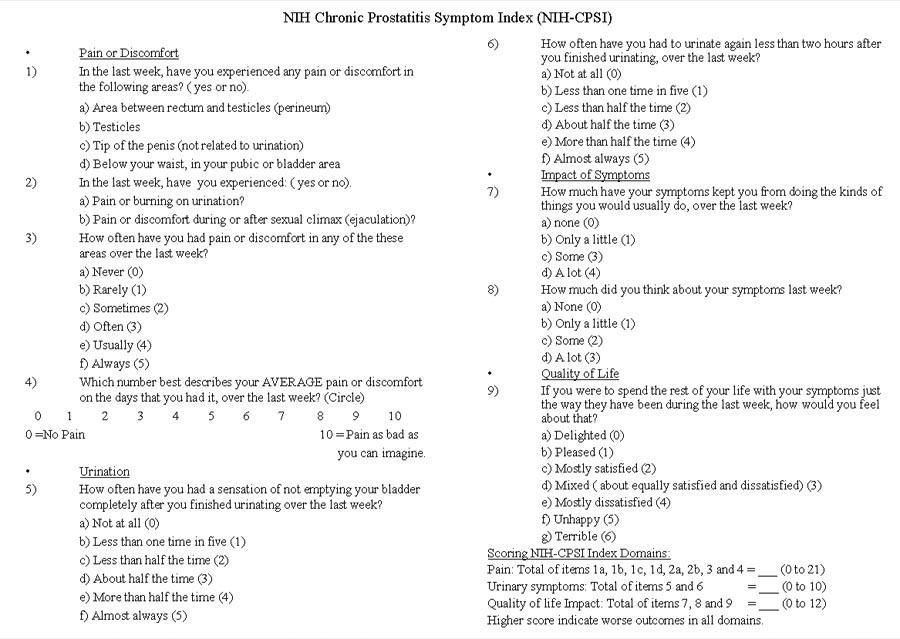
classification for prostatic syndrome national institute of health of USA 1995 classification of prostatic syndrome.
- catergory 1: acute bacterial prostatitis
- category 2: chronic bacterial prostatitis
- category 3: chronic pelvic pain syndrome
- A: inflammatory B: Non inflammatory
- category 3: asyx inflammatory prostatitis
upper uts according to google
pain and tenderness in the upper back and sides.
chills.
fever.
nausea.
vomiting.
list the lower urinary tract sx
- storage sx(fun)
- Frequency
- Urgency
Nocturia
- voiding sx (rwshtop)
- hesitancy
- straining
- prolonged urination
- retention
- overflow incontinence
- terminal dribbling
- weak urinary stream
- post- voiding sx
- incomplete voiding
- dribbling
what is renal colic
how does the pt appear
renal colic= most common=>violent peristaltic contraction of ureters
acute. intermittent, chronic
lasts mins-hrs
migrates from Flank=>Loin=> Testes/Labia majora
pt appearanc in renal colic
hunched over w.o pain relief holding painful area
dry cracked lips and dehydrated d/2 n/v
parasympathetic and sympathetic innvervation of the UB
Neurological control is complex, with the bladder receiving input from both the autonomic (sympathetic and parasympathetic) and somatic arms of the nervous system:
Sympathetic – hypogastric nerve (T12 – L2). It causes relaxation of the detrusor muscle, promoting urine retention.
- α1a, (men)α2(women) located in the trigonum and in the urethra.
- β1, β2 and β3-receptors.stimulation of β-receptors leads to the activation of adenylyl cyclase, to the release of cyclic AMP (cAMP) and to the inhibition of the detrusor muscle.
Parasympathetic– pelvic nerve (S2-S4). Increased signals from this nerve causes contraction of the detrusor muscle, stimulating micturition.
- M1, M2 (80%) and M3 (20%) cholinergic receptor types, but only M3 cholinergic receptors are responsible for the parasympathetic detrusor contraction. Stimulation of M3 receptors with acetylcholine causes the release of IP3 and calcium, which leads to smooth muscle contraction
Somatic – pudendal nerve (S2-4). It innervates the external urethral sphincter, providing voluntary control over micturition.
In addition to the efferent nerves supplying the bladder, there are sensory (afferent) nerves that report to the brain. They are found in the bladder wall and signal the need to urinate when the bladder becomes full.
The Bladder Stretch Reflex
- micturition is stimulated in response to stretch of the bladder wall. It is analogous to a muscle spinal reflex, such as the patella reflex.
- During toilet training in infants, this spinal reflex is overridden by the higher centres of the brain, to give voluntary control over micturition.
The reflex arc:
Bladder fills with urine, and the bladder walls stretch. Sensory nerves detect stretch and transmit this information to the spinal cord.
Interneurons within the spinal cord relay the signal to the parasympathetic efferents (the pelvic nerve).
The pelvic nerve acts to contract the detrusor muscle, and stimulate micturition.
Although it is non-functional post childhood, the bladder stretch reflex needs to be considered in spinal injuries (where the descending inhibition cannot reach the bladder), and in neurodegenerative diseases (where the brain is unable to generate inhibition).
examples of diseases manifesting w/ dysuria
cystitis
disturbances in urination
what is dysuria
what is overflow incontinence
A. Dysuria = complex term containing three components.
- 1. pollakiuria which is frequent urination. beyond 8x/ 24hrs
- INTERNATIONAL CONTINENCE SOCIETY states that : Normal is 4-8/ 24h
- Algiuria = Painful urination Greek medical term.
- Stranguria = difficult urination
B. URINARY INCONTINENCE: consists of 4 parts (STUFed bladder)
- Stress incontinence: d/2 increased P from excercise/ cough
- True incontinence
- active: detrusor overcomes sphincter contraction
- passive: impaired sphincters=> bladder always empty
- Urge incontinence: severe and sudden urge to urinate
- False incontinence: bladder is always full, small amounts of urine
C. URINARY RETENTION: inability to void = distended bladder full of urine
- etio: 1)mechanical 2)Neurogenic 3)Miscellaneous
- TYPES of urinary retention
- complete: can’t urinate at all
- incomplete: small urination possible with residual urine in the bladder
D. OVERFLOW INCONTINENCE:
combo of urinary incontinence following urinary retention
- bladder max vol = 300-400ml, after this urine overflows out of it
- occurs in the following disease: BPH, STRICTURE,
what is dysuria
which body defines pollakuria
define the 3 components of dysuria
Dysuria = complex term containing three components.
- pollakiuria which is frequent urination. beyond 8x/ 24hrs
INTERNATIONAL CONTINENCE SOCIETY states that : Normal is 4-8/ 24h
- Algiuria = Painful urination Greek medical term.
- Stranguria = difficult urination
WHAT IS URINARY INCONTINENCE
B. URINARY INCONTINENCE: consists of 4 parts (STUFed bladder)
- Stress incontinence: d/2 increased P from excercise/ cough
- True incontinence
- active: detrusor overcomes sphincter contraction
- passive: impaired sphincters=> bladder always empty
- Urge incontinence: severe and sudden urge to urinate
- False incontinence: bladder is always full, small amounts of urine
what is urinary retention
causes of urinary retention
C. URINARY RETENTION: inability to void = distended bladder full of urine
etio:
1) mechanical : enlarged protate gland, stricture of urethra
2) Neurogenic: ispinal cord injury
3) Miscellaneous: tetanus
TYPES of urinary retention
- complete: can’t urinate at all
- incomplete: small urination possible with residual urine in the bladder
define overflow incontinence
D. OVERFLOW INCONTINENCE:
combo of urinary incontinence following urinary retention
bladder max vol = 300-400ml, after this urine overflows out of it
occurs in the following disease: BPH, STRICTURE,
descrrbe CHANGES IN VOIDED URINE
what are the two classifications of this kind of symptom
what are the 3 quantitative changes (poa)
what are the 5 qualitative changes( chspp
subdivided in two groups; qualitative and quantitative
Quantitative changes
- Polyuria = urine output over 3L for 24h
- Oliguria = <400 mL/day in adults
- Anuria = <100 mL/day
Qualitative changes;
- Hematuria = most common change in urine means RBC in urine. Always an alarming symptom . Predominantly it raises suspicion for malignancy.
- Spermaturia = sperm in urine, reasonable explanation for this finding is retrograde ejaculation.
- Pyouria pus in urine = enough to understand leukocytes in urine.
- Bacteriuria = more than 10^5 cfu/ml (colony forming units, microbiology that estimates the number of viable bacteria in the urine) NB!!
- Chyluria = lymph in urine. From surgical point of view, advanced stages of malignancies with blockage of lymph drainage. due to malaria, filaurosis
- Crystaluria: stones in urine d/2 gout/ urolithiasis
- Pneumaturia = air in urine = caused by fistula betw intestine and UT,
- mc is vesicovaginal fistula
- open surgical approach?
who determines the qualitative changes in voided urine
classification of polyuria, anuria and oliguria is done according to INTERNATIONAL CONTINENCE SOCIETY
Define anuria
complete abscence of urine (in the urinary bladder??)
classification of the causes of anuria
- pre-renal - DEHYD
- renal- bilat kidney stones
- post renal- bilat ureter compression, ligature of ureter, BPH, preg complications
describe hematuria
what are the 3 types classifications of hematuria
why is it an alarming sx
def: RBC’s in urine (NOT BLOOD)
* classification 1: micro/ MACRO hematuria
- classification 2: Real vs Pseudo.
- psudo haematuria= Reddish urine that is not caused by blood in the urine
- corrected by coagulation of blood
- classification 3: time hematuria presents during voiding
- Initial hematuria: beggining of urination d/2 urethral disorders
- e.g: urethral trauma/ urethritis
- Terminal hematuria: end of urination d/2 bladder & prostate disorders
- bladder cancer, bladder trauma, cystitis, stones,
- bph, prostate cancer
- Constant/Total hematuria: during whole act
- Initial hematuria: beggining of urination d/2 urethral disorders
can hematuria exist w/o a patholgoy
yes e.g.
- pregnancy
- weight training
describe pyuria and what causes it
def: pus/ leukocytes in the urine
causes
- urethritis
- urosepsis
- chronic prostatitis
- pyelonephritis
- sx: suprapubic pain +w/o urine for 12 hrs
- dg: catheterization
- no urine?= d/2 anuria
- urine released in portions?: urinary retention
- hematuria?: pyelonephritis?
- dg: catheterization
- sx: suprapubic pain +w/o urine for 12 hrs
what are the genitosexual symptoms in urology
PM H E D G
- Gynecomastia
- Haemospermia( 50= Pca) (young= std)
- Disorders of ejaculation
- Erectile dysfunction
- Priapism: long lasting painful erection
- Male hypogonadism; • Male infertility • Metabolic syndrome

-
trauma to the kidneys25
-
33. Injury to the ureter15
-
34. Injury to the bladder14
-
35. Injury to the urethra.16
-
Nephrolithiasis- epidemiology, types of stones, specific risk factors for stone formation, pathophysiology29
-
Nephrolithiasis part 233
-
26. Congenital anomalies of the kidney7
-
30. Congenital anomalies of the testis22
-
27. ADD TO W/ NOTES C.A of ejac duct, vas def, ureter. bladder, penis,12
-
29. Congenital anomalies of the urethra.10
-
38. Renal parenchymal neoplasms22
-
40. Urothelial carcinoma: Cancers of the bladder, ureter, renal pelvis9
-
41. Benign Prostate Hyperplasia (BPH)25
-
42. Prostate Cancer18
-
penile cancer15
-
testicular tumors/ Germ cell tumor of testis22
-
Male infertility26
-
symptomatology in urology9
-
Urinary symptoms- classification.35
-
investigations in urology ( lab, instruements, biopsy,)39
-
UTI's part 125
-
UTi's part 223



