UWorld Flashcards

(112 cards)

1
Q

What is the Most Common bacterial Etiology of Cellulitis?

A

Streptococcus pyogenes (Group A Strep)

2
Q

What is the Most Common bacterial Etiology of an Abscess?

A

Staphylococcus aureus

3
Q

What are (3) Clinical Features of Cellulitis?

A
  1. Poorly demarcated Inflammation
  2. Induration involving Deep Dermis & Subcutaneous Fat
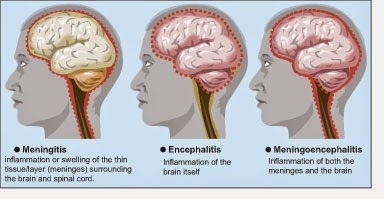
  3. +/- Fever
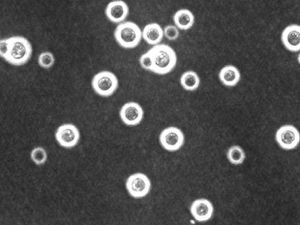
4
Q

What are (4) Clinical Features of an Abscess?

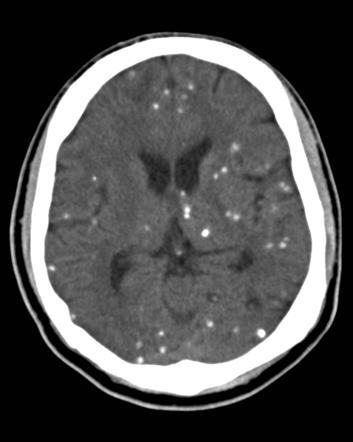
A
  1. Fluctuant, Tender, Erythematous Nodule
  2. Collection of Pus within the Dermis or Subcutaneous Tissue
  3. +/- Surrounding Cellulitis
  4. +/- Fever
5
Q

What is the Treatment & Duration for well-appearing, afebrile patients with Cellulitis?

A

Systemic Antibiotics that cover Strep. pyogenes (eg, Cephalexin)

Duration:≥ 5 days

6
Q

Under which (3) Conditions should MRSA coverage be utilized in the Treatment of Cellulitis?

A
  1. Cellulitis + Febrile
  2. Cellulitis + Previous MRSA infection
  3. Cellulitis + Recent Hospitalization
7
Q

What are the (2) management steps in the Treatment of an Abscess?

A
  1. Incision & Drainage
  2. Systemic Antibiotics with MRSA coverage (if > 2cm or Surrounding Cellulitis present).
8
Q

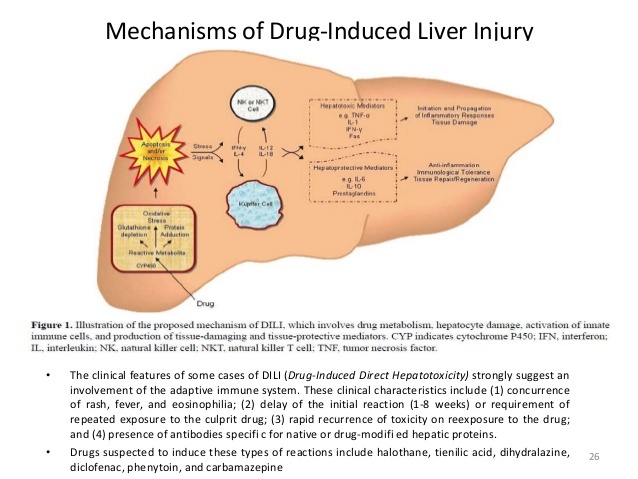
What is the Most Common Side Effect of Isoniazid medication?

A

Hepatotoxicity

9
Q

What are the (5) Risk Factors for Isoniazid-induced Hepatotoxicity?

A
  1. Daily Alcohol Intake
  2. HIV
  3. Underlying Liver Disease (eg, Chronic Viral Hepatitis)
  4. Age > 50
  5. Active IVDU
10
Q

For patients taking Isoniazid medication, what lab should be taken at baseline and every month thereafter while on therapy?

A

Aminotransferases (ALT, AST)

11
Q

What are (2) Maternal Risk Factors associated with Perinatal Hepatitis B Infection?

A
  1. Maternal Viral Load
  2. Maternal HBeAg Positive
12
Q

What are (2) Lab Findings in Infants with Perinatal Hepatitis B Infection?

A
  1. High Viral Load
  2. HBeAg Positive
13
Q

What are infants with Perinatal Hepatitis B Infection at risk for?

A

High Risk for Chronic Hepatitis B Infection?

14
Q

What are (4) methods for Preventing Perinatal Hepatitis B Infection?

A
  1. Maternal Antiviral therapy (in some cases).
  2. Newborn Hepatitis B Vaccination & Immunoglobulin within 12 hours (Decreases risk to < 5%).
  3. Routine Immunization.
  4. Serology approx. 3 months after 3rd dose of vaccine.
15
Q

What is the primary Maternal Risk Factor for Perinatal Hepatitis B Infection that is Directly Related with the R_isk of Vertical_ Transmission?

A

Maternal Viral Load

16
Q

In a patient with Advanced HIV (CD4 < 100) what is a Sign of Disseminated Cryptococcus Disease?

A

Cutaneous Cryptococcus

17
Q

In a patient with advanced HIV, (CD4 < 100) what are the Most Common Clinical Manifestations of Cutaneous Cryptococcus?

A

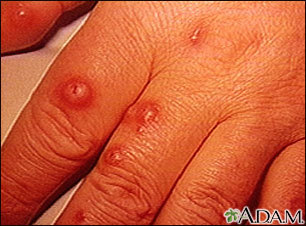
Rapid Onset of multiple Papular lesions with Central Umbilication and Central Hemorrhage/Necrosis.
18
Q

What is the Most Common Clinical Manifestation in an HIV+ patient with Cryptococcal neoformans infection?

A

Meningoencephalitis

19
Q

Cryptococcal neoformans has what structure, and is what kind of Fungus?

A

Encapsulated Yeast

20
Q

How is the Diagnosis of Cutaneous Cryptococcus infection typically Confirmed?

A

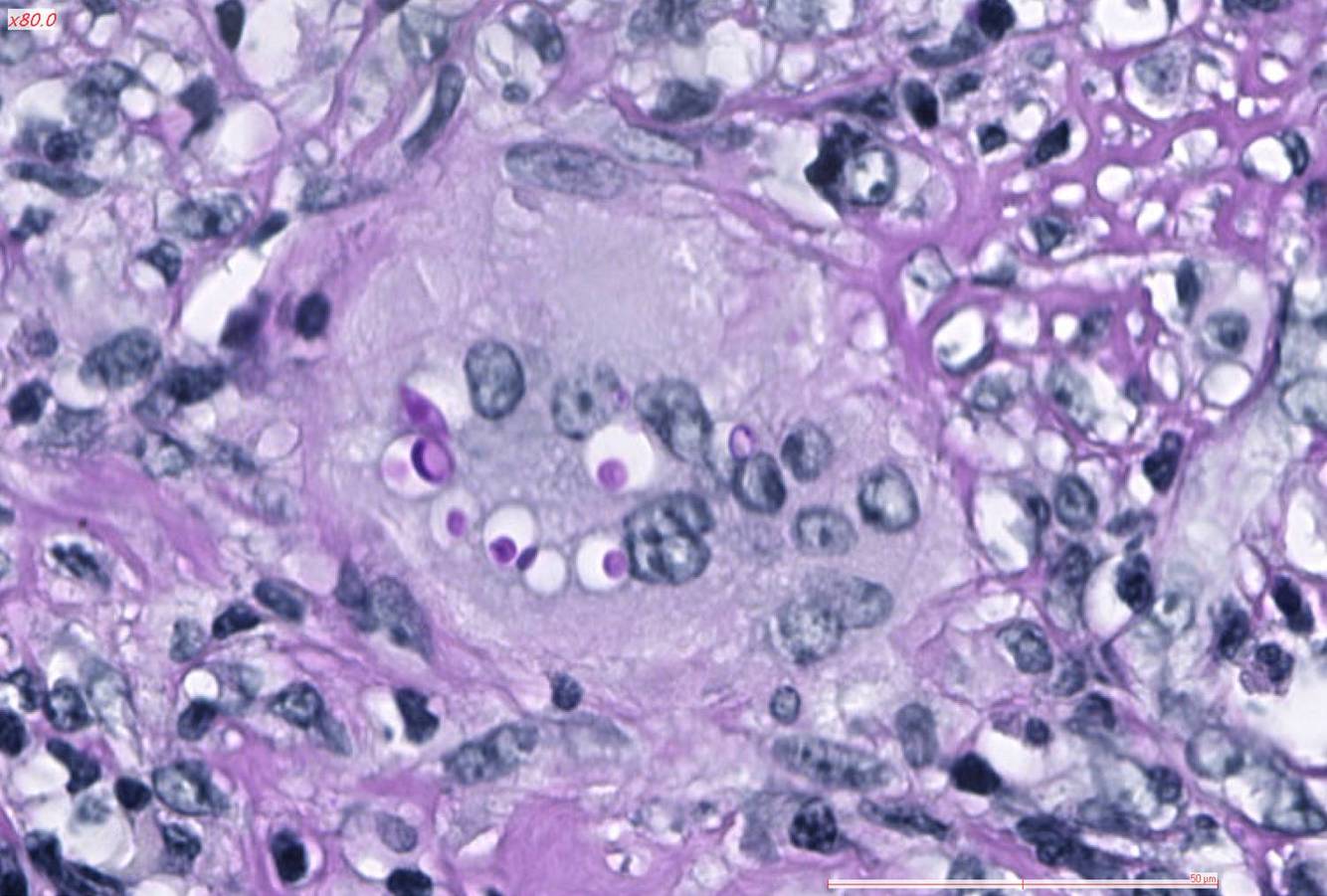
Lesion Biopsy with Histopathological examination
21
Q

What are (3) Risk Factor for Congenital Toxoplasmosis?

A
  1. Raw or Undercooked Meat
  2. Unwashed Fruits/Vegetables
  3. Cat Feces
22
Q

What are (4) Clinical Features of Congenital Toxoplasmosis?

A
  1. Macrocephaly/Hydrocephaly (neurologic)
  2. Diffuse Intracranial Calcifications (neurologic)
  3. Chorioretinitis (eye abnormality)
  4. Hearing Impairment
23
Q

What are (2) Methods for Diagnosing Congenital Toxoplasmosis PRENATALLY?

A
  1. Maternal Serology
  2. Amniocentesis
24
Q

What is the method for Diagnosing Congenital Toxoplasmosis in the Newborn?

A

Neonatal Serology

25
What are the (**3**) _Medications_ given to Treat ***Congenital Toxoplasmosis*** and What is the duration of treatment?
**Treat for One Year with the following (3) Medications:** 1. **Pyrimethamine** (*antiparisitic*) 2. **Sulfadiazine** (*antiparisitic*) 3. **Folate** (*supplementa*l)
26
Which Type of Parisites cause ***Toxoplasmosis***?
**Tachyzoites** (*Toxoplasma* *gondii*)
27
What are (**2**) common _Pelvic Examination findings_ in a patient with ***Bacterial Vaginosis***?
1. **Thin, Off-white Discharge with Fishy odor.** 2. NO vaginal inflammation.
28
What is the _Genus_ of *Anaerobic Bacterium* that causes ***Bacterial Vaginosis***?
***Gardnerella vaginalis***
29
What is the _Name_ of *Protozoan Parasite* that causes ***Trichomoniasis***?
***Trichomonas vaginalis***
30
What are (**3**) common _Pelvic Examination findings_ in a patient with ***Trichomoniasis***?
1. **Thin, Yellow-Green, Malodorous, Frothy Discharge.** 2. **Vaginal Inflammation** (*vulvogaginal pruritis & erythema*). 3. **Punctate Hemorrhages** (*in vagina or on cervix*)
31
What are (**2**) common _Pelvic Examination findings_ in a patient with ***Candida Vaginitis***?
1. **Thick "Cottage Cheese" Discharge.** 2. **Vaginal Inflammation.**
32
What is the _Name_ of the *Opportunistic Pathogenic Yeast* that causes ***Candida Vaginitis***?
***Candida albicans***
33
What are (3) _Lab Findings_ in a patient with suspected ***Bacterial Vaginosis***?
1. **pH \> 4.5** 2. **"Clue" Cells** 3. **+ Whiff Test** (*Amine Odor with KOH prep*)
34
What are (**2**) _Lab Findings_ in a patient with suspected ***Trichomoniasis***?
1. **pH \> 4.5** 2. **Motile Trichomonads**
35
What are (**2**) _Lab Findings_ in a patient with suspected ***Candida Vaginitis***?
1. **Normal pH** (*3.8 - 4.5*) 2. **PseudoHyphae**
36
What are (**2**) _Medications_ given to Treat ***Bacterial Vaginosis***?
1. **Metronidazole, *or*** 2. **Clindamycin**
37
What _Medication_ is given to Treat ***Trichomoniasis***?
**Metronidazole (PO)** single dose. (*Tx: both Patient & Sexual Partner*)
38
For which type of Vaginitis Infection should you treat Both the Patient & their Sexual Partner?
**Trichomoniasis** (*Tx both Patient & Partner with Metronidazole*)
39
What _Medication_ is given to Treat ***Candida Vaginitis***?
**Fluconazole**
40
Where are ***Intestinal Helminths*** Endemic?
**Developing Countries where Water & Sewage Sanitation are poor.**
41
What do the Primary Symptoms of ***Intestinal Helminth*** infection Reflect?
**The Lifecycle of the Worm**
42
Which (**2**) Systems are most commonly affected by ***Intestinal Helminth*** infection?
1. Transient **Pulmonary** symptoms, followed by 2. Long-Term **Gastrointestinal** symptoms
43
What are (**2**) common _Lab Findings_ in a patient with an ***Intestinal Helminth*** infection?
1. **Peripheral Eosinophilia** 2. **+ Fecal Occult Blood**
44
How is the _Diagnosis_ of ***Intestinal Helminth*** infection made?
**Stool Ova & Parasite testing**
45
What _Medication_ is given to Treat ***Intestinal Helminth*** infections?
**Albendazole** (*typically curative*)
46
What _Lab Finding_ should raise Suspicion for ***Factitious Disorder*** in a patient with NO Malignancy or Immunosuppressive condition?
_Repeated_ **Polymicrobial Bacteremia**
47
What are the (**2**) Most Common _Demographics_ in patients with ***Factitious Disorder***?
1. **Women** 2. **Healthcare Workers**
48
Which _Virus_ causes ***Infectious Mononucleosis***?
**Ebstein-Barr Virus** (*EBV*)
49
What are the (**2**) _Treatments_ for ***Infectious Mononucleosis***?
1. **Supportive Care:** Rest, Hydration, Nutrition, Avoid Contact Sports/Strenuous activities. 2. **NSAIDs** *\*\*Infection is typically self-limiting\*\**
50
What are (**4**) potential _SEVERE Complications_ of ***Infectious Mononucleosis*** infection?
1. **Airway Obstruction** 2. **Overwhelming Infection** 3. **Aplastic Anemia** 4. **Thrombocytopenia**
51
What _Medication_ should you add for patients who develop _SEVERE Complications_ associated with ***Infectious Mononucleosis*** infection?
**Corticosteroids -** *if the patient has Airway Obstruction, Overwhelming Infection, Aplastic Anemia, Thrombocytopenia*)
52
What is the _Pathogenesis_ of ***Lactational Mastitis***?
**Skin Flora** (eg, *Staph aureus*) **enters Ducts through Nipple & Multiplies in Stagnant Milk**
53
What are (**2**) _Risk Factors_ associated with ***Lactational Mastitis***?
1. **History of Mastitis.** 2. **Engorgement & Inadequate Milk Drainage.**
54
What are (**6**) potential _Causes_ for *Engorgement & Inadequate Milk Drainage of the Breast* that can lead to ***Mastitis***?
1. **Sudden Increase in Sleep Duration.** 2. **Replacing Nursing with Formula or Pumped Breast Milk.** 3. **Weaning.** 4. **Pressure on the Duct** (*eg, tight bra/clothing, prone sleeping*). 5. **Cracked or Clogged Nipple pore.** 6. **Poor Latch.**
55
What are (**3**) _Signs/Symptoms_ associated with ***Lactational Mastitis*** infection?
1. **Fever** 2. **Firm, Red, Tender, Swollen QUADRANT of Unilateral Breast** 3. **+/- Myalgia, Chills, Malaise**
56
What are (**3**) general _Treatments_ for ***Lactational Mastitis***?
1. **Analgesia** 2. **Frequent Breast Feeding or Pumping** 3. **Antibiotics**
57
What is the _Most Common Cause_ of ***Pain During Breastfeeding***?
**Poor Positioning or Latching**, which can be evaluated by a Lactation Consultant
58
What are (**4**) _Systems Most Commonly affected_ by ***Infective Endocarditis***?
1. **Cardiac** 2. **Neurologic** 3. **Renal** 4. **Musculoskeletal**
59
What are (**4**) _CARDIAC Complications_ associated with ***Infective Endocarditis***?
1. **Valvular Insufficiency** (*common cause of Death*). 2. **Perivalvular Abscess.** 3. **Conduction Abnormalities.** 4. **Mycotic Aneurysm**
60
What are (**4**) _NEUROLOGIC Complications_ associated with ***Infective Endocarditis***?
1. **Embolic Stroke** 2. **Cerebral Hemorrhage** 3. **Brain Abscess** 4. **Acute Encephalopathy or Meningoencephalitis**
61
What are (**3**) _RENAL Complications_ associated with ***Infective Endocarditis***?
1. **Renal Infarction** 2. **Glomerulonephritis** 3. **Drug-Induced Acute Interstitial Nephritis from Therapy**
62
What are (**3**) _MUSCULOSKELETAL Complications_ associated with ***Infective Endocarditis***?
1. **Vertebral Osteomyelitis** 2. **Septic Arthritis** 3. **Musculoskeletal Abscess**
63
What are the (**2**) _Causes_ of both *Cerebral & Systemic* ***Mycotic Aneurysms*** that arise from *Infective Endocarditis*?
1. **Septic Embolization** 2. **Localized Vessel Wall Destruction**
64
What are (**2**) ways in which ***Intracranial Mycotic Aneurysms*** can _Present_?
1. **Expanding Mass with Focal Neurologic findings** 2. **Aneurysm Rupture & Subarachnoid Hemorrhage (SAH)**
65
What are (**4**) _Risk Factors_ for ***Pyelonephritis*** in Pregnancy?
1. **Asymptomatic Bacteriuria** 2. **Diabetes Mellitus** 3. **Age \< 20** 4. **Tobacco use**
66
What are (**4**) common _Pathogens_ that cause ***Pyelonephritis*** in Pregnancy?
1. ***E. coli** (most common)* 2. ***Klebsiella*** 3. ***Enterobacter*** 4. **Group B *Strep***
67
What are (**3**) _Complications_ associated with ***Pyelonephritis*** in Pregnancy?
1. **Preterm Labor** 2. **Low Birthweight** (*LBW*) 3. **Acute Respiratory Distress Syndrome** (*ARDS*)
68
What are the (**2**) _Treatment Methods_ for a patient with ***Pyelonephritis*** in Pregnancy?
1. **IV Antibiotics** (Broad-spectrum ß -Lactams. *eg, Ceftriaxone or Cefipime*) 2. **Supportive Care**
69
What are (**2**) common _Physical Examination_ findings in a patient with ***Pyelonephritis*** in Pregnancy?
1. **Fever** 2. **Costovertebral Tenderness**
70
Which *Demographic* is at _Greatest Risk_ for ***Urethritis***?
**Young Males**
71
What are (**3**) common _Signs/Symptoms_ of ***Urethritis***?
1. **Dysuria** 2. **Itching at Urethral Meatus** 3. **Urethral Discharge**
72
Which _Diagnostic Method_ is used to help Categorize patients as having *Gonococcal* (*intracellular diplococci*) vs. *Nongonococcal* (*aseptic*) ***Urethritis***?
**Gram Stain of Urethral Fluid**
73
What is the _Most Common Cause_ of ***Nongonococcal Urethritis***?
***Chlamydia trachomatis***
74
What is the _Empiric Treatment_ for ***Urethritis*** caused by *Chlamydia trachomatis*?
**Azithromycin**
75
What _Diagnostic Test_ should all patients with suspected ***Urethritis*** receive to _Confirm_ the *Pathologic Organism*?
**Nucleic Acid Amplification Test** (*NAAT*) of the _Urine_.
76
What are (**2**) _Causes for Continued Symptoms_ of ***Nongonococcal Urethritis*** after initial treatment with Azithromycin therapy?
1. **Reinfection** 2. **Infection with an organism Not Susceptible to Azithromycin** (eg, *Mycoplasma* *genitalium*)
77
What is the _Mainstay of Treatment_ for ***Toxic Shock Syndrome***?
**Supportive Therapy**
78
What are (**4**) _Clinical Manifestations_ of ***Pneumocystis*** ***jiroveci*** ***Pneumonia***?
1. **Indolent *HIV*** (*slowly progressing*) or ***Acute Respiratory Failure*** (*immunocompromised*) 2. **Fever** 3. **A dry Cough** 4. **Decreased Oxygen levels**
79
What are (**3**) _Diagnostic Workup findings_ in a patient with ***Pneumocystis*** ***jiroveci*** ***Pneumonia***?
1. **Increased LDH level** 2. **Diffuse Reticular Infiltrates on Imaging** 3. **Induced Sputum on BAL** (*stain*)
80
What is the _Treatment_ for ***Pneumocystis*** ***jiroveci*** ***Pneumonia***?
**TMP-SMX** (*Bactrim*)
81
What should you _Add_ to the _treatment_ for ***Pneumocystis*** ***jiroveci*** ***Pneumonia*** if the patient has *Decreased Oxygen levels*?
**Prednisone**
82
Which (**2**) Medications are given as _Prophylaxis_ to ***Pneumocystis*** ***jiroveci*** ***Pneumonia***?
1. **TMP-SMX** (*Bactrim*) 2. **Antiretrovirals** (*only if HIV*)
83
What are (**3**) indolent _Clinical Manifestations_ of ***Elevated Intracranial Pressure*** (ICP)?
1. **Headache** 2. **Blurred Vision** 3. **Papilledema**
84
What is the _Most Likely Diagnosis_ given the (**2**) *Clinical Features* of *Extremely **Elevated Opening** CSF **Pressure*** and ***Molluscum Contagiosum-like** Skin Lesions*?
**Cryptococcal Meningoencephalitis**
85
What *YEAST* commonly _Causes_ ***Opportunistic CNS Infections*** in patients with ***AIDS*** (CD4 \< 100)?
***Cryptococcus*** ***neoformans***
86
What are (**4**) _Manifestations_ of a ***Cryptococcus*** ***neoformans*** ***CNS Infection*** that typically develop over 1 -2 weeks?
1. **Fever** 2. **Headache** 3. **Lethargy** 4. **Molluscum Contagiosum-like Skin Lesions** (*papular lesions with central umbilication*)
87
What are (**5**) _CSF Findings_ in a patient with ***Cryptococcal Meningoencephalitis***?
1. **Extremely Elevated Opening Pressure** (*\>250 - 300*) 2. **WBC:** *\< 50 cells/uL* 3. **Glucose:** *\< 40 mg/dL* 4. **Protein:** *\> 40 mg/dL* 5. **+ India Ink _or_ + Cryptococcal Antigen Test**
88
What (**2**) _Medications_ are used as _First-Line Treatment_ in an ***HIV*** patient with ***Cryptococcal Meningitis***?
1. **Amphotericin B** (*2+ weeks*) 2. **Flucytosine** (*2+ weeks*)
89
What is the _Management_ for a patient with ***Cryptococcal Meningitis*** who develop _Recurrent Symptoms of Elevated ICP_ (eg, *Headache, N/V, Visual Changes, Papilledema, CN Palsies*)?
**Serial Lumbar Punctures** (*to relieve pressure*)
90
What is the _Pathophysiology_ for the _Extremely Elevated ICP_ in patients with ***Cryptococcal Meningitis***?
**Patients often have Dramatic CSF Fungal burdens** (*\> 1,000,000*). **The Yeast and Capsular Polysaccharides clog the Arachnoid Villa, preventing CSF Flow ⇒ Elevated ICP.**
91
What is the (**2**) _Steps in Transition Therapy_ for ***Cryptococcal Meningitis*** in a patient with ***HIV*** *_AFTER_* the *2+ week Initial Treatment*, and *_AFTER_* the *Abatement of Symptoms* and *CSF Sterilization*?
1. **High-Dose Fluconazole** (*8 weeks, Consolidative therapy*) 2. **Low-Dose Fluconazole** (*1+ Years, Maintenance therapy*)
92
In an *Untreated* patient with ***HIV*** who has contracted ***Cryptococcal Meningitis***, when should _Antiretroviral Therapy_ for HIV _begin_?
**2 - 10 weeks AFTER starting treatment for meningitis.**
93
In a patient who has had _Close Contact_ with an _individual_ recently diagnosed with _Active Tuberculosis_, what is considered a **Positive PPD**?
**PPD ≥ 5mm**
94
What _Medication_ is indicated for ***Latent Tuberculosis***?
**Isoniazid**
95
What is the main _Side Effect_ of ***Isoniazid***?
**Hepatotoxicity** (*within the first 2 months of therapy*)
96
What are (**5**) _Risk Factors_ for *Isoniazid-induced* ***Hepatotoxicity***?
1. **Alcohol intake** 2. **HIV** 3. **Underlying Liver Disease** (e.g., *chronic viral hepatitis*) 4. **Age \> 50** 5. **Active IVDU**
97
What are the (**2**) _Lab Criteria_ that, if either is met, would signal to immediately discontinue **Isoniazid** therapy for ***TB***?
1. **Asymptomatic with Aminotransferases ≥ 5 times the upper limit of normal (***if baseline value is normal***)** 2. **Symptomatic** (eg, jaundice, mental status changes) **with Aminotransferases ≥ 3 times ULN (***if baseline value is normal***).** 3. **2-3 fold increased Aminotransferases from baseline** (*if* *baseline* *value is NOT normal*). * \*_Aminotransferases (AST, ALT):_* * Normal**:**8 - 40 U/L** (so ULN = 40)* * 5x40 = **200 U/L and Asymptomatic*** * 3x40 = **120 U/L and Symptomatic***
98
What _Disorder_ is considered a ***Type III*** (*Immune-Complex-mediated*) ***Hypersensitivity*** reaction that occurs when _Circulating Antibodies combine with Antigen_ (*classically Heterologous Proteins such as Equine Protein*) in **Blood & Tissue** and _Overload normal Clearance Mechanisms_ --\> *Activation of Complement* --\> **Disease**?
**Serum Sickness (SS)**
99
What are (**3**) _Etiologies_ of ***Serum Sickness*** (***SS***)?
1. **Immune Complex formation** 2. **Antibiotics** (eg, *Beta-Lactam, Sulfa*) 3. **Acute Hepatitis B** (eg, *contracted from IVDU*)
100
What are (**3**) _Clinical Features_ of ***Serum Sickness*** (***SS***)?
*Symptoms occur 1 -2 weeks AFTER exposure:* 1. **Fever** 2. **Skin Rash/Dermatitis** 3. **Polyarthralgia/Polyarthritis**
101
What are (**3**) _Treatments_ for ***Serum Sickness*** (***SS***)?
1. **Remove/Avoid offending Agent** 2. **Supportive Care** 3. **Steroids or Plasmapheresis if severe**
102
A ***Serum Sickness-like syndrome*** _Can occur_ in a patient during the _Prodromal Phase_ of what ***VIRAL Infection***?
**Hepatitis B Virus (***HBV***) infection** * *attributed to circulating immune complexes,* * *Including Extrahepatic Manifestations: _PolyArteritis Nodosa_ (PAN) & _Glomerulonephritis_*
103
What are the CSF _Leukocyte count_, _Glucose_ level, and _Protein_ level for the following patients? 1. **Normal** 2. **Bacterial Meningitis** 3. **Tuberculosis Meningitis** 4. **Viral Meningitis** 5. **Guillain-Barre**
*SEE PICTURE*
104
**TETANUS PROPHYLAXIS** Describe the **Tetanus Prophylaxis** for the (**4**) _Immunization & Wound Type_ scenarios.
*SEE PICTURE*
105
**CYSTITiS** What are *most cases* of ***Acute, Uncomplicated Cystitis*** _due to_?
**Fecal-Flora**, especially from ***E. coli* (**75% - 90%**)** Risk greatest in those with Recent Sexual Activity or History of UTI.
106
**CYSTITIS** What are (**4**) _Manifestations_ of ***Acute, Uncomplicated Cystitis***?
1. **Dysuria** 2. **Increased Frequency/Urgency** 3. **Hematuria** 4. **Suprapubic Pain**
107
**CYSTITIS** Most cases of Acute, Uncomplicated Cystitis are diagnosed clinically based on symptoms and treated without further tests. However, which (**3**) _Conditions_ *require* a **Physical Exam & Urine Culture** prior to treatment
1. **Patients likely to be Pregnant** (eg, *no contraception, no recent menstrual period*) 2. **Likely have Pyelonephritis** (eg, *fever, chills, flank pain*) 3. **Vaginal Infection** (eg, *pruritis, discharge*)
108
**CYSTITIS** What are (**2**) _Empiric Treatments_ often used for ***Acute, Uncomplicated Cystitis***?
1. **TMP-SMX** 2. **Nitrofurantoin**
109
**MAMMALIAN BITE WOUNDS** 1. What is the **PO** _Drug of Choice_ for significant *wound infections* due to ***Mammalian Bites*** (*including humans*)? 2. What is the **IV** _Drug of Choice_ for significant *wound infections* due to ***Mammalian Bites*** (*including humans*)?
1. PO = **Amoxicillin/Clavulanate** 2. IV = **Ampicillin/Sulbactam**
110
**MAMMALIAN BITE WOUNDS** What are the (**4**) _Most Likely_ **Bacterial** causes of infection following a ***Mammalian*** (including humans) ***Bite Wounds***?
1. ***Eikenella corrodens*** 2. α *-hemolytic Streptococci (Strep viridans)* 3. *Staphylococcus aureus* 4. Other Anaerobes (eg, *Fusobacterium, Prevotella*)
111
**MAMMALIAN BITE WOUNDS** What are (**4**) _Management Steps_ when dealing with ***Human Bite Wounds***?
1. **Local Wound Care & Irrigation** 2. **Antibiotics** 3. **Consider Tetanus Booster** 4. **NO Primary closure** (*except Face*)
112
**TUBERCULOSIS** What is the _Treatment_ for ***Active Tuberculosis*** in a *Pregnant Woman*?
**3 Drug Therapy with:** 1. **Isoniazid (INH)** 2. **Rifampin** 3. **Ethambutol** ***\*\*2 months with all 3, then 7 more months with INH only\*\****