Breath odor (Halitosis) can be indicative of ……
Gingiva Smoking Diabetic Ketoacidosis Liver failure
Causes of dry mouth (Xerostomia)
Mouth breathing Dehydration Diuretics Salivary disease Sialoliths
What is the prodrome to Herpes Labialis
Itching, burning, tingling (12-36 hours) followed by eruption of clustered vesicles along the vermilion border
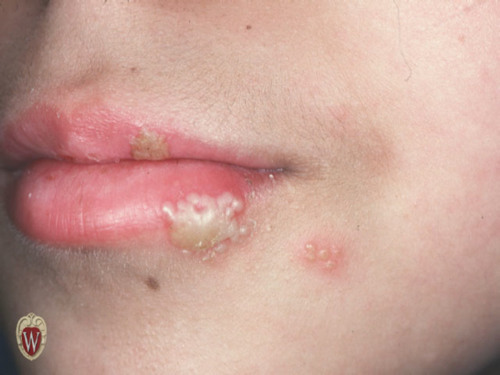
Herpes Labialis reactivation is triggered by ……
UV light, trauma, gatigue, stress, menstruation
What are the characteristics of a SCC lesion?
PAINLESS, sharply demarcated, elevated, indurated border with ulcerated base, verrucous or plaque like, usually found in mucocutaneous junction, SLOW GROWING, FAILS TO HEAL
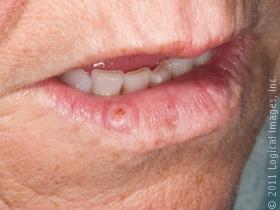
What are the SSX of a Mucocele(lips)/Ranula(under the tongue)?
thick, mucus-type saliva produced by a damaged salivary gland which produes a clear or bluish bubble (1-2cm), movable, cystic, may rupture, bleeding possible = red/purple lesion
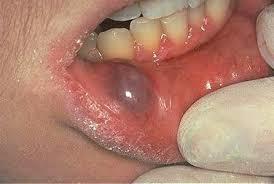
A mucocele is produced because of …….
trauma injury to ductal system of minor labial or sublingual salivary gland
What is Cheilitis?
Etiology?
“chapped lips”
use of retinoids, wind-burn, allergies, chronic lip licking
SSX of Angular chelitis
Concerns accompanying it
Deep cracks at labial commisure.
Secondary infection: Candida albicans (tested via KOH prep) or staph aureus
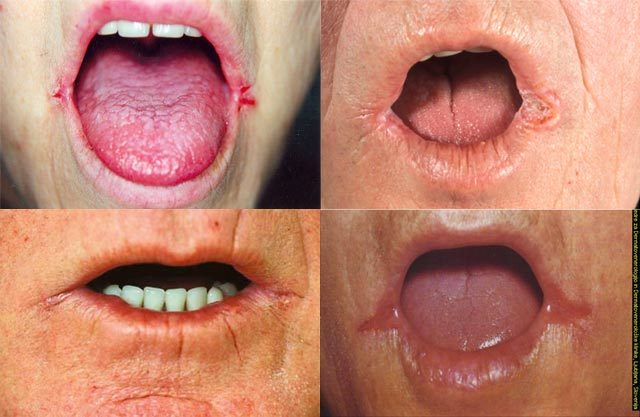
Etiology of angular chelitis
Elderly: ill-fitting dentures, loss of teeth, changing bite, dry mouth (sicca)
poor hygiene
Vitamin B deficiency and iron deficiency anemia
A solitary lesion that lasts > ____ weeks should be biopsied for malignancy?
A solitary lesion that lasts > 2 weeks should be biopsied for malignancy?
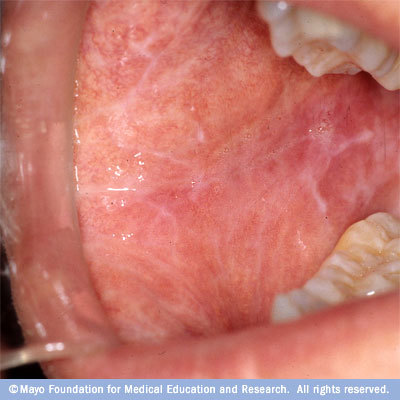
Non-erosive lesion that is:
- usually painless
- lacelike white patches/papules/streaks
- not contagious
- if chronic increases risk for oral cancer
Oral Lichen planus
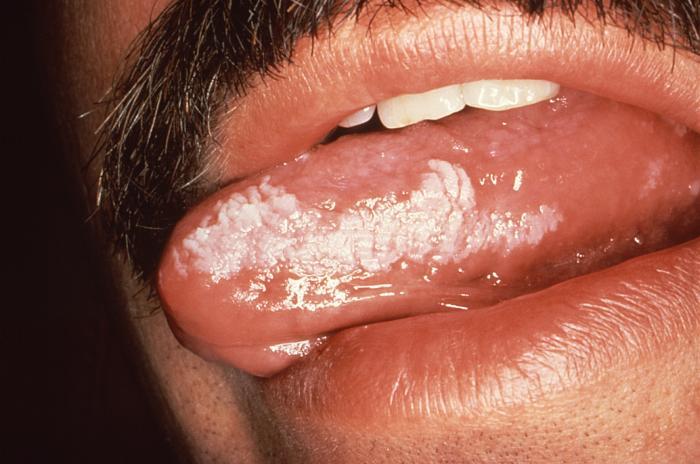
- White patches or plaque on oral mucosa that cannot be rubbed off
- Up to 20% of lesions will progress to cancer in 10 years
- ~90% of lesions in >40, M>F (Inflammatory conditions)
- surface is often shriveled in appearance and may feel rough “flaking white paint”
- lesion cannot be wiped away
Leukoplakia
Etiology:
- oral sepsis
- syphilis
- dental galvanism
- local irritation
- vitamin deficiency
- AIDS
- alcoholism
- endocrine disturbance
White oral lesions that CANNOT be wiped off with gauze that we’re curretly studying
- licen planus
- squamous cell carcinoma SCC
- leukoplakia
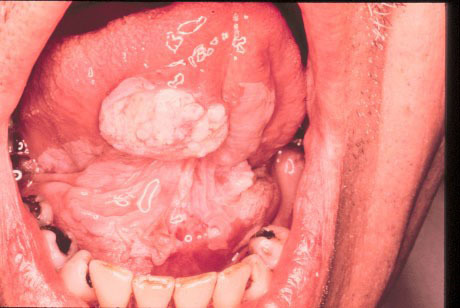
What disease most often found on the floor of the mouth or on the lateral and ventral surfaces of the tongue effects ~30,00 in the US each year; 90% are smokers
Oral SCC
may appear as area of erythroplakia or leukoplakia
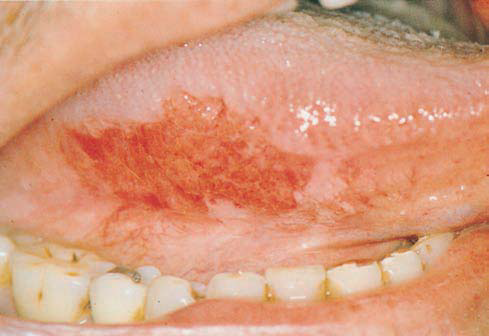
Red macule or plaque with well-demarcated edges with soft texture.
Pre-cancerous (cancer found in 40% of cases)
Erythroplakia
Pigmented lesions with concerning
Asymmetry
irregular Borders
variable Coloration
increasing Diameter
Evolving
Melanoma
Inflammation of the oral tissue from local or systemic conditions
Stomatitis
Slightly raised soft white plaque lesions (look like milk curds) that are easily wiped away, causing bleeding. Confirmed with KOH prep.
*recurrent infections may be indicative of greater immune system threat
Oral Candidiasis “Thrush”
Painful lesions that occasionally have prodromal burning or tingling.
No crusting or vesicles.
Ulcers are shallow, round to oval with graysih base and red border
May occur as outbreaks
Recurrent Aphthous Stomatitits = canker sores
Chancre
Single painless ulceration formed during the primary stage of syphilis.




