Define strategy
Strategy is an expression of a businesses future direction including the means by which to get there, which enables a focusing of the organisation’s resources and decision making around a common theme.
What is the difference between strategy at the organisational level versus the business unit level?
• Organisational or corporate level - the organisation makes decisions about what industries or kinds of businesses it chooses to be in • Business-unit level - the organisation seeks out competitive advantage at the business-unit level
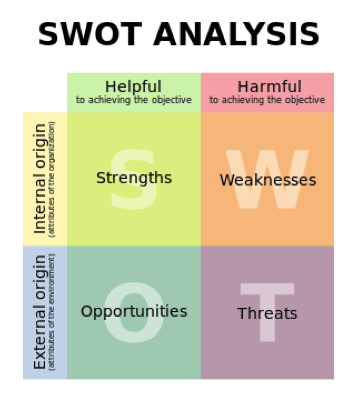
A SWOT is used as the basis for strategic analysis. Draw one.
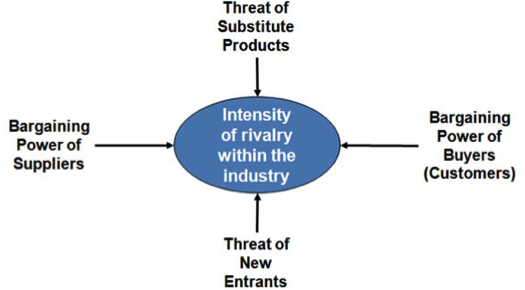
A porters 5 forces analysis is a tool to analyse the competitiveness of an industry and thus the attractiveness of a market. Draw one.
Porter suggests 3 general strategies enabling company’s to achieve competitive advantage over competitors by differentiating themselves. What are they?
Cost cost leadership - lowest cost
differentiation - points of difference valued by a large part of the market
niche appeal - points of difference valued by a small part of the market
What are business controls? What role should they play?
Controls or managerial controls / control system tools aim to influence the decisions and behaviour of managers within organisations and to provide relevant and timely information for which to based decisions.
- Planning including strategy.
- Co-ordinating activities
- Communicating info re decision making
- Evaluating info
- Determining a course of action
Management accounting frameworks are designed to capture the dynamics of the relationship between strategy and control. Name the 4 most well known.
- Otley’s performance management systems framework
- Simons’s levers of control framework
- Kaplan and Norton’s strategy map framework
- Ittner and Larcker’s value-based management framework
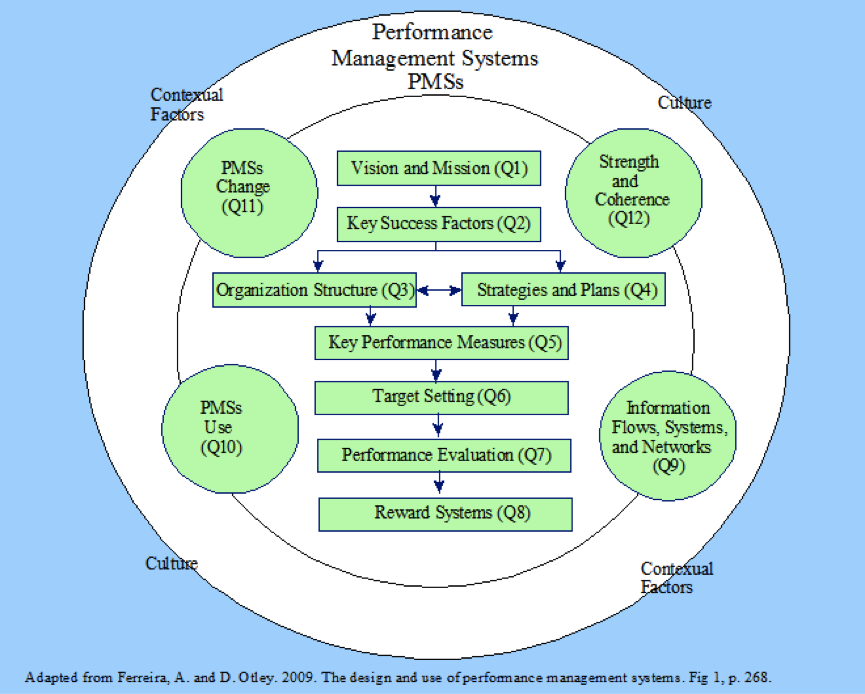
Otley’s PMSF says 12 key questions shoudl be when developing and evaluating a system for managing organisational performance.
They are centre around contemporary issues and provide insight into areas of conflict. What are they?
Vission & mission
Key success factors
Org structure
Stretegies and plans
KPIs
Target setting
Performance evaluation
Reward systems
Info flows, systems & networks to support?
PMS use?
PMS changes?
Strength & cohenence of system?
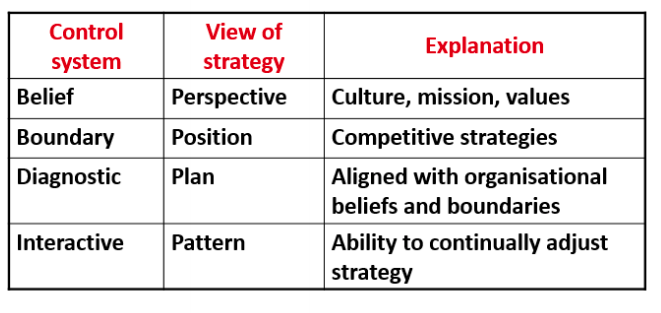
Discuss Simon’’s levers of control framework.
Lists key influences on the nature of the control systems and control system tools:
- belief systems - who and what we are
- boundary systems - competitive strategies offered
Key ways in which the control system tools might be used
- diagnostic -the management accounting and control systems, designed to be aligned with organizational beliefs and boundary controls
- interactive - the tools that continually learn, observe & correct strategy
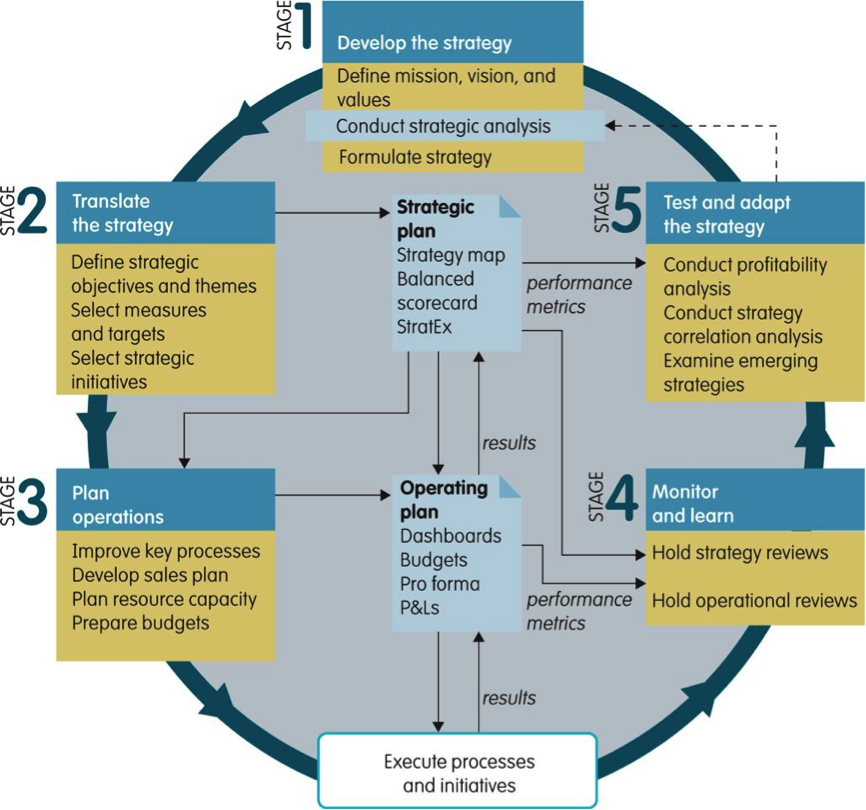
Kaplan and Norton’s strategy map framework demonstrates the links and steps between strategy formulation and the operations of the organisation.
Draw this model
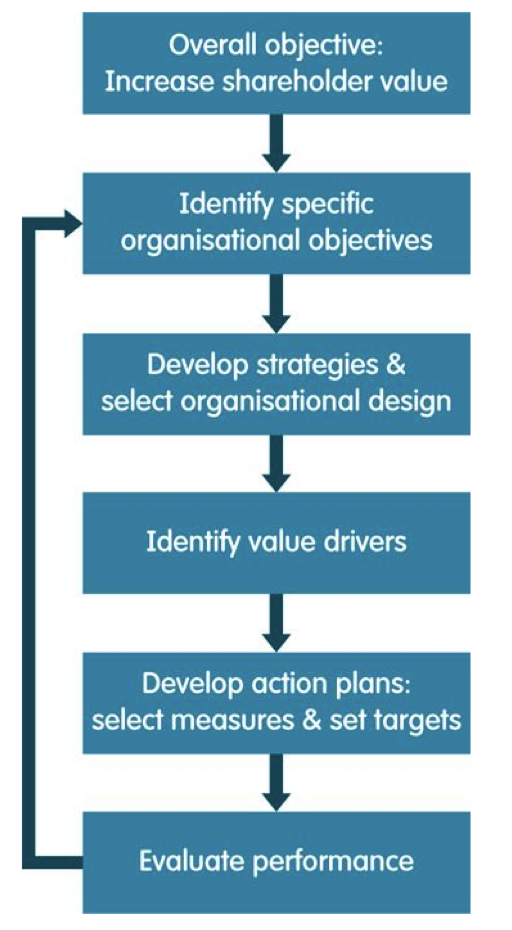
Ittner and Larcker’s value-based management framework focuses on value creation (Value based management) and aligning management processes a. List the types of value created and draw the model.
- Economic value creation as recognised by markets and owners\
- Customer value achieved by delivering the desired goods or services to customers on time and at competitive prices
- Employee value recognised by employees as substantive and meaningful jobs with commensurate compensation.
- Supplier value through building strong relationships and ensuring suppliers are managed well and paid on time.
- Societal value. That is, recognising and mitigating both societal and environmental impacts created in the organisation’s daily activities.
Define Responsbility accounting and it’s limits.
Responsibility accounting: the process of assigning authority and responsibility to managers of sub-units in the organisation and then measuring and evaluating their performance.
An individual should only be held accountable for performance measures over which they have control. While a business unit’s performance should be assessed based on all performance measures attributable to that unit.
The span of attention of a manager relates to those things that the manager is likely to focus on. What 3 key issues specificaly determine?
- Work unit design is connected to structure and referst to the work unit they control.
- Span of control relates to the functions and people under the manager’s control. That is, where the manager’s responsibilities lie
- Span of accountability relates to the performance measures for which the manager will be held accountable.
How can managment responsibility be operationalised
The budget planning process helps to operationalise the strategic plans, create value and shape the future.
Senior managers accountability often comprises the entire value chain.
‘Lean thinking’ helps maintain an organisational focus on forward-looking accounting techniques by reducing inventories, streamline processes and eliminate waste, while ensuring quality products via a customer-focused approach.
Informal controls can often be more imporaant than formal ones. List some:
Cultural practices based on owners influence
Key practices eg obervation or e/ee engagement
New hires to strictly suit culture
Informal meetings

-
Week 1 - introduction to organisational control14
-
Week 2 -15
-
Week 3 - Balanced Scorecard10
-
week 4 - Financial performance measures12
-
Old Non financial performance measures13
-
Week 6 - Just-In-Time, Target and Kaizan costing, and value chain13
-
Week 7 - transfer pricing9
-
Week 8 - budgets11
-
Week 9 - reward systems12
-
Week 10 - TQM10
-
Week 5 - non fin performance measures6



