Identify
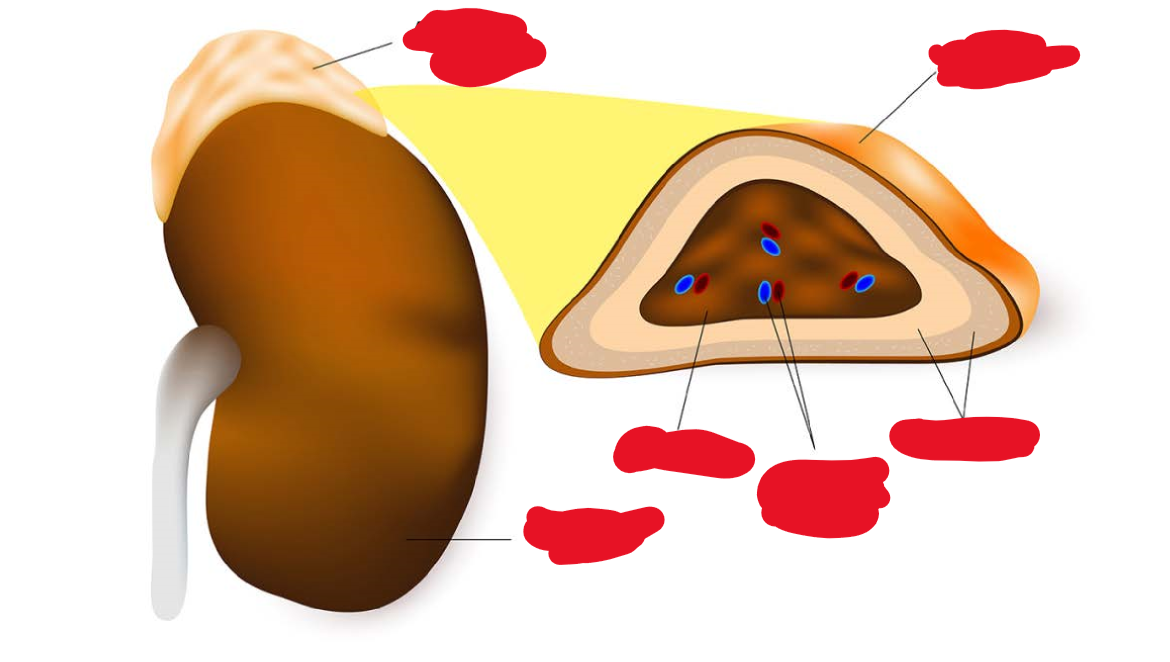
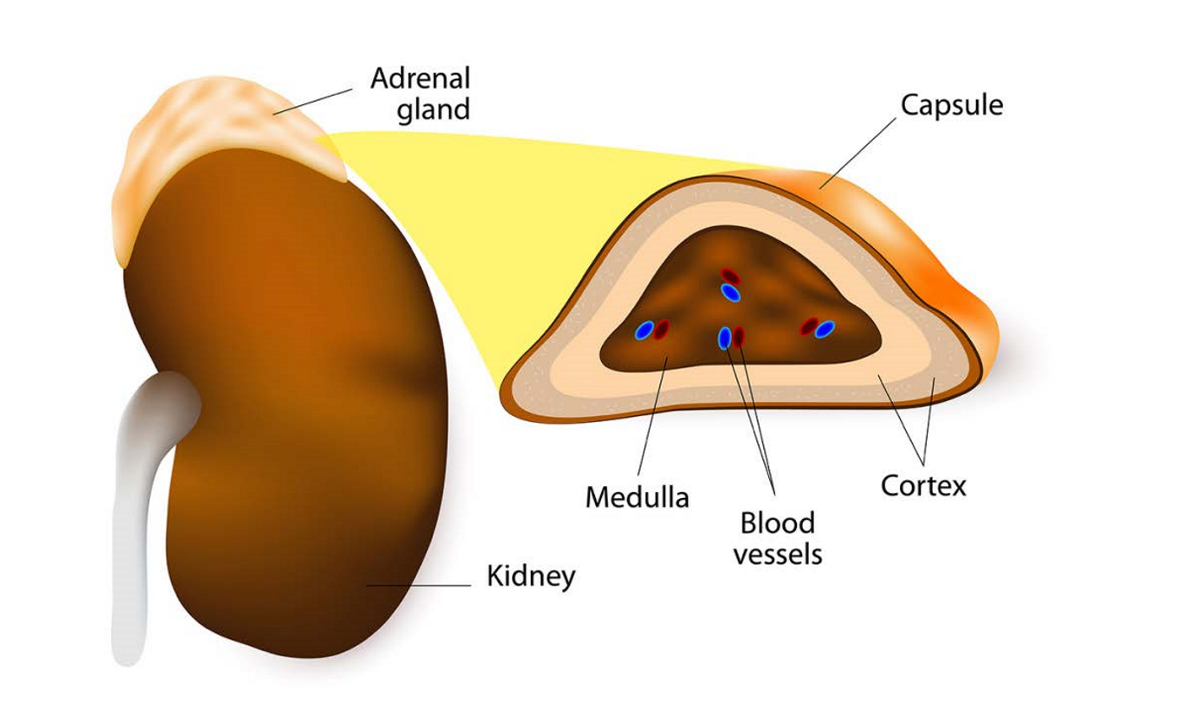
Identify
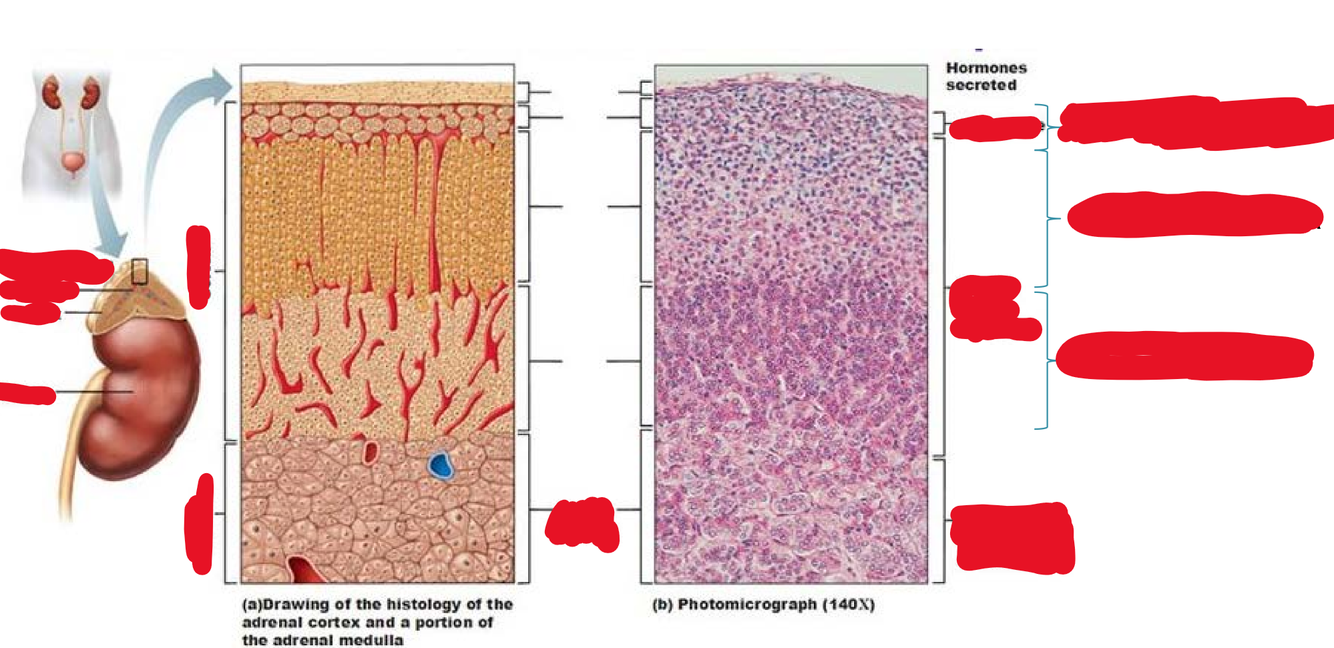
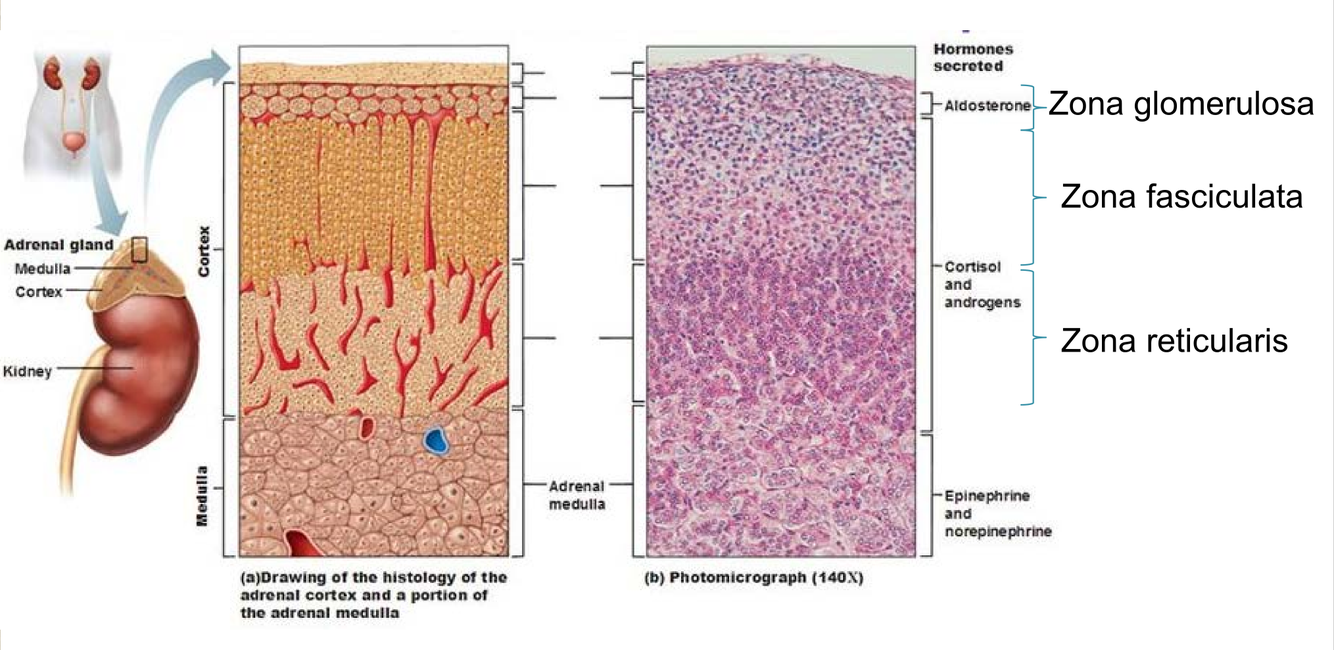
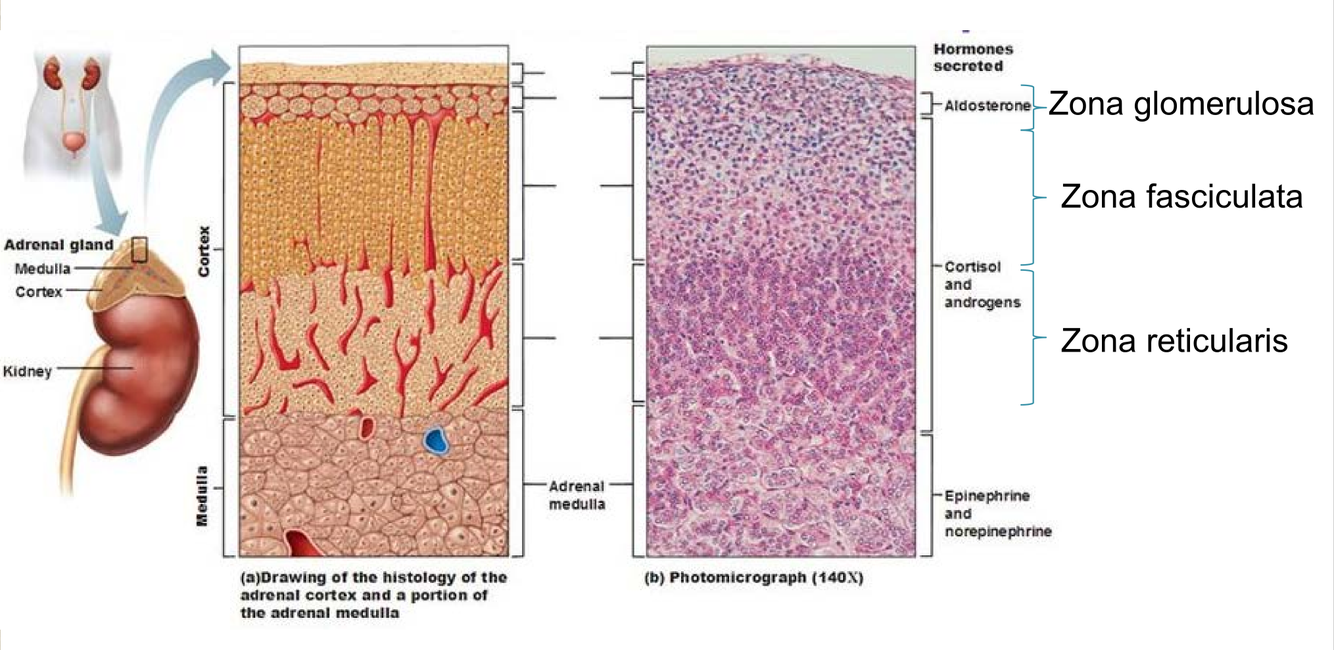
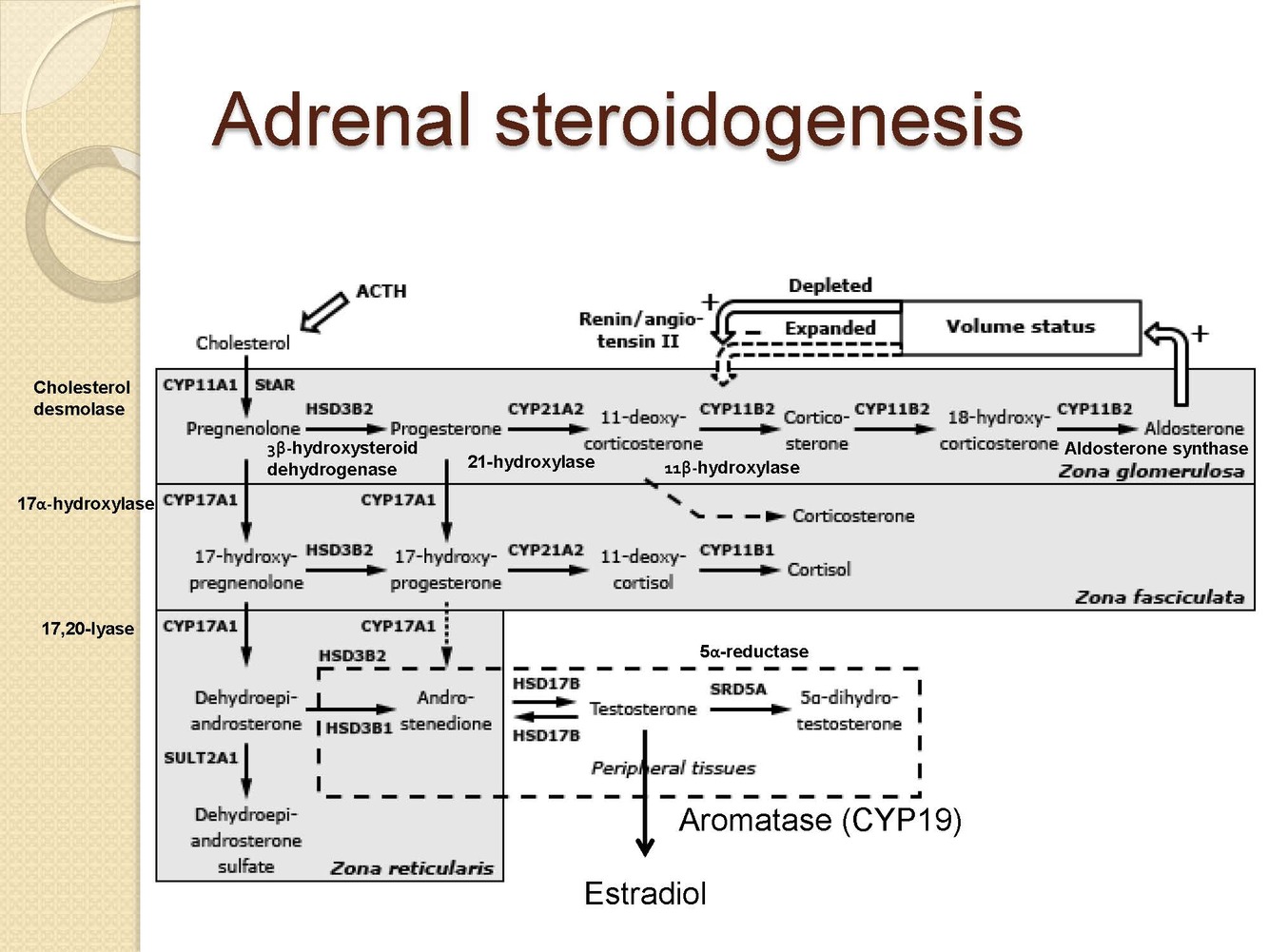
Describe adrenal steroidogenesis
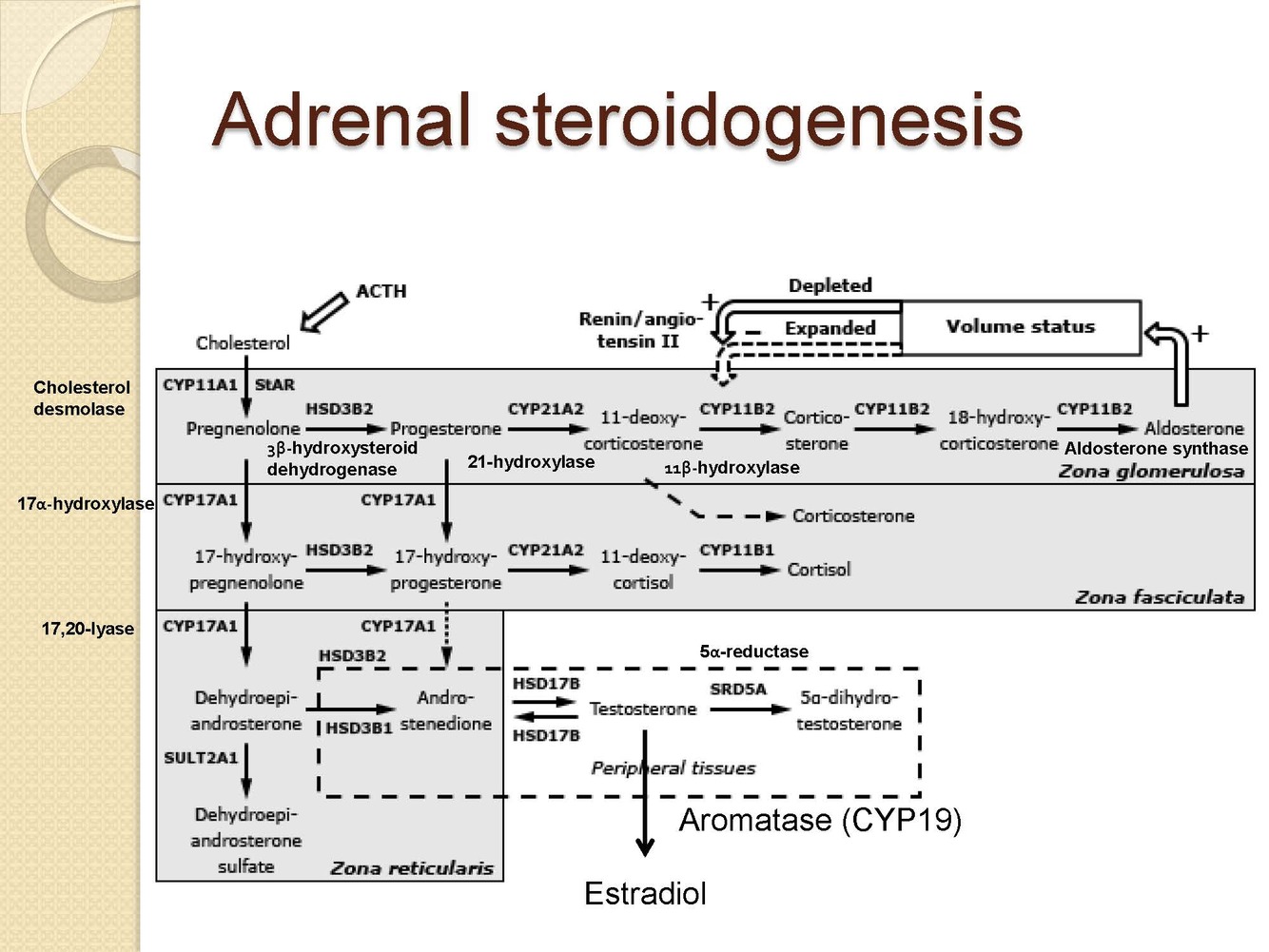
Cortex layers and secretions
Zona glomerulosa (aldosterone)
Zone Fasiculata (cortisol)
Cona reticularis (andreogens)
Medulla secretions
epinephrine and norepinephrine
Zona glomerulosa secretion
(aldosterone)
Zona Fasicularis secretions
Cortisol
Zona reticularis secretions
Androgens
Adrenal steroidogenesis things to know
ACTH is the stimulus for adrenal steroidogenesis and cholesterol is needed (from de novo from acetate or taken from LDL or HDL from the circulation)
Cholesterol -STAR protein-> brings cholesterol into the mitochondria to start steroidogenesis)
*1st step is the rate-limiting step* (shown below)
Cholesterol -cholesterol desmolase or CYP11A1-> Progenolone
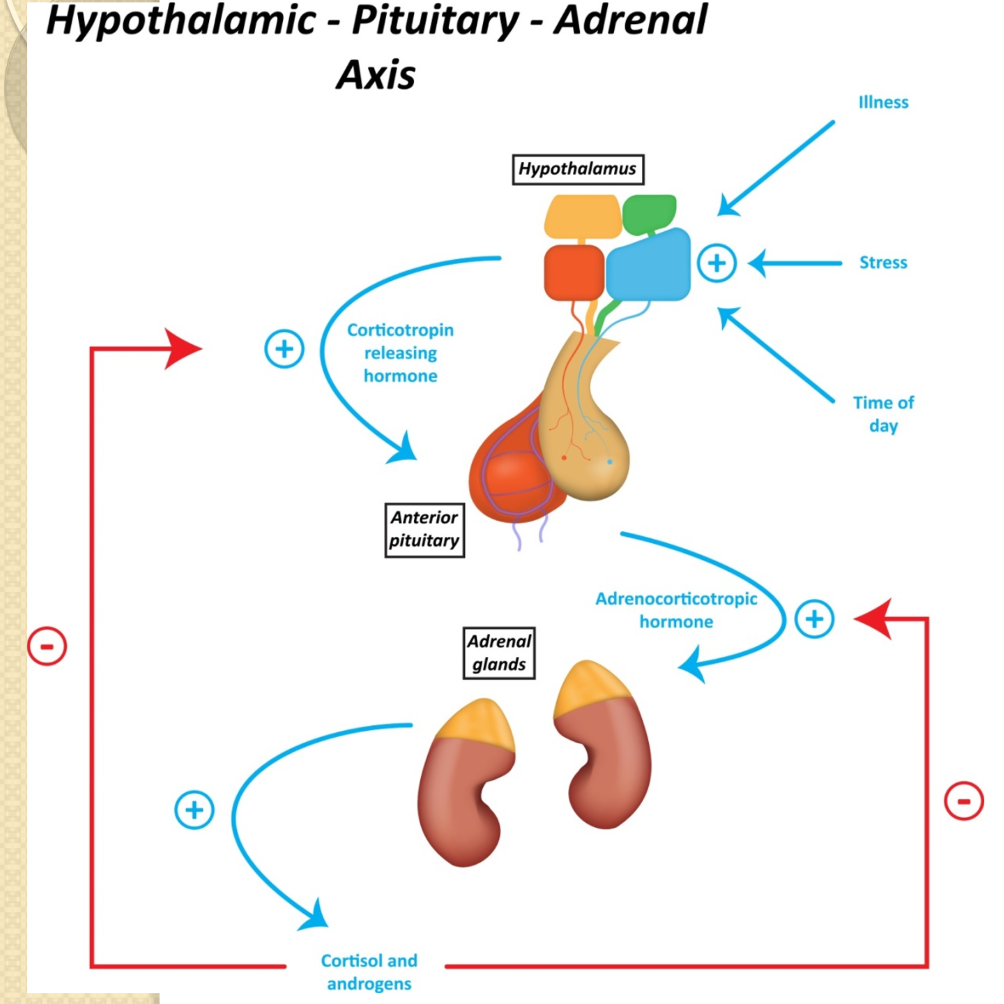
Describe the Hypothalamic-pituitary-adrenal axis and regulatory mechanisms
What are the acute effects of ACTH?
increased conversion of cholesterol to Pregnenolone via activation of CYP11A1
What are the chronic effects of ACTH?
- Increased synthesis of the enzymes involved in steroidogenesis
- Increased RNA and DNA synthesis
- Increased Cell growth
- Increased synthesis of LDL and HDL receptors
Systems affected by cortisol
11 listed
- Increased production of glucose (gluconeogenesis)
- Carbohydrate metabolism
- Protein metabolism
- Lipid Metabolism
- Immune System
- Body Water
- Mineralocorticoid activity
- Arterioles
- Osteoblasts
- Hepatocytes
- Cardiomyocytes
Cortisol effects on metabolism
9 listed
- Antagonizes secretion and action of insulin
- Decreased peripheral uptake of glucose
- insulin resistance
- Increased gluconeogenesis
- Increased protein breakdown
- Increased nitrogen excretion
- Decreased protein synthesis
- Free fatty acid mobilization
- Activation of cellular lipase
Cortisol effects on the immune system
6 listed
- Maintains vascular responsiveness to circulating vasoconstrictors
- Opposes increase in capillary permeability during acute inflammation
- Leukocytosis (release from bone marrow and inhibition of movement through the capillary wall)
- Impairs cell-mediated immunity
- Inhibits production and action of mediators of inflammation (Leukotrienes, Prostaglandins, IL-2)
- Blocks histamine release from mast cells
Cortisol effects on body water
4 listed
- Promotes renal water excretion
- inhibition of vasopressin excretion
- Increase glomerular filtration rate
- Direct action of the renal tubule
Cortisol mineralocorticoid effects
Weak mineralocorticoid effects
- Promotes renal tubular Na+ reabsorption
- Increase urine potassium excretion
Cortisol effects on the vascular system
- Upregulates α1-receptors on arterioles → increased sensitivity to norepinephrine and epinephrine
- Opposes capillary permeability during acute inflammation
- Maintains vascular responsiveness to circulating vasoconstrictors
Cortisol effects on bone
Induces the destruction of osteoblasts → decreased bone formation
Cortisol effects on the liver
Promotes the survival of hepatocytes
Cortisol effects on the heart
Promotes the survival of cardiomyocytes
How much cortisol is secreted daily?
15-20 mg/day
How does cortisol circulate?
- <5% is free cortisol
- 95% is protein-bound to CBG (corticosteroid-binding globulin) & Albumin
Cortisone binding properties of CBG
3 listed
- High-affinity
- low capacity
- Reduced in areas of inflammation





-
GI Embryology2
-
Week 1: Overview of the abdomen105
-
Anatomy lab57
-
Week 1: Liver and Lymphatic drainage40
-
Week 1: GI Histology64
-
First Aid Embryology62
-
First Aid Anatomy31
-
First Aid Physiology0
-
First Aid Pathology0
-
Week 2: Salivary gland34
-
Week 2: Esophageal motility51
-
Week 2: Dysphagia80
-
Week 2: Gastric Secretions18
-
Week 2: Gastric Motility39
-
Week 2: Acid production by the stomach33
-
Week 2: Pepcin, Mucin and Intrinsic Factor23
-
Week 2: Diabetic gastroparesis24
-
Week 2: GI pharmacology66
-
Week 2: Barrett's and GERD22
-
Week 3: Small intestine absorptions and secretions3
-
Week 3: Carbohydrate digestion & absorption22
-
Week 3: Amino Acid Digestion & Absorption22
-
Week 3: Lipid digestion & absorption28
-
Week 3: Water flow in the intestines15
-
Week 3: Celiac Disease44
-
Week 3: Inflammatory Bowel Disease74
-
Week 3: Small intestine motility48
-
Week 3: colon polyps and cancer65
-
Week 4: Introduction to metabolism20
-
Week 4: Endocrine pancreas56
-
Week 4: Glycolysis and pyruvate62
-
Week 4: Regulation of glycolysis5
-
Week 4: pyruvate dehydrogenase8
-
Week 4: TCA Cycle18
-
Week 4: Oxidative Phosphorylation11
-
Week 4: Galactose and Fructose Metabolism16
-
Week 5: Lipid Pharmacology44
-
Week 5: Storage diseases40
-
Week 5: Glycogenolysis10
-
Week 5: Adipose Lipolysis8
-
Week 5: Fatty Acid Oxidation9
-
Week 5: Gluconeogenesis17
-
Week 5: Ketogenesis8
-
Week 5: Nitrogen Management13
-
Week 6: Purine and Pyrimidine Biosynthesis5
-
Week 6: Purine and Pyrimidine Metabolism11
-
Week 6: Ethanol Metabolism9
-
Week 6: Vitamin A, C, D, E and K28
-
Week 6: Vitamins B1-716
-
Week 7: Endocrine Feedback Loops62
-
Week 7: Hypothyroidism100
-
Week 7: Type 1 DM61
-
Week 7: Type 2 DM35
-
Week 7: Thyroid Cancer99
-
Week 7: Hyperthyroidism0
-
Week 7: Lipid disorders0
-
Week 8: Adrenal Hyperfunction100
-
Week 8: Adrenal hypofunction70
-
Week 8: Pituitary155
-
Week 8: Endocrine Pathology127
-
Week 8: Ca2+, Mg2+, and PO4- handling57
-
Week 8: Disorders of Ca2+ Homeostasis52
-
Week 8: Metabolic Bone Disorders0



