Priorities of wildfire supression.
Firefighter Safety is the number 1 priority.
Then comes -
Protect life and Property
Contain the spread of the fire
Extinguish the fire
<!--StartFragment-->
________ - When the current and/or the expected fire behaviour is too _______ to attack <!--EndFragment-->
<!--StartFragment-->
Defensive - When the current and/or the expected fire behaviour is too intense to attack <!--EndFragment-->
When given the order to ‘Fallback’ what should you do?
Protect life, property and assests.
Wait until intensity subsides
_________ – When current and/or expected fire behaviour _______ attack on the fire
Offensive – When current and/or expected fire behaviour enables attack on the fire
Observe ______ activities.
Protect the POO
Observe suspicious activities.
Protect the POO
What is a direct attack?
Working right on the fire edge
What type of direct attack is this?
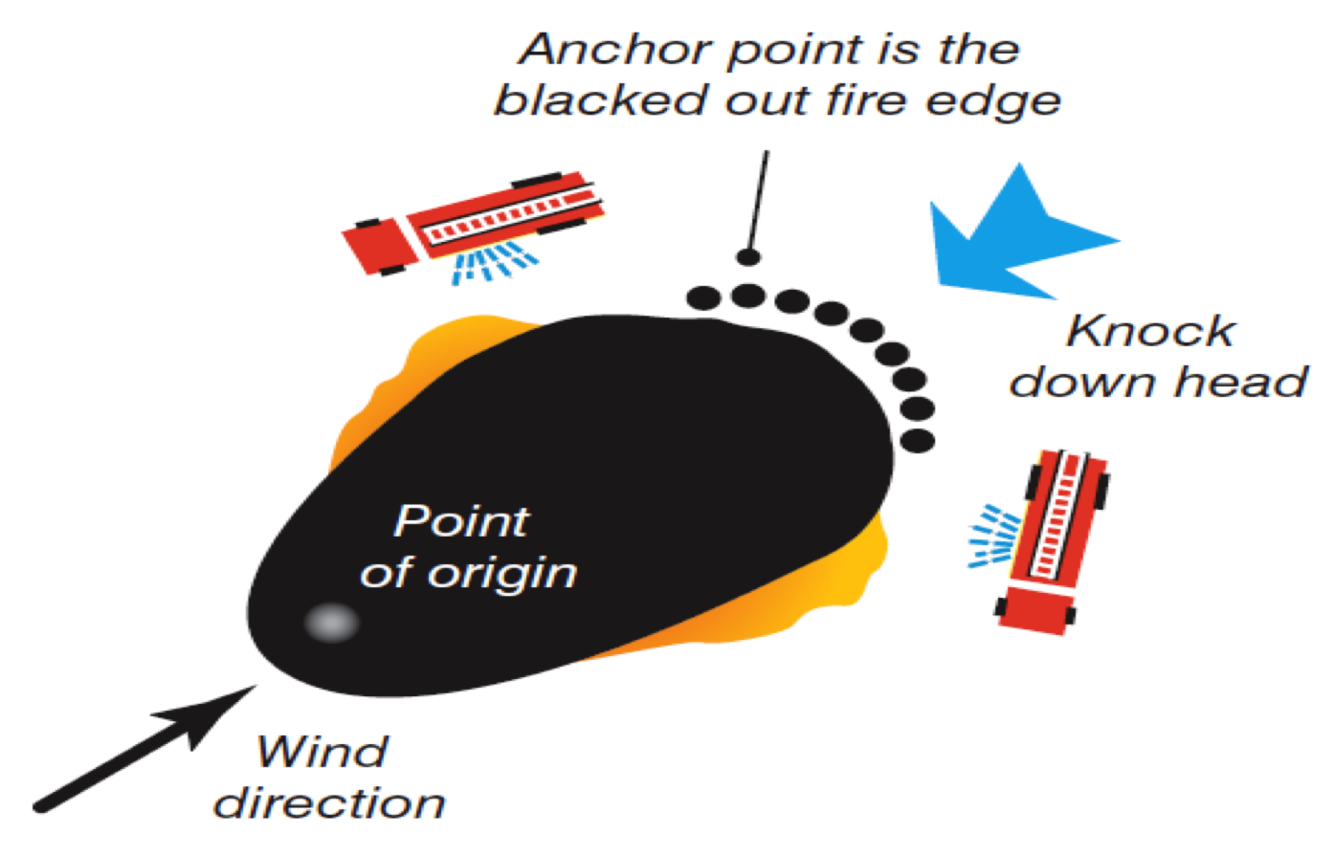
Head attack
What type of direct attack is this?
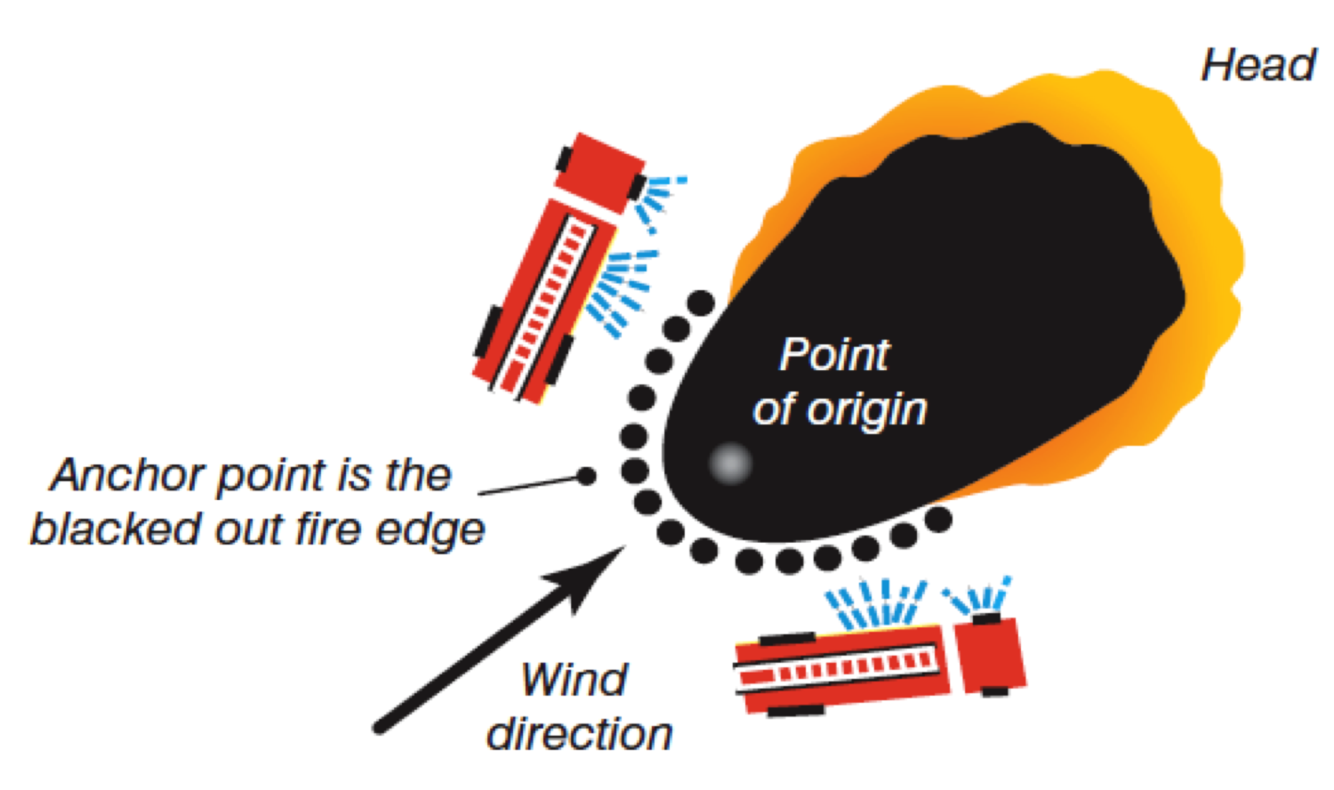
Flank Attack
An advantageous location from which a fireline can be constructed. It is used to minimise the possibility of being outflanked by a fire while the line is being constructed
Anchor Point
What rake method is this?
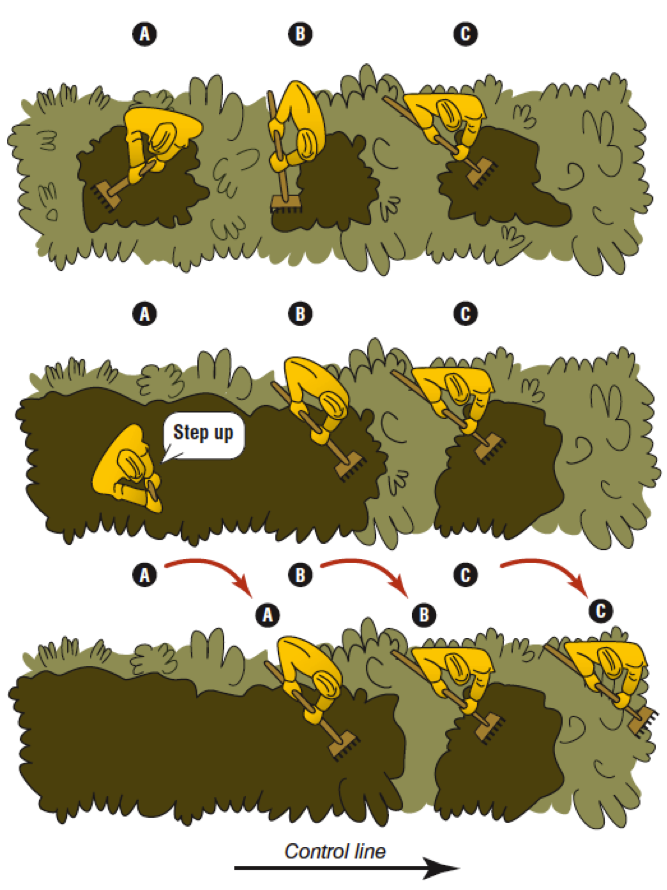
Step Up Method
What are the rules of the step up method?
- Step up called when section clear
- All people in front step up to next unfinished section
- No overtaking
- Last person is “Polisher”
What rakehoe method is this?
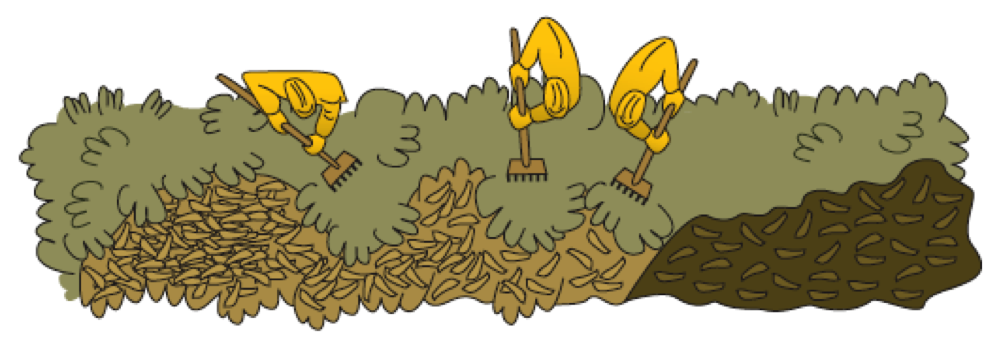
One Lick Method
What are the rules of the one lick method?
- Each person removes their fair portion of fuel
- Last person ‘polishes’ trail
- Suits when large distances are required
- Suits large teams +12
Name components
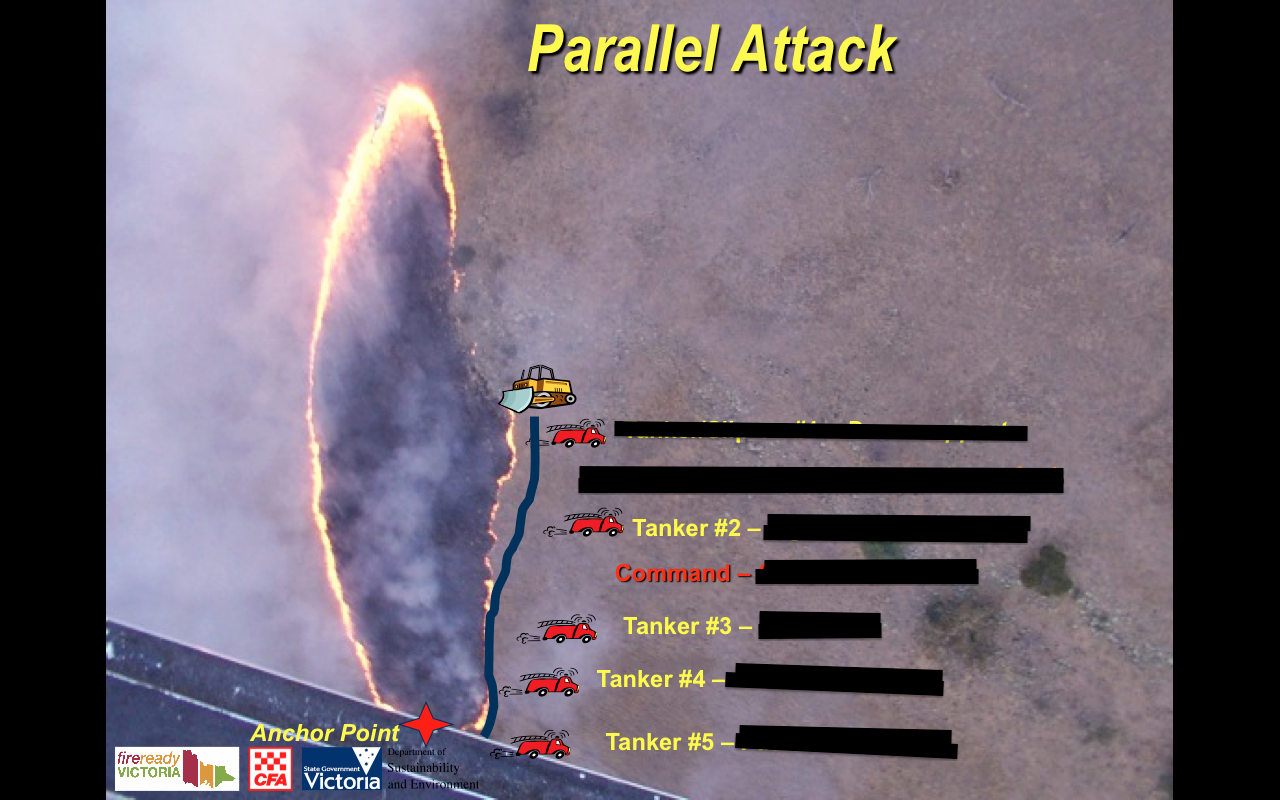
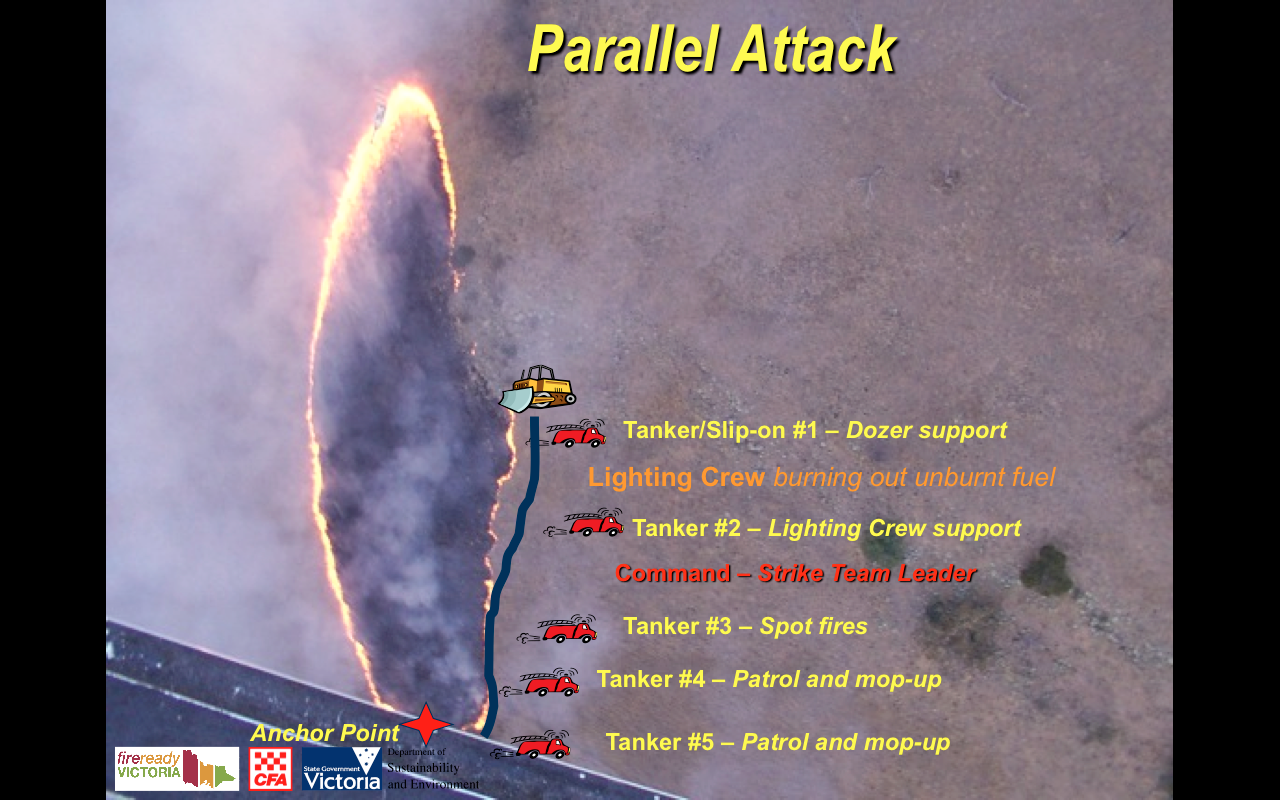
What is a danger of conducting a parallel attack?
Leaving unburnt fuel between fire and operators
What type of attack is this?
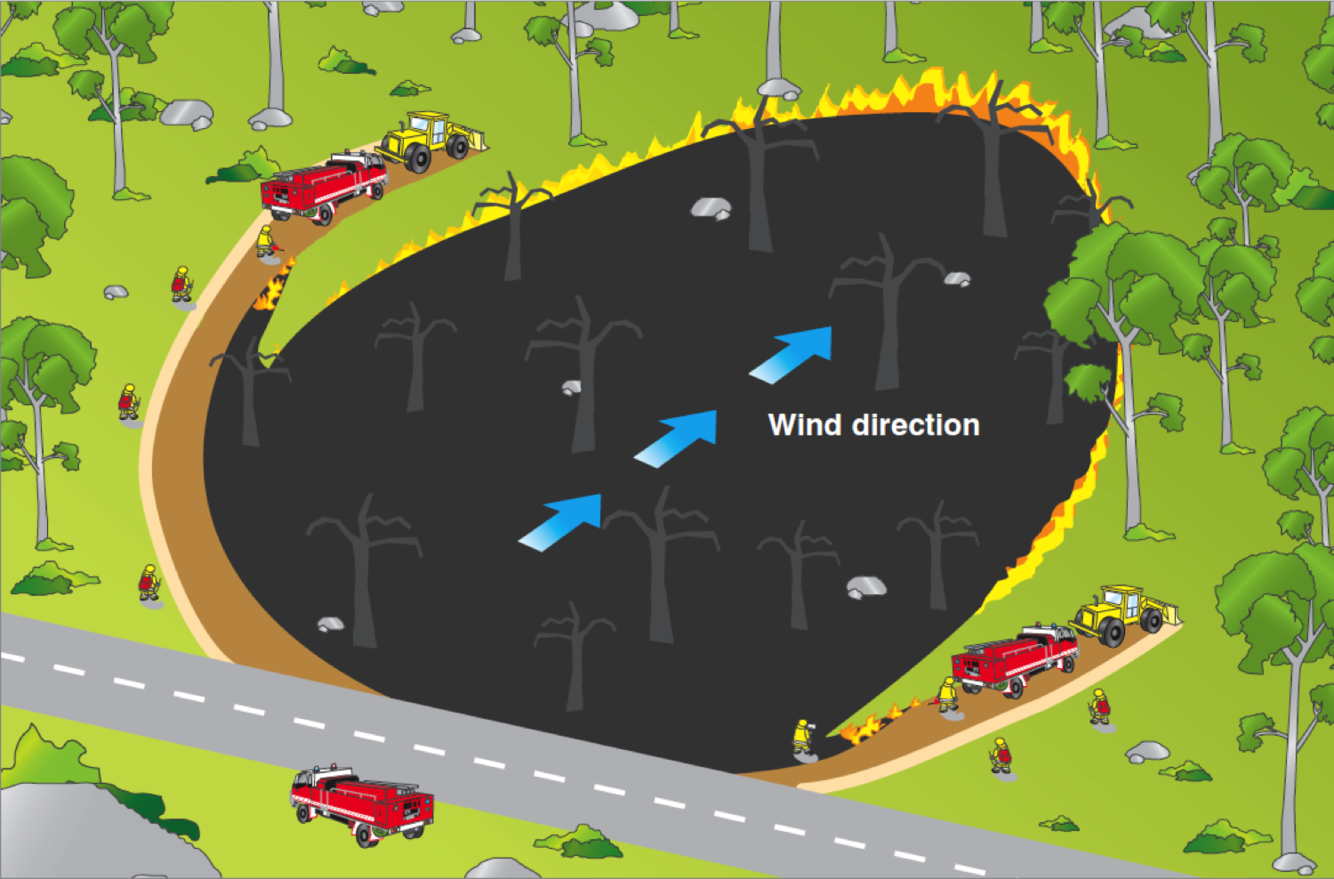
Parallel Attack
What are the rules for backburning?
- Must have Incident Controller Approval
- Must have favourable fuel, weather & topography conditions.
- Must have enough time & enough resources.
- Must have enough width to stop the fire
What type of attack is this?
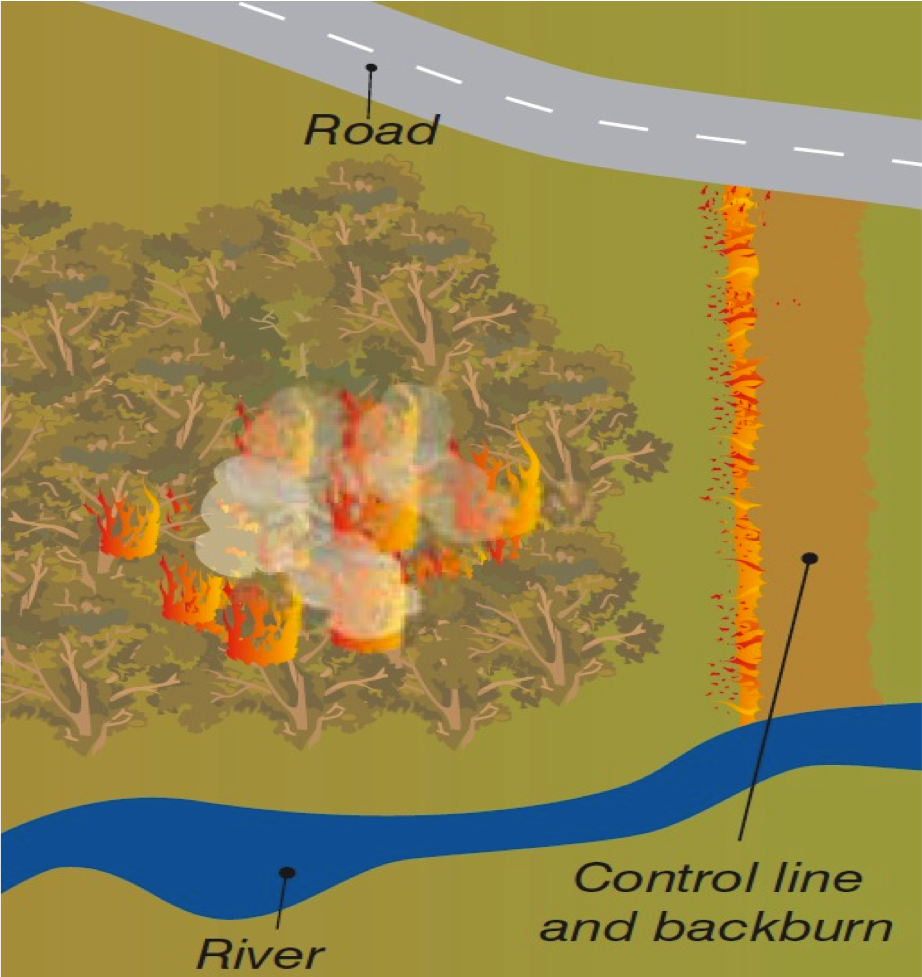
Indirect Attack
_______________
(Backburning)
“An area of greatly ________ fire intensity caused by two fire fronts or flanks burning _________ one another”
Junction Zones
(Backburning)
“An area of greatly increased fire intensity caused by two fire fronts or flanks burning towards one another”
All these conditions must be present before any consideration or backburning
•Weather - Wind, RH, Temp, Stable Atmos
**•Resources - **Patrol, Lighting, Blackout
•Strong Control line - Spotting Potential
•Time
Backburning Hazards
Spotting Over Control Lines
Lack of Time and resources
Incorrect Lighting Patterns
Change in Weather/Wind Direction




