Pathogenicity
The ability to cause disease in a susceptible host (plants, animals, humans)
Host Defenses
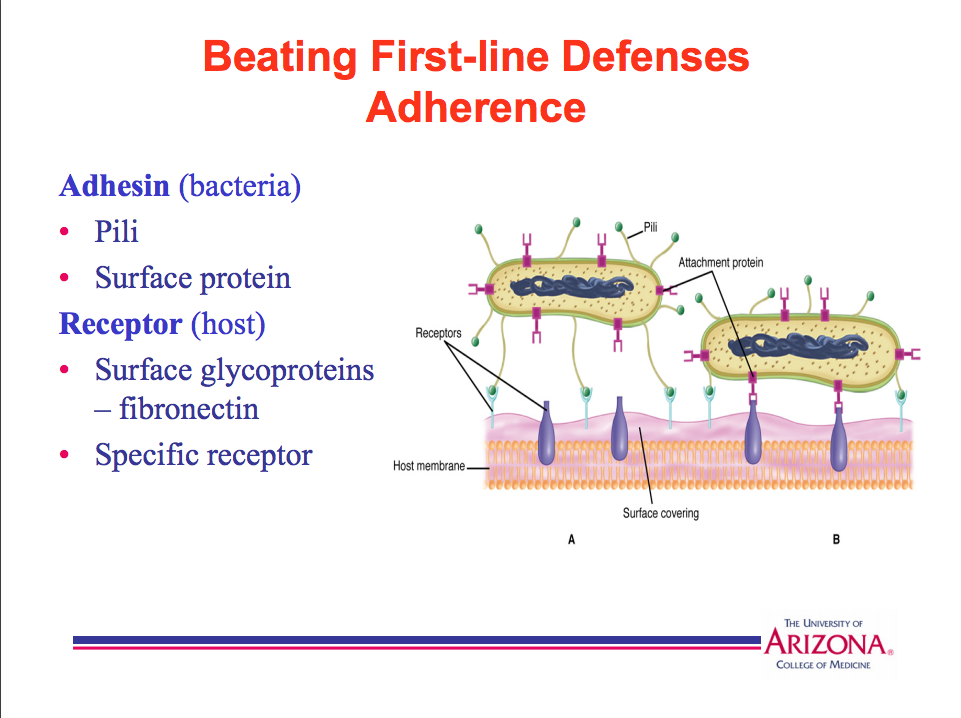
Beating First Line Defenses - Attachment
Attachment may be sufficient for disease
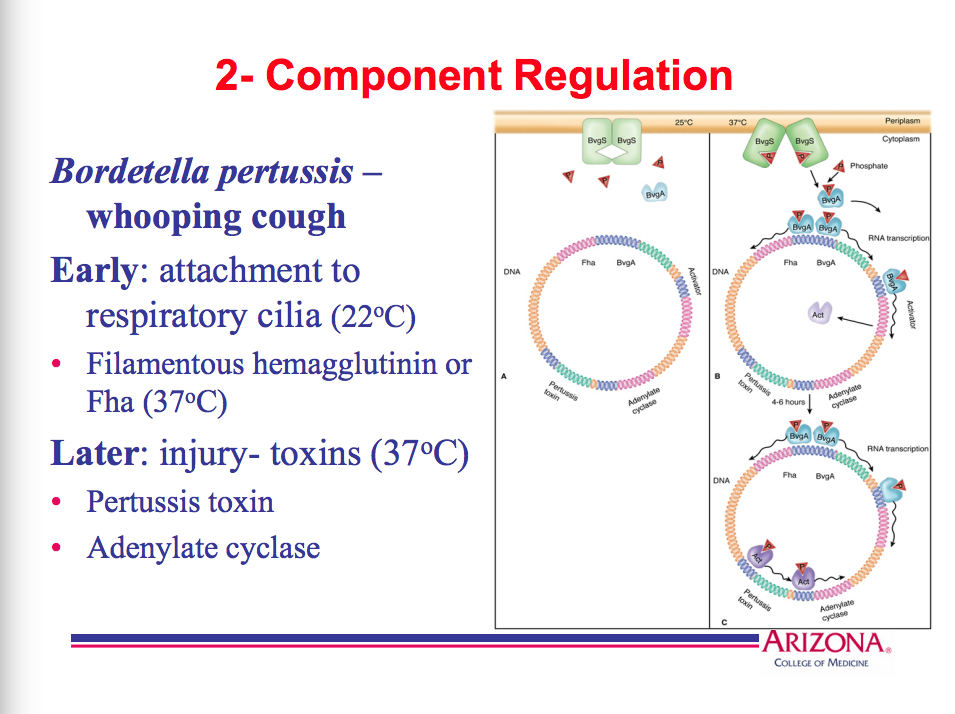
• Bordetella pertussis
– whooping cough
– Toxins produced
– No invasion
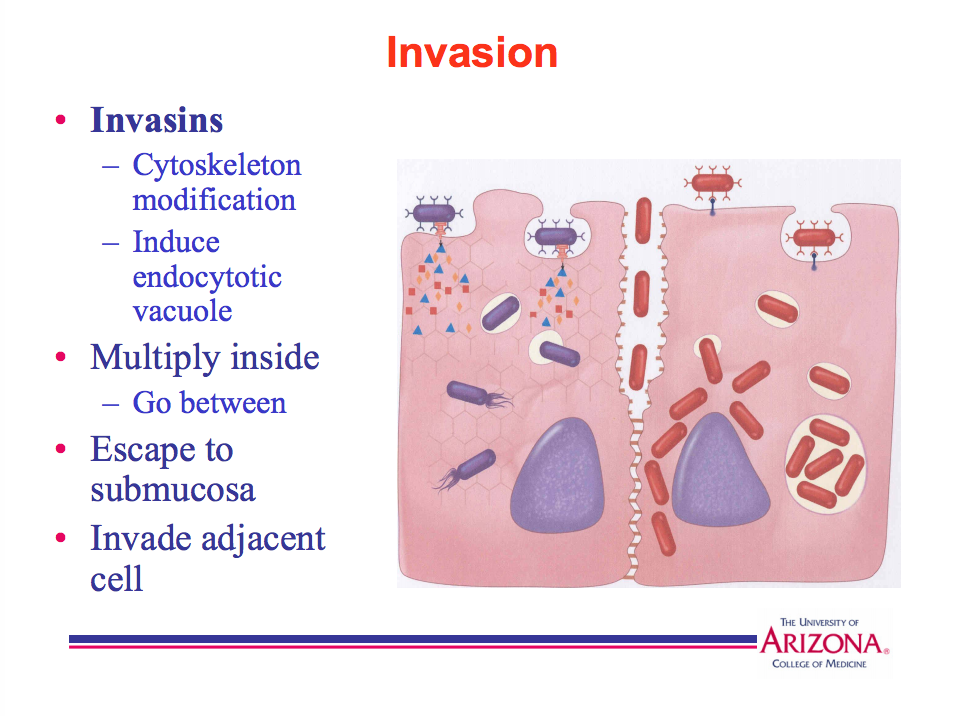
Beating First Line Defenses - - Invasion
Submucosa
- Local spread
- Bacteremia
- Metastatic spread
Beating Second Line Defenses
- Metabolism – nutrients, siderophores (Fe+++)
- Extracellular
– Phagocytes
– Complement
– Toll-like receptors (TLRs)
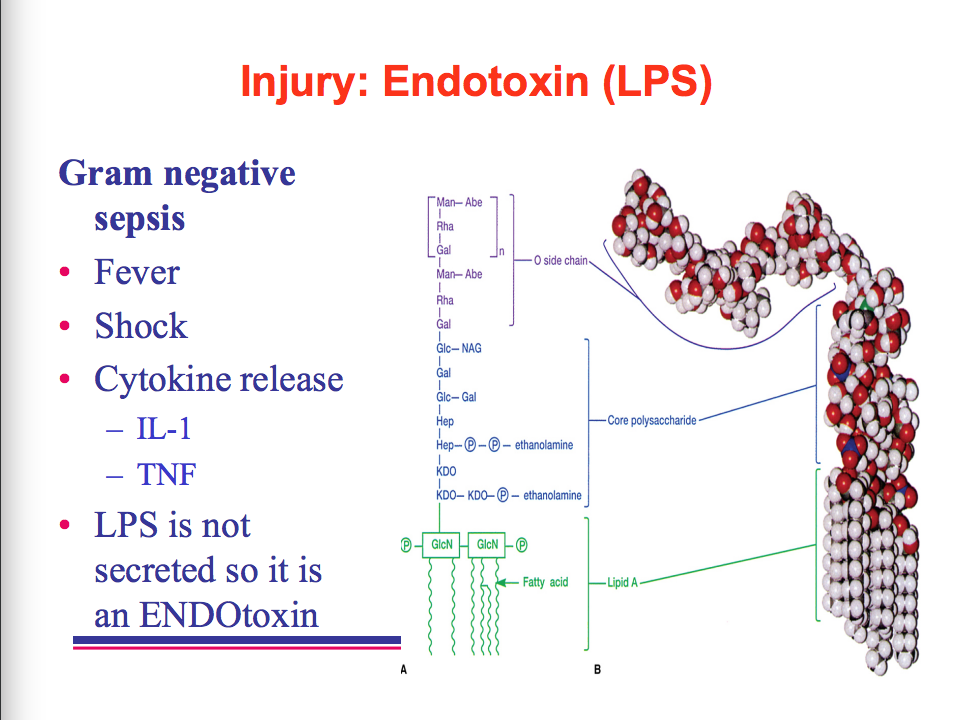
– molecular patterns (LPS)
– Adaptive immune system
- Intracellular – killing mechanisms of professional phagocytes
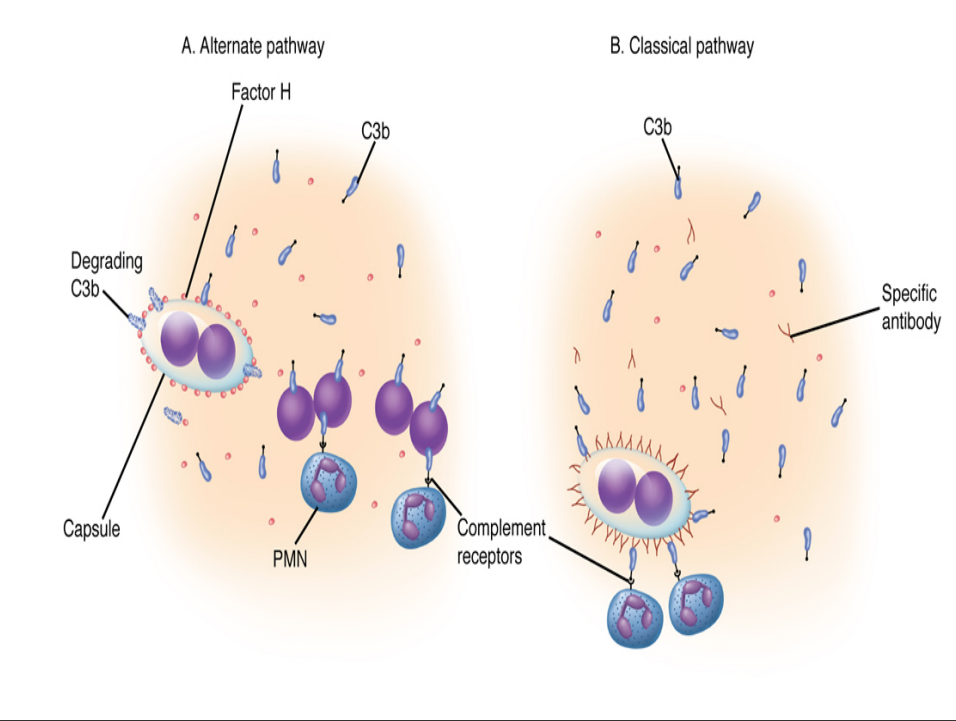
- Capsules
- Antiphagocytic
- Alternate pathway C3b – Serum factor H binding
Beating Second Line Defenses - Capsules
Beating Second Line Defenses - Adaptive Immunity
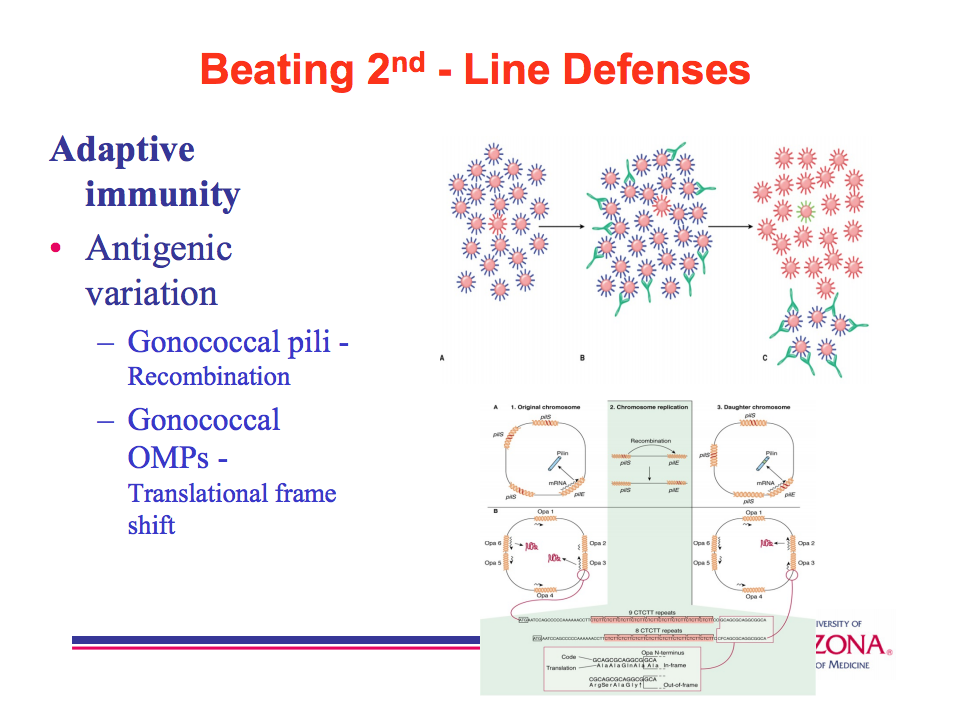
Beating Second Line Defenses - Extracellular Mechanisms
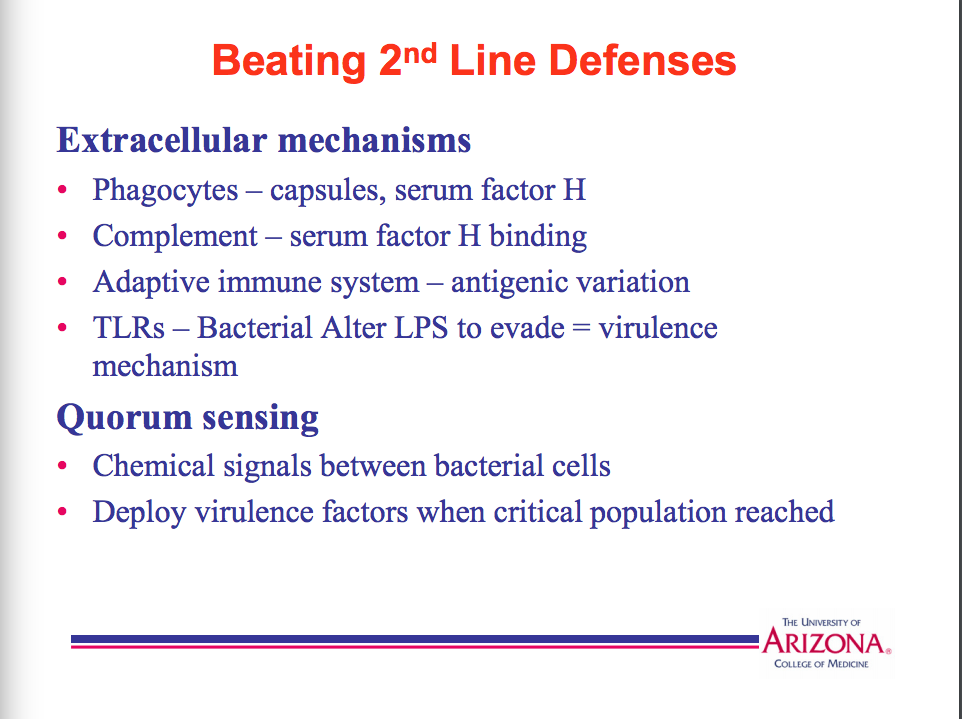
Beating Second Line Defenses - Phagosomal Replication
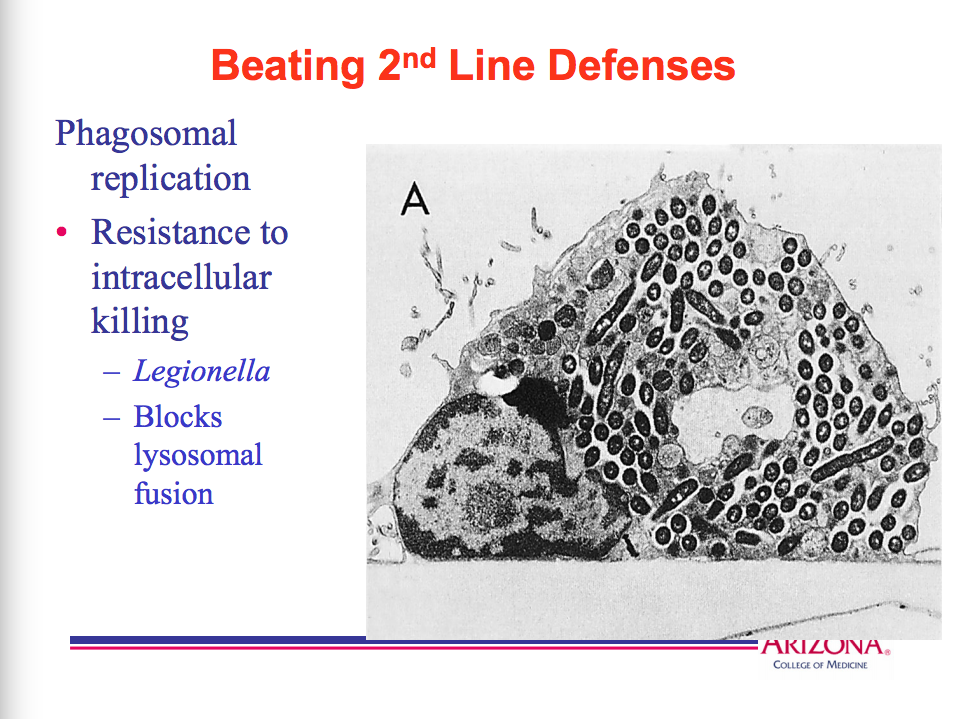
Beating Second Line Defenses - Resistance to Intracellular Killing
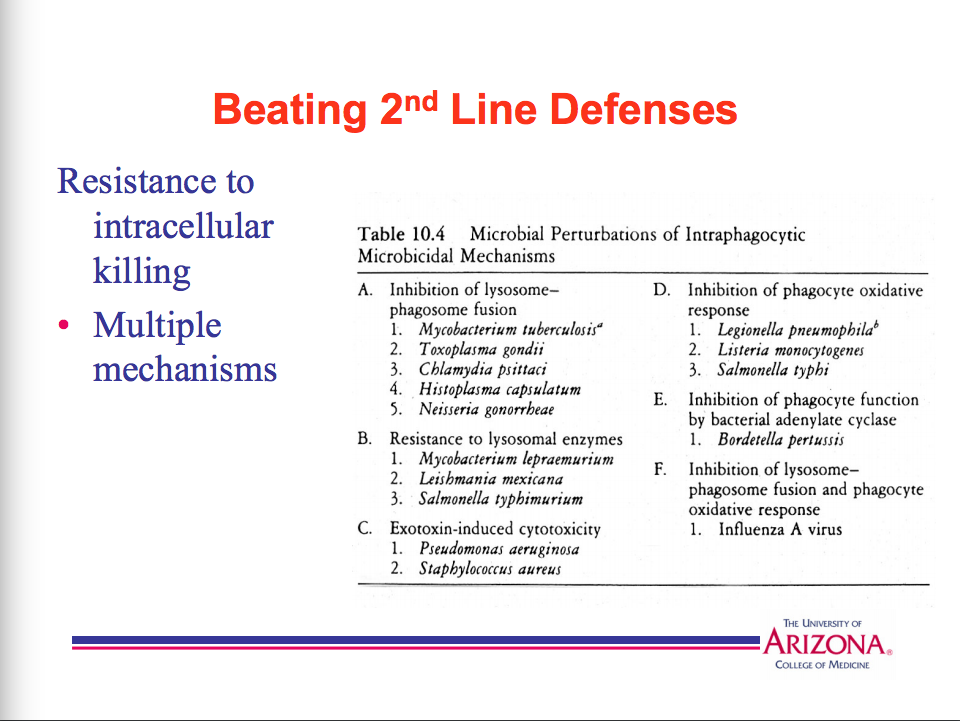
Beyond finding a site to replicate what is another benefit (for the pathogen) of an intracellular strategy?
Evade Th2 response
TH2 – is for extracellular (Antibodies/eosinophils) TH1 – is for intracellular (CD8 cytotoxic T-cells)
Injury
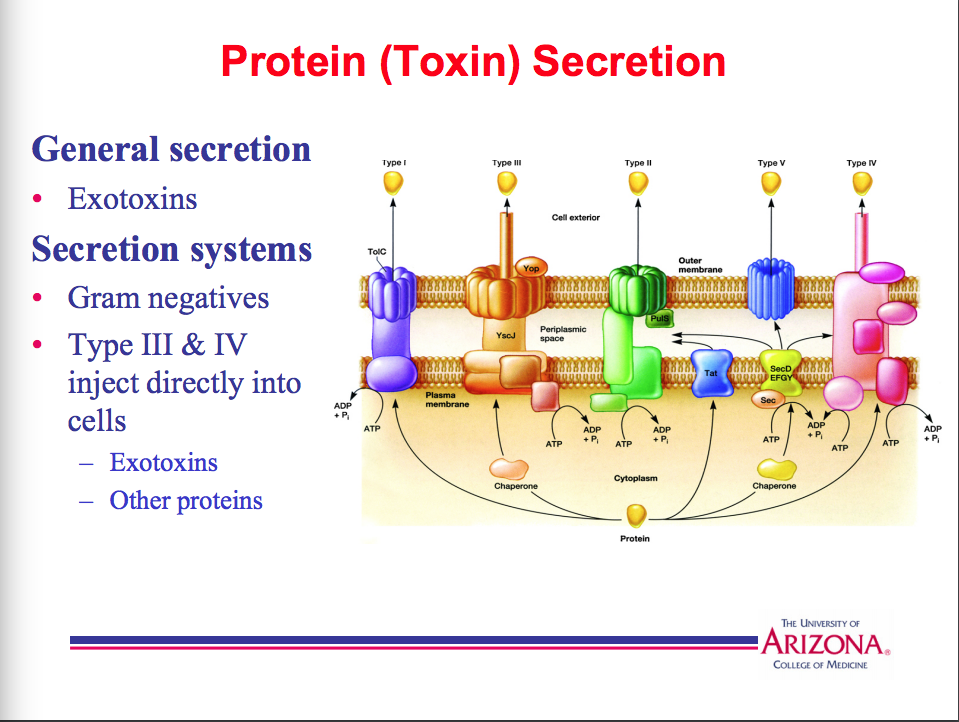
Toxins!
• Exotoxins
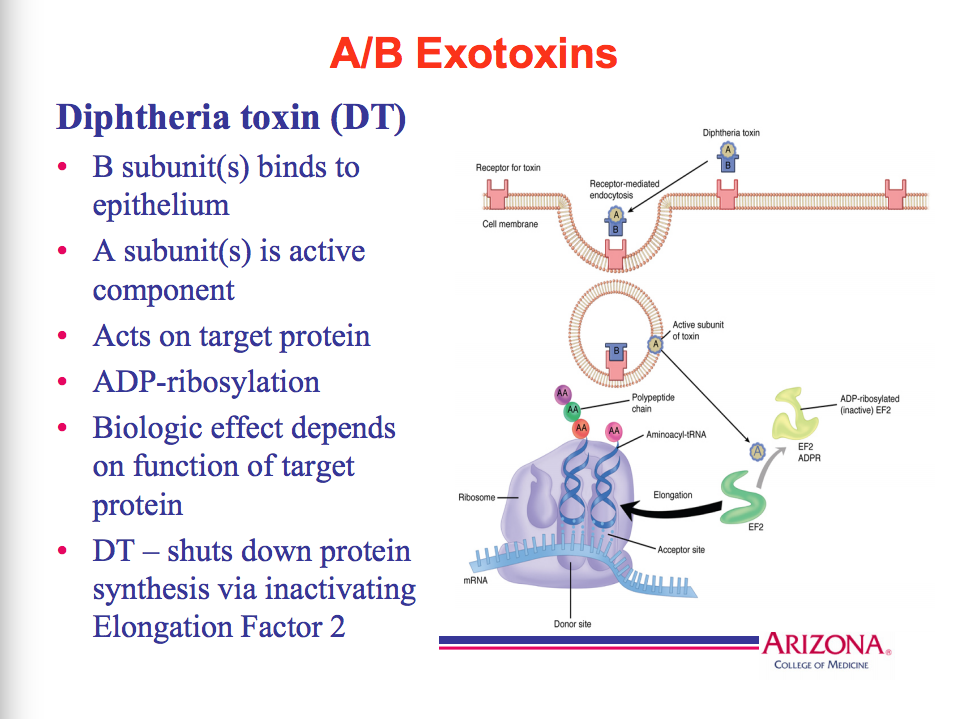
– A/B
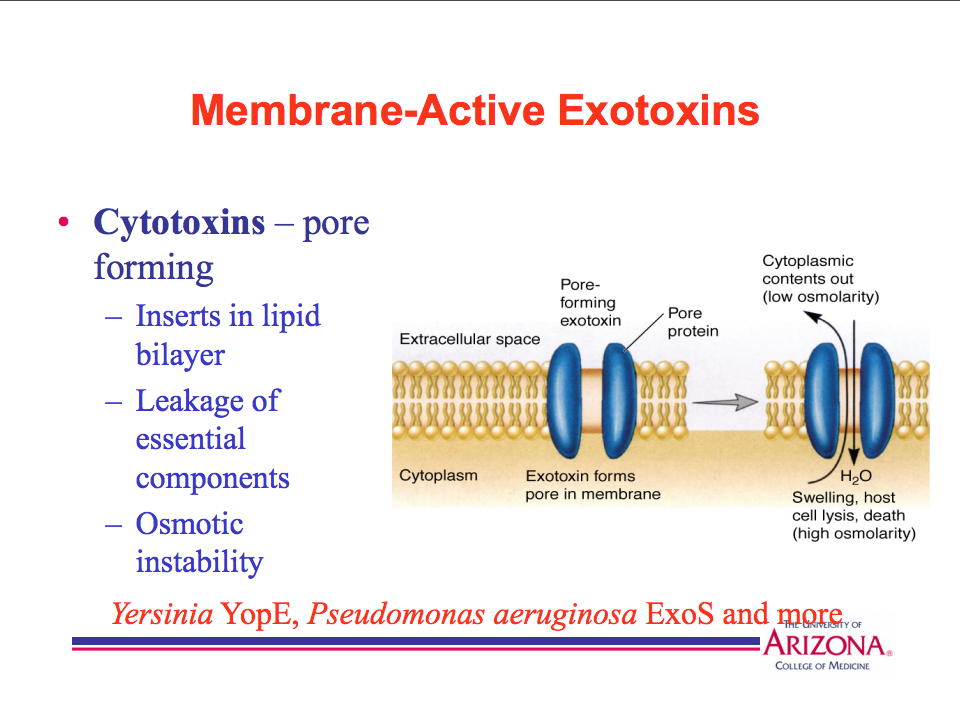
– Pore-forming
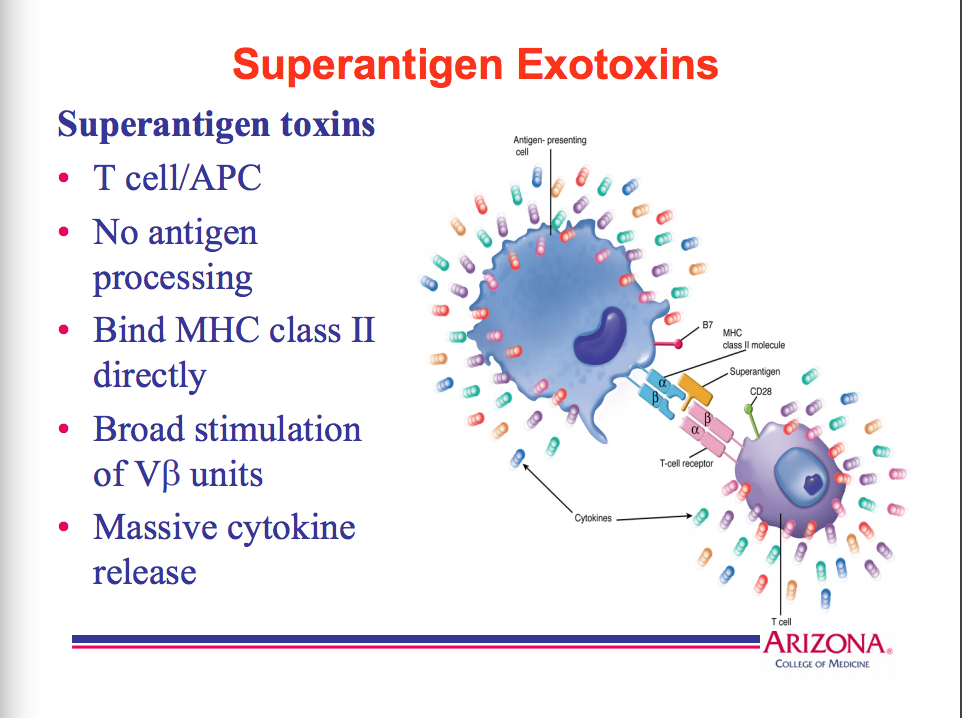
– Superantigen
• Endotoxin Inflammatory Response
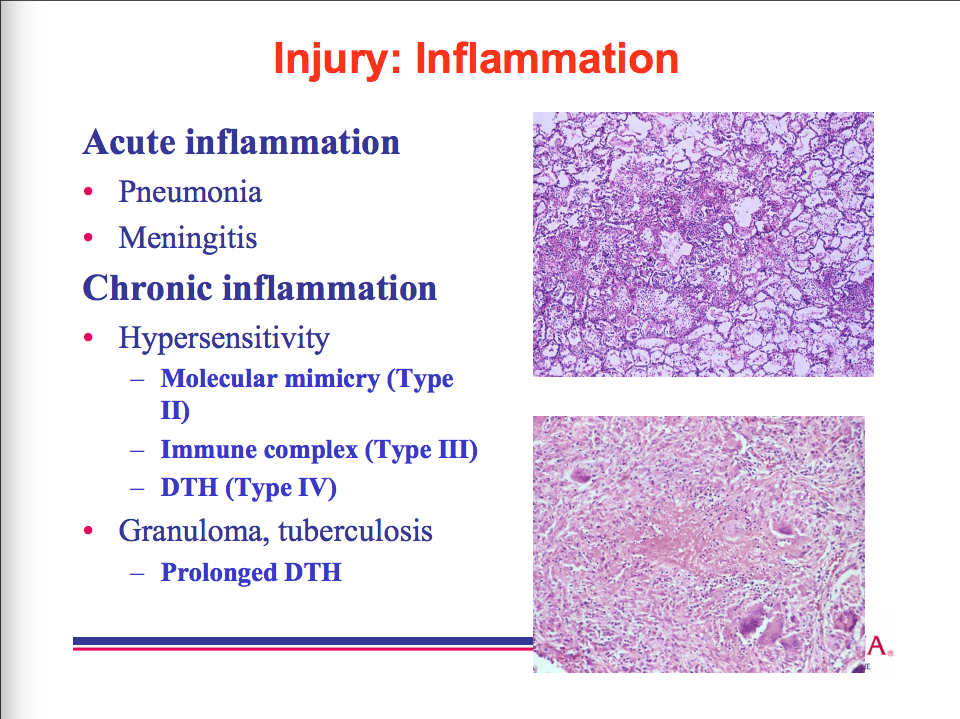
- Acute
- Chronic
A/B Toxins
Membrane Active Exotoxins
• Cytotoxins
– pore forming
– Inserts in lipid bilayer
– Leakage of essential components
– Osmotic instability
Superantigen Toxins
Protein (Toxin) Secretion
Endotoxin - LPS
Inflammation
Genetics of Virulence
- Genetic evolution
- Regulation
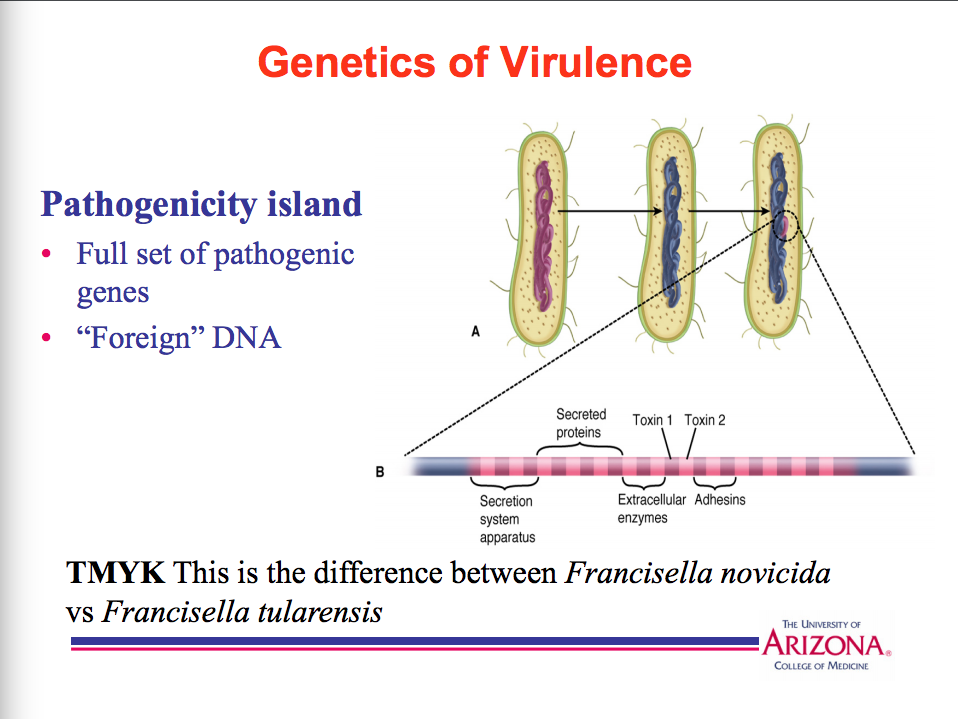
- Pathogenicity island
Genetic Evolution
• Chromosome
– Homologous recombination/ transformation
– Transposon
• Gene transfer
– Virulence plasmids
* Conjugation
* Transduction
Regulation
- Operons/regulons
- 2-component systems
Pathogenicity Island

-
Staphylococcus20
-
Streptococci and Enterococci48
-
Cornyebacteria, Listeria, Bacillus30
-
Clostridia and Other Anaerobes47
-
Mycobacterium Tuberculosis38
-
TB Treatment25
-
Actinomyces and Norcardia11
-
Haemophilus16
-
Bordetellae & Mycolasmae25
-
Vibrio, Campylobacter & Helicobacter33
-
Pseudomonas, Legionella, Moraxella and Other Gram Negative Bacilli19
-
Neisseria and Polysaccharide Conjugate Vaccines23
-
Enetrobacteriaceae I32
-
Plague & Zoonoses29
-
Spirochetes50
-
Chlamydia, Ricksettia & Other Intracellular Bacterial Pathogenss36
-
Enterobacteriaceae II31
-
Introduction to Antibiotics17
-
Antimicrobial Resistance6
-
Antibiotics: Cell Wall Synthesis Inhibitors46
-
Antibiotics: Inhibitors of Protein Synthesis18
-
Antibiotics: Inhibitors of Protein Synthesis18
-
Basic Bacteria Structure & Metabolism33
-
Basic Bacteria Genetics and Classification17
-
Bacterial Pathogenesis22
-
Antibiotics17



