Biochem Flashcards

(502 cards)

1
Q

Common GBA mutations

A

AJew: N409S (formerly N370S)

Europe: L483P (formerly L444P)

  • Original nomenclature not include first 39AAs
2
Q

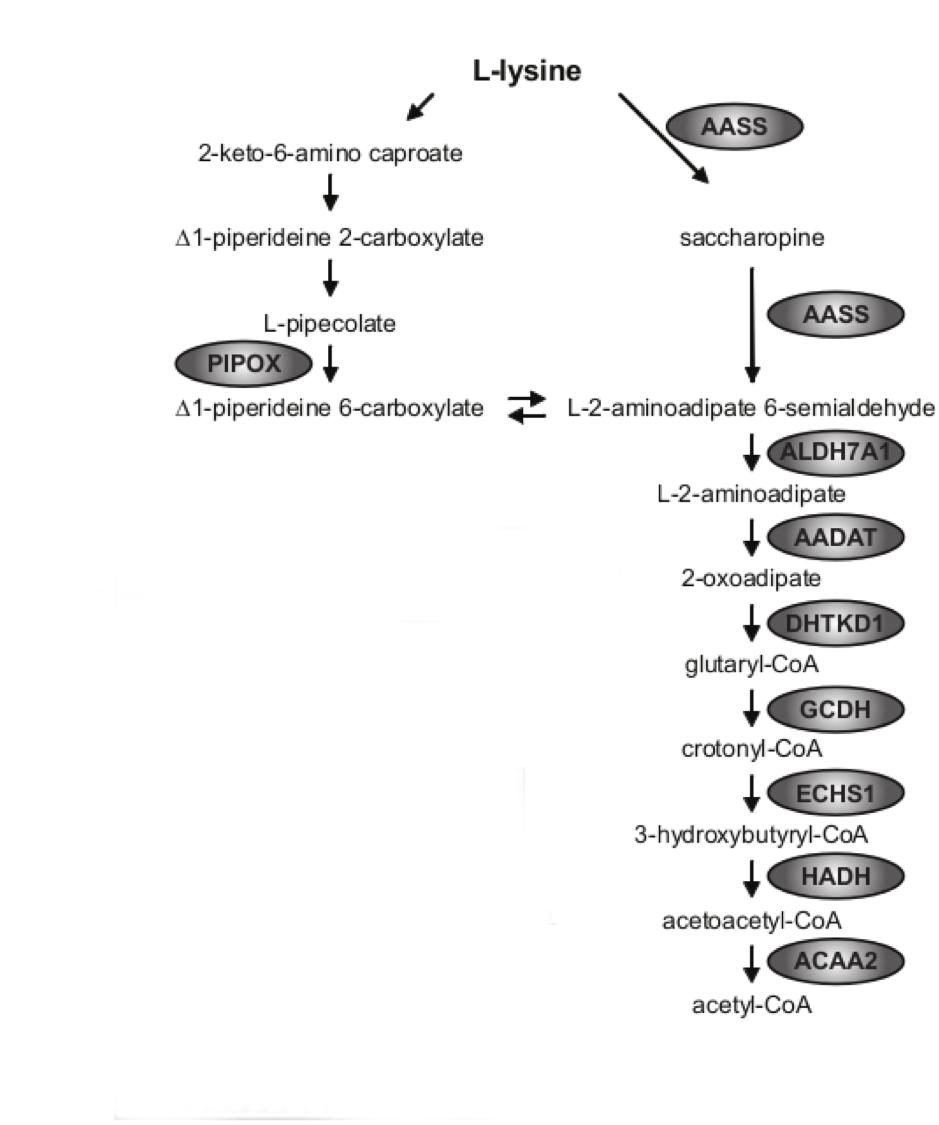
increased aminoadipic acid semialdehyde (AASA), increased pipecolic acid

A

Pyridoxine Dependent Epilepsy (aminoadipic acid semialdehyde dehydrogenase)

ALDH7A1 (antiquitin)

  • High P6C complexes with pyridoxal 5 phosphate (B6)

Tx: B6, folinic acid, lysine restriction, arginine supplement

DDx; PNPO deficiency
3
Q

Neuroimaging for GA1

A

Subarachnoid collections, Sylvian fissure enlargement, BG strokes

4
Q

GA1 treatment

A

Limit substrate: Lysine free, reduced tryptophan; carnitine (glutaryl carnitine can be excreted), ?add arginine (compete with transporter)

5
Q

ACP: C5DC

Low carnitine

UOA: 3-OH glutaric acid, glutaric acid

A

GA1

Clinical: Macrocephaly, encephalopathy, strokes (up to age 6, natural flux of transporter decreased as brain matures)

Gene: Glutaryl-CoA dehydrogenase (GCDH)

UOA: glutaric acid, 3-OH Glutaric acid (co-elutes with 2OH-GA) Decreased carnitine

ACP: glutarylcarnitine = C5DC LOW EXCRETERS EXIST

6
Q

DDx for elevated glutaric acid in urine

A

gut bacteria overgrowth

ketosis

SCHAD (breaks down 3OH-glutaryl-CoA),

mitochondrial,

2OH-GA in GA2,

benign GA3 (NO C5DC),

renal disease,

maternal GA1

7
Q

DDx for high glycine

A

NKH

VPA treatment

Ketotic (PA, MMA, IVA, B-ketothiolase deficiency)

PNPO deficiency

HIE (BBB breakdown)

prolonged fasting

8
Q

Lipoic acid dependent pathways

A

BCKDH, PDH, 2-KGDH, 2-OADH, GCS (glycine cleavage system)

9
Q

AA (CSF and Plasma) : Glycine elevated, Glycine CSF/Plasma ratio > .08

A

NKH

Genes: glycine decarboxylase/dehydrogenase (GLDC), aminomethyltransferase (AMT), Modified lipoic acid/dihydrolipoyl dehydrogenase (GCSH)

Elevated lactate in variant forms (lipoic acid/iron-sulfur cluster disorders)

10
Q

NKH treatment

A

Na-Benzoate - conjugate with glycine to form hippurate which can be excreted;

dextromethrophan/ketamine for NMDA antagonism; folinic acid

11
Q

Cherry Red Spots

A

NP-A (HSM)

GM1 gangliosidossis (HSM)

GM2 gangliosidosis (no HSM)

Sialidosis

Krabbe

Farber

Metachromatic leukodystrophy

12
Q

Gaucher therapies

A

ERT: Imiglucerase, velaglucerase, taliglucerase

SRT: miglustat, eliglustat

13
Q

Fabry therapies

A

ERT: agalsidase-beta, agalsidase-alpha

Chaperone: migalastat

14
Q

Angiokeratomas

A

Fabry (a-Gal) - + renal/cardiac/stroke

Fucosidosis (a-fucosidase) - FUCA - + MPS features

B-Manosidosis (ID) - MANBA - + ID/neuropathy

Schilder (NAGA - aka a-GAL-B) - +neurodegeneration

15
Q

Extensive mongolian spots

A

MPSI, MPSII, GM1

16
Q

Heparan sulfate

A

Heparan = Head

MPS I, II, III, VII (Brain involvement)

17
Q

Dermatan sulfate

A

Dermatan = bone + systemic

MPS I, II, VI, VII (Bone)

18
Q

Keratan sulfate

A

MPS VI (Bone)

19
Q

A-L-Iduronidase deficiency Treatment

A

MPS1 Hurler

HSCT before age 2

ERT: Iaronidase

20
Q

Distinguishing features of MPSII vs MPSI

A

X linked

No corneal clouding

Dermal pebbling

Iduronidase 2- sulfatase

21
Q

Iduronidase Sulfatase def. treatment

A

MPS II - Hunter

ERT: Idursulfase

22
Q

MPSIII diagnosis

A

Urine: Heparan sulfate

Gene/enzyme:

Heparan N-Sulfatase (SGSH)

Alpha-N-acetyl-glucosaminidase (NAGLU)

aceyl-coa-glucosaminide acetyltransferase (HGSNAT)

N-acetylglucosamine-6-sulfatase (GNS)

23
Q

MPS IV diagnosis

A

Morquio

Urine: Keratan sulfate

Normal intellect

Enzyme:

N-acetylgalactosamine-6-sulfatase (GALNS)

Beta-galactosidase (GLB1, Same enzyme as GM1 gangliosidosis)

24
Q

Morquio treatment

A

ERT: Elosulfase Alpha for type IV A

25
arylsulfatase B
MPS VI - Maroteaux Lamy Enzyme: ARSB Clinical: Normal intellect, macrocephaly, bone involvement ERT: Galsufase
26
Beta glucuronidase
MPS VII (GUSB) - Sly Hurler like
27
a-mannosidosis
Gene: MAN2B1 (manosidase alpha) Clinical: MPS like Dx: urine oligosaccharides, GAGs NORMAL **Tx: HSCT**
28
Neuraminic acid in urine, cherry red spot
Sialidosis Enzyme/Gene: Acid sialidase (a-neuroaminidase NEU1) - sialic acid is BOUND to other sugars since this cleaves SA Type 1: Cherry red spot, myoclonus, decreased vision Type 2: progressive psychomotorsymptoms, kyphosis, dysmorphic, ataxia, deafness neonatal: congenital hydrops Dx: urine neuraminic acid, oligosaccharides
29
Angiokeratoma, ID, neuropathy
B mannosidosis MANBA gened (beta mannosidase) Dx: urine oligosaccharides
30
Neurodegeneration, HSM, dysostosis, angiokeratomas
Fucosidosis FUCA1 gene (Fucosidase) Dx: Urine oligosaccharides
31
Schindler disease
a-N-acetylgalactosaminidase/**a-galactosidase B** (NAGA) Clin: neurodegenration, myoclonic epilepsy Dx: Urine oligosaccharides
32
HSM, neurodegeneration, connective tissue changes
Aspartylglucosaminuria Aspartylglucosaminase (AGA) Oligosaccharidosis Dx: Urine oligos, enzyme testing
33
UPDGlcNAc 1-P-transferase deficiency
Mucolipidosis II and III diagnosis (I cell disease/Pseudo Hurler) - Unable to phosphorylate mannose -\> cannot get enzymes into lysosomes - MPS like + gingival hyperplasia Dx: Elevated urine GAGs Normal WBC (lysosomal) enzyme activity with **elevated plasma enzyme activity** due to improper targeting (mannose 6 P)
34
Salla disease
Sialic Acid Storage Gene: SLC7A5 (#7) in picture Biochem: Sialin deficiency -\> deficient sialic acid (N-actylneuraminic) transport out of lysosome Clin: Hypotonia, neurodevelopmental, ataxia, spasticity, epilepsy Dx: Free sialic acid in urine (also seen in GNE)
35
Sialiduria
Gene: GNE (UDP Acetylglucosamine 2 epimerase) Myopathy OR ID, HSM, seizures Dx: Urine sialic acid
36
Cystinosis
Gene: CTNS (Cystinosin) Biochem: Lysosomal cystin transportin Clin: FTT, HSM, myopathy, corneal crystals, thyroid, pancreas, testes, renal fanconi, renal failure Dx: cystine in leukocytes Tx: Cysteamine and cysteamine eye drops
37
Fabry urine biomarket
GL3
38
Acid B-galactosidase deficiency
GM1 Morquio type B galactosialidosis
39
GM1 clinical subtypes
Infantile: Hydrops, neurodevelopmental arrest, HSM, dysostosis multiplex, cherry red spot, vision loss, death by 2 Juvenile: ataxia, HSP Adult: ataxia, dystonia
40
Foamy histiocytes, Vacuolated lymphocytes Low B-galactosidase activity + cherry red spot, spasticity, HSM NORMAL neuraminidase assay
GM1 gangiosidosis GLB1 - Hypotonia, DD, coarse facies, dysostosis multiplex, cherry red spot, HSM, spasticity - Need to do neuraminidase assay when B-Galactosidase is abnormal to rule out galactosialidosis
41
Biochem types of GM2
Tay Sachs - Hex A Sandhoff - Hex B (elevated urine oligos, varuolated lymph) GM2 activator protein (both Hex A and B levels normal)
42
What are the 3 clinical subtypes of GM2 gangliosidosis?
Infantile: Macrocephaly, cherry red macula, neuro issues, vision loss Juvenile: ataxia, cognitive, vision loss, seizures, weakness Adult: ataxia, neuromuscular, neuropsych
43
Sphingomyelinase deficiency (SMPD)
Niemann Pick A and B A: HSM, cherry red manula, neurological, interstitial lung disease B: MIlder, + hyperlipidemia, **normal intellect** Dx: Foam cells in bone marrow
44
Sea blue histiocytes, abnormal cholestane-3β-5α-6β-triol, 7-ketocholesterol (oxysterols), filipin positive
NPC NPC1 and NPC2 (intracellular cholesterol transporter)-\> cholesterol storage - Neontal: Hydrops, cholestasis, **liver failure**, HSM, thrombocytopenia, - Juvenile: neurodegeneration w/ movement do, **vertical supranuclear gaze palsy,** cherry rest spot (50%), epilepsy, cataplexy, dystonia
45
NPC clinical symptoms
Supranuclear gaze palsy, HSM, cherry red spots, neuro
46
NPC treatment
SRT: Miglustat HSCT
47
B-galactocerebrosidase disease
Krabbe GLAC Clinical: WM disease, extreme irritability Adult form: vision loss, neuropsych Dx: CSF protein up Tx: HSCT before 1 month?
48
Metachromatic leukodystrophy
ARSA (Arylsulfatase A) Clinical: CNS, peripheral neuropathy Dx: urine sulphatides, CSF protein Beware Pseudo Deficiency
49
Pompe associations
Cardiomyopathy Short PR Myopathy
50
Pompe treatment
ERT: Aglucosidase alpha Immune modulation if CRIM negative
51
Pompe diagnosis
GAA (a-glucosidase) Urine HEX4 oligosaccharides Vacuolated lymphocytes
52
NCL symptoms
Seizure vision loss neurodegenerative extrapyramidal
53
Buffy Coat EM for ceroid storage, vacuolated lymphocytes
NCL fibroblast findings
54
LSD with Adrenal calcifications
Wolman Disease Gene: LIPA (lysosomal acid lipase) Biochem: storage of cholesterol esters and TG Clin: Adrenal calcifications, diarrhea, steatorrhea, HSM, anemia Dx: Elevated cholesterol Tx: Statins, ERT - sebelipase alpha
55
SRTs for Gaucher, Fabry, NPC
Gaucher - eliglustat, miglustat Fabry - migalastat NPC - miglustat
56
Features of peroxisomal disorders
Dysmorphic: large fontanelle, high forehead, shallow supraorbital ridge, epicanthal folds, micrognathia Ears: ear anomalies, hearing loss Eyes: Retinal dystrophy, cataracts Liver: Cholestasis/Cirrhosis
57
Dx of Zellweger Spectrum
VLCFA up Plasmalogen nl or low Phytanic acid/pristanic acid/bile acids nl or high (phytanic from diet so normal in newborns) Pipecolic acid high
58
MRi findings in ZSD
Zellweger: pachypolymicorgyria neonatal ALD: WMS
59
Isolated Plasmalogen low
RCDP PEX7 (phytanic acid high, pristanic acid low) Alkylglycerone-phosphate synthase (AGPS) Glyceronephosphate O-acyltransferase (GNPAT)
60
RCDP + Hypoplasia of distal phalanges
XL RCDP - males Gene: ARSE Hypoplasia of distal phalanges
61
XL RCDP - females
Conradi Hunermann Gene: EBP - Sterol delta-8 isomerase (male lethal) Dx: 8-dehydrocholestrol, 8(9)-cholesterol - Assymetric
62
DDx for chondrodysplasia punctata
RCDP XL RCDP (male and female forms) Warfarin embryopathy Maternal SLE
63
Most common peroxisomal disorder
XALD
64
Forms of XALD
ALD, ANM, Addison's - all boys with adrenal insufficiency should be checked because this can precede neurological sx
65
XALD Diagnosis
ABCD1 gene ATP binding cassette transporter for saturated VLCFAs into peroxisome Disorder of Beta-Oxidation Biochem: elevated VLCFA (C26:0)
66
XALD treatment
Early HCST - will take 6-9 months for new glial to be functional -\> need to transplant at neurological changes HSC gene therapy Lorenzo's oil (glyceryl trioleate and trierucate 4:1) Hormone replacement - steroids
67
XALD in females
20% develope late onset neurological changes, adrenal problems rare
68
XALD brain MRI
occipital/parietal leukodystrophy
69
Which peroxisomal disorder has normal VLCFA
RCDP
70
High phytanic acid, low pristanic acid
Adult Refsum Disease PHYH (Phytanyl CoA hydroxylase) Clin: RP, neuropathy, ataxia, deafness, ithchyosis, skeletal, cardiac , NORMAL intellect Dx: high phytanic acid, low pristanic acid, high CSF protein Tx: Phytanic acid restriction, PLEX - can be misdiagnosed as Usher
71
Dx: Elevated bile acids, high pristanic acid
a-methyl-acyl-CoA racemase deficiency AMACR (isomerase that converst pristanic acid and bile acids to form needed for B-oxidation) Adult neuropathy, encephalopathy, neonatal hepatopathy Tx: bile acid substitution
72
Joint contracture, Skin nodules, Hoarse voice, neurodegeneration - Allelic with SMA-PME
Farber disease - acid-ceramidase deficiency ASAH Clin: joint, skin nodules, hoarseness, neuro Tx: HSCT
73
Saposin Disorders
PSAP gene (Protein cleaved into 4 small molecules required for sphingolipid hydrolysis) A: variant Krabbe (galactosylceramidase) B: Variant MLD (arylsulfatase A) C: Variant Gaucher (B-glucosidase) Combined: severe neuro/HSM
74
Wolf Parkinson White + pompe like LSD
Danon Disease LAMP2 (**X linked**) - membrane protein Pompe-like (liver, heart, muscle) + WPW sndrome
75
Gaucher Buzzwords
HSM horizontal saccades (horizonal supranuclear gaze palsy) tissue paper macrophages erlenmeyer flask
76
Hepatic/hypoglycemia GSDs
0, 1
77
Muscle GSDs
V, VII
78
Mixed GSDs
III, IV, VI, IX
79
GSD1 Dx
Gene: G6PC (G6Phosphatase), SLC37A4 (G6P Transporter) - Last step of gluconeogenesis Labs: high lactate, TG, uric acid, low glucose glucose challenge -\> fall in lactate
80
GSD1 features
Doll-like facies, big belly, thin extremities Type 1B also has neutropenia/infections Monitor: **hepatic adenoma**, IBD, renal function, osteopenia, anemia
81
GSD3 features
Cori/Forbes Muscle and liver involvement Milder than type 1 (debranching enzyme, so can process some glycogen) + Cardiomyopathy
82
Hepatic GSD PAA: low ala, leu, ile, val
GSD3 - Cori AGL (debranching enzyme) Gluconeogenesis is funcitonal -\> can use proteins for energy Elevated LFTs, TG, lactate Tx: same as GSD1, but **add alanine** (alanine -\> pyruvate), fructose, and galactose
83
Polyglucosan accumulation, FTT, cirrhosis, fetal akinesia Adult neurodegeneration
Andersen, GSD IV GBE1 (branching enzyme) - **Polyglucosan = unbranched glycogen** -\> can accumulate in CNS too TFF, Hepatomegaly, cirrhosis, neuromuscular, HCM Dx: enzyme assay Tx: Transplant
84
Hepatic GSDs that resolved in puberty
GSD6: Hers Disease, PYGL (Liver phosphorylase) GSD9: Phosphorylase Kinase subunits: PHKA (X LINKED); PHKB, PHKG2 (AR) Clinical: Hepatic GSD, mild, hepatomegaly decreases with age Dx: Low glu, high lactate, LFTs; glucose challenge -\> Rise in lactate Tx: maintain normoglycemia
85
GSD0
Glycogen synthase Clin: FTT, hypoglycemia, NORMAL liver size (cannot make glycogen)
86
Muscle GSDs
Type 5, Mcardles: PYGM (Phosphorylase) Type 7, Tauri: PFKM (PFK) X linked: PHKA1 (phosphylase kinase)
87
Fanconi-Bickel Disease
GSD XI GLUT2 (SLC2A2 - glucose transporter) Clin: FTT, renal fanconi, rickets, aminoaciduria, phosphaturia, glucosuria, malabsorption, large liver AND kidneys
88
Most common CDG
PMM2 (CDG1a)
89
PMM2-CDG features
cherubic face inverted nipple fat pads oringe peel skin neuropsych RP dysostosis multiple
90
Where are N linked glycans attached
Nitrogen of Asn in part of Asn-X-Ser consensus sequence
91
N linked glycosylation functions
Protein stability complex formation leukocyte targeting/inflammation cell-cell recognition
92
O linked glycosylation functions
ABO groups antibacterial sperm binding cell adhesion/migration
93
Causes of abnormal isoelectric focusing
CDG Transferrin polymorphisms HFI/Galactosemia EtOH use Liver Disease
94
O linked CDG features
Muscle-eye-brain disease
95
GPI anchor disorders cause...
Seizures, ID
96
CDG1b (MPI) symptoms
protein losing enteropathy
97
Which CDG do you treat with mannose
CDG1b, phosphomannose isomerase (MPI)
98
Which CDG uses fructose, xylose, and mannose
O-linked
99
Hex4 can be seen in
Pompe CDG-MOGS (hypotonia, dysmorphic)
100
Dolichol CDG features
bone, skin, growth issues (cholesterol pathway)
101
CDG treated with heart transplant
DOLK1 CDG
102
Wilson-like CDG without KF-rings
MPI, TMEM199, ATP6AP1 Treat with transplant
103
Electron movement in ETC complexes
I - NADH -\> CoQ II - FADH2 -\> CoQ III - CoQ -\> Cytochrome C IV - Cytochrome C -\> O2 (pump H+) V - Proton flow back for ATPase
104
A3243G, tRNA-leuUUR
MELAS mutation
105
high ornithine, normal ammonia, vision loss
OAT (ornithine aminotransferase deficiency) biochem: High ornithine, low creatinine (Orn is product of AGAT, first step of creatine synthesis) Gyrate atrophy of retina (peripheral vision loss) + cataracts Tx: Pyridoxine, arginine restriction (after neonatal period)
106
PAA: high proline UOA: high proline, OH proline, normal P5C
Hyperprolinemia type 1 PRODH (proline oxidase) Asymptomatic, risk for schizophrenia Heterozygotes also have high proline
107
PAA: high proline UOA: high proline, OH proline, P5C
Hypreprolinemia type 2 ALDH4A1 (P5C dehydrogenase) Epilepsy, ID, pyridoxine deficiency (P5C binds pyridoxine) Tx: may respond to pyridoxine
108
High OH proline + XLE
hydroxyprolinuria OHproline oxidase deficiency (takes place in extracellular matrix) non-disease, but false positive for MSUD because it looks the same as Leu, Ile, and AlloIle on Mass Spec
109
ID, Ulcers, infections
Prolidase Deficiency PEPD (peptidase- degrade dipeptides with N terminal Prolines) Dx: UAA - iminodipeptides elevated
110
PAA: low proline, ornithine, arginine, citrulline
Hypoprolinemia P5CS (P5C synthase deficiency) Cataract, ID, joint laxity, hyperammonemia
111
P5C reductase deficiency
PYCR1 and 2 1: cutix laxa, osteopenia 2: leukodystrophy
112
PAA and CSF: Low Serine
PGDH, PSAT, PSPH (dehydrogenase, aminotransferase, and phosphotase) Biochem: Serine synthesized from 3-P-glycerate (glycolysis) May have low glycine and CSF MTHF
113
Clinical features of serine deficiency
Clinical: Neu-Laxova syndrome (IUGR, severe dysmorphic features and malformations including CNS) Infantile form: CNS/cataracts, ichthyosis Tx: Serine supplementation
114
Low ASN
Asparagine synthase deficiency (ASNS) Biochem: converts ASP -\> ASN Clinical: severe CNS, hyperekplexia
115
Isolated CSF Serine deficiency
SLC1A4 – ASCT1 neutral amino acid transporter CNS Serine transporter Hypomyelination, atrophy, spasticity
116
Low glutamine, normal glutamate
Glutamine synthetase deficiency (GLUL) Hyperammonemia Severe CNS, limb defects
117
High glutamine, normal glutamate
Glutaminase deficiency (GLS) Can be caused by 5'UTR expansion DD, spasticity, seizures, cerebellar atrophy
118
Low glutamine, high glutamate (UAA, MRS)
Glutaminase hyperactivity (GLS) NORMAL Glu/Gln in plasma and CSF DD, regression, cataracts, subcutaneous nodules
119
Low GAA (Guanidinoacetic acid), Creatine, Creatinine; decreased Creatine/Cr
AGAT (Arginine-Glycine amidinotransferase) GATM gene Biochem: Arg + Glycine -\> Ornithine + GAA Clinical: ID Tx: Creatine supplement
120
High GAA, low Creatine, decreased Creatine/Cr
GAMT (Guanidinoacetate methyltransferase) Biochem: GAA + SAM -\> Creatine Clinical: ID, epilepsy, movement do Tx. Creatine, arginine, ornithine supplement, Na Benzoate
121
High Creatine/Cr ratio; low Creatine in MRS
Creatine transporter SLC6A8 X linked ID (up to 2% of all boys with ID), epilepsy
122
Urine: 3-methylcrotonylglycine, 3-OH-IVA ACP: C5OH
3MCC Gene: MCCA, MCCB Likely aysmptomatic, may decompensate + secondary carnitine deficiency
123
Homogentisic acid in urine
Alkaptonuria HGD gene Arthritis, ochronosis, dark coloration of urine with exposure, thyroid dysfunction, aortic stenosis, prostate stone
124
CAVA
Carbonic anhydrase Biochem: water + CO2 -\> bicarb (needed for CPS1, TCA cycle) Clinical: hyperammonemia + hypoglycemia Lab: high ammonia, lactate, ketone, glutamine, maybe carboxylate metabolites Tx: Like UCD (carbaglu)
125
Urine: Elevated Cystine + Arg, Lys, Orn + nitroprusside test
Cystinuria SLC3A1 (AR), SLC7A9 (AD) Nephrolithiasis, may be part of deletion syndrome on 2p Tx: hydration, urine alkinization with K-Citrate, diet, Thiols/captopril to reduce cystine in to cysteine
126
Treatment of Pterin defects
L-Dopa 5Oh Tryptophan (serotonin precursor) Kuvan (tetrahydroBiopterin)
127
Pterin pathway
GTP -(GTPCH)-\> (PTPS) -\> (SR) -\> BH4 -(PCD) -\> BH2 -(DHPR)-\> BH4
128
Normal Phe, Low Neopterin, Low Biopterin
GTPCH (GTP Cyclohydrolase) GCH1 gene Dopa Responsive Dystonia - Homozygotes can have high phe
129
Normal Phe, Normal Neopterin, High Sepiapterin
SR (Sepiapterin Reductase) SPR gene Dopa Responsive Dystonia - CSF neopterin can be high or normal
130
High Phe, High Neopterin, Low Biopterin
PTPS (6-pyruvyl tetrahydropterin syntase) PTS gene DD, hypotonia, epilepsy, dystonia
131
High Phe, High Neopterin, Low/Normal Biopterin, Primapterin (Urine)
PCD (Pterin Carbanoamine Dehydratase) PCBD1 gene Motor symptoms Allelic with hypomag and MODY
132
High Phe, normal neopterin, high biopterin
DHPR (Quinoid dihydropteridine reductase) QDPR gene severe CNS Tx: Dopa, 5OH-Try, Folinic acid (secondary cerebral deficiency) Do NOT give Kuvan (tetrahydrobiopterin)
133
Clinical subtypes of porphyria
Hepatic/neurovisceral Cutaneous Blistering (normal urine PBG) Cutaneous non-blistering (High protoporphyrin)
134
Hepatic Porphyria: High urine aminolevulinic acid, normal porphobilinogen
ALAD (PGB synthase) AR - Aminolevulinic acid dehydratase prophyria Hepatic DDX for high ALA: tyrosinemia, lead poisoning
135
Hepatic Porphyria: High porphobilinogen,; no fecal findings
Acute intermittent prophyria (HMBS) AD Hepatic
136
Treatment of hepatic/neurovisceral porphyrias
1) Hemin (feedback inhibition) 2) carb load (inhibit ALAS - first step) 3) Givosiran (siRNA for ALAS)
137
Hepatic Porphyria: High PGB, High fecal coproporphyrin
Heriditary coprophorphyria (CPOX) AD Biochem -\> coprophorphyrin oxidase Hepatic and blistering
138
Hepatic porphyria: High PGB, high fecal copro and proto porphyrin
Porphyria Variegata (PPOX) AD Biochem: protoporphyrin oxidase Hepatic and blistering
139
Cutaneous Blistering: high PGB, fecal coproporphyrin
Coproporphyrinogen oxidase CPOX Hepatic and blistering porphyria
140
Cutaneous Blistering: high PGB, fecal copro and protoporphyrin
propoporphyrinogen oxiddase PPOX Hepatic and blistering porphyria
141
Porphyria Cutanea Tarda Tx
Hydroxychloroquine and phlebotomy
142
Biomarker for porphyrias
Hepatic: ALA high during episodes, high urine PBG (except for ALAD) Blistering: normal uring PBG Non blistering: RBC protoporphyrin
143
Cutaneous Blistering: normal PGB, coproporphyrin \> uro/carboxylated porphyrins
Congenital erythorpoietic porphyria (UROS) URO synthetase Severe skin + corneal ulceration + teeth discoloration + red urine + hemolytic anemia
144
Cutaneous Blistering: normal PGB, uro/carboxylated porphyrins \> coproporphyrin
Porphyria Cutanea Tarda (AD) (UROD) - dehydrogenase Adult onset, most common porphyria (can be secondary) Hepatoerythropoetic porphyria (AR) - Homozygotes have severe infantile presentation of skin, teeth + hemolytic anemia just like UROS (previous enzyme in pathway)
145
Non-blistering porphyria: high protoporphyrin (RBC, fecal), RBC zinc \< 15%
erythropoetic protoporphyria FECH (ferrochelolase)
146
Non-blistering porphyria: high protoporphyrin (RBC, fecal), RBC zine 15-50%
X-linked protoporphyria ALAS (ALA synthase) hyperactivity - Deficiency - X linked siderloblastic anemia
147
Haem Metabolism pathway
Glycine + succinyl CoA -(ALAS)-\> :Non-blistering ALA -(ALAD)-\> :Hepatic Porphobilinogen -(HMBS)-\> :Hepatic Hydroxymethylbilane -(UROS)-\> :Blistering + hemolytic Urophyrinogen -(UROD)-\> :Blistering Coproporphyrinogen -(CPOX)-\> :Hepatic/Blistering Protoporphyrinogen -(PPOX)-\> :Hepatic/Blistering Protoporphyrin -(FECH) -\> :Non-blistering Haem
148
What are the protoporphyrias
non-blistering cutaneous porphyrias (Sun -\> Pain) ALAS hyperactivity (first step of pathway) FECH (Ferrochetolase - Last step of haem synthesis)
149
Name the 2 ALA - synthase diseases
X linked protoporhyria (Hyperactivity) X linked sideroblasatic anemia (deficiency)
150
Which porphyrias are both hepatic and blistering
Hereditary Coproporphyria (CPOX) and Variegate porphyria (PPOX) - Both caused by oxidase deficiencies - Final 2 steps of pathway before ferrochetolase
151
What are the main products of Trytophan degradation?
Niacin (B3), Melatonin, Serotonin
152
UAA: High Ala, Ser, Thr, His PAA: Low Ala, Ser, Thr, His
Hartnup SLC6A19 (B0AT1 protein) Neutral AA transporter Dermatitis, Diarrhea, Dementia (Pellagra like) + Cerebellar Most asymptomatic (dietary niacin?)
153
How to tell apart Hartnup from Fanconi or generalized aminoaciduria on UAA?
Gly, proline, Met are normal in Hartnup high in Fanconi/aminoaciduria
154
Trp transporter defect
Blue diaper syndrome Bacterial convert trp to indole --\> blue eye
155
UOA: Xanthurenic acid
Kynureninase and HAAO deficiency Biochem: Trp -X-\> niacin VACTERL-like, hyperphalangism (extra bone in prox. middle phalanges)
156
Hypertryptophanemia
Tryptophan Dioxygenase Deficiency (TDO) non-disease Tx: nicotinic acid (niacin) supplement
157
Nicotinamide nucleotide adenylyltransferase 1 (NMNAT1) deficiency
Leber congenital amaurosis Congenital coloboma, optic atrophy NAD biosynthesis defect
158
ACP: Elevated C10:2
Dienoyl-Coa reductase (DECR) NADK2 Defect in NAD phosphorylation to NADH CNS: Movement do, seizure, hypotonia, optic atrophy PAA: high lysine
159
Hydrated NAD (NADHX) repair defects
NAXD (dehydrogenase) and NAXE (epimerase) Febrile triggered - neurodegeneration, blistering skin lesions, cardiac
160
2 causes of elevated Histidine
Histidinemia - HAL gene, imidazolepyruvic acid in urine Urocanic aciduria (UROC1 gene) Both non-disease
161
What 3 AA make up glutathione
Glutamate, Cysteine, Glycine AKA: gamma-glytamylcysteinylglycine
162
Low glutathione, hyperaminoaciduria, normal 5-oxoproline
Gamma-glutamylcysteine synthetase deficiency Part of glutathione synthesis Hemolytic anemia + ?neurodegeneration Tx: Avoid triggers (like G6PD), Vit C + E
163
High urine and plasma glutathione
gamma-glutamyl transpeptidase deficiency (First step of glutathione degradation) GGT1 gene ID, psychosis
164
High cystinylglycine
Dipeptidase deficiency Biochem: Glutathione breakdown pathway Glutathione levels normal CNS, neuropathy, deafness
165
Low glutathione, high 5-oxoproline
Glutathione synthetase deficiency GSS gene Hemolytic anemia + neurodegeneration Tx: Vit E, N-acetylcystine, avoid G6PD triggers
166
DDx for high 5-oxoproline
Glutathione synthetase deficiency (Hemolysis + CNS) 5-oxoprolinase deficiency (OPAH gene, non disease?) Acute metabolic decompensation (mito, PA, urea cycle) SJS medications prematurity Nutritional
167
Rotting fish odor
Trimethylaminuria (FMO3 or DMGDH) Biochem: Choline degradation pathway Dx: Choline loading protocol (measure TMA and TMA-oxide in urine before and after) Tx; Dietary restriction (milk, choline, lecithin, seafood)
168
DDx Elevated sarcosine (PAA)
Sarcosinemia (SARDH) -\> causes false elevation in Creatinine measurements -\> false positive for renal failure (BUN normal) GA2 Folate deficiency
169
Choline breakdown products
1) Choline -\> Betaine -\> Dimethylglycine -\> Sarcosine -\> Glycine 2) Choline -\> Trimethylamine -\> TMA-oxiide
170
Treatment for GSD 1
Glycosade (modifined cornstarch) or uncooked cornstarch Liver/kidney transplant
171
GSD V vs GSD VII distinguishing characteristic
GSD V -\> second wind GSD VII -\> Out of wind (F6P inhibition of FAO), golyglucosan storage (high G6P activates glycogen synthase, mild erythrocytosis and hemolysis (gluconeogenesis defect affecting RBCs)
172
5 Coenzymes for PDH complex
1 - Thiamine (TPP) 2 - Flavin (FAD) 3 - Lipoic acid 4 - CoA 5 - Nicotinamide (niacin)
173
3 steps of pyrimidine catabolism
Uracil/Thymine ---\> B-alanine/B-aminoisobutyric acid 1) dihydropyrimidine dehydrogenase 2) dihydropyrimidase 3) B-ureidopropionase
174
Hight urine thiamine and uracil
Dihydropyrimidine dehydrogenase deficiency Gene: DPYD - asymptomatic vs seizures and ID - 5FU toxicity
175
UOA: high dihydrouracil/dihydrothymine, uracil, thymine
dihydropyrimidinase deficiency Gene: DPYS - asymptomatic vs seizures and DD - 5FU toxicity
176
high ureidopropionate, B-alanine, and ureidoisobutyrate (normal-high dihydrouracil, dihydrothymine, uracil, thymine)
B-ureidopropinase deficiency (B-alanine synthase deficiency) gene: UPB1 - Asymptomatic vs dystonia - 5FU toxicity
177
CSF AA: high GABA, B-alanine, homocarnosine
GABA transaminase Deficiency gene ABAT Biochem: GABA -\> succinate semialdehyde Clin: epileptic encephalopathy, macrosomia; increased growth Avoid vigabatrin
178
UOA: 4-hydroxybutyric acid (Gamma hydroxy-butyrate)
Succinic Semialdehyde Dehydrogenase SSADH gene: ALDH5A1 Clin: Slowly progressive neuropsych, movement do, seizures MRI: BG/WM disease - Avoid VPA
179
High carnosine
Carnosinase deficiency - incidental finding - ?homocarnosinosis
180
Creatine synthesis pathway
Arg + Glycine - (AGAT) -\> ornithine + Guanadinoacetate - (GAMT) -\> creatine -(SLC6A8 transporter)-\> creatinine
181
CSF: High 3OMD, low 5-HIAA, low HVA, low MHPG, low VMA
AADC DDC gene biochem -\> converts 5-OHT and DOPA into serotonin and Dopamine - urine profile may be opposite of CSF
182
Treatment for AADC
Pyridoxine (B6), MAOi, agonists - Do NOT give DOPA or 5-OHT
183
CSF: Low HVA, low MHPD, low VMA, low 3OMD; normal 5-HIAA
Tyrosine hydroxylase (TH) Biochem: tyrosine -\> DOPA - Movement DO, encephalopathy - Dopa responsive
184
CSF: Low MHPG, low VMA
Dopamine B- hydroxylase (DBH) Biochem: Dopamine -\> Norepi - Dysautonomia Tx - droxidopa
185
CSF: Low MHPG, VMA, 5HIAA, and HVA; normal 3OMD
MAO deficiency MAOA (X linked), MAOB Clin: Serotonin + carcinoid features; atonic episodes, Dx - Elevated urine/CSF neurotransmitters (serotonin, tyramine, normetanephrine, etc) Tx: Diet
186
What neurotransmitter produces the following metabolites? 1) HVA 2) 5HIAA 3) MHPG 4) VMA 5) 3OMD
1) Dopamine 2) Serotonin 3) Norepi 4) Epinephrine 5) L DOPA
187
CSF: High HVA (isolated)
Dopamine Transporter (presynaptic uptake defect) SLC6A3 Clinical: Movement do HVA/5HIAA ratio \>5
188
CSF: normal Urine: high HVA and 5HIAA, low dopamine and norepinephrine
VMAT2 (SLC18A2) Biochem: defective vesicular loading Clin: Movement do Tx: Dopamine receptor agonist (pramipexole) - WORSE with L DOPA (dopamine does not make it into vesicle)
189
GSDs by ascending number
0 - Glycogen synthase (Hepatic, No HSM) I - G6P Phosphotase (Hepatic) II - Acid Maltase (Muscle) - cardiac involvement III - Debranching (Mixed) - cardiac involvement IV - Branching (Mixed) - cardiac involvement V - Myophosphorylase (Muscle) - 2nd wind VI - Liver Phosphorylase (Mixed) - mild VII - Muscle PFT (Muscle) - no wind IX - Liver Phosphorylase Kinase (Mixed) - mild
190
Hurler-like MPS and their enzymes
"-Ronidase" MPS I - a L iduronidase MPS II - Idurotnate sulfatase (X linked) MPS VII - B-Glucoronidase
191
Primary CNS MPS + enzymes
"Heparan and -glucosaminde" MPS III A: Hepran sulfatase (SGSH) B: N acetylglucosamidase (NAGLU) C: acetyl-Coa glucosaminide acyltransferase (HGSNAT) D: N-acetylglucosamine 6 sulfafase (GNS)
192
Primary Bone MSP and enzymes
"galacto-" MPS IV and VI IV A - galactose - 6- sulfatase (GALNS) IV B - B- Galactosidase VI - N-acetylgalactosamine 4 sulfatase (arylsulfatase B)
193
PAA: Low cit, high gln Urine: low orotic acid
CPS1 or NAGS CPS1 = rate limiting step Severe neonatal UCD N gets funneled into glutamine synthesis - NAGS can be replaced by carbamylglutamate (Carboglu)
194
PAA: High Gln, Low Cit/Arg Urine: Orotic acid high
OTC X linked - 2/3 inherited, 1/3 de novo Zinc-required for function
195
PAA: High gln, High cit, low Arg Urine: high orotic acid
Citrullinemia type I ASS Arginosuccinate synthase Milder UCD
196
PAA: High Arginosuccinic acid, high Cit, low Arg Urine: high orotic acid, high arginosuccinic acid
Arginosuccinic aciduria ASL (Lyase) + Trichorexis Nodosa Urine arginosuccinic acid is more sensitive than plasma
197
PAA: high Arg Urine: high orotic acid
Arginase Deficiency ARG1 gene Mild hyperammonemia, chronic sx High Arg -\> high GAA (creatine synthesis) -\> ID, seizures, neuropathy in 2nd decade - May be ornithine deficient
198
PAA: High Citrulline, may be high Thr/ Met/ Tyr
Citrin Deficiency (Citrullinemia type 2) Aspartate transporter (SLC25A13) Neonate: cholestatis, hepatomegaly Juvenile/Adult: hyperammonemia, dyslipidemia, FTT Tx: REPLACE ASP with high protein/high fat/low carb diet
199
PAA: High ornithine, normal Cit/Arg, high glutamine (ammonia) UOA: high ornitine, homocitrulline
HHH (Hyperammonemia, Hyperornithinemia, Homocitrulline) SLC25A15 - ornithine transporter Ammonia \> Gln levels - Can cause coagulopathy Tx: ammonia scavengers, cit supplement, protein restriction
200
DDx for hyperornithine
OAT (gyrate atrophy/eye changes) - treat with pyridoxine, arginine restriction after infancy HHH (Ornithine transporter) - treat with citrulline supplement, protein restriction, ammonia scavengers
201
How are UCDs IDed on NBS
Not all identifiable High Cit, Arg, or Arginosuccinic acid
202
What are ammonia scavengers
Na Benzoate (Conjugates with Gly) Phenylacetate (conjugates with Gln)
203
UOA: Succinylacetone
Tyrosinemia type 1 FAH (Fumarylacetoacetase) PAA: n-high Tyr SUAC inibits ALAD -\> ALA, porphyrins up Clin: Hepatorenal, hypoglycemia, neuropathy Tx NTBC, diet Monitor: Hepatcellular Carcinoma w/ AFPs
204
PAA: Very high Tyr, Phe UOA: 4OH phenylpyruvate/lactate/acetate
Tyrosinemia type II Tyrosine aminotransferase (TAT) Clinical: cornea lesions, hyperkeratosis Tx: diet
205
PAA: High Tyr
Tyrosinemia type III 4OHpyruvate dioxigenase deficiency (HPD) ? neuro involvement Diet Heterozygotes = hawkinsonuria (?FTT, acidosis)
206
UOA: homogentisic acid
Alkaptonuria Homogentisate dioxygenase (HGD) Clin: dark urine when alkalinized, arthritis, cardiac valve disease, skin discoloration (onchronosis) Tx: Diet, NTBC?
207
Maternal PKU treatment goal
\< 360umol/l (\<6mg/dL)
208
PKU treatment options
Diet - treat if \>600; do NOT treat if \<360 Tyr supplement Kuvan (sapropterin) if not null alleles Palinziq (enzyme replacement) if \> age 18 and for less strict diet Goal \<360 in pregnancy (ID and CHD)
209
PAA: Low Lys, Arg, Orn UAA: High Lys, Arg, Orn
Lyrinuria Protein Intolerance Dibasic AA transporter -\> reabsorption defect High Lys, Arg, Orn in urine Citrulline may be low Clinical: FTT, diarrhea, osteoporosis, renal failure, hemolysis, hyperammonemia, HLH (high LDH, ferritin) Tx: Protein restriction, citrulline replacement
210
Clinical differences between PA and MMA
PA: cardiomyopathy, long QT, autism MMA: renal disease, metabolic strokes
211
UOA: 3OH Propionic acid, methylcitric acid, propionylglycine, tiglylglycine ACP: high propionylcarnitine (C3) PAA: high Gly, Ala
Propinonic aciduria Propionyl-CoA carboxylase (PCCA, PCCB) Biotin dependent enzyme Clin: ID, movement do, osteoporosis, pancreatitis, cardiac - PA inhibits urea cycle, krebs cycle -\> hyperammonemia and hypoglycemia
212
What is C-VOMIT
Propiongenic substances: Cholesterol Valine Odd Chain FA (other: thymine, uracil) Methionine Isoleucine Threonin
213
Treatment of PA
Tx: Diet (limit C-VOMIT - threonine, methionine, valine, isoleucine), Carnitine, Abx to decreased GI bacteria
214
UOA: methylmalonic acid, 3OH propionic acid, methylcitric acid ACP: C3, C4DC
MMA Methylmalonyl-CoA mutase (mut) - residual function = B12 responsive, nonresponsive = mut0 PAA - high glycine, alanine Tx: hydroxocolbalamin, carnitine, limited C-VOMIT
215
3 colbalamin pathways
Adenocbl (MMA) -\> A, B, D-MMA MethylCbl (homocysteine) - E, G, D-HC Common - C, F, J
216
High MMA, high Homocysteine, low cobalamin
Colbalamin Absorption defect Intrinsic factor, intestinal receptors (cubilin CUBN, amnionless AMN), transcobolamin I or II Neuro + megaloblastic anemia + FTT Tx: Hydroxocolbalamin
217
High MMA, high Hcy, normal cobalamin levels
Cbc C (MMACHC), Cbl F (LMBRD1), CblJ (ABCD4) Tx: OH colbalamin, betaine, folate FTT, neuro, anemia,
218
High MMA, normal Hcy, normal Cbl
Cbl A (MMAA), Cbl B (MMAB), Cbl D-mma (MMADHC) Phenocopy of MMA Tx: Hydroxocolbalamin, diet, carnitine
219
High HCy, normal MMA, normal cbl
Cbl E, Cbl G, Cbl D-HC Tx: Hydroxocolbalamin, Betaine FTT, neuro, anemia - DDx also include MTHFR, Folate deficiency, Homocystinuria
220
High MMA, High Hcy Bulls eye maculopathy, Hemolytic uremic syndrome
CblC Tx: Hydroxocobalamin and betaine - Do NOT restrict protein (need methionine)
221
high MMA, high malonic acid
Combined malonic acid and methylmalonic aciduria ACSF3 (MMA-coa and MA-coa synthetase) Asymptomatic - neuropsych, FTT CMAMMA: MMA \> MA (in Malonyl-Coa Dehydrogenase deficiency MA\> MMA)
222
Causes of isolated MMA elevation
MMA (mut) Cbl A, B, D Transcbl receptor - benign MM Epimerase (MCEE) - acidosis, neuro CMAMMA (ACSF3) - asympatomatic - neuropsych Mito encephalopathy w/ MMA (SUCLA2, SUCLG1) - encephalopathy w/ mtDNA depletion
223
UOA: Isovalerylglycine, 3OH-IVA ACP: Isovalerylcarnitine
Isovaleric aciduria Isovaleryl-CoA dehydrogenase (IVD) FAD dependent Clinical: similar to PA/MMA Tx: Diet, carnitine, glycine supplement
224
Sweaty feet/cheesy odor, C5 carnitine
Isovaleric Aciduria UOA: Isovalerylglycine, 3OH IVA ACP: isovalerylcarnitine (C5) Tx: carnitine, glycine, diet
225
UOA: 2 methylbutyric acid
SBCAD (ABCADSB) - 2 methylbutryl-coa dehydrogenase - C5 on NBS - Hmong population non-disease
226
UOA: 3-methylglutaconic acid, 3OH isovaleric acid
3-methylglutaconyl-CoA Hydratase deficiency AUG gene - Leukoencephalopathy in adults
227
Ddx for 3-methylglutaconic aciduria
3 methylglutaconyl-coA hydratase (+3OH-isovaleric acid) Mitocondrial Membrane Lipid disorders - also involve cardiac manifestations, neurological problems, +/- lactic acidosis: Barth syndrome (X linked, Taz) SERAC1 (MEGDHEL) AGK (Senger) Costeff (OPA3) DCMA syndrome (DNAJC19) TMEM70
228
UOA: 3 methrylcrotonylglycine, 3OH-Isovaleric acid
3-methylcrotonyluria 3-methylcrotonyl-CoA Carboxylase (MCCC1) Non disease - Carnitine may be low
229
UOA: 2,3-dihydroxy-2 methylbutyrate
Crotonase Deficiency (Short chain enoyl-CoA Hydratase) ECHS1 gene Leigh like disease
230
UOA: 2 methyl-3 hydroxybutyric acid, tiglylglycine ACP: normal
HSD10 disease (X linked) 2-methyl-3 hydroxybutyryl-Coa Dehydrogenase Neurodegenerative in males only cardiomyopathy
231
UOA: isobutyrylglycine ACP: C4
Isobutyryl-CoA Dehydrogenase deficiency ACAD8 Mostly asymptomatic, some DD/hypotonia
232
ACP: C4OH
3-hydroxyisobutyryl-CoA Hydrolyse (AKA deacylase) HIBCH C4OH - 3OH isobutyryl-carnitine Leigh like, FTT
233
UOA: 2-oxoisocaproic acid | (2-oxo or 3 keto acids)
MSUD BCKDH (E1), could also be E2, or E3 PAA: High Leu, Ile, Val (normally Ile\>Leu\>Val) + Alloisoleucine Should have ketones in acute state (alpha-keto acids elevated) Clin: Chronic and acute encephalopathy; opisthotonus Tx Diet
234
Normal branch chain ratio
Lle: Leu: Val 1:2:3
235
XLE on NBS
MSDU (alloisoleucine) Hydroxyprolinuria (benign)
236
PAA: high methionine
Mudd's Disease Methionine S-adenosyltransferase (MATI/MATIII) Half benign (most common cause of high Met) Half dystonia + demyelination (met \> 800umol/L) Cabbage-like breath Carriers can have high Met with no symptoms
237
Treatment for Mudd's disease
MATI/III def Met restricted diet if met \> 800umol/L -\> goal 500-600 Supplement SAM if symptomatic on treatment
238
PAA: high Met, high S-adenosylMet (SAM), low S-adenosylHomocy (SAH)
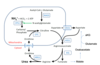
Glycine N-methyltransferase Def GNMT (MT in picture) Benign
239
High Met, High S-adenosylMet (SAM), high S-AdenosylHcy (SAH)
S-adenosylhomocysteine hydrolase (SAHH) deficiency AHCY gene Myopathy (high CK), demyelination, ID Tx: Met restriction
240
High homocysteine, low methionine
Methionine Synthase (MS/CblG) Megaloblastic anemia + neurological MTR gene DDx: CblE, MTHFR
241
High Met, High SAM, high SAH, +high adenosine
Adenosine Kinase Deficiency ADK Neurological like SAHH + frontal bossing
242
High Met, high homocysteine (high SAM, high SAH) Low cysteine
Homocystinuria Cystathinone Beta Synthase deficiency - common in Qatar Marfanoid (cysteine residues in fibrillin) ID lens dislocation myopia thromboembolism
243
Treatment for homocystinuria
Goal homocysteine \<30umol/L FIrst: asses B6 (pyridoxine) responsiveness - must be given with folate - If \<50umol/L = responsive - if \>20% reduction = partial response If NON-responsive: - met restricted diet - betaine - hydroxocolbalamin
244
Cystathione in urine
Cystathioninuria Cystathion gamma lyase (CGL) benign DDX: liver disease, mito disease, anything that elevated homocysteine
245
High taurine, high sulfocysteine, low Cys, low Homocys Urine sulfite
Sulphite oxidase deficiency SUOX Cystic brain changes + epilepsy + Lens dyslocation
246
High sulfocysteine, sulfite +, high xanthine, high hypoxanthine ## Footnote **low Uric acid**
Molybdenum Cofactor Deficiency MOCS1 and MOC2 Cystic brain changes + Epilepsy + Lens dyslocation Cofactor for SUOX and Xanthine breakdown (purine breakdown pathway) Tx: **Cyclic Pyranopterin Monophosphate (cPMP) - Fosdenopterin for MOCS1**
247
Urine: high hypoxanthine, high xanthine low uric acid
Xanthinuria Xanthine oxidase def May be benign vs renal failure + stones, arthropathy, myopathy Tx: Purine restricted diet
248
ACP: C4, C5 UOA: ethylmalonic acid, methylsuccinic acid Lactic acidosis
Ethylmalonic encephalopathy Mitochondrial sulfur dioxygenase deficiency Clin: Neurodevelopmental, motor signs, Petechiae, Acrocyanosis, diarrhea Tx: Metronidazole, N-acetylcysteine (neutralized H2S), transplant
249
Acrocyanosis, petichiae, diarrhea, encephalopathy
Ethylmalonic encephalopathy ETHE (Sulfur Dioxygenase) Tx: N-acetylcysteine, metronidazole, transplant
250
DDx for ethylmalonic acid
Ethylmalonic encephalopathy (ETHE) Jamaican Vomiting sickness (unripe ackee fruit) Lychee encephalopathy SCAD (high butrylcarnitine and butyrlglycine) - benign MADD (GA2 + glutaric acid)
251
List the enzymes for: Fabry GM1-gangiosidosis Krabbe Gaucher Pompe
Fabry: Alpha-galactosidase GM1: Beta-galactosidase Krabbe: Galactocerebrosidase Gaucher: Glucocerebrosidase Pompe: Alpha-Glucosidase
252
What are the 3 functions of trifunctional protein
1) Hydratase (Add water -\> hydroxy acyl) 2) OH-acylt coA Dehydrogenase (remove OH -\> keto-acyl) 3) ketoThiolase (remove acetyl-CoA -\> shorten chain)
253
FAOD with Hyperinsulinism
HADH (3 Hydroxyl CoA- Dehydrogenase) Equivalent of SCHAD (LCHAT for short chains) Also hypoglycemia/liver disfunction
254
FAOD with retinopathy and neuropathy
LCHAD and TFP
255
Pregnant female with fatty liver of pregnancy and HELLP syndrome
Carrier for LCHAD/MTP
256
ACP: C14, C14:1, C14:2, C16, C:18
VLCAD ACADVL gene Variable presentation Hypoglycemia, hepatopathy, rhabdo, myopathy, cardiomyopathy
257
ACP: C16OH, C16:1OH, C18OH
LCHAD Hypoglycemia, Liver, muscle, cardiomyopathy + Retinopathy, neuropathy + Maternal fatty liver/HELLP syndrome
258
Urine hexanoylglycine
MCAD ACADM gene - Hypoglycemia (No muscle involvement) - Reye like severe liver failure ACP: C8
259
ACP: C4 Urine: Ethylmalonic acid
SCAD ACADS gene Non-disease DDX for ethylmalonic encephalopathy
260
ACP: C4OH
SCHAD Hyperinsulinism (lack of GDH inhibition in pancreatic islet cells)
261
Ichthyosis + spastic tetraplegia + short stature + Leukotriene B4 in urine
Sjogren Larsson Syndrome ALDH3A2 (fatty alcohol dehydrogenase) + hyperkeratosis + "Glistening dots" in retina + ID/epilepsy Skin, CNS, Bone, Eye Tx: LTB4 antagonist
262
Metabolic disease with Renal cysts (3)
GA2 Zellweger CDG-PMM2
263
What is the electron acceptor for acyl-coa dehydrogenases?
Electron Transfer Flavoprotein (GA2)
264
ACP - Elevations in all chain lengths
MADD (GA2) UOA: Lactate, ethalmalonic acid, 2OH glutaric acid Clinical: Myopathy, cardiomyopathy, renal cysts, CNS, acidosis, hypoglycemia
265
UOA: Ethylmalonic acid, adipid acid, 2OH glutaric acid
GA2 - Cystic kidneys, hypoglycemia, acidosis, CNS, myopathy ACP: multiple chain length elevations
266
Low F/T carnitines ACP: all carnitines low
Carnitine transporter/uptake deficiency SLC22A5 Clin: Weakness, Cardiomyopathy, hypoglycemia/hepatic Tx: EKG, carnitine supplement
267
How to tell apart CACT from CPTII
CACT: renal malformations, always severe CPTII: most commonly adult myopathic form
268
ACP: Low C16, C18, C18:1 High C0
CPT1 def - Inuits (alaska) Liver, RTA, cardiomyopathy, hypoglycemia
269
Low free and total carnitine ACP: high C16, C18, C18:1 C18/C2 ratio high + Renal malformation
CACT (Carnitine translocase/SLC25A20) - bound to long chain but cannot get into mito - Cardiac, Liver, hypoglycemia, weakness - Most die by 3 months
270
Low free and total carnitine ACP: high C16, C18, C18:1 C18/C2 ratio high Adult w/ weakness
CPTII - Cannot releast long chain - carnitine Most common form = adult w/ myopathy
271
Low free and total carnitine ACP: high C16, C18, C18:1 C18/C2 ratio high
CPTII or CACT (translocase) carnitine stuck on long chains CACT has renal malformations, always severe presentation CPTII can be severe, but usuall late onset myopathy
272
Trimethyllysine high in urine and plasma
Trimethyllysine dioxygenase gene: TMLHE (hydratase-epsilon) X linked Carnitine synthesis pathway Trimethyllysine elevated in urine/plasma - Autism risk gene that can be treated w/ carnitine supplement
273
normal GGT Diarrhea, jaundice, hepatopathy, rickets
Bile acid synthesis disorders 3Bhydroxysterol dehydrogenase (HSD3B7) 3oxysterol 5B reductase (AKR1D1) Oxysterol 7a hydroxylase (CYP7B1) - low cholesterol, high bili Tx: Bile acid replacement
274
High Cholestanol cataracts, diarrhea, xanthoma, ataxia
Cerebrotendinous Xanthomatosis Sterol 27-hydroxylase def CYP27A1 Tx: statins + Chenodeoxycholic acid (Chenodal)
275
Why is there high ammonia in PA and MMA
Secondary inhibition of NAG synthase
276
High Hydroxybutyrate even when fed High urine ketones Normal ACP
SuccinylCoA-3-oxoacid CoA Tranferase (SCOT) deficiency - Episodic acidosis (ketoacids), tachypnea, hypotonia, encephalopathy
277
High hydroxybutyrate ACP: tiglycarnitine, 2-methyl-3OH butrylcarnitine UOA: tiglyglycine, 2-methyl-3OH butryic acid, 2 methyl-acetylacetic acid
Beta-ketothiolase (3-oxothiolase) Both Ketolysis and ILE breakdown - nauses + emesis -\> encephalopathy - hypoglycemia (cannot use ketones for energy), metabolic acidosis, hypoerammonemia (NAGS inhibition)
278
Fasting: 4 hydroxy - 6- methyl- 2 pyrone (related to acetylacetone) Hypoketotic hypoglycemia
HMG-CoA Synthase Presents like FAOD UOA: high dicarboxylic acids (adipic, malonic, glutraic, succinic acid) Tx: avoid fasting
279
UOA: 3-hydroxy-3 methylglutaconic acid, 3 Oh isovaleric acid, 3 methylglutaric acid, 3 methylglutaconic acid ACP: C5OH, C6DC
HMG-CoA Lyase deficiancy - FAOD and organic aciduria (final step in Leu breakdown and ketone breakdown) Hypoketotic hypoglycemia (severe) Hyperammonemia (secondary NAGS inhibition) Acidosis Tx: Carbohydrates, carnitine
280
Name the Valine breakdown intermediates
Isobutyryl-CoA -\> Dehydration (IBD) Metharylyl-Coa -\> Hydration (Crotonase/ short chain enyol-CoA hydratase) 3OH Isobutyryl-CoA -\> Dehydration (HIBCH/deacylase) 3OH Isobutyrate MMA Semialdehyde -\> Thiolysis (MMSDH) PA MMA SuccinylCoA
281
Name the ILE breakdown Intermediates
2 methylbutyryl CoA -\> Dehydration (2MB Dehydrogenase) Tiglyl-CoA -\> Hydration (Crotonase/Short chain enyol-CoA hydratase) 2 Methyl-2OH Butyryl CoA -\> dehydration (HSD10, MHBD) 2 methylaceoacetyl CoA -\> thiolysis (Beta ketothiolase) PA + Acetyl CoA MMA Succinyl CoA
282
Name the Leu Breakdown intermediates
Isovaleryl CoA -\> Dehydration (IVD) 3 MethylCrotonyl CoA (3MCC) 3 methylglutaconyl CoA -\> Hydration (hydratase) 3Oh 3 mehtylgluarylCoA -\> Thiolysis (HMG-CoA Lyase) AcetylCoA + Acetoacetate
283
Name the main intermediates and products in Leu, Ile, and Val metabolism
Leu: Isovaleric, Methylcortonyl, Methylglutaryl -\> Acetyl CoA + acetylacetate ILE: Methylbutyryl, Tiglyl -\> PA + acetyl CoA Val: Isobutyryl -\> MMA semialdehyde -\> PA
284
What AA is the precursor to endogenous Carnitine synthesis?
Lysine (Trimethyllysine)
285
Sleeping through night -\> hypoglycemia + high LFTs
MCAD or GSD1 (elevated TG, uric acid)
286
Rhabodomyolysis with CK \> 10,000 **at baseline**. Most common cause of rhabdo in children after FAODs (10%)
LPIN1 deficiency Phosphatidic acid phosphohydrolase (PAP) BIochem: PA -\> Diacylglycerol - Role in PPAR activation and regulation of ETC expression LPIN2 deficiency -\> inflammatory signlating -\> recurrent osteo
287
Jordan's anomaly (empty vacuoles in PMN cells that stain red), myopathy
Neutral lipid storage disorder Biochem: inability to break down TG in lipid droplet (Jordan's anomaly = lipids in macrophages) AGTL (adipocyte TG lipase deficiency) CGI 58 (chanarin Dorfman) + ichthyosis
288
Disorders of triglyceride synthesis that cause lipodystrophy
AGPAT, Seipin/BSCL2 (s), HSL, PLIN-1
289
3-methylglutaconic acid, positive filipin stain SNHL, Hepatopathy, encephalopathy, dystonia
MEGDHEL SERAC1 deficiency (mito membrane lipid remodeling) 3-MethylGlutaconic Acid Deafness Hepaopathy Encephlopathy Leigh syndrome
290
3 methylglutaconic acid; high LysoCL:CL ratio Dilated cardiomyopathy, Neutropenia
Barth syndrome TAZ (XL) Dilated CM, neutropenia, lactic acidosis, GI, growth, developmental issues Tx: Elamipretide (stabalize cardiolipin)
291
Neuropathy, hearing loss, ataxia, RP, Cataracts Normal phytanic acid
PHARC syndrome (ABDH12) Polyneuropathy, Hearing loss, Ataxia, RP, Cataracts Resembles refsum disaese, but NORMAL phytanic acid
292
Dense congenital cataracts, Hypotonia, ID, renal fanconi (RTA 4)
Lowe syndrome (Oculocerebrorenal syndrome) OCRL XL Phosphoinositide phosphorylase Eye: catracts, glaucoma Cerebro: ID, hypotonia Renal: tubular dysfunction
293
X linked metabolic conditions
OTC Glycerokinase XALD Fabry G6PD Lysch Nyhan Creatine Transporter Menkes
294
Pseudotriglyceridemia
Glycerol Kinase deficiency Biochem: Gllycerol + ATP -\> glycerol-3-phosphate + ADP Standard TG assay cleaves Acyl groups from TG and measures glycerol levels... Plasma will be clear instead of cloudy (no lipemia) - Also F-1,6-bisphosphatase deficiency (secondary buildup of glycerol)
295
Ketotic hypoglycemia, **DD**, emesis, high TG
Glycerol Kinase Deficiency XL - high urine glycerol, pseudotriglyceride - can be part of deletion syndrome with adrenal hypoplasia congenita and duchennes muscular dystrophy - false positive TG (since glycerol backbone is elevated) with normal lipid levels Tx: Fat restricted diet - Daiper cream also can cause false glycerol elevation
296
What is the first cyclic molecule in cholesterol synthesis pathway?
Lanosterol (oxidosqualine cyclase = lanosterol synthase)
297
UOA: high mevalonic acid, high mevalonoacetone, high IgD
Mevalonic aciduria, or hyper IgD (mild) Mevalonic kinase Inflammatory syndrome: Fever, rash, HSM, diarrhea, may have neuro + retinal findings Mild form = hyper igD Tx: Steroids, IL1 receptor antagonist (anakinra), replace uniquinone
298
MVK, PMVK, MVD, FDPS
Porkeratosis Mevalonate kinase, phophomevalonate kinase, dehydrogenase, famesyl-diphosphate synthase AD diosrders of keratinization -\> raised hyperkeratotis plaques with evident borders Pre-squalene cholesterol disorders
299
High desmosterol
Desmosterolosis 3OH oxysterol/Desmosterol reductase (DHCR24) - Ambiguous genetalia (sex hormones = sterols) - Dysmorphic, Short limbs, CNS abnormalities, arthrogryposis, ID
300
High lanosterol, dihydrolanosterol
Antley Bixler POR (Cyp450 oxidoreductase) Craniosynostosis, limb defects, ambiguous genetalia, dysmorphic
301
Cholesta-8,14-dien-3B-ol Skeletal dysplasia
Greenberg dysplasia 3-hydroxysterol Delta-14 reductase (right below antley-bixler in pathway) LBR gene + Pelger Huet anomaly
302
Microcephaly, congenital cataracts, psoriaform dermatitis SC4MOL
Sterol-C4-methyl oxidase High 4-methylsterols
303
Female: Unilateral ichthyosis with sharp demarcation and stippled epiphysis Males: ID, pachygyria, dysmorphic
3 hydroxysterol -4 demeythylase NDSHL (XL) Females: CHILD syndrome (Congenital Hemidysplasia with Ichthyosiform nevus and Limb Defects) Males: Syndromic ID - High 4-methylsterols Tx: Cholestrol Supplementation
304
Assymetric RCDP + ichthyosis, alopecia, cataracts
Conradi-Hunermann X-linked CDP Sterol-7,8-isomerase (EBP) - Male lethal Lab: high 8 dehydrocholestrol, 8(9)cholestrol
305
High lathosterol
Lathosterolosis Sterol-delta5-deatruase SLOS-like: ID, microcephaly, catarats, micrognathia, polydactyly, liver disease
306
Low maternal estriol High 7 dehydrocholesterol and 8 dehydrocholestrol
SLOS Sterol-7-reductase (DHCR7) 2/3 toe syndactyly, FTT Dysmorphic: ptosis, anteverted nares, low set ears - AV canal defects (like DS) - GU abnormalities (cannot synthesize hormones)
307
Name the syndrome for following sterol pathway enzymes: 1) sterol-14-desaturase 2) sterol 8,7 isomerase 3) sterol 5 desaturase 4) Sterol 24 reducatase 5) sterol 7 reductase
1) sterol-14-desaturase - Greenberg dysplasia 2) sterol 8,7 isomerase - XL-RCDP 3) sterol 5 desaturase - Lathosterolosis (SLO like) 4) Sterol 24 reducatase - desmosterolosis (CNS + other malformations) 5) sterol 7 reductase (SLOS)
308
2 disorders with high 4-methylsterols
Sterol-C4-methyloxidase - SC4MOL- psoriaform dermatitis, cataracts, microcephaly Sterol-4-demethylase - CHILD syndrome - hemiichthyosis + assymetric rhizomelic condrodysplasia - Cholesterol supplement may help with skin findings
309
Most common genes for Zellwegere spectrum
PEX1 (60%) PEX6 (15%) Others rare
310
Stippling of epiphysis -\> Flaring epiphysis, irregular metaphysis, cataracts, rhizomelia, ID
RCPD PEX7, GNPAT, AGPS DDx: ARSE, sterol8,9isomerase, warfarin embryopathy, maternal SLE
311
What is the NBS marker for XALD?
C26:0 lyso phosphotidylcholine
312
Ddx for high phytanic acid
Alpha-oxidation pathway - Refsum disease (pristanic low) - Zellweger spectrum (pristanic low, VLCFA high) - RCPD 1 (pristanic low) - a-methyl-ethyl-coa Racemase (pristanic high)
313
Main pathways that require riboflavin
FAD - electron carrier, helps with dehydrogenases BCAA - IVD, SBCAD, IBD FAD: SCAD, MCAD, LCAD, VLCAD, ACAD - Choline metabolism ETC - complex II, GA2 like presentation when deficient -\> myopathy, neuro phenotypes
314
Presentation and biochemical profile of riboflavin transport/metabolism defects
SLC52A1/A2/A3, FLAD1 (synthase), SLC25A32 (mito transporter) - FAD needed for FAO dehydrogenases, BCAA dehydrogases, and ETC (complex II) Clinical: weakness, hypotonia, neuropathy, myopathy BIochem: GA2 like -\> multiple acyl-carnitine elevations, organic acid elevations
315
What are the NBS analytes for MSUD
Ratio Leu or Ile to Ala or Phe
316
What is the standard lab technique for UOA, ACP?
UOA: GC/MS ACP: MS/MS
317
NBS: C5OH, healthy baby
Most likely 3MCC or maternal 3MCC
318
What AA coelutes with homocitrulline in urine?
Methionine | (false elevation in Met on OAA in HHH)
319
What molecule does carbamoyl phosphate and lysine form?
homocitrulline
320
Hyperammonemia, high met on UAA
HHH (homocitrulline co-elutes with methionine in urine)
321
High tyrosine and methionine
Tyroseinemia type I Methionine is sign of liver injury
322
High methylmalonic acid, high malonic acid ACP: C3DC
Malonic aciduria MLYCD (Malonyl-Coa Decarboxylase) MA \> MMA (Opposiite in CMAMMA) ID, emesis, epilepsy Tx: High carb diet, carnitine
323
Hypoglycemia, High free fatty acids, low ketones
FAOD FFA high = Acitve liposis if ketones are normal or low, then you have a disorder of FAO
324
Hypoglycemia, low Free fatty acids, low ketones
Hyperinsulinism - lipolysis is being inhibited
325
hyperglycemia with high ketones
Disorders of ketolysis GSD 0 (glycogen synthase) - no stored glycogen -\> more FAO GSD 3 (Debranching) - glycogen unavailable -\> more FAO Organic acidurias
326
hypoglycemia + high lactate + hepatomegaly
GSDs, gluconeogenesis disorders
327
Hypoglycemia + Hepatopathy
HFI, tyrosinemia type I, FAOD (longer chain), mitochondrial
328
Hearing loss, weakness (upper limb \> lower limb), neuropathy, few facial symptoms, responsive to riboflavin
Brown-Vialetto-Van Laere syndrome SLC52A2 - CNS riboflavin transporter - GA2 like metabolic profile
329
What tissue does not have mitochondria? What does it use for ATP
RBC, penthose phosphate pathway
330
Which polymerase replicates the mitochonidral genome?
Gamma -\> PolG
331
Which complex in ETC is completely encoded for by nuclear genes?
Complex II (it is part of the TCA cycle)
332
Which amino acid reflects long-term lactate elevation?
alanine
333
What is the treatment for MELAS?
IV arginine for acute stroke like episodes PO citrulline (Arg precursor) or taurine (modifies mtLeu tRNA) may also help
334
high plasma/urine levels of Thymidine and deoxyuridine + Psuedo obstruction
MNGIE (mito-neuro-gastro-intestinal encephalopathy) Thymidine phosphorylase deficiency - Disruptions DNA replication system by limiting availability of T -\> accumulation of mutations +neuropathy, myopathy, ophthalmoplegia, leukoencephalopathy
335
Mitochondrial encephalopathy with cortex \> BG involvement + Liver dysfunction
Alpers syndrome POLG, C10ORF2
336
What are 3 markers for mitochondrial disease in blood?
Lactate Alanine GDF15 - TCA intermediates in urine
337
Normal complex II activity but decreased complexes I, III, and IV
Mitochondrial depletion syndrome - reflced abnormal mito DNA replication -\> complex II is fully nuclear encoded - SUCLA2 (Leigh like + deafness) - high MMA and C3/C4DC on NBS
338
mt3243A\>G
MELAS tRNA Leu
339
Mt1, 4, and 6 - homoplasmic mutations Occurs in males \> females
LHON
340
Progressive external ophthalmoplegia, Retinitis pigmentosa, onset \<20 + ataxia/conduction block/CSF protein elevation
Kearns-Sayre Large mDNA deletions/duplications
341
Mt 8344G\>A Epilepsy, multiple symmetric lipomatosis
MERRF tRNA Lys
342
Cataract, cardiomyopathy, myopathy, lactic acidosis
Sengers syndrome AGK
343
Long philtrum, thin vermillion, upturned nose Leigh-like, neuropathy + high lactate, alanine, and pyruvate low-nl Lactate/pyruvate ratio
Pyruvate dehydrogenase deficiency Most common PDHA1 (XL, females can be affected) Converts pyruvate to acetyl-CoA - Brain malformation: ventriculomegaly, agenesis of CC - Fetal alcohol like facial features (EtOh -\> acetaldehyde -\> inhibits PDH) Tx: Ketogenic diet (generates acetyl-CoA), thiamine
344
High lactate, alanine, and pyruvate, low-nl Lactate/pyruvate ratio Elevated Leu, Ile, Val high a-keto-glutarate
E3 (Dihydrolipoamide Dehydrogenase deficiency) - Shared by a-KG dehydrogenase, pyruvate dehydrogenase, and Branched chain alpha-ketoacid dehydrogenase Leigh syndrome + liver failure
345
In the ETC how many ATPs are generated per each NADH and FADH?
NADH: 3 FADH: 2 \*really closer to 2.5 and 1.5 due to leakiness of inner membrane
346
PAA: High Cit, Thr, Met, Tyr Cholestasis, fatty liver, hypoglycemia
Citrin deficiency SLC25A13 - Asp, Glu carrier Common in Japan - Liver disease in neonates - encephalopathy in adults + aversion to carbs Tx: Galactose free diet, Ammonia scavengers, Arginine, Liver Transplant
347
UOA: high D-2-hydroxyglutaric acid Hypotonia, DD, **cardiomyopathy**
D-2-hydroxyglutaric acidruia type 2 (IDH2 Gain of function) Type 1 is due to D2HG Dehydrogenase (**no cardiomyopath**y, lower extretion ~1000 instead of 2000)
348
UOA: High a-ketoglutaric acid
E3 deficiency (a-ketoglutarate dehydrogenase + high BCAA, lactate) -leigh syndrome + liver failure TPK - leigh syndrome SLC19A2 (thiamine transporter) - Biotin responsive BG Disease SLC25A19 (thiamine transporter) - Amign lethal microcephaly
349
Leigh syndrome + deafness UOA: MMA elevation
Succinyl-CoA synthetase (ligase) SUCLG1, SUCLA2 - C3 and C4DC on NBS
350
Which TCA disorder presents as an Oxphos phenotype?
Succniate dehydrogenase - Part of complex II - Succinate + FAD -\> FADH2 (used by complex II for oxphos) + fumarate High lactate, pyruvate, and TCA intermediates (Fumarate, malate) - Parents at risk for malignancy **(paraganglioma + pheo)**
351
AD: paragangliomas and pheochromocytomas
Succinate Dehydrogenase deficiency B-D subunits SDHB, C, D - HIF regulation -\> angiogenesis and inhibition of apoptosis
352
ISCU (Iron-sulfur cluster protein)
Combined SDH and aconitase deficiency (both enzymes need Fe-S clusters) **Swedish** type mitochondrial myopathy
353
Hereditary leiomyomatosis and renal cell carcinoma
HLRCC Fumarase - FH heterozygotes (AD) - Cutaneous and uterine leiomyomas - Renal cell carcinoma
354
UOA: high fumarate Polymicrogyria, atrophy, open opernacula Hypotonia, DD, seizures Frontal bossing, hypertelorism, depressed nasal bridge
Fumarase deficiency "Polygamist Down Syndrome" - common in polygamous towns in Colorado City, AZ and HIldate, Utah
355
UOA: high D-2-hydroxyglutaric acid
D-2 hydroxyglutaric aciduria Both: DD, hypotonia, seizures Type 1: D2HG Dehydrogenase deficiency (no cardiomyopathy) - D2HG -\> aKG Type 2: IDH2 GOF (also **has cardiomyopathy**) - Isocitrate -\> [aKG] -\> D2HG
356
UOA: high L-2-hydroxyglutaric acid CSF AA - high lysine
L-2-Hydroxyglutaric aciduria L2HG Dehydrogenase Converst L2HG -\> aKG DD, epilepsy, leukodystrophy + brain tumor predisposition
357
Mito Glutamate Carrier
SLC25A22 neonatal myoclonic epilepsy
358
Mito ADP/ATP carrier
SLC25A4 AD progressive external opthalmoplegia + exercise intolerance
359
Mito Phosphate Carrier
SLC25A3 Hypotonia, cardiomyopathy, lactate acidosis
360
Steroid resistant nephrotic syndrome, hearing loss, myopathy, encephalopathy/ataxia Lactic acidosis
CoQ10 biosynthesis defect CoQ2, CoQ9, PDSS1, PDSS2, ADCK3 Complex I, II, or III activity **in isolation = normal** Complex I+III or Complex II+III activity = decreased Tx; ubiquinol
361
What food should patients with multiple carboxylase deficiency avoid?
Avoid raw eggs (Avidin binds biotin and sequesters it) MCD = Holocarboxylase or biotinidase
362
Neurological symptoms, Hair loss, eczema, metabolic acidosis C5OH on NBS
Multiple carboxylase deficiency biotinidase or holocarboxylase Neuro + derm + acidosis UOA: 3MCC (3OH-IVA, 3-methylcrotonylglycine) + PCC (Methylcitrate, 3OH propionate, tiglylglycine, propionylglycine, + PC (lactate)
363
PAA - high alanine ACP - low carnitine UOA: 3OH IVA, methylcrononylglycine, methylcitric acid, tiglylglycine
Multiple Carboxylase deficiency Biotinidase or holocarboxylase (distinguish with biotinidase or holocarboxylase synthatase enzyme assay) NBS: C5OH Neuro + derm + acidosis elevations due to affected 3MCC (3OH IVA, methylcrotonylglycine); PCC (methylcitrate, 3Oh propionate, propionylglycine, tiglylglycine) PC; (lactate, alanine)
364
Neurological regression with high succinate on MRS
Succinate dehydrogenase deficiency Part of complex II Succinate + FAD -\> FADH2 (used immediately) + fumarate Urine may excrete succinic acid, **fumarate, or malate** (TCA intermediates due to oxphos backup)
365
Which GSD is X linked
GSD9 4 subunites: PHKA1, PHKA2 are XL PHKB and pHKG2 are AR
366
What common factors can interfere with biotinidase assay?
Ampicillin Hemoglobin (in test tube) Liver dysfunction (low albumin or high bilirubin) Prematurity
367
X linked GSD
GSD 9 (Hers) PHK - A2, B, G2, A1 (2 are X linked, 2 are AR) Liver GSD, tends to be milder but can be severe in males
368
What stain is used for glycogen?
PAS - periodic acid schiff Less branched glycogen = polygucosan
369
Hyperuricemia, Lactic acidosis, High alanine, high TG, low BG
GSD I
370
What are differences between GSD1 and GSD3?
GSD3 more mild and can use proteins (gluconeogenesis NOT affected) - Thus ala/BCAA low; **add alanine for treatment**
371
TFF, fasting hypoglycemia, postprandial **hyper**glycemia
GSD0 - cannot put glucose into glycogen, thus hyperglycemia after meals. (Postprandial hyperglycemia also seen in GLUT2 (GSD XI) due to abnormal glucose transporter into and out of liver)
372
Hypotonia, hepatomegaly, cardiomyopathy + WPW syndrome
Danon disease (LAMP2) - Pompe like + WPW **X-Linked**
373
GSD V vs GSD VII (tauri)
GSD V (myophosphorylase): Muscle only, **Second wind** (use glucose from blood or FAO) GSD VII (Muscle PFK): Muscle and **hemolysis** **with erythrocytosis** (RBC use glycolysis for energy, but synthesis upregulated by lack of F1,6BP); **out of wind** because glycolysis does not work; + **polyglucosan** (glycogen synthase upregulated, branching enzyme activity does not match)
374
What are the common clinical features of disorders of glycolysis?
Hemolysis (RBCs do not have mitochondria and need this for energy) Myopathy (Think GSD VII - PFK)
375
Myopathy + rhabdo with low LDH
LDH deficiency - Myopathy/cramps/rhabdo - Some have rash + high CK but LOW LDH
376
Hemolysis + myopathy + severe neurological disease
Trisephosphate isomerase deficiency DHAP needs to be converted into G2P, otherwise buildup -\> toxic metabolite
377
X linked glycolysis disorder
Phosphoglycerate Kinase - Clinically similar to PFK (tauri) - Anemia, muscle, CNS
378
Hemolysis with erythrocytosis, out of wind phenomenon,
GSD VII (Tauri) PFK is glycolysis enzyme -\> RBC need this for energy Decreased product -\> upregulate marrow erythrocytosis + out of wind phenomenon + polyglucosan (high glycogen synthase activity, normal branching enzyme)
379
What is the mechanism of hemolysis in G6PD?
Decreased NADPH -\> cofactor for glutathione reductase -\> necessary for ROS removal X-Linked, first step in pentose phosphate shunt
380
MRS and urine polyols: high ribitol, D-arabitol
Ribose-5-P isomerase deficiency (RPIA gene) Leukoencephalopathy, ataxia, neuropathy
381
Urine polyol: High ribitol, D-arabitol, erythritol, sedoheptulose
Transaldolase Deficiency Gene: TALDO1 - Most common pentose phosphate disorder - **Liver disease +** HSM, hemolytic anemia, renal failure, cutis laxa, hepatocellular carcinoma
382
Severe liver disease, CHD, HSM, hemolytic anemia, RTA, cutis laxa
Transaldolase deficieny TALDO1 +hepatocellular carcinoma Urine polyols: high Ribitol, D-arabitol, **erythritol, sedoheptulose**
383
UOA: L-xylulose, xylose, arabinose
Essential pentosuria L-xylulose reductise deficiency (DCXR) - Non disease
384
Hyperammonemia high: Cit, Ala, Lys, Pro Low: Asp, Glutamate
Pyruvate Carboxylase Deficiency - Defect in glycolysis and gluconeogenesis Lactic acidosis, Neurological, liver failure, cystic periventricular leukomalacia Low OAA -\> Low aspartate -\> ASS cannot work; thus secondary UCD with high Cit; Lys requires aKG to degrate Proline oxidase inhibited by lactate - high L/P ratio; Low 3OH-butyrate/acetoacetate ratio - ketones - Low TCA intermediates (2oxoglutarate/aKG, Malate, fumarate, etc)
385
high L/P ratio; Low 3OH-butyrate/acetoacetate ratio
Pyruvate Carboxylase Deficiency Defect in glycolysis and gluconeogenesis Lactic acidosis, Neurological, liver failure, cystic periventricular leukomalacia - Low asparatate -\> Malate/Asp shuttle cannot transfer NADH from cytoplasm into mitochondria -\> high NADH in cytoplasm (L/P) and low NADH in mitochondiral (HB/Acetoacetate) - Postprandial ketosis **(**glucose -\> Acetoacetate instead of TCA) - Low TCA intermediates (low OAA) - Hyperammonemia (secondary ASS deficiency since Asp + Cit = Arginosuccinate - High Lys, Pro, Cit
386
**Postprandial ketosis**, liver failure, encephalopathy, lactic acidosis
Pyruvate Carboxylase Deficiency Defect in glycolysis and gluconeogenesis glucose -\> Acetoacetate -\> ketones instead of TCA high L/P ratio; Low 3OH-butyrate/acetoacetate ratio (Low asparatate -\> Malate/Asp shuttle cannot transfer NADH from cytoplasm into mitochondria -\> high NADH in cytoplasm (L/P) and low NADH in mitochondiral (HB/Acetoacetate)) - Low TCA intermediates (low OAA) - Hyperammonemia (secondary ASS deficiency since Asp + Cit = Arginosuccinate - High Lys, Proline, Cit
387
Lactate acidosis, liver failure, hypoglycemia - High TCA intermediates
Phosphoenolpyruvate Carboxykinase Deficiency PEPCK - OAA is high -\> high TCA intermediates - Impaired gluconeogenesis
388
CSF/Blood glucose ratio \<0.45, low lactate/alanine
GLUT1 SLC2A1 (AD) CNS glucose transporter EIEE, epilepsy, exercise induced movement disorder Tx- Ketogenic diet
389
Fasting hypoglycemia, postprandial hyperglycemia, hepatomegaly, nephropathy NBS positive for galactosemia UAA: multiple amino acids (**including gly, met, pro**) elevated
Fanconi Beckle (GSD IX) GLUT2 - SLC2A2 gene Renal/liver glucose transporter - Abnormal glucose import into liver -\> postprandial hyperglycemia - Abnormal glucose export -\> glucogen buildup - Abnormal glucose reabsorption -\> renal fanconi: animoaciduria, phosphaturia, glucosuria, rickets - abnormal enterocyte absorption = glucose/galactose intolerance w/ diarrhea
390
Amish Diarrhea, glucosuria
Glucose-Galactose malabsoprption SGLT1 deficiency (SLC5A1) glucose/galactose transporter - abnormal absoprtion -\> diarrhea - abnormal renal reabsoprtion -\> glucosuria Tx: Fructose based diet
391
Hereditary Renal Glucosuria
SGLT2 (SLC5A2) Glucose transporter - abnormal renal reabsoprtion -\> glucosuria Benign (SGLT1 can do most of the work)
392
High Galactose, High Gal-1-P, high galactitol, urine reducing substances
Galactosemia (GALT) or Epimerase (GALE) - Distinsuish with GALT activity assay
393
What are the short and long term symptoms of galactosemia?
Early: Liver failure, Infection "E.Coli sepsis", cataracts, encephalopathy Late: Primary ovarian insufficiency, ID
394
High Galactose, High Gal-1-P, normal GALT activity
GALE (epimerase) Presents similar to classic galactosemia - MIlder biochemical variants exist - High galactitol, + reducing substances Tx: Low lactose/Galactose diet
395
High Galactose, low Gal-1-P
Galactokinase deficiency (GALK) - Cataracts - May have hgh calactitol and glucose (Urine)
396
GALT N314D
Duarte Galactosemia ~50% activity (25% when compound het with classic variant) - Benign
397
GALT S135L (c.404C\>T)
Variant galactosemia - Common in African Americans - Same neonatal presentation (Liver faliure +/- encephalopathy, infection) - Less long term ID/ovarian insufficiency
398
High urine fructose after meals, no symptoms
Essential fructosuria Fructokinase (Ketokexokinase) - KHK gene Fructose -\> F-1-P Benign
399
Liver failure at 4-6 months + hypoglycemia, renal tubular dysfunction, encephalopathy
Hereditary Fructose intolerance Aldolase B deficiency + Urine reducing substances, Hyperuricemia, Hypermagnesemia + Abnormal Transferrin isoelectic focusing and olisosaccharidosis enzymes (AGA, B annosidase) - sugars unavailable to attach Tx: fructose restricted diet
400
Abnormal transferring isoelectic focusing + adult with no dental carries
Hereditary Fructose intolerance Aldolase B deficiency + Urine reducing substances, Hyperuricemia, Hypermagnesemia + Abnormal Transferrin isoelectic focusing and olisosaccharidosis enzymes (AGA, B annosidase) - sugars unavailable to attach Tx: fructose restricted diet
401
Abnormal transferrin isoelectic focusing + liver failure at 6 months
Hereditary Fructose intolerance Aldolase B deficiency + renal tubular dysfunction, fructose aversion + Urine reducing substances, Hyperuricemia, Hypermagnesemia + Abnormal Transferrin isoelectic focusing and olisosaccharidosis enzymes (AGA, B annosidase) - sugars unavailable to attach Tx: fructose restricted diet
402
Ketoacidosis + Lactic acidosis + hepatomegaly UOA: high glycerol, G-3-P Plasma TG high
Fructose - 1,6-bisphosphatase deficiency Gluconeogensis defect + hypoglycemia + Pseudotriglyceridemia due to glycerol elevation Can have ketoacidosis without hypoglycemia (ddx for ketolytic disorders) - acutely responds to treatment with glucose
403
Ketosis AND lactic acidosis
Think about gluconeogensis defects - unable to turn pyruvate into glycose duirng fasting -\> lactate and acetoacetate buildup
404
Glycogen storage in liver, high triglycerides
Liver GSD OR **F1,6BPase deficiency** - F1P, F1,6BP, and G3P intermediates inhibit glycogen phosphorylase -\> secondary GSD VI - **Pseudotriglyceridemia (2/2 high glycerol) resolves between acute episodes**
405
What is the prognosis/management for F1,6BPase deficiency
- Some fructose can be tolerated (unlike HFI) - Glucose infusion during acute epidoes - improve with age as glycogen stores buildup -\> less need for gluconeogenesis
406
GALT Q188R, K285N
Classic galactosemia variants Q188R - Caucasian K285N - Central europe
407
Hyperphosphatsia with ID
Mabry disease Feature of GPI (glycosylphosphatidulinositol) anchor disorders
408
What organ systems are commonly affected in O-glycosylation disorders?
Muscle, eye, brain (congenital muscular dystrophies) and LGMD - Alpha dystroglycan needs to be glycosylated
409
Dev Delay, cerebellar hypoplasia, happy disposition, strabismus, inverted nipples, suprapubic/buttock fat pads
PMM2-CDG - Most common CDG + liver failure, can be hyper AND hypocoagulatble, nephrotic syndrome + cherubic facies, orange peel skin, esotropia, downslanting palpebral fissures - Type I pattern on transferring isoelectric focusing
410
CDG with liver fibrosis, diarrhea, hypoglycemia, coagulopathy, NORMAL intellect
MPI-CDG - Treat with mannose Type 1 pattern on transferring isoelectic focusing
411
Transferrin isoelectic focusing: Elevations in 2 and 0 sialofransferring
Type 1 pattern -\> PMM2 or MPI - represent early steps when coupled sialic acids are added
412
What is a type 2 pattern in transferring isoelectic focusing?
high 3, 2, 1, and 0 sialotransferrin - represent defects in processing (later steps)
413
Nephropathy w/ renal fanconi, short stature (hypophosphatemic rickets), myopathy, conreal crystals
Cystinosis CTNS (lysosomal cystin transporter) Tx - cysteamine PO and eye drops
414
High N-acetylneuraminic acid (Sialic acid) in urine Finiish, Hypotonia, ataxia, MR, growth retardation, epilepsy
Salla disease SLC17A5 Lysosomal sialic acid transporter (7 in figure)
415
High N-acetylneuraminic acid (Sialic acid) in urine Infant with coarse facial features, HSM, severe dev delay
Infantile free sialic acid storage disease (ISSD) SLC17A5 (lysosomal sialic acid transporter) - Severe form of salla disease
416
High N-acetylneuraminic acid (Sialic acid) in urine ID, dysostosis multiplex, HSM
Sialiuria UDP-GlcNac-2-epimerase (GNE) mutation in allosteric side - Too much sialic acid synthesis due to **lack of allosteric inhibition** - Sialic acid builup in cytoplasm instead of lysosome - #1 in figure
417
Decreased muscle N-acetylneuraminic acid (Sialic acid) staining Myopathy
GNE myopathy UDP-GlcNac-2-epimerase (GNE) LOF - Unable to produce enough sialic acid -\> terminal o-linked sugar in alpha-dystroglycan Tx: IVIG contains some sialic acid Can also give mannose-6-P (Product of GNE) - #1 in figure
418
GBA N448H
Type 3 Gaucher (chronic neuronopathic form) - neurological + systemic (osteoporosis, HSM, cytopenia) **w/ Cardiac valve calficiations**
419
Cornea Verticillata, Angiokeratoma, high lysoGB3
Fabry GLA - alpha galactosidase - Renal, Cardiac, Stroke + Cornea verticillata = whorling + hypohydrosis
420
a-galactosidase **B** (a-N-acetylgalactosaminidase)
Schindler disease NAGA gene - Neurodegeneration, angiokeratoma, neuropathy, myoclonic epilepsy
421
What is the reproductive complication for men with cystinosis?
Testicle fibrosis -\> low testosterone and azoospermia - Fibrosis also seen in thyroid, pancreas, and other endocrine glands - Females normal fertility (take off cysteiamine duirng pregnancy -\> teratogen in mice)
422
What is the difference in mechanism between cystinosis and cystinuria
Cystinosis = lysosomal transport defect Cystinuria = plasma membrane transport defect
423
What type of Gaucher Disease can ichthyosis be seen in?
Type 2
424
Which populations are at increased risk for Tay-Sachs?
Ashkenazi Jews (1:3600) French-Canadians Cajuns
425
When working up Gm2 gangliosidosis, when should you not check HexA activity in serum?
- often inconclusive in pregnancy women or women on contraceptives -\> Check in leukocytes instead - When looking for GM2AP deficiency - In Juvenile forms when **B1 variant (R178H)** is present it may be fale negative
426
High TG, High Cholesterol LIPA deficiency Vacuolated WBCs, foamy histiocytes in bone marrow
Lysosomal acid lipase deficiency Infantile: Wolman disease - HSM, FTT, malabsorption, **adrenal calcifications** Adult: Cholesterol Ester Storage disease = HSM, **cirrhosis, atherosclerosis** Tx: Sebelipase Alfa (ERT), statins, steroids for adrenal dysfunction
427
Cherry red spot, + oxysterols, elevated lyso-sphigomyelin 509
Acid-sphingomyelinase deficiency Niemann Pick A - Cherry red spot, FTT, hypotonia, HSM, **neurodegeneration** NP- B - splenomegaly, **Interstitial lung disease**, hypercholesterolemia
428
What is the difference between Niemann PIck A and Niemann PIck B?
Both have HSM and poor growth A is severe infantile form w/ neurodegeneration B is later onset with normal intellect. + Intertitial lung disese
429
Abnormal EMG, elevated CSF protein, high urine sulfatides
Metachromatic leukodystrophy ARSA, or Saposin B - Tigroid leukodystrophy on MRI INfantile: 1-2yo spasticity, gait changes, regression + optic atrophy/neuropathy -\> death by age 6 Juvenile/Adult - childhood cognitive + gait + ataxia Tx: **HSCT for juveile cases**
430
Tigroid leukodystrophy on MRI + Hurler like presentation + ichthyosis
Multiple Sulfatase Deficiency SUMF1 gene - formylglycine generating enzyme -\> neessary in postranslational acivation of sulfatases including ARSA and many MPS enzymes - Test other sulfatases if cononical genes are negative for these disorders
431
Extreme irritability, neuropathy, opisthotonis, hyperpyrexia + multinucleated macrophages
Krabbe Disease, AKA globoid leukodystrophy Galactocerebrosidase/Galactosylceramidase (GALC) or saposin A Multinucleated macrophage = globoid cell Late onset form = ataxia, HSP, vision loss Tx: early HSCT
432
High N-acetylaspartic acid in urine and CNS
Canavan disease ASPA - N-acetylaspartic aciduria/aspartoacylase deficiency NAA is normally marker of brain health and LOW in leukodystrophies, NAA is HIGH in canavan - Macrocephaly, hypotonia + leukodystrophy - Death by 10
433
Name disease with MRI pattern: 1) Posterior white matter hyperintensity 2) TIgroid with sparing of u fibers 3) Anterior leukodystrophy that moves posteriorly
1) Posterior white matter hyperintensity - XALD 2) TIgroid with sparing of u fibers - Metachromatic 3) Anterior leukodystrophy that moves posteriorly - Alexander
434
Heparan-N-Sulfatase
MPSIIIA - Sanfilippo SGSH
435
N-acetylglucosaminidase
MPSIIIB - Sanfilippo NAGLU
436
Acetyl-CoA Glucosamine N-Acetyltrasnferase
MPS IIIC - Sanfilippo HGSNAT
437
N-Acetyl-glucosamine-6-sulfatase
MPSIIID GNS
438
N-Acteylgalactosamine-6-sulfate sulfatase
MPS IVA - Morquio A GALNS ERT: Elosulfase Alfa
439
B-Galactosidase
MPSIVB -Morquio B (or GM1) GLB1
440
Arylsulfatase B def
MPS VI - Maroteaux-Lamy ARSB - Dermatan and Chondrotin sulfate - Systemic MPS ERT: Galsulfase
441
B-Glucuronidase
MPS VII - Sly GUS Systemic MPS Dermatan, Heparan, Chondrotin Sulfate Tx estronidase Alfa
442
In which MPS are chondrotin sulfate elevated?
VI (Maroteaux lamy) and VII (Sly)
443
Name the MPS that goes with each ERT: Vestronidase Elosulfase Alfa Idursulfase Beta Laronidase Idursulfase Galsulfase
Vestronidase - VII - B-glucoronidase Elosulfase Alfa - IVA - N-acetylgalactosamine-6-Sulfate sulfatase Idursulfase Beta - II - Iduronte-2-sulfatase Laronidase - I - A-L-Iduronidase Idursulfase - II -Iduronte-2-sulfatase Galsulfase - VI - Arylsulfatase B
444
**Joint hyperlaxity, tilted radial epiphysis,** dysostosis multifplex
MPSIV -\> morquio B-galactosidase def or N-acetylgalactosamine-6-sulfate-sulfatase ERT: elosulfase alfa for MPS4A
445
Cathepsin A deficiency
Galactosialidosis - Responsible for stablization of enzyme complex including both neuraminidase AND B-galactosidase - MPS like disorder
446
Elevated Gastrin, Low HCl in gastric fluid, lysosomal inclusions
Mucolipin 1 deficiency (Mupolipidosis IV) - abnormal trafficking of proteins and lipids into lysosome - Corneal clouding, retinal dystrophy, pyschomotor delay
447
High oxalate and glycolate Kidney stones
Primary Hyperoxaluria type 1 AGTX gene Arginine-glycosylate aminotransferase deficiency - inability to process glyoxylate in proxisome -\> glyoxylate converted into oxalate in cytoplasm -\> deposition + renal failure - 1/3rd of cases B6 responsive (co factor for aminotransferase) - tx = transplant
448
High oxalate and L-glycerate kidney stones
Primary Hyperoxaluria type 2 Glyoxalate reductase deficiency - 20% get renal failure
449
High oxalate and hydroxyoxoglutarate renal stones
Primary Hyperoxaluria type 3 Hydroxyoxotluratrate Aldolase 1 deficiency - hypercalciuria - renal railure rare
450
Neuropathy, hearing loss, ID, optic atrophy Low Uric acid Undetectable hypoxanthine
Phosphoribosylphyrophosphate synthetase deficiency PRPS (**XL**) First step of purine synthesis
451
High uric acid (serum and urine), high hypoxanthine Adults: Uric acid urolithiasis, **Gout** Children: **SNHL**, ataxia, hypotonia
Phosphoribosyl pyrophosphate synthease superactivity PRPS (XL) Tx: allopurinol
452
Psychomotor retardation, seizures, autism, ataxia, growth retardation High succinyladenosine, high SAICA Riboside
Adenylosuccinate lyase deficiency ADSL - Abnormal AMP biosynthesis
453
Epilepsy, ID, congenital blindness, cutaneous dimples on extensor surfaces high AICA riboside
5-Amino-4- imidazolecarboxamide Ribosiduria (AICAR-uria) ATIC gene - AICAR formyltransferase
454
Myoadenylate deaminase deficiency
AMPD1 gene - High CK, myopathy - Normal ammonia in forearm ischemia test (cannot cleave ammonia in muscle) - part of purine nucleotide cycle that **creates fumarate** (TCA intermediate) as byproduct Tx: Ribose
455
High adenosine, deoxyadenosine, lymphopenia, hypogammaglobulinemia
SCID Adenosine deaminase deficiency (ADA) Tx; BMT, ERT, gene therapy
456
Low uric acid, high inosine, guanosine ID, spasticity
Purine nucleoside phosphorylate deficiency (NP) PNP gene **SCID + Neurological symptoms** Tx BMT
457
Low uric acid, high xanthine and hypoxanthine Myopathy, arthropathy, nephrolithiasis, renal failure, hematuira
Xanthine Oxidase deficiency **XDH** (dehydrogenase and oxidase same complex) **No neurological findings (seen in molybdenum cofactor deficiency)** Tx: purine redtricted diet, fluids
458
Uromodulin, Rennin Hyperuricemia, low renal uric acid excretion
Familial juvenile hyperuricemic nephropathy (HNFJ) Causes gout and renal failure - Problem with uric acid excretion
459
High uric acid, hypoxanthine, and xanthine movement disorder, epilepsy, hypotonia
Lesch Nyhan Hypoxanthine:guanine phosphoribosyltransferase deficiency (**XL**) + self mutilation, gout, uric acid stones Tx: allopurinol, purine restriction
460
High adenine, 2,8-dihydroxyadenine
Adenine phosphoribosyltransferase deficiency APRT - Renal stones -\> renal failure Tx: Purine restriction, allopurinol
461
High orotic acid Megaloblastic anemia (unresponsive to B12 and folic acid)
Hereditary Orotic aciduria Uridine-monophosphate synthase deficiency (UMPS) - Megaloblastic anemia + FTT, ID Tx: uridine supplementation
462
Uridine Monophosphate Hydrolase Deficiency
Pyrimidine-5' nucleotidase deficiency UMPH enzyme; NT5C gene - chronic hemolytic anemia w/ basophilic stippling - **Lead toxicity inhibits UMPH**
463
High lactate, glyoxalate Megaloblastic anemia, Diabetes, hearing loss
Rogers syndrome Thiamine transporter 1 SLC19A2
464
high lactate, glyoxalate Fever -\> leigh like illness, basal ganglia lesions
Thiamine/biotin responsive BG disease Thiamine transporter 2, SLC19A2 - Biotin upregulates transporter expression
465
Amish High lacate, glyoxalate, 2-ketoglutarate Sever microcephaly, progressive neuropathy and BG injury
Mito Thiamine transporter deficiency
466
High lacatate, glyoxalate, low thiamine pyrophosphate
TPK deficiency Thiamine pyrophosphokinase Leigh like duirng illness + neurodegeneration
467
Epilepsy High 3OMD, Low NT metabolites high Ala, Thr, Gly, ornithine
Pyridoxiamine 5' phophate oxidase (PNPO) deficiency Pyridoxial phosphate-responsive epilepsy - idential to B6 responsive epilepsy, but may also have hypotonia, **prematurity,** liver disease
468
movement disorder, liver disease, polycythemia high Manganese levels
SLC30A10 Manganese exporter deficiency - manganese accumulate within cells, including liver - Cannot be excreted in bile Tx: chelation (EDTA)
469
Movement disorder High manganese
SLC39A14 Divalent metal transporter (Mn, Zn, Fe, Mag) - **No liver injury** (not absorbed by hepatocyte) Tx: Chelation (EDTA), Fe supplement
470
hypotonia, ID, cerebllar atrophy Hutterite founder Type 2 isoelectric focusing pattern Low prolidase activity High urine manganese
SLC39A8 Defciency Manganese transporter - **Low serum** and **high urine** Manganese - Decreased reabsoprtion in kidneys - Mn is cofactor for a glycosylation enzyme and prolidase
471
Rash in fingertips/toes, FTT, diarrhea at 4-6 months - Low Zinc, low Alk Phos activity, high ammonia
Acrodermatitis Enteropathica ZIP4 - SLC39A4 - Zinc transporter -\> moves zinc into the cytoplasm - Zinc is cofactor for OTC and Alk Phos (**ddx for UCD and hypophosphatasia)** - **presents after weening breastmilk** Tx: Zinc supplement -\> monitor Cu levels since Zn chelates copper
472
Rash in fingertips/toes, diarrhea while on **breastmilk** - Low Zinc, low Alk Phos activity, high ammonia
Transient neonatal zinc deficiency maternal zinc transporter deficiency - SLC30A2 (ZnT2) -\> transports Zn into secretory vesciles in breasts - Zinc is co factor for OTC and Alk Phos **- No zinc in breastmilk -\> Deficient baby -\> acrodermatitis enteropathica phenotype while breastfed**
473
Low ceruloplasmin, high urine Cu, high liver Cu
Wilson's ATP7B - Decreased biliary Cu excretion, decreased incorporation of Cu into ceruloplasmin (stable form in blood) - Blood Cu levels not useful in Dx; usually low Tx: Chelation (Penacillamin, Trientine, Zinc)
474
Subdural hematoma, easy bruising, fractures, hair changes, CNS changes - Low serum copper and ceruloplasmin
Menke's ATP7A - Unable to absorb Cu from enterocytes -\> deficiency - **Labs may be normal before 3 months of age** - Adult variant = occipital horn disease and motor neuropathy **- May mimic child abuse (SDH, fractures, bruising)** Tx: Copper-Histidine injection
475
Low T3 with high T4, high TSH SNHL, DD, myopathy Low selenium
Selenocysteine synthesis disorder SBP2 protein (SECISBP2) - necessary for itodothyorine deiodeinase (converts T4 to T3) - Selenocysteine is synthesized from serine (OH changed for SeH on tRNA)
476
Progressive cerebello-cerebral atrophy - low selenium
Disorder of selenocysteine synthesis SEPSECS - Selenium is coded for by UGA stop codon + downstream secondary structure element
477
HSM, cirrhosis, hepatocellular carcinoma, arthropathy, cardiomyopathy, hypogonadism, DM, hyperpigmentation C282Y
Classic HFE - reculator of cellular iron uptake vis transferrin receptor 1 - May be compound het with H63D
478
**HFE G320V** Severe Iron overload before age 30, cardiomyopathy, abd pain, cirrhosis, hypogonadism, arthropathy
Juvenile hemachromotosis - May also be HAMP (Hepcidin mutation) or HJV (Hemojuvelin)
479
High ferritin, normal transferrin liver fibrosis, microcytic anemia
Hemochromatosis type 4 SLC11A3 - Iron accumulation in **liver and spleen** due to transporter defect Tx: Phlebotomy, deferoxamine (same as classic hemochromatosis)
480
Low ceruloplasmin, Low copper, Low Iron Diabetes, retina degenration, dementia, parkinsonism
Aceruloplasminemia CP gene - Deficient cerupomasmin (ferroxidase) Tx: IV ceruloplasmin
481
Which 2 disorders of BH4 metabolism have NORMAL phe
AD GTP Cyclohyrdrolase and Sepiapterin Reductase
482
Musty Odor
PKU
483
Liver failure, high AFP, High ferritin, low transferrin in neonate
Neonatal Hemochromatosis **- Autoimmune disease** - May present as hydrops
484
Hypoglycorrhachia
GLUT1 deficiency SLC2A1 (AD) CNS glucose transporter Hypoglycorrhachia = low CSF glucose CSF/Blood glucose ratio \<0.45, low lactate/alanine - Seizures/Kinesiogenic movement disorder that respond to ketogenic diet
485
Sleep disturbance + behavior changes + coarse facies
MPSIII San Filippo
486
ACSF3 High MMA
CMAMMA - Acyl-CoA Synthetase - Deficiency leads inability to conjugate to carnitine -\> thus **ACP will be normal**
487
What test can help find low excreter GA1?
urine acylcarnitines (C5DC), molecular testing
488
BCAA Ratio in MSUD and normal
Normal: Val:Leu:Ile 4:2:1 MSUD: Leu:Val:Ile
489
Which AA synthesis disorders result in: Cutis Laxa Neu Laxova Hyperammonemia with low glutamine Hyperkeplexia
Cutis Laxa - Proline synthesis Neu Laxova - Serine synthesis Hyperammonemia with low glutamine - Glutamine synthesis Hyperkeplexia - Aspargine synthesis
490
Acetoacetic acid and 3-OH butyric acid
These are the most common ketones founds in urine elevation = ketone elevation
491
When do you need leukocyte sample to test for Tay Sachs
Pregnant women and women on oral contraceptives - Serum enzyme activity often inconclusive
492
high cholesterol, high phytosterols, high sitosterols
Sitosterolaemia Twinnned sterol transporter deficiency (ABCG5, ABCG8) - Increased absorption/decreased biliary excretion of plant/fish sterols - Dietary treatment
493
Triglycerides \> 500mg/dl
Familial chylomicronemia Lipoprotein lipase (LPL) or ApoCII (APOC2) - both AR Unable to break down chylomicrons/VLDL - Tx: low fat diet, aphoresis, can supplement ApoC2 in FFP
494
High TG and cholesterol
Familial dysbetalipoproteinemia APOE -\> deficient IDL/remnant uptake in liver - treat like metabolic syndrome
495
Low HDL, low ApoA1, normal TG/cholesterol Atheroscleoriss, xanthomas, corneal clouding
Apolipoprotein A1 deficiency APOA1 (AD) - Risk factor for atherosclerosis
496
Low HDL, low ApoA1, high TG, normal/low cholesterol Neuropathy, HSM, corneal clouding, CAD
Tangier disease ABCA1 - distubed intracellular transpot of cholesterol esters in macrophages + Faom cells, orange tonsils
497
low HDL, low ApoA1, high TG, free/total cholesterol \>0.7 nephropathy, anemia, "fish eye disease"
Lecithin Cholesterol acyltransferase deficiency LCAT (AR) - Fish eye = isolated corneal clouding
498
Name 3 disorder with low HDL and ApoA1
Apolipoprotein A1 deficiency - deficient APOA1 - **normal TG and cholesterol** Tangier Disease (hypoalphalipoproteinemia) - ABCA1 (intracellular cholesterol ester transporter) - **high TG, low cholesterol** + **Orange Tonsils** Lecithin Cholesterol acyltransferase deficiency - LCAT - high TG, **free/total cholesterol \<0.7** - **nephropathy, anemia**, "fish eye"
499
Low cholesterol and TG, no/low **ApoB**, acnthocytes neuropathy, ataxia, retinopathy, myopathy, diarrhea
Familial abetalipoproteinemia - Microsomal TG transfer protein (MTTP) - AR - **ApoB deficiency (familial hypobetalipoproteinemia) is milder and semidominant** - Deficient TG transporter into ER -\> deficient ApoB containing lipoproteint -\> cannot transport fat-soluble vitamines/erythrocyte dyfunction - Fat malabsorption, VitE deficiency (neuropathy, ataxia, retinopathy, myopathy) - Tx - low fat diet, Vit E supplement
500
Low cholesterol and TG, low ApoB and ApoA1 Fat droplets in enterocytes
Chylomicron retention disease SAR1B -\> intracellular chylomicron trafficking in enterocytes - Fat malabsportion, FTT, vitamin deficiency
501
Name 3 diseases with low TG and cholesterol FTT, malabsorption, and vitamin deficiency
Famillal abetalipoproteinemia - Micorsomal TG transfer protein (MTTP, AR) -\> deficient apoB lipoprotein production -\> **low apoB, acanthocytosis** Familial hypobetalipoproteinemia - ApoB gene (**semi Dominant**) -\> deficient ApoB production -\> low ApoB, acanthocytosis - Milder than MTTP Chylomicron Retention disease - SAR1B -\> intracellular chylomicron trafficking in enterocytes - **low apoB and apoA1; fat droplets in enterocytes**
502
sterol 27 hydroxylase
CTX sterol27 hydroxylase high cholestanol