what things are involved in the Normal Haemostatic Mechanisms?
- Vessel Wall
- Platelets
- von Willebrand Factor (a large multimeric glycoprotein that performs two critical functions in primary hemostasis: it acts as a bridging molecule at sites of vascular injury for normal platelet adhesion, and under high shear conditions, it promotes platelet aggregation)
- Coagulation Factors -Adequate amounts of all of the correct coagulation factors
what is the Normal Haemostatic Response?
•Primary - Platelet Plug Formation
- Platelets, vWF, Wall
•Secondary - Fibrin Plug Formation
When vessel wall is initially damaged the platelets stick to the collagen and the platelets then get sticky and stick to each other
Activators of coagulation released from damaged tissue is tissue factor and it activated the cascade of dominoes of coagulation factors leads to a stable fibrin plug on the platelet plug you formed
what does Diathesis mean?
Diathesis is a person’s predisposition or vulnerability to a medical condition, which can be a psychological or physical disorder
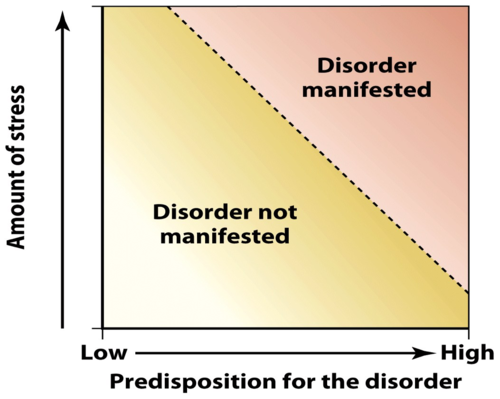
what is Haemorrhagic Diathesis?
Any quantitative or qualitative abnormality
Inhibition of function
- Platelets
- vWF
- Coagulation factors
what are some important points you want to cover in your bleeding history?
- Has the patient actually got a bleeding disorder
- How severe is the disorder?
- Pattern of Bleeding - Deficiency in different part of the process results in different patterns of bleeding - In haemophilia A we see bleeding into joints, cranium and retroperitoneal, But in severe thrombocytonia (platelet count less than 10) we see a much more mucosal pattern of bleeding
- Congenital or Acquired - For individuals who have a congenital type try figure out the mode of inheritance by plotting a family tree
- Mode of inheritance
what are some good things to ask about in relation to a history of bleeding?
- Bruising
- Epistaxis
- Post-surgical bleeding - Best single question to ask is if they have ever had a surgical procedure and if there was bleeding after that procedure - Dental Surgery, Circumcision, Tonsillectomy, Appendicectomy
- Menorrhagia - very uncommon not for them to have menorrhagia if they have things like deficiency of vWF
- Post-partum haemorrhage - Post partum haemorrhage is not that significant as most women that have it will have it due to structural bleeding
- Post-trauma
what is important to think about in relation to the severity of bleeding?
Hit with a baseball bat and bled – appropriate for the level of trauma that was experienced
Bruise after vaccine = normal
Massive haematoma = not normal
Massive haematoma after IM injection – then ask questions especially if on more than one occasion
Man standing and suddenly bleeding into knee = Spontenous bleeding = could be haemaphilia especially if the person is doing absolutely nothing
what is an important question to ask when you are trying to determine the severity of a bleed?
Ask the question – what does it take to make you bleed? If nothing then a severe disorder
Severe patters are way more obvious than mild patterns
Depending on what part of the coagulation pathway isn’t working then you get a different _______ of __________
pattern
bleeding
what are the different patterns of bleeding?
•Platelet type
- Mucosal
- Epistaxis
- Purpura
- Menorrhagia
- GI
•Coagulation Factor
- Articular
- Muscle Haematoma
- CNS
what is shown here?
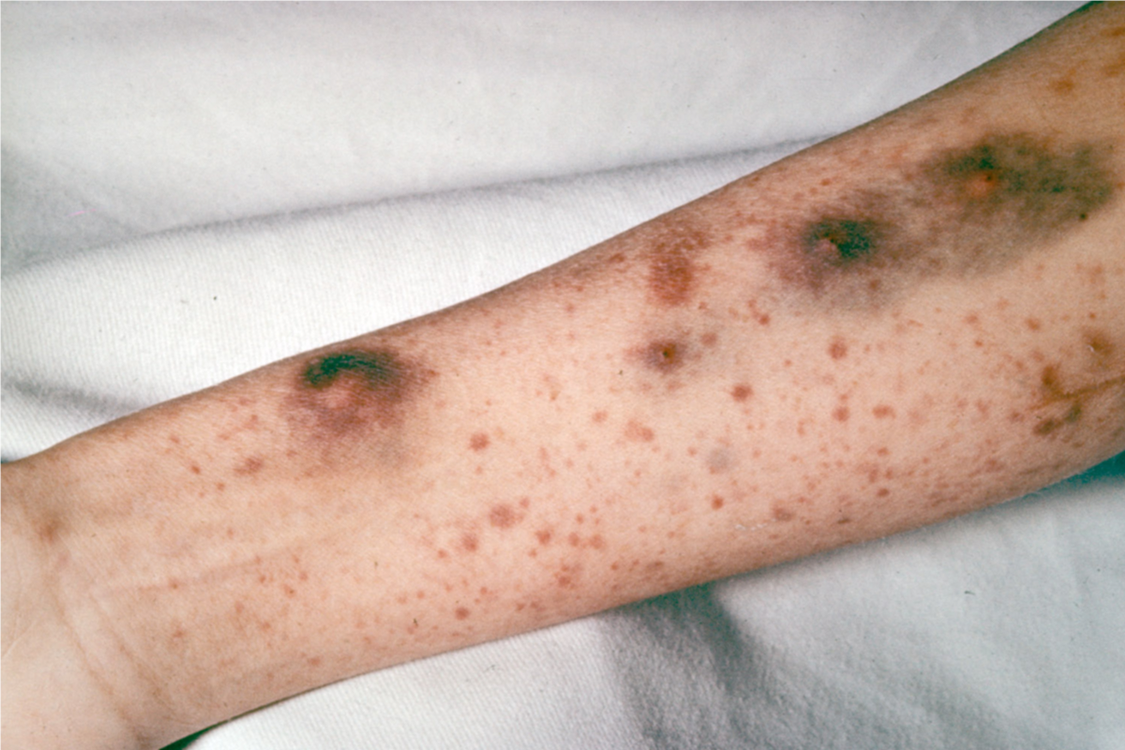
Classical picture of bruises
Flecks aswell – bleeds into the dermis
When you see this patients ask and push one of the lesion and see if it blanches and this one shouldn’t
what is shown here?
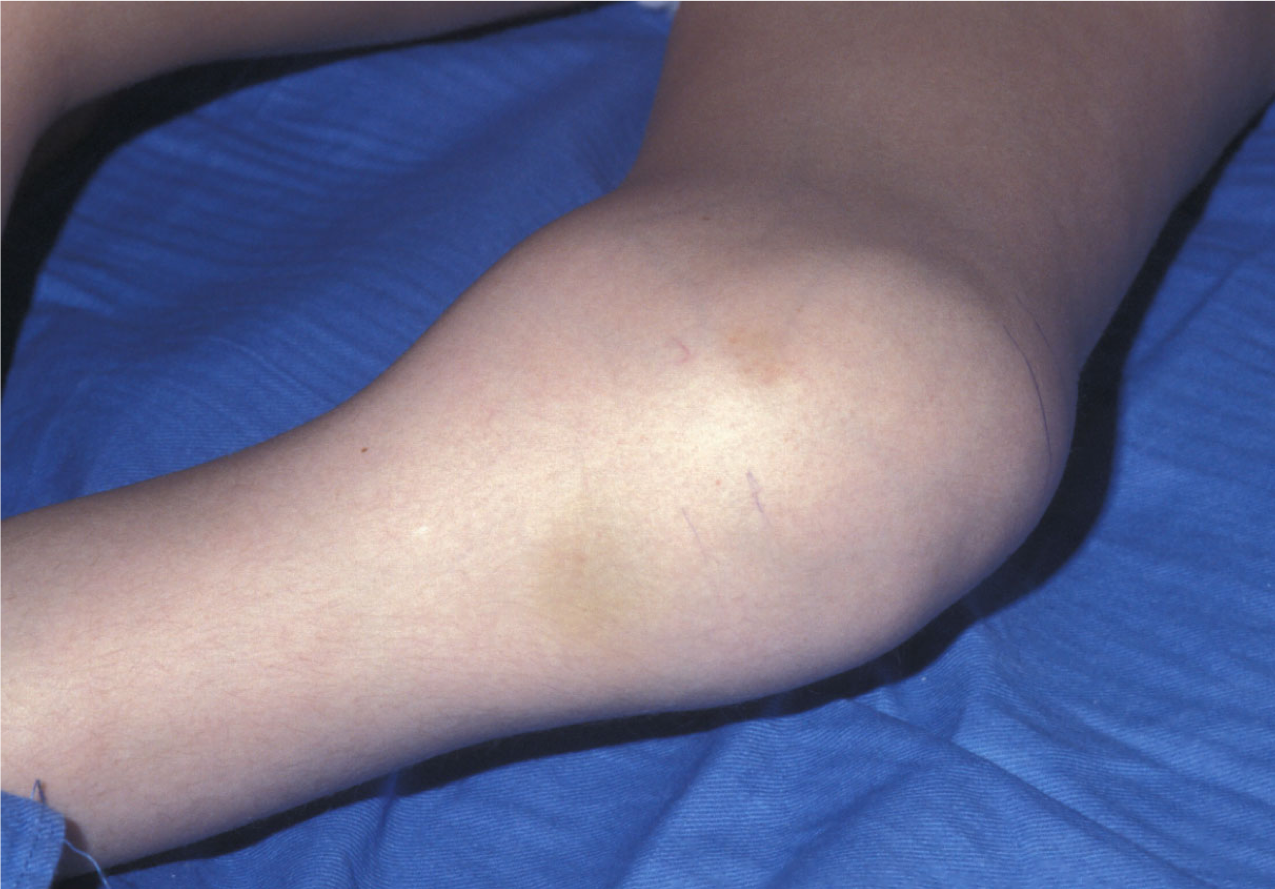
Severe haemophilia
Picture of old haemophilia
Haemophilic athropathy
Inflammatory response in macrophages resulting in synovitis
Inflammation synovium prevents repair
what is shown here?
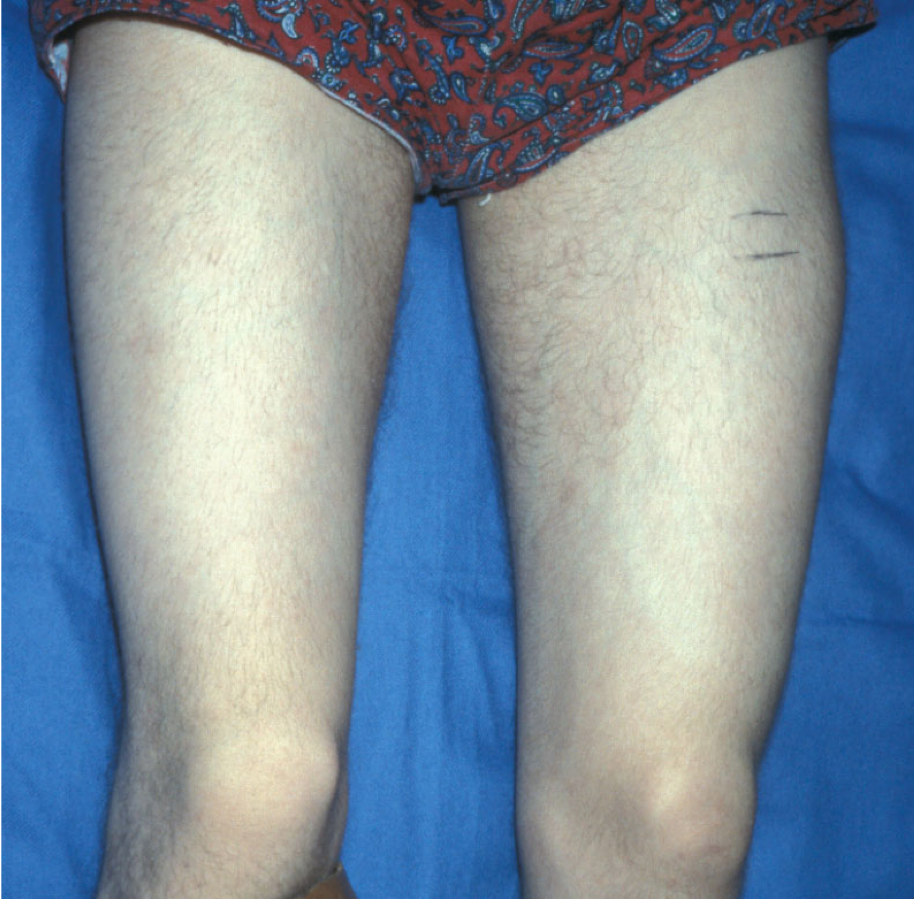
Big haematoma in thigh
what is shown here?
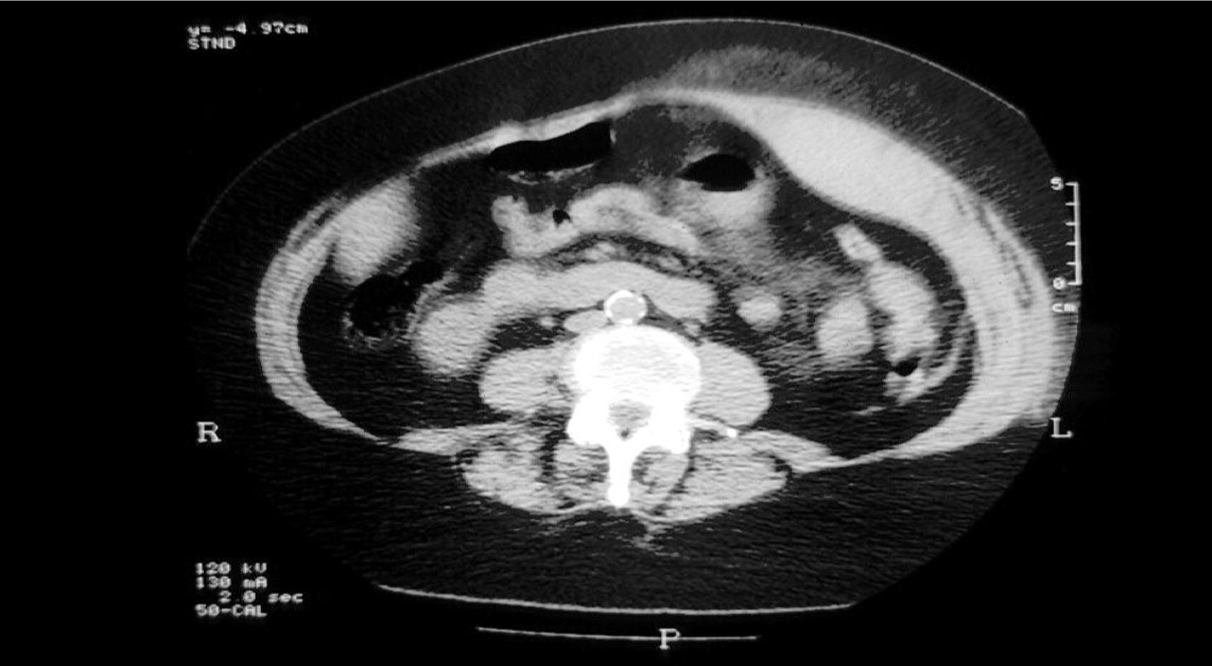
Rectus Sheath Haematoma
what is shown here?
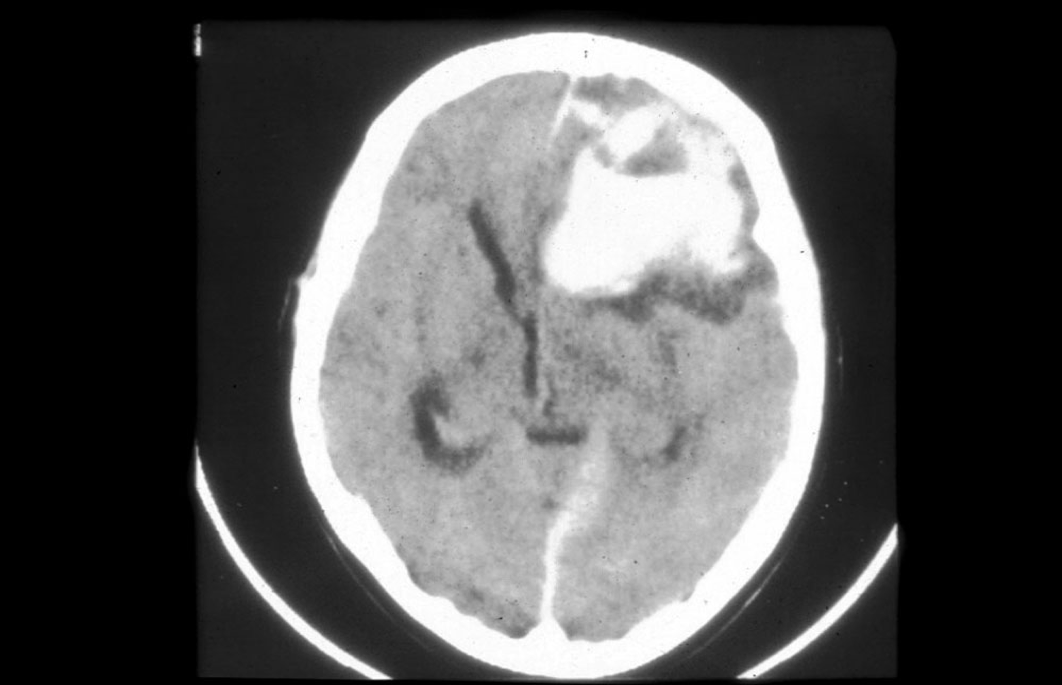
Intracranial Haemorrhage in Haemophilia
Used to be the commonest cause of death in severe haemophilia
Dense area of bleeding
Midline shifted – not a good outcome
how do you determine if a bleeding disorder is congeital or aquired?
- Previous Episodes ?
- Age at first event
- Previous surgical challenges
- Associated History - Family history of a bleeding disorder
Ask about previous episodes – especially of trauma and surgical episodes, even if it was 20 years ago and want to know if they have abnormal bleeding as if they didn’t then unlikely it is a congenital bleeding disorder they are presenting with now and more likely to be acquired
how do you determine if it is a hereditary disorder?
- Family members with similar history
- Sex - From sex you can determine the nature of inheritance, weather it being X-linked or autosomal
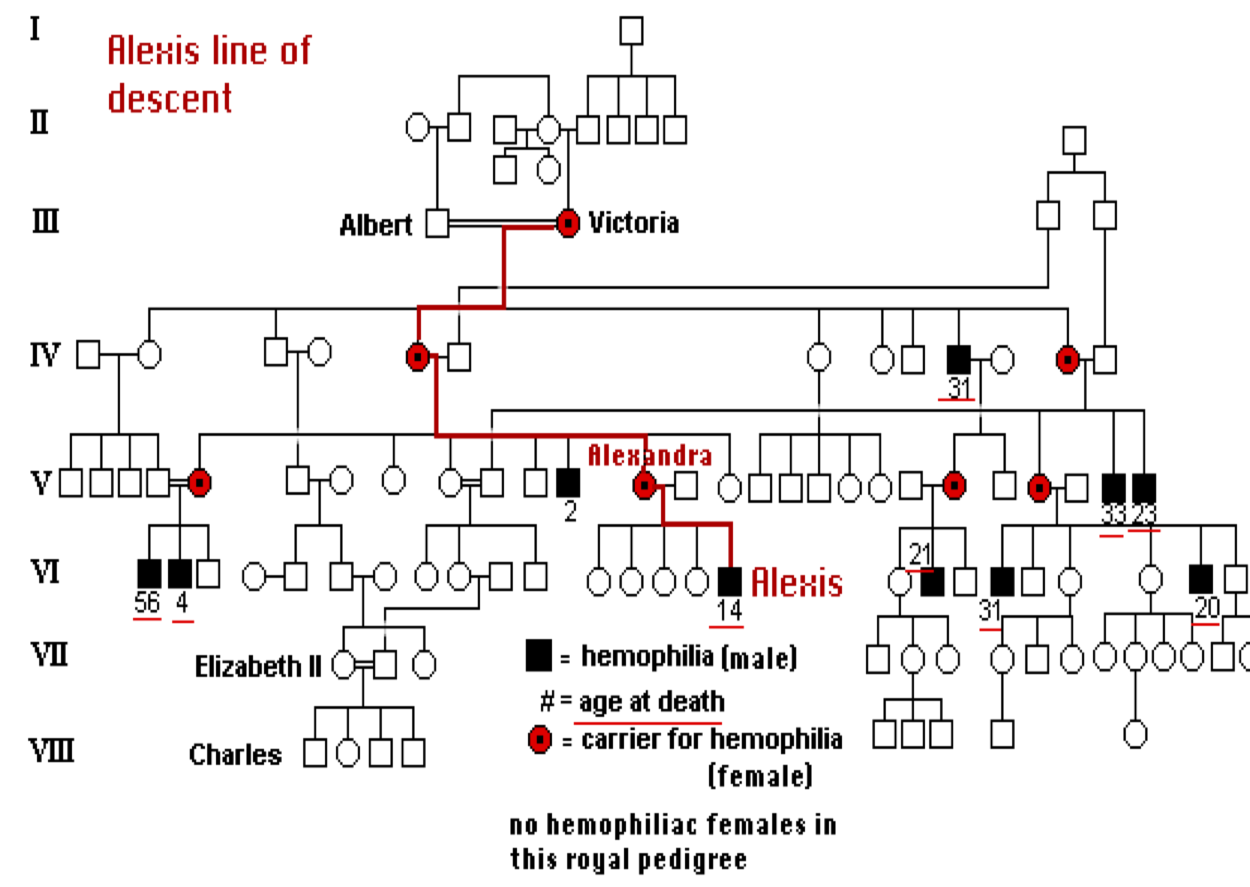
what is shown here?
Classic family tree for a X linked disorder
Circle = women
Square = men
Black square = affected men
Victoria had a mutation in her factor 9 gene
Boy on right - X chromosome from mum and happens to be the one with the disorder one it and Y chromosome from dad – died at age of 31
what is shown here?
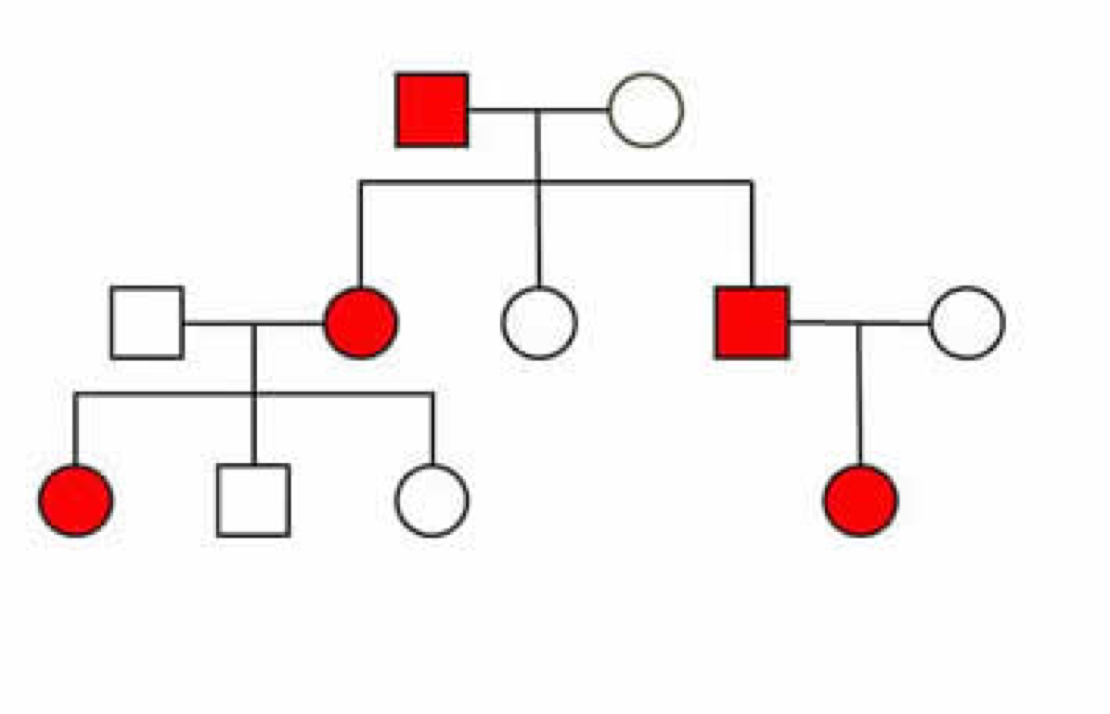
Autosomal dominant pattern
vWF diseases tend to be autosomal dominant inheritance
what is Haemophilia A and B?
- X-linked
- Identical phenotypes - Pattern of bleeding is the same so you can only know by determine what coagulation factor is missing
- 1 in 10,000 and 1 in 60,000
- Severity of bleeding depends on the residual coagulation factor activity
Haemophilia is a mostly inherited genetic disorder that impairs the body’s ability to make blood clots, a process needed to stop bleeding. This results in people bleeding for a longer time after an injury, easy bruising, and an increased risk of bleeding inside joints or the brain.
Type A, the most common type, is caused by a deficiency of factor VIII. Type B hemophilia is caused by a deficiency of factor IX
what are the different severities of haemophilia?
- <1% Severe - spontaneous unprovoked bleeding
- 1-5% Moderate - not spontaneously but will bleed after surgery and trauma if not managed appropriately
- 5-30% Mild
what are the clinical features of Haemophilia?
- Haemarthrosis (haemorrhage into a joint space)
- Muscle haematoma (bleeding within a muscle group)
- CNS bleeding
- Retroperitoneal bleeding (accumulation of blood found in the retroperitoneal space)
- Post surgical bleeding
what is shown here?
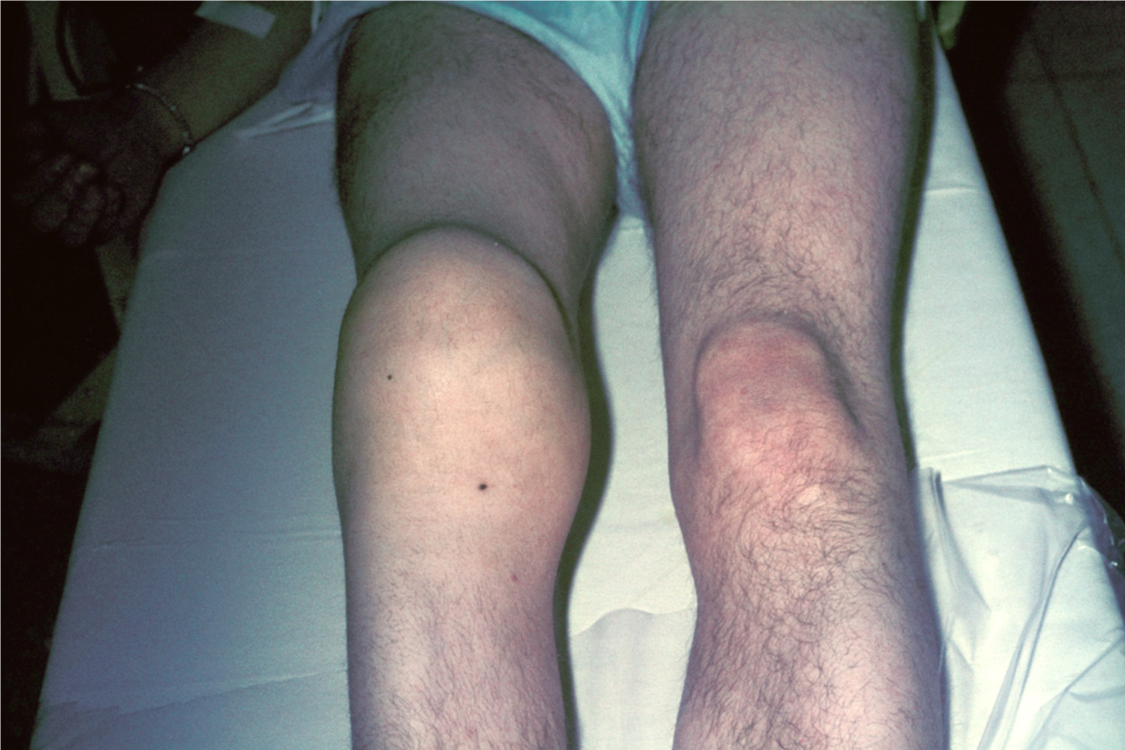
•Haemarthrosis (haemorrhage into a joint space)
what is shown here?
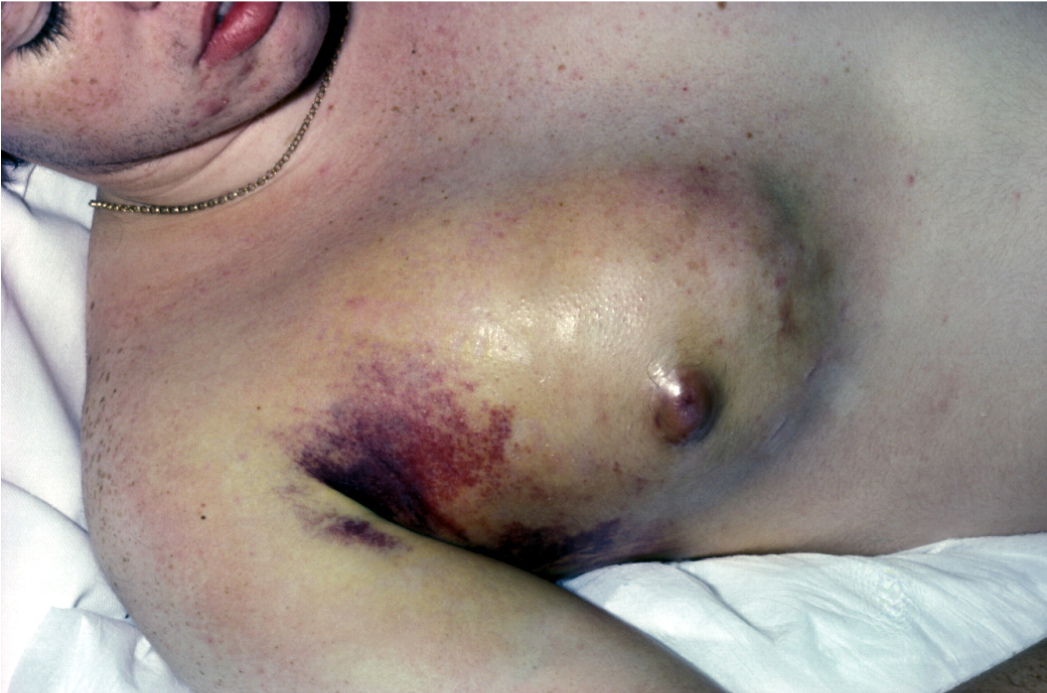
Injury
Man hit with tennis ball
Severe injury for being hit with tennis ball
haemophilia


-
1. Introduction: The scope of clinical haematology40
-
3. Red Cells 130
-
Red Cells 250
-
Haemostasis33
-
Blood Transfusion38
-
Thrombotic Disorders28
-
Bleeding Disorders47
-
Haematological Malignancy27
-
Myeloid Malignancy34
-
Anaemia – in Practice25
-
Lymphoproliferative Disorders47
-
Haematostasis and Thrombosis in Practice: Clinical Cases Haemostasis and Thrombosis27
-
Myeloma and Paraproteins38
-
Infection24
-
Haematological Malignancy in Practice29



