Stages of BPM lifecycle
1 Envision
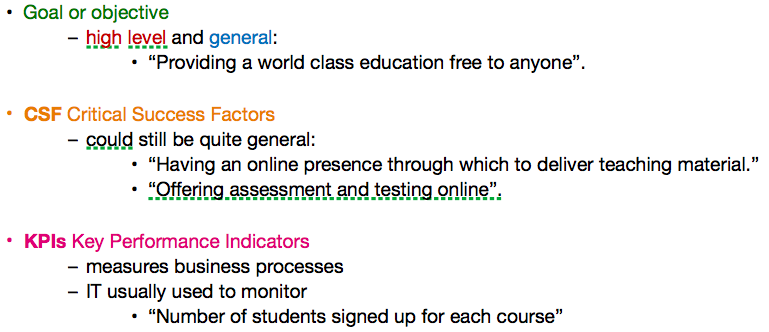
- business goals documented
- problem defined
- KPIs and Critical Success Factors defined
- vision for BPM solution developed
2 Assess
- The current state of the enterprise is analysed further.
- What is required for the vision? How does the organisation need to change?
- Vision is reevaluated to make it realistic
- Definition of IT strategy & execution plan of business transformation may be included
3 Define
- Design and management
- Processes can be simulated to identify potential bottlenecks.
4 Execute
- Processes & IT architecture are built, integrated, assembled, deployed, and monitored.
5 Optimise
- Optimise to meet KPIs
Envision in detail
Benefits of BPM
- visibility of a company’s activities
- identify bottlenecks
- optimisation identification
- reduced lead times
- better definition of roles in company
- standardised, all stakeholders understand
- graphical form allows easy process visualisation & development
- good tool for fraud prevention, auditing and assessment of regulation compliance
Useful in GLOBALISATION (more information, complexity, demand, less time, …)
Definition of Business process modelling (BPM)
- a field in operations management / systems engineering
- represents processes of an enterprise
- aims to analyse, manage, and optimise processes
- thereby, improving corporate performance
- standardised by the Object Management Group (OMG)
Corresponding vs. Abstract Models
Corresponding models have structures / elements correspond (under some rules) to something which they model.
Abstract models are removed in some way from that which they model. They represent only some aspects.
Four Element Categories
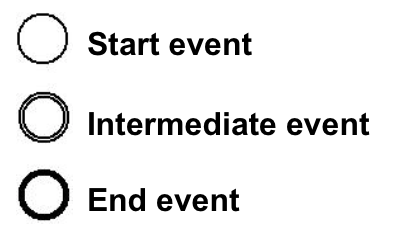
1. Flow objects
- Small set of core elements to minimise the number of shapes modellers have to learn.
2. Connecting objects
- Joins the flow objects together.
3. Swim-lanes and Pools
- Partitions activities according to who is doing them.
4. Artefacts
- Attaching files or systems to parts of the process



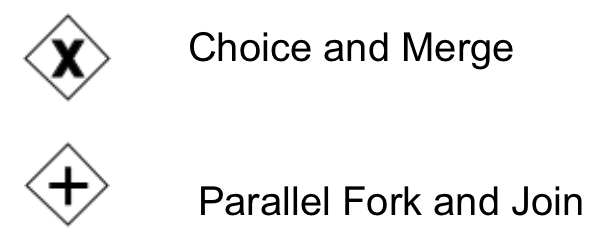
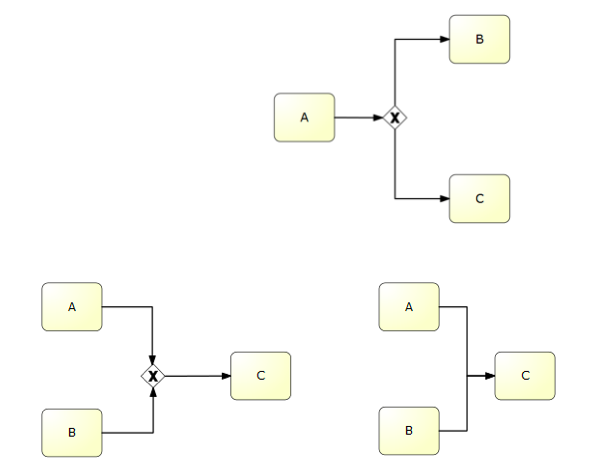
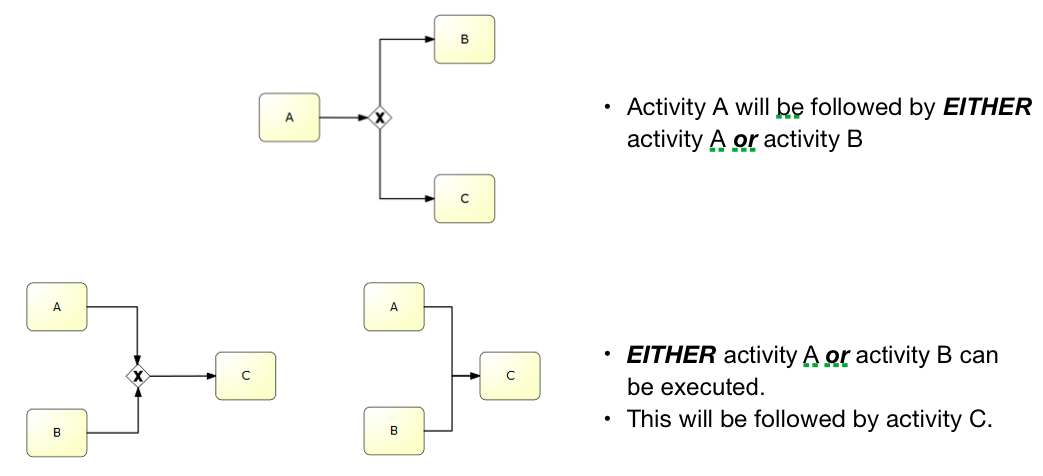
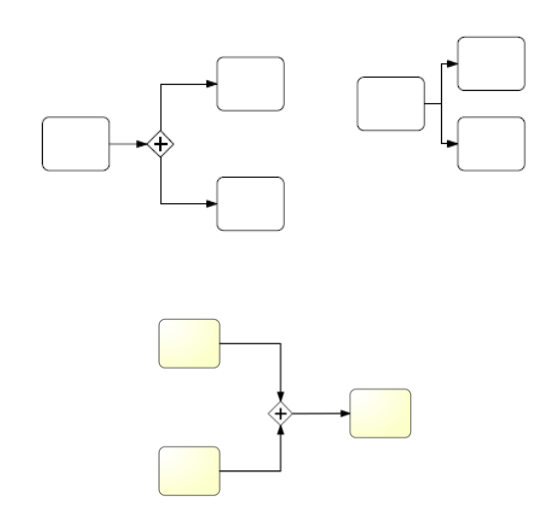
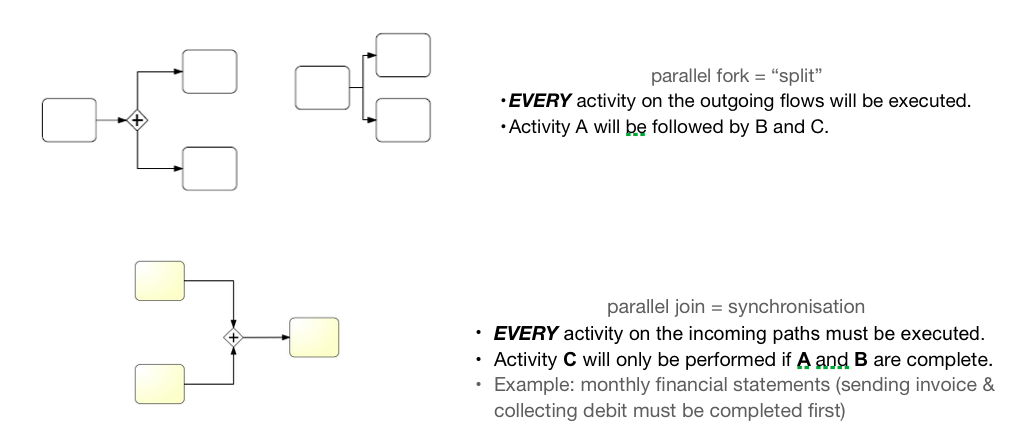
Gateways are used to control the divergence and convergence of a sequence flow.
Control-Flow Patterns with Gateways:
What are Inclusive Gateway and how to represent them?
Choose 1 or more pathways
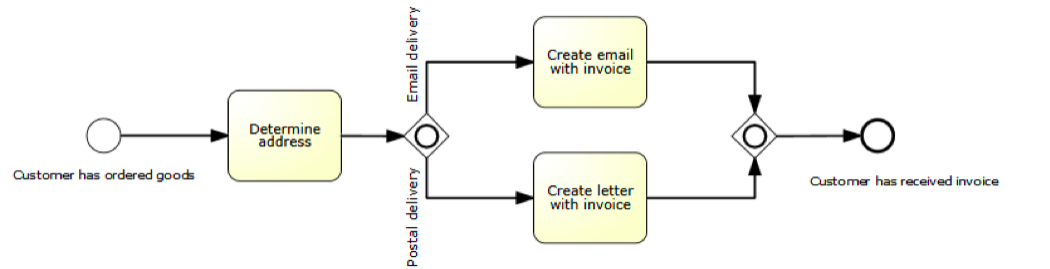
Function of a Complex Gateway
Used whenever it’s not possible to map one the process logic using one of the other gateways.

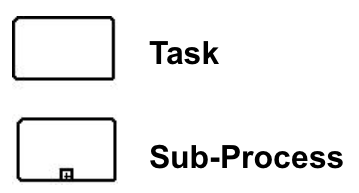
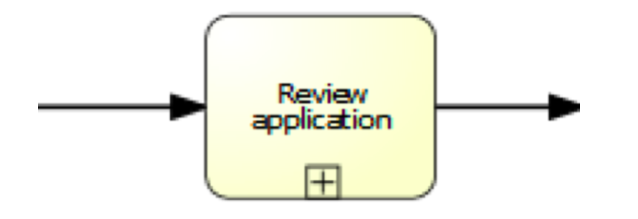
Represent Subprocesses
A sub-process contains a series of tasks
- subprocess in BPMN can grouped together — thats a particular service, surrounded by dotted line
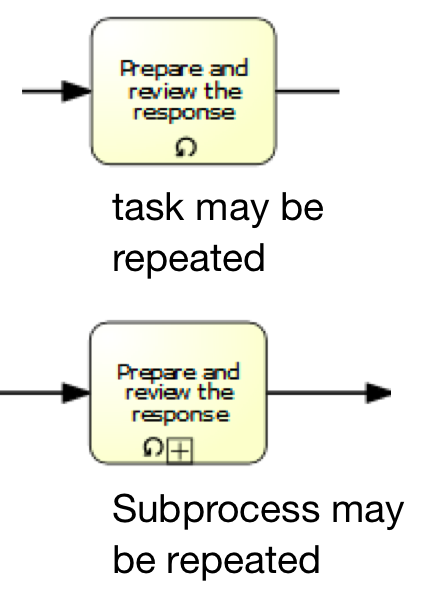
Rework and Repetition in BPMN
Often in a process something has to be checked.
- If an error is found then part of the process must be repeated.

repeating tasks and repeating subprocesses in BPMN
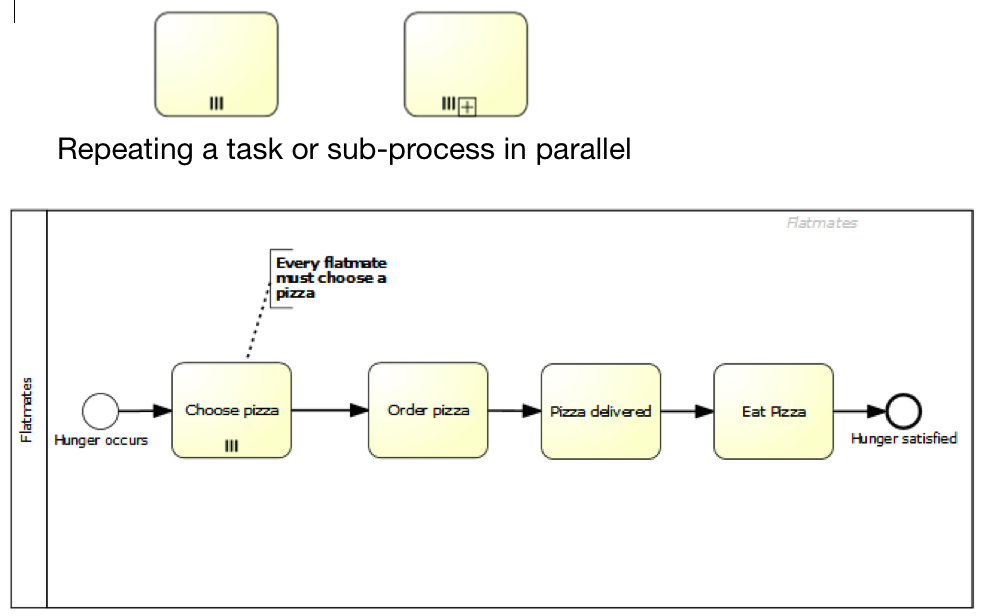
repeating a task or sub-process in parallel
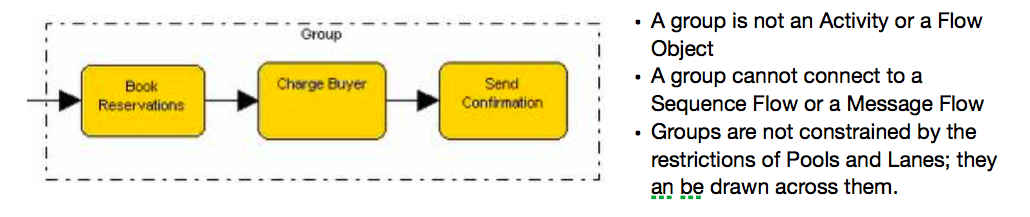
Artifacts in BPMN
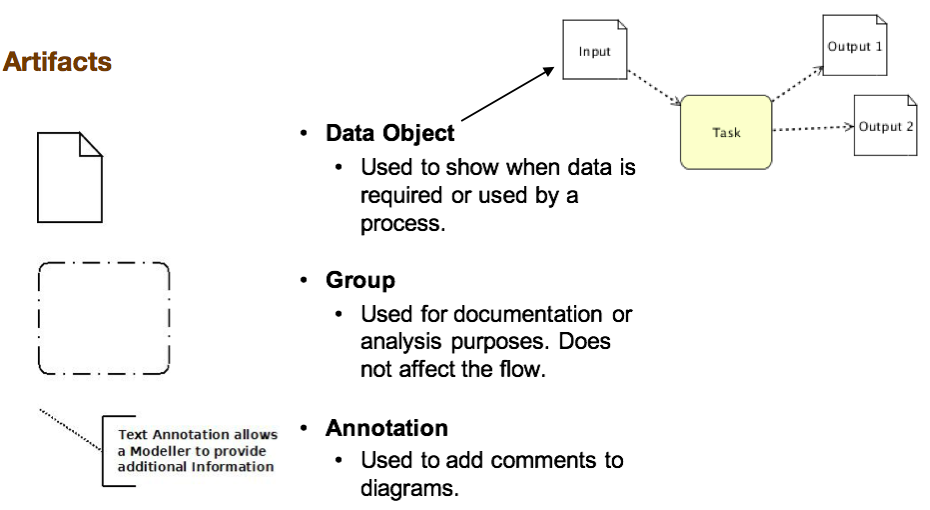
Artifact Groups in BPMN
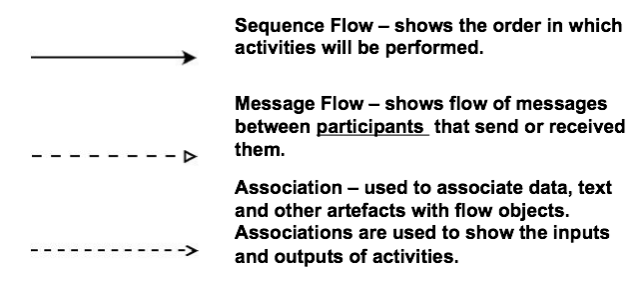
Connecting Objects in BPMN
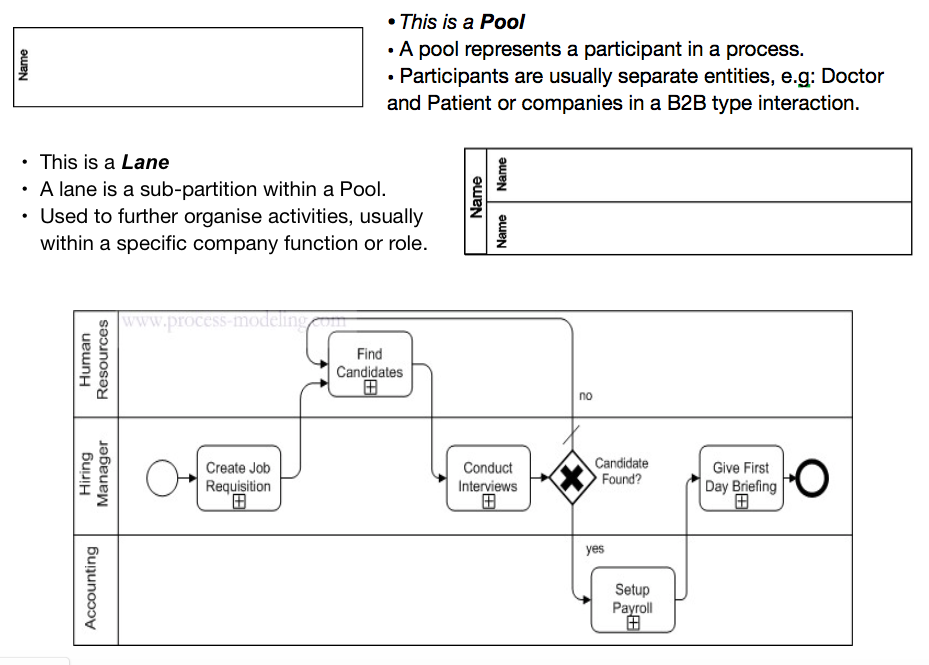
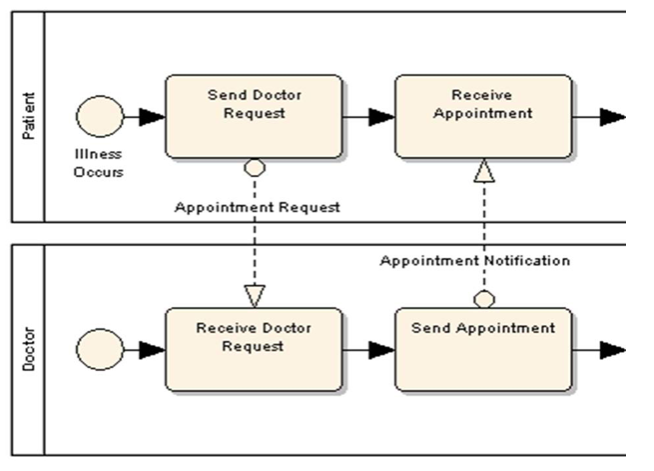
Pool vs. Swimlanes
Pools
- Activities within Pools are considered self-contained processes.
- The sequence flow may NOT cross the boundary of a pool.
- Messages between the pools must be used instead.
Swimlanes
- Swimlanes organise activities into separate visual compartments or categories.
- Each category or compartment might represent a different functional capability or responsibility.
- Processes can traverse Swimlanes
Communication between Pools in BPMN
a dashed line
3 BPM tools
Process mapping
- The use of a flowchart to document the process incorporating process activities and decision points.
Business process simulation
- The use of computer software, in the context of a process-based change, that allows operation of a business to be simulated.
Business activity monitoring (BAM)
- Software that is designed to monitor, capture and analyse business performance data in real time and present them visually in order that rapid and effective decisions can be taken.
Because of the simple rules, tools can easily check whether the diagram is logically correct.
BPM in the organsiational context
- Effective BPM drives business agility
- It complements to SOA.
BPM aims to develop and execute on a perpetual value-generation cycle, where value is realised by continuous process improvement in an effort to sustain market competitiveness and dominance.
BPM, by using business processes as the fundamental construct, strives to maximise overall bottom line by integrating verticals and optimising core work.
BPM provides the platform that enables the business functions embedded within applications and systems to interact and integrate at a level higher than application-to-application and data integration. This collaboration platform shields customers, suppliers, and trading partners from the technology dependencies of an enterprise’s application portfolio, and provides an orchestration substrate to execute and manage end-to-end business processes.



