Atom
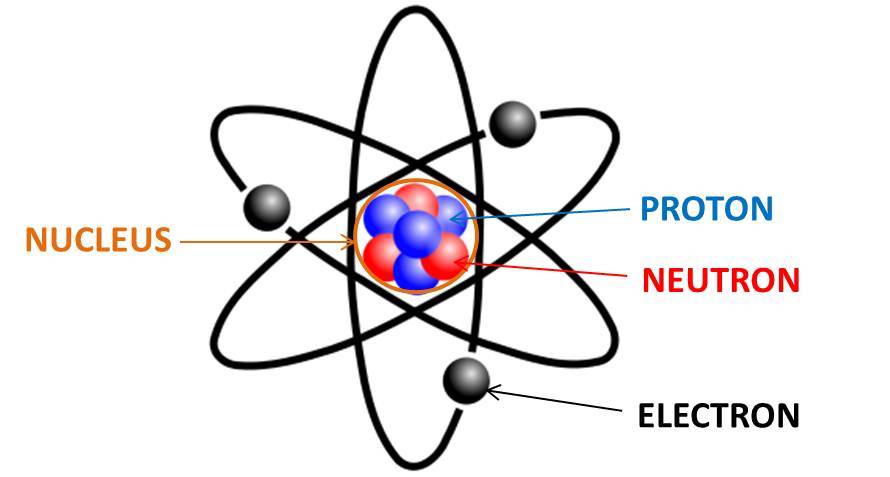
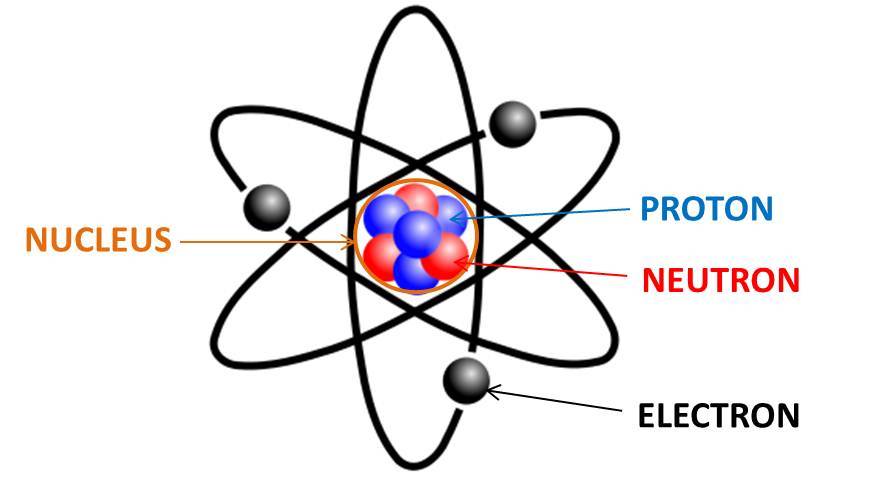
The smallest particle of a chemical element that can exist. The building block of matter (which makes up everything).
Matter
The substance or substances of which any physical object consists or is composed.
Atomic Particle
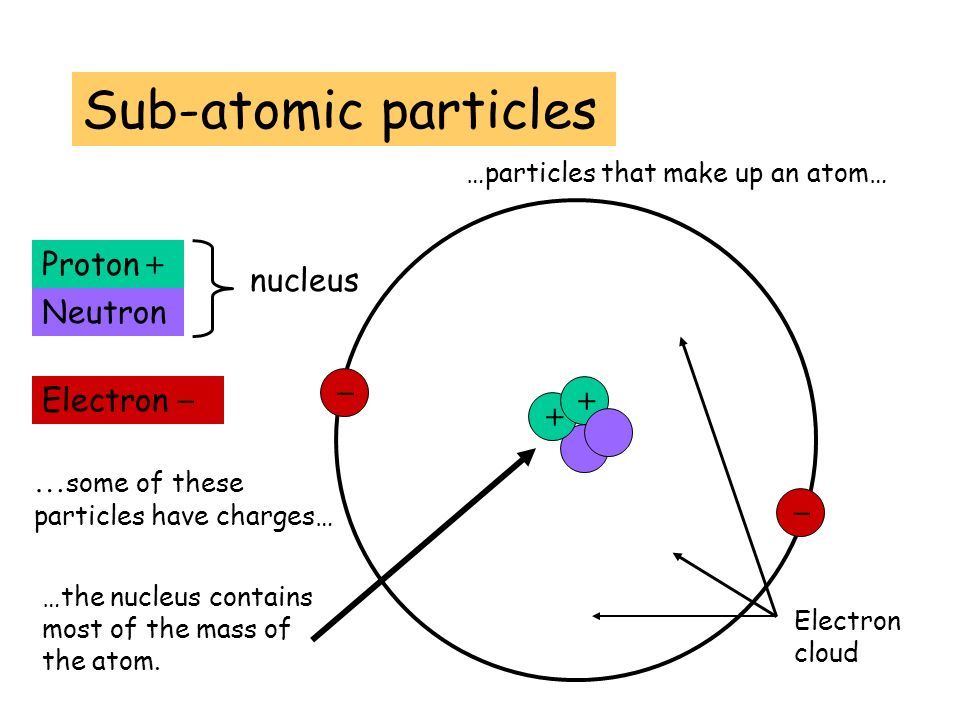
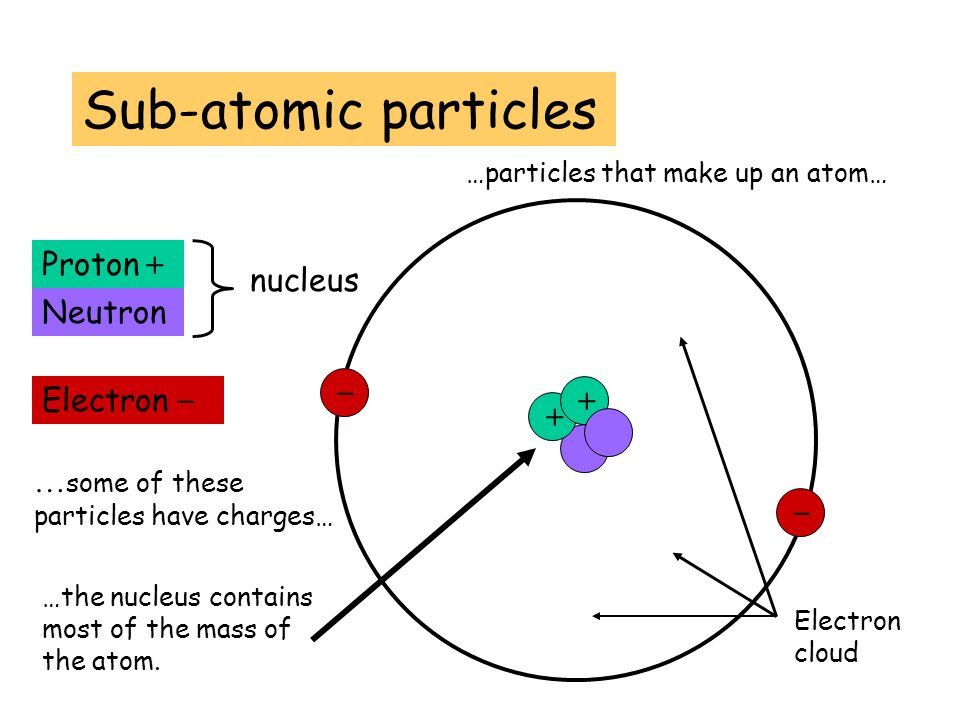
A particle of which an atom is made of.. Either a proton, neutron or electron.
Electron
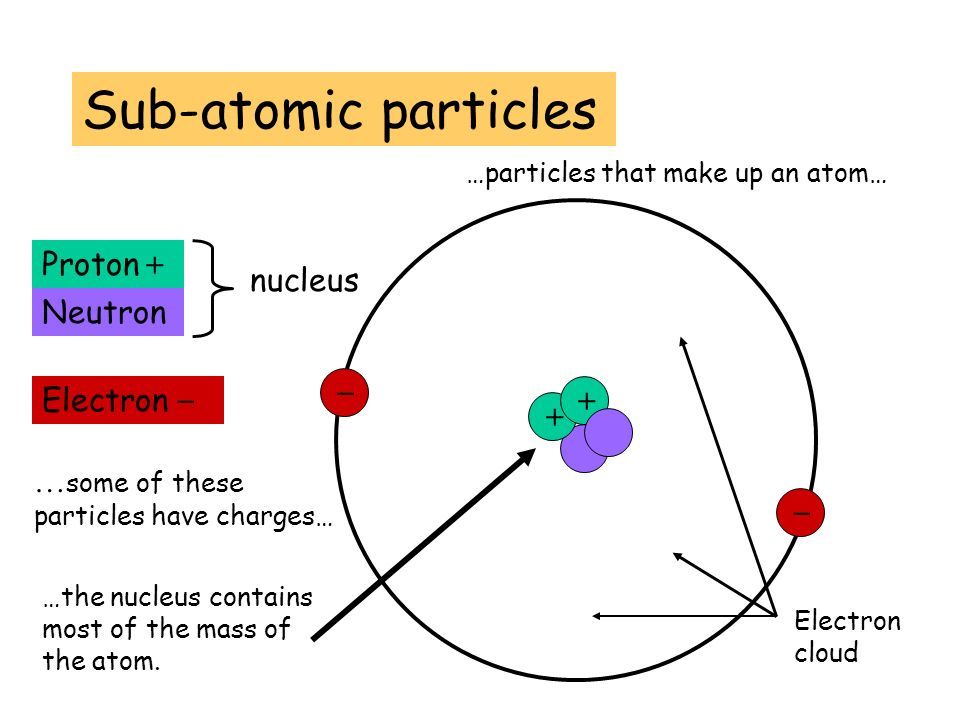
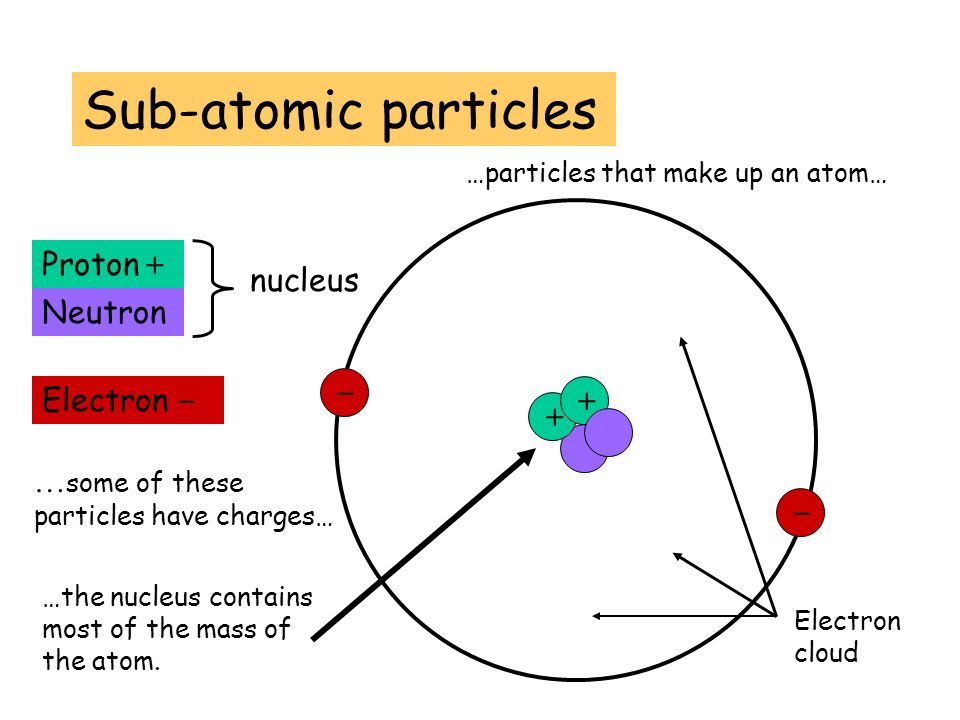
- An atomic particle with a negative charge. Has a mass of 1/1840.
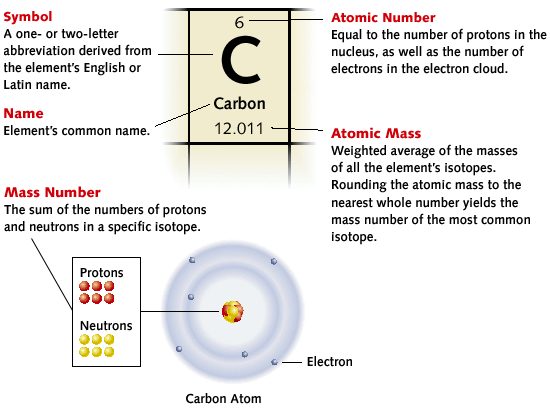
- The number of electrons in an atom is the same as the atomic number.
Neutron
- An atomic particle with a neutral charge. Has a mass of 1.
- The number of neutrons in an atom is calculated by taking away the number of protons from the atomic mass.
Proton
- An atomic particle with a positive charge. Has a mass of 1.
- The number of protons in an atom is the same as the atomic number.
AMU
An atomic mass unit (a unit of measurement of atoms). Calculated by the mass of the protons and neutrons (electrons aren’t counted in simple calculations because it weighs 1/1840 AMU)
Electron Shell
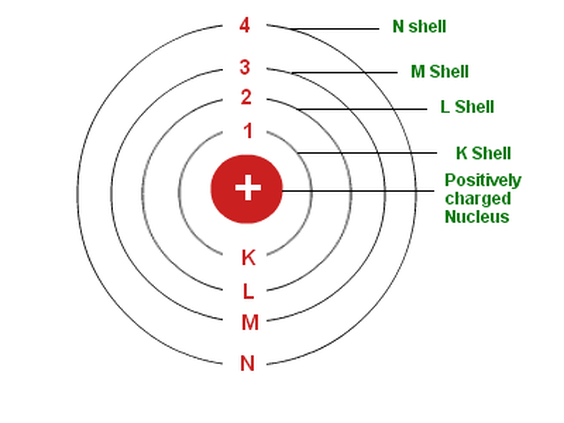
An electron shell is the outside part of an atom around the nucleus. Electrons are contained in the electron shell.
Element
An element is a substance which is comprised of the same type of atom (all of the atoms have the same number of protons).
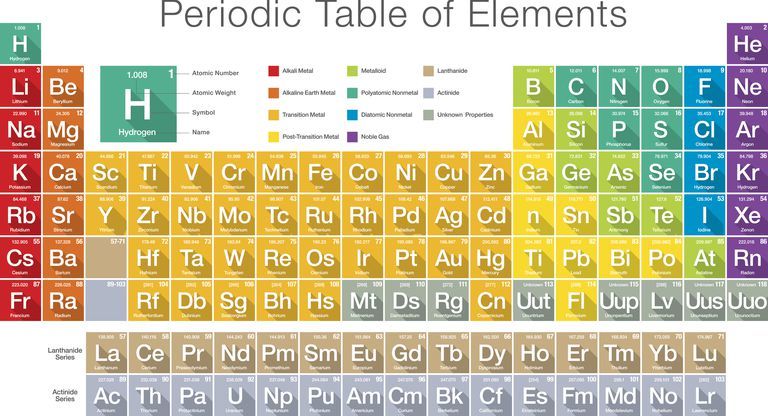
Compound
A compound is a substance where two or more types of atoms (or the same type of atom) are bonded together. (In mixtures the atoms are not chemically bonded).
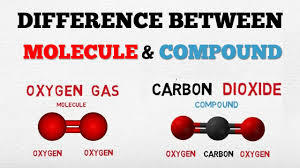
Periodic Table
- A table of chemical elements arranged according to the atomic number so that elements with similar structures appear in columns.
- Elements are arranged by atomic number in increasing order from left to right, top to bottom.
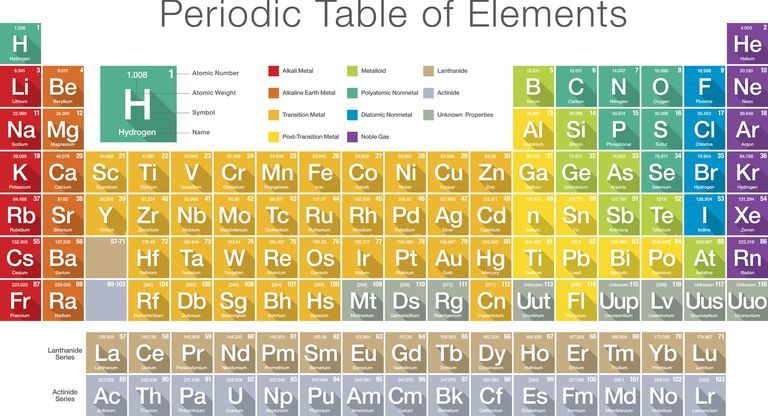
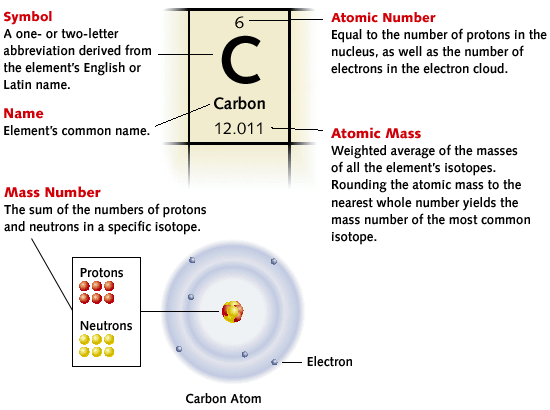
Atomic Number
The number of protons in the nucleus of an atom of a particular element and also determines the elements place in the periodic table.
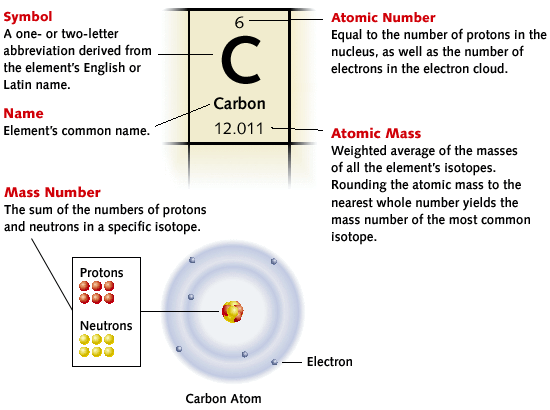
Atomic Mass
The mass of an atom of a certain element. Often calculated by adding the mass of the protons and neutrons in the atom.
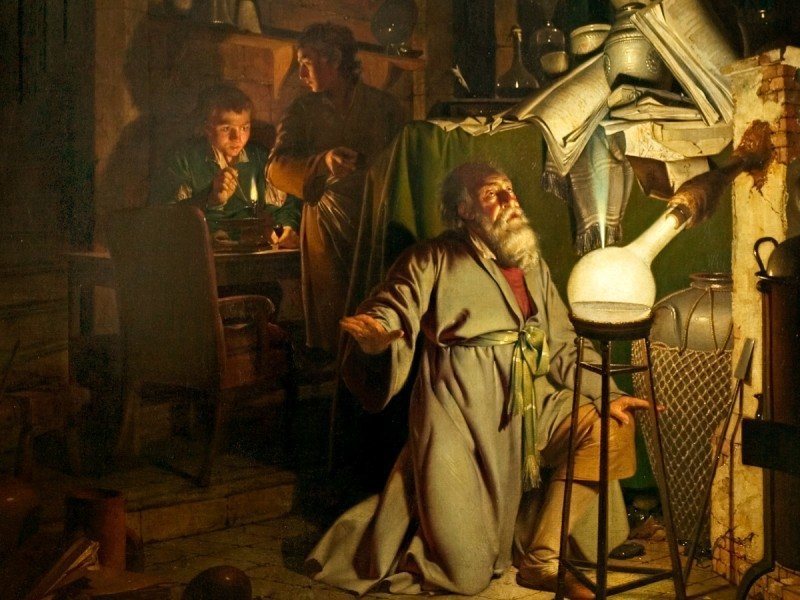
Alchemists
A person who transforms or creates something through a seemingly magical process. They were popular during the medieval times.
Investigations
A formal inquiry or systematic study.
Observations
A statement based on something one has seen, heard or noticed.
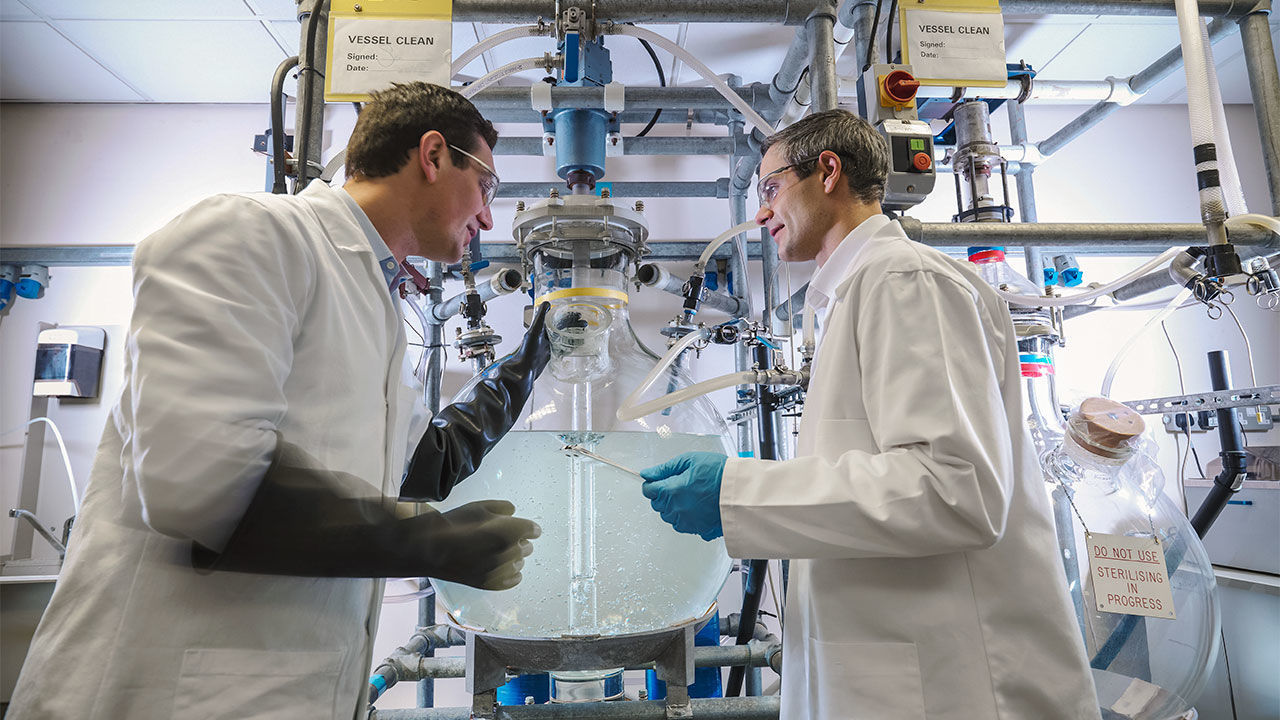
Scientists
A person who is studying or has expert knowledge of one or more of the natural or physical sciences.
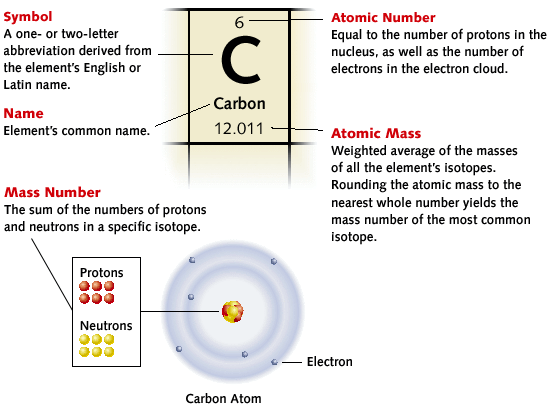
Chemical Symbol
- An abbreviation or short representation of a chemical element; the symbols in the periodic table.
- Chemical symbols are unique to the element.
- Chemical symbols are usually the first letter of the name of the element, but sometimes a second letter is added. The first letter is written in capital case while the second is written in simple case.
For example - He = Helium
- Sometimes the chemical’s old name (usually latin name) is used. The same rules regarding to the first and second letters apply.
For example - Fe = Iron (Ferrum is the Latin name for iron)
Anions
Negatively charged atoms with a full valence shell that are formed when atoms gain electrons to make a full valence shell.
Cations
Positively charged atoms with a full valence shell that are formed when atoms lose electrons to make a full valence shell.
Metals
- Most metals are solid at room temperature.
- Most metals are malleable (can be bent into shapes easily).
- Metals are good conductors of heat and electricity.
- Metals are shiny.
Metalloids
- Elements that are not metals but have some of the properties of metals.
- Silicon is a good example, it is not a metals but is a good conductor of electricity, which makes it a metalloid.
Non-Metals
- Non-metals are normaly very brittle (break easily).
- Non-metals aren’t normally shiny.
- There are more liquid non-metals at room temperature thatn liquid metals.
- Non-metals do no tconduct electricity well.
Valence Electrons
- Valence electrons are the electrons that orbit on the outer-most electron shell of an atom.
- Atoms without a full valence shell are unstable, which is why they gain or lose electrons to get a full valence shell.
- Some elements are very reactive because they are the furthest away from a full valence shell (even if they lose the electrons in the valence shell, the next shell won’t have a full set of electrons either).
- If the valence shell has few electrons, the atom will lose the valence electrons (more efficient than gaining) and make its second outer shell its new valence shell.
- If the valenve shell has many electrons, the atom will gain more electrons (more efficient than losing) from a nearby atom and make its valence shell have a full set of electrons.



