Diagnosis of Diabetes
Hgb A1c ≥ 6.5%
- Fasting plasma glucose ≥ 126 mg/dL (still the standard)
- 2-hr plasma glucose ≥ 200 mg/dL (75 g glucose load)
- Random plasma glucose ≥ 200 mg/dL with classic symptoms of hyperglycemia (polyuria, polydipsia)
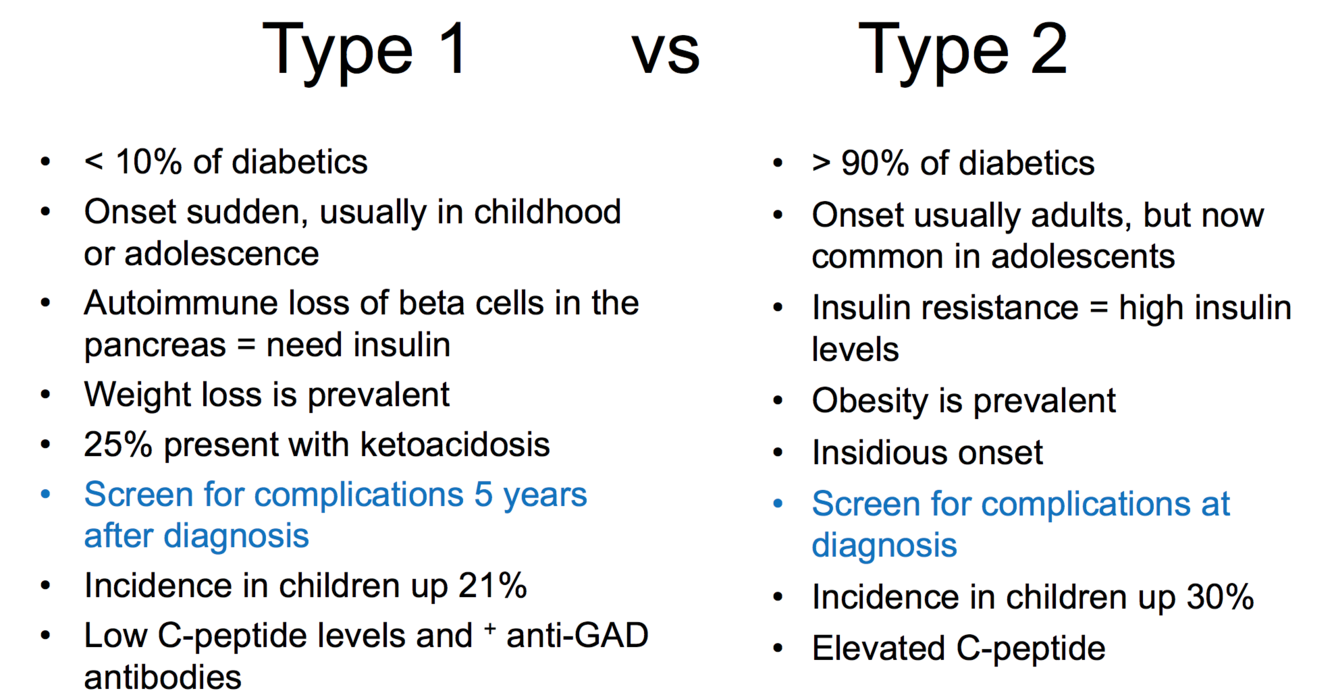
Type 1 versus Type 2 Diabetes
Management Goals (ADA )
• A1C < 7%**
– < 6.5% for new diagnosis, long life expectancy
– < 7.5% for children (more commonly type 1)
– < 8% for longstanding disease, advanced complications
– < 8.5% for limited life expectancy, extremely complex older patients – Monitor every 3 months (every 6 months if well-controlled)
- Blood sugar: pre-meal 80-130
- Blood pressure: < 140/90 mm Hg (< 130/80 mm Hg preferred) • Lipids: lifestyle modification; statin management
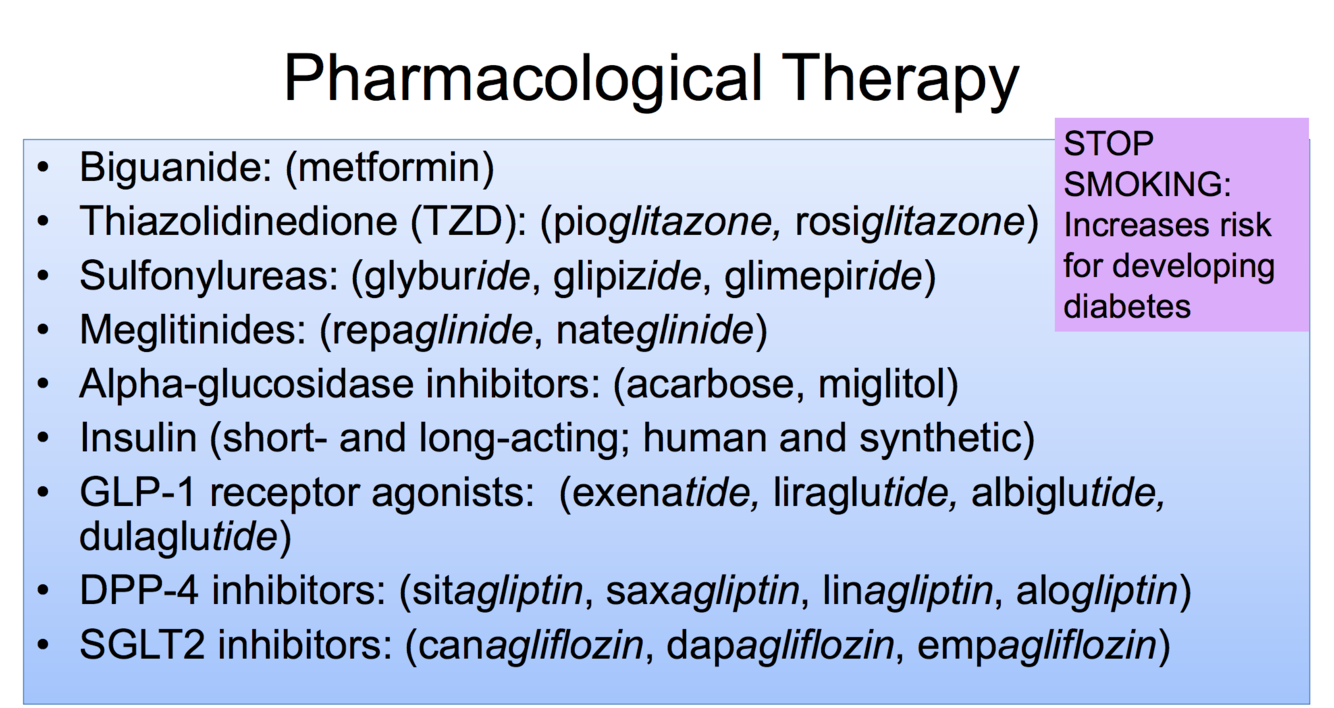
Pharmacological Therapy
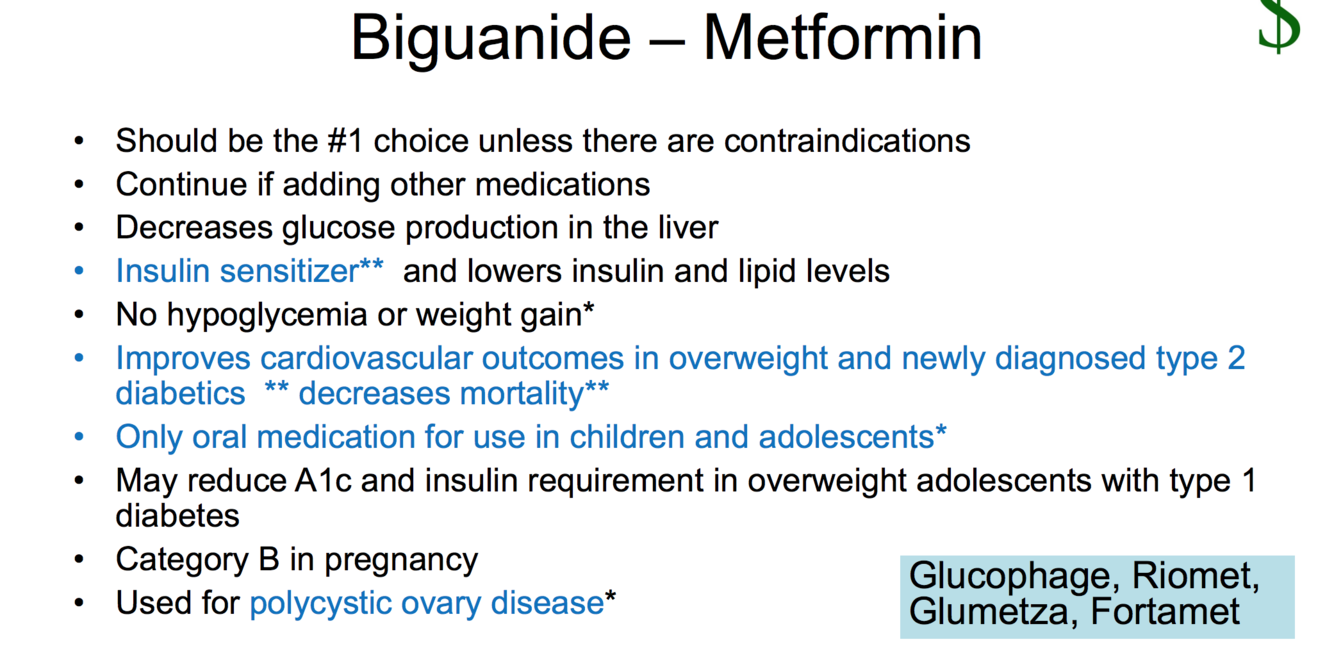
Biguanide – Metformin
Metformin and IV contrast
- Stop prior to IV contrast** and 48 hours after** (angiography/ pyelography)
- Must check creatinine prior to use
- Rare cases of lactic acidosis* (recommended to stop at creatinine > 1.5 men, 1.4 women, but new data suggests that it can be renally dosed if GFR > 30 mL/min)
What vitamin deficiency do you need to check for Diabetes?
• Check for B12 deficiency*
Thiazolidinediones
• Pioglitazone (Actos), Rosiglitazone (Avandia)
– Insulin sensitizers** (decrease insulin resistance)*
– ↓ gluconeogenesis (increase hypoglycemia)
• Caution in cardiopulmonary disorders (volume overload)* Black Box warning for class III or IV heart failure
Sulfonylureas
- Glipizide (Glucotrol), Glyburide, Glimepiride (Amaryl)
- Stimulate pancreatic beta cells to release insulin
- Weight gain and hypoglycemia
Meglitinides
• Repaglinide (Prandin), Nateglinide (Starlix)
– Rapid-acting (half-life <1 hr) insulin secretagogues
Alpha-glucosidase Inhibitors
• Acarbose (Precose) and Miglitol (Glyset )
– Delay carbohydrate absorption in gut
—decrease peak glucose levels, no hypoglycemia as monotherapy*
– Reduces risk of cardiovascular events*
– Not for use in renal dysfunction (creatinine > 2)* – Must keep glucose available
– Weight neutral
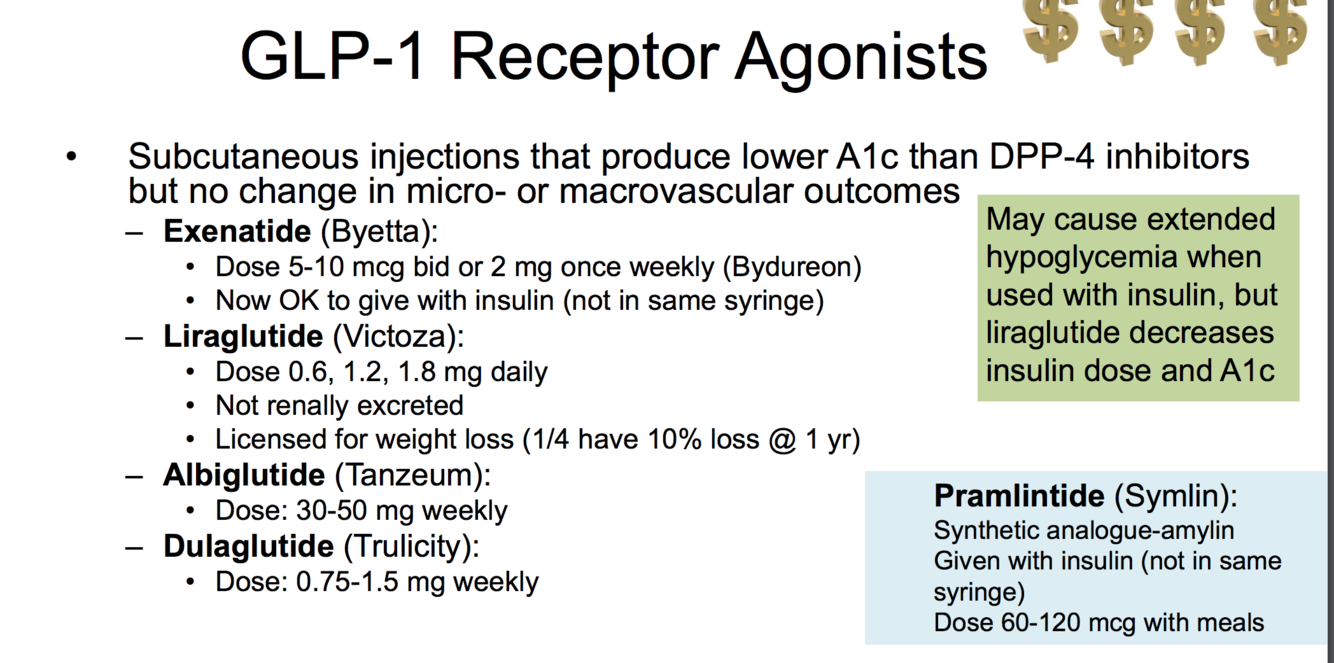
GLP-1 Receptor Agonists
- May stabilize and lower blood sugar better than insulin, but more GI side effects and greater cost
- Decrease dose in renal failure (except liraglutide). Avoid if creatinine clearance < 30 mL/min
- Mechanism of action – Potentiate insulin secretion – Suppress postprandial glucagon secretion – Slow gastric emptying – Promote satiety (no weight gain) •
Side effects – Nausea, vomiting, diarrhea, weight loss* – Pancreatitis* – Hypoglycemia (with sulfonylurea) – Thyroid C-cell tumor risk
DPP-4 Inhibitors
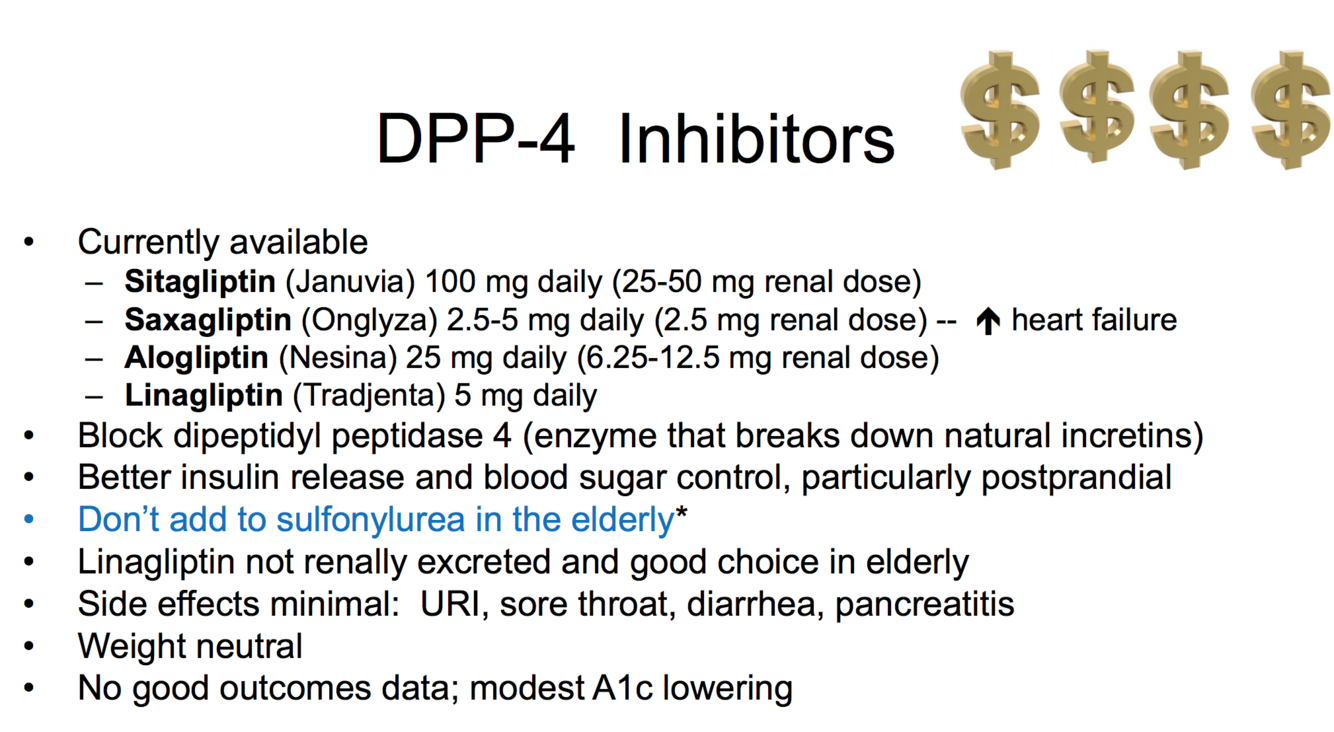
SGLT2 Inhibitors
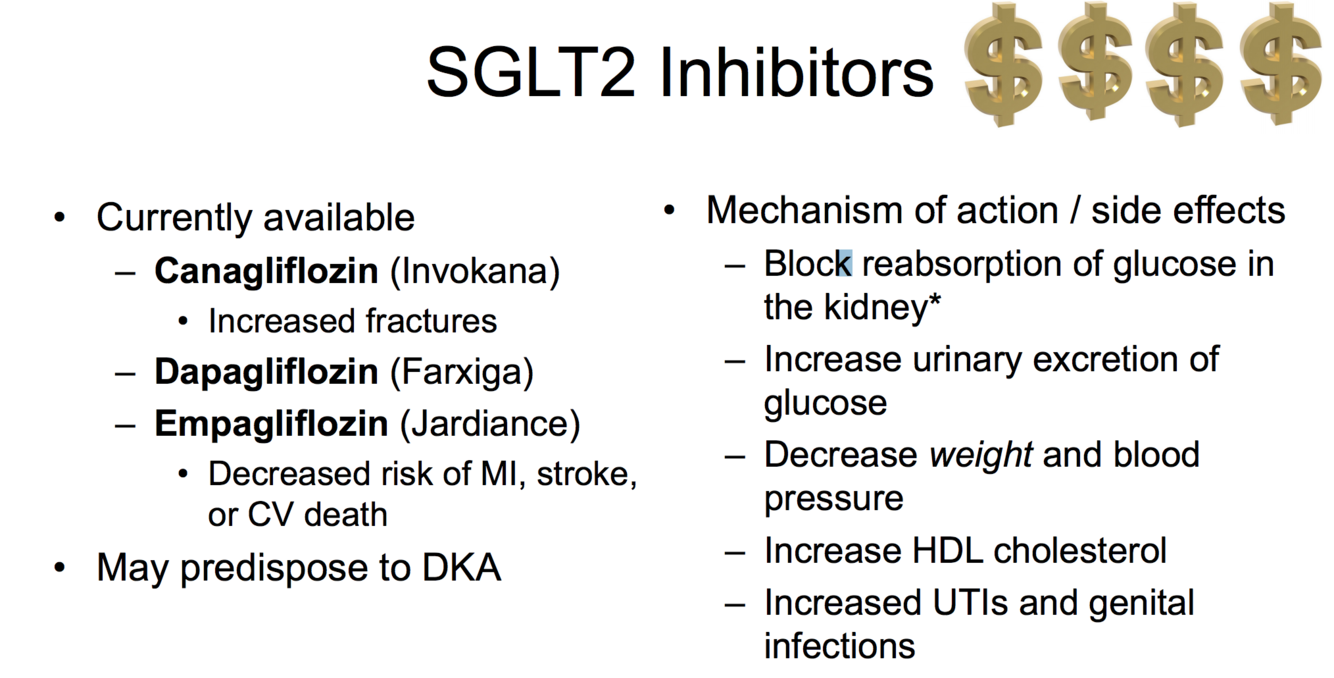
Insulin
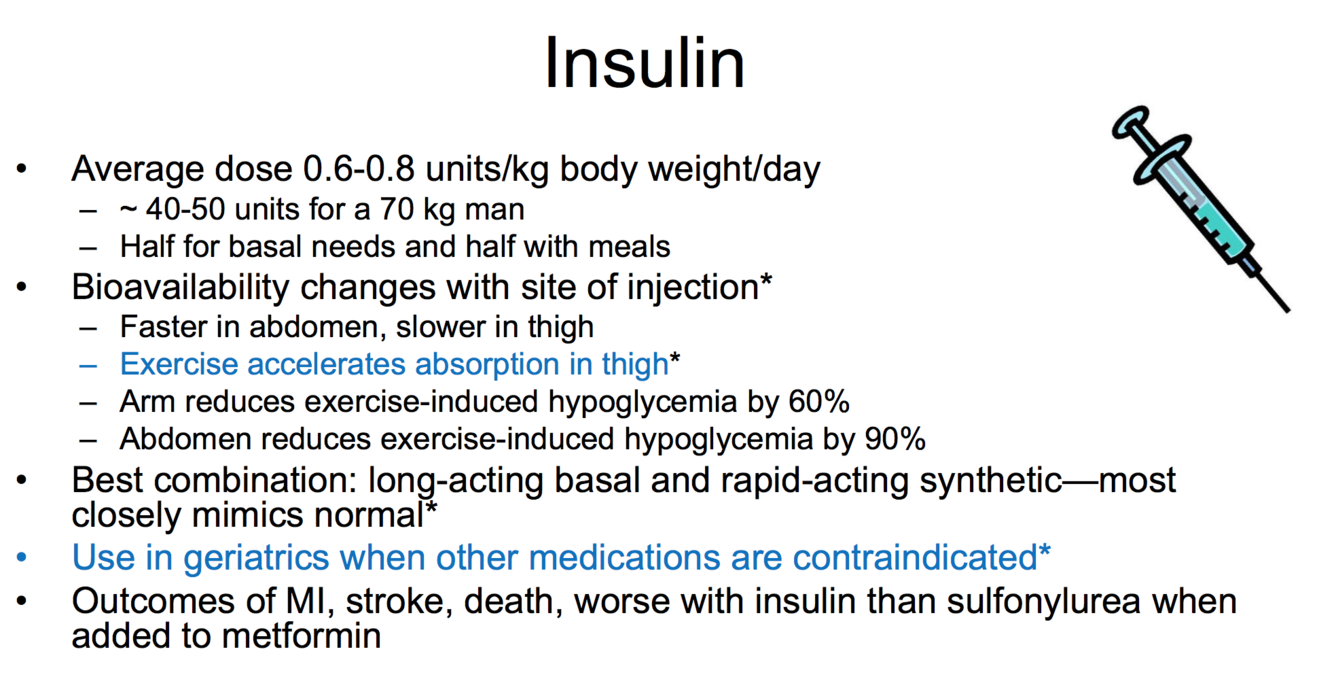
Long Acting Insulin
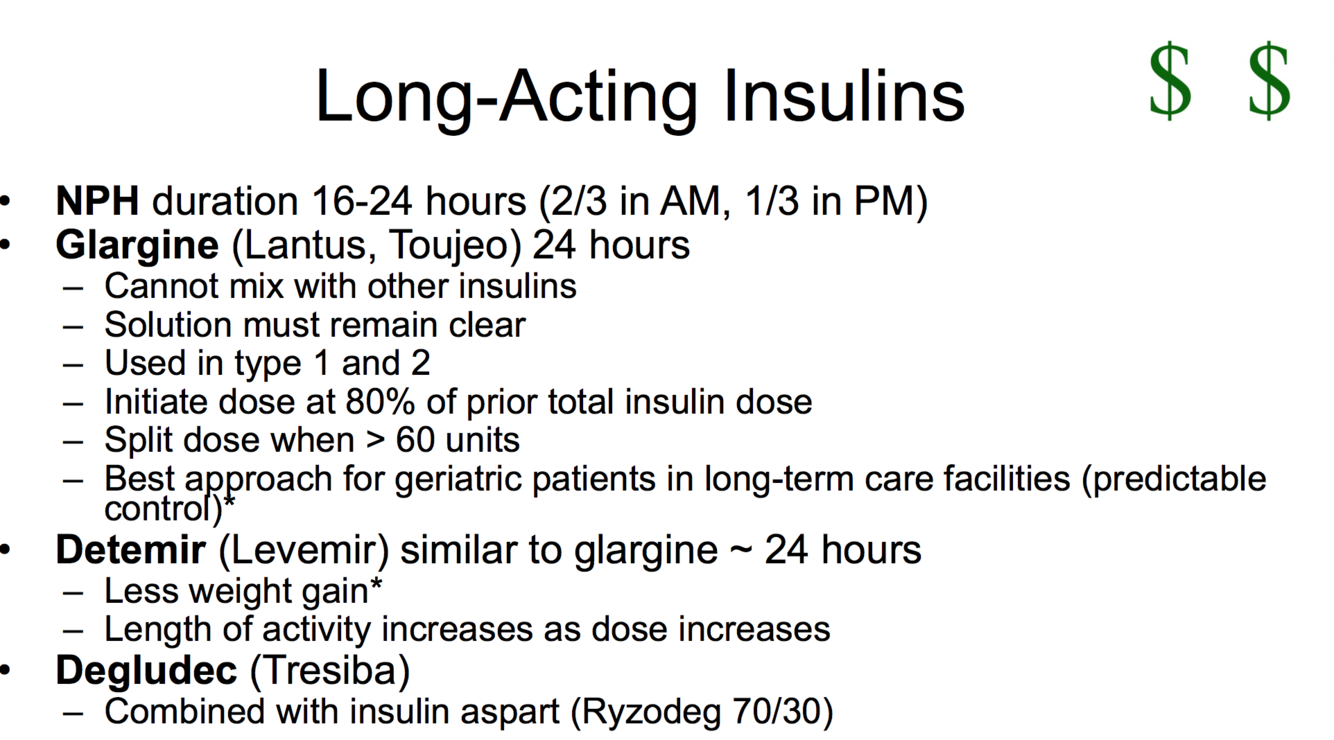
Rapid-Acting Analogues
- Lispro (Humalog), Aspart (Novolog), Glulisine (Apidra)
- Give with meals if 2-hour postprandial sugar is high*
- Onset 15 min, peak 1-3 hr, duration 2-5 hr
Treatment in Children
- 2 choices: metformin (type 2) and/or insulin* (type 1 or 2)
- Screening for complications in Type 1
– Microalbumin yearly beginning age 10 or 5 years after onset
– Retinopathy beginning at age 15 or 5 years after onset
– Screen for celiac disease
– Screen for hypothyroidism
– Screen for hypertension
- Hypertension – ACE inhibitor for HTN or elevated albumin/creatinine
- Lipids – Check if positive family history – Use statins if > age 10
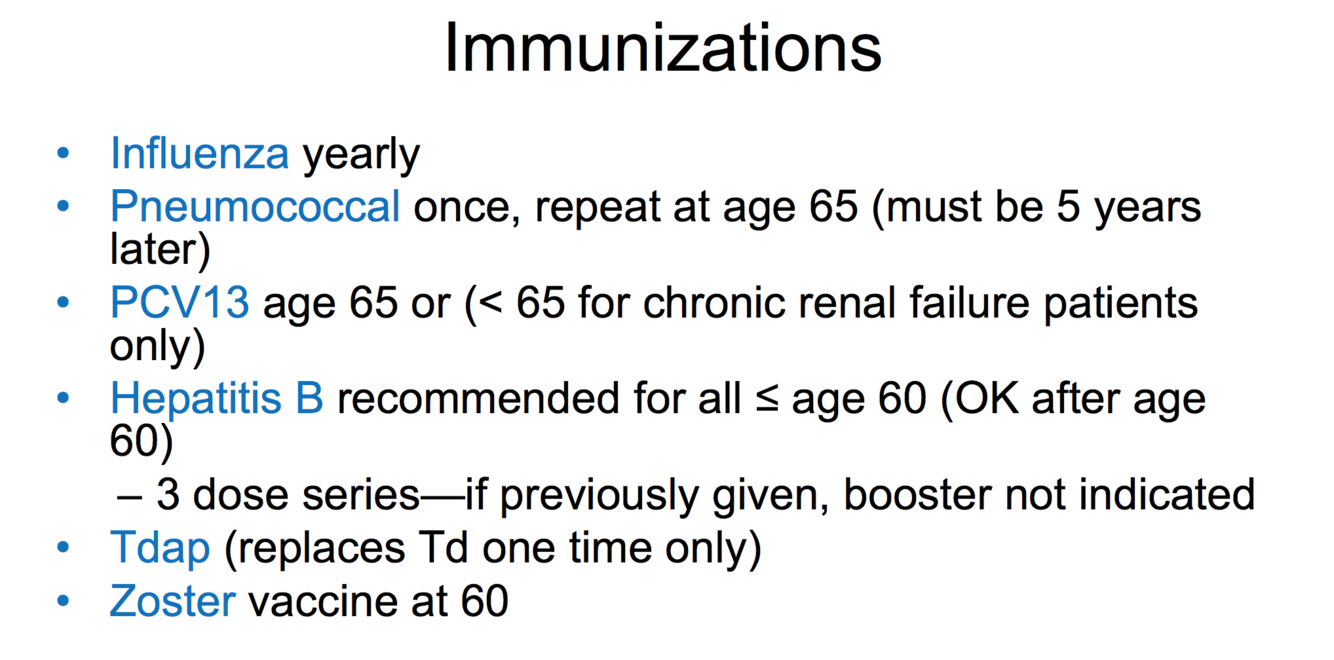
Diabetic Immunizations
In which group is the rate of diabetes the highest?
Native Americans – Highest rates at 15.9%
Diabetes Screening for Comorbid Conditions
- Blood pressure at every visit
- Lipids yearly (every other year if well-controlled)
- Screen for hypothyroidism because it can contribute to dyslipidemia*
- Screen for tobacco use
- Screen for depression (more prevalent in patients with chronic disease)
- In type 1, screen for hypothyroidism and celiac disease
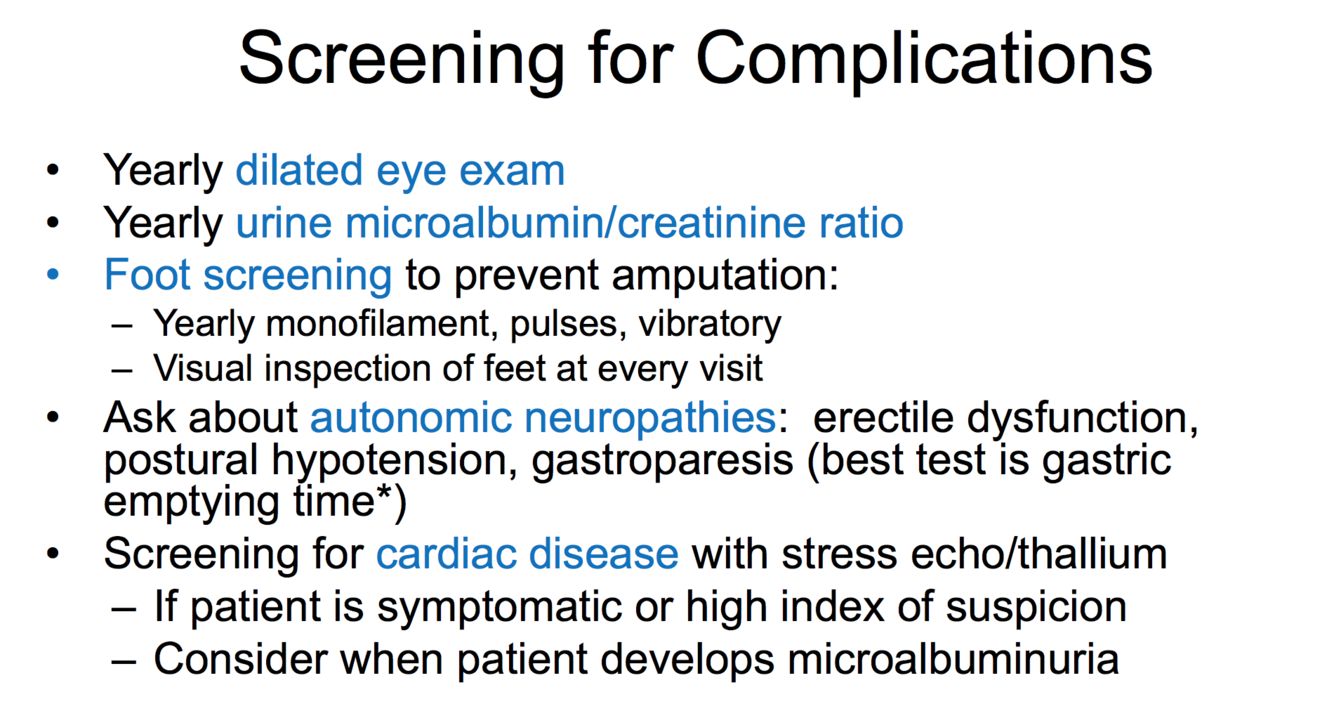
Screening for Complications
Ketoacidosis criteria
Why does it occur?
– Anion gap > 10
– Glucose ≥ 250
– pH < 7.3,
– Bicarbonate ≤ 18 *
– Serum and urine ketones
• Insufficient insulin; increased gluconeogenesis and fatty acid oxidation resulting in metabolic acidosis
DKA management
- Volume replacement – 1 L NS/hr until dehydration resolved – Then ½ NS at 150-500 mL/hr)* (usually 5-8 L deficit)
- Continue insulin drip until acidosis is resolved *
- Hourly monitoring of electrolytes, glucose, and pH
- Replace K + as soon as it approaches 5 mg/dL*
- Add D5 when glucose is ~ 250 mg/dL*
- Bicarb only for pH < 7 or HCO 2 < 10 mEq/L*






