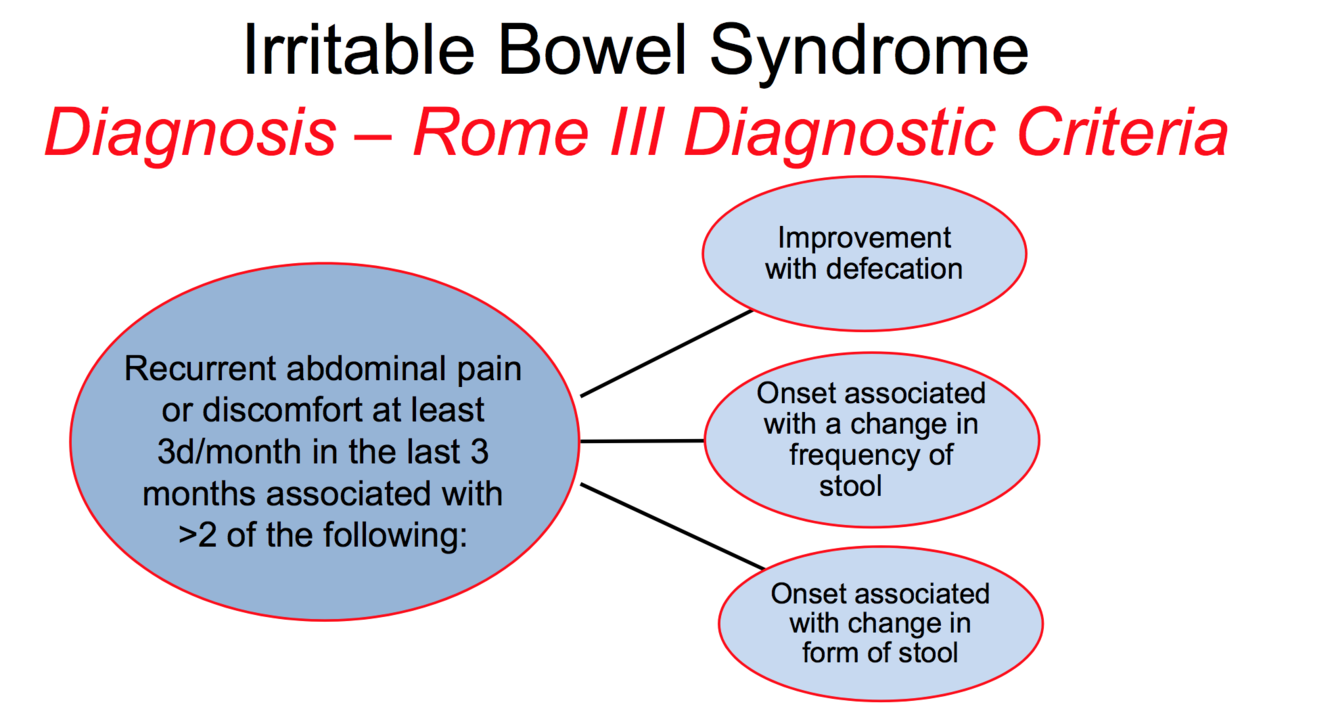
Irritable Bowel Syndrome
Red Flags
– Unintentional and unexplained weight loss
– Rectal bleeding
– Family history of bowel or ovarian cancer
– Change in bowel habits persisting MORE than 6 weeks in a person > 60
Irritable Bowel Syndrome Treatment
- Fiber is ineffective in the treatment of adult IBS
- Lubiprostone (Amitiza) and Linaclotide (Linzess) are effective for constipation-predominant IBS.
– Works by increasing the amount of fluid in intestine, making it easier for stool to pass
- Antispasmodics – Dicyclomine, tincture of belladonna, hyoscyamine
- Antidepressants (Citalopram, Fluoxetine, Paroxetine; tricyclic antidepressants have been studied)
– Low dose: Analgesia, mood, colonic transit slowing
• Antidiarrheal agents – Diphenoxylate, loperamide; no help with pain
Celiac Disease Diagnosis
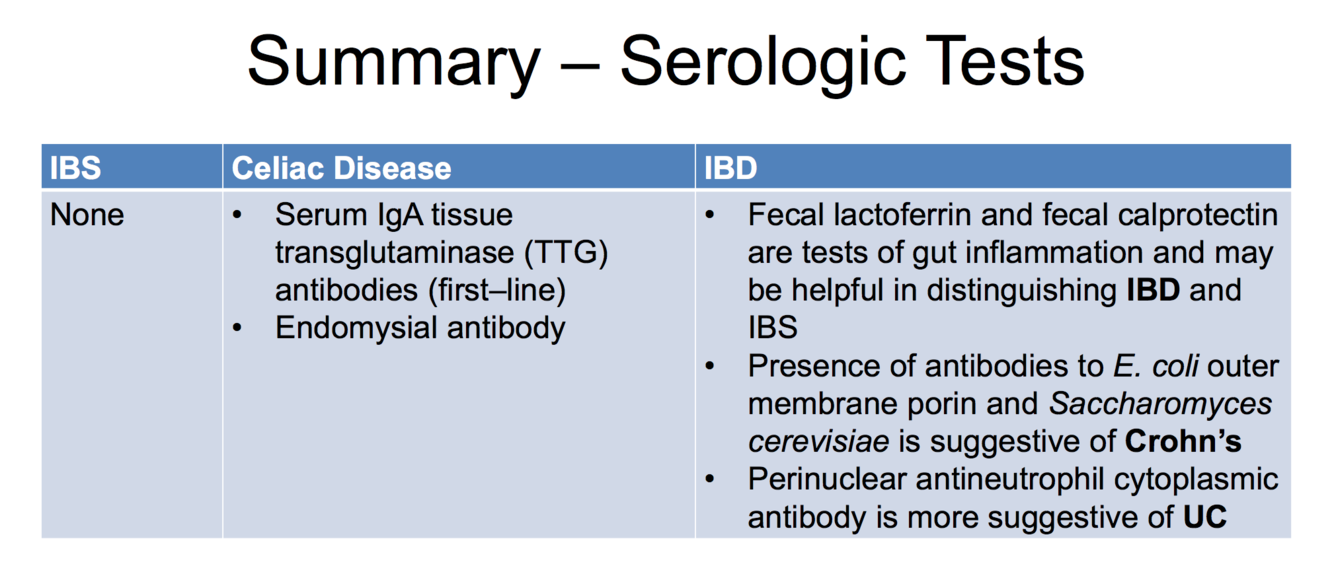
• Several serologic tests are readily available for diagnosis.
– IgA anti-tissue transglutaminase antibody*§ (sensitivity 79%-90%, specificity 98%, most senstive)
If positive confirm with biopsy.
- Test while consuming a diet of gluten-containing foods.
- Gold standard: Endoscopy biopsy of proximal small intestinal mucosa – villous atrophy
A 19-year-old patient presents to your office for follow-up. She reports continued intermittent abdominal cramping and bloating, diarrhea, fatigue, and a 4.5-kg weight loss. She initially was diagnosed with irritable bowel syndrome, but you suspect celiac disease. What should be used to establish the diagnosis?
Serologic testing initially, followed by endoscopy if test results are positive
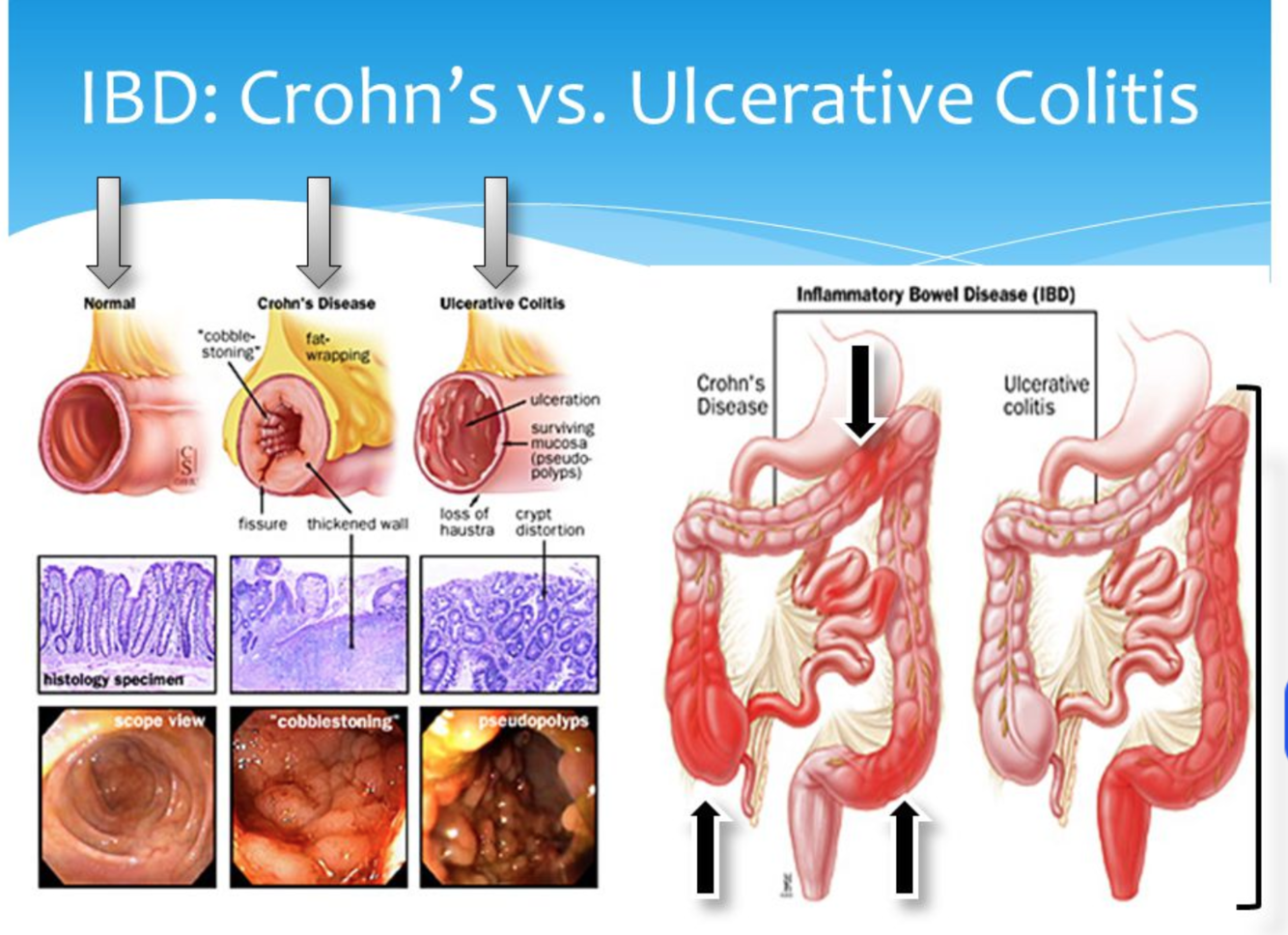
Ulcerative Colitis Pathology
– CONFINED TO MUCOSA – Starts in rectum, moves proximally WITHOUT skips
What is UC linked to?
Ulcerative Colitis Link With Colon Cancer
• 2.8-15x as likely to develop colon cancer if there is history of moderate or extensive involvement of the colon
• Colonoscopy q 2-5 years
– Initiated 10 years after UC is diagnosed
– Interval based on findings
Crohn’s has similar cancer risk as UC after long-standing disease – similar screening recommendation and controversy
Crohn’s Disease Pathology
– FULL WALL THICKNESS
– Any part of GI tract may be affected.
– Terminal ileum most common site
– SKIPS
UC versus Crohn’s
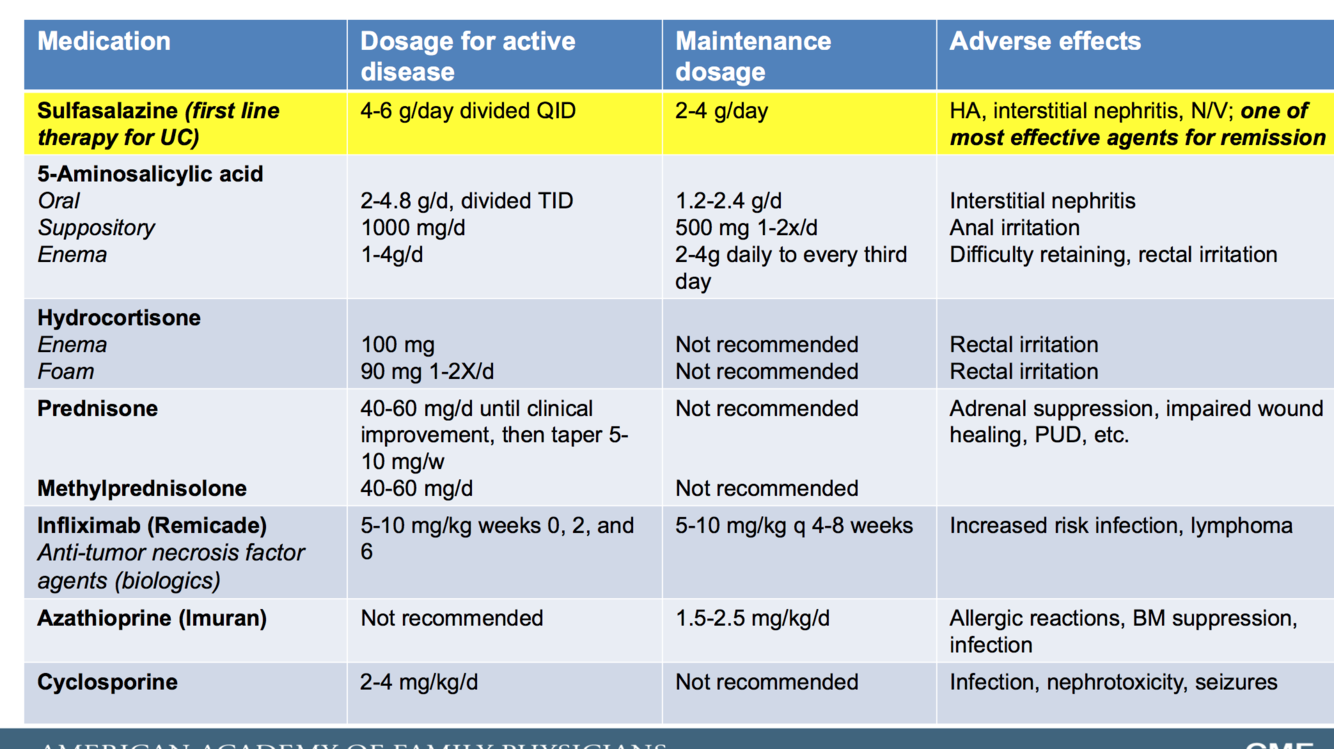
Treatment for UC
Treatment for chronh’s
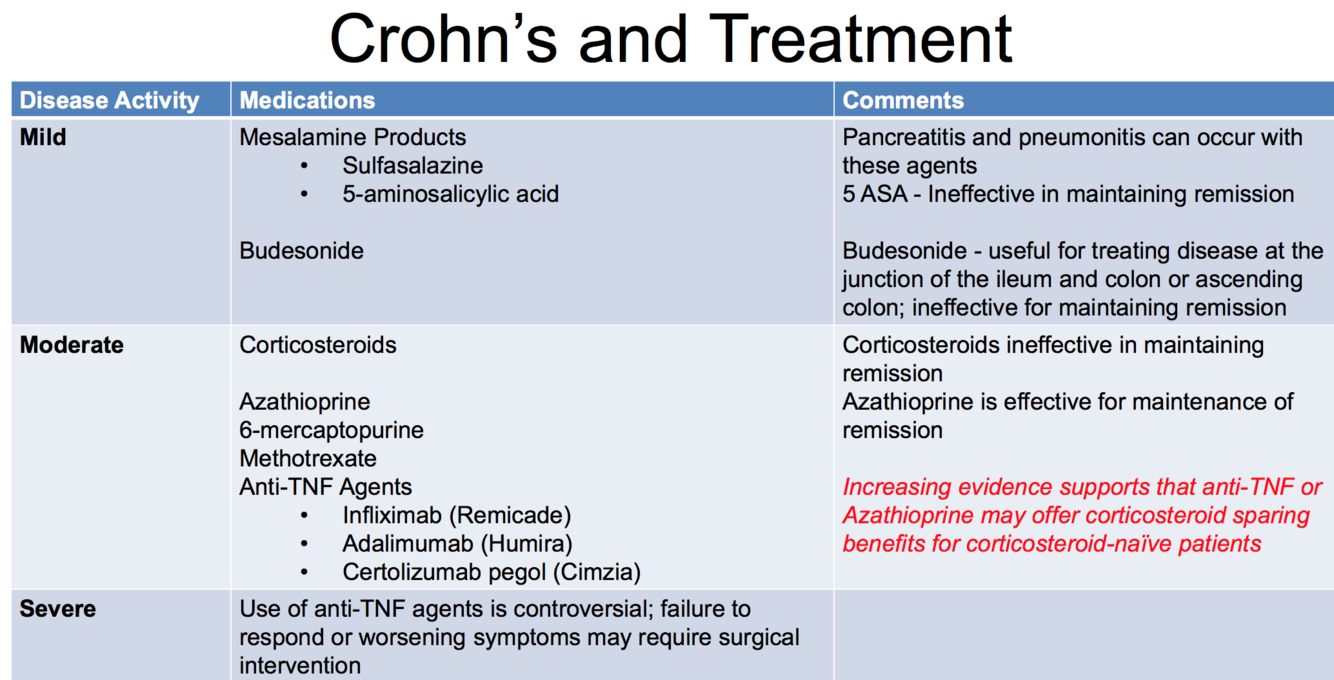
In considering the treatment of a patient with Crohn’s Disease, which of the following statements is true?
A. Budesonide is not effective in inducing remission
B. Azathioprine is effective for maintenance of remission
C. Methotrexate is effective in inducing but not maintaining remission
D. Sulfasalazine and 5-aminosalicylic acid are first line agents in the treatment of severe disease activity
B. Azathioprine is effective for maintenance of remission
Summary of Serological tests
(Viral) Gastroenteritis
Majority of Gastroenteritis Is Viral
- Rotavirus is the most common cause in children and produces similar incidence rates in both the developed and developing world.
- Norovirus is the leading cause of gastroenteritis among adults in America, causing greater than 90% of outbreaks.
Complications of Rotavirus
Complications: Necrotizing enteritis, biliary atresia, intussusception, chronic diarrhea
Rotavirus vaccination
- 2 months – First dose minimum 6 weeks, maximum < 15 weeks
- 4 months
- 6 months – Must complete by 8 months
A 52-year-old female with hypertension presents with a 2-day history of profuse bloody diarrhea, moderate to sever abdominal cramping, and fever. She has recently returned from a week-long trip to Singapore. Her stool culture is positive for Campylobacter. What is the treatment of choice?
Azithromycin (Zithromax)
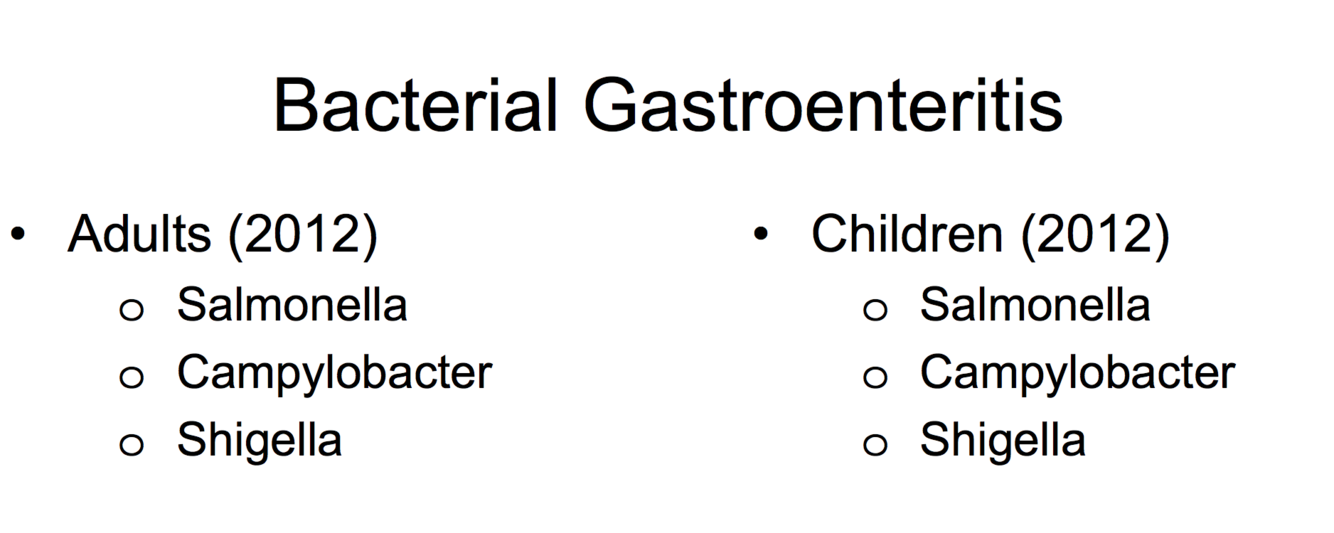
Bacterial Gastroenteritis in children and adults
Campylobacter
• Animal reservoir – Most human cases are contaminated poultry (~50%)
Severe cramps, bloody diarrhea, anorexia, malaise; rarely, Guillain-Barre, reactive arthritis
- Diagnosis: Culture
- Treatment
– Spontaneous clearing without antibiotics or
– Azithromycin, Erythromycin if culture proven
Shigella treatment
• Bloody diarrhea • Fecal oral spread – Highly contagious • Principal effect on colon mucosa – Low-volume diarrhea – Blood – Mucus – Fever – Tenesmus • Diagnosis – Culture
– TMP-SMX (children)
– Quinolone adults
Salmonellosis
• Sources – Eggs and poultry – Pet reptiles
– Self-limited
• Typhoid via fecal-oral contamination, rare in US – Constipation and rash early, then diarrhea and pain – Diagnosis • Culture from blood or stool
– Treat • Fluoroquinolone • Vaccine available
E. coli 0157:H7 (EHEC)
- Complication – Hemolytic uremic syndrome
- Source – Contaminated meat
- Treatment – Supportive – Antibiotic NOT indicated
Amebiasis
- E. histolytica mostly – Fecal-oral spread – Abdominal cramps – Chills, fever – Liquid BMs with bloody mucus
- Diagnosis – Sigmoidoscopy – O&P – Stool/serum antigen – Serology
- Treatment – Metronidazole etc.
Giardiasis
- Common – Mostly from contaminated water
- Symptoms – Abdominal cramps – Malabsorption – Nausea and vomiting – Watery diarrhea
- Diagnosis – O&P – Giardia antigen assay
- Treatment – Metronidazole






