Primitive gut tube has __ parts which develop into GI tract & organs
3
What are the 3 parts of which delove into GI tract and organs
Foregut
Midgut
Hindgut
• Foregut develops into:
- Oesophagus to 2nd part of duodenum
- Accessory organs – liver, gallbladder, pancreas
• Midgut develops into:
• 2 nd part duodenum to ¾ transverse colo
• Hindgut develops into:
• ¾ transverse colon to superior rectum
Name the colours
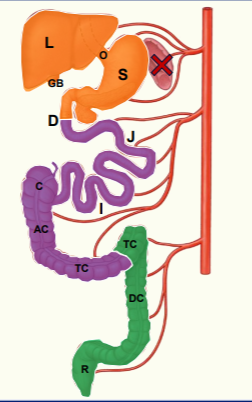
Orange: Foregut
Purple: Midgut
Green: Hindgut
What does the Lower GI tract consist of?
• Jejunum to anus
Function of the small intestine
- Mechanical and chemical digestion
- Absorption of 90% of nutrients
Function of large intestine
- Reabsorption of water & electrolytes
- Convert indigestible food into faeces – store & expel
Histology of Small Intestine
What are the key microanatomical features of mucosa:
- Circular folds
- Villi & Microvilli
- Intestinal glands
Properties of circular folds
• Increase surface area and slow chyme flow
Properties of Villi and Microvilli
- Maximise surface area of intestinal wall
- Most abundant in proximal 2/3 of S.I. – most absorption
Properties of Intestinal glands
- Enterocytes, Goblet cells, Paneth cells, etc. and multipotent stem cells to replace eroded epithelia
- Produce intestinal juices rich in digestive enzymes and hormones
Small Intestine
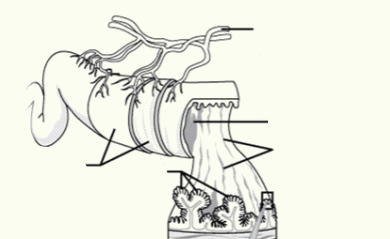
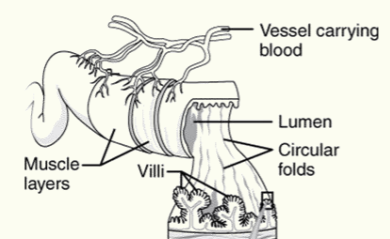
Small intestine
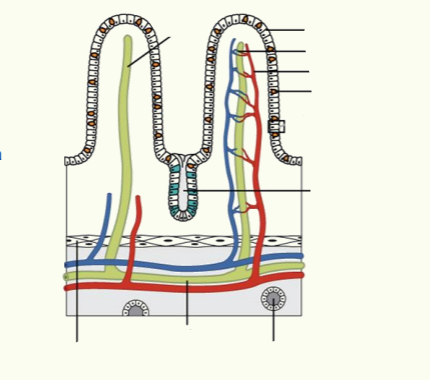
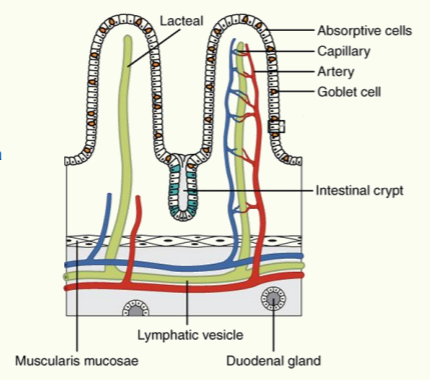
Histology of Small Intestine
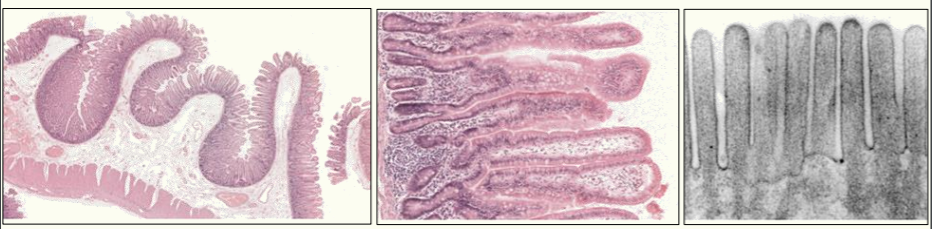
Micrograph of circular folds
Micrograph of villi
Electron micrograph of microvilli
Histology of Large Intestine
What are the key microanatomical features:
- No circular folds or villi (except anal canal)
- Intestinal glands (many more, deeper crypts)
- Enterocytes – absorptive cells with a microvilli border
- Goblet cells – secrete mucous to facilitate faecal movement
Large Intestine
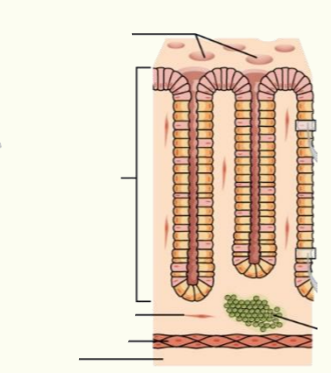
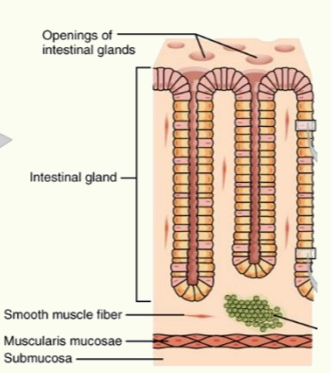
Histology of Large Intestine
What is this?
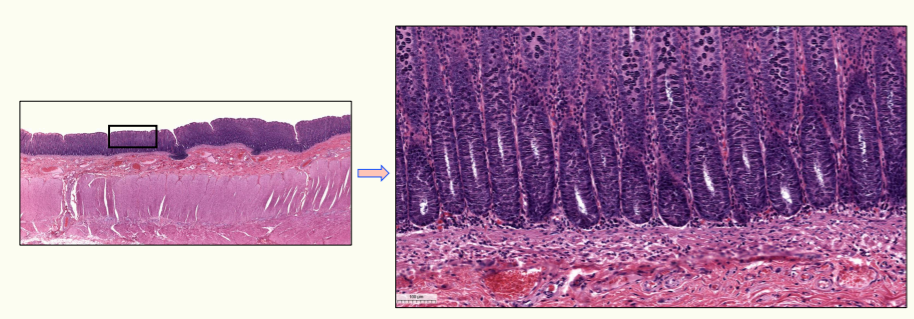
Section through wall of colon
Name a congential anomalies
Hirschsprung’s Disease.
Meckel’s diverticulum
Omphalocele- Abdominal Wall Defects
Gastroschisis-Abdominal Wall Defects
What is Hirschsprung’s Disease?
This disorder is characterized by the absence of particular nerve cells (ganglions) in a segment of the bowel in an infant. The absence of ganglion cells causes the muscles in the bowels to lose their ability to move stool through the intestine (peristalsis).
• Enteric nervous system has ______ and ________ plexuses
myenteric
submucosal
What does aganglionosis mean
The state of being without ganglia; for example, absence of ganglion cells from the myenteric plexus as a characteristic of congenital megacolon.
What does Hirschsprung’s Disease involve?
• HD involves agangliosis of both plexuses in distal colon & rectum
SO the absent/damage to the ganglia here means that the nerves are not funcitonal = muscle atrophy/wastage
- Functional obstruction develops from spasms in denervated colon
- Becomes apparent as severe constipation within first 2 months

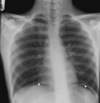
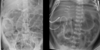
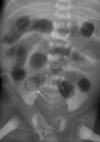








-
Foundation Lectures0
-
Neuro BME34
-
Neuro Diseases93
-
Neuro HARC Lectures107
-
Neuro HARC89
-
Neuro HARC 242
-
Urogen HARC Lectures83
-
Urogen HARC67
-
Urogen Lectures89
-
Resp HARC Lectures 146
-
Resp HARC Booklet46
-
Resp Lectures60
-
Resp Lecture 257
-
GI HARC 141
-
GI HARC 263
-
GI HARC booklet61
-
GI Diseases118
-
CVS HARC 159
-
GI Diseases 2126
-
CVS Diseases81
-
CVS Diseases 2169
-
CVS HARC booklet65
-
Endocrine HARC Lectures67
-
Endocrine Diseases96
-
MSK HARC Lectures86
-
MSK HARC booklet101
-
MSK Diseases 1129
-
MSK Diseases 274
-
Pharmo58
-
Dermatology23
-
Dermatology 270
-
Dermatology 340
-
Orthopaedics146



