Hypothalamic-Pituitary Axis
Anatomical contiguity and functional coupling of the hypothalamus and pituitary gland.
Ultimate goal is to maintain the organism’s homeostasis.
- Hypothalamus receives input from inside and outside the body then can directly affect the function of the pituitary.
- Different nuclei in the hypothalamus can discriminate the physiological changes induced by the respective hormones they affect = feedback
- Pituitary gland is a key endocrine organ that regulates almost any aspect of body function by secreting a variety of peptide hormones that either:
- affect another endocrine gland
- exert their action directly on target cells/tissues
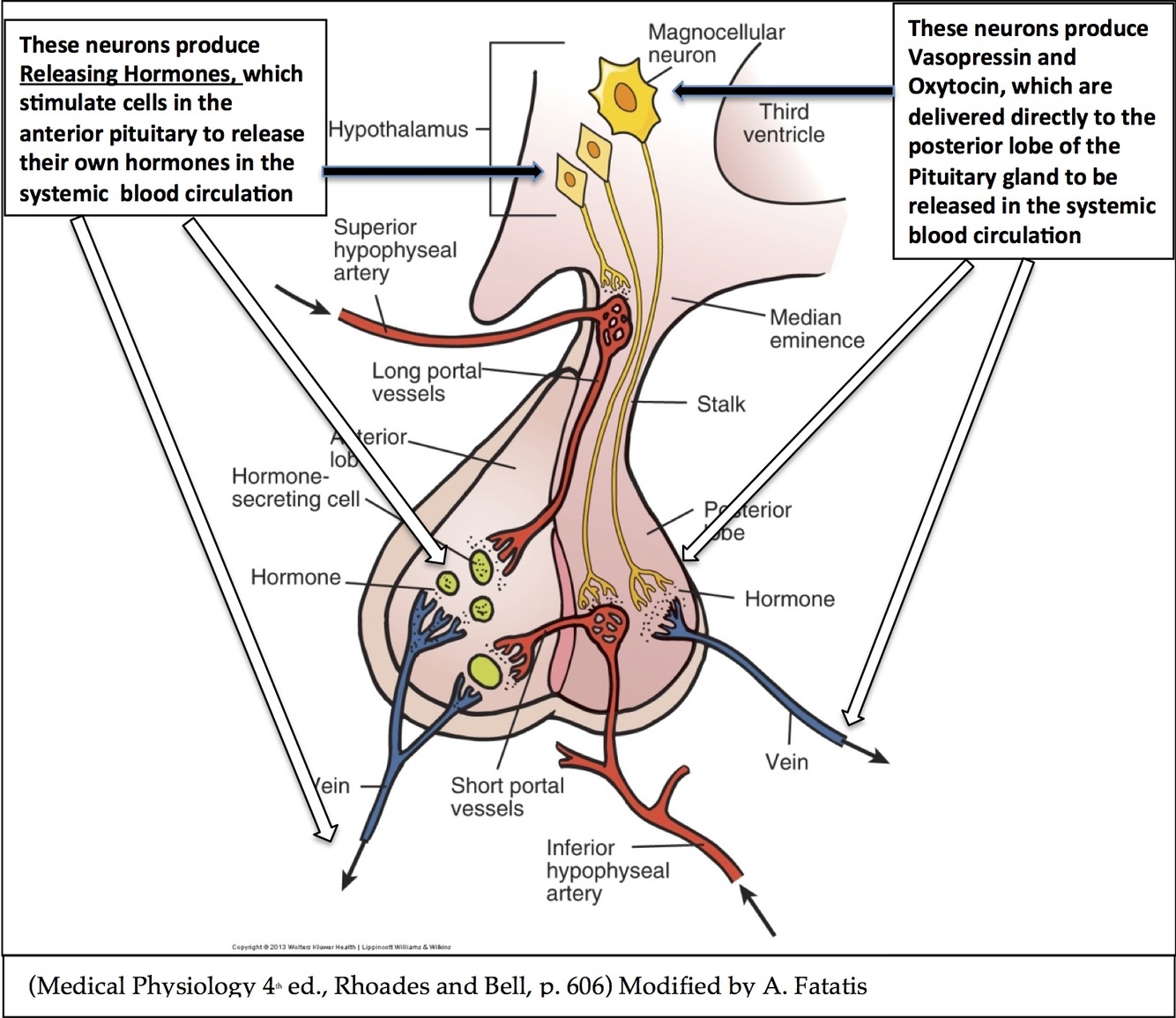
Adenohypophysis
- Receives hormonal input from the hypothalamus via a portal system.
- Regulates body functions through peptide hormones.
Neurohypophysis
- Main role is to provide vascular access to the neuroterminals of hypothalamic magnocellular neurons
- Supraoptic nuclei - produce arginine vasopressin (AVP) aka ADH
- Paraventricular nuclei - produce oxytocin
- A stalk ensures the connection with the hypothalamus
- blood vessels and nervous fibers connect the two functional units of the axis
- Specific stimuli from CNS triggers release of these hormones into capillary bed located in the neurohypophysis
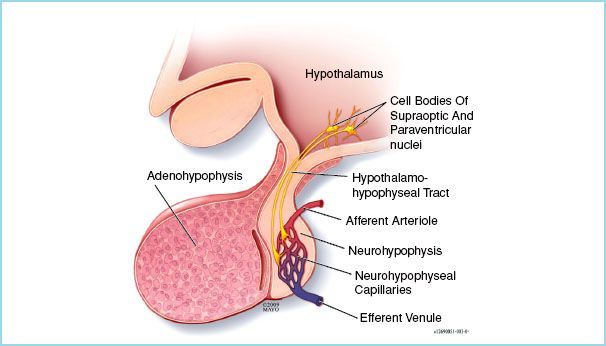
Portal System
Hypothalamic-Pituitary Axis
- Hypothalamic nuclei produce and secrete hypophysiotropic hormones into the first capillary bed → commonly called Releasing Hormones
- Portal system delivers these RH to the trophic cells of the anterior pituitary to regulate their secretory activities
- Either stimulatory or inhibitory
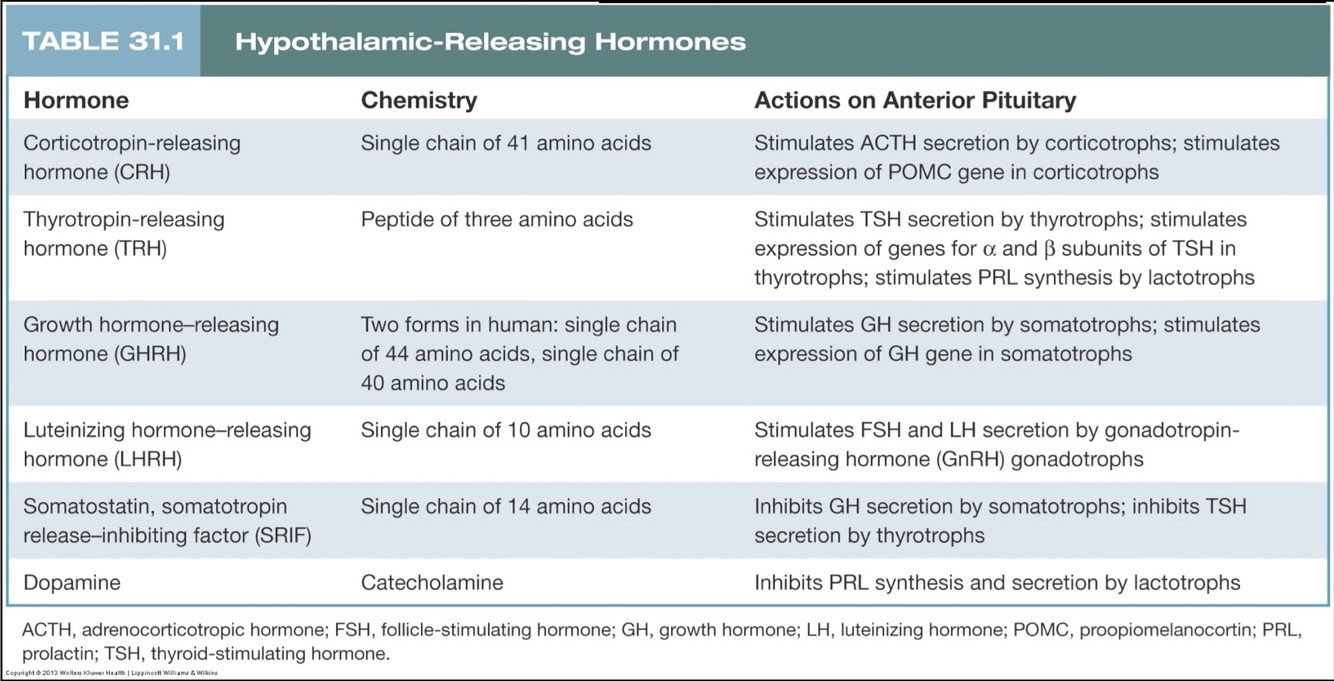
Hypothalamic
Releasing Hormones
RH either stimulate or inhibit the production and release of corresponding hormones from the cells of the anterior pituitary.
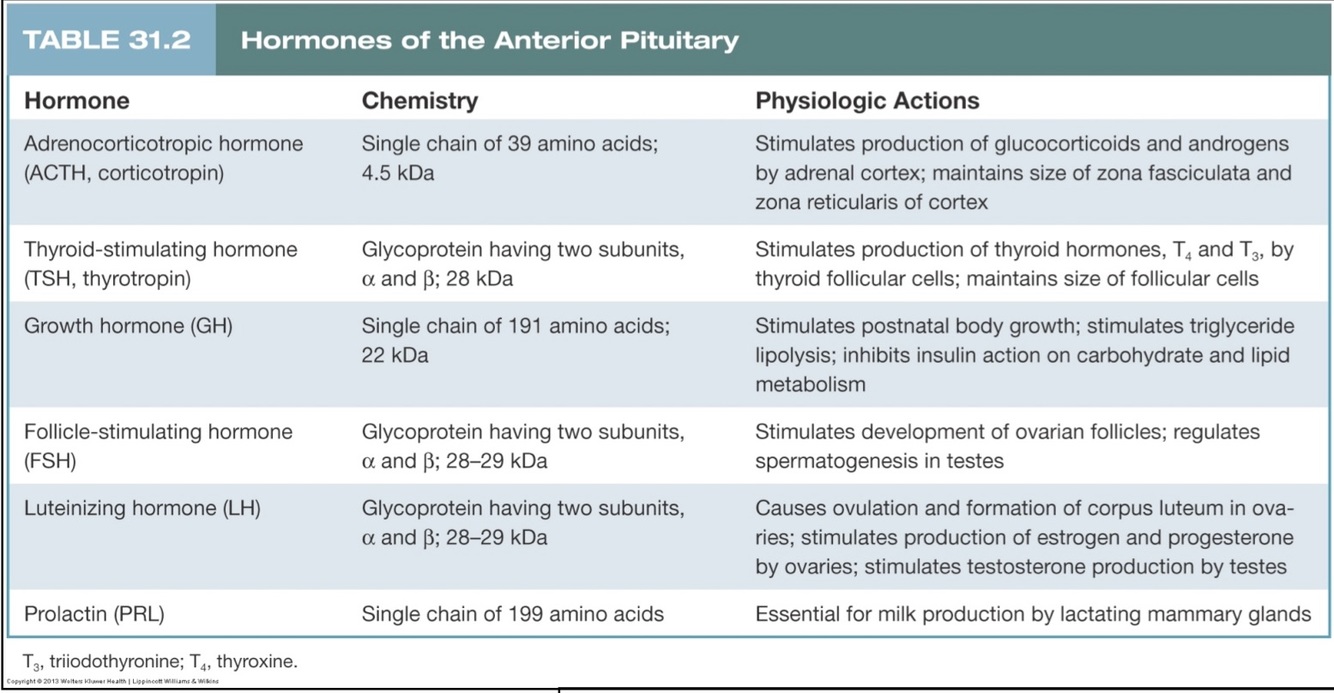
Anterior Pituitary Hormones
Secretes 6 hormones:
FLAT PEG
- Four of the hormones: FSH, LH, ACTH, TSH
- Exert their action on other endocrine glands ⇒ tropic effect
- __thyroid gland
- adrenal gland
- testes
- ovaries
- Promote a wholesome healthy state of the target cells ⇒ trophic effect
- Exert their action on other endocrine glands ⇒ tropic effect
- __GH does not act on individual and anatomically defined endocrine glands
- Nevertheless its peripheral effects can be considered both tropic and trophic
- PRL exerts its action predominantly on the mammary gland
Hypothalamic-Pituitary Axis
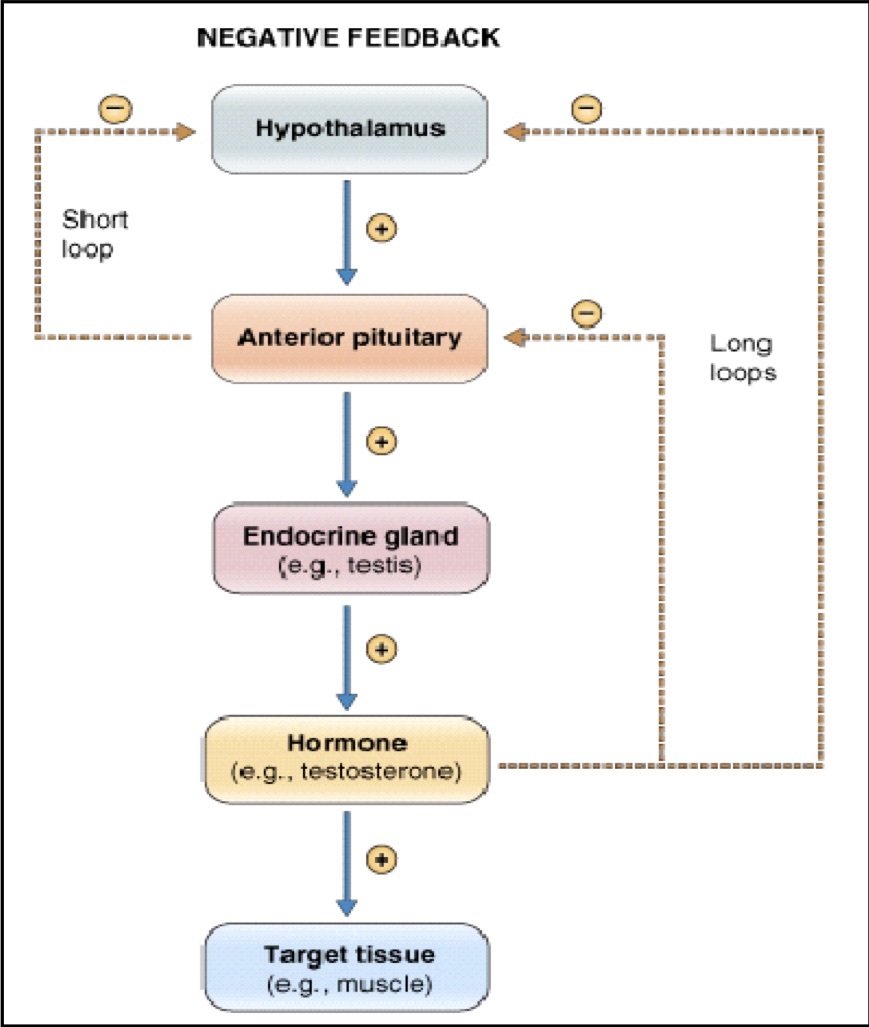
Feedback Control
Distal hormones are responsible for modulating their own secretion.
(Long loop)
- When plasma levels of a given hormone exceed the physiological range this will directly suppress the secretion of the respective hypothalamic RH and pituitary tropic hormones.
- Reduction in the plasma levels of the hormone below values compatible with normal physiological functions will relieve the inhibitory effect on the hypothalamus and anterior pituitary
Pituitary hormones can also affect the activity of the hypothalamic nuclei.
(Short loop)
Corticotropin-Releasing Hormone
(CRH)
Mechanism & Control
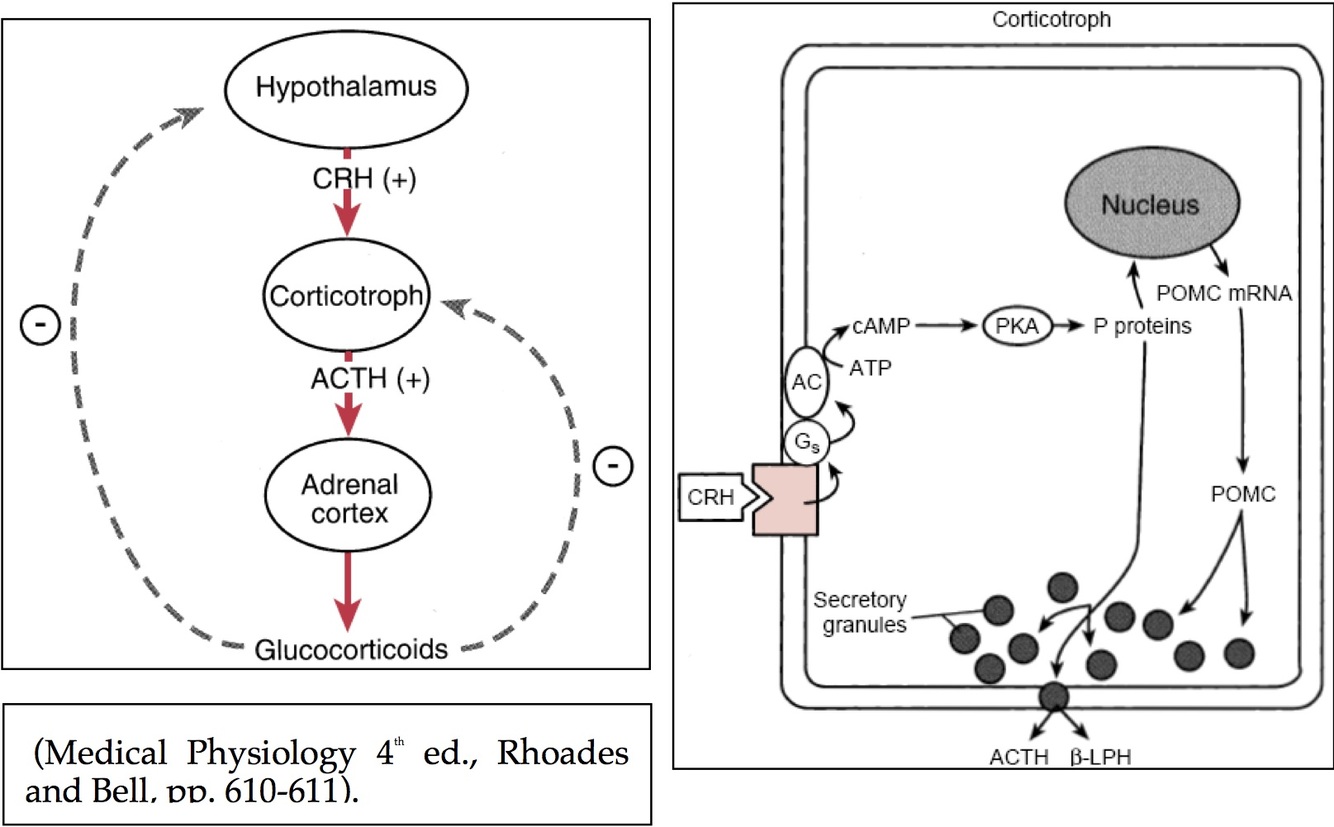
- CRH produced by parvicellular neurons located in the paraventricular nuclei of the hypothalamus.
- CRH stimulates ACTH secretion from the anterior pituitary.
- CRH binds to its receptors on corticotrophs.
- Induces cAMP production activating PKA.
- PKA phosphorylates transcription factors for proopiomelanocortic (POMC) genes increasing transcription
- POMC is the precursor for ACTH (and MSH)
- CRH also stimulates the secretion of ACTH
- CRH binds to its receptors on corticotrophs.
- ACTH regulates the secretion of glucocorticoids + weak androgens from the adrenal cortex.
- Glucocorticoids (Cortisol mainly) are the only adrenal hormones capable of exerting negative-feedback control on the hypothalamic-pituitary axis
Pulsatile Secretion
of
ACTH
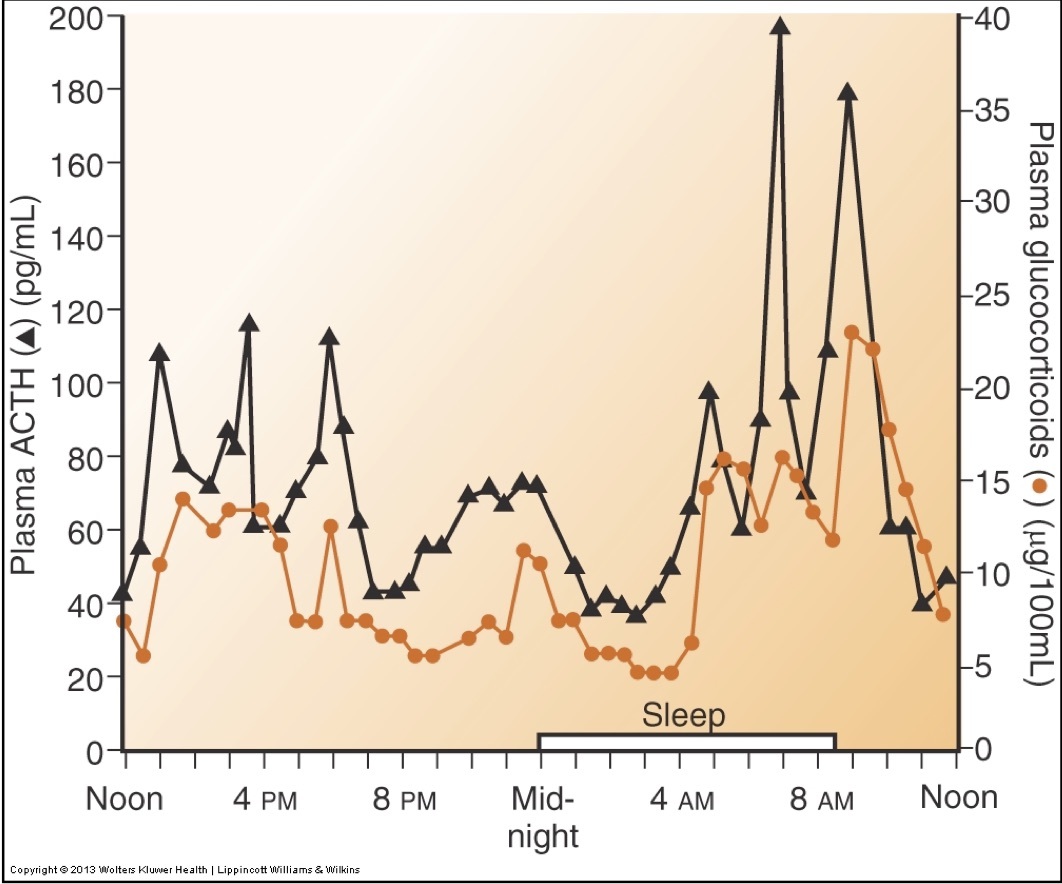
- Under normal physiological conditions, delivery of RH from hypothalamus, including CRH, occurs in a pulsatile manner.
- Results from combination of factors including:
- Slight variations in levels of circulating hormones
- Circadian rhythm
- Ensures specific hormones are secreted when most needed based on activities of the individual
- Concentrations of CRH & ACTH
- highest during the first hours of the morning
- lowest around 3:00
- reversed if person awake during night hours in response to a change in the awake/sleep pattern
- Stress also has a pronounced influence on secretion of CRH and ACTH
- Because glucocorticoids urgently needed
Hypothalamic-Pituitary-Thyroid Axis
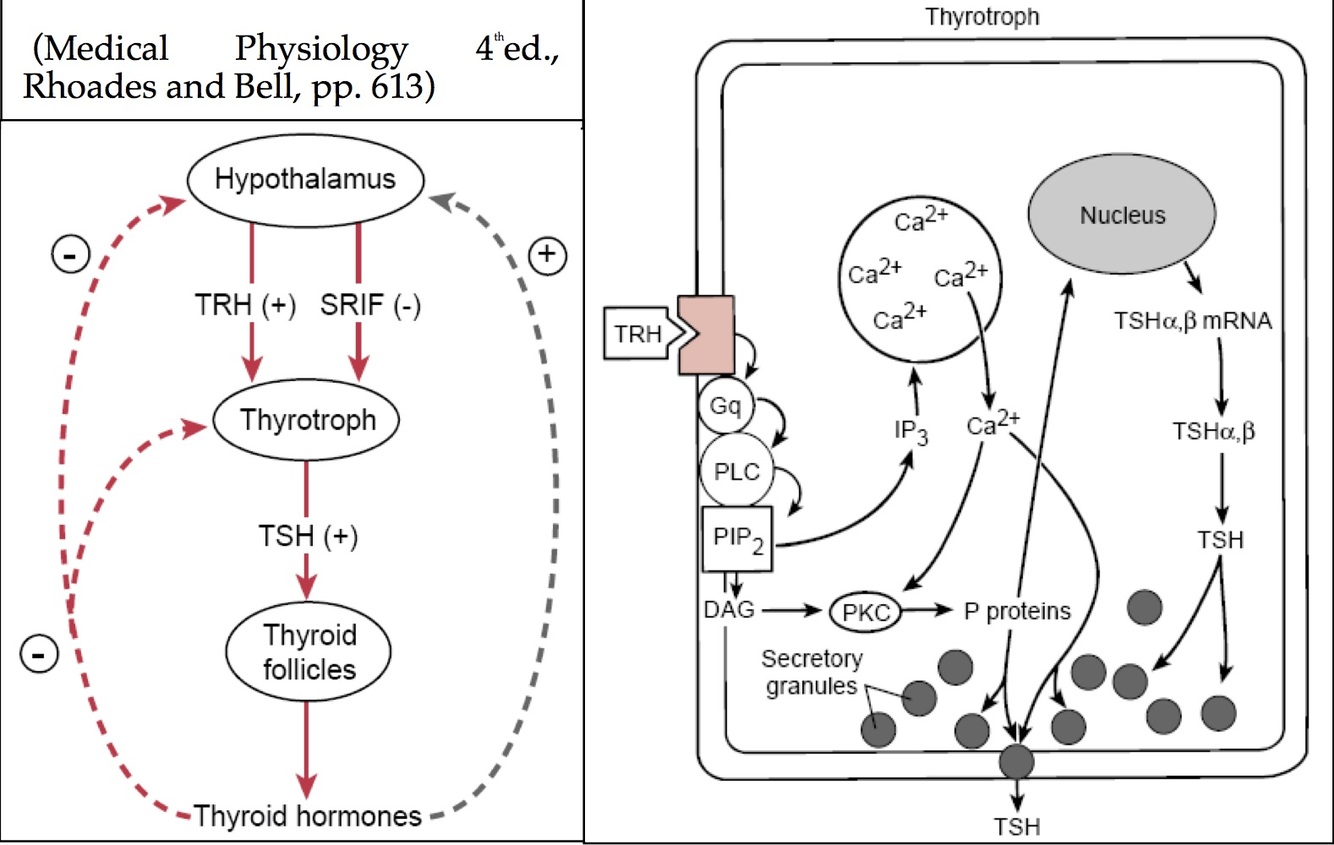
TRH secreted by hypothalamic neurons in a tonic-pattern.
Constant TRH levels reach the pituitary gland.
Diurnal variation of TSH secretion observed: highest plasma levels detected in the early hours of the morning.
Physical and emotional stress can also alter TSH secretion.
Animals and newborn humans respond to cold temperatures with an increase in TRH/TSH production.
TRH mechanism
- TRH binds to its G-protein coupled receptors on thyrotrophs.
- Induces production of IP3 and DAG secondary messengers
- IP3 elicits release of intracellular Ca2+
- DAG activates PKC
- IP3/DAG responsible for:
- Regulating the transcription of the two genes coding for alpha and beta subunits of TSH
- Promoting secretion of TSH into circulation
Feedback Control of TRH/TSH
- Thyroid hormones inhibit the hypothalamus and thyrotrophs.
- Thyroid hormones also stimulate production of somatostatin (SRIF) from the hypothalamus
- SRIF inhibits thyrotrophs in pituitary
Growth Hormone (GH)
Function
- Promotes the growth of the human body primarily during childhood and adolescence.
- Effects not observed in fetus or during first several months after birth
- Also reponsible for regulating metabolism of carbohydrates, lipids, and proteins.
- One of the four counter-regulatory hormones that opposes insulin.
- Tends to increase plasma glucose level
- Can be released in response to hypoglycemia
Growth Hormone
Mechanism of Action
Direct
- Stimulation of lipolysis in adipose tissue
- Activates hormone-sensitive lipase
- Increases responsiveness of adipocytes to lipolytic stimuli provided by fasting and catecholamines
- Activates hormone-sensitive lipase
- Stimulation of amino acid transport in muscle
- Thereby reducing the concentration of free amino acids in the plasma
- Makes adipocytes and muscle cells resistant to the activity of insulin ⇒ diabetogenic action
Indirect
- GH induces production of insulin-like growth factor I (IGF-I) mostly in the liver.
- GH directly stimulates prechondrocytes in growth plates of bone and statellite cells of skeletal muscle.
- These progenitor cells then activate the transcription of IGF-1 gene and secretion of the hormone in an autocrine fashion to promote their own growth and proliferation.
- IGF-I exerts a potent mitogenic and trophic effect on a variety of tissues.
Growth Hormone
Production and Regulation
GH produced by somatotroph cells ⇒ 20-30% of total cells in the anterior pituitary.
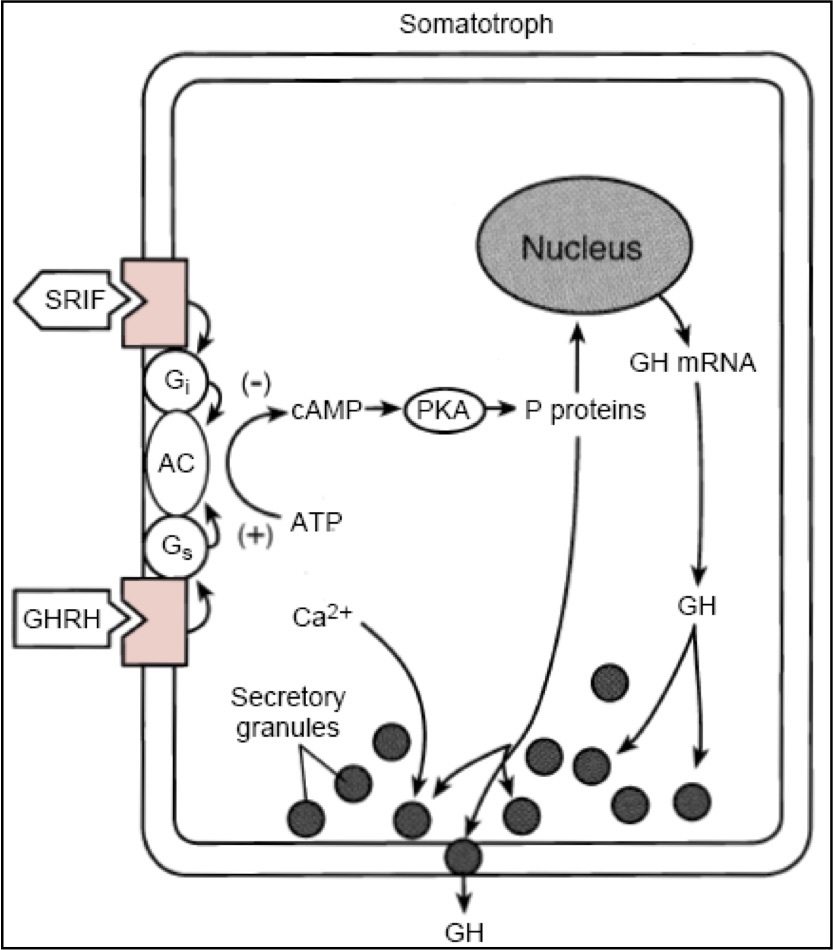
Timing and rate of GH release is the result of the two opposing activities of GHRH and SRIF.
- GHRH produced by the arcuate nuclei and ventromedial nuclei in the hypothalamus
- Activates stimulatory G-protein coupled receptors ⇒ increases [cAMP] ⇒ promotes GH synthesis and release
- Somatostatin (SRIF) produced by the anterior periventricular nuclei in hypothalamus
- Activates inhibitory G-protein coupled receptors ⇒ decreases [cAMP] ⇒ inhibit GH synthesis and release
Growth Hormone
Feedback Control
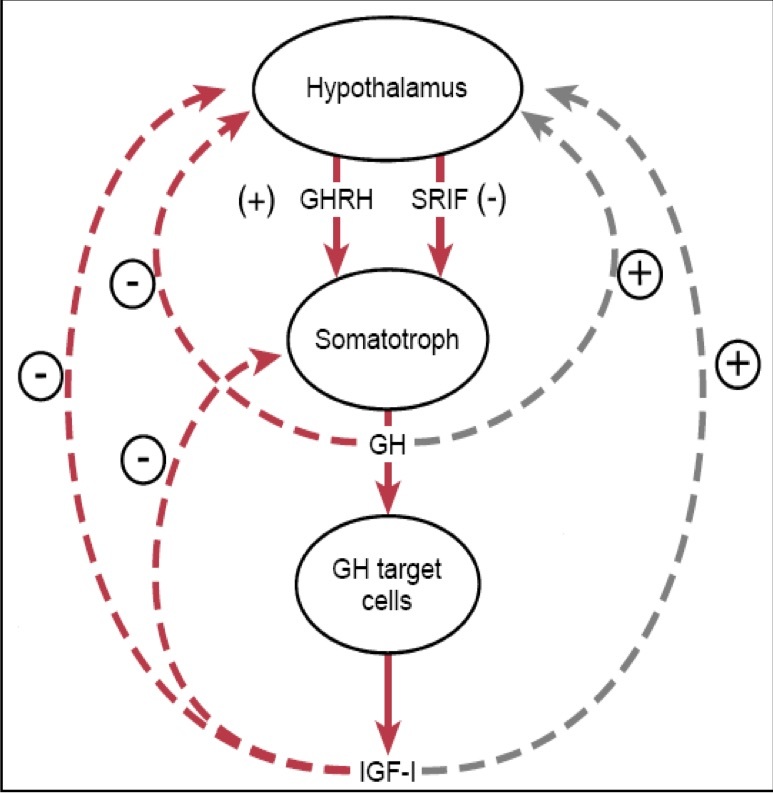
Both GH and IGF-I exhibit negative feedback on the hypothalamic-pituitary axis for GHRH and GH production.
Both GH and IGF-I inhibit their own respective release by exerting postive feedback on somatostatin production in the hypothalamus.
Growth Hormone
Release Patterns
- Released in a pulsatile pattern with periodic bursts of GH over a 24-hour period.
- Highest values detected around midnight and overall during stage 3 and 4 of slow-wave sleep
- Mean GH plasma levels higher in adolescents than adults
- Blood glucose levels regulate GH seretion
- Hypoglycemia will increase GH secretion
- Hyperglycemia will decrease GH secretion
- Stimulated by emotional/physical stress or vigorous exercise
- Obesity results in reduced GH secretion
Prolactin
Function
In females:
Stimulates the production of milk in the alveolar cells of the mammary gland immediately after childbirth.
Inhibits LH and FSH production post-childbirth.
Role in males unclear.
Prolactin
Production and Regulation
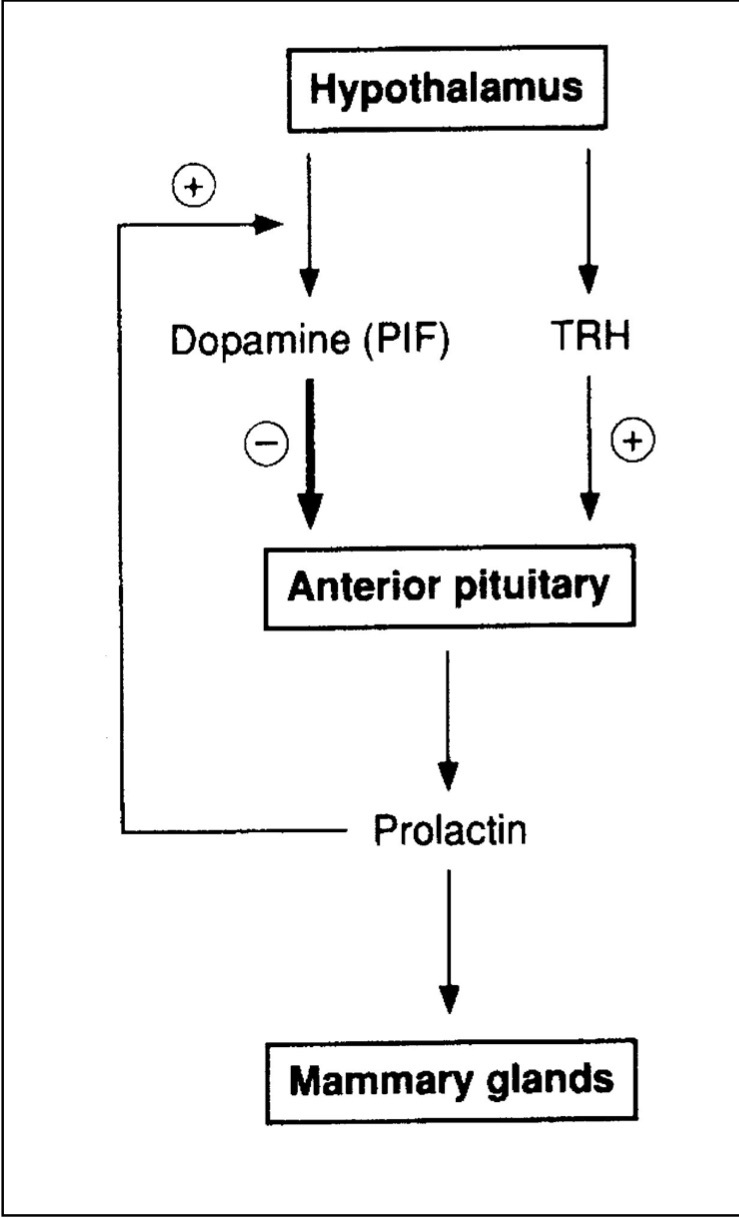
- Synthesized in lactotroph cells of the anterior pituitary.
- In non-lactating women, a tonic secretion of dopamine (aka prolactin inhibiting factor) by the hypothalamus suppresses prolactin production.
- Breast stimulation by suckling of newborns blocks dopamine release allowing pituitary to respond to the stimulatory action exerted by TRH.
Insufficient Pituitary Function
- Panhypopituitarism
- Affects the entire pituitary gland
- Due to trauma or vascular injury
- Partial Damage
- More common
- Can be due to trauma, vascular injury, or developmental anomaly
- Usually affects one or some hormones
Pituitary Adenoma
- Causes excessive pituitary function
- Usually limited to one cell type
- Results in increased production of prolactin, GH, or ACTH commonly
Acromegaly
- Excessive GH levels in the adult
- After growth plate closure
- Stature of the individual is not abnormal
- Bones appear thicker and facial features are indicative of the clinical condition

Gigantism
- Excessive GH levels become apparent during childhood or adolescence before epiphyseal fusion
- Characterized by a higher than normal stature

Pituitary Dwarfism
Childhood deficiency of growth hormone.
Effects on stature are evident.

Isolated Growth Hormone Deficiency
Post-pubescent deficiency of GH.
Effects on stature less visible.
More metabolic effects.
Arginine Vasopressin (AVP)
aka
Antidiuretic Hormone (ADH)
- Release from the supraoptic and paraventricular nuclei in the hypothalamus is stimulated by:
- Slight increase in plasma osmolarity
- Significant reduction in the plasma volume (hypovolemia) by 10-15%
- Activity exerted on:
- V2 receptors located on the cells of the collecting duct of the nephron in the kidney
- Causes placement of AQ2 increasing permeability of tubules allowing resorption of water from filtrate
- V1 receptors on vascular smooth muscle cells
- Causes vasoconstriction and increase in blood pressure
- V2 receptors located on the cells of the collecting duct of the nephron in the kidney
- Lack of AVP causes diabetes insipidus which is characterized by excessive diuresis in the absence of hyperglycemia or hyperglycosuria
- Increased urination → polyuria
- Increased thirst → polydipsia

-
Endocrine Principles and Signaling Mechanisms34
-
Hypothalamic-Pituitary Axis26
-
Thyroid Hormones20
-
Adrenal Hormones35
-
Pancreatic Hormones22
-
Hormonal Regulation of Calcium Metabolism24
-
Cardiovascular System172
-
Cardiovascular Abbreviations25
-
ANS Signal Transmission & Receptors12
-
Pulmonary112
-
Pulmonary Symbols, Terminology, and Normal Values63
-
Gastrointestinal124
-
Renal161
-
Reproductive38



