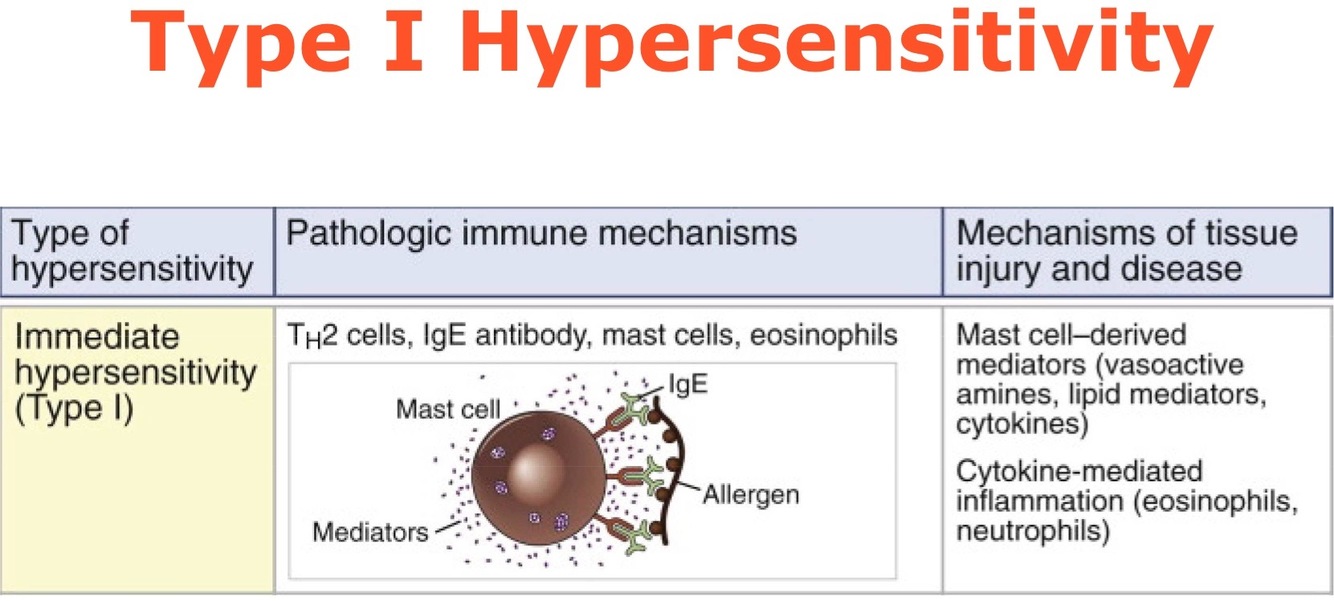
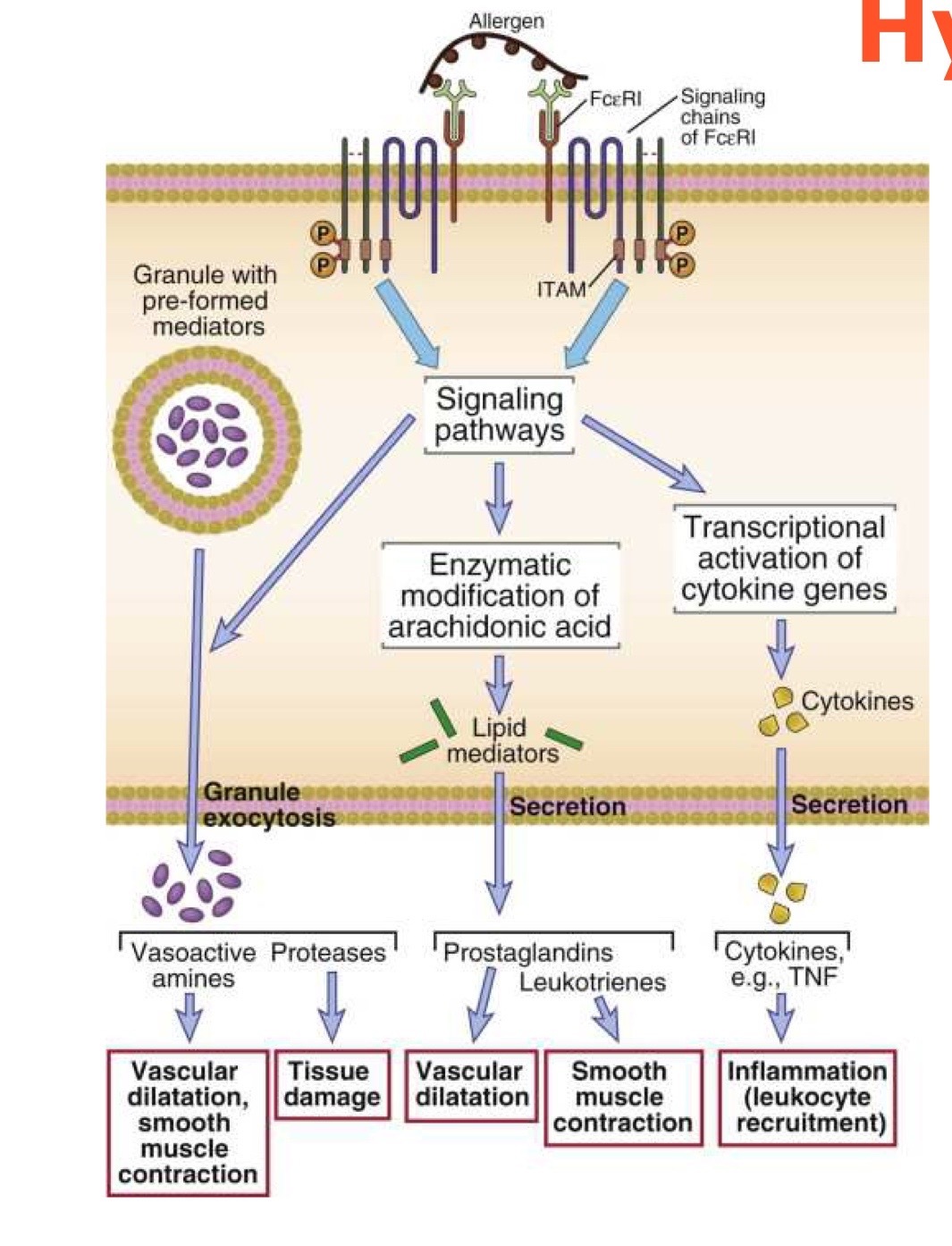
Type I hypersensitvity is mediated by
IgE and results from the actions of mediators secreted by the mast cells
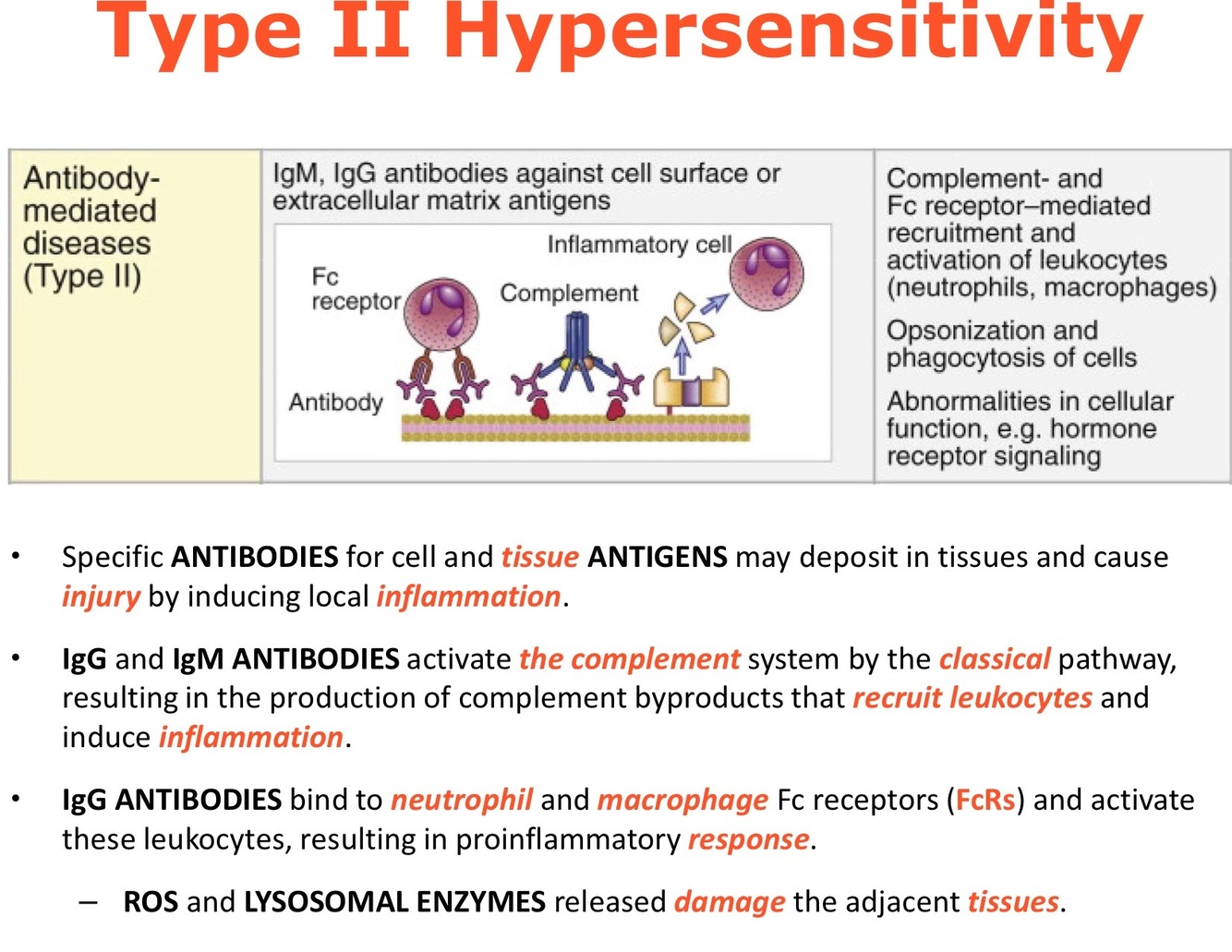
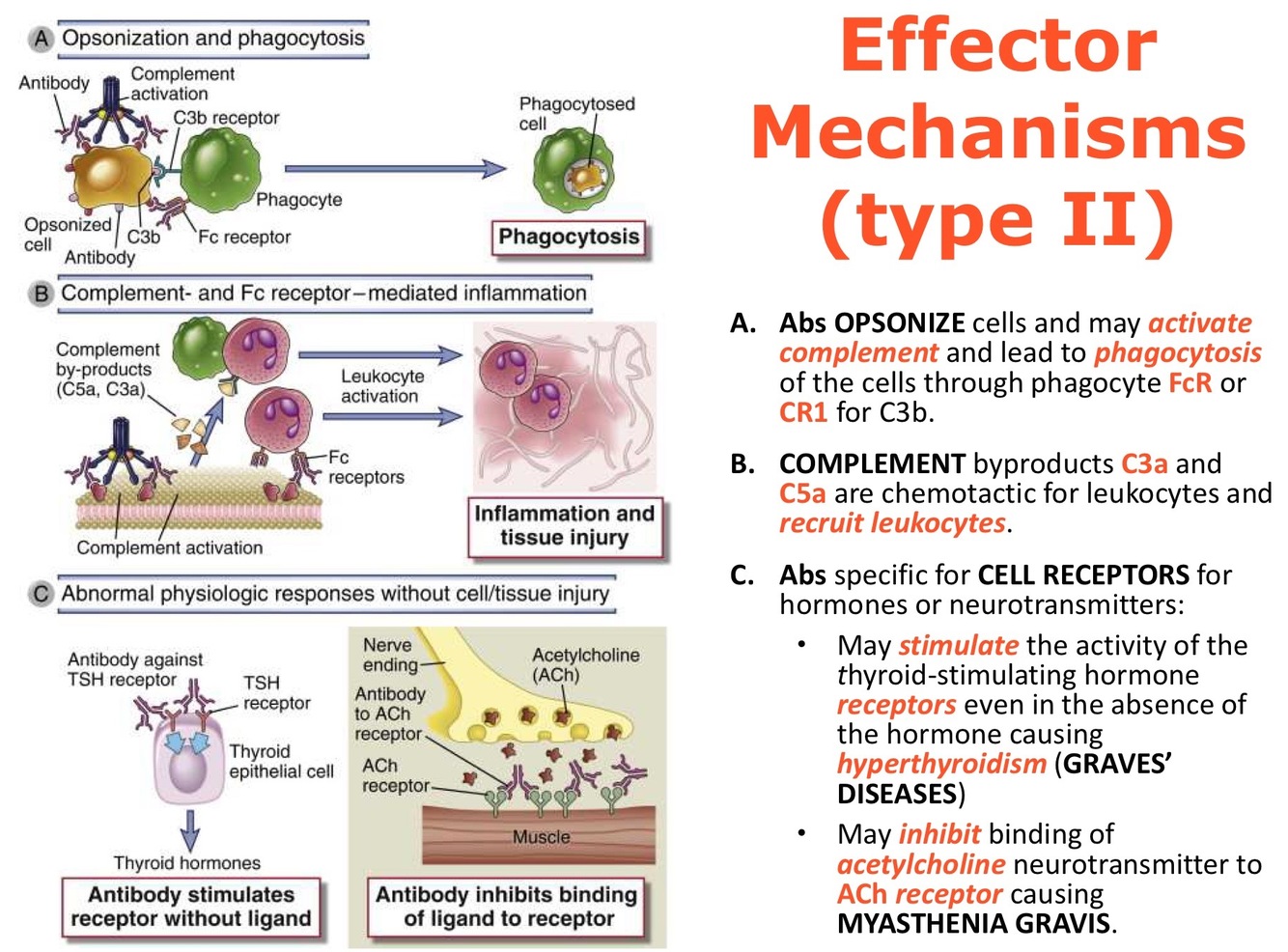
Type II hypersensitvity is mediated by
Abs that bind tissue Ags and cause complement-dependent tissue injury and disease
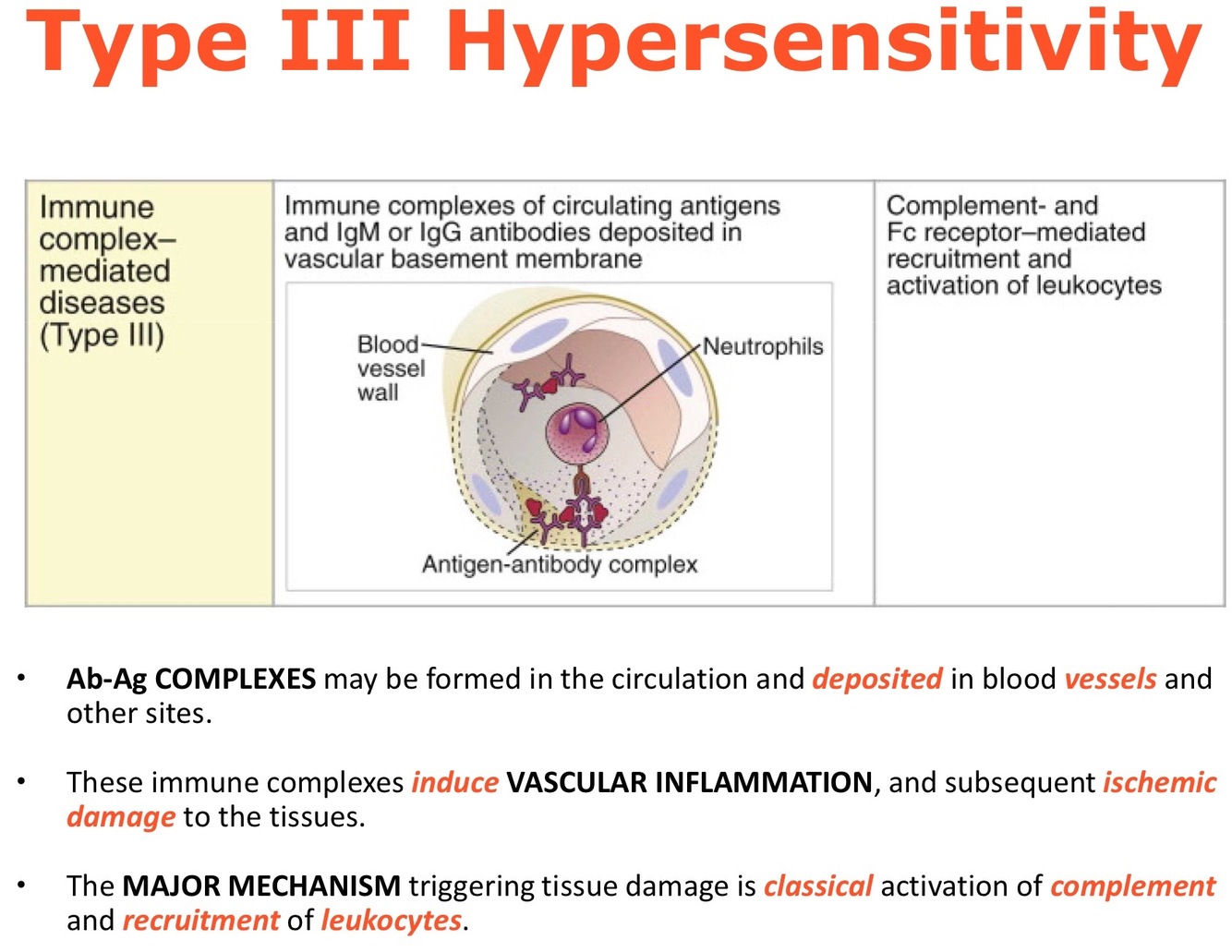
Type III hypersensitivity is mediated by
Abs that bind to circulating Ags to form immune complexes, which deposit in vessels and cause complement-dependent injury in the vessel wall (vasulitis)
Type IV hypersensitivity is mediated by
T cells and results from inflammation caused by cytokines produced by CD4+ Th1 and Th17 cells, or killing of host cells by CD8+ CTLs
____ refers to the genetic tendency to develop allergic diseases.
Atopy (individuals with a strong propensity to develop allergic reactions are said to be atopic)
The Seqeunce of events in the development of immediate hypersensitivity reactions
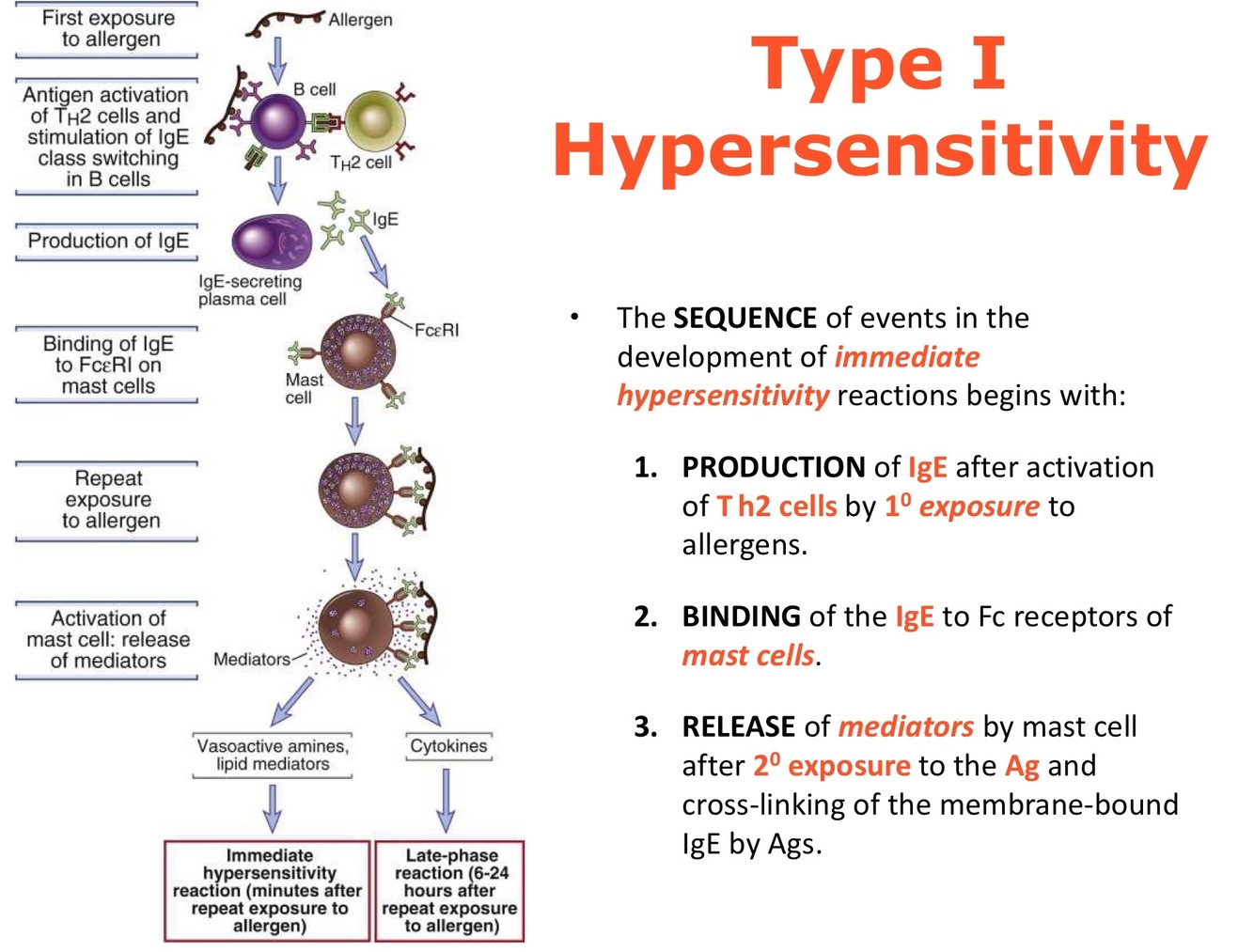
difference between immediate and late phase of Type I hypersensitivity
- The immediate vascular and smooth muscle reaction to allergen develops within minutes
- Morphology of the immediate reaction is characterized by
- vasodilation
- congestion
- edema
- Morphology of the immediate reaction is characterized by
- The late-phase reaction develops 2-24 hours later
- characterized by:
- inflammatory infiltrate rich eosinophils, neutrophils, and T cells
- characterized by:
Characteristics of asthma and bronchospasms
- Local reaction
- Inflammatory mediators cause the loosening of tight junctions in the bronchiole epithelium, increased capillary permeability, and spasmatic contraction of smooth muscle surrounding bronchi
- this temporarily decreases the size fo the bronchial lumen, resulting in shortness of breath
Anaphylaxis
- Systemic reaction
- exposure to allergen may cause the rapid release of vasoactive amines from mast cells and basophils as well as a flood of cytokines, resulting in the contraction of smooth muscle in the vasculature and vasodilation of capillary endothelium
- blood pressure decreases, resulting in vascular shock
- in addition, the release of mediators increases the contraction of smooth muscles in the bronchi and bronchioles of the respiratory tract, making breathing difficult
alleren testing assess Type ____ hypersensitivities to various potential allergens
Type I hypersensitivities (positive reactions are indicated as redness and swelling within 20 to 30 minutes after exposure to the allergen)
Effector mechanisms of Type II hypersensitivity
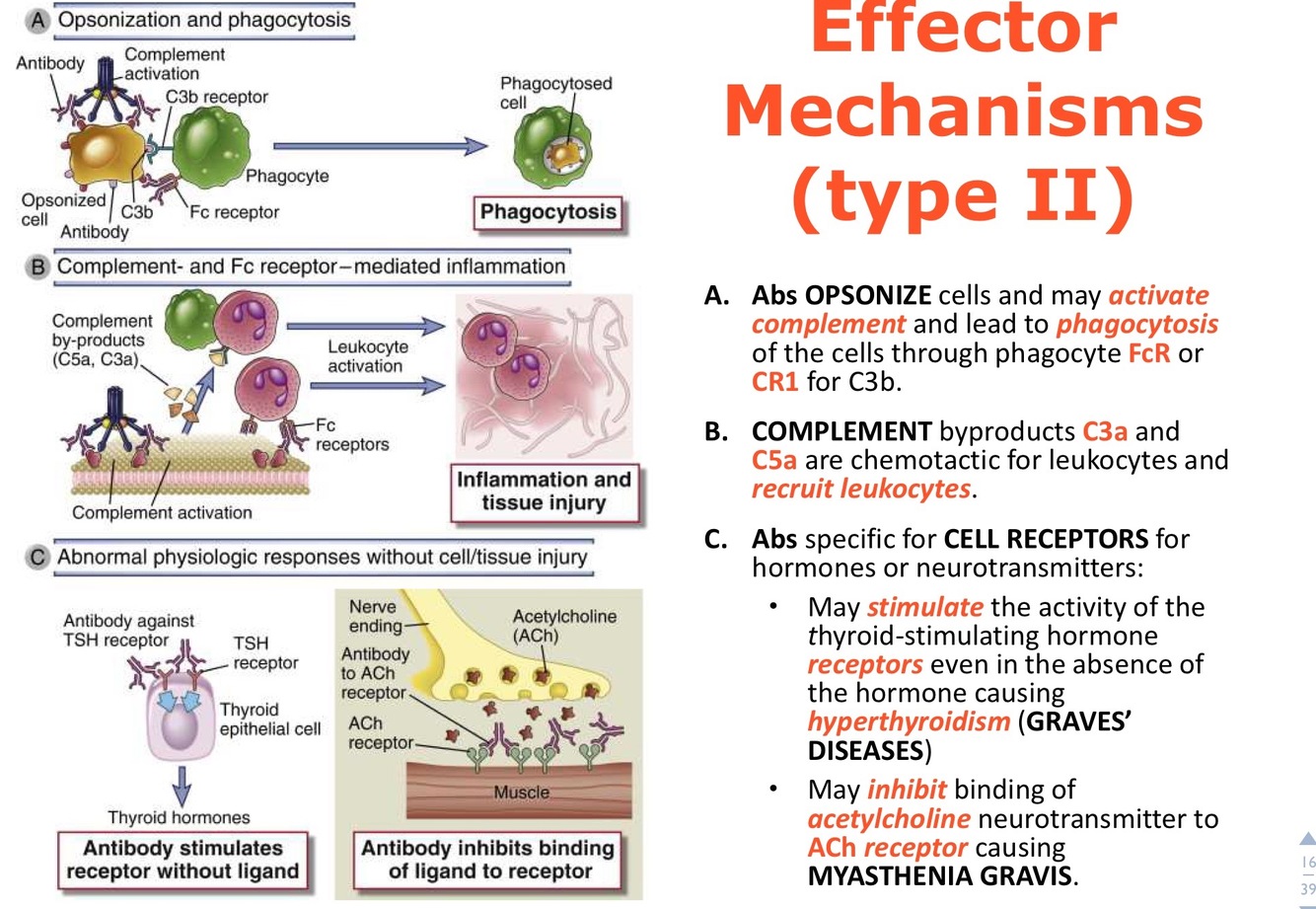
Diseases of Type II Hypersensitivity
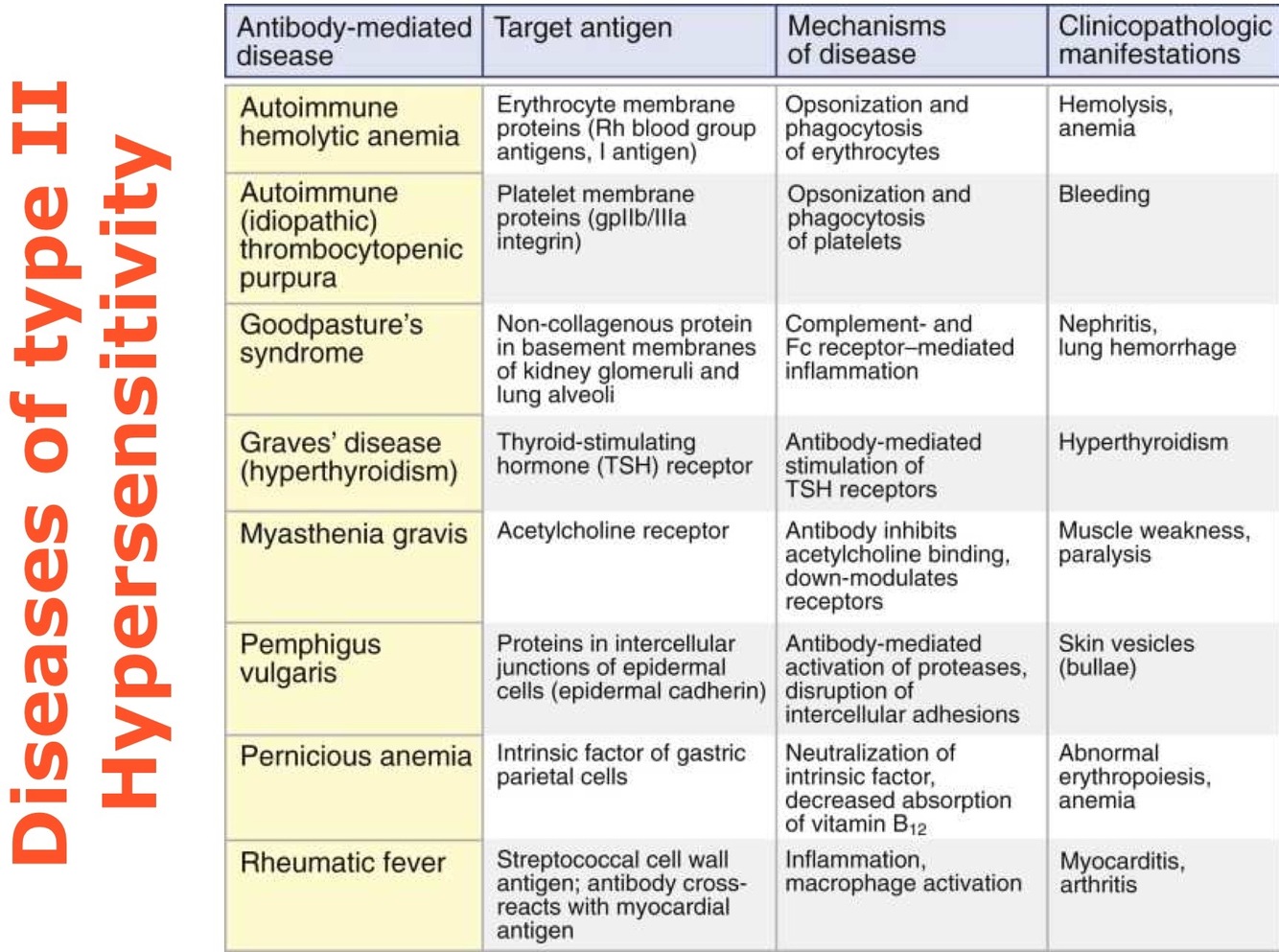
Diseases of Type III hypersensitivity
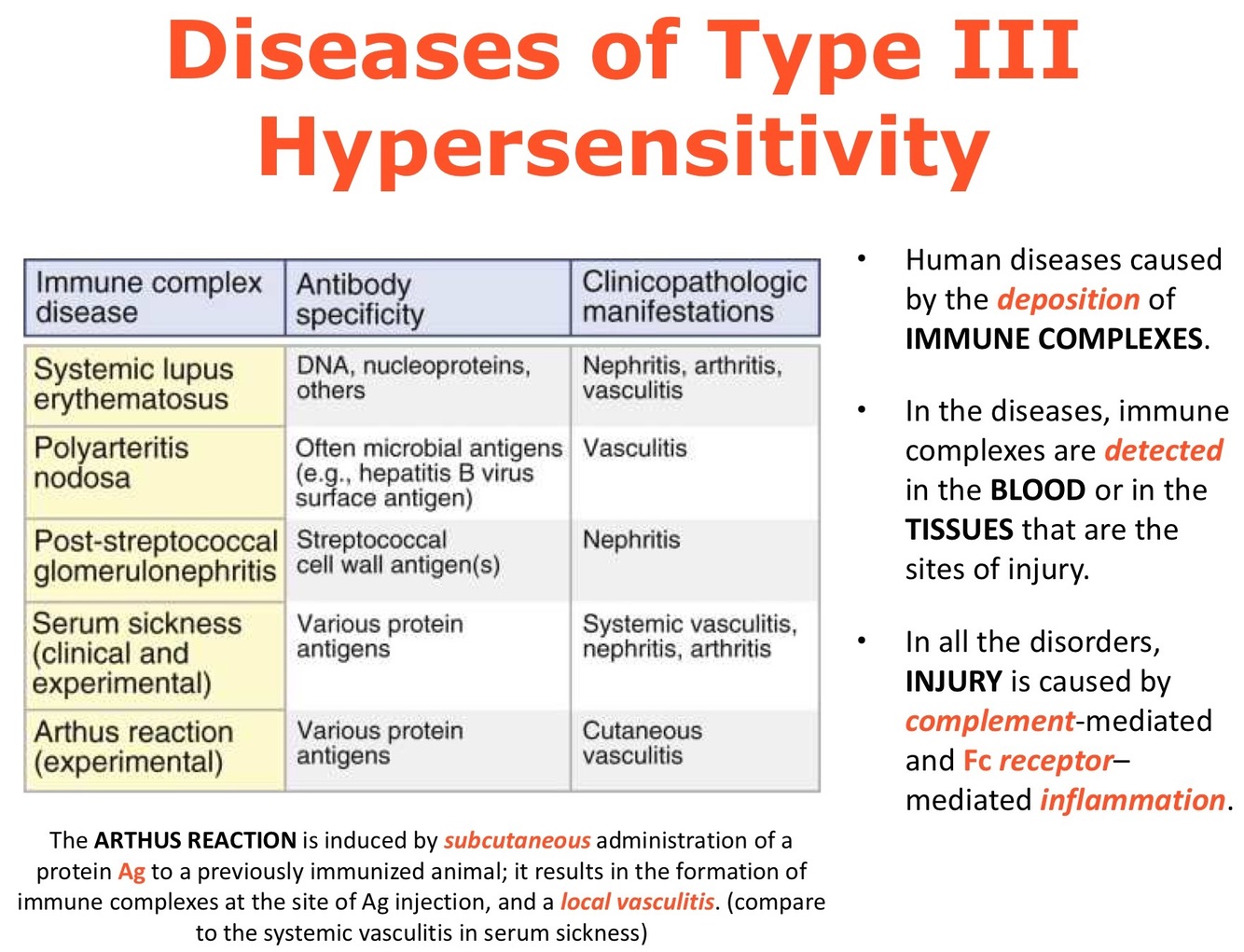
Diseases of Type IV Hypersensitivity
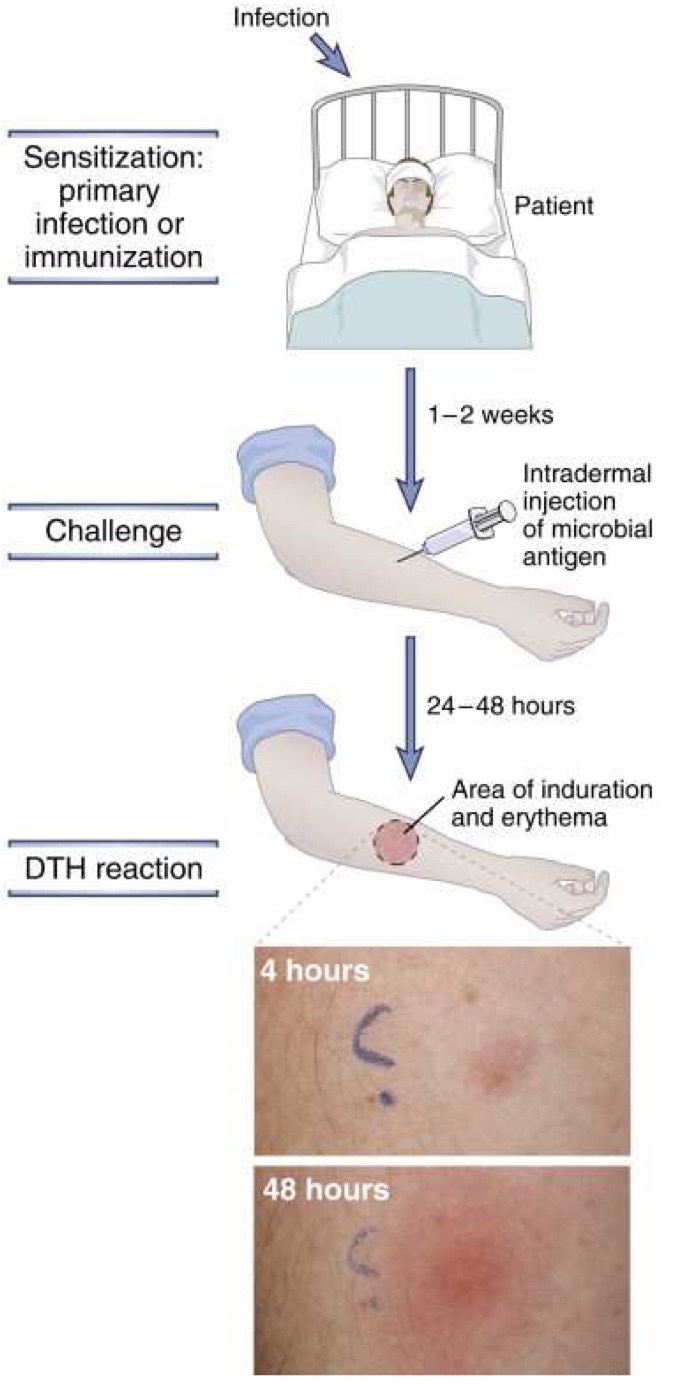
Tissue injury from Type IV hypersensitivity (delayed-type Hypersensitivity (DTH))
- Tissue injury results from the products of the recruited and activated neutrophils and macrophages, such as lysosomal enzymes, reactive oxygen species, nitric oxide, and proinflammatory cytokines
Granulomas contain
- activated macrophages, multinucleated giant cells, and lymphocytes (primarily T cells)
- (caused by TB escaping the macrophage and causing it to go crazy)
Function of leukotrienes
Stimulate prolonged smooth muscle dilation
The classical T cell-mediated inflammatory reaction is called _______
delayed-type hypersensitivity (DTH)
In a delayed-type hypersensitivity (DTH) reaction what are the makure cells that secrete cytokines and recuruite/activate leukocytes
Th1 and Th17
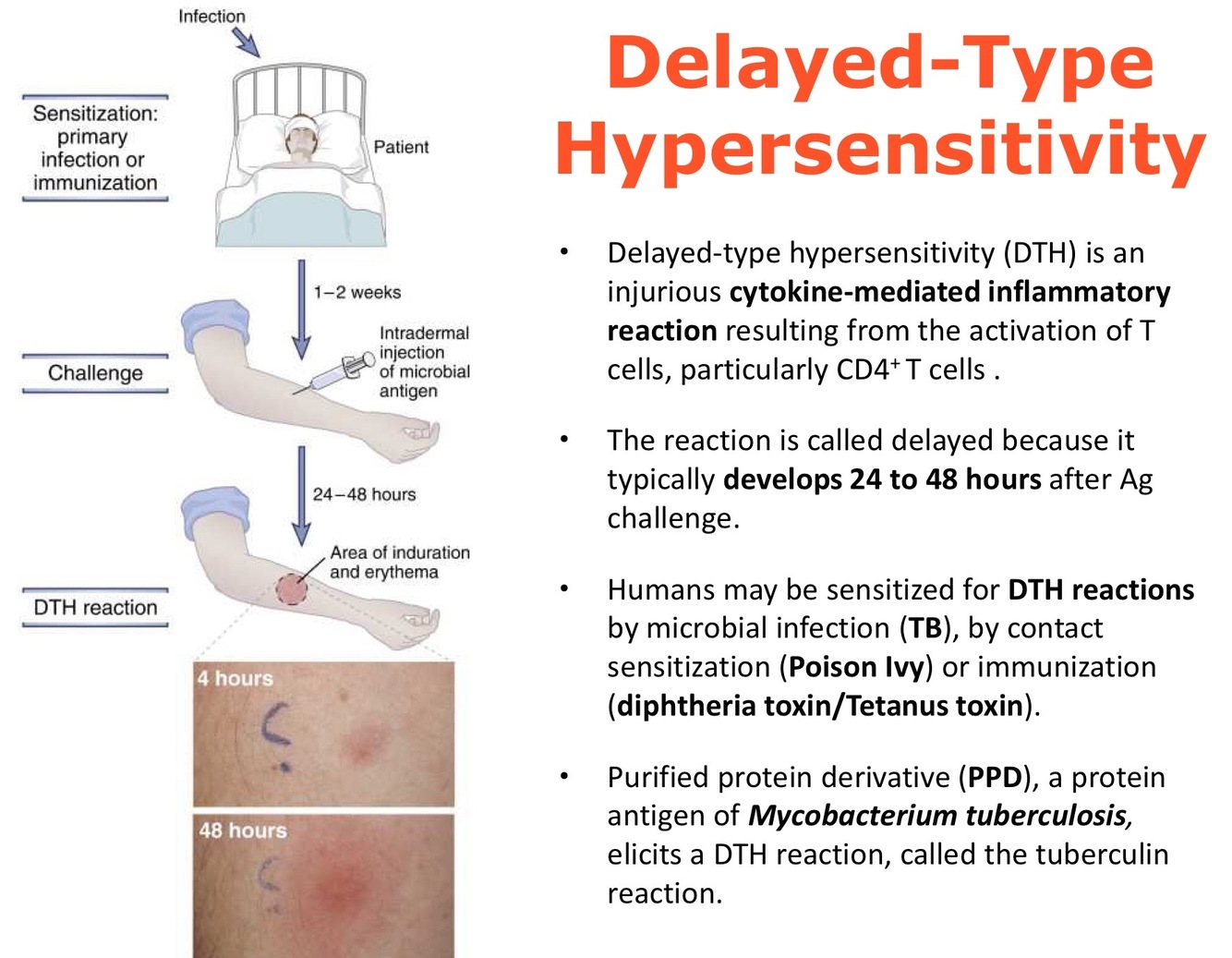
Contact dermatitis is an example of what type of hypersensitivity
Type IV (delayed hypersensitivity)
Formation of a mature granuloma
- Within hours to days after Ag exposure, Activated Th1 cells home ot the tissue
- If the source of Ags is not eradicated, inflammation will persist
- Th1 Cd4+ T cells and activated Macrophages by IFN-gamma which leads to production of TNF
- IFN-gamma and TNF further stimulate macrophages
- Over the course of several days to weeks a mature granuloma is formed


-
Lecture 1: Overview of Immune Responses23
-
Lecture 2: Cells ad Tissues of the Adaptive immune system27
-
Lecture 3: Leukocyte Circulation and Migration into Tissue40
-
Cytokines50
-
Lecture 4: Innate Immunity (part I)48
-
Lecture 5: Innate Immunity (part 2)29
-
Lecture 6: MHC and Ag Presentation to T cells32
-
Lecture 7: Immune Receptors and Signal Transduction59
-
Lecture 8: Lymphocyte Development and Antigen Receptor Gene Rearrangement41
-
Lecture 9: Activation of T Lymphocytes28
-
Lecture 10: Differentiation and Functions of CD4+ T cells20
-
Lecture 11: Differentiation and Functions of CD8+ T cells44
-
Lecture12: (Part I) B cell activation and antibody production29
-
Lecture 12: (Part II) B cell activation and antibody production54
-
Lecture 13: Effector Mechanisms of Humoral Immunity39
-
Lecture 14: Specialized Immunity at the GI epithelial barriers25
-
Lecture15: Immunologic Tolerance and Autoimmunity26
-
Lecture 16: Immunity to Microbes11
-
Lecture 17: Transplant Immunology30
-
Lecture 18: Hypersensitivity Reactions31
-
Lecture 19: Allergy33
-
Lecture 20: Immune Deficiencies30
-
Lecture 21: Immune Deficiencies28
-
Lecture22: HIV and AIDs26
-
Principal Features of Selected CD molecules3



