List 3 IHC markers that would confirm a diagnosis of small cell carcinoma
Deborah Dalmeida MD
Chromogranin
Neuron specific enolase
Synaptophysin
Deborah Dalmeida MD
Which of the following points represents a restrictive lung disease?
Deborah Dalmeida MD
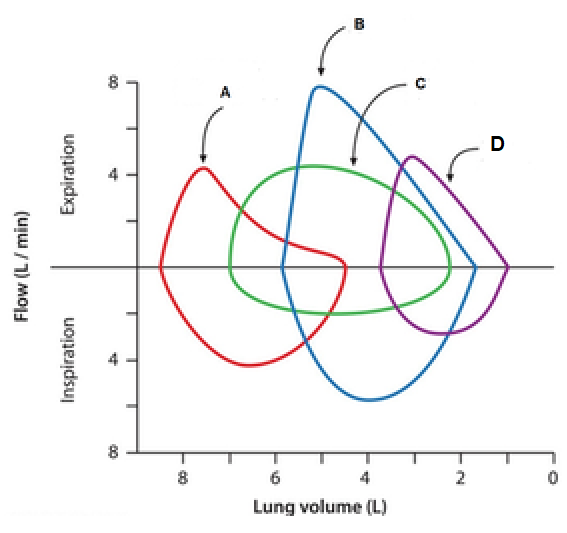
D
Deborah Dalmeida MD
Features of carcinoid syndrome
Deborah Dalmeida MD
Bronchospasm
Flushing
Diarrhea
Right sided heart murmur
Deborah Dalmeida MD
Where do the tumor cells grow in bronchioloalveolar carcinoma?
Deborah Dalmeida MD
along the walls of pre existing alveoli – lepidic pattern
Deborah Dalmeida MD
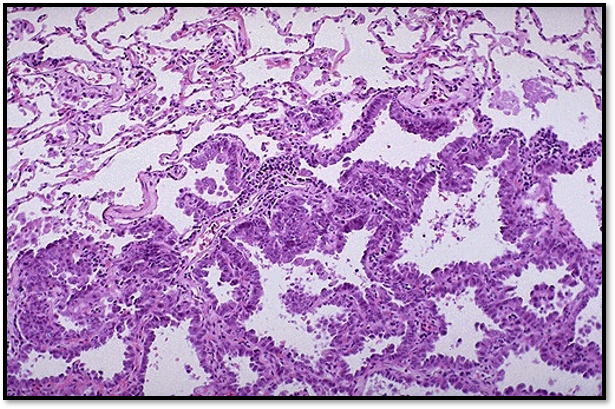
What’s your diagnosis?
List the 3 most common conditions responsible for this appearance.
Deborah Dalmeida MD
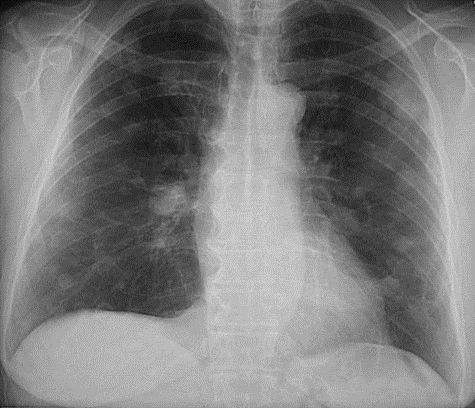
Cannon ball metastases
Commonest primary sites: Breast > colon>renal
Deborah Dalmeida MD
What’s the cell of origin of these tumor cells?
Deborah Dalmeida MD
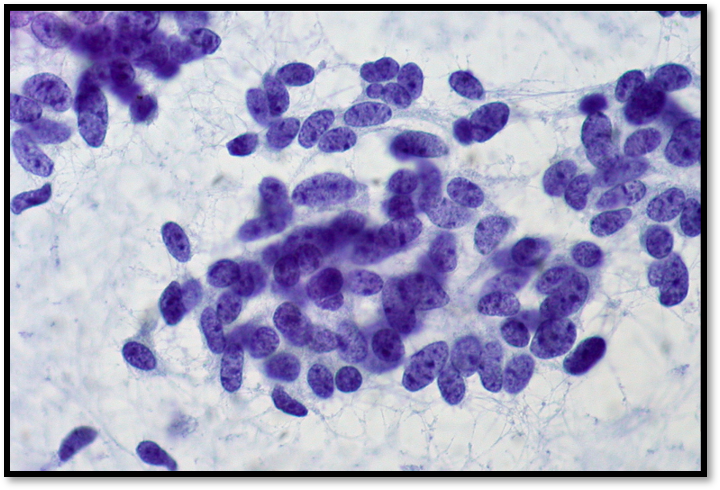
Neuroendocrine Kulchitsky cells
Deborah Dalmeida MD
Highly malignant neoplasm a/w heavy exposure to asbestos
Deborah Dalmeida MD
Mesothelioma
Deborah Dalmeida MD
What’s your diagnosis?
Central mass
Light microscopy: organoid arrangement of tumor cells
Electron microscopy - dense-core granules
Flushing
Diarrhea
Deborah Dalmeida MD
Carcinoid Tumor
Deborah Dalmeida MD
Tall, thin males around the age of 20
Smoking
Deborah Dalmeida MD
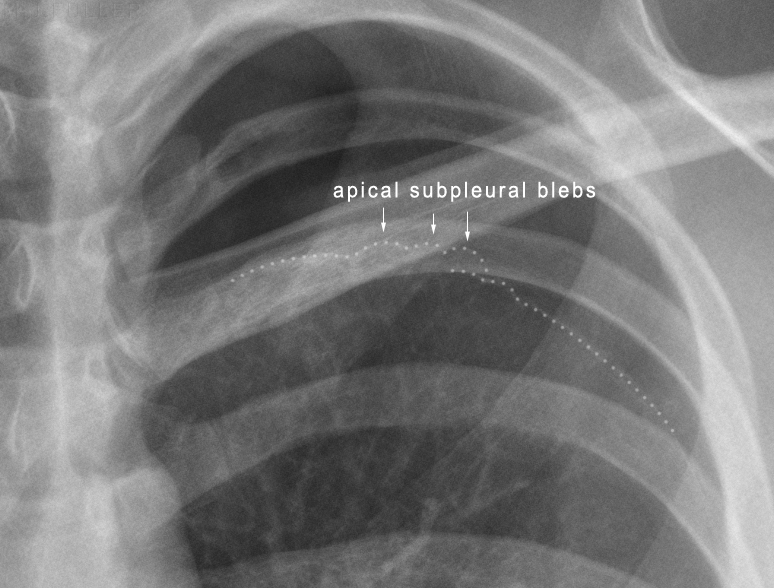
Primary spontaneous Pneumothorax
Deborah Dalmeida MD
List the possible structures that may be possibly involved in Pancoast tumor.
Deborah Dalmeida MD
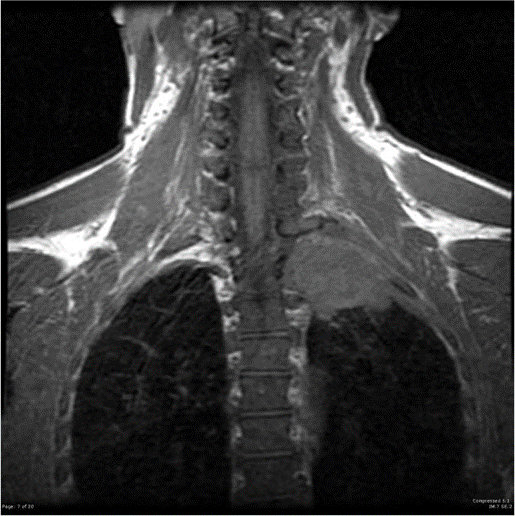
- Recurrent laryngeal nerve - hoarseness
- Stellate ganglion à Horner syndrome (ipsilateral ptosis, miosis, anhidrosis)
- Superior vena cava - SVC syndrome
- Brachiocephalic vein
- Brachial plexus
Deborah Dalmeida MD
central tumor
organoid, trabecular, palisading, ribbon, or rosette-like arrangements of cells separated by a delicate fibrovascular stroma
Electron microscopy shows dense core granules
Deborah Dalmeida MD
Carcinoid Tumor
Deborah Dalmeida MD
- The lung carcinoma most commonly associated with ectopic hormone production as part of paraneoplastic syndrome
- List two ectopic hormone syndromes occuring as a part of paraneoplastic syndromes
Deborah Dalmeida MD
- Small cell Carcinoma (Oat cell carcinoma)
- Ectopic ACTH and SIADH
Deborah Dalmeida MD
Central mass
small round or polygonal cells in clusters with salt and pepper pattern of nuclear chromatin
Electron microscopy- dense core neurosecretory granules
Deborah Dalmeida MD
Small cell carcinoma (Oat cell carcinoma)
Deborah Dalmeida MD
peripheral, solitary, well circumscribed,
solitary coin lesion on the CXR
Deborah Dalmeida MD
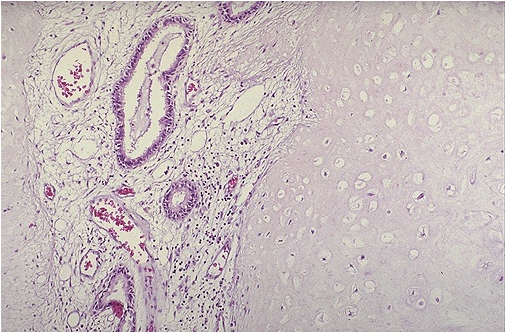
Pulmonary Hamartoma
Deborah Dalmeida MD
Why would you get Horner Syndrome secondary to a lung tumor?
Features of Horner Syndrome?
Deborah Dalmeida MD
Involvement of sympathetic ganglia
Ptosis, miosis, anhydrosis, enophthalmos, loss of cilisospinal reflex
Deborah Dalmeida MD
Which of the following points represents an obstructive disease?
Deborah Dalmeida MD
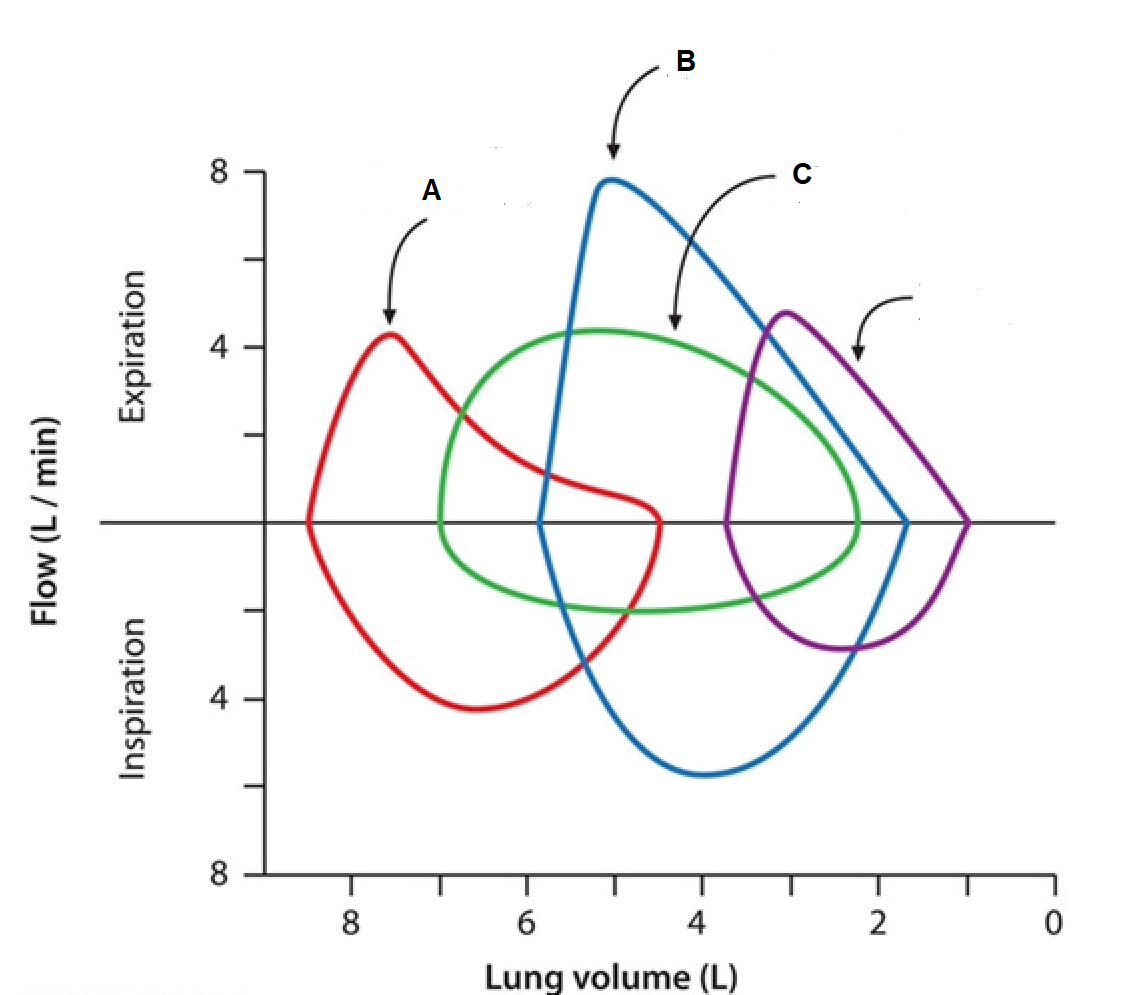
A
Deborah Dalmeida MD
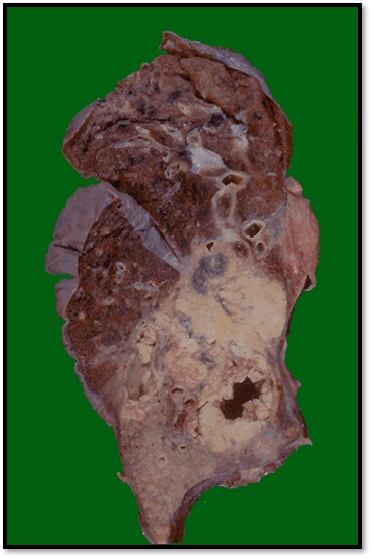
central mass
association with smoking
gray white
tendency to cavitate
Deborah Dalmeida MD
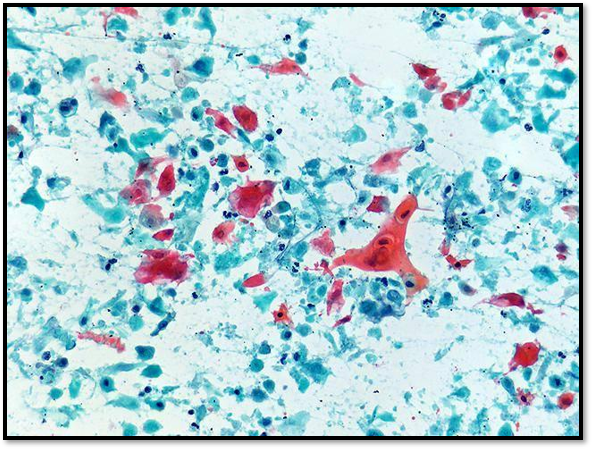
Squamous cell carcinoma
Deborah Dalmeida MD
- Hypercalcemia is seen occuring as a paraneoplastic syndrome with which subtype of lung carcinoma
- What is the substance being elaborated causing hypercalcemia?
Deborah Dalmeida MD
- Squamous cell carcinoma
- Parathyroid hormone-related peptide
Deborah Dalmeida MD
peripherally located mass
non smokers, women
positive for thyroid transcription factor-1 (TTF-1)
80% contain mucin.
Deborah Dalmeida MD
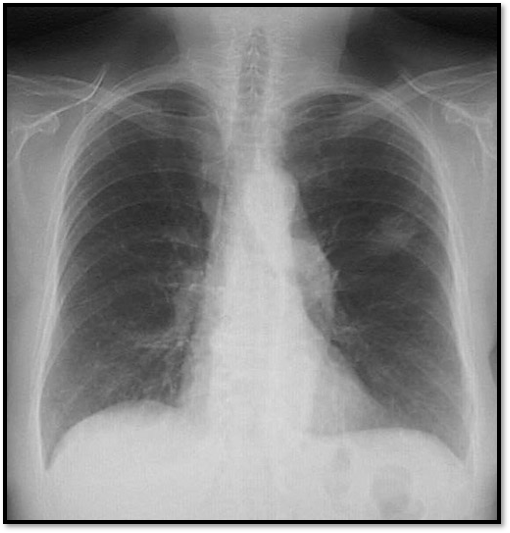
adenocarcinoma
Deborah Dalmeida MD
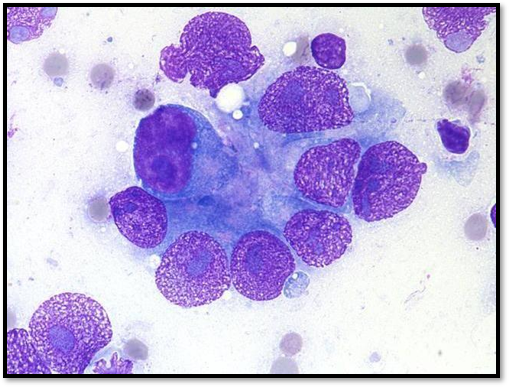
List 3 causes for the condition shown in the attached image
Deborah Dalmeida MD
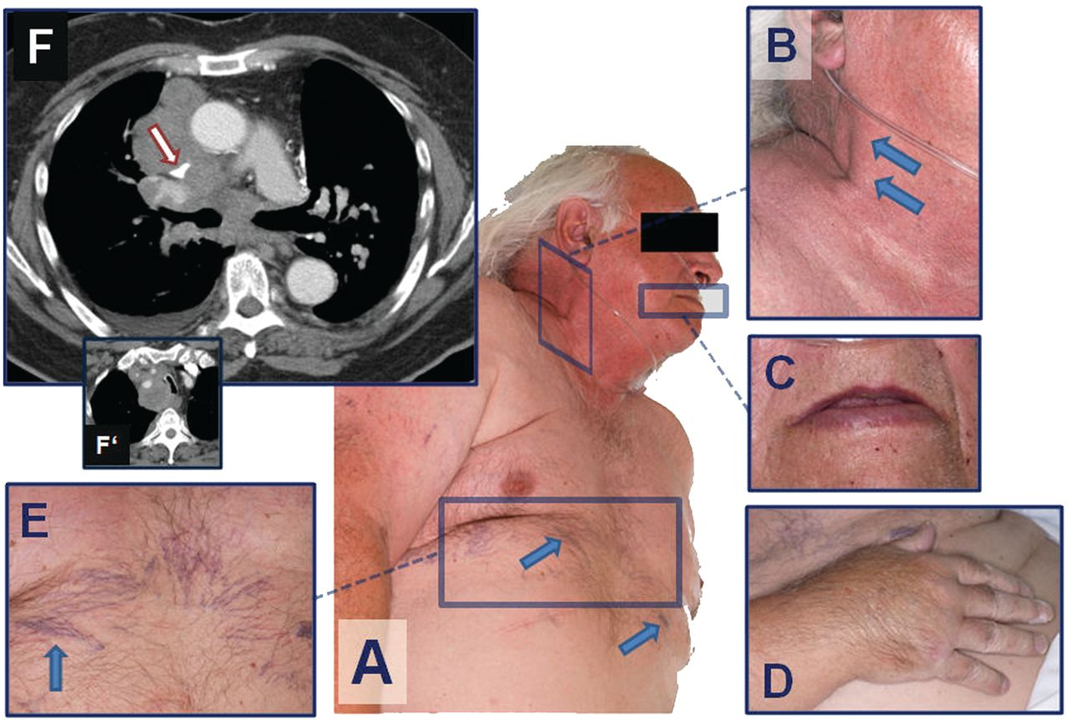
- malignancy invading/compressing the SVC (eg, mediastinal mass, Pancoast tumor)
- thrombosis from indwelling catheters
Deborah Dalmeida MD
What is this ?
Periosteal new bone formation, Clubbing, Arthritis
Deborah Dalmeida MD
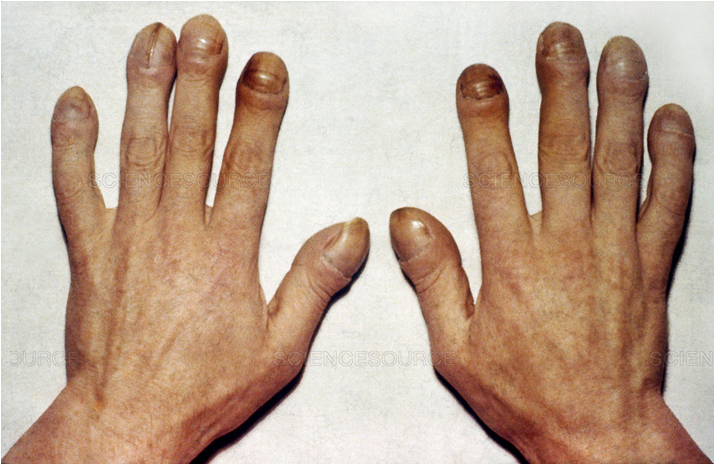
Hypertrophic osteoarthropathy
Deborah Dalmeida MD
Xaxis represents number of breaths per minute
Y axis represents the work of breathing
Does this graph represent a restrictive or an obstructive effect?
Deborah Dalmeida MD
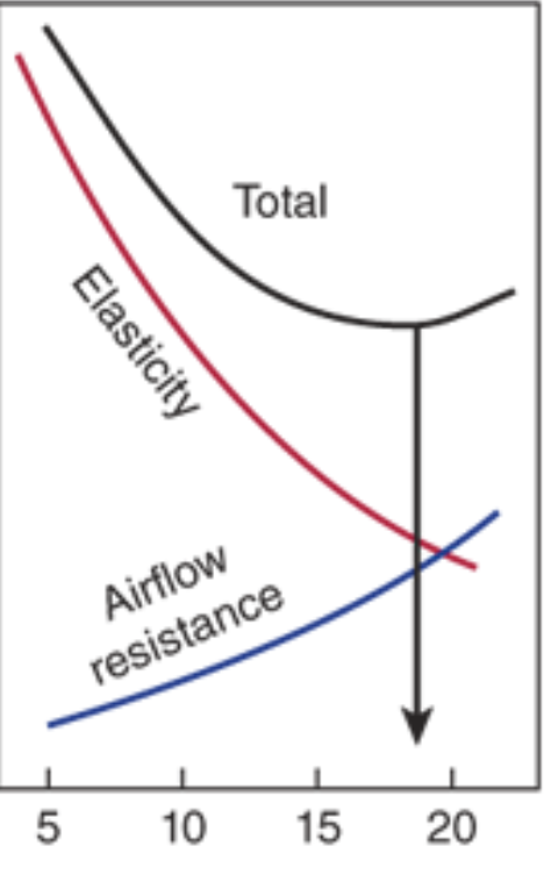
Restrictive defect
Deborah Dalmeida MD
Xaxis represents number of breaths per minute
Y axis represents the work of breathing
Does this graph represent a restrictive or an obstructive effect?
Deborah Dalmeida MD
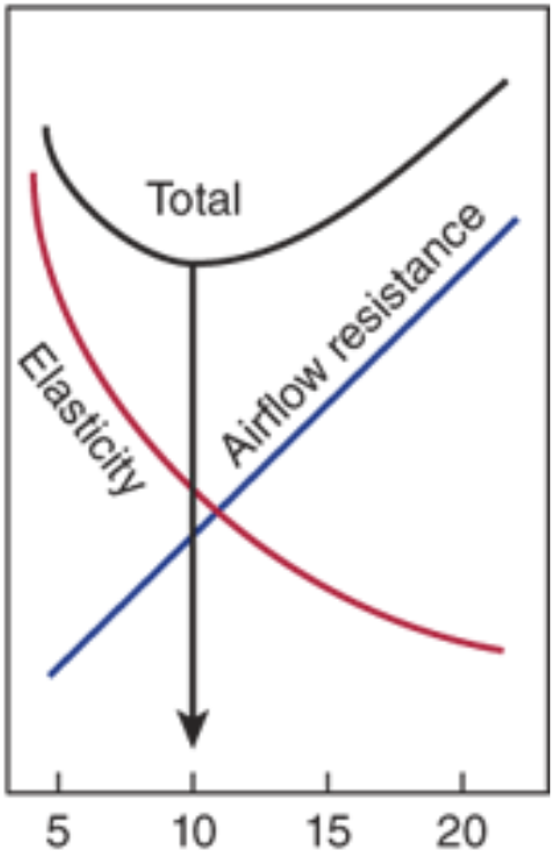
Obstructive
Deborah Dalmeida MD

-
HEMODYNAMIC DISEASE, THROMBOEMBOLIC DISORDERS AND SHOCK72
-
BLOOD VESSEL PATHOLOGY57
-
HEART PATHOLOGY -147
-
HEART PATHOLOGY -245
-
RENAL PATHOLOGY 158
-
RENAL PATHOLOGY 282
-
RENAL PATHOLOGY -346
-
RENAL PATHOLOGY 444
-
LOWER URINARY TRACT22
-
MUSCULOSKELETAL PATHOLOGY-129
-
MUSCULOSKELETAL PATHOLOGY-256
-
MUSCULOSKELETAL PATHOLOGY - 327
-
MUSCULOSKELETAL PATHOLOGY - 442
-
MUSCULOSKELETAL PATHOLOGY - 538
-
CELL INJURY, ADAPTATIONS AND DEATH - 142
-
CELL INJURY, ADAPTATIONS AND DEATH - 231
-
ACUTE & CHRONIC INFLAMMATION- 150
-
ACUTE & CHRONIC INFLAMMATION - 220
-
TISSUE REPAIR38
-
AMYLOIDOSIS28
-
NEOPLASIA-154
-
NEOPLASIA-233
-
ENVIRONMENTAL & NUTRITIONAL PATHOLOGY55
-
RBC DISORDERS-143
-
RBC DISORDERS-222
-
BLEEDING AND THROMBOTIC DISORDERS36
-
WBC DISORDERS - 146
-
WBC DISORDERS- 248
-
SKIN PATHOLOGY-145
-
SKIN PATHOLOGY-229
-
LUNG PATHOLOGY-145
-
LUNG PATHOLOGY -223
-
Female genital tract 157
-
BREAST PATHOLOGY28
-
MALE GENITAL TRACT56
-
KEY LAB VALUES30
-
Female genital tract 232
-
Disorders of pregnancy25
-
Diseases of infancy and childhood50
-
NUPY 1_Neurocytopathology, Congenital Malformations50
-
NUPY2_Eye Pathology39
-
NUPY 3_Movement disorders30
-
NUPY 4_Muscle weakness50
-
NUPY 5_Cerebrovascular disease58
-
NUPY6_Neurodegenerative Disorders20
-
NUPY7_Traumatic brain injury42
-
NUPY8_CNS &PNS tumors37
-
NUPY9_Pathology of CNS infections38



