M.16 Flashcards

(137 cards)

1
Q

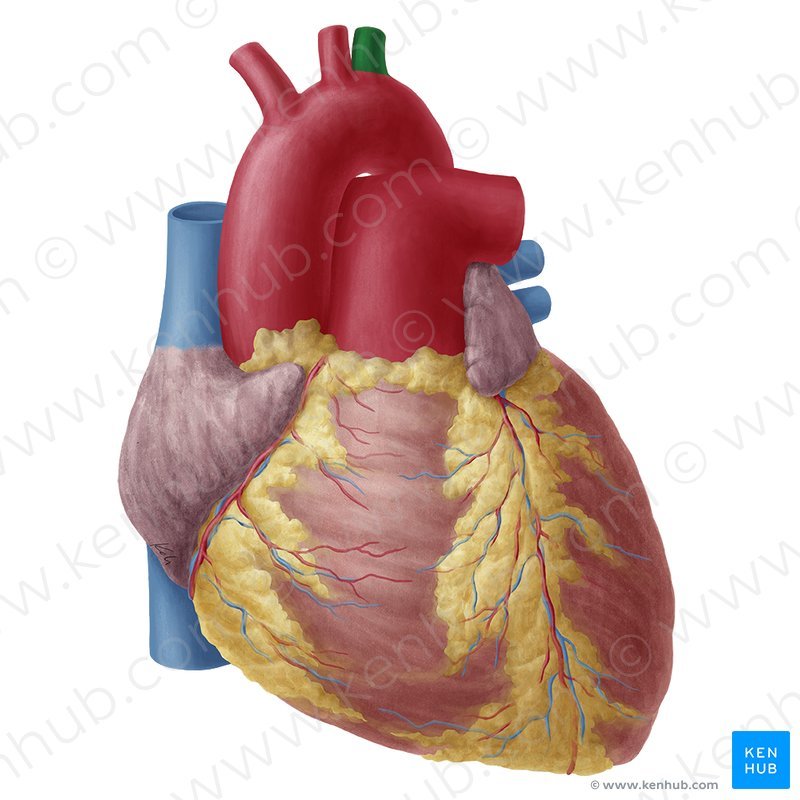
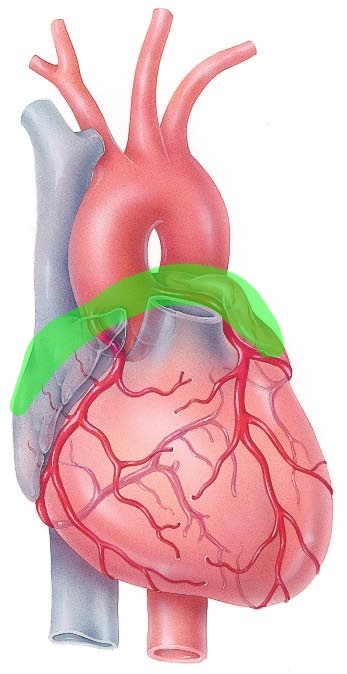
Portion of heart

A

base

2
Q

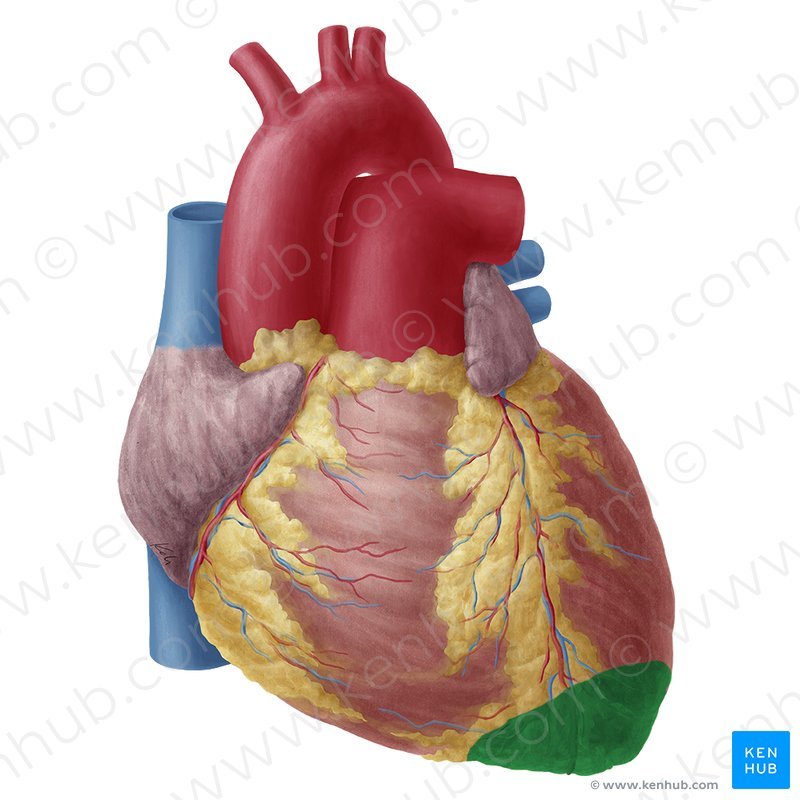
Portion of heart

A

Apex

3
Q

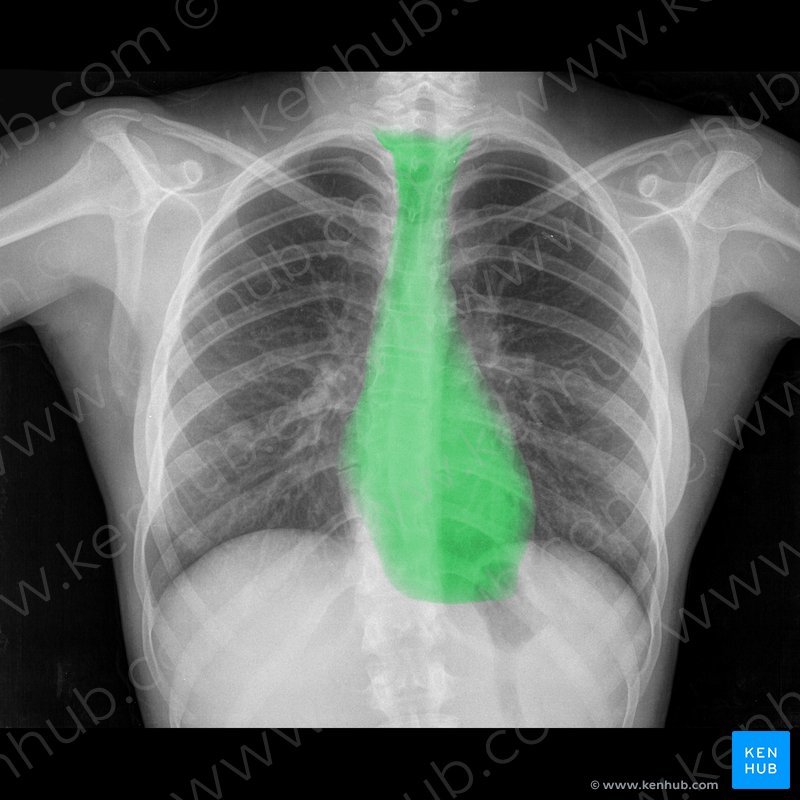
Position of heart

A

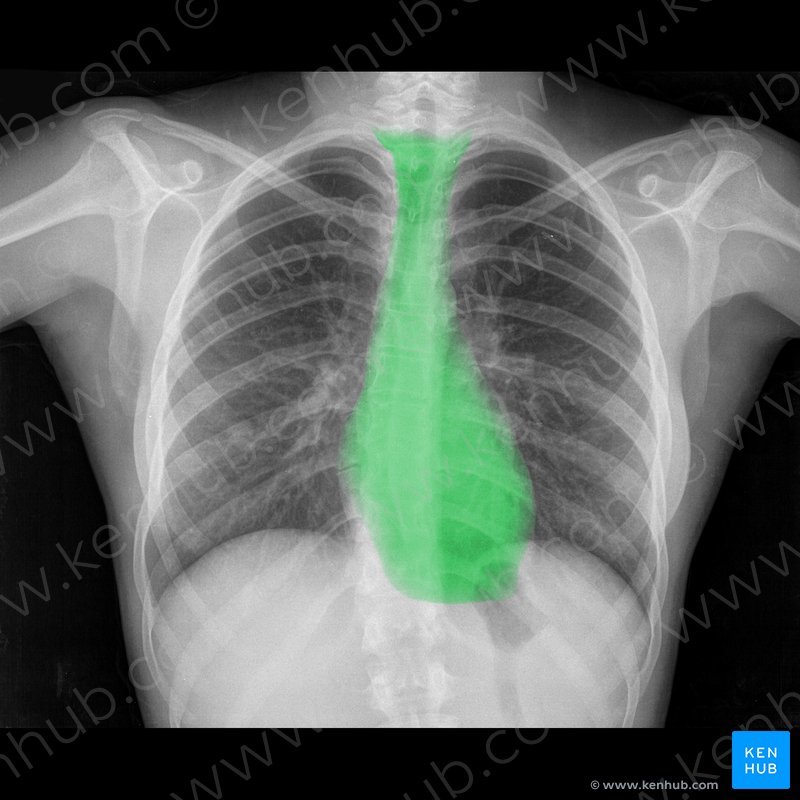
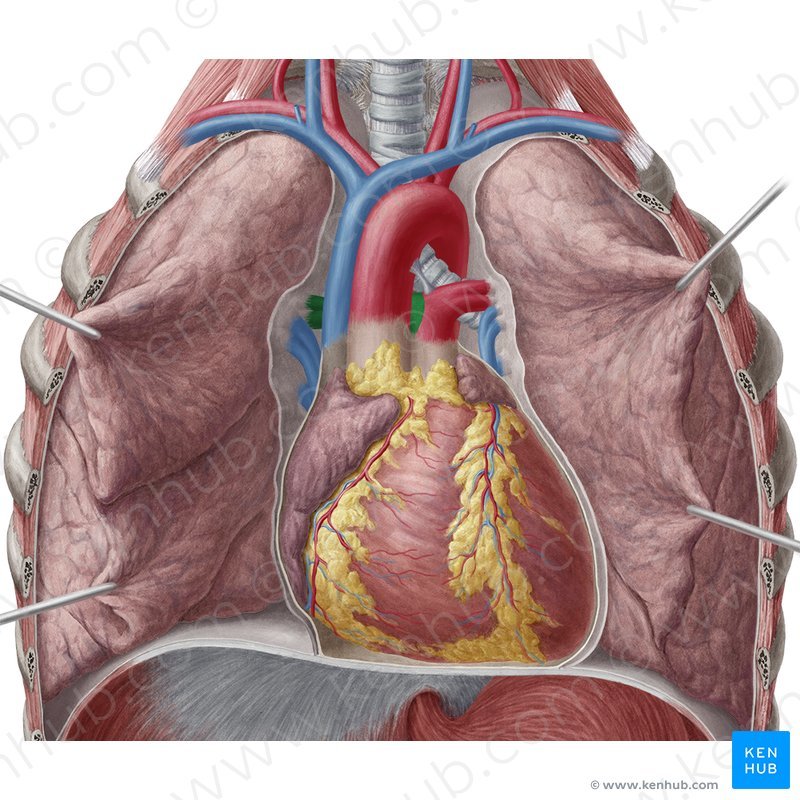
Mediastinum​

4
Q

The heart is on the ___ side of the mediastinum.
A

Left

5
Q

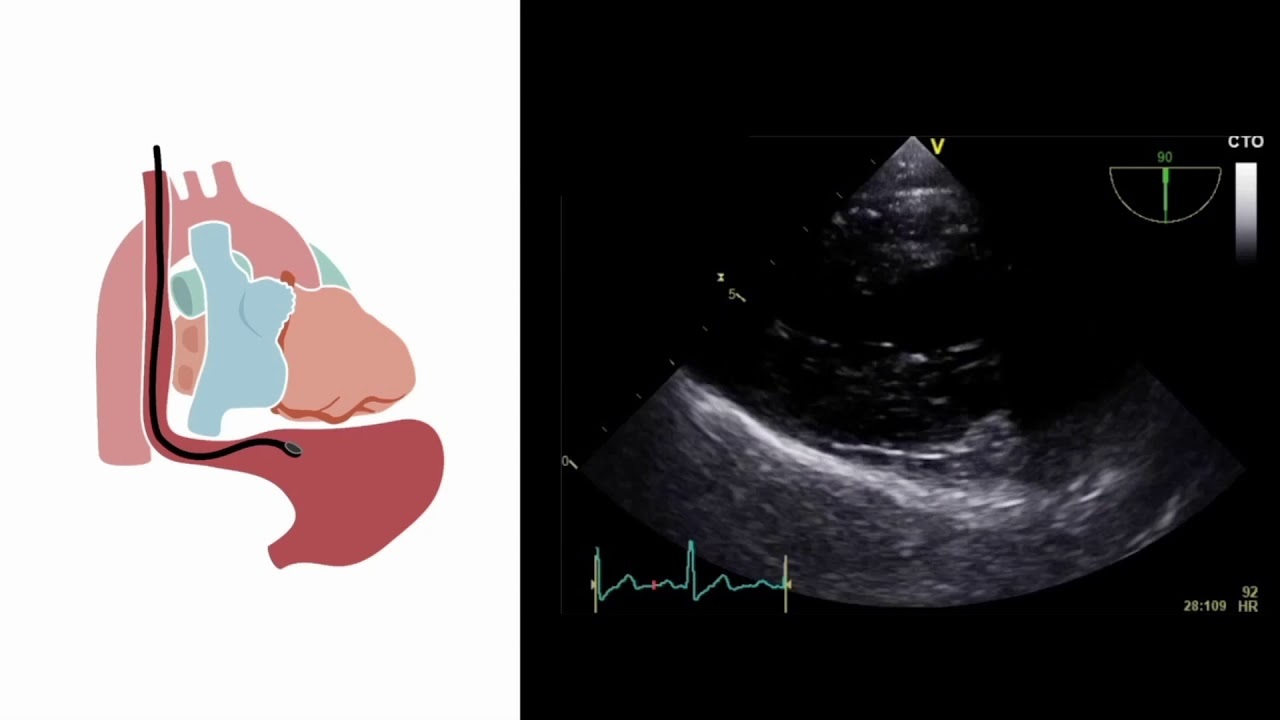
A procedure. A probe inserted in the esophagus/stomach, it takes an ultrasound of the heart.
A

Transesophageal Echocardiography (TEE)

6
Q

Smooth. Simple squamous epithelium.

A

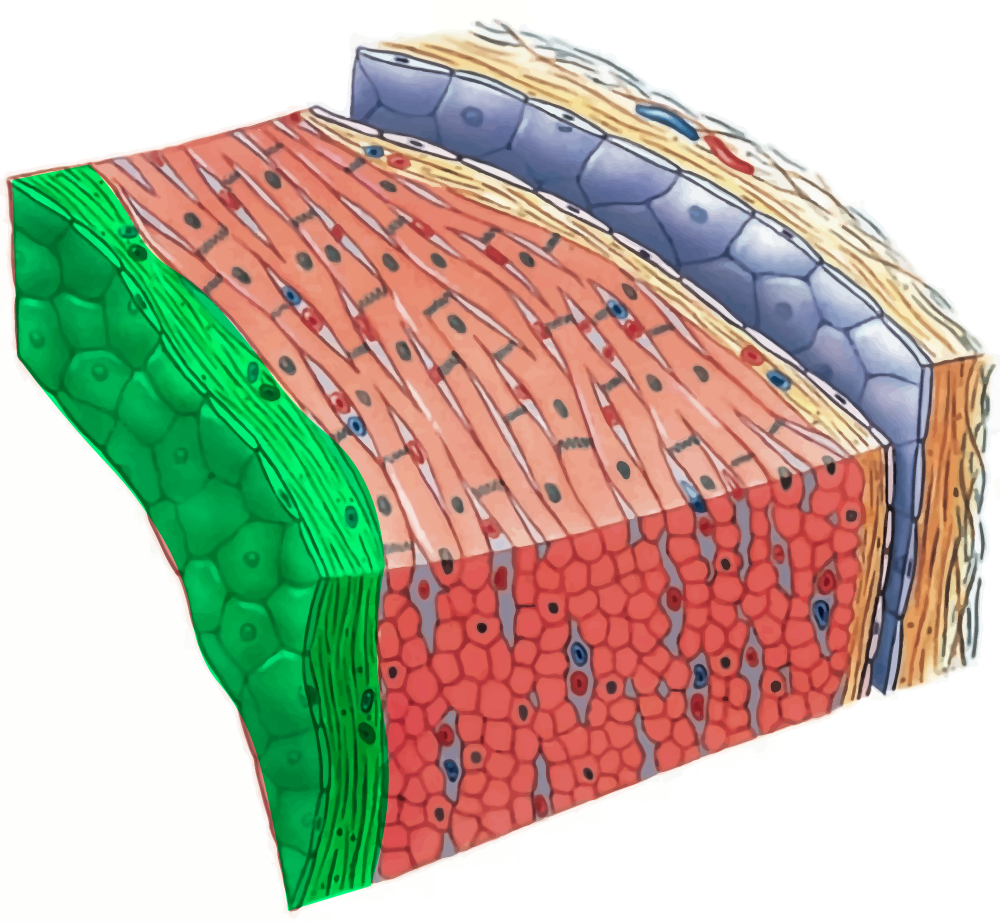
EndoCardium

7
Q

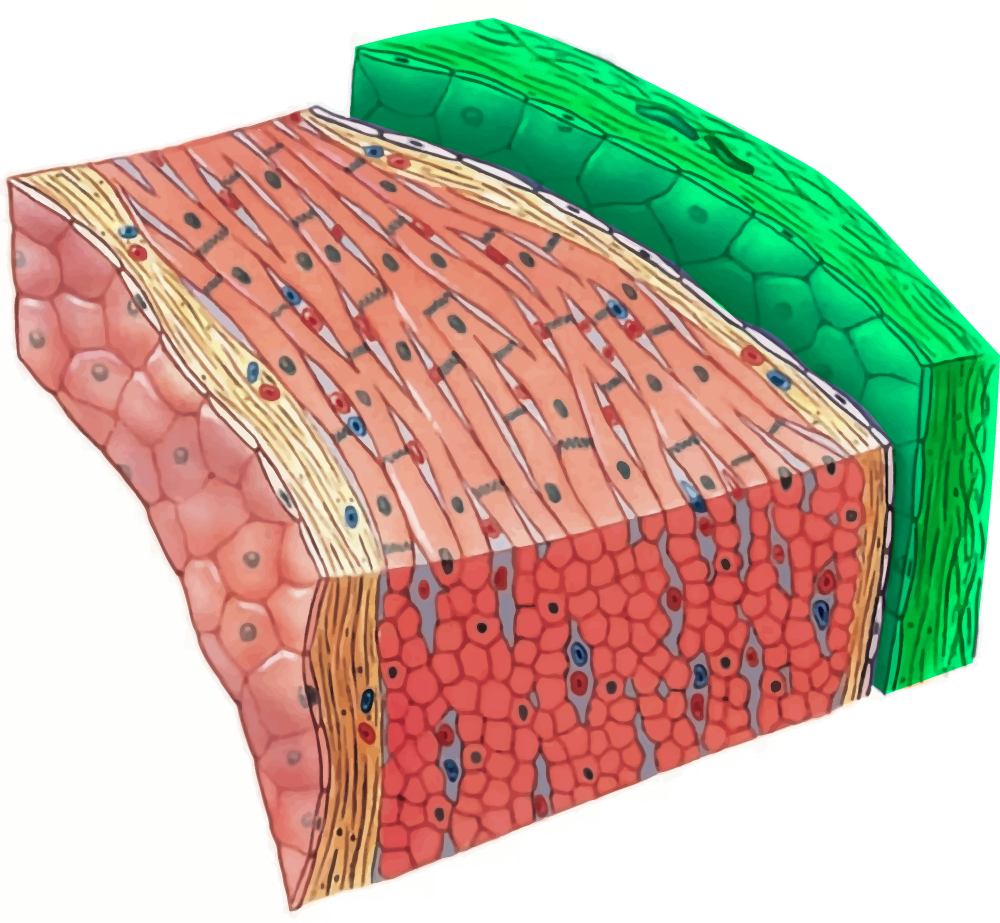
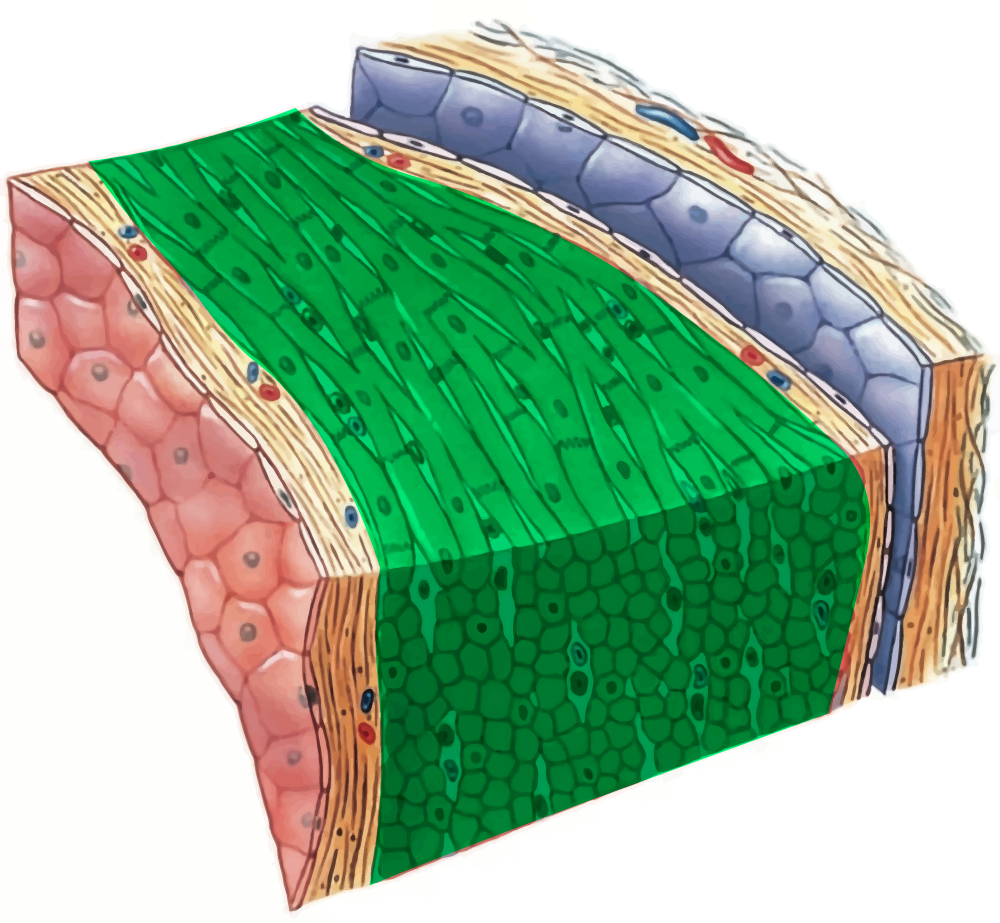
Heart muscle. Intercalated disks for strength. Gap junctions for synchrony.
A

MyoCardium

8
Q

Above. Visceral Serous.

A

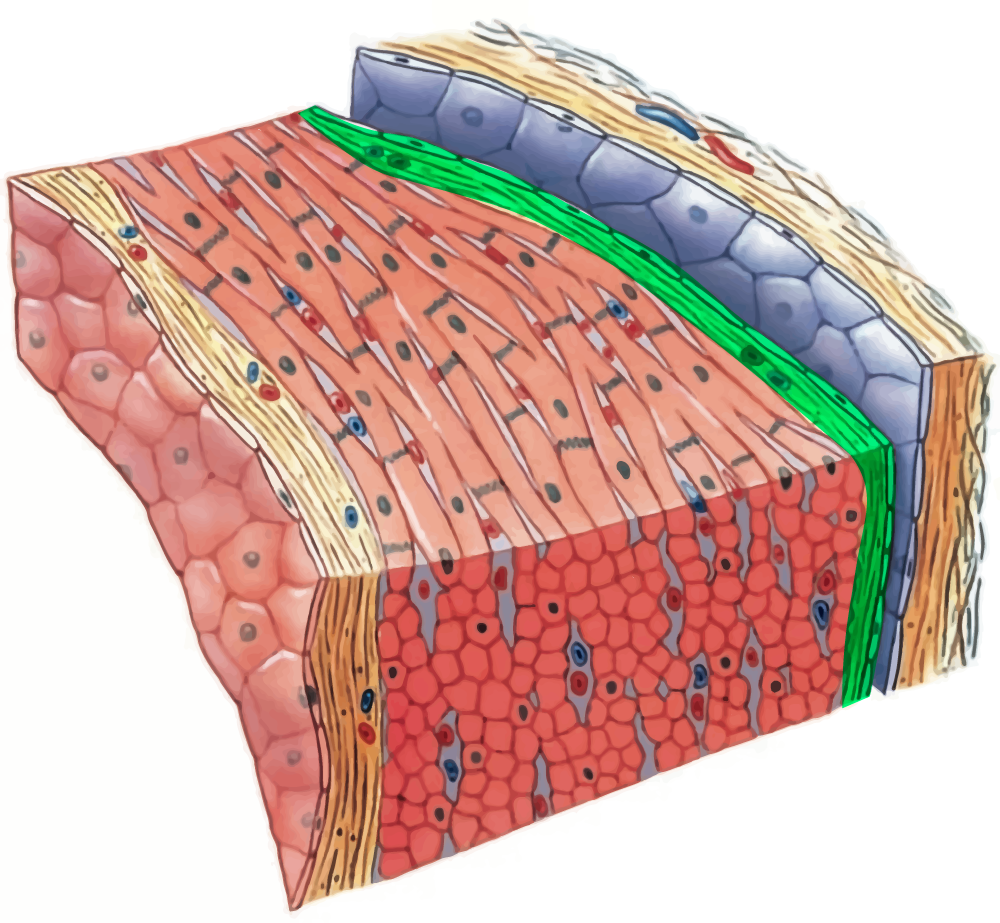
EpiCardium

9
Q

conical sac of fibrous tissue

A

Parietal Pericardium

10
Q

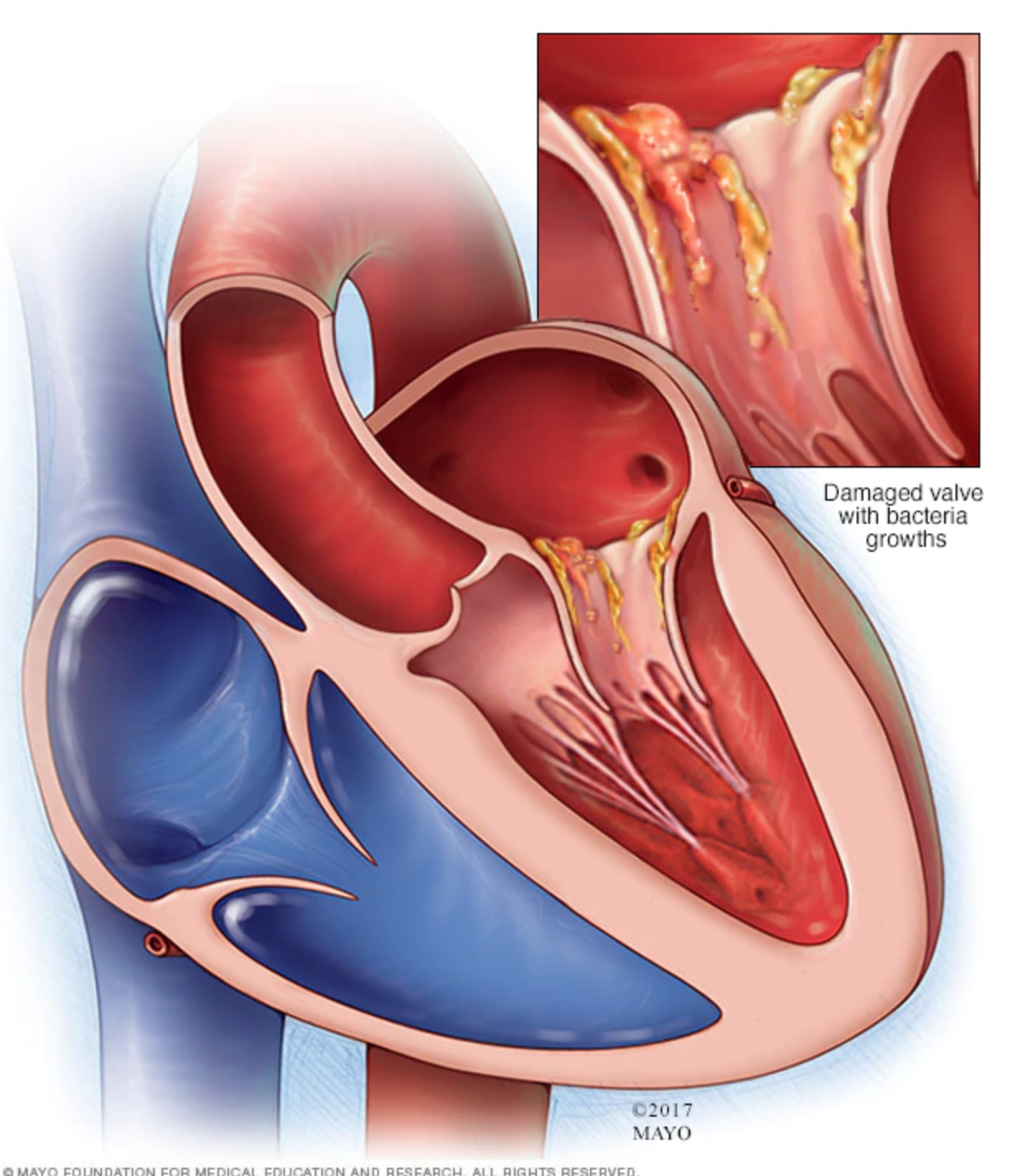
Infection of the endocardium causes inflammation.

Dental cleanings = antibiotics.
A

Endocarditis

11
Q
A

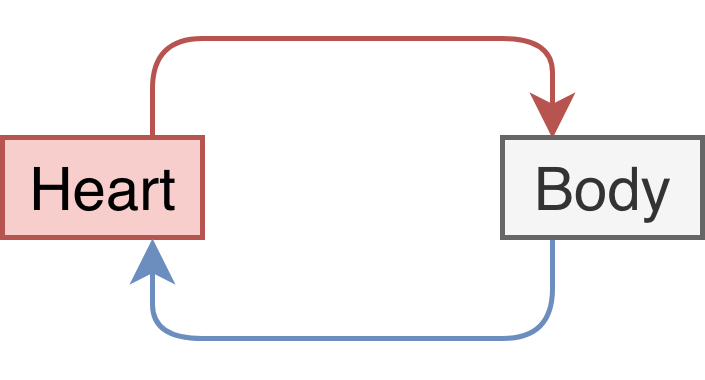
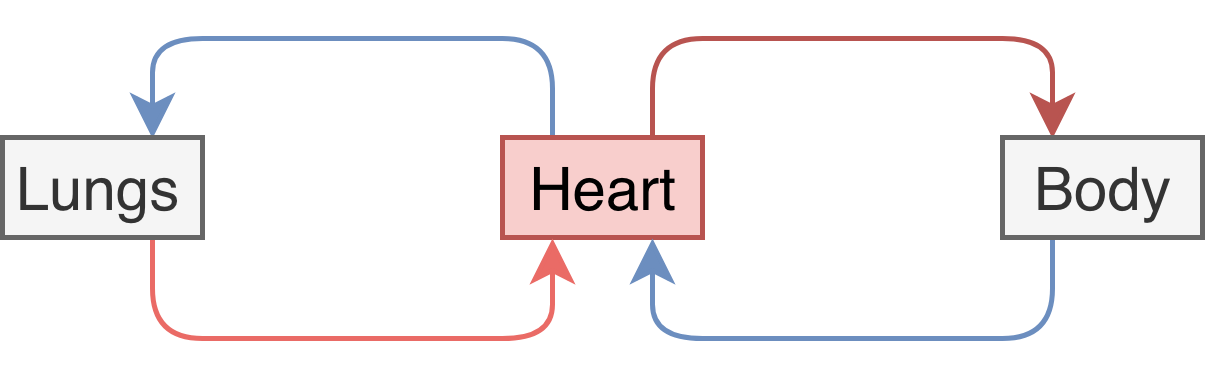
Systemic Circulation

12
Q
A

Pulmonary Circulation

13
Q

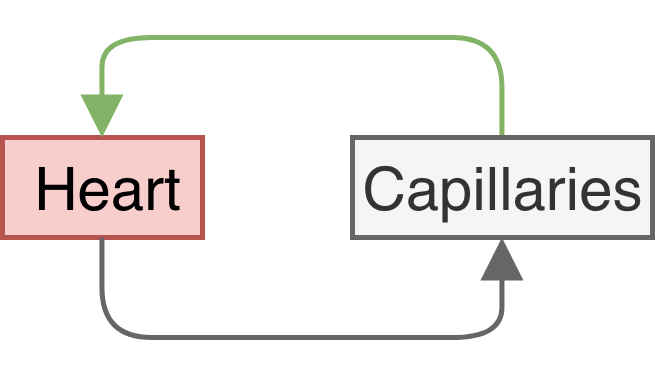
Vessels that carry blood away from the heart.
A

Arteries

14
Q

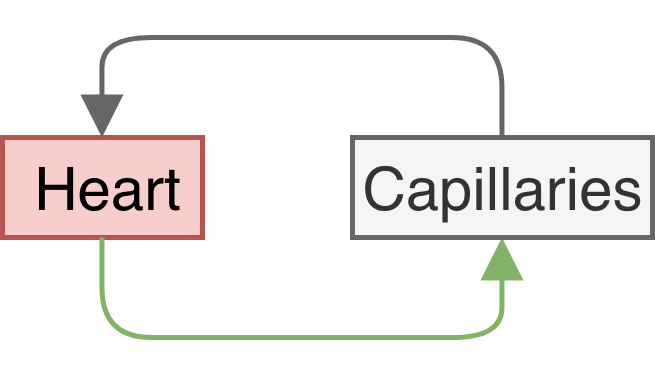
Vessels that carry blood toward the heart.
A

Veins

15
Q
A

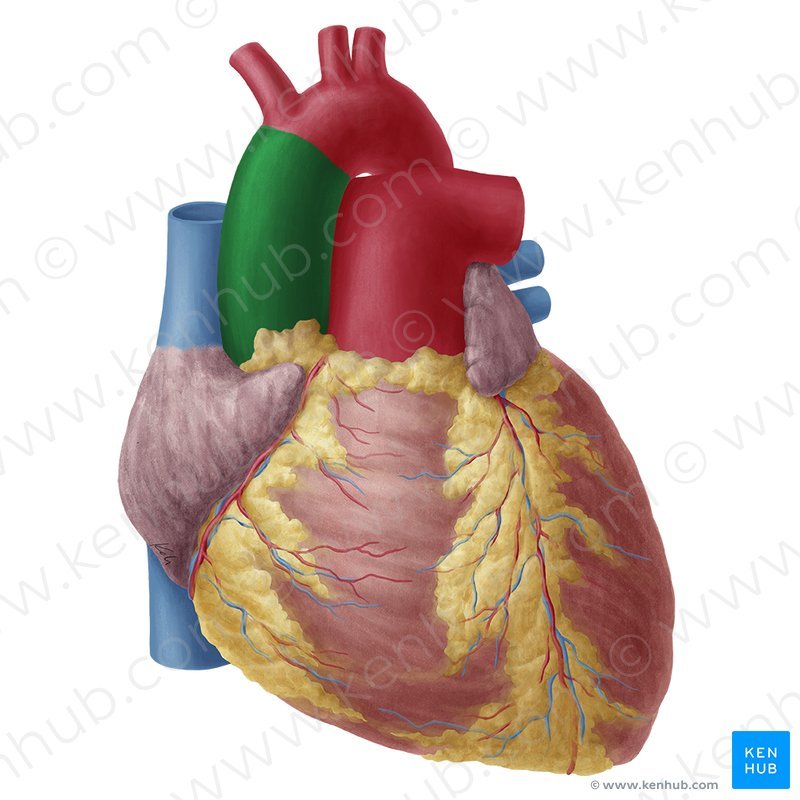
Ascending aorta

16
Q
A

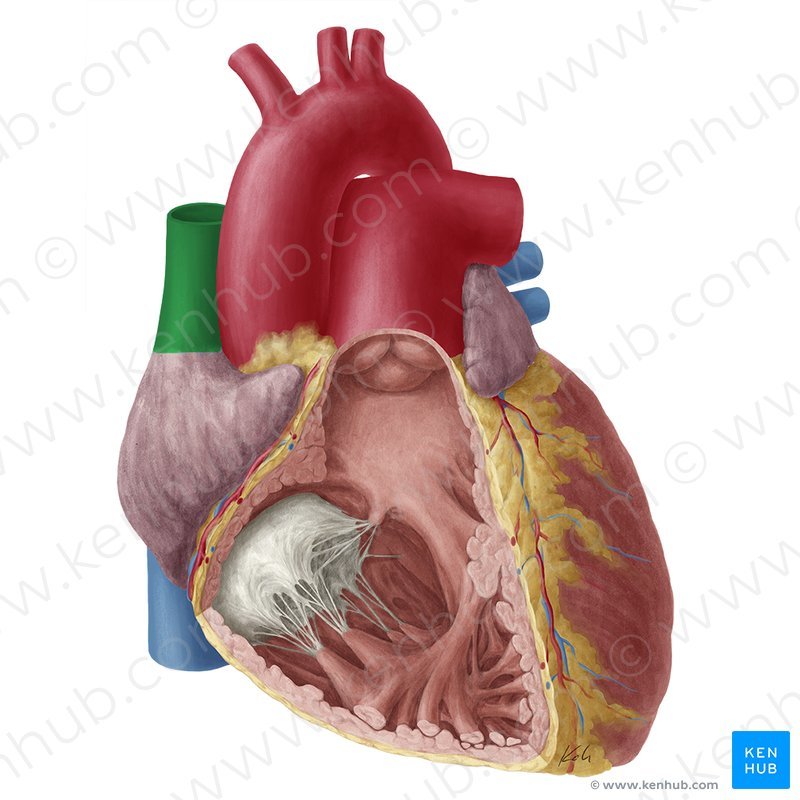
Superior vena cava

17
Q
A

Right pulmonary artery

18
Q
A

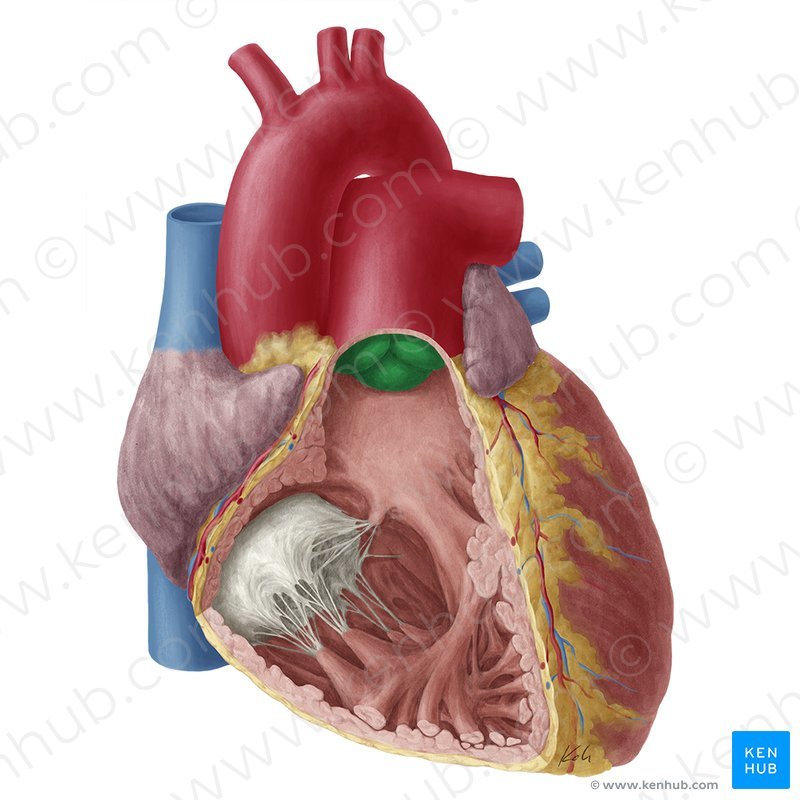
Pulmonary valve

19
Q
A

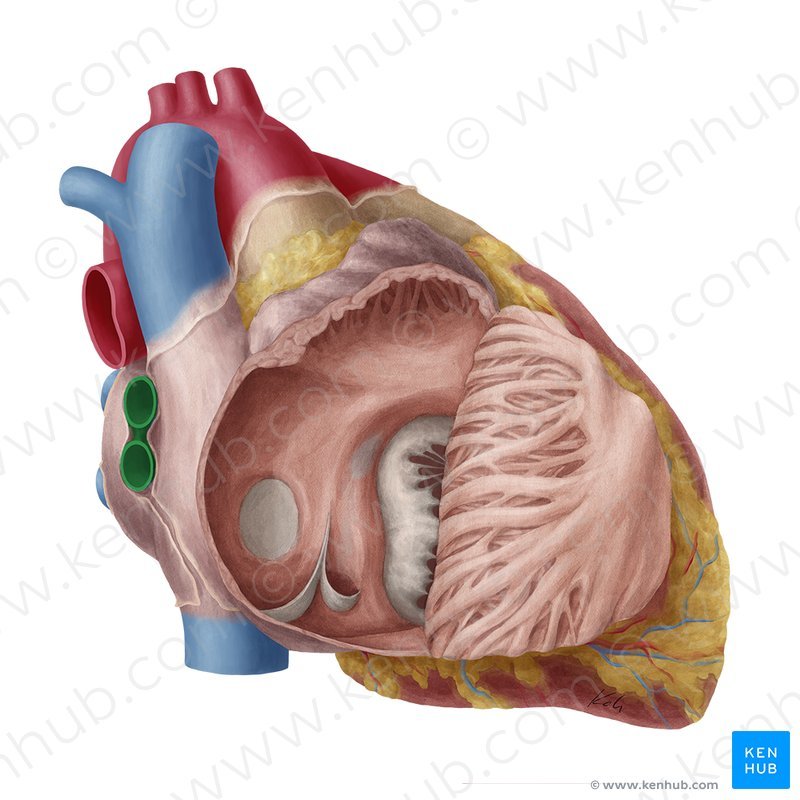
Right pulmonary veins

20
Q
A

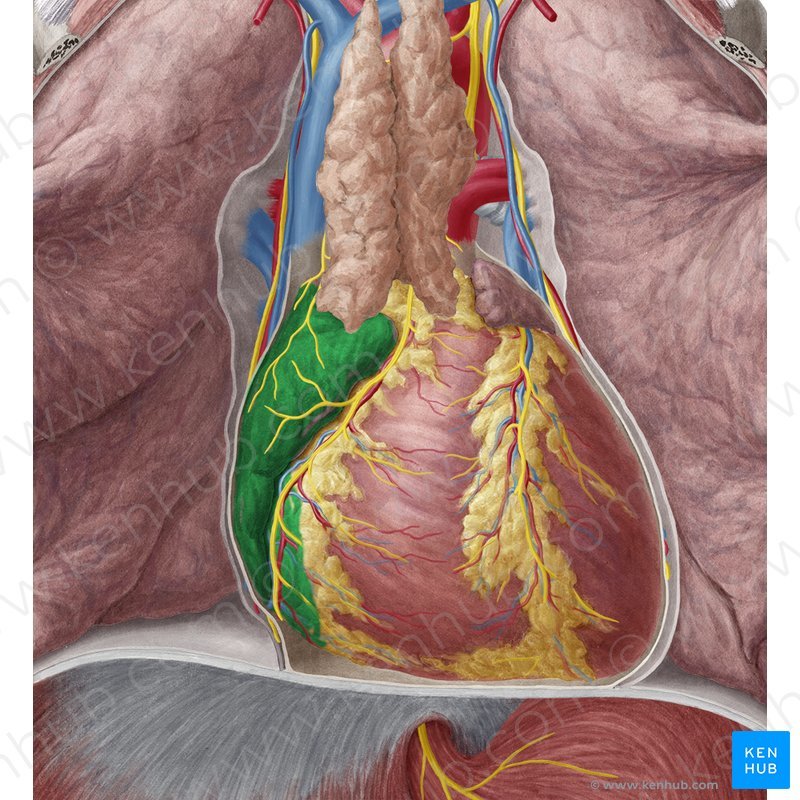
Right atrium

21
Q
A

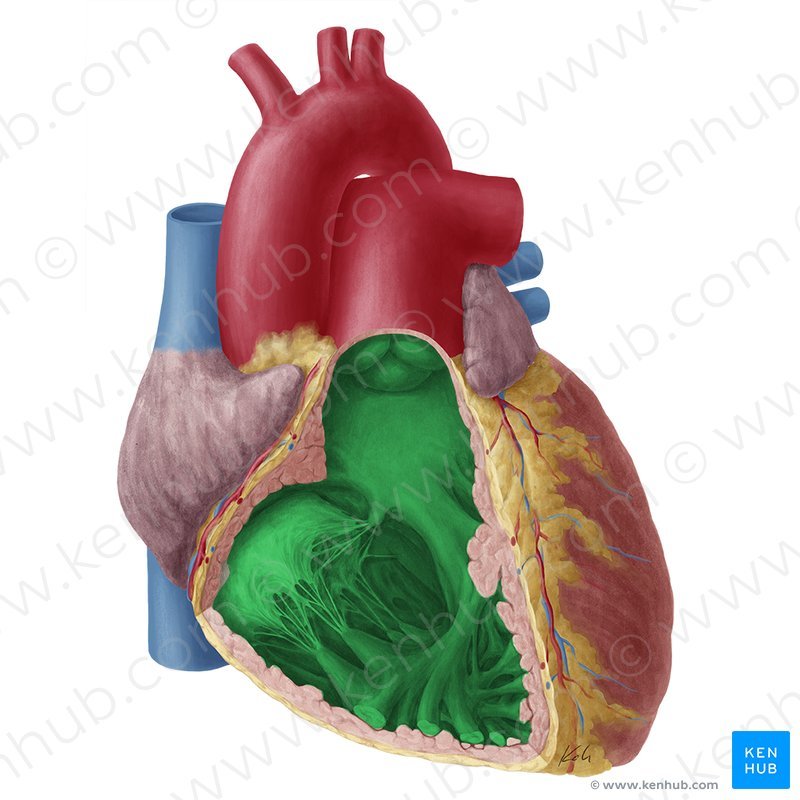
Right ventricle

22
Q
A

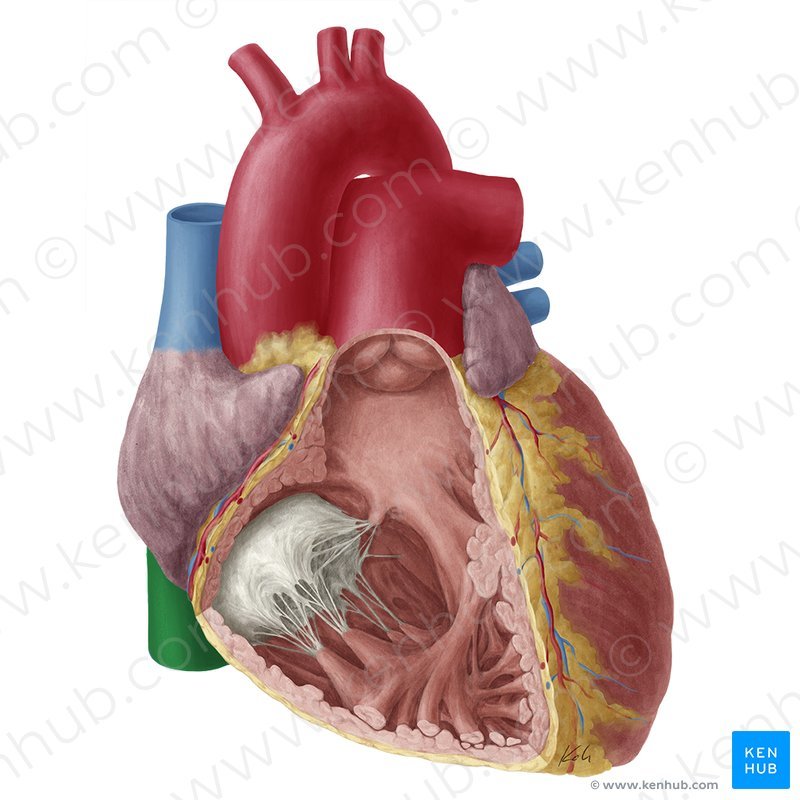
Inferior vena cava

23
Q
A

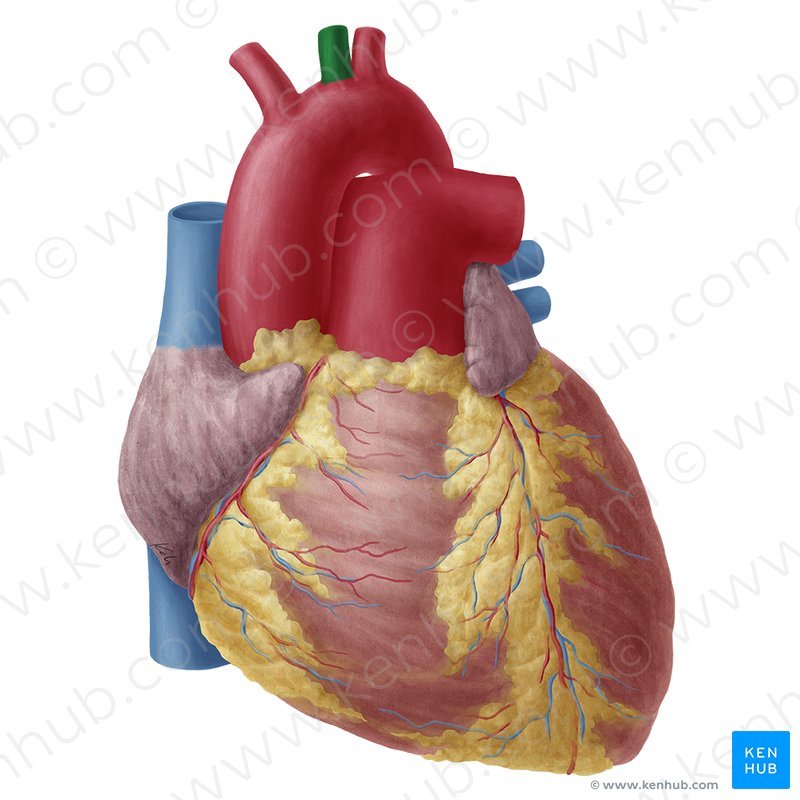
Left common carotid artery

24
Q
A

Left subclavian artery

25
Brachiocephalic trunk
26
Aortic arch
27
Arterial ligament
28
Left pulmonary artery
29
Pulmonary trunk
30
Left pulmonary veins
31
Left atrium
32
Aortic valve
33
Tendinous cords
34
Left ventricle
35
(middle wall)
Interventricular septum
36
papillary muscle
37
tricuspid valve
38
Bicuspid (Mitral) Valve
39
Disease. Valves stiff and don’t open properly.
Valvular stenosis
40
Disease. Valves floppy and leak.
Valvular incompetence
41
Disease. Ventricular pressure increases, blood leaks in the wrong direction out of the wrong closed valve.
Valvular Regurgitation
42
The rhythm of heart pacemakers.
Autorhythmicity
43
Primary peacemakers. 100x/min. Cardiomyocytes.
Sinoatrial Node (SA Node)
44
Imitate peacemakers. Ectopic pacemaker.
Atrioventricular Node (AV Node) —
45
Conductive muscle cells. Leads from AV node through interventricular septum.
Atrioventricular Bundle (Bundle of His)
46
AV bundles splits into right and left…
Bundle Branches —
47
Large-caiber, non-contracle cells. Conducts electrical impulses to cardiac muscle cells of right and left ventricles. Contract about the same time.
Purkinje Fibers —
48
Na+ funny channels open, causes membrane to “drift”. Na+ In. K+ out.
Threshold —
49
Threshold met. Ca++ channels open causing depolarization. K+ leak channels close.
Action Potential —
50
K+ channels open causing depolarization of cell membrane.
Pacemaker potential —
51
Receptors that send input to the glossopharyngeal nerves (IX).
Baroreceptors —
52
Neves that relay input into the medulla oblongata.
glossopharyngeal nerves (IX)
53
Sends processed
Medulla Oblongata
54
The heart responds to ACh release. Decreases rate. Muscarinic (M2) receptors.
Vagus Nerve Parasympathetic
55
The heart responds to norepinephrine and epinephrine release. Increases heart rate, stroke volume. B1/b2 adrenergic receptors.
Sympathetic Trunk Ganglian
56
(Sympathetic)
Cardiac Accelerator Nerves
57
A type of action potential. Differs from nerve or muscle cells.
Cardiac muscle action potential
58
Duration of Cardiac Muscle Action Potential. Prolonged depolarization.
3 msec
59
What channels open here?
Na+ channels open
60
What channels open here?
Ca++ channels open
61
What channels open here?
K+ channels open
62
Na Node. Atrial depolarization.
P-Wave
63
Atrial “kick” fills ventricles.
PQ Interval
64
Ventricles depolarize (contract). Atria re-polarize (relax).
QRS Wave
65
Blood flows out, empties ventricles.
ST Segment
66
Ventricular re-polarization. Relaxation.
T-Wave
67
Sinus EKG. Resting rate.
Normal Sinus Rhythm.
68
Heart rate increase. — Sinus EKG.
Sinus Tachycardia.
69
Almost normal, missing a wave.
Atrial Fibrillation (A-FIB)
70
Ventricle depolarization, but pumping action not effective.
Ventricle Tachycardia (V-Tach) —
71
Disorganized activity.
Ventricular Fibrillation (V-FIB)
72
Entire heart releases. Atria fills with blood.
Diastole (relax)
73
Atria contracts. Atria “kicks”.
Atrial Systole
74
Powerful contractions send blood from the right ventricle to the lungs and left ventricle to the body.
Ventricle Systole
75
Beats per minute. A number of cardiac cycles per minute.
Heart rate
76
The end blood volume that fills the ventricles during diastole. About 120mL.
End-Diastolic Volume (EDV)
77
The remaining blood volume in ventricles after contraction. About 50mL.
End-Systolic Volume (ESV)
78
Stoke-Volume [Formula]. Blood volume ejected from ventricles due to contraction. About 70mL.
EDV-ESV =
79
Ejection Fraction [Formula]. The fraction of fluid ejected from a chamber with each contraction. About 60%.
SV/EDV
80
Cardiac Output [Formula]. Blood volume pumped into the aorta, per minute.
HRxSV
81
This law states that the stroke volume of the heart increases in response to an increase in the volume of blood in the ventricles, before contraction, when all other factors remain constant.
Frank-Starling mechanism
82
Opening of blood vessels.
Lumen
83
Inner vessel layer. Smooth endothelium layer for blood laminar flow.
Tunica intima
84
Middle vessel layer. Smooth involuntary (arteries) allows vasoconstriction and vasodilation.
Tunica media
85
Outer vessel layer, Elastic and collagen fibers. Sympathetic nerves and tiny blood vessels (vasa vasorum) in larger vessels.
Tunica externa
86
Vessel portion allows pressured blood not to return.
Valve of Vein
87
Vessel sizes, large diameter, thin walls. High pressure.
Elastic Artery
88
Medium. Distributes blood to body, has strong muscle fibers, controls flow.
Muscular Arteries
89
Tiny arteries. Adjust the rate of blood flow to the capillaries. Gas and nutrient exchange.
Arterioles
90
Small veins. Moves blood back to veins and vena cava.
Venule
91
The cause of varicose veins. Back-flow of blood. Increases clots.
Venous stasis
92
Vessels that branch to beds for site of nutrient and gas exchange.
Capillaries
93
Capillaries that regulate blood flow for the exchange.
Pre-Capillary Sphincters —
94
The pre-capillary spinsters in tissues [vasoconstric/vasodilate] if low O2.
Vasodilate —
95
The pre-capillary spinsters in the lung [vasoconstric/vasodilate] if low O2.
Vasoconstric —
96
Capillaries formed by endothelium. Pinocytosis. Smaller molecules passage.
Continuous Capillaries —
97
Capillaries formed by pores. Larger molecule passage. Kidneys.
Fenestrated Capillaries —
98
Capillaries formed by open spaces. Substances pass freely. Liver.
Sinusoid Capillaries —
99
The equation for fluid filtration.
Starlings Law of the Capillary —
100
Delivery of nutrients depends on blood pressure at capillary.
Hydrostatic Pressure —
101
This is opposed by the concentration force of water trying to dilute out a higher concentration of solutes in the blood.
Net osmotic pressure —
102
The arteriole capillaries move fluids [out/in] the capillaries, caused by blood pressure.
OUT —
103
The venule capillaries move fluids [out/in] the capillaries at the venule end, caused by osmotic pressure.
INTO —
104
— Capillary movement of substances into tissue, out of capillary.
Filtration
105
Capillary movement of substances away from tissue, into capillary.
ReAbsorption —
106
Vasoconstrictors [decrease/increase] blood pressure. Norepinephrine, epinephrine, ADH, Angiotesion II.
Increase —
107
— Vasodilators [decrease/increase] blood pressure. Atrial natriuretic peptide, nitric oxide, inflammatory mediators, ethanol.
Decrease
108
— Ohms law formula.
V=IR
109
— The definition for I in V=IR (Ohms Law). Analogous for flow.
Current
110
— Flow formula.
**Flow = [Pa-Pv]/R.** Pa=Arterial Pressure. Pv=Venous Pressure.
111
— Poiseuille's Equation
R=(ηL/r⁴)
112
— What is [**η**] in R=ηL/r⁴
Blood Viscosity
113
— What is [**L**] in R=ηL/r⁴
Vessel Length
114
— What is [**R**] in R=ηL/r⁴
Vessel Resistance
115
— What is [**r⁴**] in R=ηL/r⁴
Vessel Radius
116
— Disease. Causes hypertension by decreasing elasticity of arteries and diameter of arteries.
Atherosclerosis
117
Flow — Blood flowing in smooth layer paths.
Laminar Flow
118
Flow — Blood flowing by chaotic changes in pressure and flow velocity. Increases blood clotting.
Turbulent Flow
119
— The first sound heard. Measuring blood pressure.
Systolic
120
— The last sound heard. Measuring blood pressure.
Diastolic
121
— Vessels likely to be in this pressure range.
Aorta/Arterials/Arterioles
122
— Vessels likely to be in this pressure range.
Capillaries
123
— 3 Vessels likely to be in this pressure range.
Veins/Venules/Venae Cava
124
— A person with the blood pressure below 120/80 mmHg has ___ bp.
Normal
125
— A person with the blood pressure of 121/81 or 139/89 mmHg has ___ bp.
PreHypertension
126
— A person with the blood pressure above 140/90 mmHg has ___ bp.
Hypertension
127
— The following factors increase blood pressure, they all lead to ? (Spend time, study image).
Cardiac Output
128
— The following factors increase blood pressure, they all lead to ? (Spend time, study image).
Increases systemic vascular resistance
129
— The a1/a2 adregenic receptors vasoconstric (EPI,Ne) and [decrease/increase] bp.
increase
130
— The b2 adregenic receptors vasodilate (EPI,Ne) and [decrease/increase] bp.
decrease
131
vasoconstriction
132
blood volume
133
— The blood system that contains 64% of the blood, the blood reservoirs, spleen and liver.
Venous System
134
— The formation of arteries and veins.
Anastomoses
135
— myocardial infraction.
Coronary artery blockage
136
Circuit — Aorta, Vienna cava.
Systemic Circuit
137
Circut — Pulmonary artery, lungs, pulmonary veins.
Pulmonary Circuit