Unified Soil Classification System (USCS)
This is a soil classification system that categorizes soils by grain size and texture.
Catchment Area
Used in human geography to define an area from which a service, institution, or program attracts a population of people who use its services (e.g., students who attend an elementary school).
Bearing Capacity
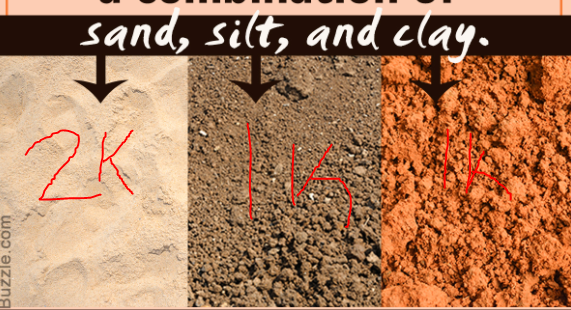
Bearing Capacity The maximum pressure a soil can withstand without high levels of movement or settlement: bedrock = 10,000 psf
well-graded gravel and sand = 3,000 psf
compacted soil and sand = 2,000 psf
clay or silt = 1,000 psf.
Hot and Dry vs. Hot and Humid Climate Design
Hot and dry: Minimize sun exposure, use small windows and shading, utilize thermal mass for temperature swings, and cluster buildings together to aid in shading.
Hot and humid: Minimize sun exposure but utilize natural ventilation, space buildings far apart to aid in ventilation, and use lightweight construction to reduce heat radiation.
Temperate vs. Cold Climate Design
Temperate: Maximize solar gain in the winter, minimize solar gain in the summer, maximize summer breezes, and minimize winter wind. Cold: Install south-facing windows to maximize solar gains; building openings should be small and placed where they are protected from wind to avoid heat loss.
Name the four components of programming:
- Function: Objects and needs 2. Form: Site, structure, configuration, etc. 3. Economy: Budget allowance for building and operation 4. Time: Amount of time needed to complete the work
Environmental Impact Statement
The Environmental Policy Act of 1969 requires that, for every major federal action that may significantly affect the quality of the human environment, the responsible official must prepare a detailed statement discussing the environmental impact of the proposed action, and describe any adverse effects that cannot be avoided, as well as any irreversible and irretrievable commitments of resources that would be involved.
Boring Log
Removal of undisturbed samples of soil at regular intervals; usually a minimum of four borings are taken.
Test Pit
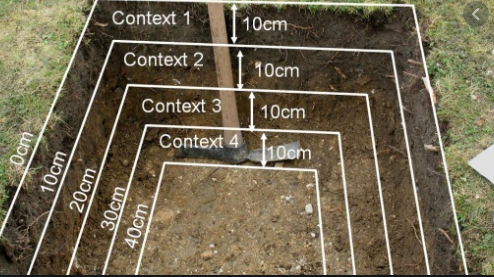
10-foot trenches dug at a job site that allow visual inspection of the soil strata and direct collection of undisturbed samples; soil below 10 feet cannot be directly examined.
Proctor Test
Named after the engineer Ralph R. Proctor, the test is used by geotechnical engineers to determine the optimum moisture content at which a given soil type will become most dense and achieve its maximum dry density.
What is the orientation criteria for Cold Climates?
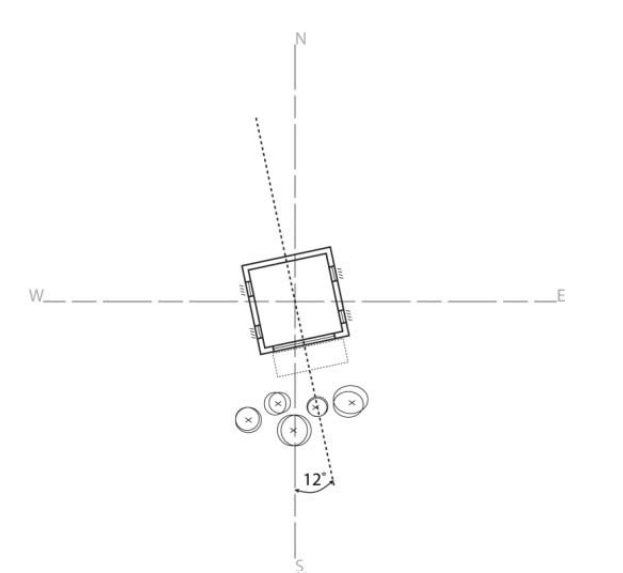
- Optimum orientation angle : 12°
- Compact form with smallest surface area possible relative to the volume
- South : Large windows
- East & West : Small windows
- North : minimal or no windows
- Interior Materials : high thermal mass
- Summer shading for glazed areas
- Use dark or medium-dark colors for the building’s exterior
- Square or cube for houses/small buildings,
- Square multistory
What is the design critera for temperate climate?
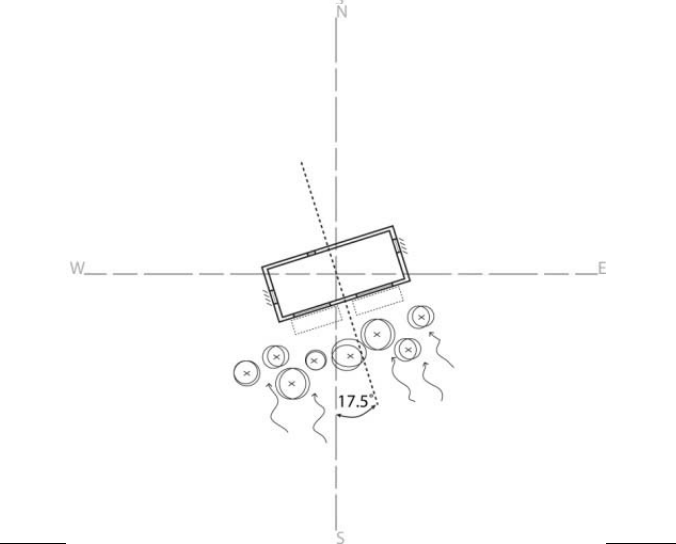
- Optimum Orientation angle : 17.5°
- Rectangular building with the long direction oriented generally along the E-W axis and facing slightly the east
- South facing openings to capture winter light
- use the cooling effect of the wind in the summer, block it in the winter
- Shade glazing in the summer, allow the sun to fall on glazing and the building in the summer
- Use medium colors for the building’s exterior
What is the design criteria for Hot-Humid Climate?
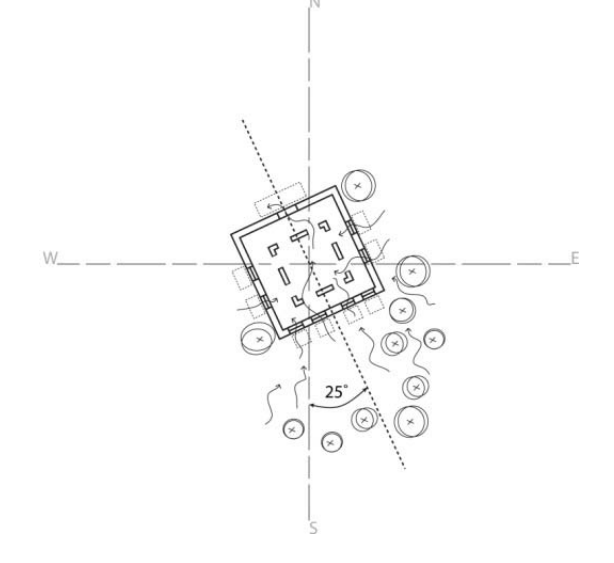
- Optimum Orientation Angle : 25°
- Provide shade for all openings
- Maximize natural ventilation using large openings, high ceilings, and cross ventilation
- Construct buildings using light materials; minimixe thermal mass
- Use light colors for the building exterior
- elongated ratio of 3-4:1, 3-4 being long side
What is the design criteria for Hot-Arid climates?
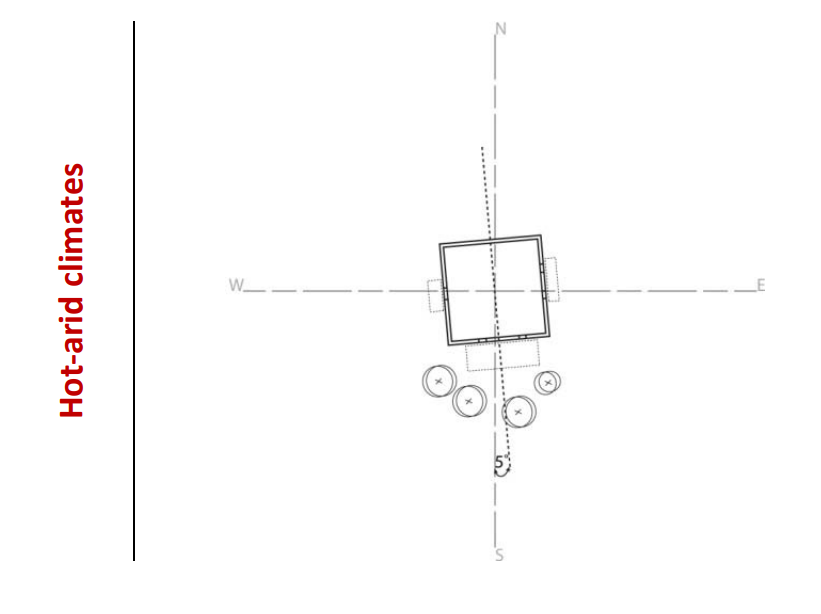
- Optimum orientation angle : 5°
- Compact form with smallest surface area possible relative to the volume
- Minimize opening sizes
- Provide shade for openings
- Maximize thermal mass
- Use light colors for the building exterior
- courtyards for external load dominated, houses and small buildings
Which facade needs horizontal shading?
South
Which facade needs vertical shading?
East and West
GP
Poorly graded gravels, or gravel-sand mixtures
GM
Silty gravels, gravel-sand and silt mixtures
SP
Poorly graded sands or gravelly sand mixtures
SM
silty sand, sand-silt mixtures
SC
clayey sand, sand-clay mixtures
ML
Inorganic silt with low to medium plasticity
CL
Inorganic clay with low to medium plasticity
What are some passive solar design strategies?
Direct gain systems, indirect gain systems, trombe wall, greenhouse, roof pond, convective loop system (thermosipons)