Terminology
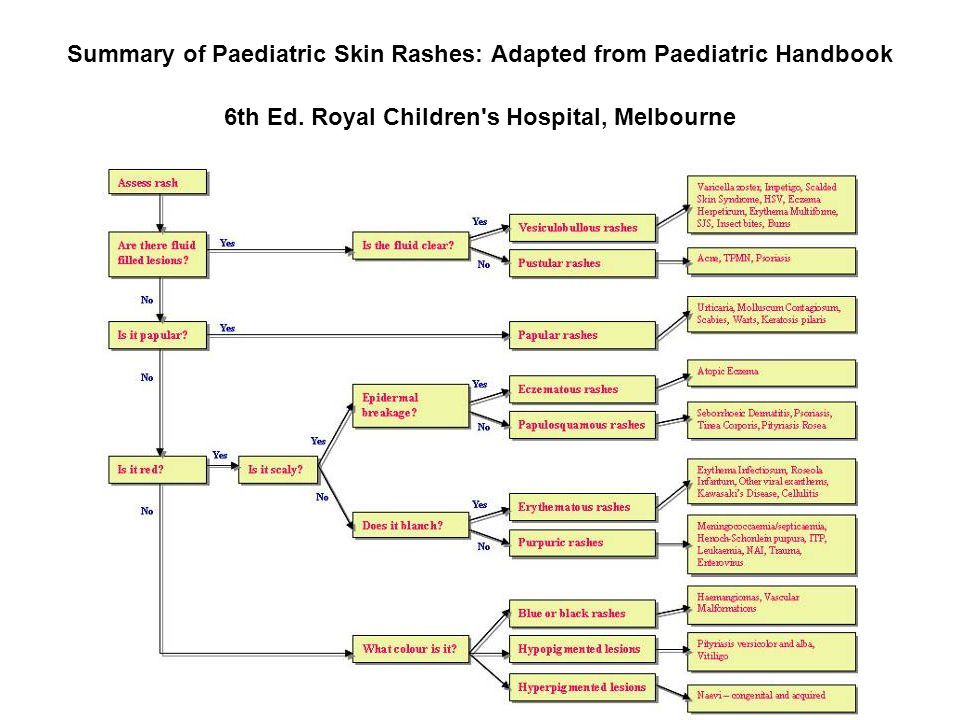
Macule – flat lesion ,usually a circumscribed change of colour
- Papule – small , solid, elevated lesion
- Nodule – a large , solid , palpable and elevated lesion
- Plaque – a lesion slightly raised over a larger area
- Blister – an elevated lesion ,fluid filled
- Ulcer – depressed lesion with loss of surface epithelium
- Atrophy – a depressed lesion with intact surface epithelium
- Crust – a mixture of scale and serum – yellowish accretions on the surface of a lesion
- Petechiae – non raised red-brown non blanchable lesions
Chicken-pox , Varicella zoster virus
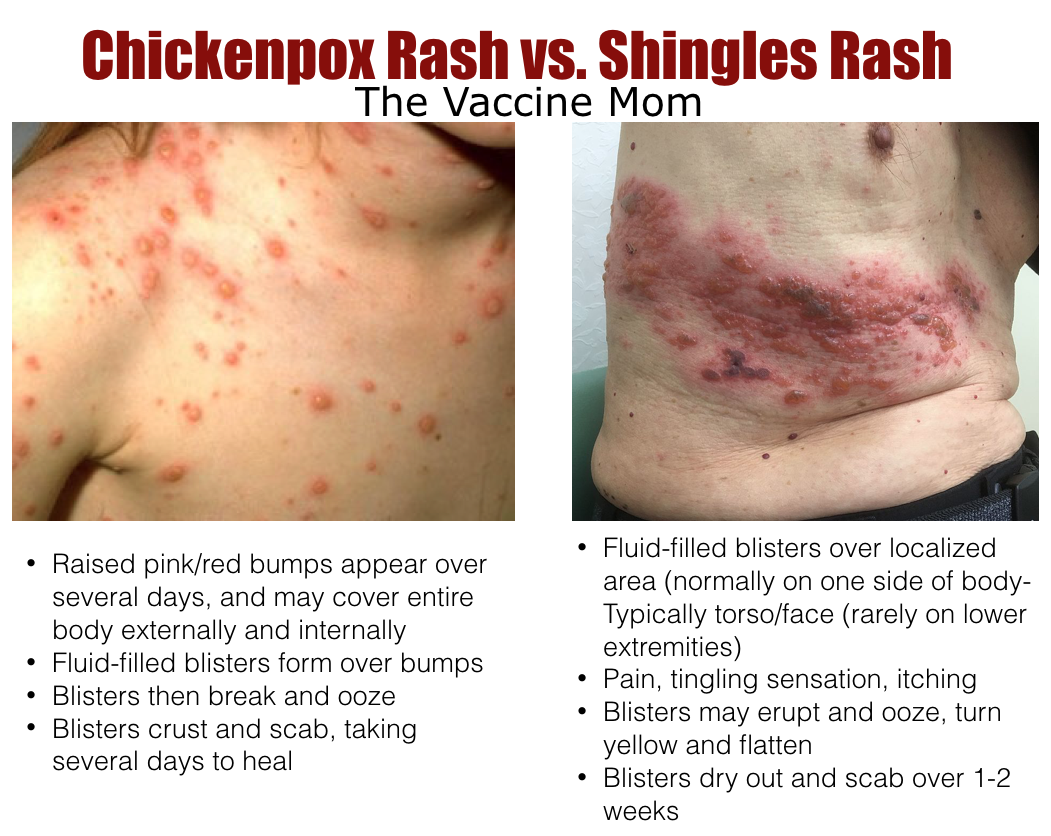
1 Chicken-pox , Varicella zoster virus
2 Crops of vesicles mainly on the trunk and head.
*Pass through various stages of papule, vesicle, pustule and crust.
3 Symptomatic :analgesia – paracetamol for discomfort and pyrexia.
*pruritis – antihistamine or calamine lotion
*acyclovir only for those at risk of complications or immunocompromised.
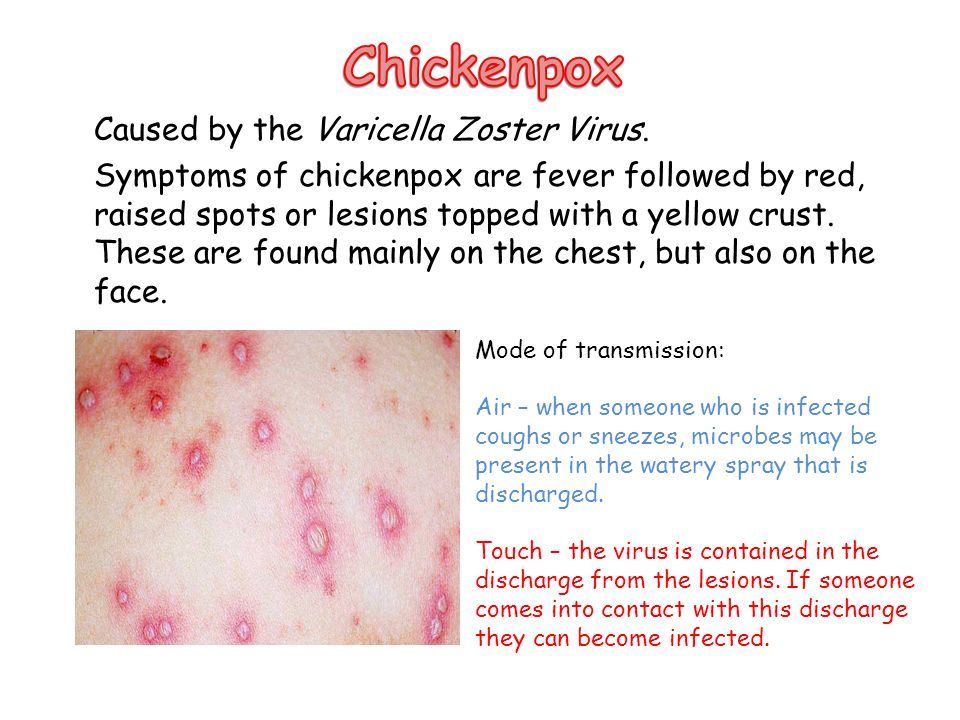
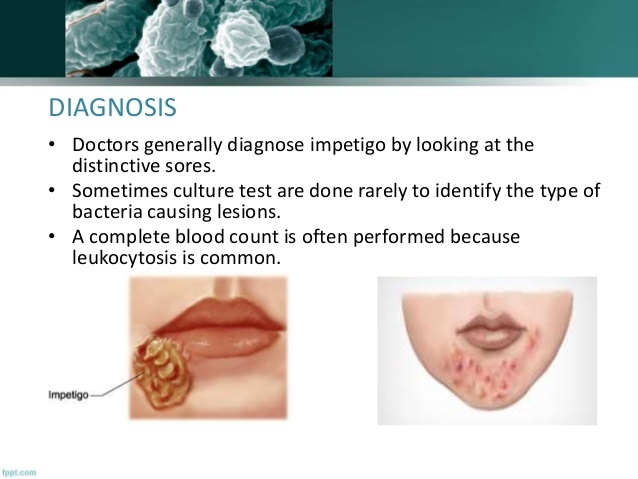
Impetigo
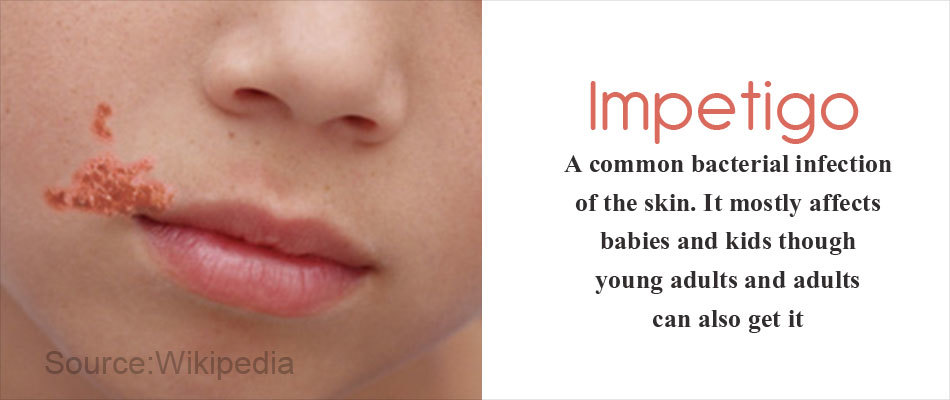
- 1 Impetigo
- 2 staph aureus and streptococcal pyogenes
- 3 Thin–roofed vesicles or bullae surrounded by narrow margin of erythema. The vesicles /bullae rupture to release thin cloudy yellow fluid. This fluid dries to form thick yellow crusts.
- 4 topical-bactroban(mupirocin) ointment/betadine cream
*antibiotics – flucloxacillin or erythromycin
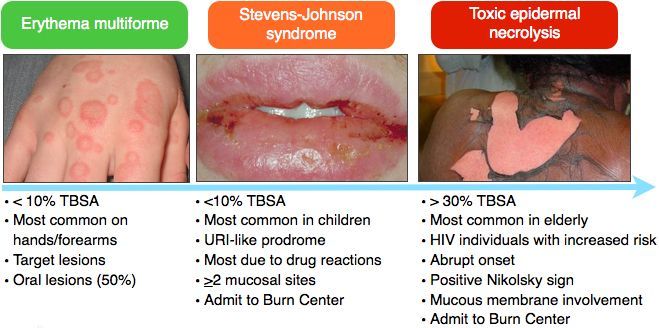
Erythema Multiforme
Steven-Johnson Syndrome (mucous membrane involvement)
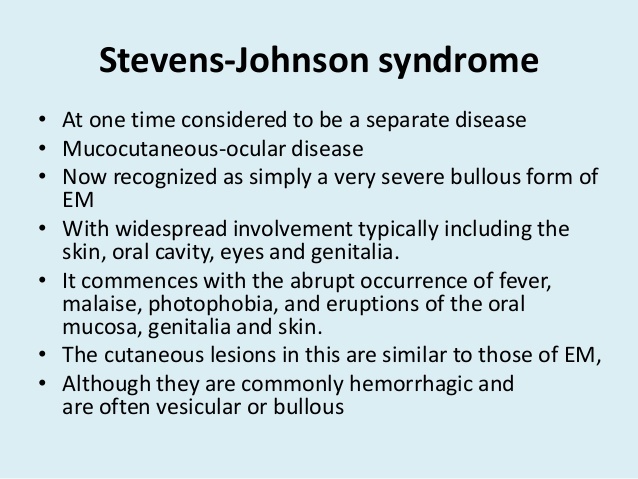
1 Erythema Multiforme
Steven-Johnson Syndrome (mucous membrane involvement)
2 Drug
most commonly associated-Allopurinol5
Recent drugs- Nevirapine, lamotrigine, sertraline, pantoprazole, tramadol
Antibiotics- Sulphonamides, including co-trimoxazole, penicillin cephalosporins, fluoroquinolones, vancomycin
NSAIDs- Piroxicam, fenbufen, ibuprofen, ketoprofen, naproxen, tenoxicam, diclofenac, sulindac
Anti-TB- Rifampicin, ethambutol, isoniazid, pyrazinamide
Anticonvulsants- Barbiturates, carbamazepine, phenytoin, valproate, lamotrigine
Infective herpes simplex
3 target lesion –round ,erythematous papules contain central blister or darker area of necrosis
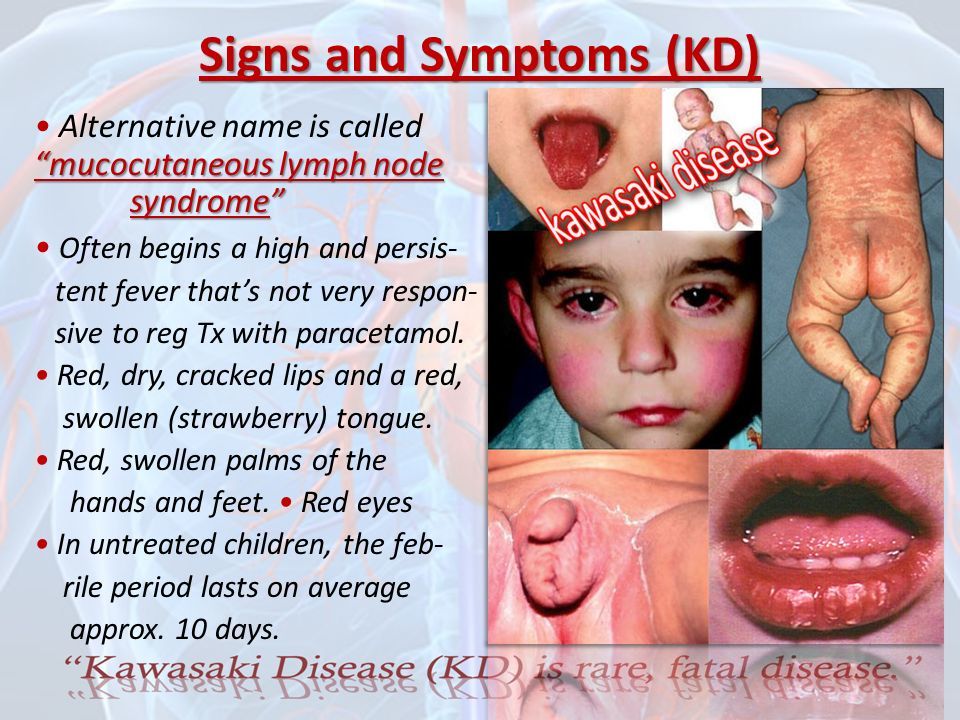
Kawasaki Disease
(systemic vasculitis)
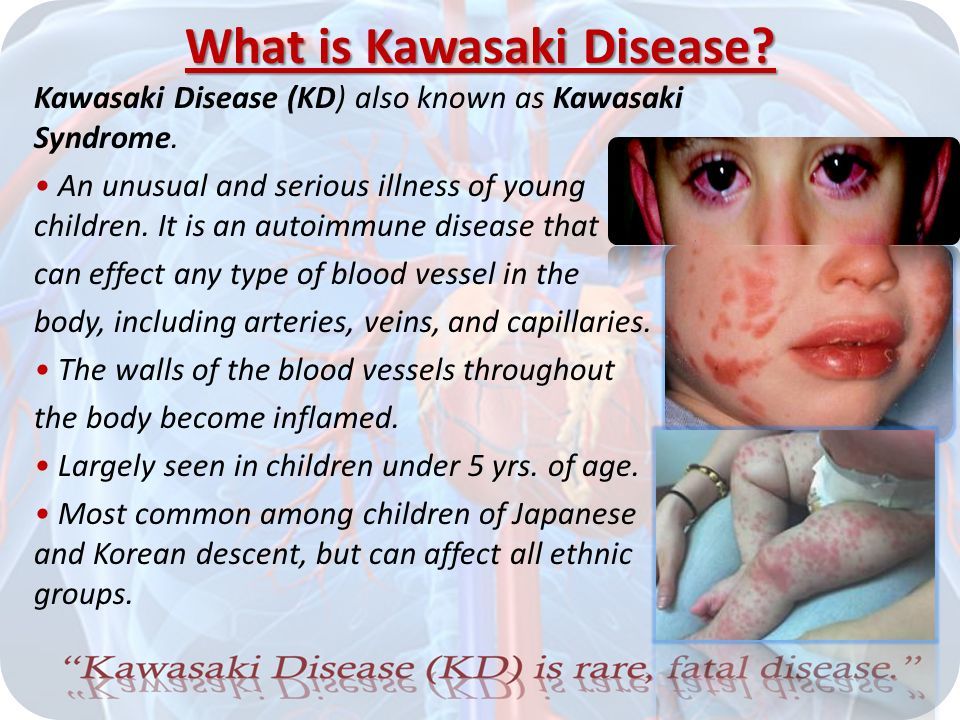
Classical features of Kawasaki disease
- Fever lasting ≥5 days
- Marked irritability of the child
- Erythema, swelling and desquamation affecting the skin of the extremities
- Bilateral conjunctivitis
- Rash
- Inflammation of the lips, mouth and/or tongue
- Cervical lymphadenopathy
Coronary artery aneurysms
Intravenous Immune Globulin 2g/kg x1
Aspirin:
80-100 mg/kg/day until fever x 14 day, then
3-5mg/kg/day x ≥ 6-8 weeks
echocardiograms
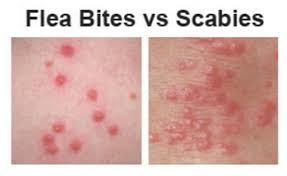
Scabies
(Mite –sarcoptes scabeii)
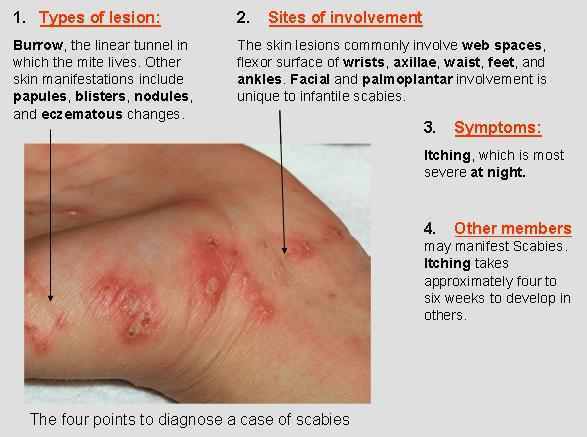
Scabies-Mite –sarcoptes scabeii
- Clothes, towels, and bed linen should be machine-washed (at 50 degrees Celsius or above) to prevent re-infestation and transmission.
- Items that cannot be washed can be kept in plastic bags for at least 72 hours to contain the mites until they die.
Treatment:
- benzyl benzoate lotion ,apply for 24hours ,may be repeated in 1 week
- permethrin cream
- Antiscabial soap alone is not an effective treatment
- Babies <2 months -5% sulphur ointment
Measles
(Single stranded RNA Morbillivirus from the paramyxovirus family)
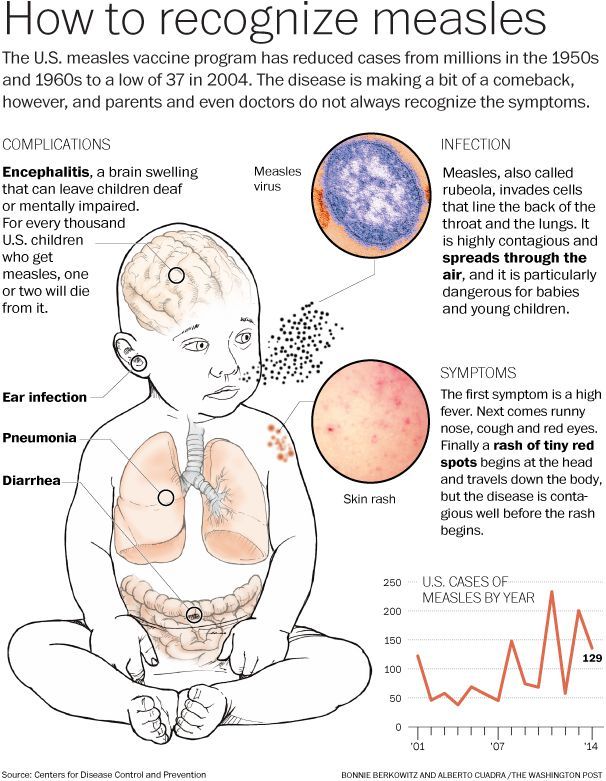
Symptoms:
- Prodrome - lasts 2-4 days with fever, runny nose, mild conjunctivitis and diarrhoea.
- Koplik spots are pathognomic and appear on the buccal mucosa opposite the second molar teeth as small, red spots each with a bluish-white speck (sometimes compared to a grain of rice) in the centre.6
- They occur in 60-70% of patients during the prodrome and for up to 2-3 days before the onset of the rash.
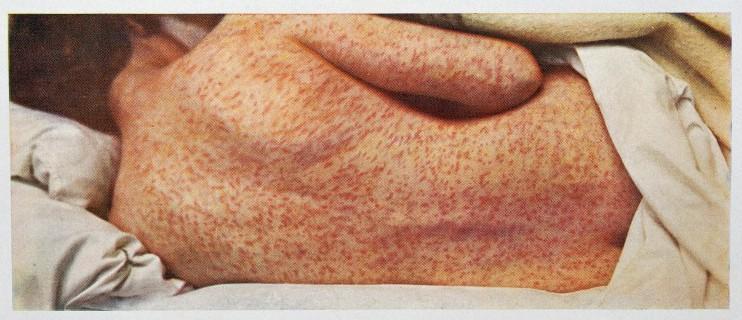
- Rash - (morbilliform = measles-like) first seen on forehead and neck and spreads, involves trunk and finally limbs over 3-4 days. It may become confluent in some areas.
- Rash then fades after 3-4 days in the order of its appearance. It leaves behind a brownish discoloration sometimes accompanied by fine desquamation.
Uncomplicated measles is usually self-limiting and treatment is mainly symptomatic with paracetamol or ibuprofen and plenty of fluids. Patients should remain at home to limit disease spread.
Notifiable disease
Erythema infectiosum, slapped cheek disease,
slapped cheek syndrome, fifth disease, Parvovirus B19 (PV-B19), Sticker’s disease
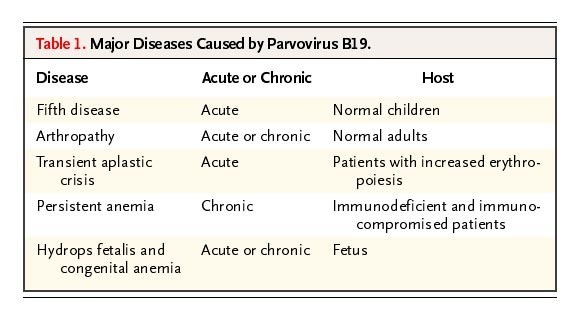
Parvovirus B19:
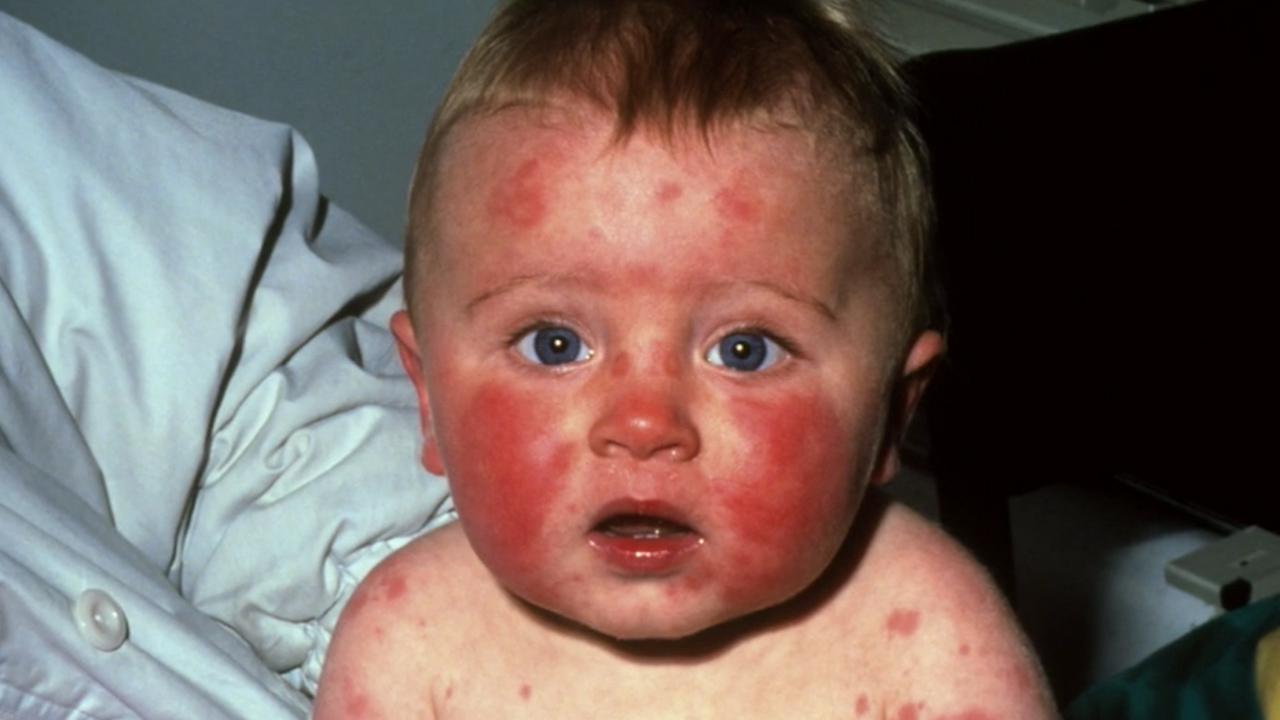
- 3 After 3-7 days, the classic ‘slapped cheek’ rash appears as erythema on the cheeks, sparing the nose, peri-oral and peri-orbital regions.6 This disappears after 2-4 days.
- About 1-4 days after the facial rash appears, an erythematous macular/morbilliform rash develops on the extremities, mainly on the extensor surfaces.
- Usually not itchy in young children, but may be itchy in older children and adults.
- This gradually fades over the next 3-21 days, but may recur in reaction to various stimuli such as exercise, heat and sunlight
It is usually mild and self-limiting in healthy people. It may also cause foetal loss or foetal hydrops, reactive arthritis in adults, and severe anaemia in those with haematological conditions or who are immunocompromised. Detection in pregnancy is important for monitoring and possible treatment.
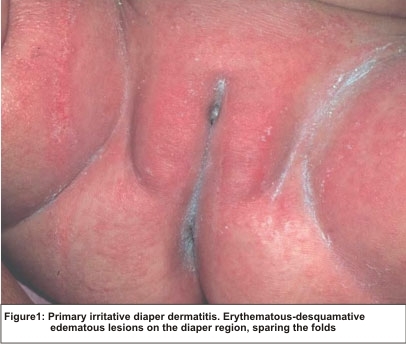
Napkin dermatitis
Contact dermatitis
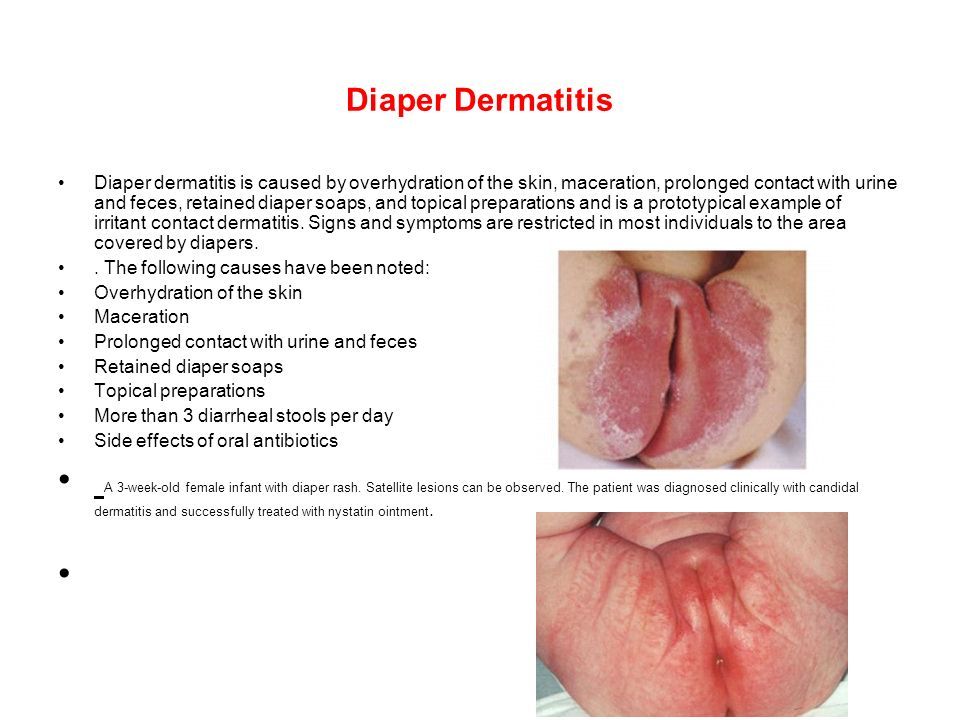
Napkin dermatitis - Contact dermatitis
- prolonged exposure to urine and faeces, friction
- mild erythematous ,glazed appearance
- Seborrhoeic dermatitis
- salmon coloured greasy lesions and a predilection for intertriginous areas.
Candidiasis
- beefy red in colour with pin point pustulo-vesicular satellite lesion
Frequent nappy changes:
- barrier cream zinc and caster oil
- apply hydrocortisone 1% in aqueous cream bd
- if candidiasis suspected -10% steriod and nystatin 20% in zinc cream
Tinea capitis
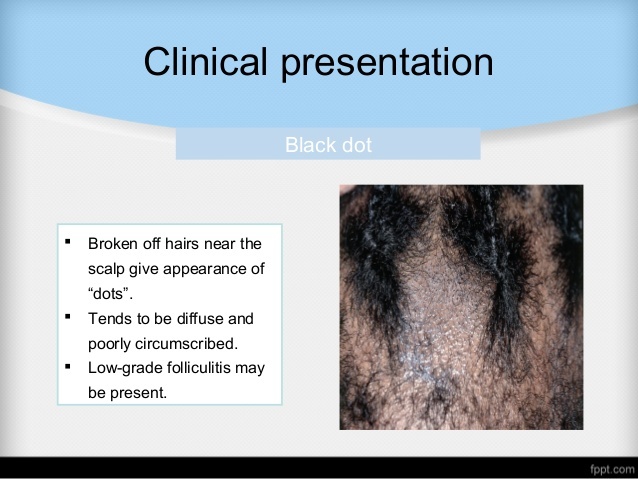
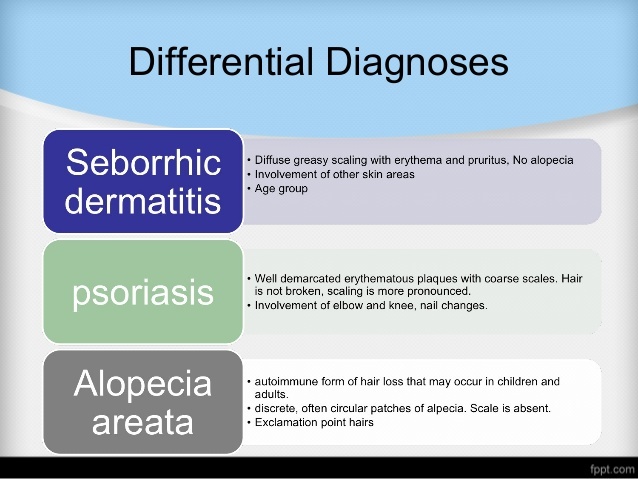
- Fungal infection by a group of organisms called dermatophytes
- Griseofulvin for 6 weeks ,10mg/kg
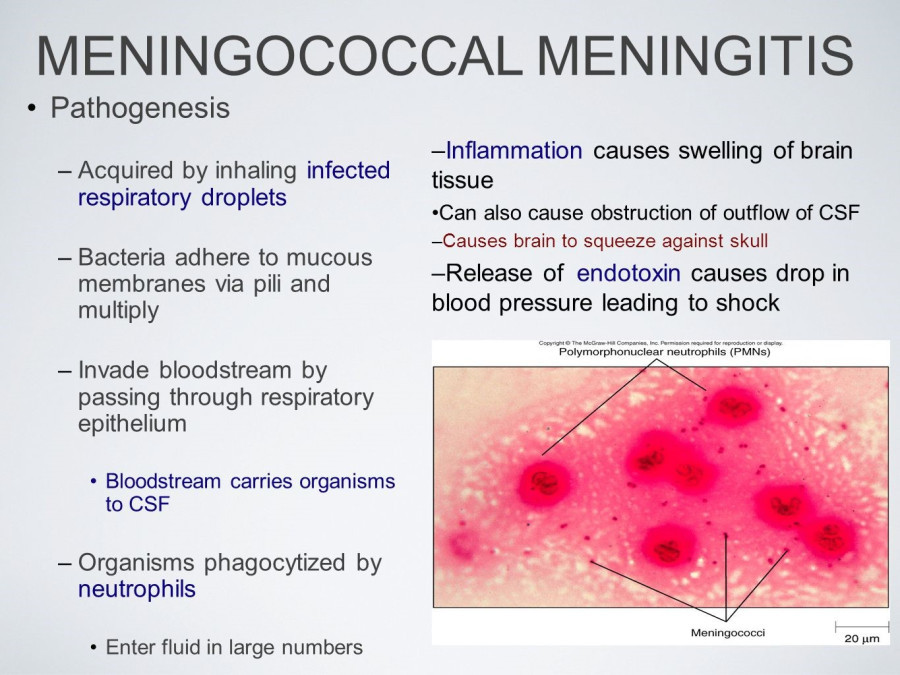
Meningococcal meningitis
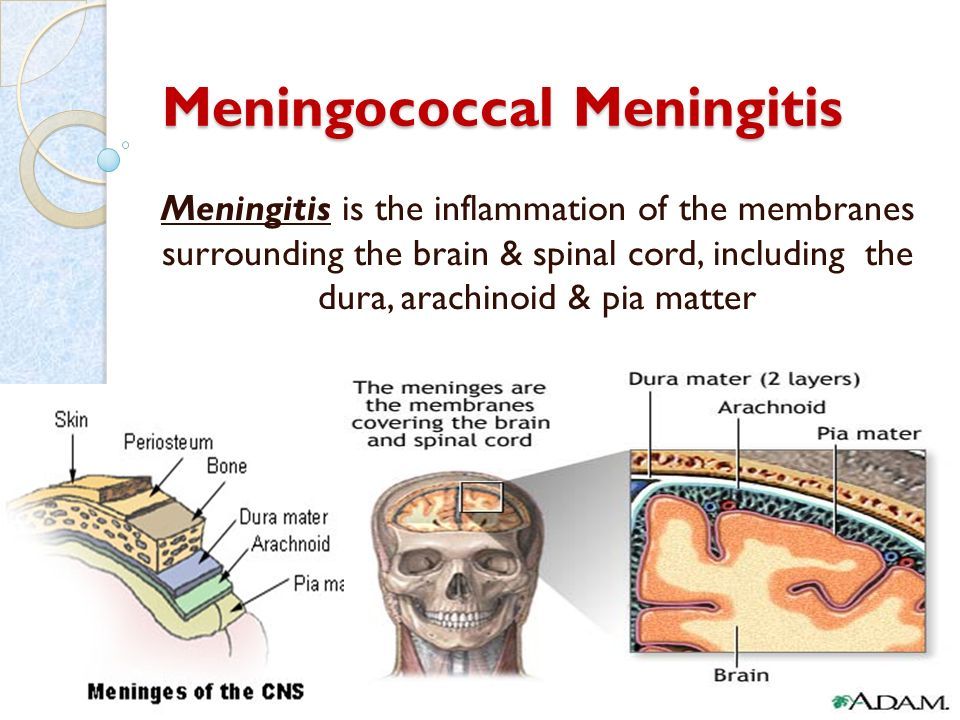
- Neisseria meningitidis
- Cefotaxime
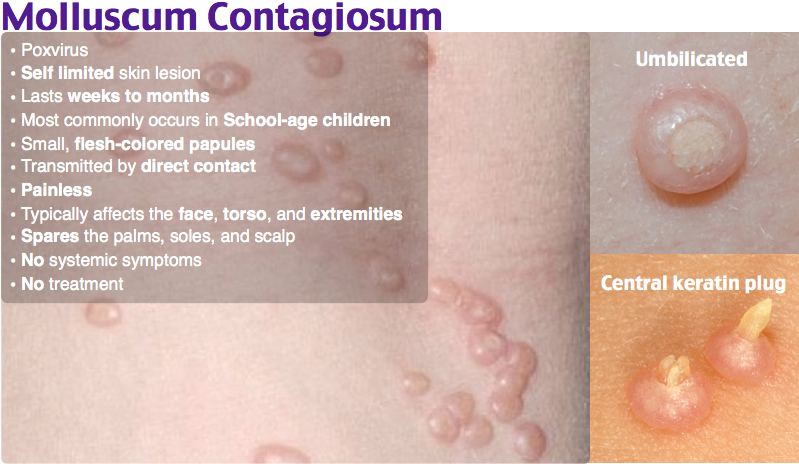
Molluscum Contagiosum
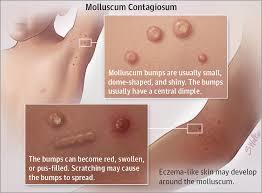
From direct innoculation of pox virus
Tend to heal spontaneously within 6 months – 1 year
- liquid nitrogen 2-3 weeks
- express contents with sharp curette
- benzoyl peroxide cream apply daily
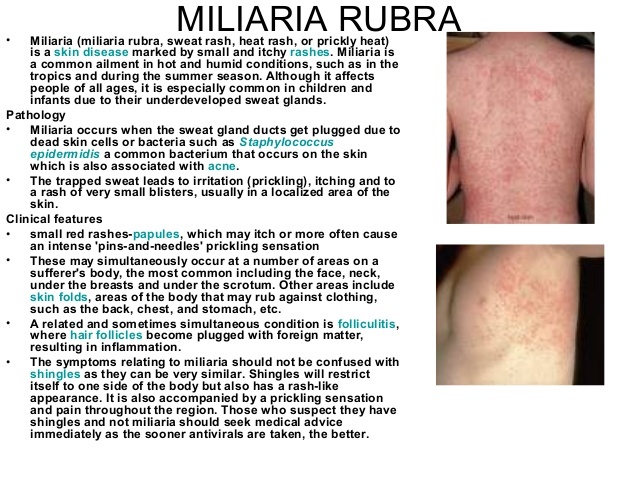
Miliaria
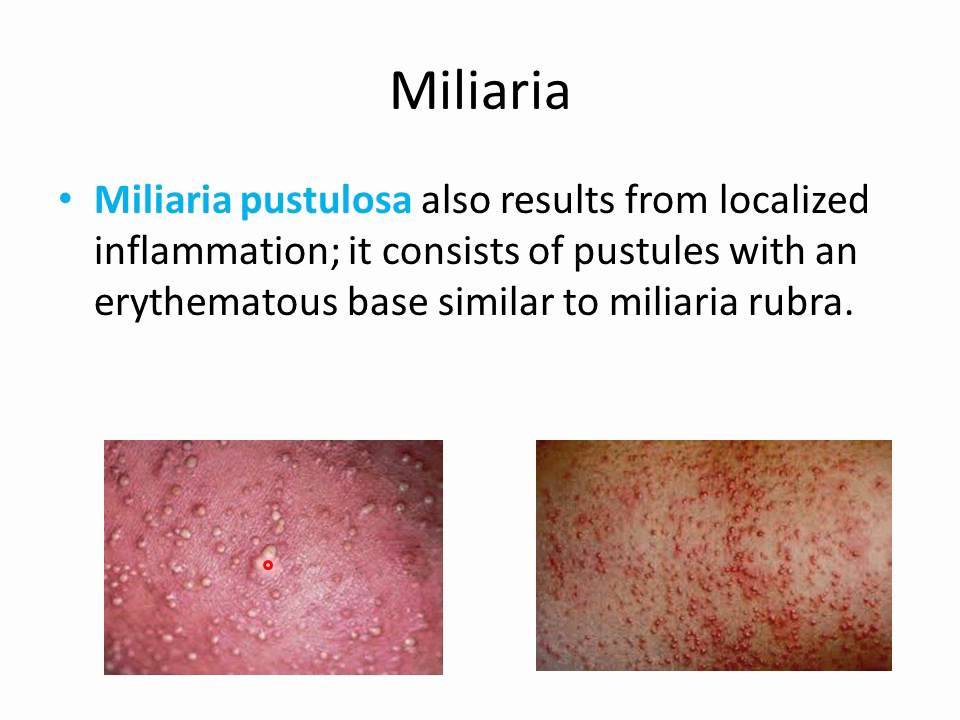
Miliaria is a common disorder of the eccrine sweat glands that often occurs in conditions of increased heat and humidity. It is thought to be caused by blockage of the sweat ducts, which results in the leakage of eccrine sweat into the epidermis or dermis.
Two types:
- Miliaria crystallina-clear superficial pinpoint vesicles
- Miliaria rubra –(prickly heat )-small discrete red papules,vesicles,papulovesicles
- No compelling reason to treat miliaria crystallina exists because this condition is asymptomatic and self-limited. he prevention and treatment of miliaria primarily consists of controlling heat and humidity so that sweating is not stimulated.
- Measures may involve treating a febrile illness; removing occlusive clothing; limiting activity; providing air conditioning.
Topical treatments that have been advocated involve lotions containing calamine

-
Paediatrics - History Taking8
-
Paediatrics - Respiratory Examination5
-
Paediatrics - Geeky Medics History16
-
Paediatrics - Cardiovascular Examination7
-
Pattern of child development5
-
Perinatal Medicine8
-
Maternal conditions affecting the fetus15
-
Routine examination of the newborn infant10
-
Neonatal medicine (1)26
-
Neonatal medicine (2)10
-
Growth and puberty17
-
Paediatric gastroenterology19
-
Paediatric rashes13
-
Malabsorption7
-
Infection and Immunity16
-
Common viral infections9
-
Uncommon viral infections5
-
Tuberculosis3
-
Malignant disease - Leukaemia4
-
Malignant disease - Brain tumours4
-
Malignant disease - Lymphomas7
-
Malignant disease- Neuroblastoma3
-
Malignant disease - Wilms tumour (nephroblastoma)6
-
HIV infection3
-
Lyme disease3
-
Immunisation4
-
Respiratory disorders - respiratory infections13
-
Cardiac Disorders - Epidemiology13
-
Cardiac Disorders - Right-to-left shunts10
-
Cardiac disorders - Outflow obstruction in the well child7
-
Kidney and urinary tract disorders - Assessment of the kidneys and urinary tract1
-
Kidney and urinary tract disorders - Congenital abnormalities1
-
Kidney and urinary tract disorders - UTI16
-
Kidney and urinary tract disorders - Hypertension1
-
Congenital Heart Disease (1)5
-
Congenital heart disease (2)7
-
Congenitlal heart disease - Coarctation of the aorta7
-
Aortic Valve Disease6
-
Transposition of the great arteries4



