How to reduce PONV
- adequate IV hydration
- prop, avoid volatile, min opioids
- antiemetic: zofran, dex
- decompress stomach-avoid gastric distention
pediatric airway differences
How does it alter management
- large head and tongue:shoulder roll instead of head elevation (occiput)
- more cephalad larynx (C4 vs C6), cricoid narrowest part, long stiff epiglottis: -, straight blade (epiglottis), more inclined to use cricoid (anterior airway),
- nasal passage and airway smaller ( increases in resistance with edema and secretions):watch out for airway obstruction w anesthesia
why are peds pt prone to hypoxia on induction
Why is inhalational induction faster
higher O2 conumption, and smaller FRC
higher MV: FRC ratio
why is respiration less efficient
- ribs are cartilagenous & pliant ribs predisposing to chest wall collapse, ribs angled horizontally and do not lift up to expand chest
- diaphragm less fatigue resistant type 1 fibers
How is fetal circulation unique
how does this change at birth
- PVR elevated due to collpased unoxygenated lungs
- SVR low 2/2 low resistance placenta
- R–>L shunt across PFO and across PDA 2/2 high R sided pressures
birth:
expansion of lungs and increase O2–>PVR decreases
loss of placenta–>increase SVR
PFO closes due to increase L sided pressures; PDA closes due to increase Pa02 and loss of placental prostaglandins
How is neonatal CV system different from adult? 6
- fewer contractile proteins–>decreased compliance–>limiting SV and making CO more dependent on HR, less able to increase CO in repsonse to preload and afterload
- 2/2 ventricular noncompliance: less able to handle increase preload, less capable of increasing contractility in response to afterload, more ventricular interdependence
- less responsive to catecholamines
- SNS less developed predisposing to bradycardia
- autonomic reflexes blunted
- prediposed to PHTN
Why is neonatal NS different (3)
- more sensitive to anethetics: less protein binding, increased perm BBB, decreased drug elim (, increased sensitivity to drugs
- less autoregulation of CBF
- NMJ is immature–>increased sensitivity to NMB
EBV
premature 100cc/kg
FT neonate 90
Pregnant 90ml/kg
infant 80
70 child
60 adult
Anatomical considerations for spinal of caudal?
L3 (cord) S3(caudal sac)
Hematologic considerations of newborn
Hct 55 –>30 (6 months)
Hgb F 75%–>0 6months P50 21 vs 27
risk of def of vit K dependent factors 2,7,9,10
What are the functional limitations of a immature kidney
low GFR (unable to handle large fluid load)
immature tubular fxn (concentrating, retention NA, resorption glucose, ability to acidify urine
What is considered hypoglycemia in a newborn
why are premature infants prone to glucosuria
<30 in newborn <45 after 24 hrs
in infants less than 34 weeks there can be reduced tubular absoption of glucose
Why are pediatric pts predisposed to hypothermia
how do they generate heat in response to cold stress, when less effective
increased surface area/body mass , low fat content, thin skin
(radiation main, convection, conduction, evaporation)
-inefficient mech of heat production-nonshivering thermogenesis:hypothermia stimulates release of NE that triggers brown fat to underoes breakdown of TG into glycerol and FA into heat, (increases oxygen consumption
volatiles limit process, and less stores premature
Newborn struggling on delivery. ddx
neuro: anesthesia drugs, hypermag, hypoglycemia
cardiac: decreased uteroplacenta insufficiency
Pulm: TTN (retained lung fluid), meconium aspiration, persistant pulm HTN (decreased oxygen during/before birth, RDS (not fully developed lung), choanal atresia
congenital abnormality affecting airway (Pierre Robin, Beckwith Wiedemann)
NALS
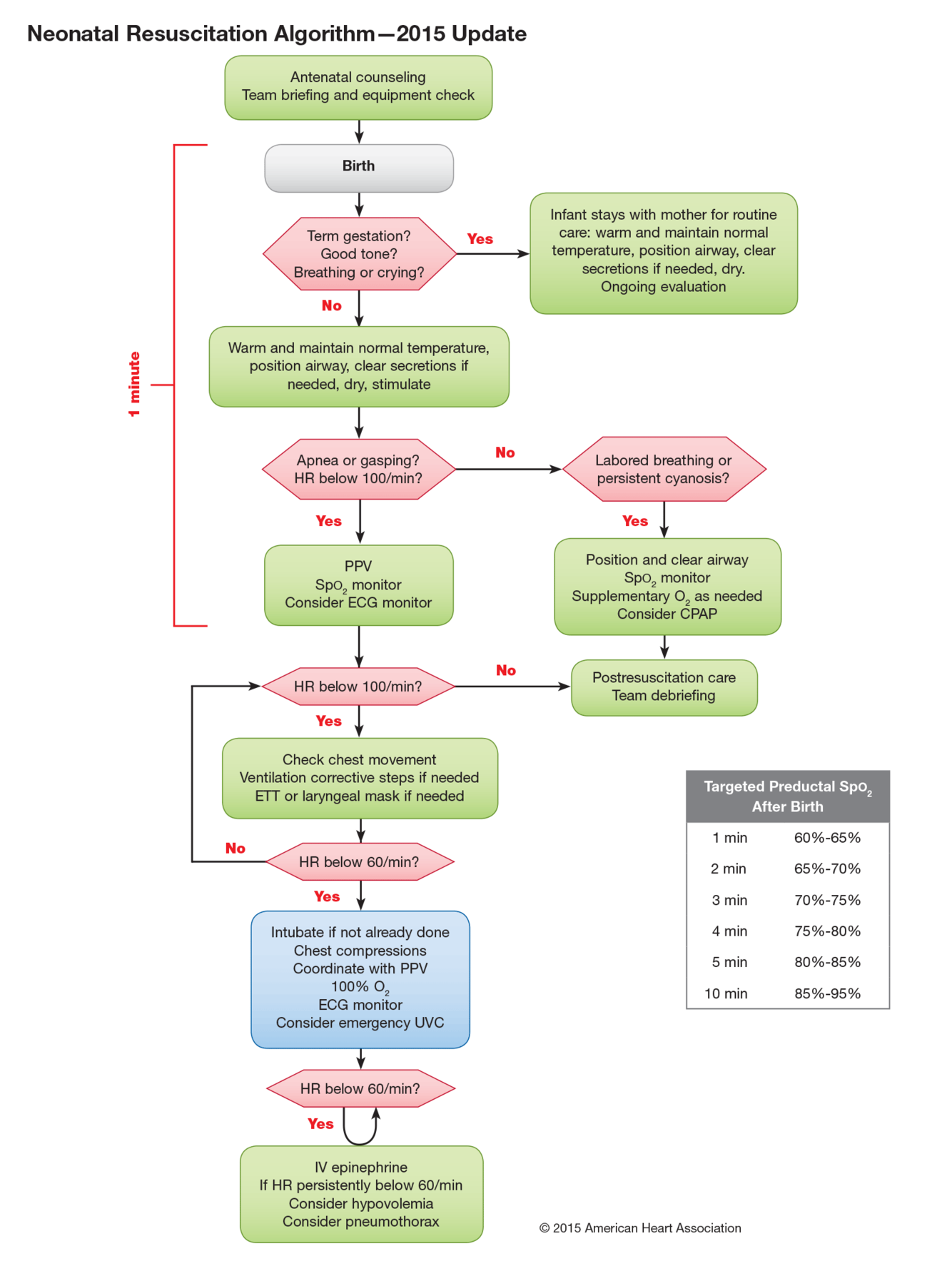
Signs res distress
apnea
noisy breathing (stridor dyspena
tachypnea, use of acessory muscles, nasal flaring
cold
cough congestion runny nose sneezing,
wheezing rales
malise
purulent mucus
age onset, trigger events, allergies.
sx: cough sputum wheezing
current meds, anesthetic hx, asthma related hx
When acceptable to remove LMA prior to emergence
no obstructive sleep apnea, obesity, difficult airway, aspiration risk
otherwise remove when child regains consciousness (opens eyes to command)
signs of post tonsilectomy hemorrhage
consistent with blood loss in excess of 20%
orthostatic hypotension, tachycardia, dizziness,
excessive swallowing
increased capillary refill time, pallor, sweating, restlessness
opioids and children undergoing TA
children undegoing TA for OSA are more sensitive to opioids 2/2 to alterations int their mu R w repeated episodes of hypoxemia. utilize half the dose of opioid
-lowest effective dose for shortest period of time needed
posttonsillectomy bleeding
75% occur in first 6 hrs, with remainder in 24 hrs
primary bleeding: 1st 24 hrs-more serious than secondary bleeding
secondary bleeding: due to contraction of eschar covering tonsillar bed may occur up to 10 days
when to cancel for respiratory infection
risks
when does airway reactivity resolve
perioperative respiratory complications: bbroncospasm, larngospasm, desaturation
- delay 4-6 weeks if fever >38.5, malise, productive cough, mucopurulent sputum, pulm involement (wheezing)
- mild sx delay 2-4 weeks: sneezing nasal congestion, nonproductive cough +require ETT + additional RF (exposure to smoke, underlying pulm dz (asthma), surgery of airway, age < 1 year /premature
- proceed if mild sx and do no require ETT (mask, LMA, regional)
**resolution airway hyperreactivity may take 8 weeks
MH dx
at risk pts
suscpetibility
ABG
AD, kign denborough dz, central core dz
muscle biopsy halothane caffeine contracture test-the muscle of MH pt contracts and lower concentrations of caffeine and halothane (ost specific and most sensitive) at age 7
not diagnostic: genetic testing for ryanodine mutation
-increased PaCo2, decreased Pa02 (increased oxygen consumption), lactic acidosis
MH tx
- call for help.ICU 72 hrs
- admin drantrolene 2.5g/kg q5-10 min, infusion 1mg/kg q6h for 24-48 hrs
- hyperventilate pt w 100%
- active cooling: lavage-gastric bladder rectal, peritoneal lavage, CBP, ice packs over major arteries
- maintain UOP w lasix fluids, mannitol
- monitor K (dextrose insulin) calcium, ABG (acidosis-bicarb), serum CK, liver enzymes, coagulation
- monitor for DIC, myoglobinuric renal failure (ATN, obstructive nephropathy), recrudenscence





