1
Q
Horses that eat too much or not enough basic ddx
A
2
Q
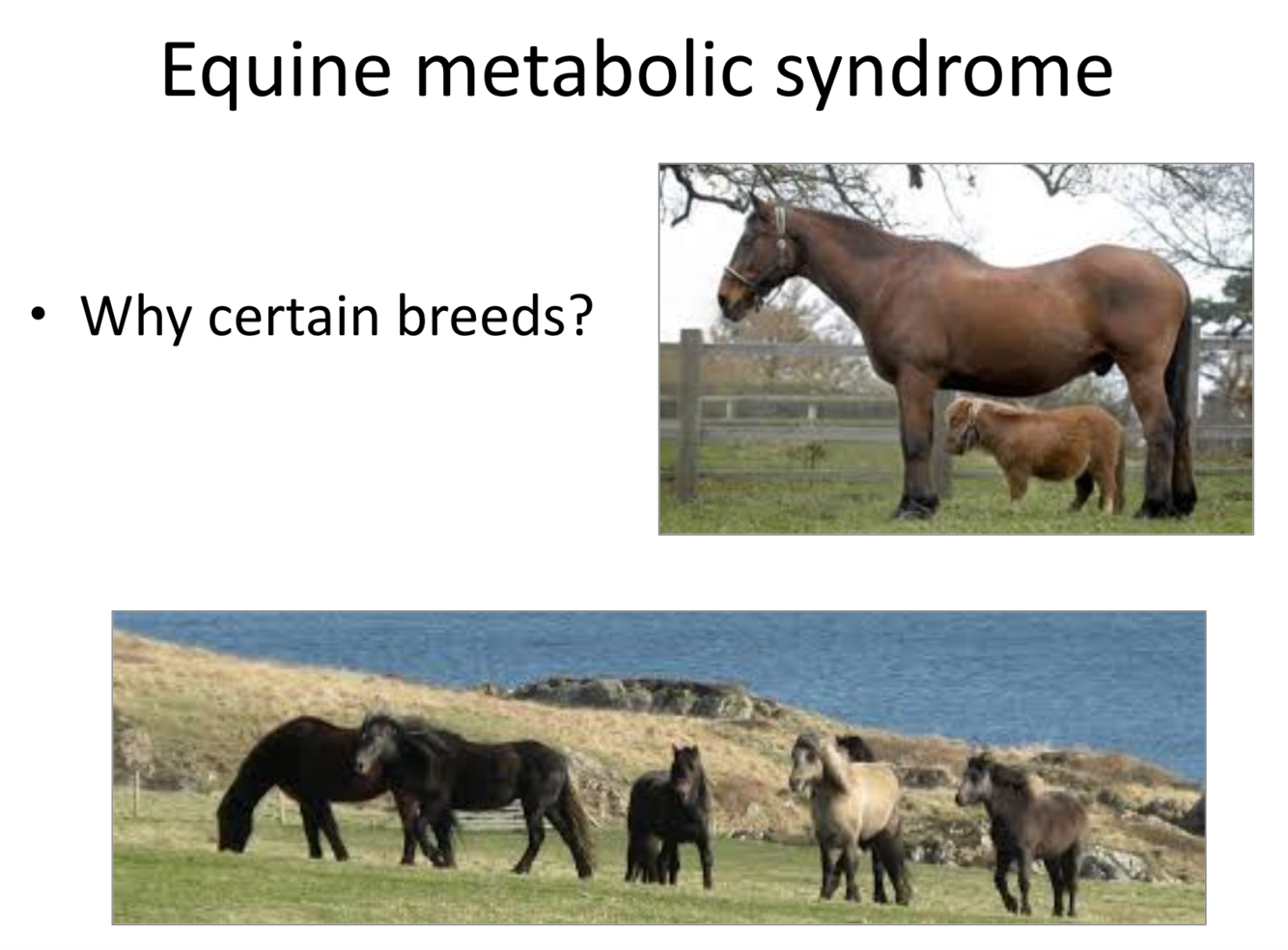
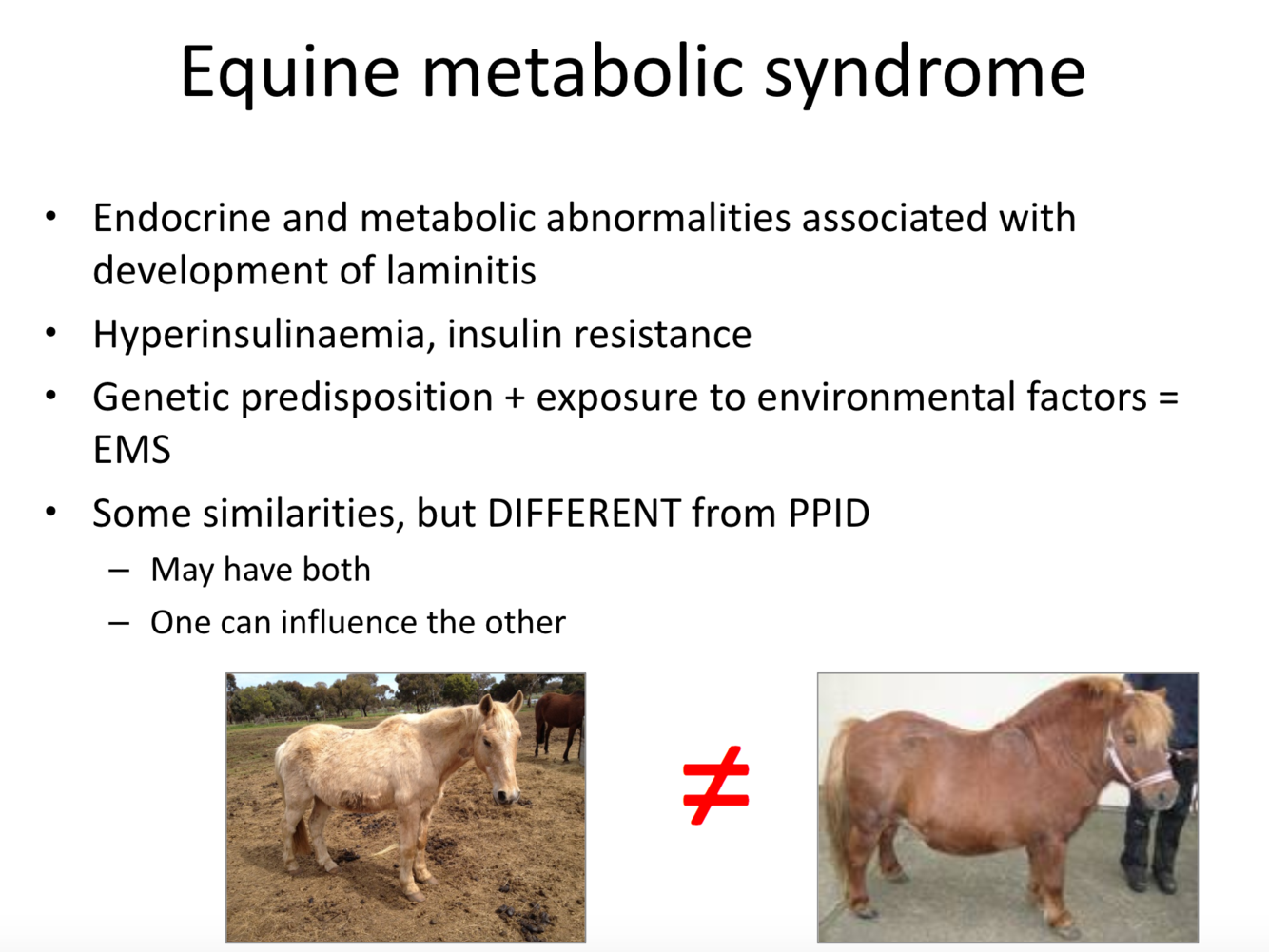
Equine metabolic syndrome
A
3
Q
Equine metabolic syndrome pathophysiology
A
4
Q
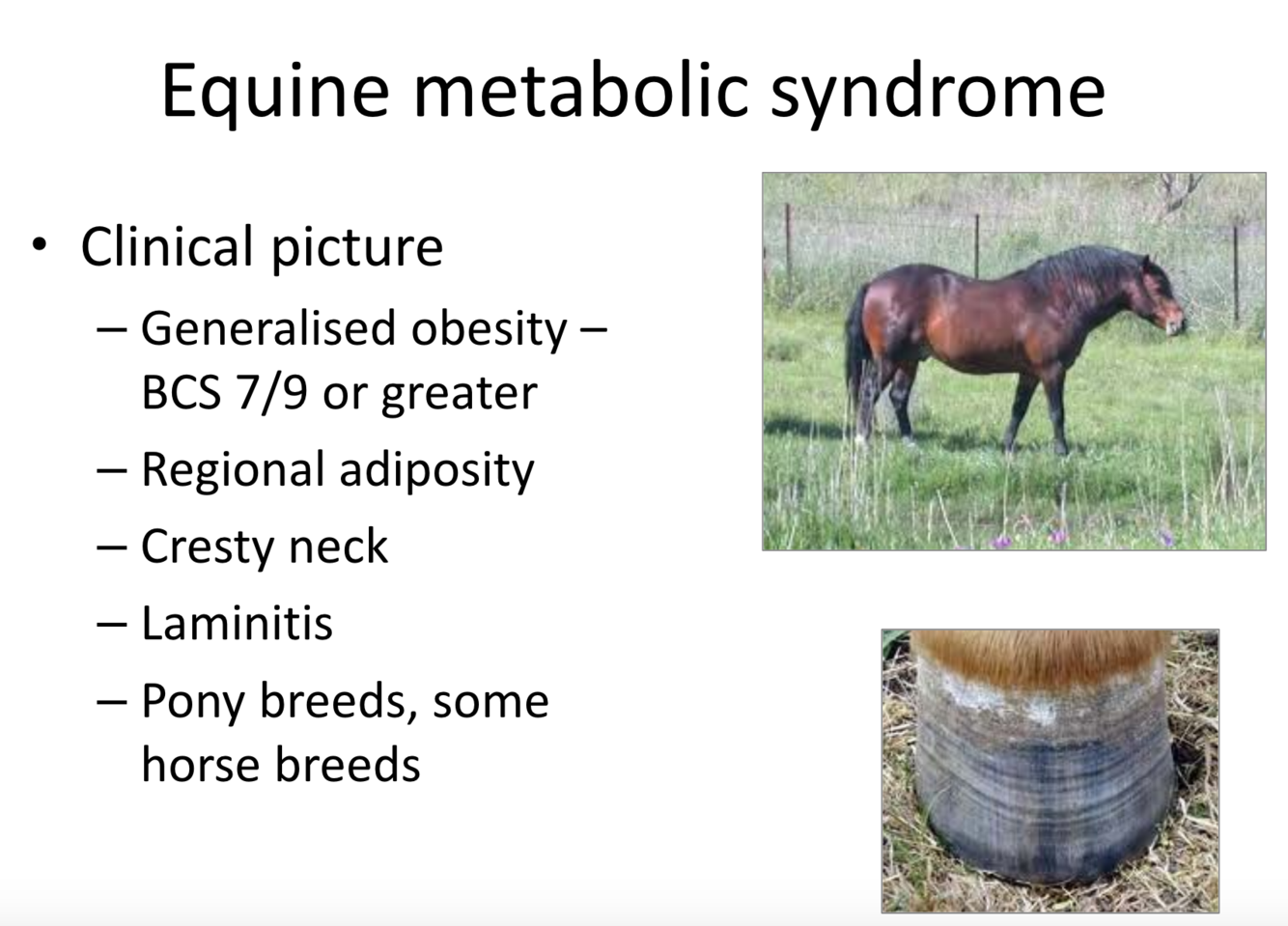
Equine metabolic syndrome clinical picture
A
5
Q
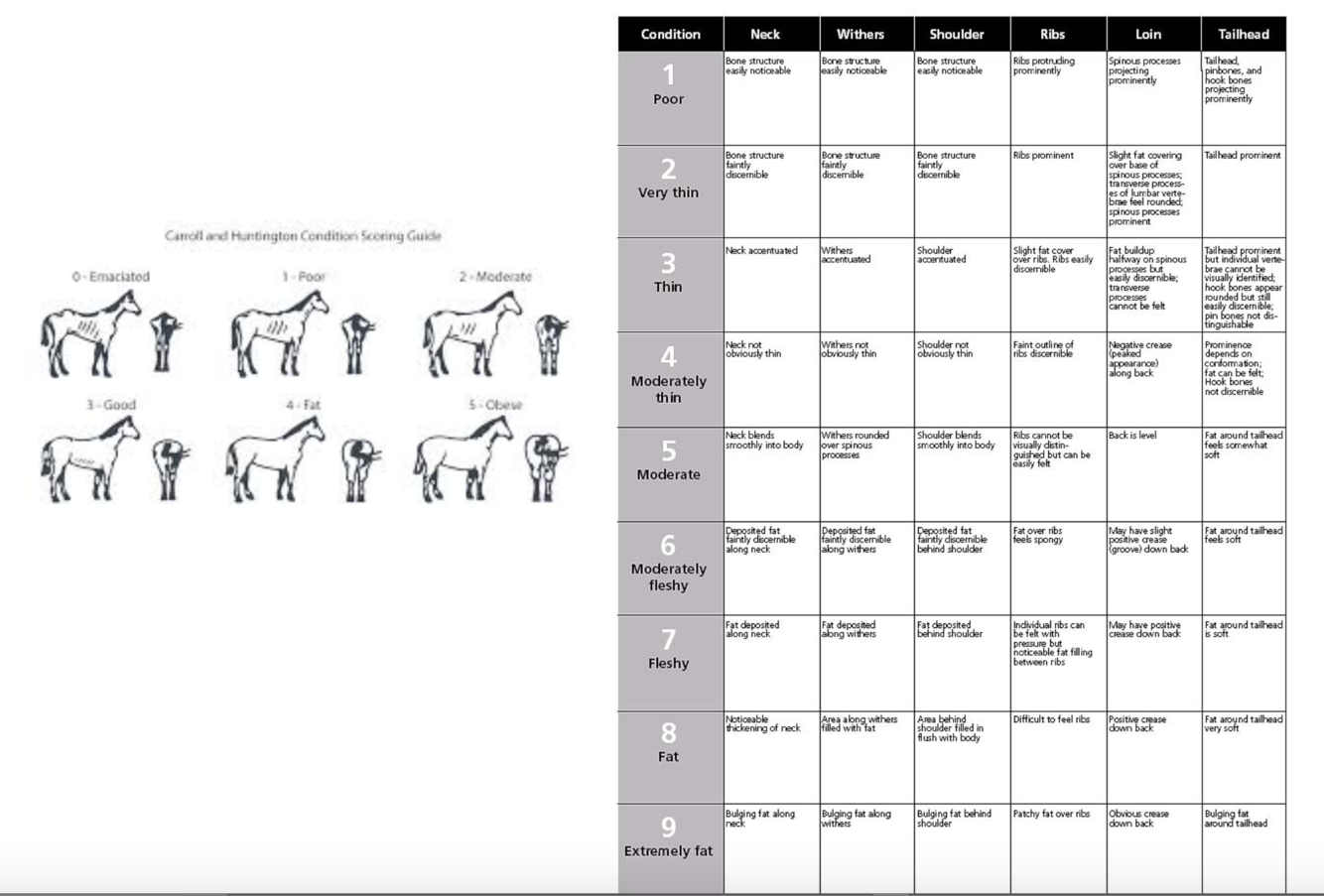
Body condition score
A
6
Q
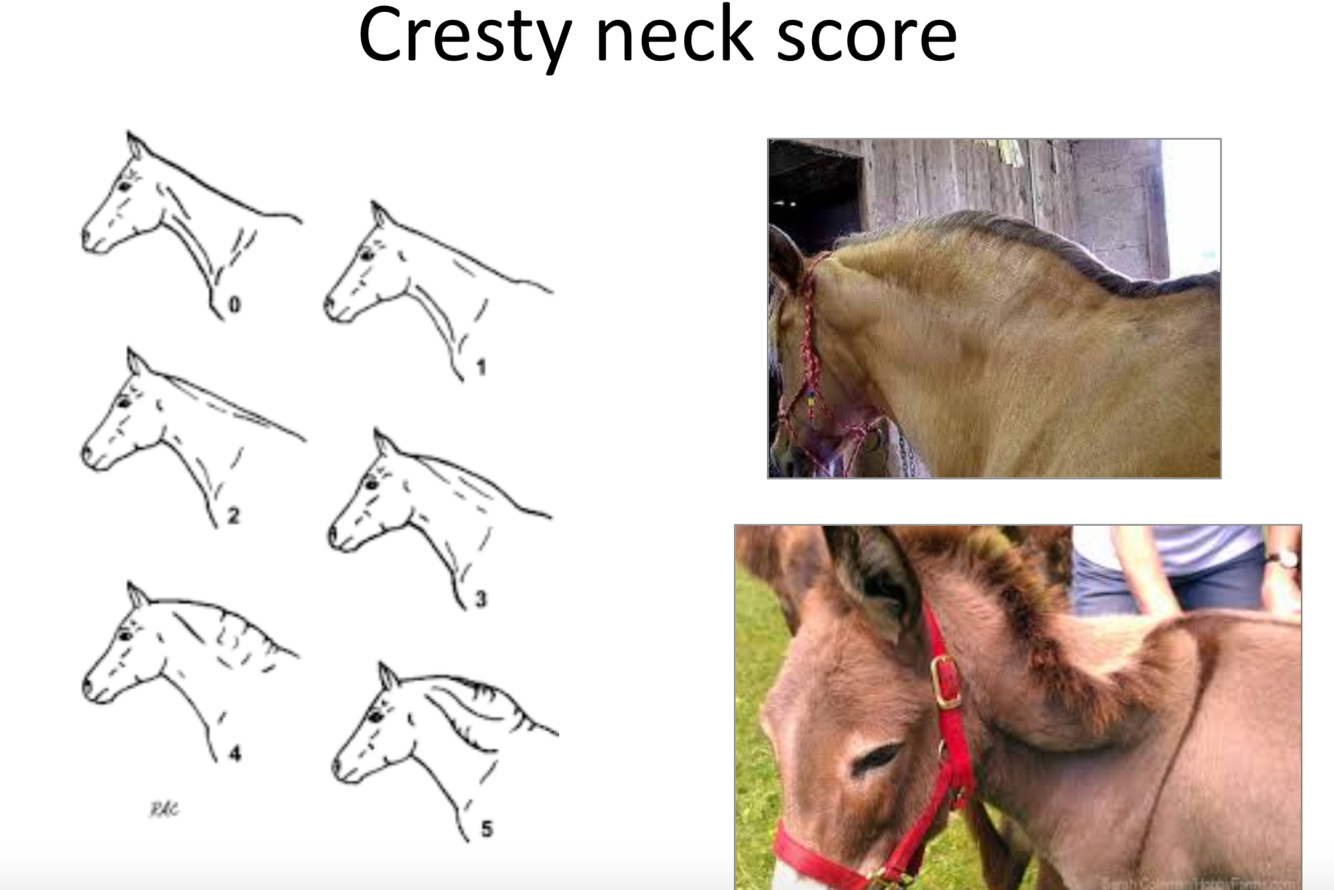
Cresty neck score
A
7
Q
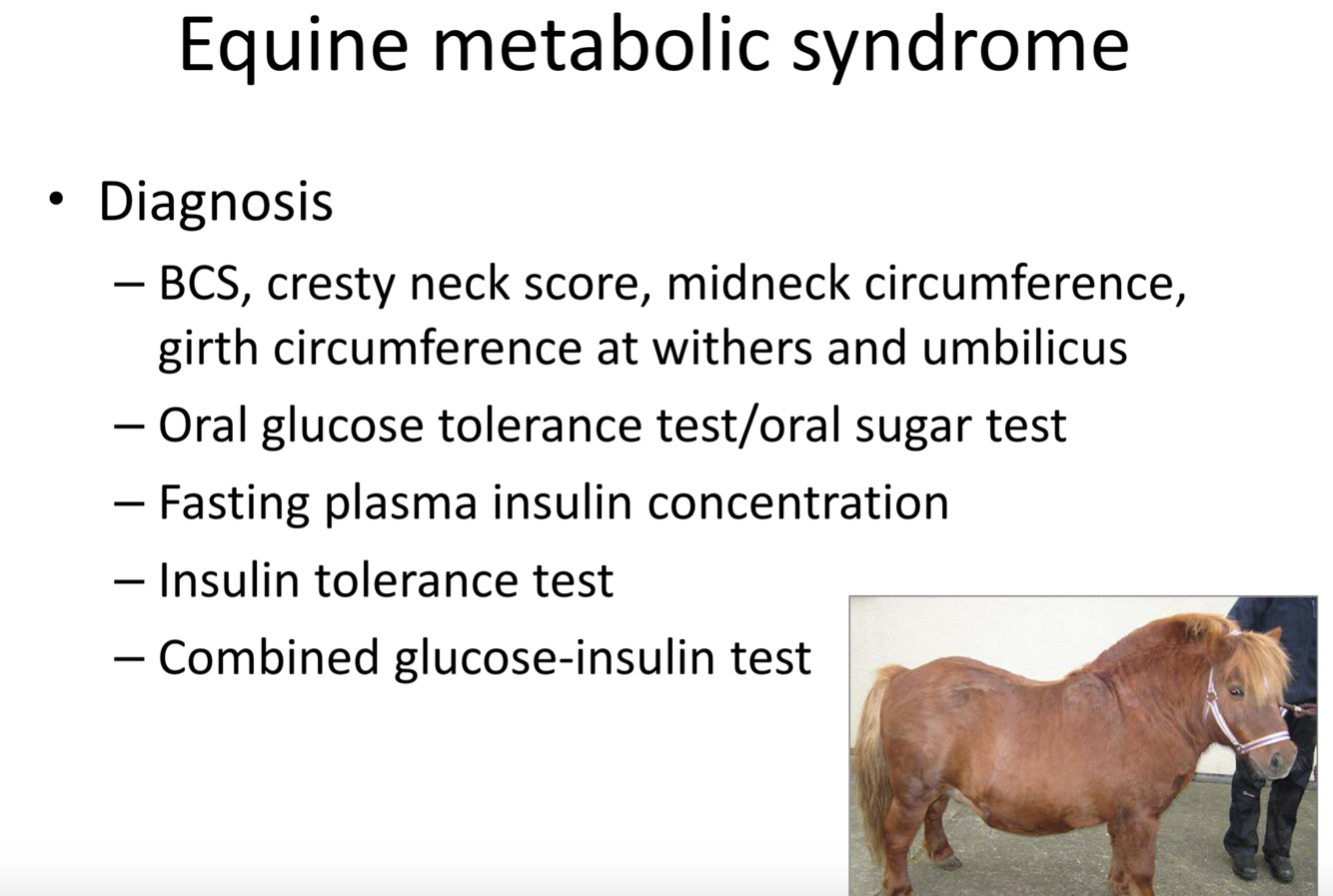
Diagnosis of equine metabolic syndrome
A
8
Q
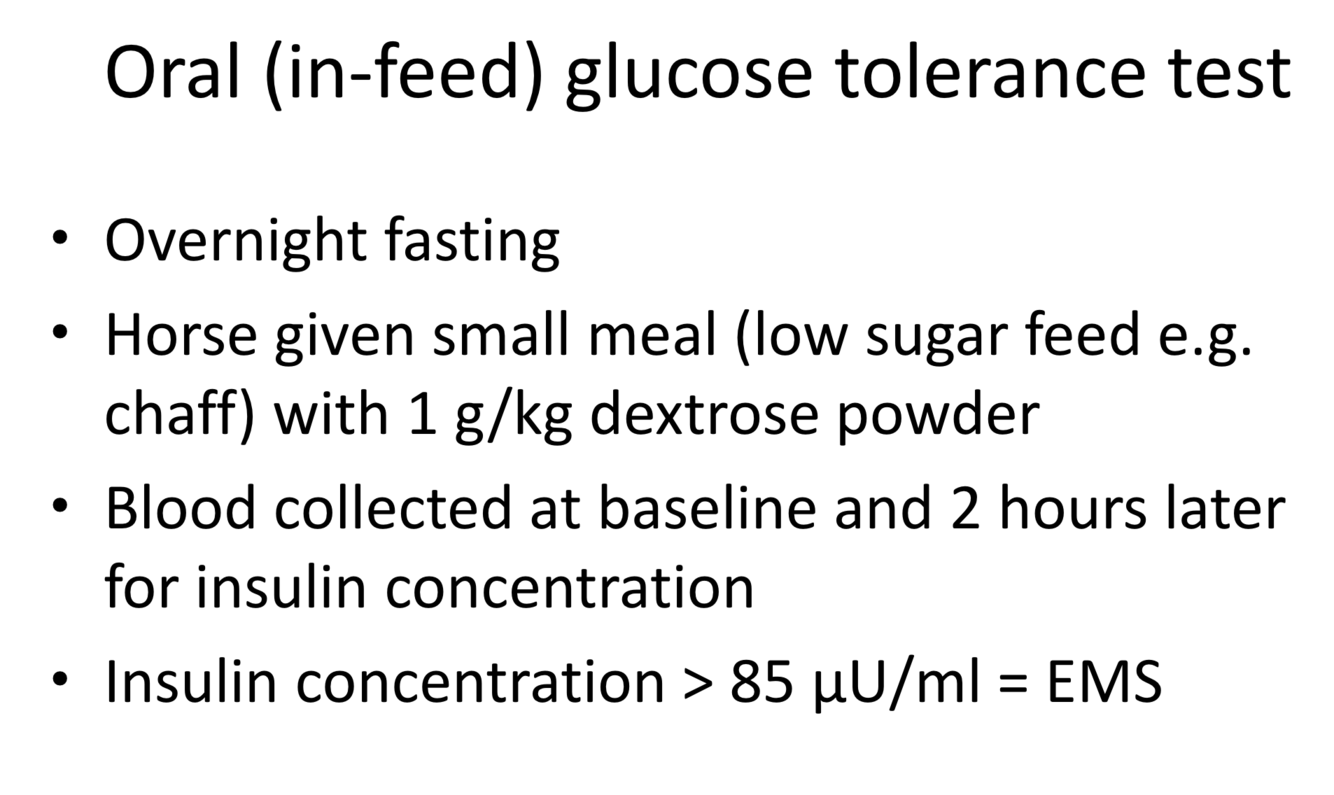
Oral (in-feed) glucose tolerance test
A
9
Q
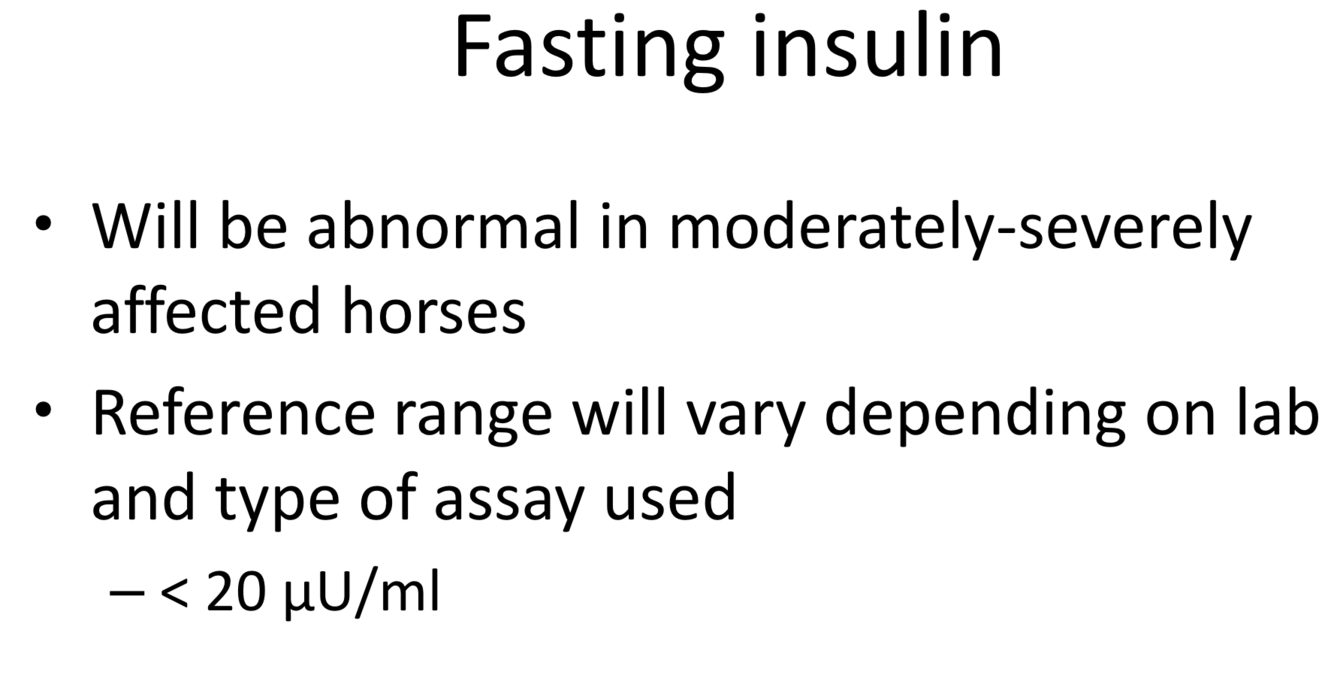
Fasting insulin
A
10
Q
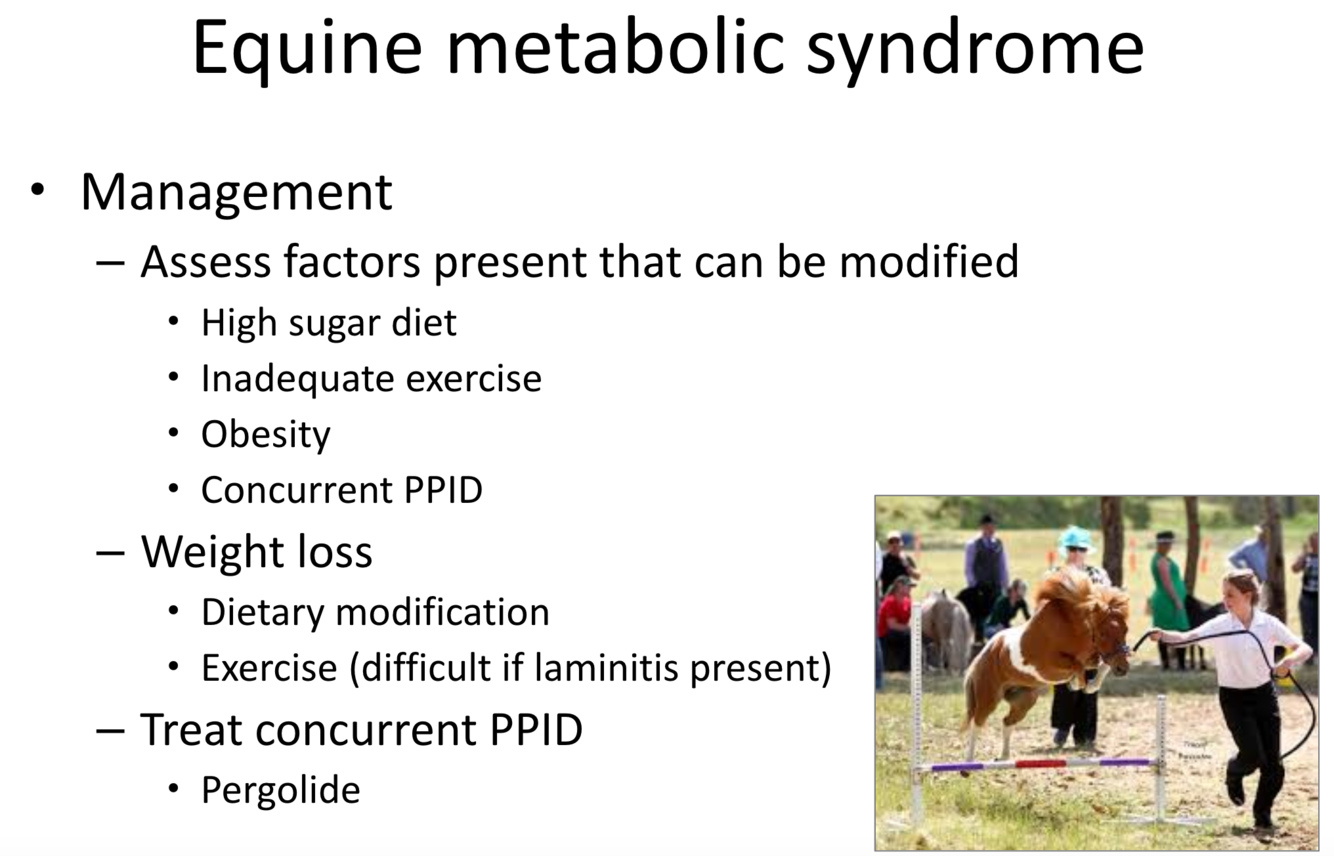
Mgt of equine metabolic syndrome
A
11
Q
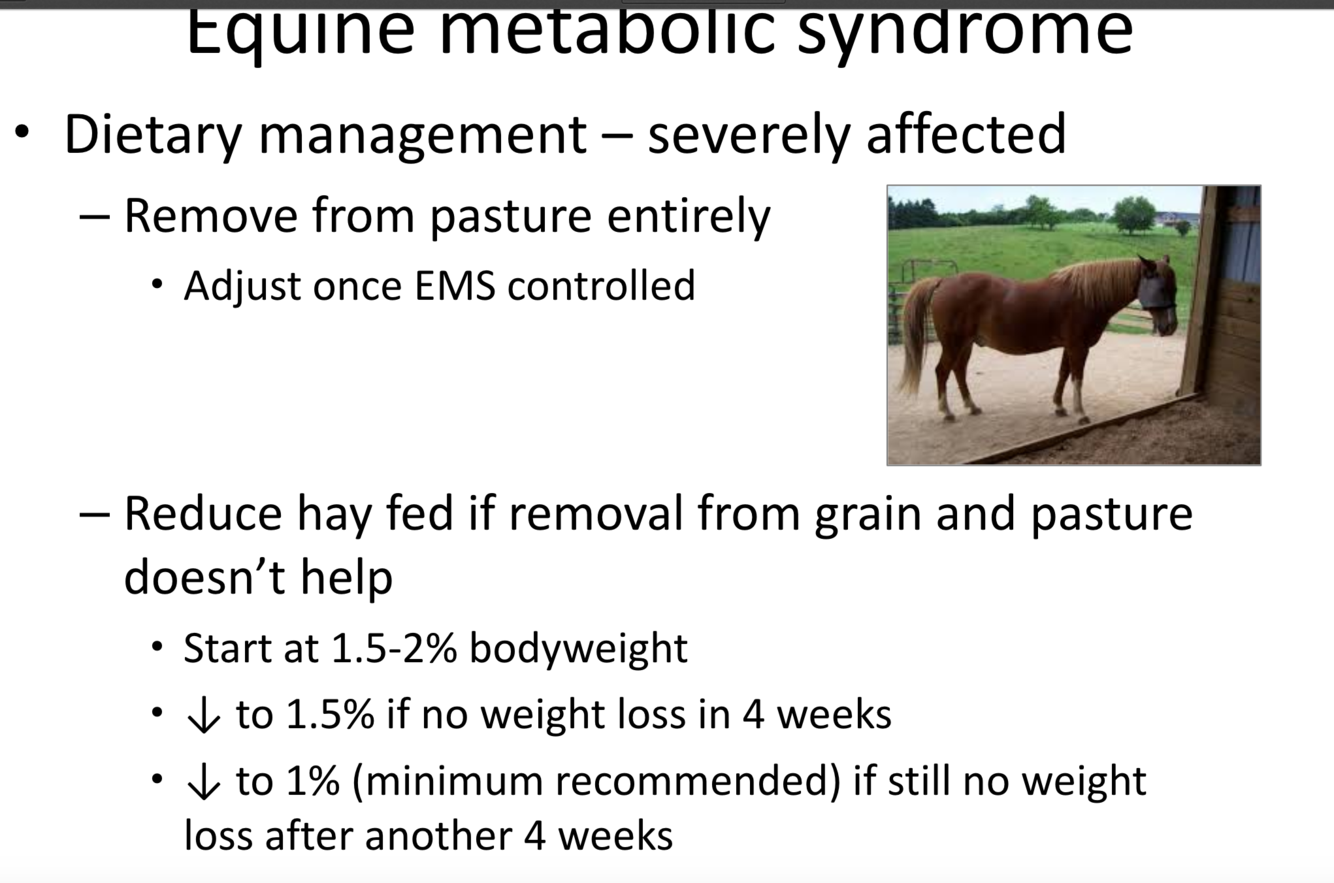
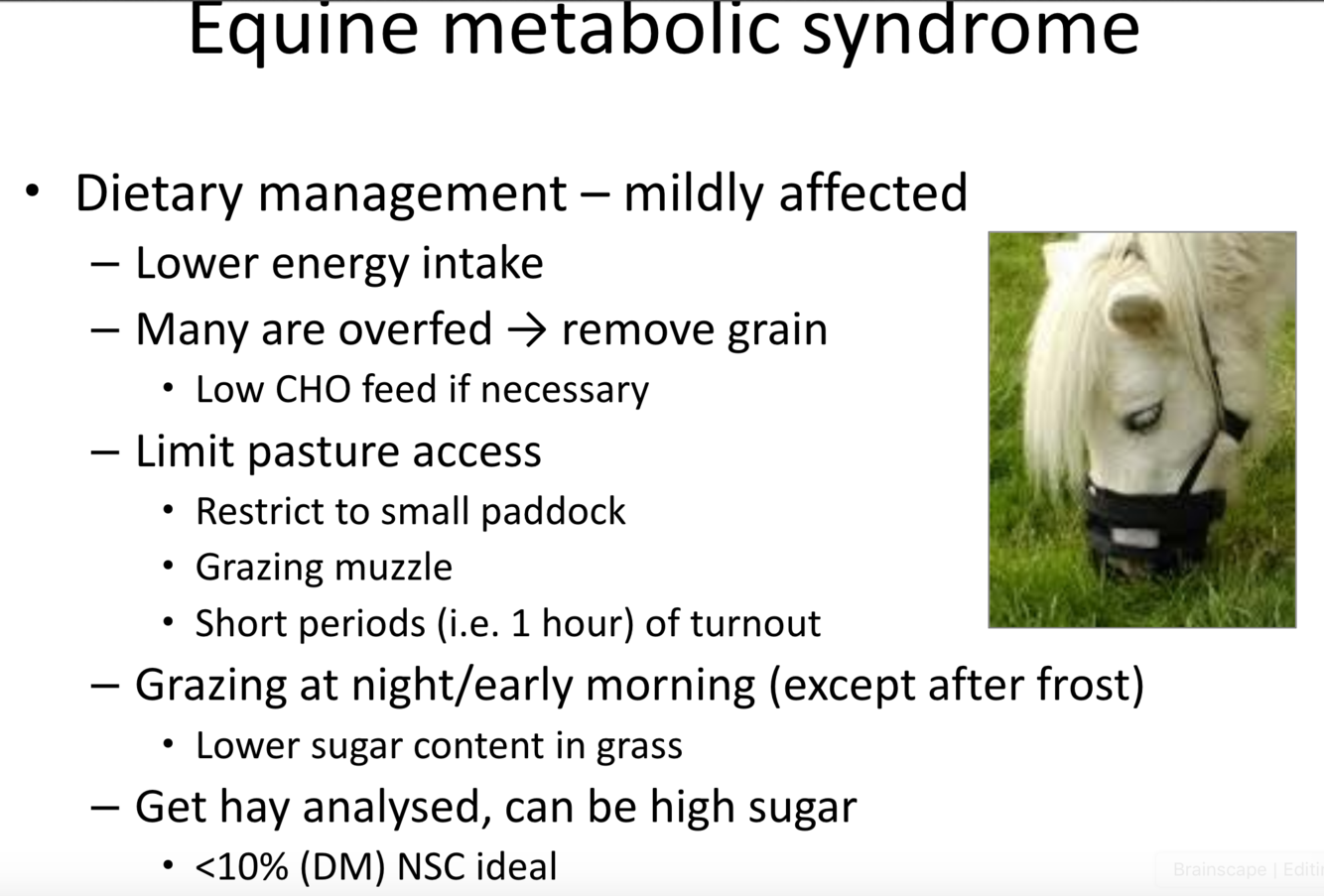
Equine metabolic syndrome dietary mgt
A
12
Q
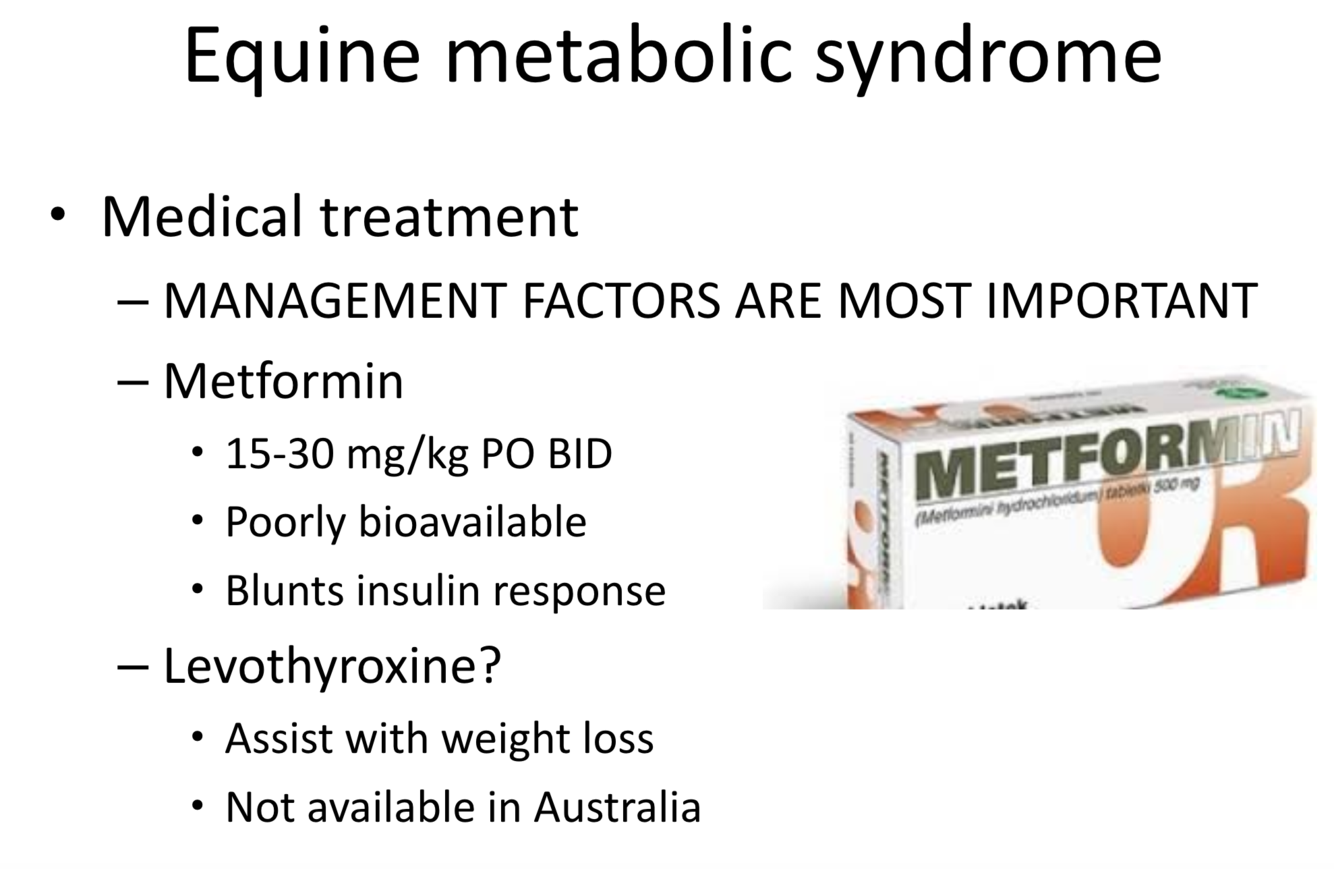
Equine metabolic syndrome medical mgt
A
13
Q
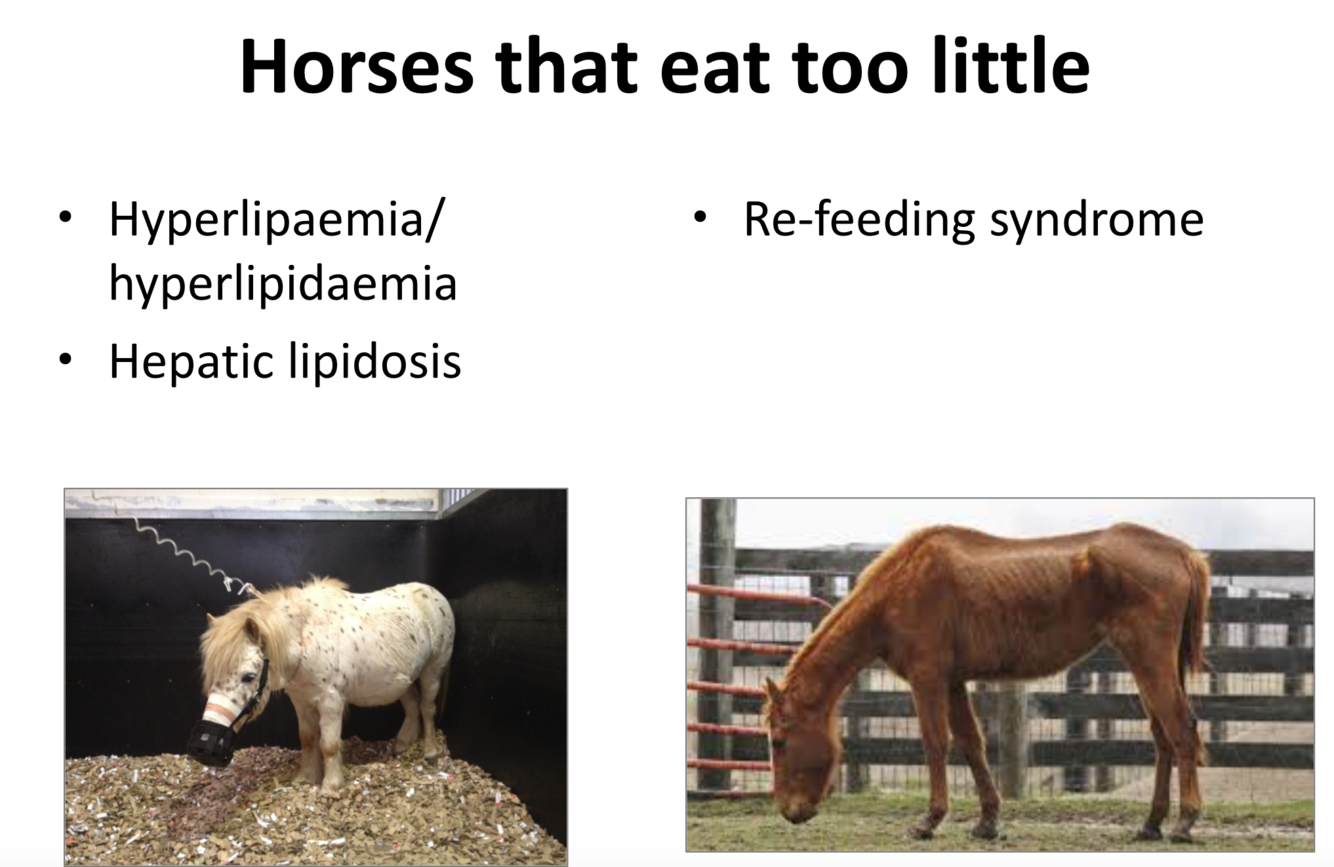
Horses that eat too little
A
14
Q
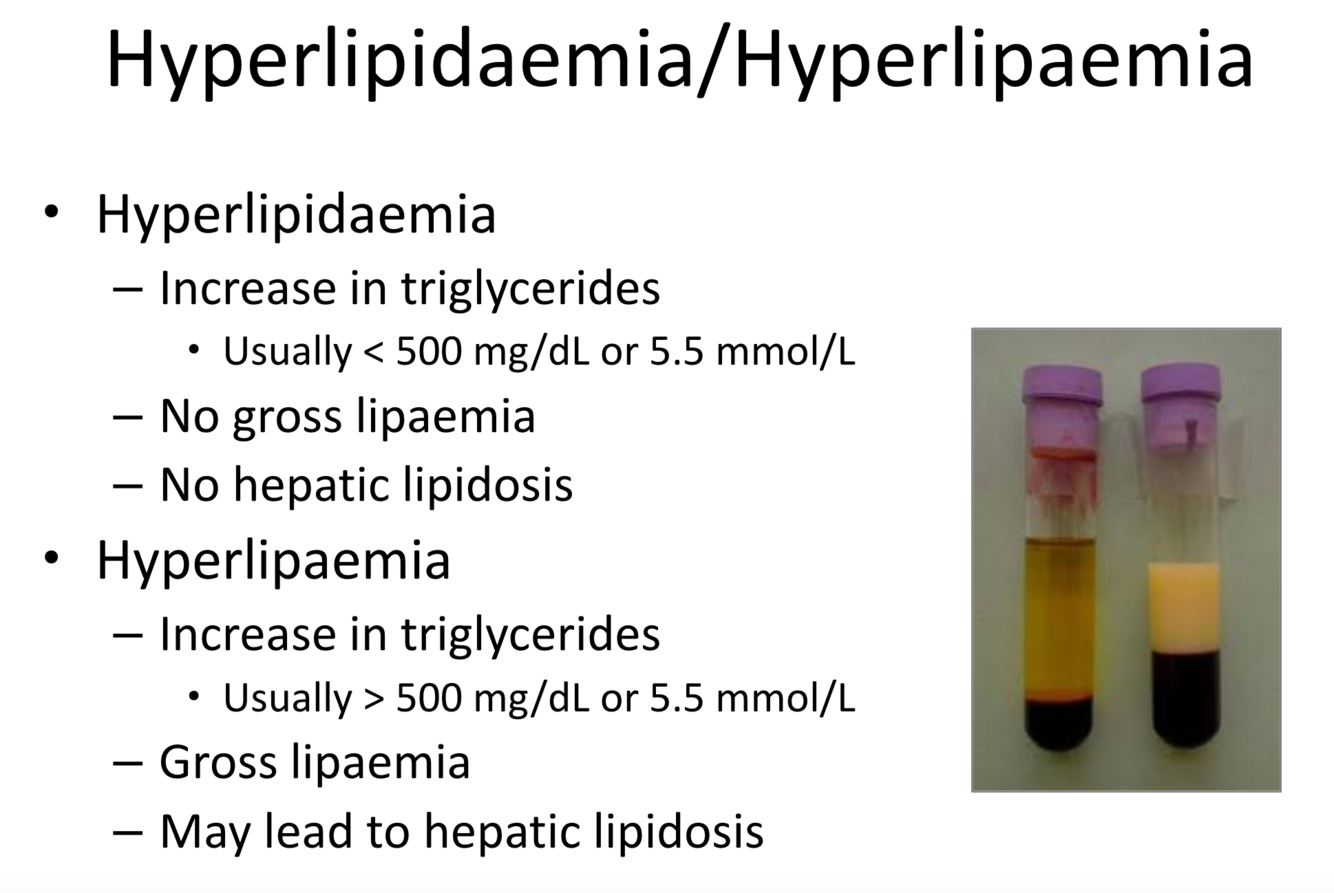
Hyperlipidaemia/Hyperlipaemia
A
15
Q
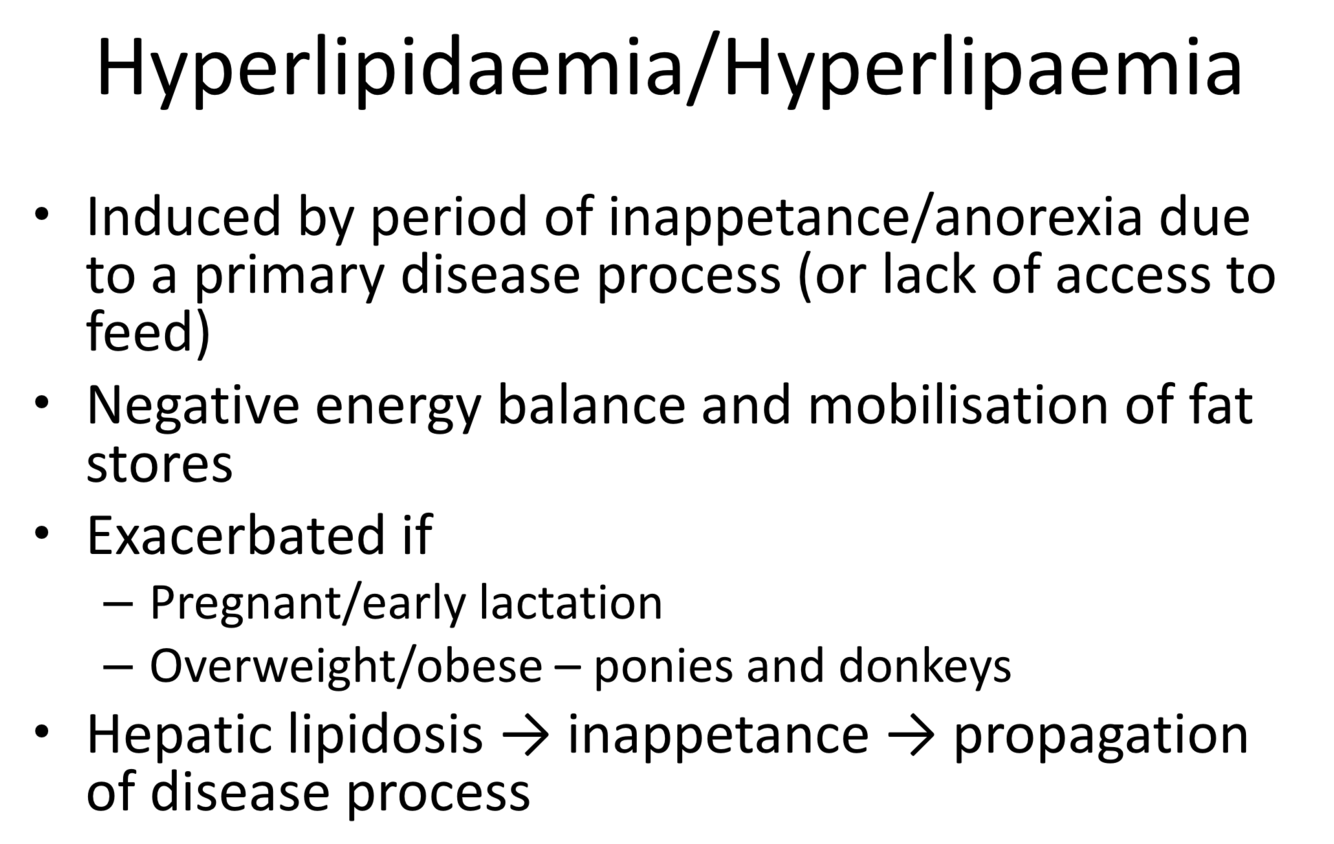
Hyperlipidaemia
/Hyperlipaemia induced by?
A
16
Q
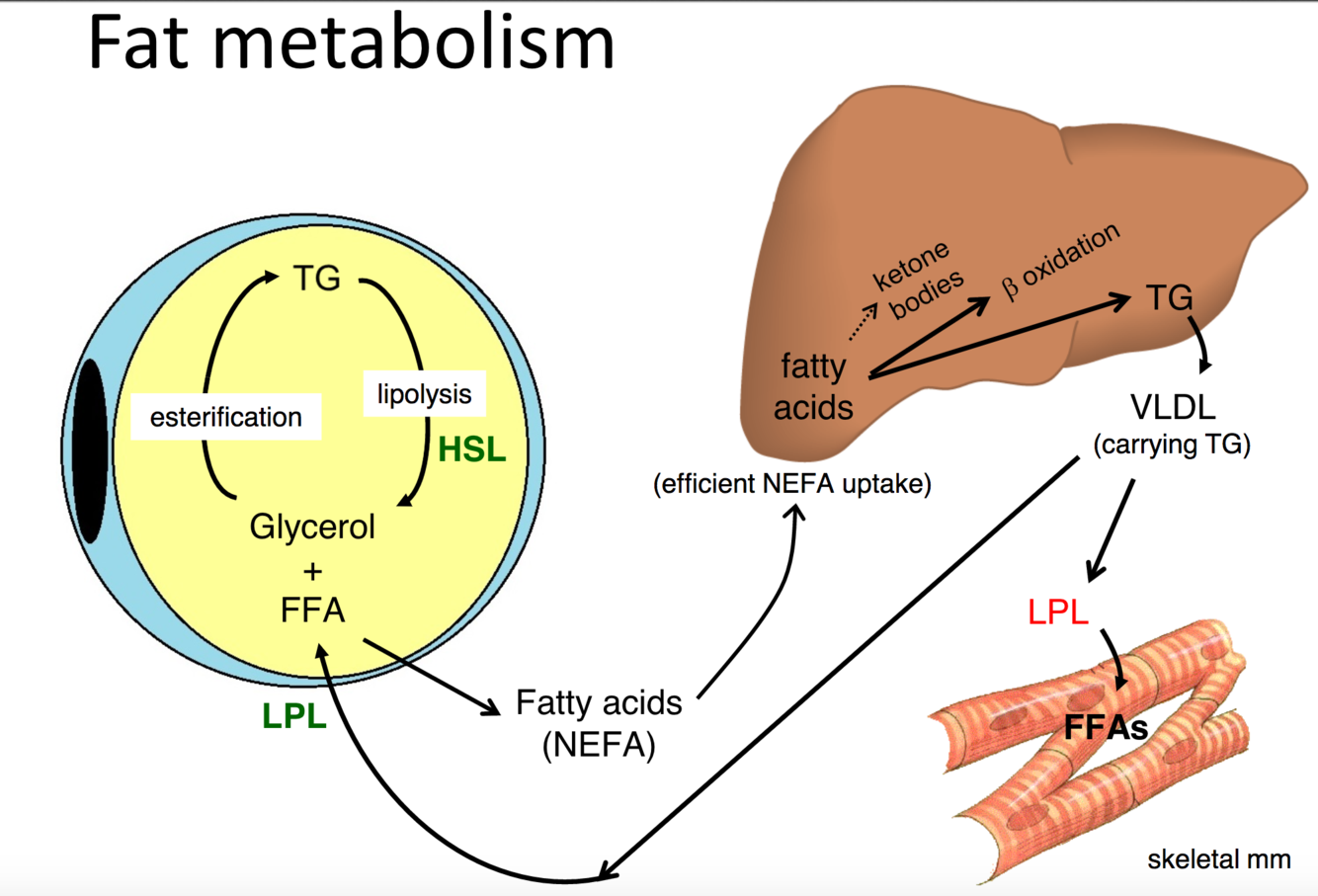
Hyperlipidaemia
/Hyperlipaemia
A
17
Q
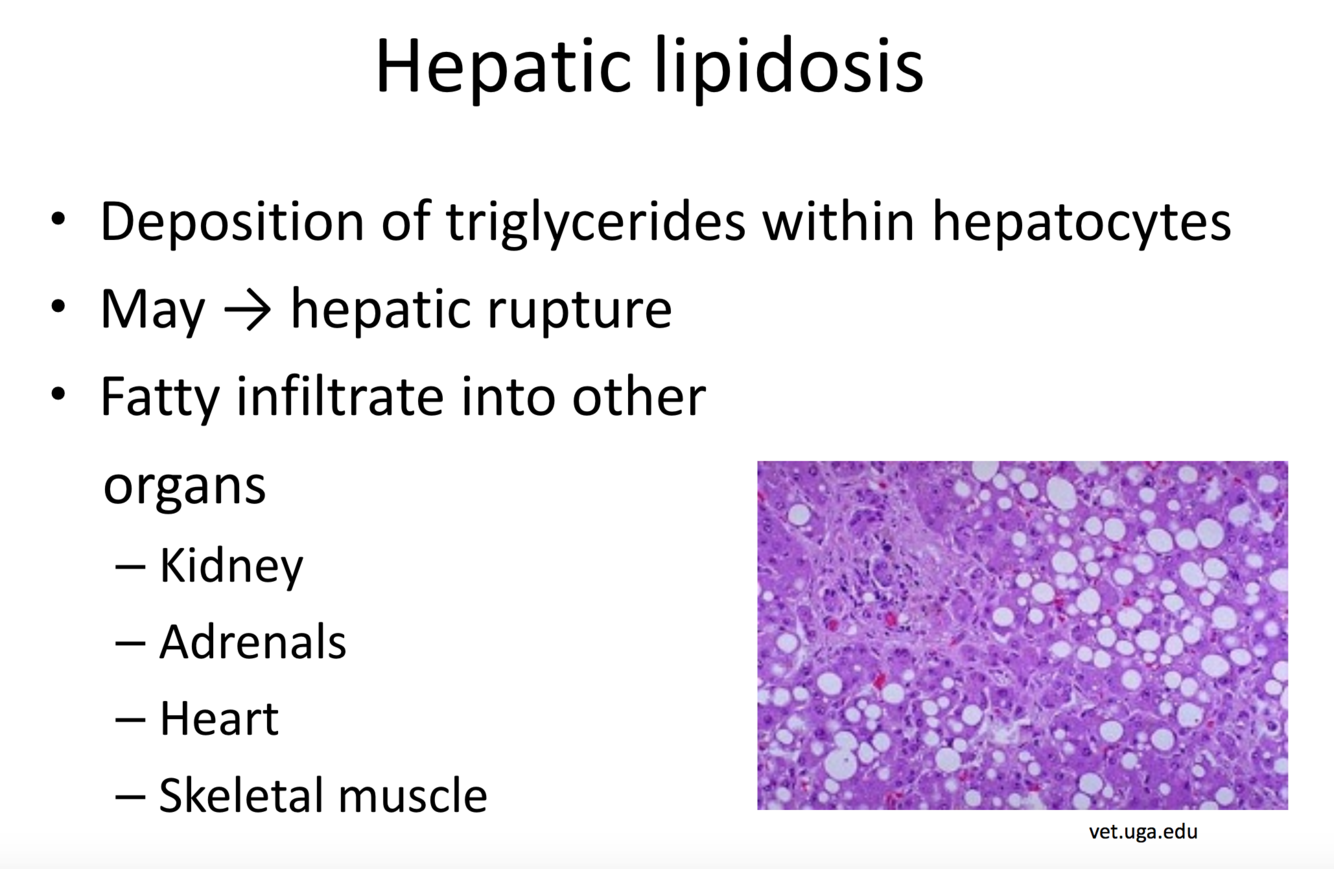
Hepatic lipidosis
A
18
Q
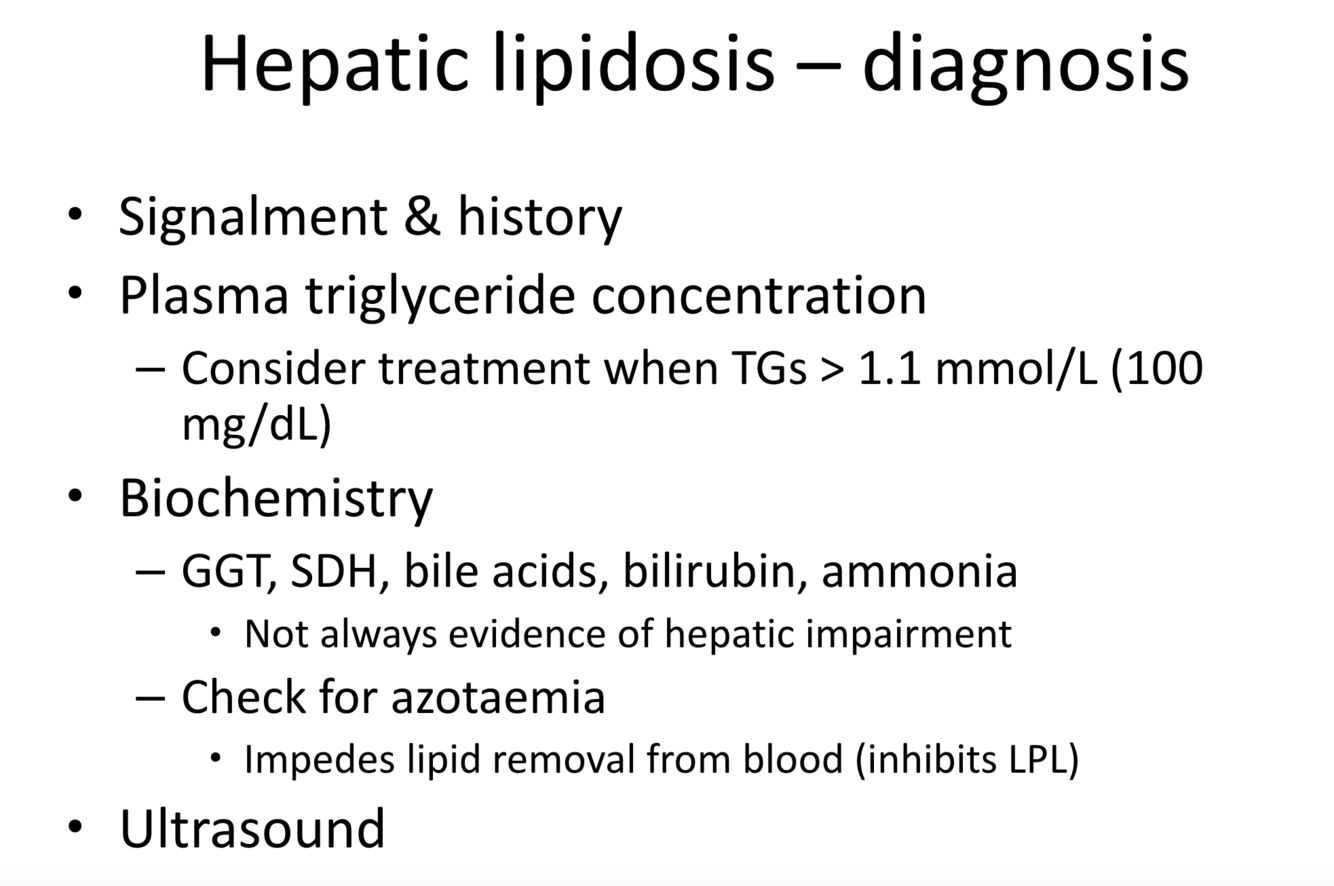
Hepatic lipidosis diagnosis
A
19
Q
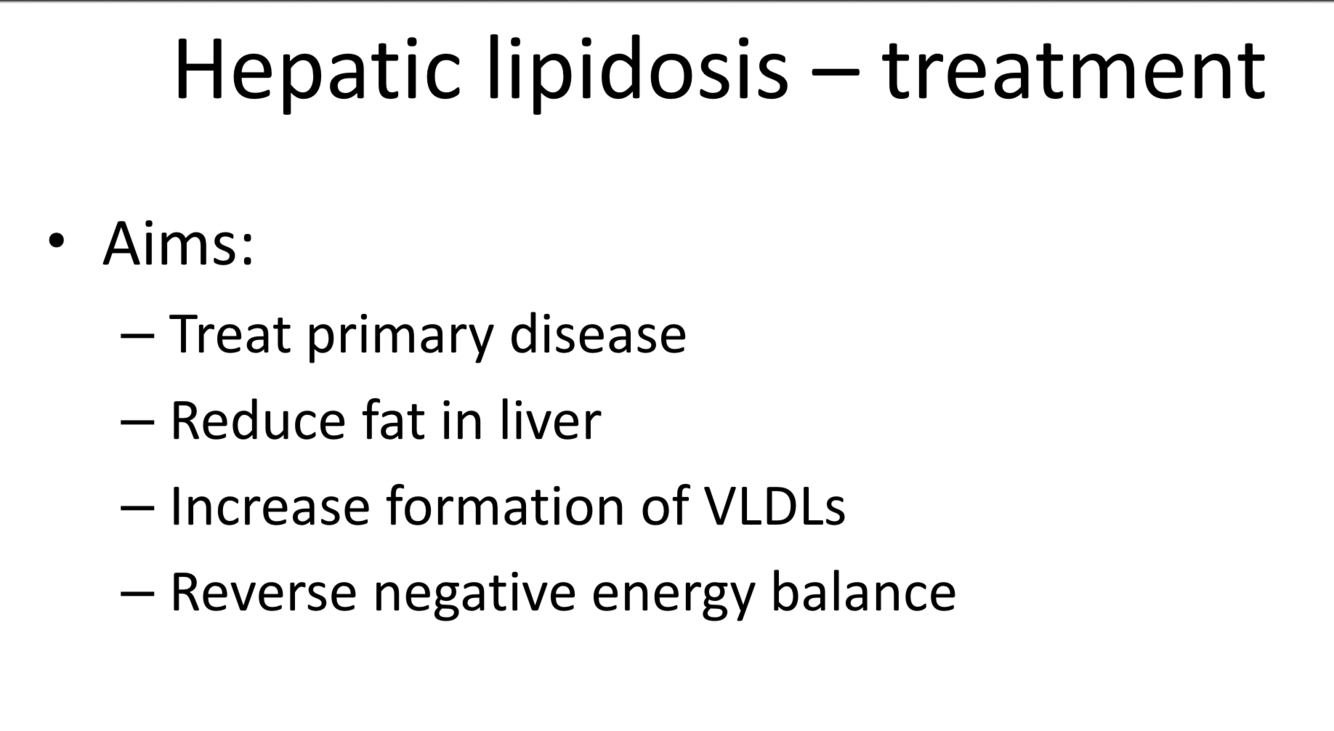
Hepatic lipidosis treatment
A
20
Q
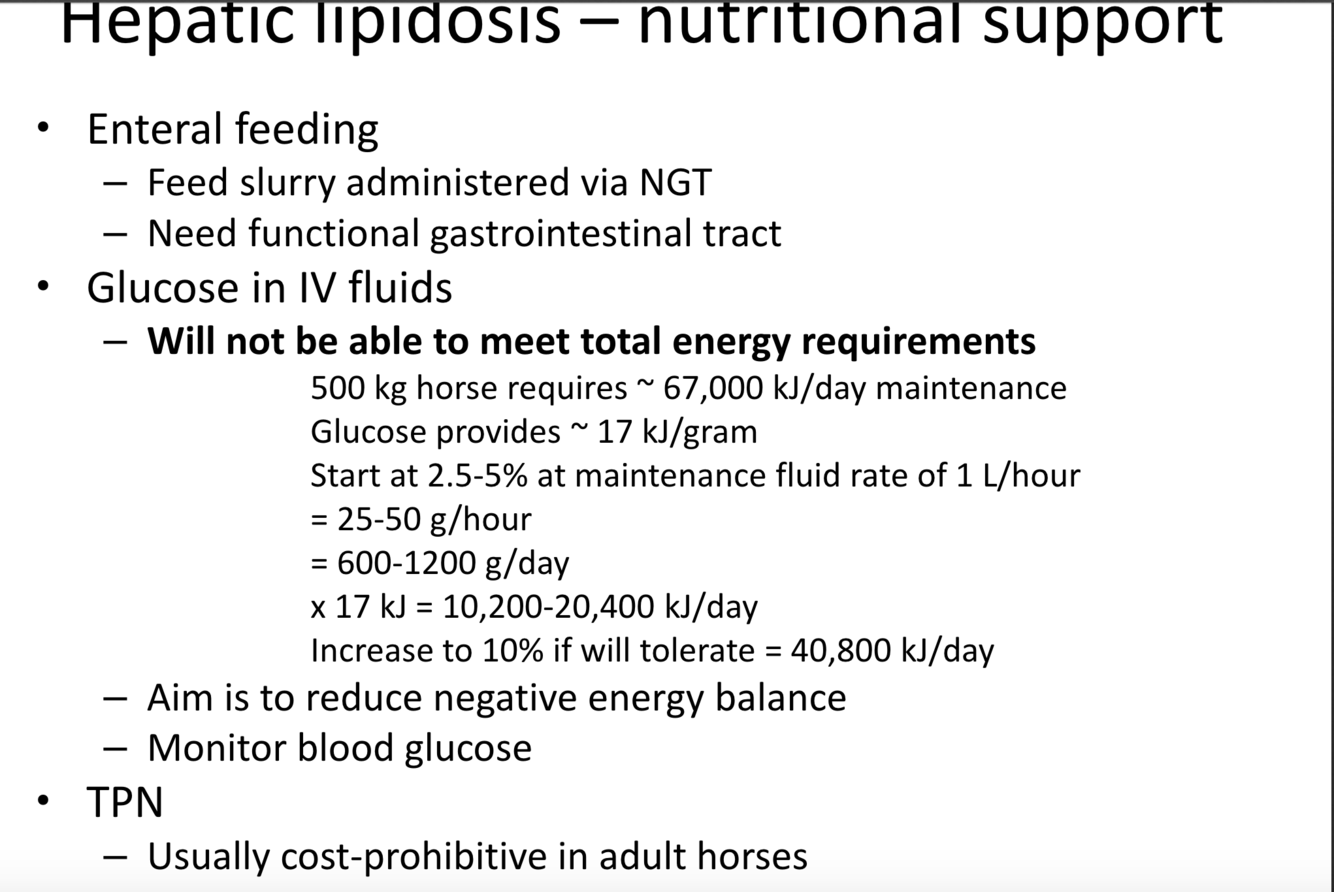
Hepatic lipidosis nutritional support
A
21
Q
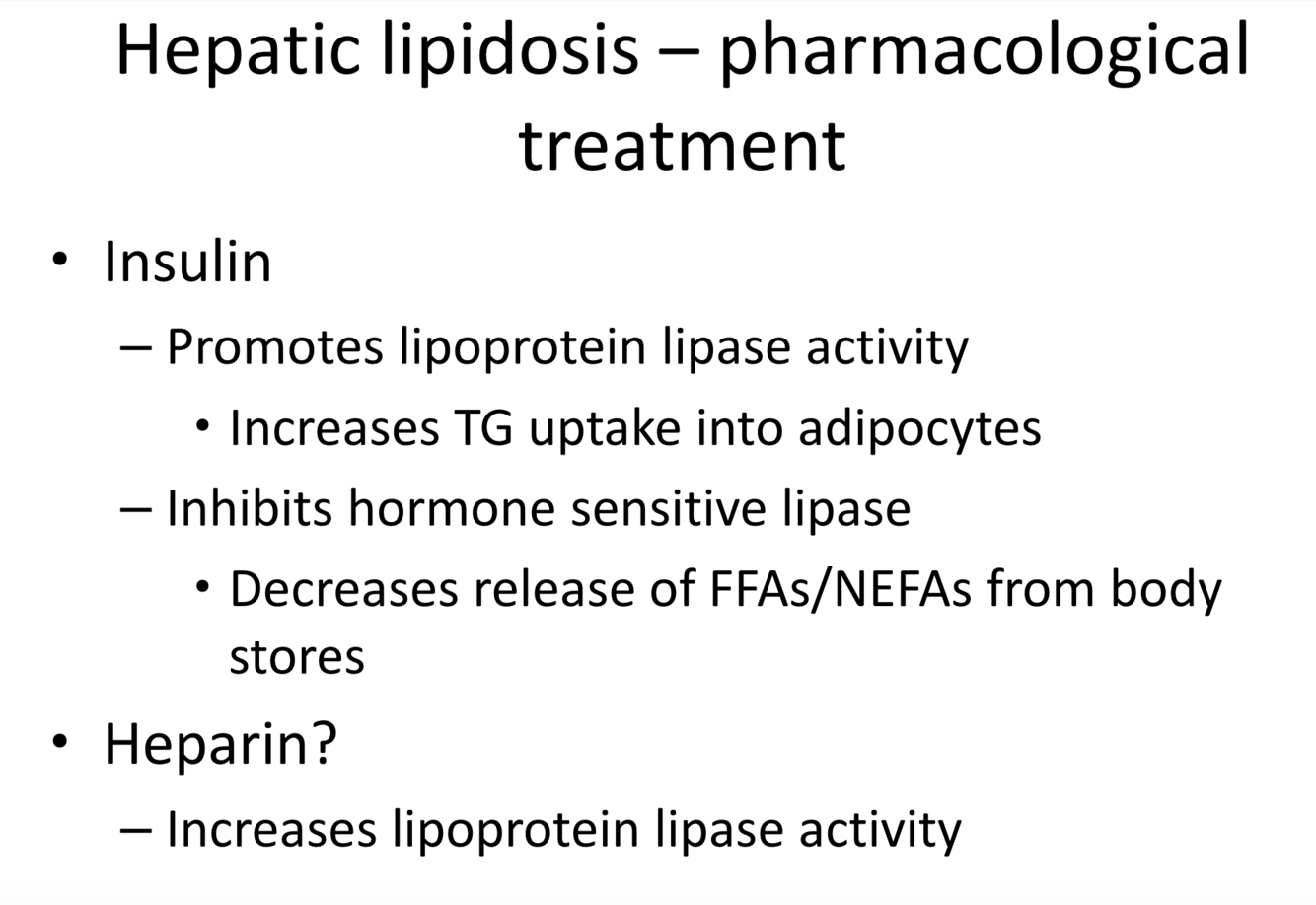
Hepatic lipidosis pharmacological treatment
A
22
Q
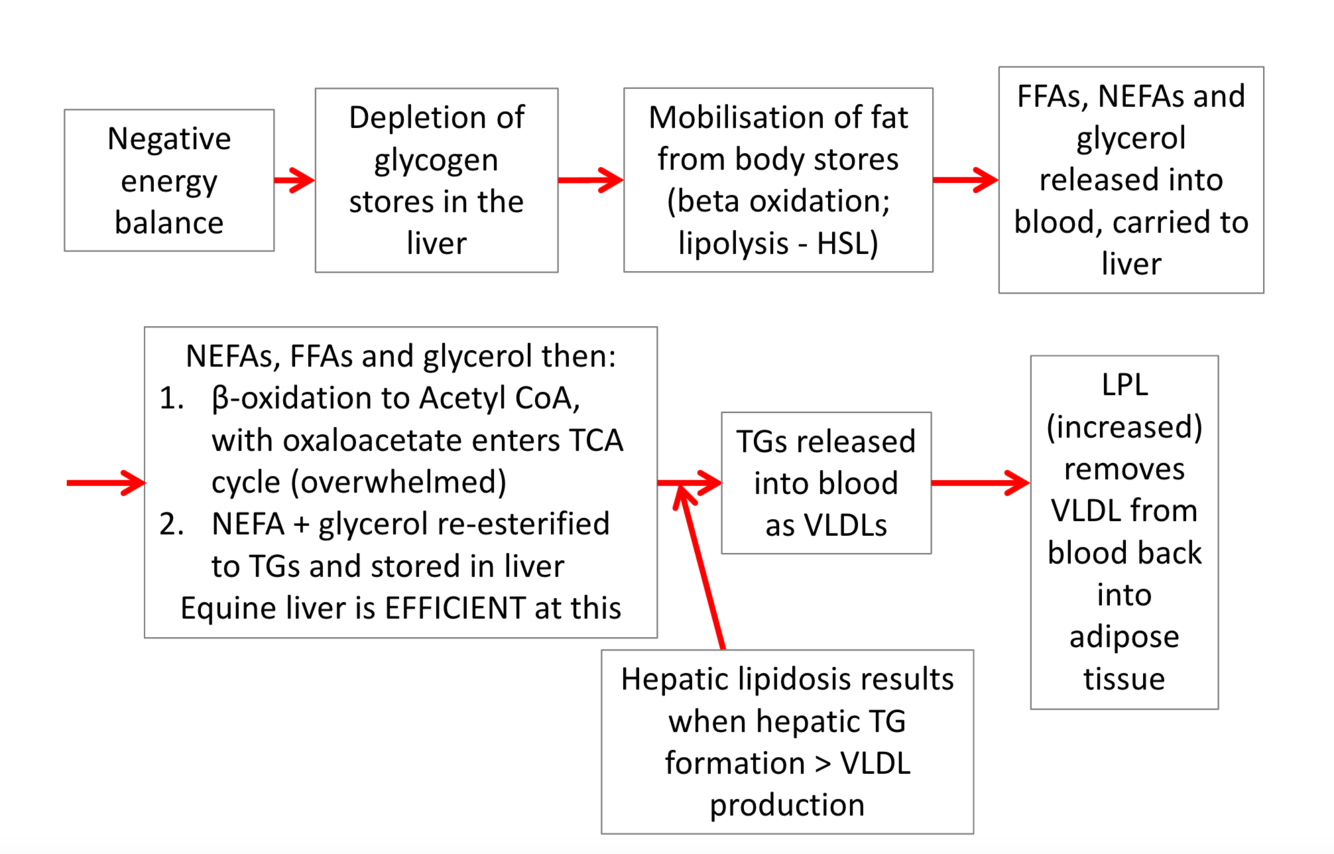
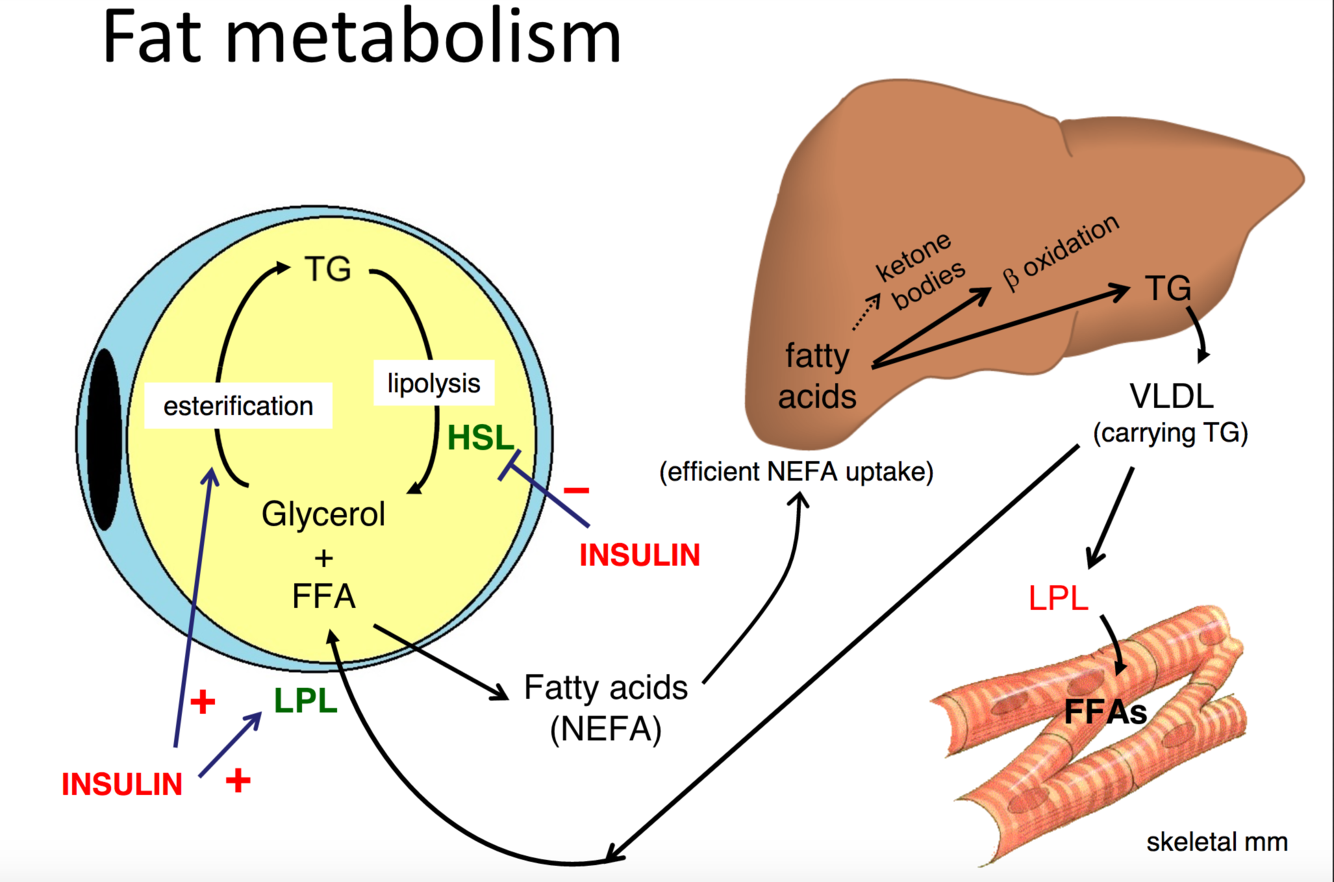
Fat metabolism
A
23
Q
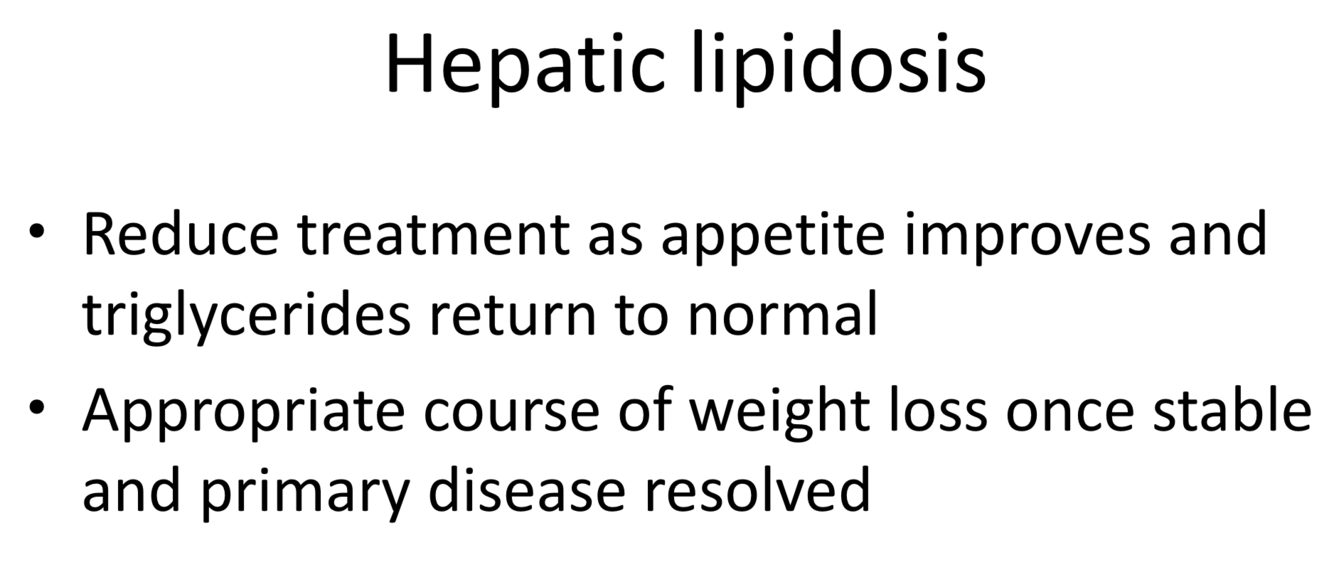
Hepatic lipidosis conclusion
A
24
Q
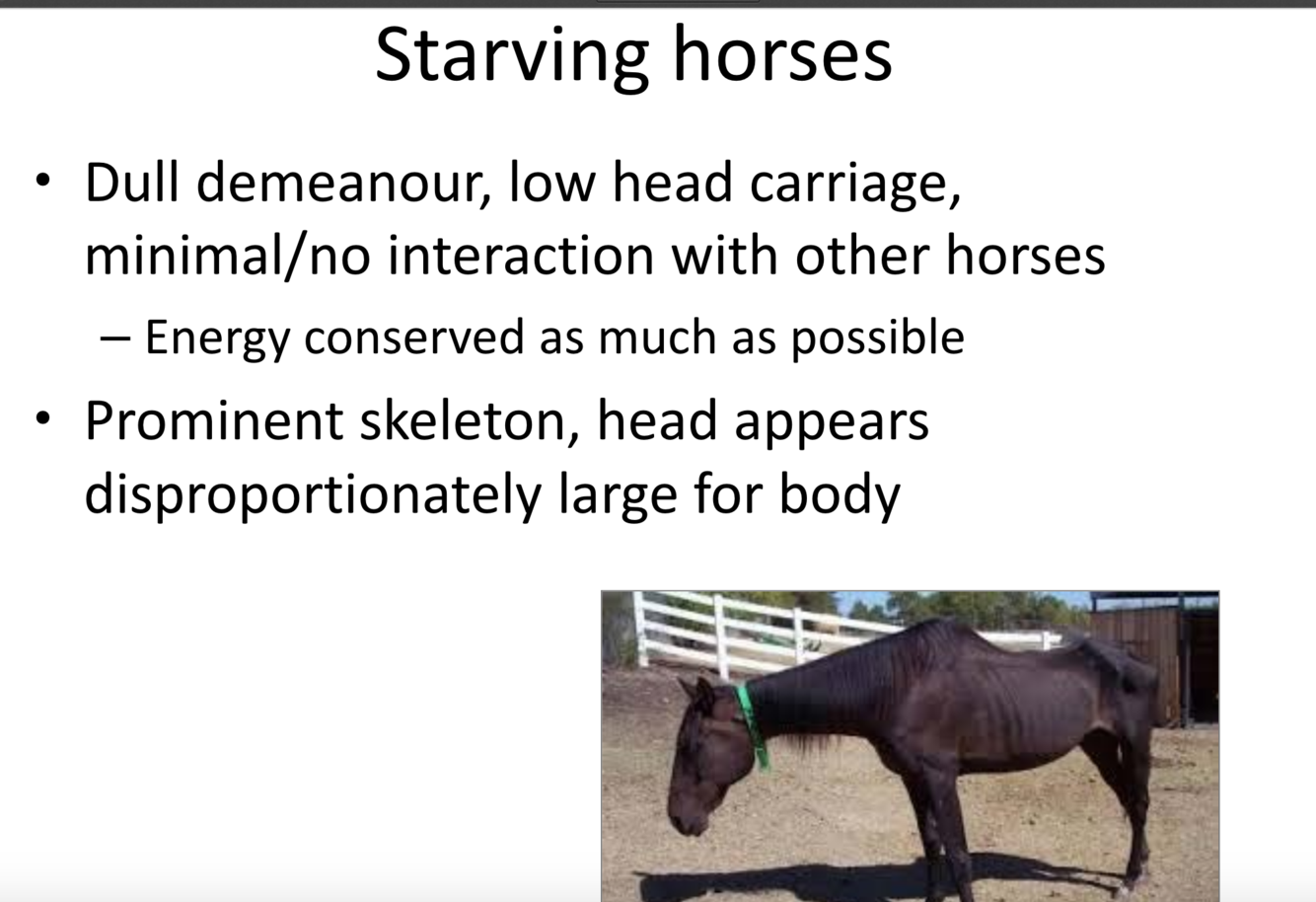
Starving horses
A
25
What happens with a starving horse?
26
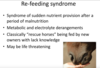
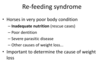
Re-feeding syndrome
27
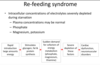
Pathophysiology Re-Feeding Syndrome
28
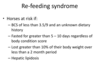
Horses at risk of re-feeding syndrome
29
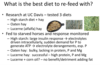
What is the best diet to re-feed?
30
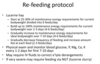
Re-feeding protocol
31
Other issues for neglected horses
32
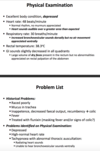
Signalment and History
3
-
year old Standardbred filly raced
Wednesday
night
Raced poorly
‘Scoped on the track
large amount of mucus in trachea
Horse is presented on
Sunday
evening for evaluation of colic
Trainer reports that the filly is
inappetent
, has decreased
faecal
output and has been lying down more often than
usual
33
34
35
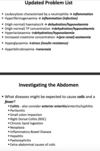
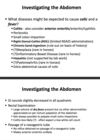
36
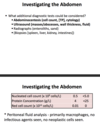
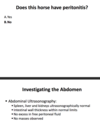
37
38
39
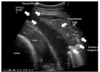
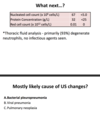
40
41
Case! Arrow
•
4 yo
Arabian x TB mare
•
Endurance horse
•
Performing very well until two weeks ago
–
pulled up at 60 km check with irregular heart
rhythm
•
Presented to you for further evaluation
Arrow
•
Temperature = 37.4°
C
•
RR = 16 breaths/minute
–
Lung sounds normal
–
Incl. rebreathing
•
HR = 48 beats/minute
–
Irregularly irregular rhythm
–
No S4
–
No murmurs
•
Normal borborygmi
•
No other abnormalities
(cont)
Sinus rhythm after 4 doses, 2nd attempt
1 week rest following successful cardioversion
Returned to previous level of performance
42
Arrhythmias
43
Normal arrhthmias
44

45
Effects of pathological arrhythmias
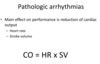
46
Questions to ask with ECG trace interpretation
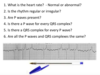
47
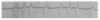
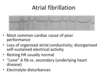
48
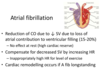
Effects of atrial fibrillation
49
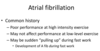
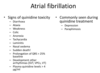
Common history of atrial fibrillation
50
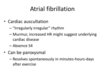
What does atrial fibrillation sound like?
51
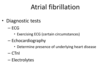
Diagnostic tests for atrial fibrillation
52
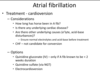
Atrial fibrillation treatment
53
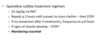
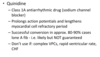
Quinidine
54
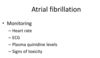
Monitoring atrial fibrillation
55
Signs of quinidine toxicity
56
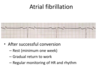
What to do if successful conversion?
57
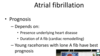
Prognosis of atrial fibrillation
58
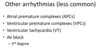
Less common arrhythmias
59

60
VPCs
61
VPC diagnosis
62
What do VPCs sound like? Look like?
63
64
VPCs exercising ECG?
65
VPC treatment
66
Myocardial disease
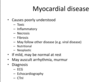
67
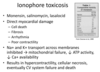
Ionophore toxicosis
\* May be seen in outbreaks (contaminated common feed source)
\* Clinical presentation depends on dose ingested
\* Skeletal muscle may be involved
- Myoglobinuria
- Increased CK, AST
\* Recumbency, collapse, death
\* Arrhythmias
68
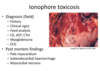
Ionophore toxicosis diagnosis? Post mortem findings?
69
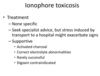
Ionophore toxicosis treatment
70
Ionophore toxicosis prognosis? Mgt of suvivors?
71
Poor performance in horses v. at rest
72
Physical exam of a horse with poor performance
73
After physical exam next step in horse with poor performance?
74
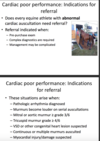
Cardiac poor performance: Indications for referral
75
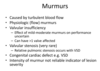
Murmurs
76
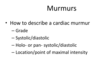
How to describe a murmur
77
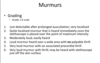
Grading a murmur
78
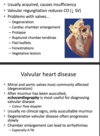
Valvular heart disease
79
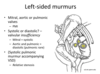
Left sided murmurs
80
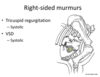
Right sided murmurs
81
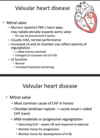
Mitral valve disease
82
Tricuspid valve disease
83
Aortic valve disease
Aortic valve
- exercising ECG if poor performance, cardiac remodelling (presence VPCs, HR for level exercise)
- 24 hour Holter
- Monitor for progression, esp moderate-severe AR
- monitor for development of arrhythmias
-- VPCs
-- A fib
84
Pulmonic valve disease
85
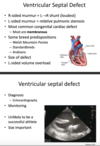
Ventricular Septal Defect
86
Lower respiratory tract poor performance
87
76% haemosiderophages
88
EIPH endoscopic grades
89
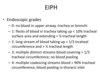
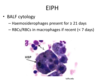
EIPH cytology
90
EIPH treatment
91
IAD
92
IAD diagnosis
93
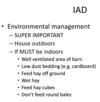
IAD environmental management
94
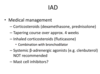
IAD medical management
95
Poor performance

96
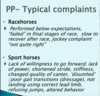
Poor performance typical complaints
97
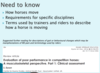
Need to know
98
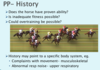
Poor performance history
99
Brief immediate post-race vet check

100
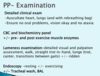
Poor performance exam
101
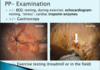
Poor performance examination optional diagnostic testing
102
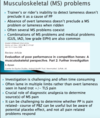
Musculoskeletal problems
103
Musculoskeletal examination
104
Scintigraphy

105
Serum muscle enzyme levels before and after exercise

106
Thoracolumbosacral region
107
Mgt and prognosis of musculoskeletal problems
108
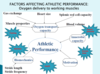
Factors affecting athletic performance
109
110
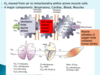
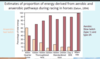
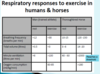
Determinants of oxygen delivery and consumption

111
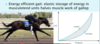
Energy efficient gait
112
113
114

115
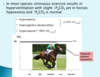
Respiratory disease

116
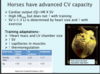
Horses CV capacity
117
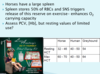
Spleen
118
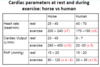
Cardiac parameters at rest and during exercise: horse v. human
119
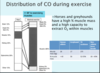
Distribution of CO during exercise
120
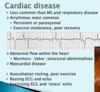
Cardiac disease
121
Training adaptations- Fitness

122
Effects of training on oxygen uptake
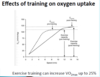
123
Muscle adaptation with training

124
Aerobic capacity
Can measure VO2max
yet difficult in
the field with very high flow rates in horses,
equipment not readily available
125
Simpler fitness testing
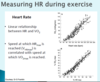
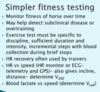
126
Measurement of HR during exercise
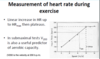
127
Factors that can effect HR

128
Indicator or aerobic capacity
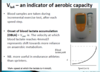
129
Overtraining
130
Keeping fit and healthy for the competitive season
131
Anhidrosis

132
Anhydrosis: signs and dx
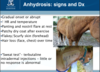
133
Anhidrosis management


Equine Semester 2
flashcards
Decks in class (8)
# Cards



