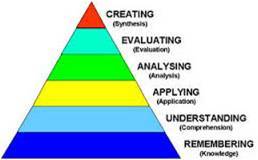
Bloom’s Taxonomy
Components of Diagnosis
Explanation
Prognostication
Therapy
H & P
HISTORY
Chief Complain History of present illness Past medical history Surgical history Family history Social history Sexual history Review of systems Allergies Medications
PHYSICAL
Physical exam Labs Imaging and other ancillary tests Assessment/Differential Diagnosis
AP & CP and subcategories
AP
Surgical Pathology, Cytology, Hematopathology, Autopsy
CP
Clinical Chemistry, Microbiology, Blood Bank/Transfusion/ Molecular and Genetic Pathology, Hematopathology
Why order tests
Routine
Preoperative
Monitoring
Diagnostic
Lab categories
Chemistry
Urinalysis
Microbiology
Hematology
Serology (antigen interaction)
Reference Range vs. Optimal Range
Reference range – “normal” that encompasses 95% of population; specific to the equipment
Optimal (health) range – therapeutic target associated with optimal health set by us
Analytic Variability vs. Intraindividual variability
Analytic Variability – variability due to equipment
Intraindividual variability – natural biological fluctuations
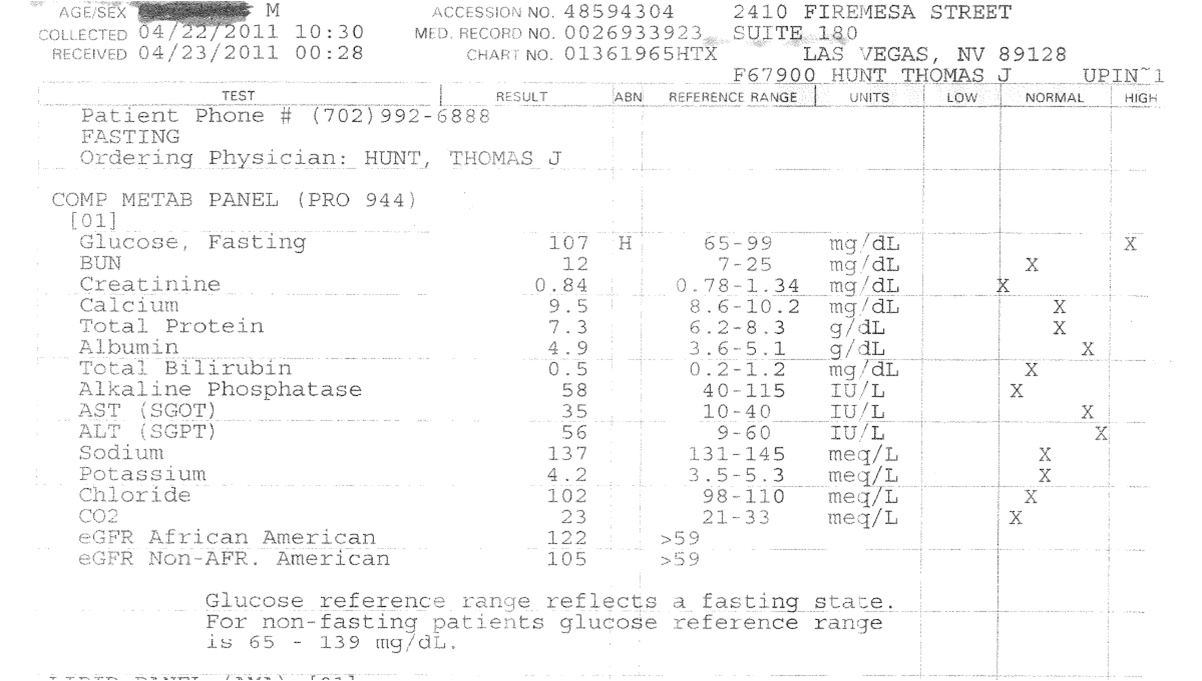
General Chemistry (lab) / CMP
Aka Chem20, Profile1, Chem7 Comprehensive Metabolic Panel (CMP)
Liver, kideny, electrolytes, lipids, and glucose test
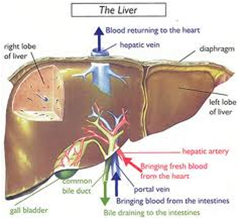
Liver function
- Synthesis and secretion of proteins Storage of energy (glycogen)
2 Metabolizes many drugs and toxins
- Transformation and Clearance (e.g. conjugation of bilirubin)
- Aids digestion (biliary system)
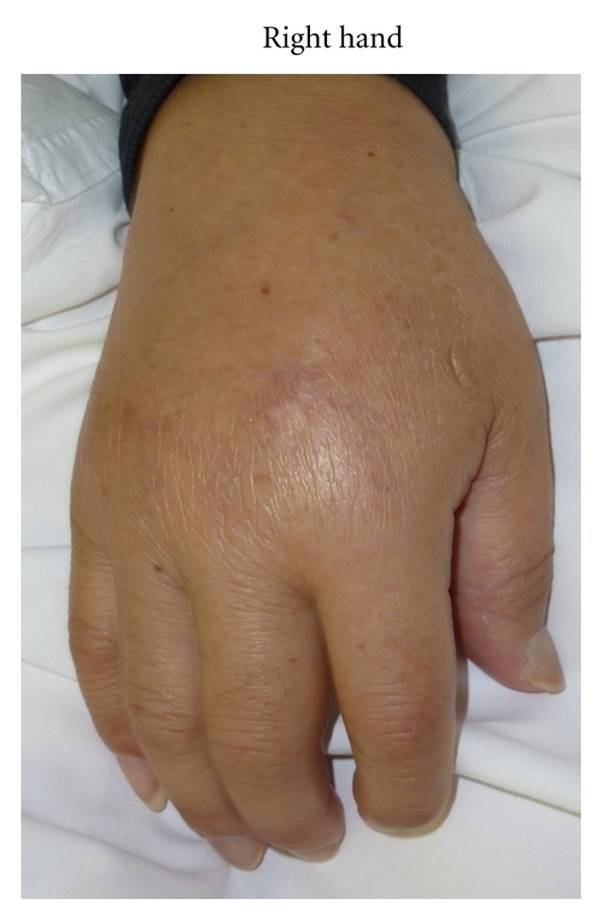
AST/ALT elevation
Hepatic injury or necrosis:
- viral hepatitis
- fatty liver
- toxins (including medications)
- strenuous exercise
What is the cause for uncojugated and conjugated bilirubin elevation?
Unconjugated: ELEVATED
- hemolysis
- kernicterus (destuction of baby’s blood)
- Crigler-Najjar syndrome (deficiency of conjugating enzyme)
- Gilbert’s disease (reduced activity of glucuronyltransferase)
Conjugated: ELEVATED
(due to obstruction)
- hepatitis,
- dubin-johnson syndrom (obstruction in secretion of conjugated form into bile)
- biliary obsturction (bile cannot flow into intestine)
Hemoglobim breakdown
Hemoglobim
heam
biliverdin
bilirubin (uncoj)
bilirubin (conj)
urobilinogen
stercobiliongen
Albumin function
- Main agent of intravascular osmotic pressure
- Serves in the transport of bilirubin, hormones, and metals, vitamins, and drugs
* making 150-250mg/kg/day
Albumin increas and decrease
INCREASE:
- Dehydration Decrease:
DECREASE (synthesis):
- End-stage liver disease
- intestinal malabsorption syndromes
- protein malnutrition e.g.
DECREASE (loss):
- nephrotic syndrome
Globulin function composition and test for the level
COMPOSITION
Serum proteins including carrier proteins
Enzymes
Complement
TEST
immunoglobulins serum electrophoresis
Kideny function
Filters 200L & removes 2L
Produces Erythropoeitin
Produces Renin
Produces Vit D
Kidney tests
- Blood Urea Nitrogen (BUN) – measures breakdown of proteins
- Creatinine – breakdown product of creatine in muscles
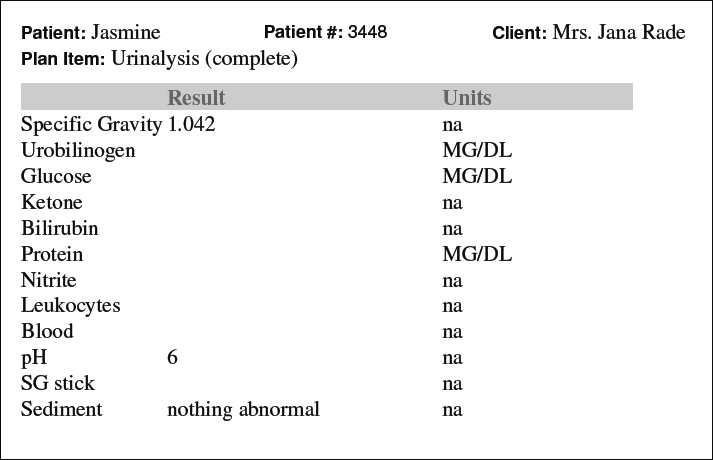
- Urinalysis (physical, chemical e.g. glucose, bilirubin, protein, leukocyte, pH, specific gravity, and microscopic examination)
Blood in urine symptom
Urinary Bladder Cancer
Heart tests
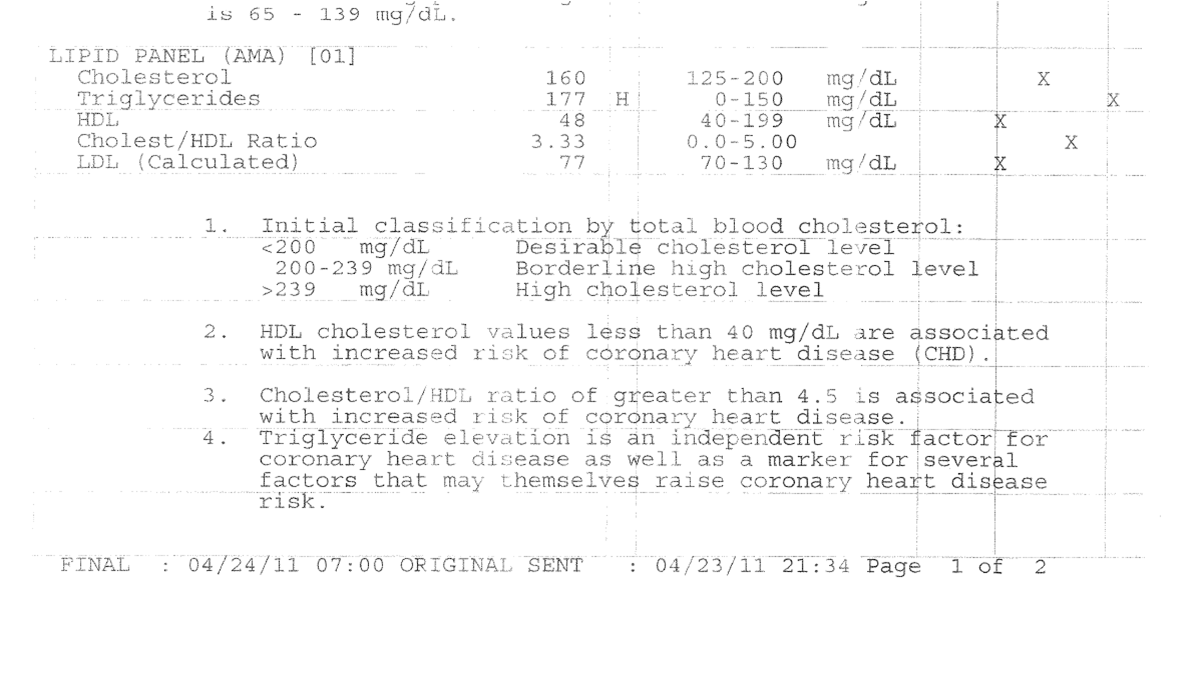
- Lipid Panel (possible blockage - artheroschlerosis)
- Beta Natriuretic Protein (released when heart stretches)
- Troponins (damage to muscle)
Brain tests
Lumbar puncture: protein, glucose, cell differential, culture, blood
Lungs tests
Arterial Blood Gas (ABG) pH, O2, CO2
Endocrine tests
Hemoglobin
A1c
TSH
FSH
LH
PTH
Testosterone
Estrogen *
Osler’s Rule
Correlate all abnormalities into a single plausible explanation



-
Week 1 Random138
-
Week 2 Human Behavior4
-
Week 1 Human Behavior26
-
Week 2 Disease Presentations19
-
Week 2 Case53
-
Week 2 Random143
-
Week 2 Images26
-
Week 2 Ethics9
-
Week 3 Case25
-
Week 3 Random150
-
Week 3 Disease Presentations19
-
Week 3 Images15
-
Week 3 Human Behavior32
-
Week 4 Case26
-
Week 4 Random61
-
Week 4 Human Behavior17
-
Week 4 Disease Presentation6
-
Week 4 Ethics10
-
Week 5 Case11
-
Week 5 Random163
-
Week 5 Human Behavior25
-
Week 6 Random179
-
Week 7 Random218
-
Week 8 Random40
-
Week 91



