Abnormal gait/ posture Flashcards

(99 cards)

1
Q

Likely causes of limp in a child aged 3-5 years?

A

Acute: NAI, transient synovitis, Henoch-Schonlein purpura, toddler’s fracture

Chronic: DDH, juvenille idiopathic arthritis, cerebral palsy, leg length asymmetry

2
Q

Likely cause of limp in a child aged 5-11?

A

Acute: myositis, transient synovitis

Chronic: Perthe’s disease, leukaemia, juvenile idiopathic arthritis, dermatomyositis, rheumatic fever

3
Q

Likely cause of a limp in a child aged 12-17?

A

Acute: sprain, tendonitis

Acute or chronic: slipped upper femoral epiphysis

Chronic: Osgood Schlatter disease, scoliosis, IBD causing enthesis-related juveline idiopathic arthritis, SLE, tumour

4
Q

Causes of limp in a child of any age

A

Acute: fracture, septic arthritis, reactive arthritis, rehumatic fever, haemarthrosis

Acute/ chronic: osteomyelitis

Chronic: poorly fitting shoes, TB arthritis

5
Q

How can the pain of transient synovitis and the pain of spetic arthritis be differentiated?

A

Septic arthritis = pain with minimal movement

Transient synovitis = pain at the extremes of movement

6
Q

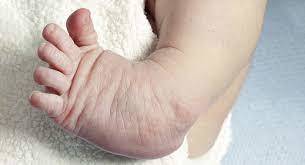
What is talipes?

A

AKA club foot

Abnormalities of the ankle and foot - present at birth

  1. Talipes equinovarus: fixed abnormality that restricts active and passive movement at the ankle
  2. Positional talipes: passive movement is normal
7
Q

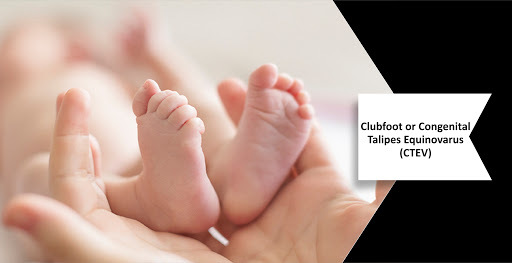
Talipes equinovarus

A

1/1000 births

50% bilateral

Boys: girls 2:1

Fixed adduction of the talonavicular joint and inversion of the subtalar joint

Diagnosis: foot fixed in plantar flexion with the sole facing inwards with active and passive movement restricted

Management: stretches, serial plaster casts, surgery to Achilles tendon/ ligaments/ bones in some cases
8
Q

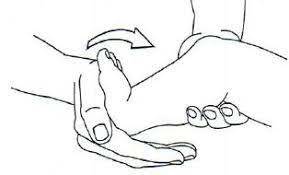
Positional talipes

A

Same appearance as talipes equinovarus but the foot is not fixe in position

15/1000 neonates

Caused by lack of space in utero

Self correcting but regular stretching exercises help
9
Q

When is DDH assessed for?

A

Hips checked within 72hrs birth

10
Q

DDH risk factors

A
  • DDH in 1st degree relative
  • Breech
  • Female
  • 1st born
  • Oligohydramnios
11
Q

Which hip is most commonly affected in DDH?

A

Left

80% cases are unilateral

12
Q

Clinical features of DDH

A

Click or clunk of hip felt when hips are examined

13
Q

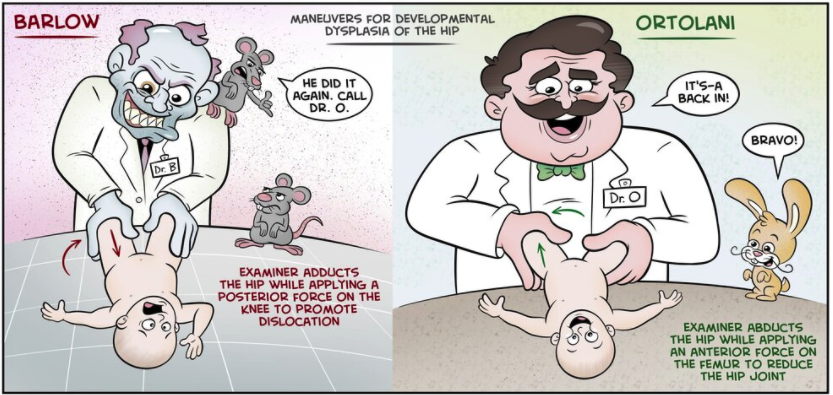
Barlow’s manoeuvre

A

Examiner adducts the hip while applying a posterior force on the knee to promote dislocation

This is the 1st DDH manoeuvre done, followed by Ortolani’s

Positive finding = pop when applying posterior force on knee
14
Q

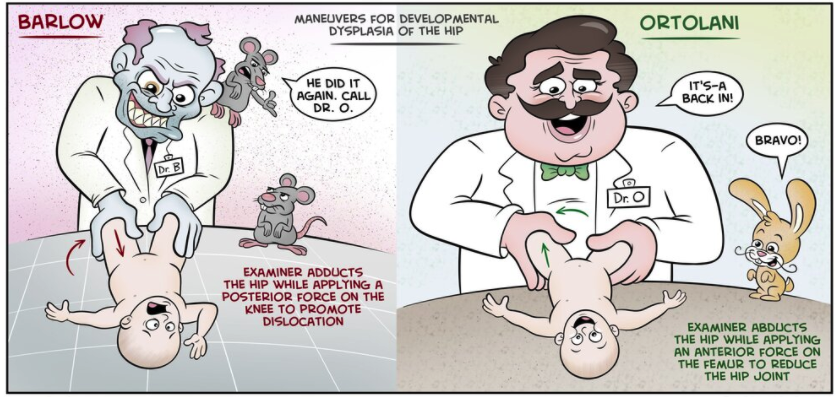
Ortolani’s manoeuvre

A

Examiner abducts the hip while applying an anterior force of the femur to reduce the hip joint

A positive finding is a clunk as the femoral head reloactes

The opposite movements of Barlow’s
15
Q

If DDH not diagnosed at birth, how does it present?

A
  • Birth - 3 months: + finding on Ortolani’s or Barlow’s test/ asymmetry of leg creases
  • 3 months - 1 year: limited hip adduction/ leg length discrepancy/ asymmetry of leg creases
  • Mobile child: limp, excessive lumbar lordosis, waddling gait
16
Q

Diagnosis of DDH

A
  • US of the hip is carried out to confirm the diagnosis when suspected following clinical examination
  • US scans for babies with risk factors even if examination normal
  • If DDH is suspected in a child >6 months, an x-ray is carried out because ossification allows for the femoral head to be seen
  • Shenton’s line is disrupted in DDH
17
Q

Management of DDH

A
  • Pavlik’s harness - prevents hip extension and adduction, enabling the hip to develop normally
  • Surgery needed if the harness doesn’t work or if the child presents after 6 months of age
  • Prognosis is excellent providing early treatment
  • If children present after the femoral head is out of the acetabulum, complex orthopaedic surgery is needed
18
Q

Achondroplasia

A
  • Formation of abnormal cartilage resulting in short stature and other skeletal abnormalities
  • 1/25,000 live births affected
  • Caused by mutation in fibroblast growth factor receptor gene FGFR3
  • Autosomal dominant
  • 75% of cases are sporadic
19
Q

What are the clinical features of achondroplasia?

A

Head and face: large head, mid facial hypoplasia, large forehead, occipital bossing, flat/ wide nasal bridge, prominent jaw, crowded teeth

Body and limbs: short arms and legs, short fingers, short stature, lumbar lordosis and kyphosis, bowing of legs, flexible joints, decreased muscle tone, bulky arms and legs

20
Q

Diagnosis of achondroplasia

A
  • Suspected on antenatal USS
  • Genetic testing confirms diagnosis
  • Skeletal survey to assess the exact cause of dwarfism
21
Q

Management of achondroplasia

A
  • Specific growth charts for children with achondroplasia
  • Regular monitoring for common complications that are associated: joint pain, otitis media, spinal cord compression, hydrocephalus
  • 2x risk of death that normal population (all ages)
22
Q

Osteogenesis imperfecta

A
  • Skeletal dysplasia
  • Abnormalities in type 1 collagen which is a component of bone, ligament and sclera
  • 8 different types, most common types are 1-5
  • Usually inherited but 35% are sporadic mutations
  • 1/20,000 live births

Type 1 is the most common - it involves the production of normal collagen but

23
Q

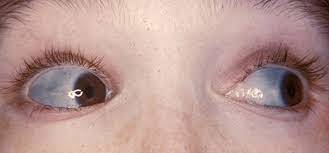
What colour is the sclera of patients with osteogenesis imperfecta?

A

Bue

24
Q

Types of osteogenesis imperfecta and their clinical features

A
  • Normal collagen but not enough, mild condition, fractures, minimal deformity, hearing loss and blue sclera
  • Abnormal collagen and not enough, lethal, most babies die in antenatal or newborn period, blue sclera
  • Defective collagen, inadequate amount, severe condition, fractures from birth, severe bone deformity, blue sclera at birth, dentinogenesis imperfecta, hearing loss
  • Defective collagen, adequate amount, moderate/ mild condition, age of fractures varies, may have dentinogenesis imperfecta, white/grey sclera
25
Clinical features of osteogenesis imperfecta:
* Head and face: basilar skull deformities - compress nerves and cause deafness, Wormian bones, blue sclera, discoloured and weak teeth * Body and limbs: short stature, scoliosis, increased laxity of ligaments and skin, bowing and deformity of long bones due to healed fractures
26
What are Wormian bones?
Wormian bones, also known as intrasutural bones or sutural bones, are extra bone pieces that can occur within a suture (joint) in the skull
27
Diagnosis of osteogenesis imperfecta
* Based on clinical findings * Confirmed by genetic testing * \*can be mistaken for NAI\*
28
Management of osteogeneis imperfecta
* Aim is to prevent deformities caused by fractures * Splinting for fractures * Avoiding injury * Low impact exercise e.g. swimming to strengthen muscle and bone * Oral bisphosphonates for severe cases
29
Prognosis of osteogeneis imperfecta
Prognosis depends on the type * Hearing loss common in type 1 & 3 * Type 1 - normal life expectancy * Type 5 - slight reduction in life expectancy * Type 2 - still born or die after birth * Type 3 - many die in adulthood
30
Most common type of arthritis seen in children\>
Acute = reactive Chronic = juvenile idiopathic arthritis
31
Juvenile idiopathic arthritis
* Arthritis starting before the age of 16, lasting \>3 months * 1/1000 * Autoimmune disease - the immune system attacks the lining of the synovial joints * Classification depends on the joints affected * Systemic onset juvenile idiopathic arthritis - systemic symptoms but minimal joint involvement * Oligoarthritis - up to 4 joints affected * Polyarthritis - 5 or more joints affected **Clinical features** * Pain, redness and swelling in one or more joints * Affected joint feels warm * Morning stiffness is typical * May initially present with systemic features e.g. swinging fever, macular rash, organomegaly and pericarditis
32
Enthesitis-related arthritis
Autoimmune disease that causes pain and swelling in the joints and the points where tendons and ligaments attach to bone (entheses) * Associated with HLA-B27 surface antigen which is present in 8% of Caucasians and the chance that a patient with the HLA-B27 surface antigen will develop arthritis or eye disease is 1/4 * HLA-B27 plays a role in immunity and is strongly associated with inflammatory disease
33
Management of juvenile arthritis
* Aim is to maintain joint function and reduce pain, inflammation and deformity * Many children go into remission * Regular exercise is imperative * Night splints to keep joints in a comfortable position and to prevent contractures or deformity **Medication** * Mainly NSAIDs * Immunosuppressants used to induce remission and minimise damage * Methotrexate - DMARD * Corticosteroid injections into the joint * Systemic oral steroids * Biologics such as TNF-a inhibitors * Uveitis treated with antimuscarinic eye drops
34
Prognosis of juveline arthritis
* 30% will have disease into adulthood * Joint replacement surgery in young adults is sometimes needed due to damage
35
Reactive arthritis
* Lasts \<6 weeks * Develops in response to an infection in another part of the body * Usually due to an upper respiratory tract infection * Most common between the ages of 2 - 10 **Clinical features** * Pain, redness, swelling * Pain may reduce range of joint movement * Child is not systemically unwell **Diagnosis** * Usually clinical diagnosis * Bloods may show increased inflammatory markers **Management** * Rest and pain relief * Resolves within a few days
36
Septic arthritis
* Infection of joint space caused by bacteria * The bacteria reach the joint via the blood * 75% of cases are caused by staph aureus * Commonly affects the hip and knee **Clinical features** * Usually systemically unwell * High temperature * Red, hot, swollen joint * Pain on _slightest movement_ **Diagnosis** * Bloods: increased CRP and ESR * Cultures: show causative organism * USS: joint effusion **Management** * Septic arthritis is a medical emergency * Urgent aspiration needed followed by irrigation and IV antibiotics * Aspirated fluid sent for microscopy, culture and sensitivity * IV antibiotics guided by result of culture are continued for \>3 weeks Prognosis is good if treatment prompt, permanent damage to joint if not
37
Osteomyelitis
* Bone infection usually occurring at the metaphysis of long bones * Occurs either due to bacteria in the blood or trauma allowing bacteria into the bone * Infection doesn’t usually reach the joint space because of the epiphyseal plate * In children under the age of 2 the infection can spread from bone to joint or from joint to bone because the growth plate is immature **Clinical features** * Systemic features e.g. fever * Localised swelling and erythema of the skin * Extreme tenderness over area of bone affected **Diagnosis** * Bloods: inflammatory markers * Blood cultures: causative organism * X-ray may show bone abnormality but are often normal early on **Management** * IV antibiotics * If no improvement within 48hrs surgical debridement needed * Antibiotics continued for 4+ weeks to ensure adequate treatment **Prognosis** * Good if treated promptly * If the epiphyseal plate is involved there is risk of growth arrest of the limb affected
38
Perthe's disease
Classic presentation is 5-8 year old male with a painless limp * Lack of blood supply to the epiphysis of the femoral head causing _avascular necrosis_ and a loss in bone mass and deformation of the femoral head * 1/100,000 children * Typically presents aged 4-10 * Most commonly unilateral * Boys: girls 5:1 Clinical features * Presents with painless limp or mild intermittent hip and referred knee pain * Affected hip has reduced abduction or internal rotation * May be quadriceps wasting **Diagnosis** * X-ray shows flattened femoral head with increased bone density **Management** * To keep the femoral head within the acetabulum: cast, braces * If less than 6 years: observation * Older: surgical management with moderate results * Operate on severe deformities * Enable revascularisation and reossification of the femoral head * To allow for the above, the femoral head has to be kept in the acetabulum either by mechanical appliances or surgical osteotomy
39
Slipped upper femoral epiphysis
* Diagnosed when the femoral epiphysis slips posteroinferiorly at the level of the growth plate (20% = bilateral) * Cause is unknown * Occurs around adolescence * Associated with **hypothyroidism and obesity** * Mainly affects male children aged 10-15 * Causes hip/ groin/ thigh/ knee pain and loss of internal rotation **Diagnosis** * X-ray confirms displacement **Management** * Requires early surgery to correct * Screw fixation of the epiphysis - single cannulated screw placed in the centre of epiphysis
40
Osgood-Schlatter disease
* Pain and swelling of tibial tuberosity at the site of insertion of the patellar ligament * Thought to be due to multiple microavulsion fractures of the tuberosity before the fusion of the tibial growth plate * More common in active children aged 10-16 * Affects 10-15% of athletic adolescents * Bilateral in 15-20% Clinical features * Presents with knee pain after running etc * Localised point tenderness and a lump over the tibial tuberosity due to new bone being laid down over the avulsion * Full range of movement of knee **Diagnosis** * Clinical but x-ray usually done to exclude other diagnoses * Lateral view x-ray usually shows irregular ossification of the tibial tubercle and soft tissue swelling **Management** * Self limiting condition * Rest, analgesia, sometimes bracing
41
Scoliosis
* **Structural scoliosis =** curvature of the spine of standing and a rip hump on bending forwards. Elevated shoulder on the convex side and apparent unequal leg length * **Postural scoliosis** = curvature on standing but no rib hump when bending forwards * Idiopathic scoliosis affects about 3% of children, mostly girls, during pubertal growth spurt * Family hx in 30% of cases * Diagnosis confirmed by x-ray **Management** * Regular monitoring every 6-12 months * Treatment - bracing or casting * If severe, surgery to insert spinal rods or vertebral fusion * 10% of teenagers require intervention
42
Transient synovitis
Typical age group = 2-10 years Acute hip pain associated with viral infection Commonest cause of hip pain in children A low-grade fever is present in a minority of patients but high fever should raise the suspicion of other causes such as septic arthritis Transient synovitis is self-limiting, requiring only rest and analgesia
43
Why is creatine kinase measured in boys with delayed walking?
Muscular dystrophy causes raised CK
44
When are children susceptible to congenital abnormalities of the CNS?
Occur as a result of insults to the foetus at any time up to 20 weeks gestation
45
Most common congenital anomalies of the CNS
* Most common are neural tube defects and hydrocephalus * In Europe around 9/10,000 children are born with neural tube defects * Congenital anomalies of the CNS are usually detected during antenatal scans
46
Neural tube defects
Caused by incomplete fusion of neural folds, can affect the brain or the spine * Spinal cord is affected in 1.8 per 10,000 births * Brain is affected in 0.5 per 10,000 births Types: * - Spina bifida * - Myelomeningocele * - Meningocele * - Encephalocele
47
What is a myelomeningocele?
Occurs in the spine, involves the meninges and spinal tissue and is the most common neural tube defect. Classed as a severe form of spina bifida, comprises 50% of spina bifida cases Myelo = spinal cord Meninges = meninges * Visible at birth as a sac not covered with skin anywhere along the spinal cord * 80% of cases occur in the lumbosacral area * The sac may leak CSF * Damage to the spinal nerves occurs during utero so neonates usually have weakness or paralysis in both limbs with talipes (club foot) * Loss of sensation of the lower limbs and around the perineum * 90% of babies also have hydrocephalus - this usually becomes apparent after the spinal lesion is closed * Many children have an associated Chiari malformation which is downward displacement of the cerebellum through the foramen magnum
48
What is a meningocele?
Herniation of the meninges through a defect Comprises 10% spina bifida cases
49
Encephalocele
Herniation of brain tissue through a skull defect, posterior encephaloceles are most common and most are occipital If they occur below the brain tentorium they are associated with severe cerebellar defects e.g. Chiari malformation
50
Anencephaly
Failure of development of part of the skull and brain, affects 0.1/10,000 live births and is incompatible with life. Up to 75% are stillborn with the remainder dying shortly after
51
What is a major cause of neural tube defects?
Maternal folic acid deficiency in the first month of pregnancy. Other risk factors include a family hx and use of antiepileptic medication
52
Clinical features of neural tube defects
* Depends on the size of the lesion - the higher the lesion and more nerve tissue involvement the greater the impairment * Most children with a neural tube defect have some difficulty with bowel function and bladder control
53
Diagnosis and management of neural tube defects
**Diagnosis** * Diagnosed on clinical appearance either antenatally or at birth * Foetal MRI can be used for further assessment * Cranial USS can be used to assess hydrocephalus **Management** * Require surgical correction * Open defects need to be closed asap because of risk of infection * At birth the lesion is covered with a sterile dressing and antibiotics are given * Surgery done within 48hrs * Further surgery may be needed to correct other complications later on * Regular USS monitoring of the renal tract is needed to manage any neurological bladder issues * Intermittent cathertisation several times a day if there is retention **Prognosis of neural tube defects** * Depends on site and severity * Lower limb paralysis usually leads to wheelchair use * Other children may walk with crutches or braces * Children with encephalocele likely to have spastic weakness of all four limbs, uncoordinated muscle movements, delayed milestone, visual problems and seizures
54
Hydrocephalus
Excessive accumulation of CSF in the cerebral ventricles * Where is CSF produced? Ependymal cells of the choroid plexus in the ventricles * CSF circulates in the ventricles and subarachnoid space and around the spinal cord * Reabsorbed by the arachnoid granulations into the dural venous sinuses * Two categories of hydrocephalus depending on how it develops * Communicating hydrocephalus: build up of CSF is due to excessive production or reduced absorption * Non-communicating hydrocephalus: CSF accumulates because its outflow from the ventricles is blocked
55
Clinical features of hydrocephalus
* Depends on whether the fontanelle has closed and therefore depends on the age of the child * In a baby the first sign may be a rapidly increasing head size with separation of the sutures , later signs include vomiting, lethargy, dilated scalp veins and sunset eyes * In a child older than 1, the sutures have fused so they exhibit signs and symptoms of those seen in raised intracranial pressure
56
Diagnosis of hydrocephalus
* If congenital, usually detected on antenatal USS * First investigation is cranial USS through the fontanelle * In older children, if the fontanelle is fused, CT or MRI is needed
57
Management of hydrocephalus
* Aim is to reduce intracranial pressure * This involves the surgical insertion of a ventriculoperitoneal shunt in children outside of the neonatal period. The shunt drains fluid from the ventricles into the peritoneum * In post-haemorrhagic hydrocephalus in pre-term babies, a reservoir is placed under the scalp. This enables CSF to be removed daily using a needle while waiting for blood clots blocking CSF drainage to degrade
58
What is Chiari malformation?
Downward displacement of the cerebellar tonsils through the foramen magnum. Graded in severity from 1-4
59
Which type of pathogen usually causes encephalitis?
Viruses
60
Most common cause of bacterial meningitis in neonates and infants? (0-12 months)
Group B strep
61
Most common cause of bacterial meningitis in older children (1-teenage years)?
Neisseria meningitidis type B
62
Most common viral cause of encephalitis?
Herpes simplex
63
Most common viral cause of meningitis?
Enteroviruses
64
Clinical features of CNS infecrions in children
* Early identification is tricky because signs and symptoms are vague and similar to viral illnesses * A tense, bulging fontanelle in a child \<1, photophobia, stiff neck and headache all raise suspicion of meningitis * Encephalitis may include fever, vomiting and headache followed by neurological signs
65
Diagnosis of CNS infection in children
* Antibiotic treatment is started on clinical suspicion alone - don't wait * Bloods: in bacterial meningitis a FBC may show neutrophilia, CRP may be increased nut can be normal within the first 12hrs. Blood sample for culture is essential, ideally before antibiotics * In encephalitis inflammatory markers may not be very high but FBC usually shows leucocytosis * Lumbar puncture: levels of protein and glucose and WCC determine whether an infection is present and whether it is bacterial or viral * Imaging: if the patient has reduced consciousness a CT scan is needed to assess ICP and to exclude other causes * In encephalitis CT may show signs of cerebral oedema and inflammation - especially in the temporal lobes
66
What are the contraindications for a lumbar puncture?
Septic shock, signs of increased ICP or coagulopathy, bradycardia and HTN
67
Management of CNS infections in children
* ABC and treatment of septic shock * Broad spectrum antibiotics - usually a 3rd generation cephalosporin started asap * If encephalitis is suspected, aciclovir is added * If the meningitis is due to H.influenzae, a course of dexamethasone has been shown to reduce rate of sensorineural hearing loss
68
Prognosis following CNS infection in children
* Prognosis depends on pathogen and severity * 10% mortality in bacterial meningitis * Most children with viral meningitis recover fully
69
What is cerebral palsy?
Group of disorders that affects movement, posture and coordination resulting from an insult to the developing brain
70
Epidemiology and aetiology of cerebral palsy
2-3/1000 Cause often unknown Most insults occur during antenatal period: intrauterine infection, brain malformation, placental insufficiency, twin pregnancy Fale belief: hypoxia causes most cases of cerbral palsy... not the case, hypoxia only accounts for a small number
71
3 types of cerebral palsy
1. Spastic type: 75-80% - persistent increase in muscle tone, UMN signs with hyper-reflexia 2. Dyskinetic cerebral palsy: 15% - involuntary movements and variable tone 3. Ataxic type: 4% - unsteadiness, poor spatial awareness Many children have associated problems.e.g learning difficulty, vision + hearing loss, oro-motor dysfunction (cannot control facial/ neck muscles)
72
How is a diagnosis of cerebral palsy made?
Often clinical, not usually possible to tell a child has CP until infancy or early childhood Brain MRI to look for cause Hearing test Swallow test
73
Management of cerebral palsy
Tailored to individual ## Footnote · Physiotherapy to optimise mobility · Some require wheelchairs · Speech and language therapy · Gastrostomy if child unable to feed · Injections of botulinum toxin or oral baclofen to reduce spasticity · Melatonin for sleeping difficulty · Anticonvulsant for epilepsy · Surgery: secondary MSK disorders can occur due to spasticity, scoliosis and hip dislocation, lengthening ankle tendon may help with walking · Surgical rhizotomy: dividing of sensory nerve fibres at the roots running from the muscles to spinal cord reduces spasticity and improves walking
74
What is ataxia?
Disorder characterised by uncoordinated movements with an unsteady gait, clumsiness and poor balance · Most common cause in children is acute cerebellar ataxia occurring within 3 weeks of a viral febrile illness, most commonly chickenpox
75
What is acute cerebellar ataxia?
Occurs when cerebellum is inflamed or damaged Condition in children that causes uncoordinated muscle movement due to disease or injury to the cerebellum Most cases resolve without specific treatment
76
Causes of ataxia
· Infectious · Post infectious · Migraine-related · Toxin-related · Neoplastic · Hereditary Can be acute and self limiting or chronic - acute onset ataxia is most common, chronic or intermittent ataxia is more sinister and can be caused by cerebellar tumours and hereditary conditions
77
Clinical features of acute ataxia
**Acute cerebellar ataxia** · Usually caused by a viral febrile illness · Gait and coordination problems · No fever or meningism · Normal power and deep tendon reflexes **Labyrinthitis** · Usually caused by viral or bacterial otitis media · Otalgia/ ear pain · Symptoms of ear infection · Hearing loss · Vomiting · Normal tone, power and reflexes · Guillain-Barré · Viral/ bacterial respiratory or GI infection · Pain or refusal to walk · Progressive ascending weakness · Diminished or absent reflexes · Sensation usually preserved · Lumbar puncture shows high protein with low WCC **Toxin ingestion/ exposure** · Ingestion of alcohol, anticonvulsants, lead, carbon monoxide · Lethargy · Confusion · Vomiting · Normal tone, power and reflexes
78
Friedreiche's ataxia
* Autosomal recessive due to defect in FXN gene (codes for frataxin protein) * 1/50,000 * Age of presentation 8-15yrs * Claw foot, clumsy gait, loss of postural and vibratory sensation, impaired tendon reflexes, optic atrophy, cardiomyopathy, impaired speech Usually starts with with loss of sensation in arms and legs Symptoms worsen over time
79
What is ataxia telangiectasia?
• Autosomal recessive Affects around 180 chldren in the UK (12.7 million children in the UK total) * 1/100,000 * Age of presentation: \<5yrs * Increasing cerebellar ataxia, small veins over the eyes and face, impaired immunity, predisposed to malignancy, delayed walking, decreasoing mental development, discolouration of skin areas exposed to sun Patients with Ataxia Telangiectasia (AT) have a mean life expectancy of twenty five years reflecting increased susceptibility to leukaemia, lymphoma, pulmonary infection, chronic lung disease and neurological decline including significant problems with swallowing. They experience severe ataxia limiting mobility and the ability to self-care Main characteristic = cerebellar degeneration + telangiectasia
80
Management of ataxia in children
· Guillain Barré syndrome - patients need intensive care due to respiratory muscle weakness · Hereditary ataxias (Friedrich's + telangiectasia) require specialist input and cure is rarely possible
81
Prognosis of ataxia in children
· Common causes of ataxia are usually self limiting - recovery from labyrinthitis and acute cerebellar ataxia expected within days to weeks · Most children with Guillain-Barré make full recovery but can take a long time · Hereditary conditions carry high morbidity and mortality
82
What are neuromuscular disorders?
· Affect the lower motor neurones and muscles and are classified according to the site within the peripheral nervous system · Children present with floppy weakness and delayed motor milestones · Muscular dystrophy · Spinal muscular atrophy · Myasthenia gravis
83
What is muscular dystrophy?
· Muscle weakness occurs due to _abnormalities in muscle fibre structure_ · Genetic conditions · Inherited in an x-linked manner so _affect boys only_ · Defect leads to _impaired formation of the protein dystrophin_ which is part of a protein complex which is needed to strengthen the structural framework of myocytes · Dystrophin is needed to reduce damage during muscle contraction · Duchenne's muscular dystrophy: little or no dystrophin is made, affects 1/3500 males · Becker's muscular dystrophy: dystrophin is made but its faulty, affects 1/17000 males
84
Clinical feature of Duchenne's muscular dystrophy
Onset: 2-3yrs Symptoms: delayed motor milestones, waddling gait, Gower's sign, pseudohypertophy of calf muscles Respiratory failure due to muscle wasting and scoliosis Cardiac: cardiomyopathy Orthopaedic: progressive scoliosis Cognitive: mild impairment
85
Clinical features of Becker's muscular dystophy
Onset: teenage years Difficulty climbing stairs, difficulty running, proximal muscle wasing, pseudohypertrophy of calf muscles, less marked resp. symptoms compared to Duchenne, symptomatic cardiomyopathy early in diagnosis Orthopaedic: lesser degree of scoliosis, joint contractures Higher incidence of learning difficulty than general population
86
Why does pseudohypertrophy of calf muscles occur in muscular dystrophy?
Muscular atrophy with subsequent overgrowth of fatty and fibrous tissue
87
Diagnosis, management and prognosis of muscular dystrophy
**Diagnosis** · Measurement of serum CK: markedly increased in muscular dystrophy · Most cases are confirmed with genetic testing · Muscle biopsy to determine gene responsible **Management** · No cure so management is supportive · Physiotherapy · Steroids can delay need for wheelchair · Later life focus is on respiratory muscles · Cardiac monitoring to detect cardiomyopathy **Prognosis** · Duchenne: most patient need a wheelchair by early teens and die from respiratory complications in their mid 20s · Prognosis for Becker's is better: most are able to walk until the age of 16 and are able to walk with aids into their 20s, death usually due to cardiac complications
88
What is spinal muscular atrophy?
· Muscle weakness is as a result of a peripheral motor neurone disease affecting the anterior horn cells · Autosomal recessive usually caused by a deletion on chromosome 5 · Can be x-linked
89
Types of spinal muscular atrophy
**4 types** Type 1 = most common: Werdnig Hoffman disease, presents \<6months Type 2: onset 6-18 months Type 3: \>12 months Type 4: 30yrs +
90
Diagnosis, management and prognosis of spinal muscular atrophy
· In spinal muscular atrophy CK is normal or only slightly raised · Electromyography shows diminished signals · Muscle biopsy shows muscle atrophy **Management** · Supportive Recent updates: sprinraza and zolgensma available on NHS **Prognosis** · Babies with type 1 usually die from resp failure before their first birthday · Type 2: survive into early adulthood · Type 3: normal lifespan but can only walk into late teens
91
What is myasthenia gravis?
**Variable muscle weakness characterised by fatiguability** · Autoimmune caused by circulating antibodies that block/ alter/ destroy postsynaptic Ach receptors at the NMJ · Incidence highest in Afro-Caribbean women · Transient myasthenia can occur as antibodies can cross placenta
92
Clinical features of myasthenia gravis
· Muscle weakness marked around eyes and eyelids - ptosis and squint · Facial weakness · Proximal limb muscles and trunk affected · Child becomes weaker over the course of the day · Weakness subsides after a period of rest
93
Diagnosis, management and prognosis of myasthenia gravis
**Diagnosis** · Clinical + bloods showing presence of anticholinesterase antibodies **Management** · Anticholinesterase inhibitors : edrophonium · Steroids and immunosuppressants needed in some **Prognosis:** · Symptoms relapse and remit but generally get more sporadic as time goes on · Myasthenic crisis: respiratory muscles suddenly become very weak, triggered by stress, illness, surgery and medications - 5% mortality
94
What are neurocutaneous syndromes?
**Disorders of the CNS that are associated with typical skin lesions and the growth of tumours** Examination of the skin is essential in children presenting after having a seizure because seizures can be the first sign of a neurocutaneous syndrome **Most common:** · Neurofibromatosis type 1 and 2 - autosomal dominant · Tuberous sclerosis - autosomal dominant · Encephalotrigeminal angiomatosis (Sturge-Weber syndrome) - sporadic · Ataxia telangiectasia - autosomal recessive Some are inherited, some occur sporadically
95
Neurofibromatosis
Type 1 = 1 90% of cases, diagnosis required at least 2 of the following · Hx in 1st degree relative · Six or more café au lait spots · Two or more neurofibromas · Axillary or inguinal freckling · Two or more iris hamartomas · Optic nerve glioma · Bony lesions **The fibromas are benign but may cause serious damage by compressing nerves and other tissues** · Increased risk of epilepsy, learning difficulties, scoliosis, osteoporosis and hypertension due to renal artery stenosis
96
Management of neuroibromatosis
* a detailed skin examination to check for new plexiform neurofibromas – older children may also be monitored for neurofibromas * a vision test and an examination of both eyes * a bone assessment to check for problems such as curvature of the spine (scoliosis) or poorly healed bone fractures * behavioural assessments * blood pressure measurement * measuring their physical development * assessing their progress at school – abilities in activities such as reading, writing, problem solving and comprehension
97
Tuberous sclerosis
Formation of hamartomas (benign tumours formed from normal tissue + cells from surrounding area) in organs including the brain · 1/6000 live births · Skin lesions include depigmented ash leaf macules and adenoma sebaceum which looks like acne in a pre-pubertal child · 50% will have learning difficulties and epilepsy
98
Management of tuberous sclerosis
Monitoring: scan for tumours, ECG, skin and eye examinations, BP measurement, questions re childs behaviour and development Epilepsy: very common feature of TS, AEDs given + surgery to remove tumours Behavioural support Skin problems: laser therapy, mTOR cream Cardiac and renal tumours: rarely need treating Lung tumours: mTOR inhibitors, surgery to treat lung collapse, lung transplant in sevre cases Eyes: usually surveillance as tumours do not often grow big enough to affect vision
99