1
Q
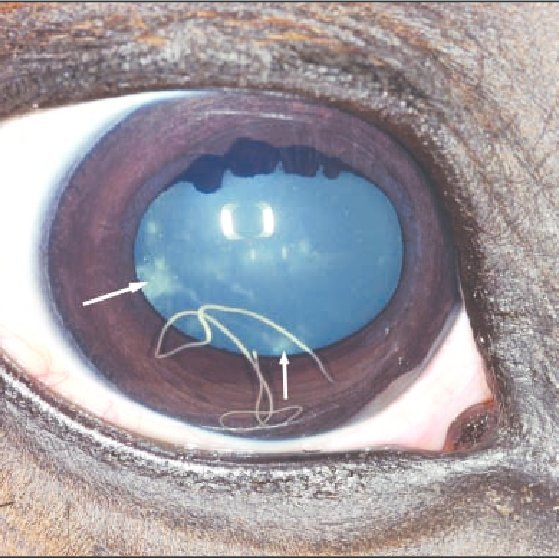
Parelaphostrongylus tenuis
A
- Parelaphostrongylus tenuis is a neurotropic nematode parasite common to white-tailed deer, Odocoileus virginianus, which causes damage to the central nervous system
- The meningeal worm (Parelaphostrongylus tenuis), also known as the deer worm or meningeal deer worm, frequently infects llamas and alpacas.
- The definitive host is the white-tailed deer, but llamas and alpacas are aberrant hosts and typically display neurologic signs that may include hypermetria, ataxia, stiffness, muscle weakness, posterior paresis, paralysis, arching neck, and circling.
- Clinical signs generally begin in the hind limbs and progress to the front limbs. The course of disease is variable.
2
Q
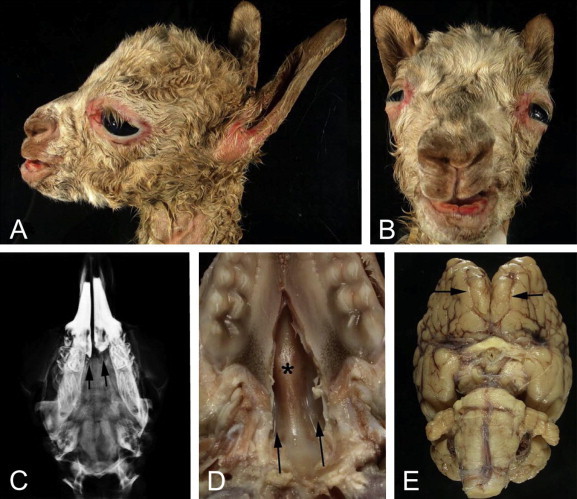
Choanal atresia (CA)
A
- Choanal atresia (CA) is a common nasal craniofacial malformation in New World domestic camelids (alpaca and llama).
- CA results from abnormal development of the nasal passages and is especially debilitating to newborn crias
3
Q
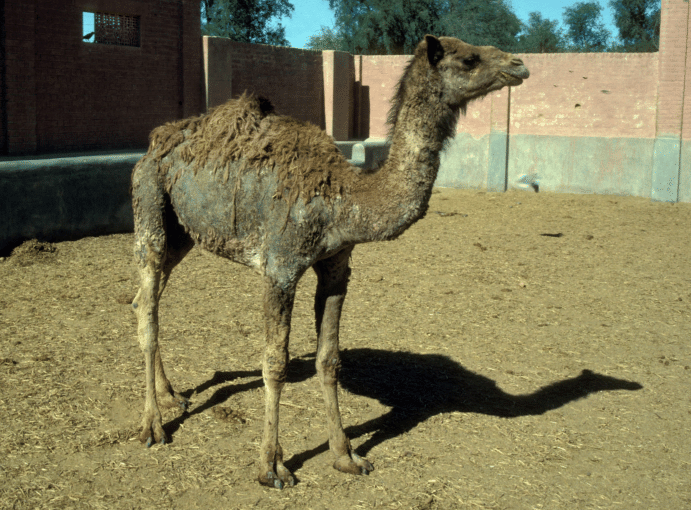
Mange in Camels
A
- sarcoptes scabiei
- Sarcoptic and chorioptic mange mites have been reported from camel.
- However, sarcoptic mange caused by Sarcoptes scabiei var. cameli is the most common, extremely contagious and serious problem in camels.
- Chorrioptic mange is mild and occurs only rarely in camel.
- common to spread in the winter when they huddle together
- INTENSE PRURITIS
4
Q
A

NAVLE Prep
flashcards
Decks in class (17)
# Cards



