What is the upper limit of body temperature compatible with life?
Most people suffer convulsions when the internal body temperature reaches about 106°F (41°C); 110°F (43.3°C) is considered the upper limit compatible with life
Internal core temperature is homeostatically maintained at what temperature?
100°F (37.8°C)
From a thermoregulatory viewpoint, how is the body viewed?
A central core surrounded by an outer shell:
- The temperature within the central core, which consists of the abdominal and thoracic organs, the central nervous system, and the skeletal muscles, generally remains fairly constant. This internal core temperature is subject to precise regulation to maintain its homeostatic constancy. The core tissues function best at a relatively constant temperature of around 100°F (37.8°C)
- The skin and subcutaneous fat constitute the outer shell. In contrast to the constant high temperature in the core, the temperature within the shell is generally cooler and may vary substantially. For example, skin temperature may fluctuate between 68°F and 104°F (20°C and 40°C) without damage
What recent device has been developed to measure body temperature?
- A more recent device is the temporal scanner, a computerized instrument that is gently stroked across the forehead to measure the temperature of the blood in the temporal artery, which lies less than 2 mm below the skin surface in this region.
- Temporal temperature is the best determinant of core temperature because it is nearly identical to the temperature of the blood exiting the heart
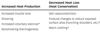
Heat input must balance heat output to maintain a stable core temperature
- Heat input* occurs by way of heat gain from the external environment and internal heat production, the latter being the most important source of heat for the body. Usually, more heat is generated than required to maintain normal body temperature, so the excess heat must be eliminated.
- Heat output* occurs by way of heat loss from exposed body surfaces to the external environmen
How does heat move?
Heat always moves down its concentration gradient—that is, down a thermal gradient from a warmer to a cooler region
The temperature of an object is a measure of the concentration of heat within the object
Explain radiation
- Radiation is the emission of heat energy from the surface of a warm body in the form of electromagnetic waves, or heat waves, which travel through space.
- When radiant energy strikes an object and is absorbed, the energy of the wave motion is transformed into heat within the object. The human body both emits (source of heat loss) and absorbs (source of heat gain) radiant energy.
- Whether the body loses or gains heat by radiation depends on the difference in temperature between the skin surface and the surfaces of other objects in the body’s environment
- On average, humans lose close to half of their heat energy through radiation
Explain conduction
- Conduction is the transfer of heat between objects of differing temperatures that are in direct contact with each other, with heat moving down its thermal gradient from the warmer to the cooler object
- The rate of heat transfer by conduction depends on the temperature difference between the touching objects and the thermal conductivity of the substances involved
- Heat can be lost or gained by conduction when the skin is in contact with a good conductor
- Only a small percentage of total heat exchange between the skin and the environment takes place by conduction alone, however, because air is not a good conductor of heat
Explain convection
- The term convection refers to the transfer of heat energy by air (or water) currents.
- As the body loses heat by conduction to the surrounding cooler air, the air in immediate contact with the skin is warmed. Because warm air is lighter (less dense) than cool air, the warmed air rises while cooler air moves in next to the skin to replace the vacating warm air.
- The process is then repeated.
- These air movements, known as convection currents, help carry heat away from the body.
- Without convection currents, no further heat could be dissipated from the skin by conduction once the temperature of the layer of air immediately around the body equilibrated with skin temperature.
Explain evaporation
- During evaporation from the skin surface, the heat required to transform water from a liquid to a gaseous state is absorbed from the skin, thereby cooling the body
- Evaporative heat loss occurs continually from the linings of the respiratory airways and from the surface of the skin.
- Heat is continuously lost in expired air as a result of the air being humidified
Sweating is a regulated evaporative heat-loss process under what control?
How much sweat is produced at rest, during hot weather and during exercise?
- under sympathetic nervous control
- By varying the extent of sweating, which is an important homeostatic mechanism to eliminate excess heat as needed. In fact, when the environmental temperature exceeds the skin temperature, sweating is the only avenue for heat loss because the body is gaining heat by radiation and conduction under these circumstances.
- At normal temperature, an average of 100 mL of sweat is produced per day; this value increases to 1.5 liters during hot weather and climbs to 4 liters during heavy exercise
Explain the composition of sweat and how sweat glands are innervated
- Most sweat is an odorless, dilute salt solution actively extruded to the surface of the skin by eccrine sweat glands dispersed all over the body.
- This clear, salty sweat is the kind important in cooling the body. Eccrine sweat glands also produce dermcidin, a newly discovered antimicrobial peptide, a natural antibiotic in sweat that helps defend against potential skin infections.
- Apocrine sweat glands, which are located primarily in the armpits and genital area, produce a thick, milky sweat that is rich in organic constituents, like proteins and lipids.
- Apocrine sweat is initially odorless, but body odor is generated when bacteria in the vicinity break down these organic compounds into substances that have an unpleasant scent
- Apocrine sweat is most abundant during emotional stress and sexual excitement.
- Both eccrine and apocrine sweat glands are stimulated by sympathetic innervation, but the postganglionic sympathetic fibers supplying eccrine glands are unusual in that they release acetylcholine instead of norepinephrine
- ACh binds with muscarinic receptors on the eccrine glands, whereas apocrine glands have the usual adrenergic receptors that bind with catecholamines
What is the the most important factor determining the extent of evaporation of sweat
- The relative humidity of the surrounding air (the percentage of H2O vapor actually present in the air compared to the greatest amount that the air can possibly hold at that temperature; for example, a relative humidity of 70% means that the air contains 70% of the H2O vapor it is capable of holding).
- When the relative humidity is high, the air is already almost fully saturated with H2O, so it has limited ability to take up additional moisture from the skin
What is the body’s thermoregulatory integrating center?
The hypothalamus
- It receives afferent information about the temperature in various regions of the body and initiates extremely complex, coordinated adjustments in heatgain and heat-loss mechanisms as necessary to correct any deviations in core temperature from normal.
- The hypothalamus is far more sensitive than your home thermostat. It can respond to changes in blood temperature as small as 0.01°C
- the hypothalamus must be apprised continuously of both the core and the skin temperature by specialized temperature-sensitive receptors called thermoreceptors.
- The core temperature is monitored by central thermoreceptors, which are located in the hypothalamus itself, and in the abdominal organs and elsewhere.
- Peripheral thermoreceptors monitor skin temperature throughout the body
Where are the two centers for temperature regulation?
Inthe hypothalamus:
- The posterior region, activated by cold, triggers reflexes that mediate heat production and heat conservation.
- The anterior region, activated by warmth, initiates reflexes that mediate heat loss
What is the primary involuntary means of increasing heat production?
Shivering
Explain why shivering is the primary involuntary means of increasing heat production
- skeletal muscle tone. (Muscle tone is the constant level of tension within the muscles.)
- Soon shivering begins. Shivering consists of rhythmic, oscillating skeletal muscle contractions that occur at a rapid rate of 10 to 20 per second.
- This mechanism is efficient and effective in increasing heat production; all energy liberated during these muscle tremors is converted to heat because no external work is accomplished
Explain the process of nonshivering Thermogenesis by Brown Fat
Who is this process especially important to?
- Nonshivering thermogenesis is mediated on cold exposure by the sympathetic nervous system, which increases heat production by stimulating brown adipose tissue, or brown fat, a special type of adipose tissue that is especially capable of converting chemical energy from food into heat
- In humans nonshivering thermogenesis is most important in newborns, who have prominent deposits of brown fat.
- Unlike the ordinary white adipose tissue that stores energy in the form of triglyceride deposits, brown adipose tissue acts like a furnace that burns energy to generate heat.
- Newborns use brown fat to keep warm because they cannot shiver
Why is brown fat brown in colour?
What is special about brown fat mitochondria?
- Brown fat is brown in color because it has an abundance of mitochondria that contain iron, which causes the tissue to appear reddish brown.
- The mitochondria of brown fat contain a unique uncoupling protein called thermogenin (“heat producer”) that uncouples the electron transport system from the process of generating ATP (see p. 37) during oxidation of glucose and fatty acids.
- Instead of some of the energy released by the electron transport system being harnessed in ATP by chemiosmosis, all of the energy is dissipated as heat
Do Brown fat deposits regress beyond infancy and disappear by 2 years of age?
- However, new radiologic imaging techniques such as PET scans have revealed small, persistent brown fat reserves in adults.
- Brown fat is more abundant in lean people and decreases with advancing age.
- As expected, adult brown fat becomes more active on cold exposure.
- Brown fat not only is a heat-producing, but also a calorieconsuming tissue because all of the calories in nutrients burned by brown fat are turned into heat
How many calories does 50g of brown fat burn?
500 calories per day
What causes white fat cells to act like brown fat cells?
- Recent studies suggest that exercise may promote “browning” of white adipose tissue.
- Exercising muscles release irisin into the blood.
- This hormone appears to promote synthesis of uncoupling proteins in mitochondria of white fat cells, making these cells act more like brown fat cells
What is the amount of heat lost to the environment by radiation and the conduction–convection process largely determined by?
The temperature gradient between the skin and the external environment.
How does the skin’s blood vessels diminish the effectiveness of the skin as an insulator and promote heat loss?
By carrying heat to the surface, where it can be lost from the body by radiation and the conduction–convection process. Accordingly, vasodilation of skin arterioles increases heat loss by permitting increased flow of heated blood through the skin

-
Respiration 148
-
FR1-Respiration44
-
Respiration 276
-
Respiration 343
-
Energy balance 134
-
FR1-Energy Balance35
-
Energy balance 234
-
FR2- Energy Balance37
-
Energy balance 338
-
FR3-Energy balance8
-
Muscle Physiology-Skeletal Muscle46
-
FR-Muscle physiology33
-
Muscle Physiology-Skeletal Muscle:Mechanics, control of force of contraction, energy sources25
-
Muscle 329
-
Gut 139
-
Fr1- Gut 149
-
Gut 233
-
FR2- GUT 256
-
Gut 338
-
FR3-GUT 352
-
FR4-GUT 329
-
Urinary 143
-
Urinary 225
-
Urinary 335



