Head Flashcards

(71 cards)

1
Q

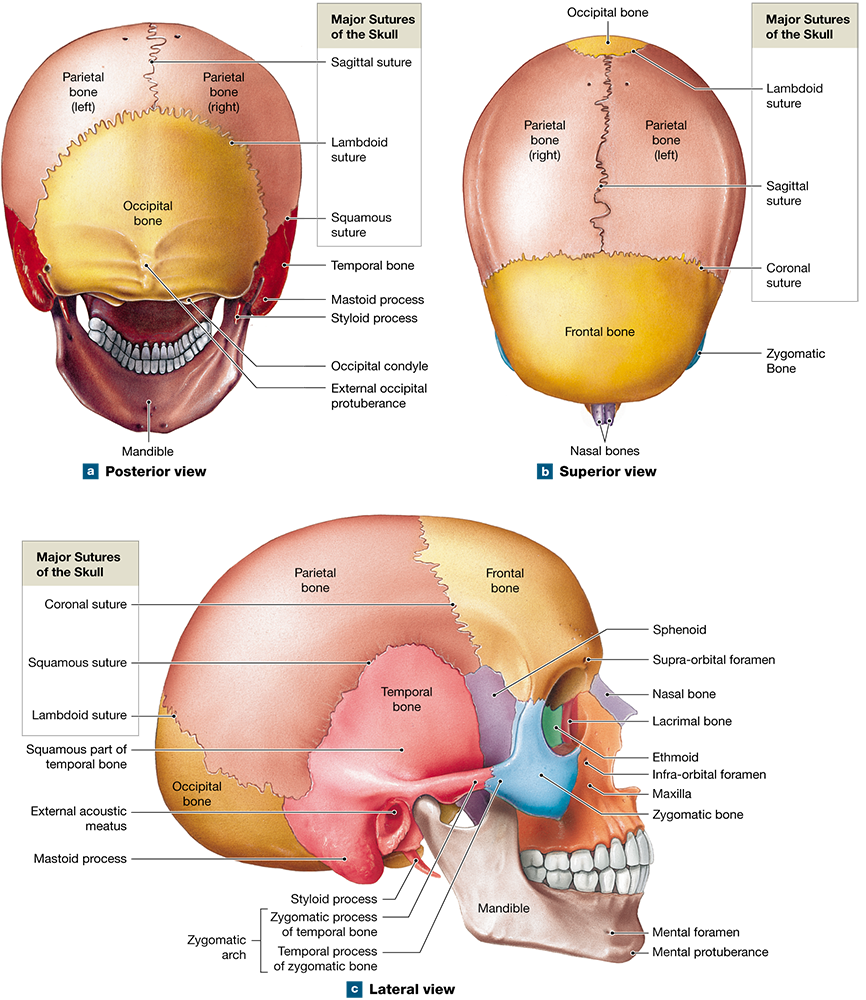
Name the cranial bones

A

Frontal, maxilla, parietal, nasal, Temporal, zygotmatic, sphenoid, ethmoid, occipital
2
Q

Name the anatomical structures around the orbit
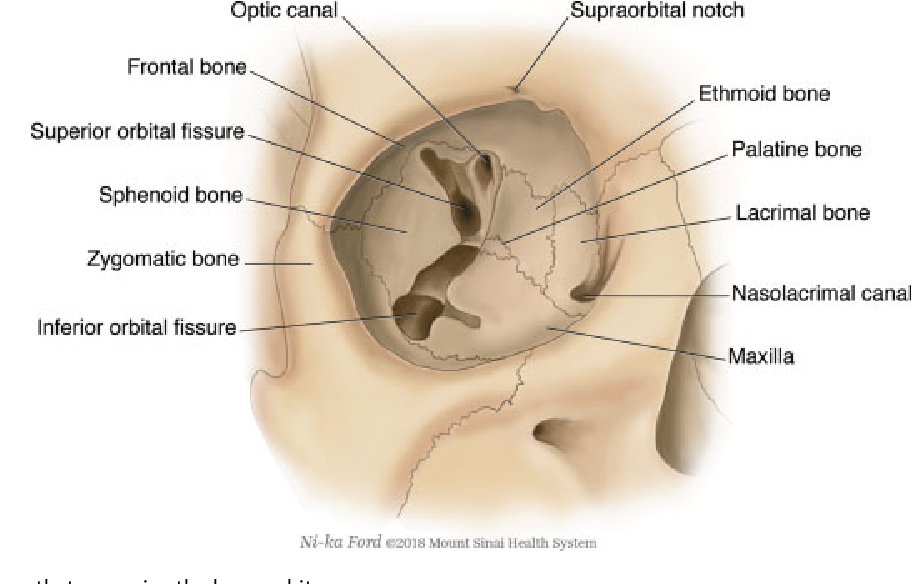
A
3
Q

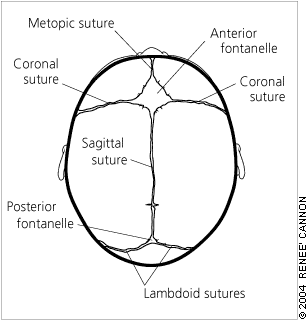
Name the cranial sutures

A

See diagram

Saggital in middle

Coronal on sides

Lamboid at back
4
Q

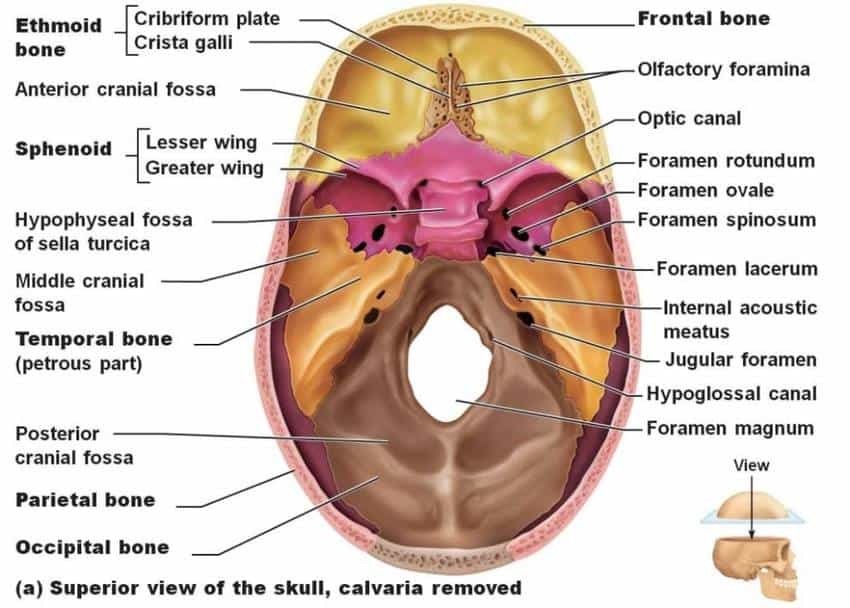
Name and label the cranial foramina

A

Optic canal + Superior orbital fissures at top

Then ROS = Rotundum, Ovale, Spinosum

Foramen Lacerum

Internal acoustic meatus

Jugular foramen (big one)

Hypoglossal canal
5
Q

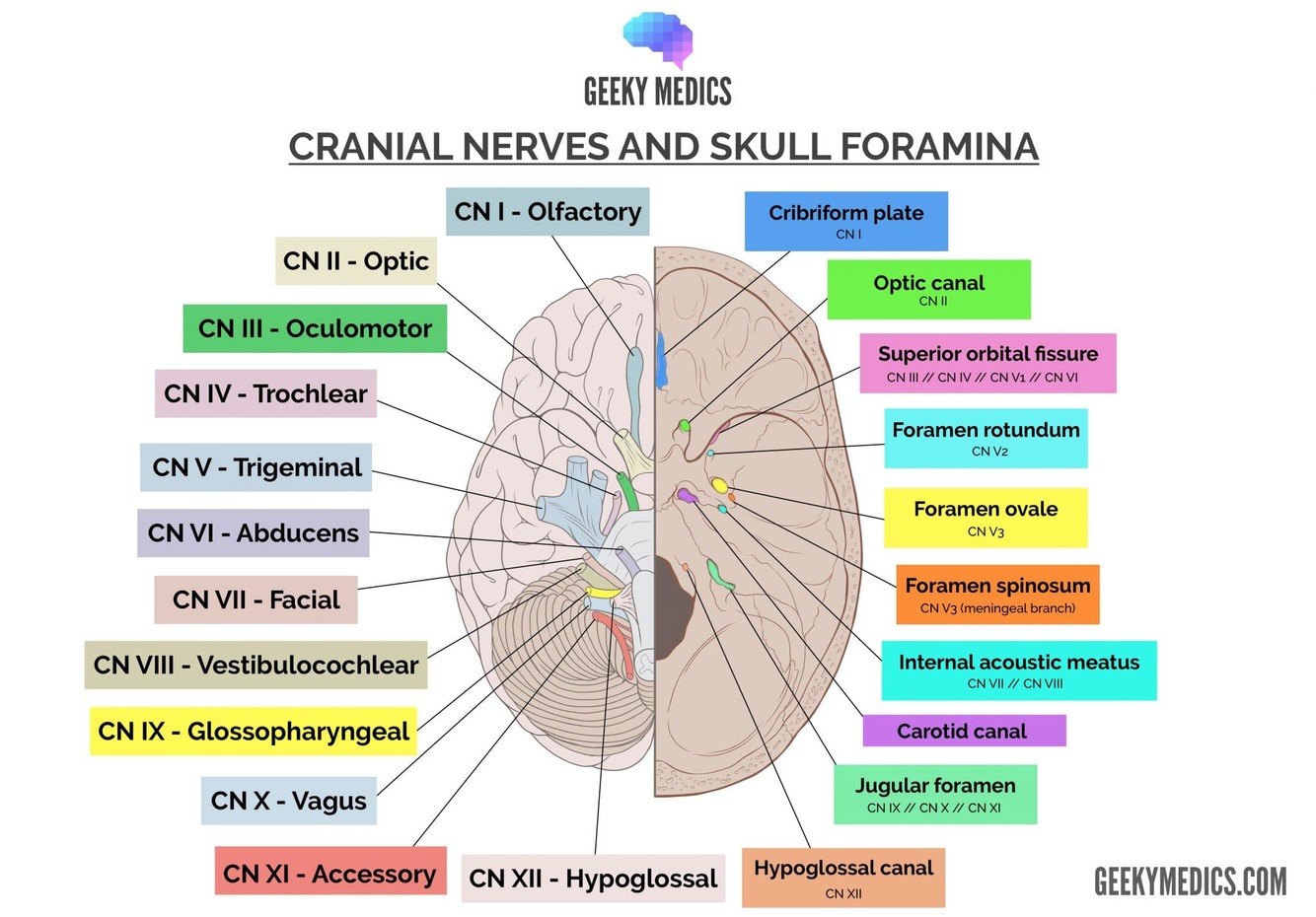
What runs through each cranial foramen?

A

Optic canal = Optic nerve CN2 + Ophthalmic arteries

Superior orbital fissure = V1, CN3, CN4, CN5

Foramen rotundum =V2

Foramen ovale =V3

Foramen Spinosum = Middle meningeal artery + meningeal branch of V3

Foramen lacerum = Deep petrosal nerve, internal carotid

Internal auditory meatus = CN7+CN8

Jugular foramen = CN9, CN10, CN11 + Internal Jugular + inferior petrosal sinus

Hypoglossal foramen = CN12parotid
6
Q

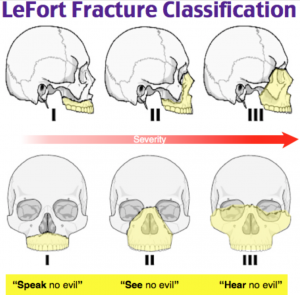
Describe the different types of maxillary fracture (+associated bones)

A

Le fort 1 = Horizontal fractures of the maxilla passing superior to the maxillary alveolar process (Ie roots of teeth) and crossing the bony nasal septum

Le fort 2 = Passing from posterolateral parts of maxillary sinuses superomedially through infraorbital foramina. As a resul the whole central part of the face is seperated from cranium

Le fort 3 = Horizontal fracture passing through the superior orbital fissures that extends laterally through wings of sphenoid
7
Q

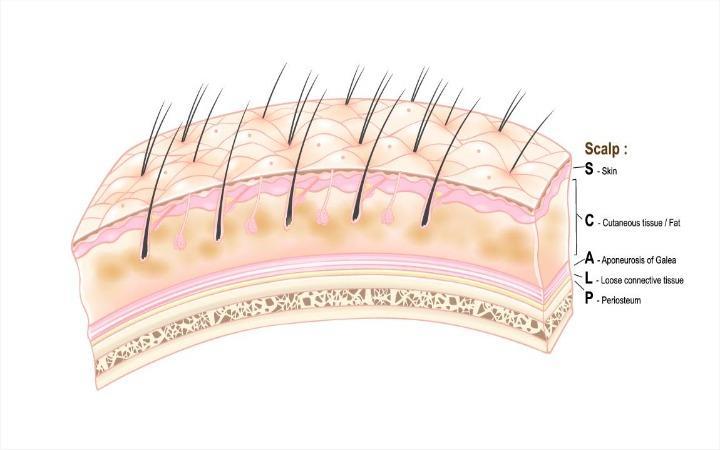
Layers of the scalp

A

SCALP

Skin

Connective tissue

Aponeurosis (epicranial aponeurosis) = Tendinous sheet covering that acts as attachment for facial muscles.

Loose areolar tissue = Allows movement of the scalp proper (the areas above) independantly from underlying structures

Pericranium = The external periosteum of the bone
8
Q

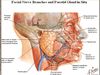
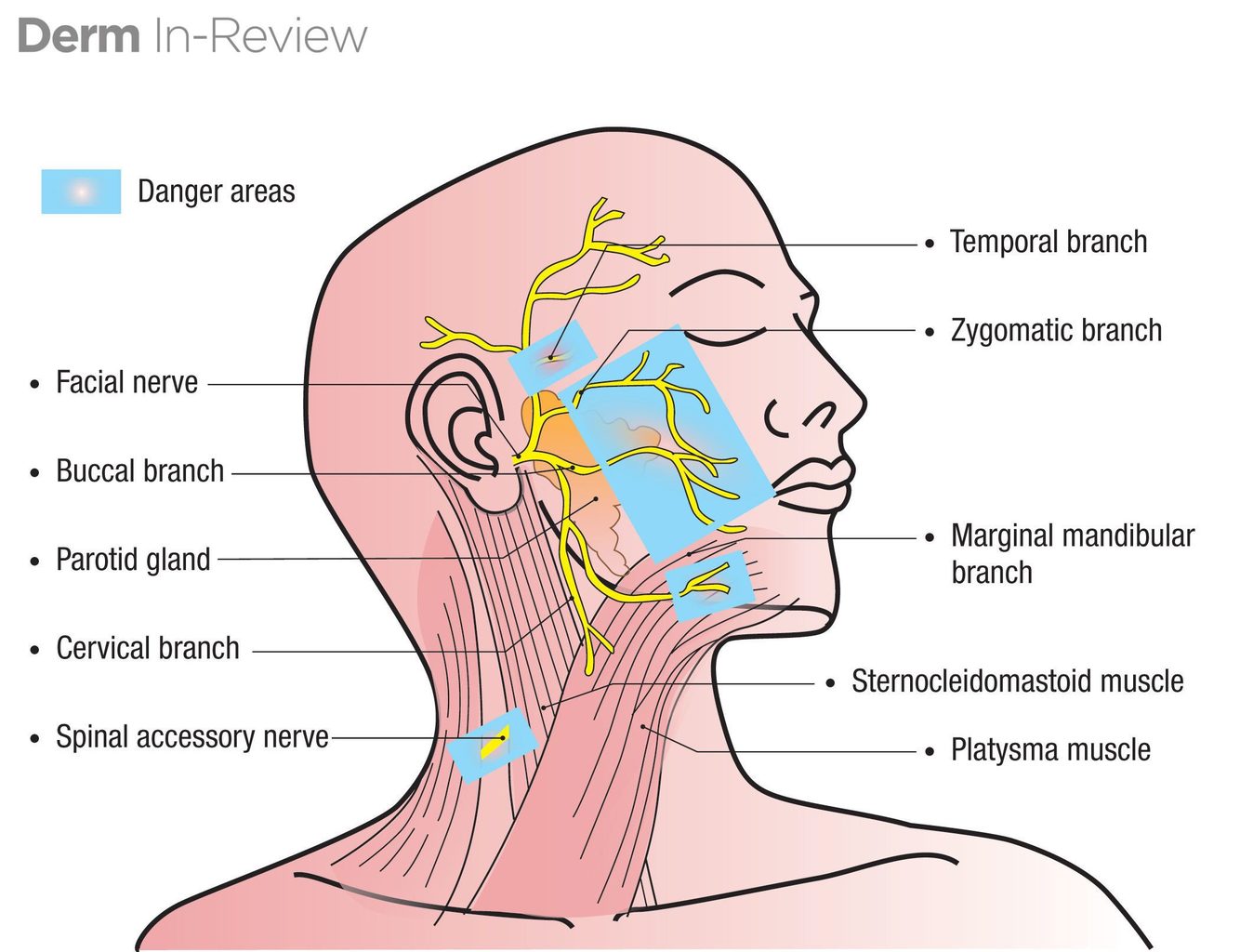
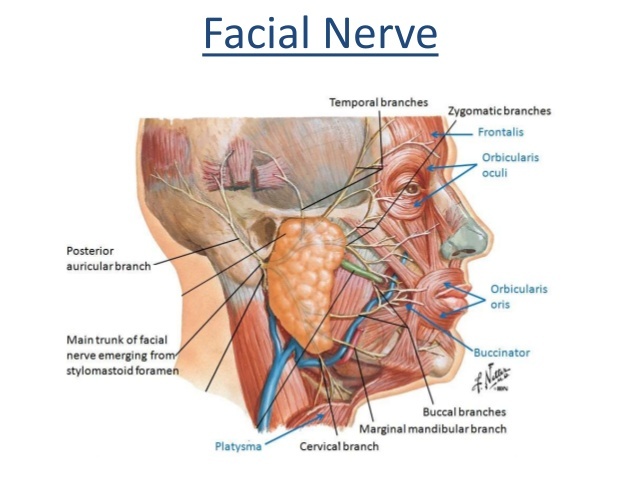
Branches of the facial nerve

A

Ten Zulus Buggered Michael Caine

Temporal

Zygomatic

Buccal

Marginal mandinbular

Cervical
9
Q

3 layers of the meninges

A

Dura mater

Arachnoid mater

Pia mater

10
Q

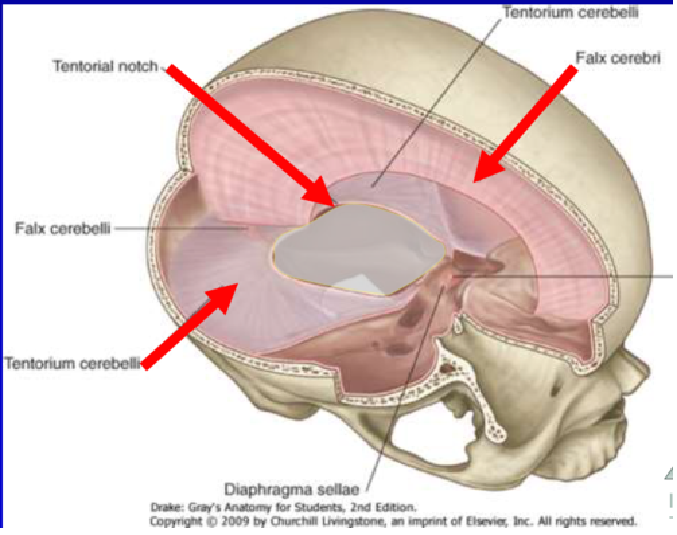
Name all the dural infoldings

A

Falx cerebri = Along longitudinal cerebral fissure

Tentorium cerebelli = Seperates occipital lobe and cerebellum

Falx Cerebelli = Sperates two cerebellar hemispheres
11
Q

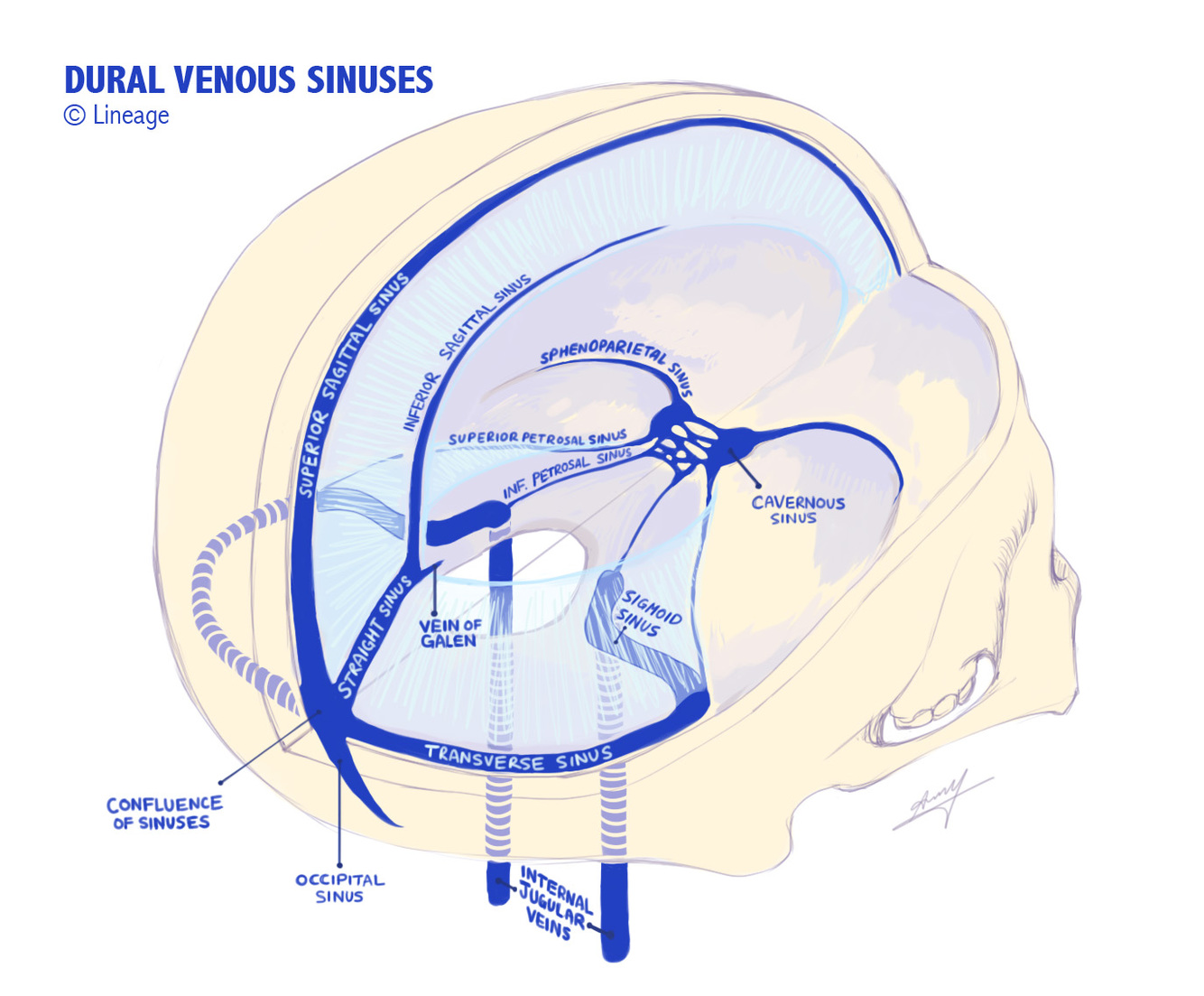
Describe and name the different venous sinuses

A

Arachnoid granulations in the arachnoid space absorb CSF into the sinuses

Superior saggital sinus at top coms back to confluence of sinuses

Inferior saggital sinus below it becomes straight sinus at back which then also joines the confluence of sinuses.

This goes around on both sides as transverse sinus

Then into sigmoid sinuses

Then as internal jugular vein
12
Q

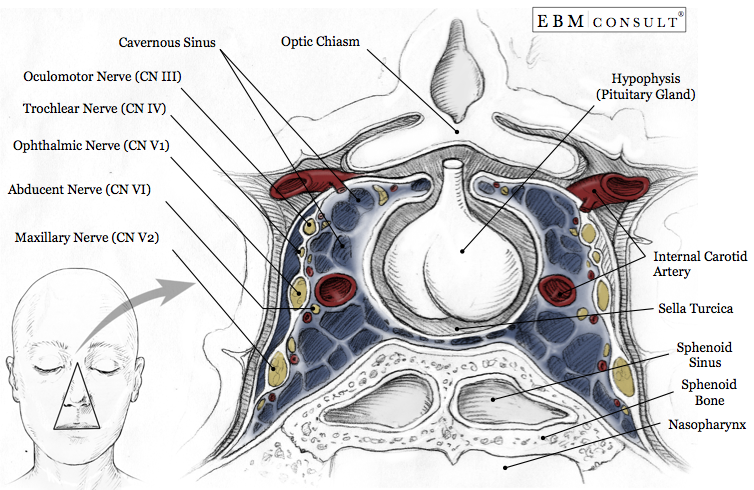
What are the contents and anatomy of the cavernous sinus?

A

Travels through centre of sinus:

Internal carotid, carotid plexus (sym nerves), Abducens CN6

Travels through lateral wall of sinus:

Occulomotor CN3, Trochlear CN4, Opthalmic V1 and Maxillary V2
13
Q

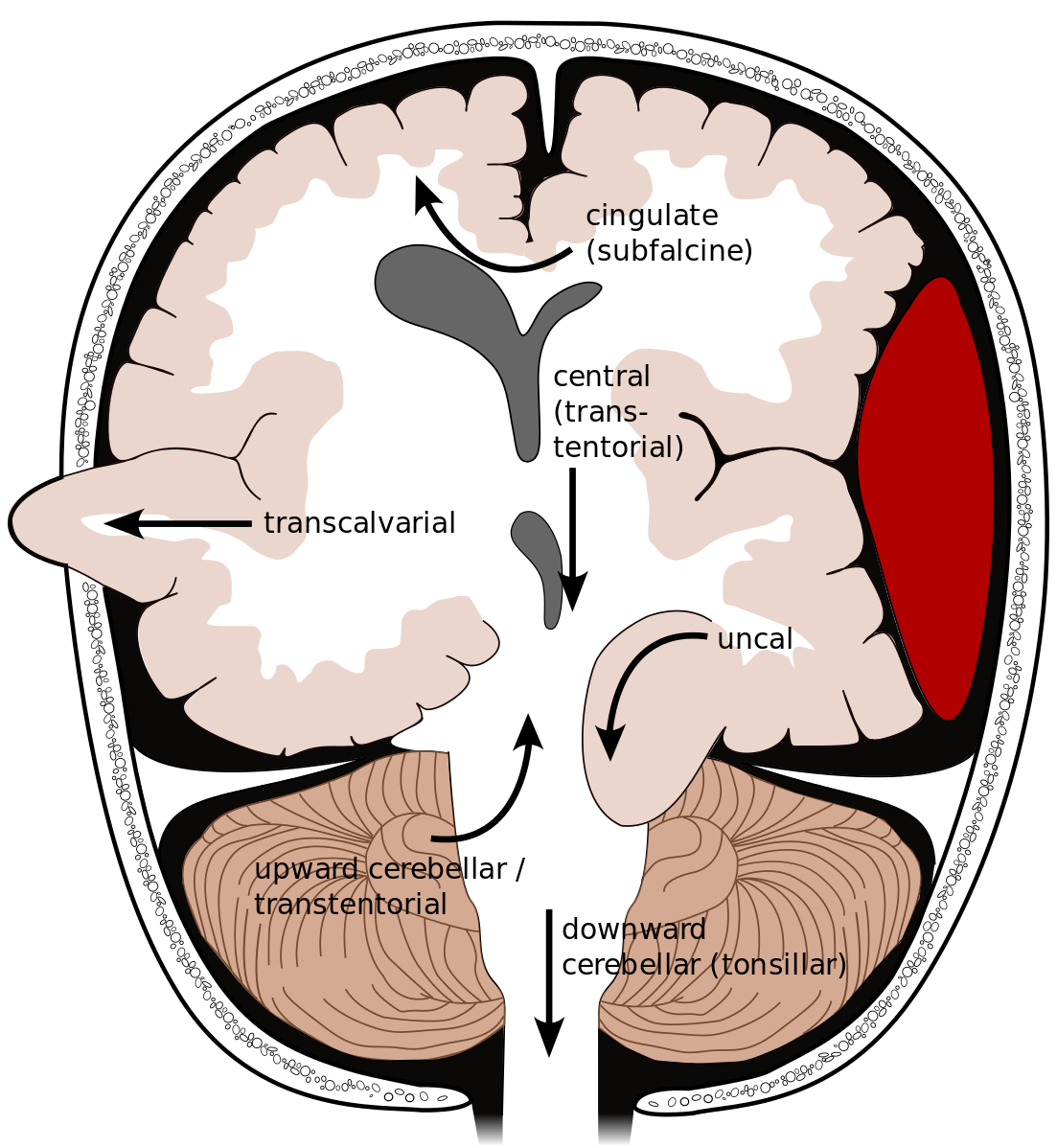
Effects of tentorial herniation

A

Remember tentorium seperates occipital and cerebellum

Space occupying lesion can herniate adjacent temporal lobe down

Compresses CN3
14
Q

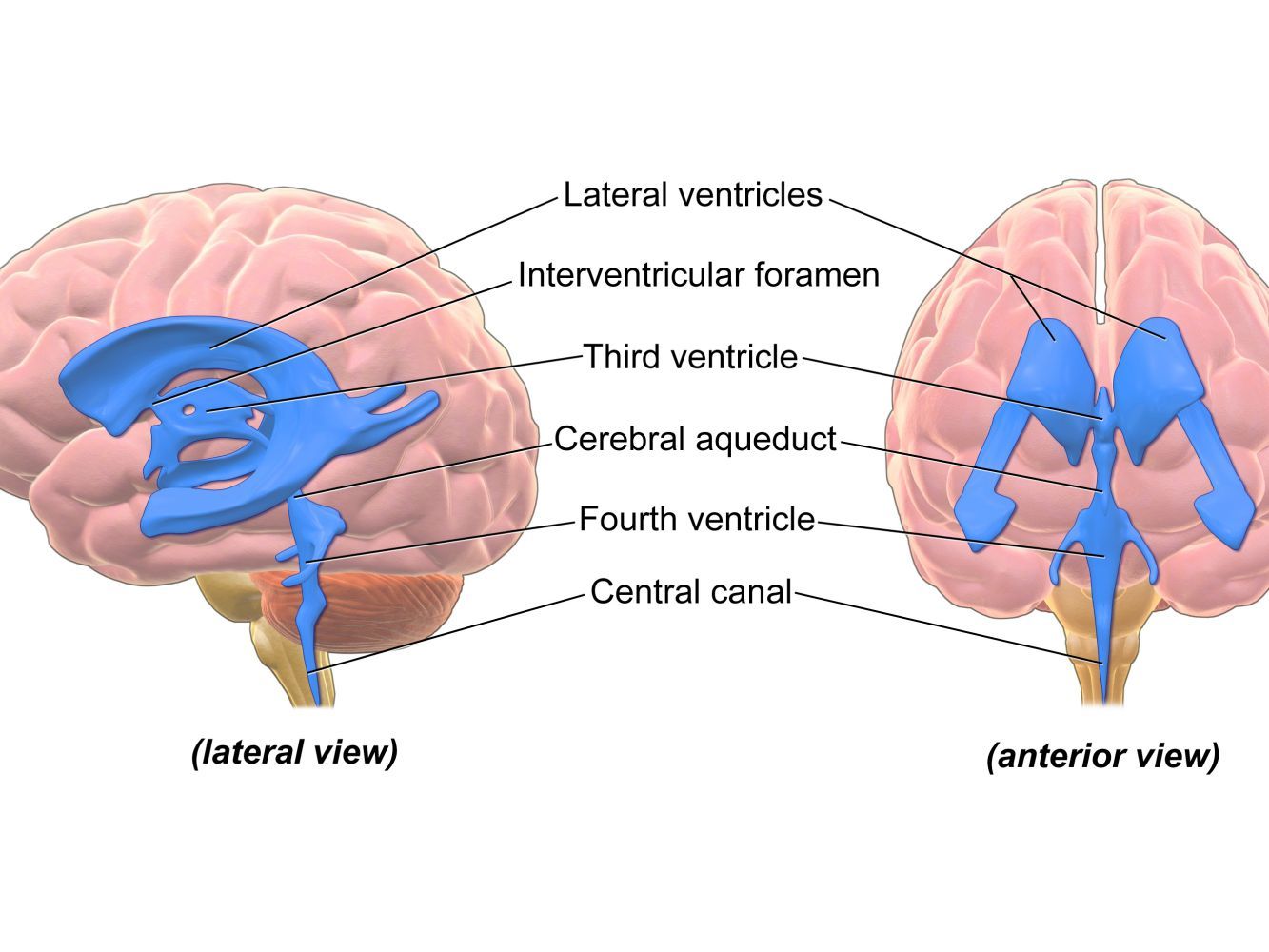
Describe the ventricular system of the brain

A

Lateral ventricles on either side

Passes through interventricular foramen into 3rd ventricle in midline.

Passes postero-inferioly through cerebral aequduct into 4th ventricle.

This then inferiorly passes down as the central canal into spinal cord
15
Q

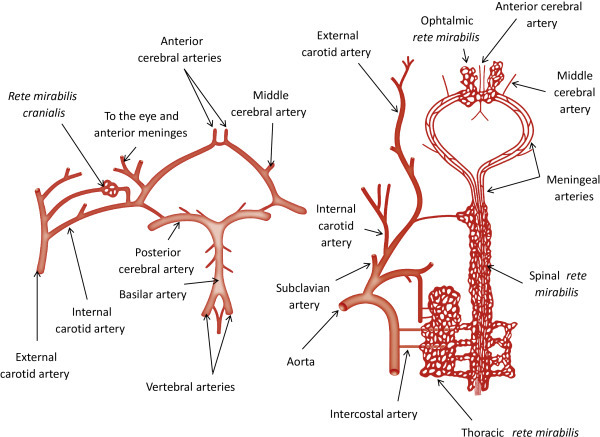
Anatomy of the internal carotid artery including course and branches

A

ICA passes through carotid canal in petrous part of temporal bone

Then has an intracranial course

Passes through cavernous sinuses

Terminal branches = Anterior and middle cerebral arteries.

Remember = Anterior communciating arteries join the ACAs on both sides

Posterior communicating arteries join the ICA with PCAs on both sides as well
16
Q

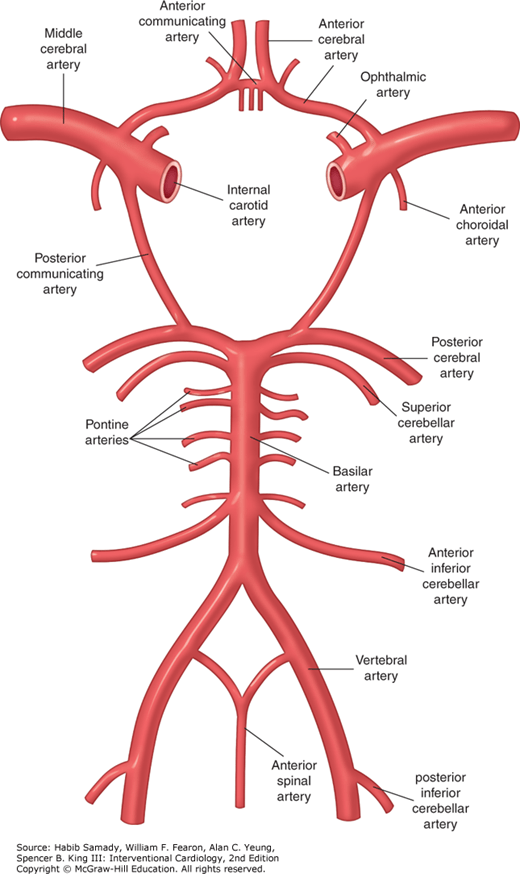
Course and branches of the vertebral arteries

A

Vertebrals are first branches of the subclavian arteries

Passes through transver foramina of first 6 cervical vertebrae

PAsses through foramen magnium.

Gives off PICA

Then units to form Basilar

Gives off AICA

Gives off Superior Cerebellar

Then Basilar bifuricates into PCAs on both side
17
Q

Parasympathetic to lacrimal glands? What is the ganglion name

A

Done by para branches from Facial nerve (great petrosal nerve)

Via the pterygopalatine ganglion

18
Q

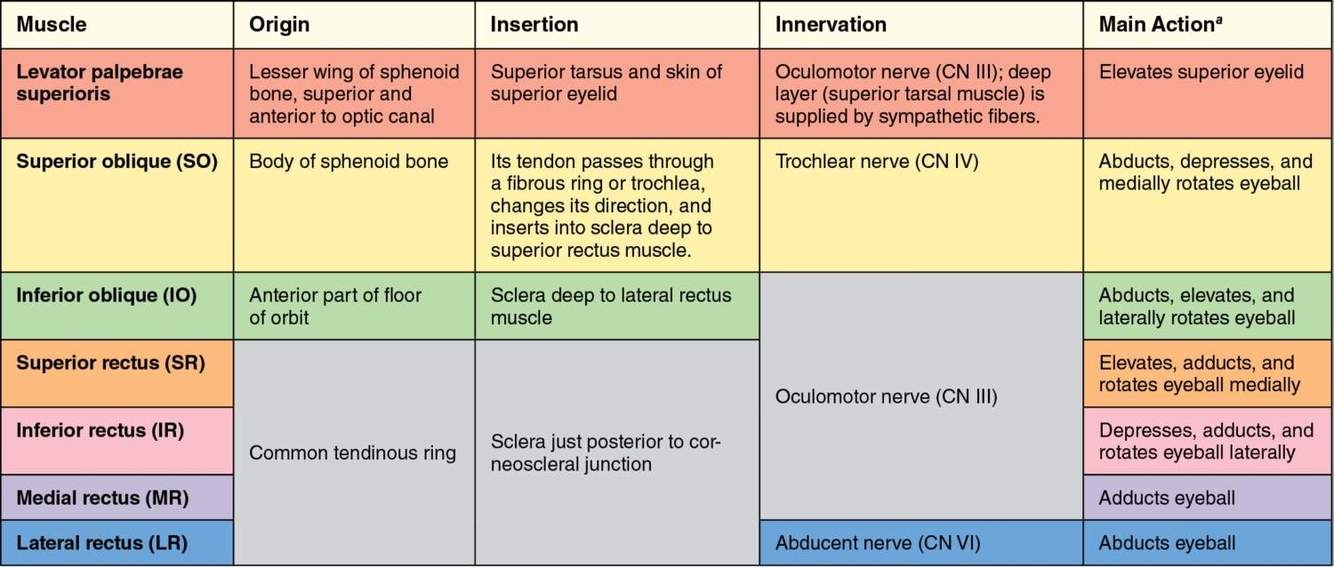
Innervation and main actions of eye muscles

A

Levator muscle = Also from CN3, this is why CN3 palsy causes ptosis.

Superior tarsal is Sym innervation = This is why Horners syndrome also causes ptosis
19
Q

Findins in horners syndrome

A

Ipsilateral pupilary constriction (miosis), ptosis, and loss of sweating

20
Q

Findings in the three CN eye palsies

A

CN3 = Eye is down and out (only SO and LR left). Also ptosis and pupilary dilation

CN4 = Eye is up and in

CN6 = Cannot look outwards

21
Q

What is ciliary ganglion

A

Occulomotor has para nerves that form a ganglion here for pupil constriction

22
Q

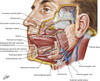
What is contained within the parotid gland?

A

Parotid plexus of the facial nerve and its branches = Note that chorda tympani branches before here so spared if CN7 injured

Retromandibular vein

External carotid artery = Which forms its too branches Maxillary + Superficial temporal in parotid gland

Sensation to parotid = Great auricular and auriclotemporal nerves
23
Q

Innervation of partoid gland

A

Great auricular nerve from the cervical plexus ofnerves C2 and C3 supply it (most commonly damaged in parotid surgery)

While the para = Gone by para nerves from glossopharyngeal nerve CN9 = In the form of secretory para otic ganglion

24
Q

Name the 4 muscles of mastication

A

1) temporal
2) Masseter
3) Medial peterygoid
4) Lateral pterygoid
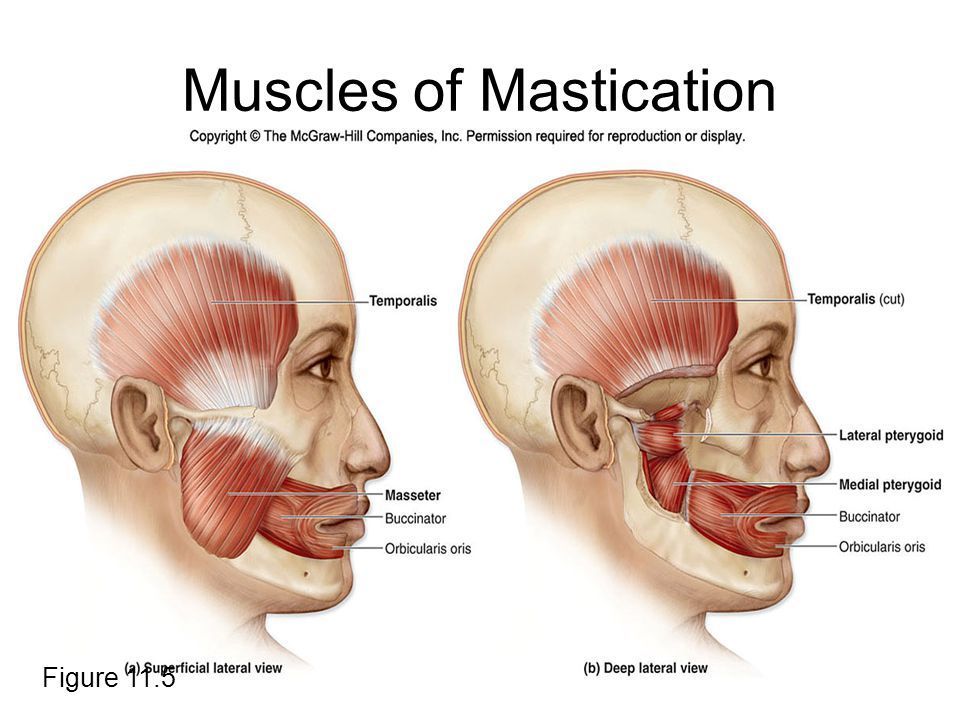
25
Innervation of the tongue
Sensation anterior 2/3 = Lingual nerve (branch of V3) Taste anterior 2/3 = Chorda tympani = Branch of CN7, joins linguial nerve. Note Chorda tympani also is secreomotor/para to submanidular and sublinguial salivary glands Both sensation + Taste to posterior 1/3 = Glossopharyngeal nerve CN9
26
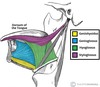
Extrinsic muscles of the tongue
Genioglossus Hyoglossus Styloglossus Palatoglossus -ALL are innervated by hypoglossal, EXCEPT Palatoglossus = INNERVATED by VAGUS
27
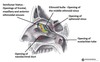
Describe internal anatomy of the nose
There are three nasal conchae = Superior, middle and inferior. In between them are recesses = Nasal meatus Superior nasal meatus = Passage between superior and middle conchae to the ethmoidal sinuses Ethmoidal infundibulum = drains the frontal sinus Eustachian tube also drains into the nasopharynx
28
Where is epistaxis normally from?
Kiesselbach's plexus / Little's area Vascular network of 5 arteries 1) anterior ethmoidal = branch of Opthalmic 2) Sphenopalatine = Branch of Maxillary 3) Greater palatine = branch of maxillary 4) Septal branch of superior labial = From facial 5) Posterior ethmoidal artery = From facial
29
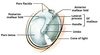
Describe what you would see when looking at the tympanic membrane
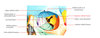
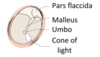
You can see the handle of the malleus bone = First of the middle ear bones. The handle continues superiorly where you can see the lateral process of the malleus bone Pars tensa at bottom, pars flacida at top Cone of light = This will be anteroinferior = Can use this to determine what side of ear
30
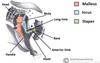
Name the auditory ossicles
These are the three small bones that aim to transmit sound In order from tympanic membrane to inner ear: Malleus, inces, stapes
31
Stapedius
Muscle in the middle ear that contracts to dampen sound to prevent damage Innervated by facial nerve
32
Eustachian tube location and function
Connects middle ear to nasopharynx Used to equalise pressures
33
Describe the general anatomy of the inner ear
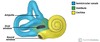
There are 2 main parts = Bony and membranous labyrinth Bony = cochlea, vestibule and three semi-circular canals Membranous = cochlear duct, semi-circular ducts, utricle and the saccule There are 2 windows in the inner ear: oval window = Between middle ear and vestibule Round window = Between middle ear and scala tympani (part of cochlear duct)
34
Damage to trigeminal in meckels/trigeminal cave
Trigeminal cave = Cave formed by a dural infolding and envelpes the trigeminal ganglion Can be damaged = craniotomy Deficit = Basically all trigeminal lost, with ipsilateral whole face and some motor deficit of mastication muscles
35
What passes through superior orbital fissure
Superior orbital fissure – Trochlear (CN IV), oculomotor (CN III), and abducens (CN VI) nerves. It also carries the superior ophthalmic vein. And the V1 opthalmic nerve = Which branches into nasociliary, frontal, and lacrimal Inferior orbital fissure - Contains the inferior opthalmic vein Optic canal = optic nerve + opthalmic artery
36
What passes in optic canal
Optic canal – transmits the optic nerve and ophthalmic artery.
37
What passes in inferior orbital fissure
Inferior orbital fissure – transmits the zygomatic branch of the maxillary nerve, the inferior ophthalmic vein, and sympathetic nerves.
38
Damage to facial nerve in the parotid gland, what is and isnt effect
Deficits = Loss of corneal reflex, of various ipsialteral facial muscles, loss of blinking ipsilater, loss of buccinator. NOTE = Chorda tympani branches beforehand in the facial canal so therefore not effected. Can still have taste to ant 2/3 tongue
39
What forms retromandibular vein and where is it
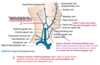
Superficial temporal + maxillary veins = Join to form retromandibular vein (note this follows the external carotid artery branches in the parotid also) Drains into the external jugular vein This is slightly deeper to the facial nerve in the parotid gland
40
Which bone are the ROS cranial foramina in?
Sphenoid bone
41
Blood supply to lacrimal gland?
Opthalmic artery = Branch of ICA = Goes through optic canal with optic nerve
42
What is the umbo
The point where the handle of the malleus contacts with the tympanic membrane
43
Chorda tympani course in ear
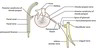
This actually passes past the bones of the middle ear It actually passes medial to the pars FLACCIDA (the top part) Then enters the infratemporal fossa and travels with the lingual nerve
44
Sensory nerve to the auricle of ear
Mainly done by various nerves from the cervical plexusv(eg auriculotemporal, greater auricular, lesser occipital) Deeper parts of the ear = By branches of the vagus and facial nerve
45
Lymphatic drainage of the ear
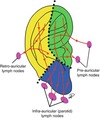
Lateral surface of upper half = Superficial parotid lymph nodes Cranial/medial surface of upper half = Mastoid nodes + Deep cervical nodes Lower half + Lobule = Drain into superficial cervical
46
What nerves are at the cerebellopontine angle, and what can compress them
Facial + Vestibulocochlear + Trigeminal Classically an acoustic neuroma can affect these nerves and is present at the cerebellopontine angle
47
Epithelium of external, middle layer, and inner layer of tympanic membrane
External = Stratified squamous Middle layer = Fibroud tissue Inner layer = Mucus membrane continuous with middle ear
48
Where does middle meningeal artery arise?
Middle meningeal -\> Maxillary Artery -\> External Carotid
49
What is Stenens duct, and where is it
Also known as parotid duct Drains saliva from parotid gland into oral cavity Opens near the second molar
50
What nerve travels near the middle meningeal artery
Auriculotemporal nerve This is a nerve that comes of cervical plexus and supplies the ear.
51
What can be damaged in parotid gland surgery
Superficial surgeries = Most commonly the greater auricular nerve is broken, remember this is the nerve that innervates the skin over+fascia of parotid gland (we often consent for this nerve) = This is a cutaneous branch of the cervical plexus. Facial nerve palsies are rare = Only occur in deeper surgeries and if accidents occur. Damage to auriculotemporal nerve = Branch of V3 = Can cause Frey's syndrome of gustatory sweating. Other structures in the facial nerve = Retromandibular vein (very deep) and external carotid as this rises through the parotid
52
Sensory innervation to angle of the mandible
Remember this is not done by V3 Done by the greater auricular nerve = C2-C3 = Which also innervates the parotid gland
53
Craniophryngioma causing what visual field defect
Inferior bitemporal hemianopia
54
Which nerve is usually affected first in cerebello-pontine lesions
CN 5 and 8 first usually Facial 7 can also be affected later on
55
Sensory innervation tip of nose
V1 = Opthalmic
56
Course of the parotid DUCT
Crossess the masseter muscle first and buccal fat pad Then penetrates the buccinator muscle to enter the oral cavit opposite second upper molar.
57
Where does the nasolacrimal duct drain
Into middle meatus of nose
58
What drains into middle meatus
Ethmoid air cells maxillary sinus
59
Where does the Whartons duct drain into
Remember this is the submandibular gland duct Opens near midline in the anterior aspect of floor of mouth Remember this is why you get lots of plaque on the inside of front 2 teeth as the majority of saliva is secreted here.
60
What vessel(s) supplies temporal lobe
Both MCA (on outside) and PCA (from posterior)
61
lump on posterior third of tonue
This will be lymphoid tissue Linguinal tonsil that makes up part of the Waldeyers ring
62
Anterior and posterior transection of mandibular nerve
The manidbular nerve divides into ant and post Ant = All of this is motor for mastication, except buccal nerve to buccal mucosa inside of cheel Posterior = Motor to mylohyoid + ant digastric, and sensory to various including chorda tympani, scalp, teeth, lips
63
Different areas of hypothalamus and function
Ventromedial = satiety, destroyed means overeating Supraoptic nuclei = ADH production Suprachiasmatic nucleus = Circadian rhythm
64
What forms the striaght sinus
Inferior saggital sinus + great cerebral vein
65
Patient has septic cavernous sinus thombosis, where did this infection come from?
Essentially asaking what area of face is drained by veins that go into cavernos thrombosus Upper lip = Drained by anterior facial vein that communicates with opthalmic veins in the cavernous sinus
66
What drains into the middle meatus and through what?
Maxillary + ethmoidal sinuses Maxillary = Drains via hiatus semilunaris
67
Which structure most important in regulation of the autonomic nervous system centrally
The hypothalamus
68
Nerve that will transmit pain from tempormandibular joint
Mandibular nerve V3 of trigeminal
69
Which muscle depresses the mandible (opens mouth)
NOTE THEY ALL CLOSE EXCEPT lateral pterygoid MMT = Close L = Open
70
Where is brocas and wernickes areas
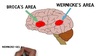
Brocas = Left inferior gyrus (frontal lobe) Wernickes = Left posterior superior temporal gyrus (temporal lobe) It is only left if this is your dominant hemisphere
71
Nucleus that provides parasympathetic innervation with facial nerve
Superior salivary nucleus Para - great petrosal nerve - Lacrimal gland - Pterygopalatine Para - Chordy tympani - Submandibular gland - Submandibular ganglion REMEMBER para to parotid = auriculotemporal nerve = CN9 glassopharyngeal = OTIC ganglion