What is “immunity”?
The word “immunity” originates from the Latin word immunis meaning exempt. Generally speaking, immunity consists of all of the body’s defense systems that resist infections and toxins. The immune system therefore has a crucial role in fending off intruders.
What are the three ways your body reacts to a pathogen?
You may have noticed that sometimes your reaction to a pathogen may be: 1) Asymptomatic (you may still spread it to others although you have no symptoms). 2) Mild (it goes away in a few days) 3) “full-on” Pathogenic (noticeable and takes 1–2 weeks to resolve at minimum).
What is “Innate Immunity”?
As its name implies, innate immunity is what a person is born with. It is also affected by the vaccinations received as well as the foreign matter and microbes the person is exposed to during their lifetime. Innate immunity functions quickly, effectively and consistently.
What are “phagocytic” cells, and what are their function?
The innate immune response occurs immediately thanks to phagocytic cells such as monocytes (macrophages and NK cells) and granulocytes (white blood cells). They are able to move through the cell walls of capillaries into the interstitial fluid to kill pathogens. A phagocytic cell identifies the receptor structure on the surface of a microbe and engulfs the microbe in order to recycle it.
What is “Adaptive Immunity”?
Adaptive immunity can be divided into cell-mediated immunity and humoral (fluid-based) immunity. The adaptive immune response is kicked off by so-called helper T cells. In the immune reaction antigen-presenting cells (APC cells, part of innate immunity) mark and eat the pathogen. APC cells then move to lymph nodes where helper T cells launch the actual adaptive immunity response.
Cell-mediated immunity
Cell-mediated immunity is a part of adaptive immunity that is based on lymphocytic function. It focuses primarily on fighting the pathogens multiplying within the body’s own cells. These include viruses, mycobacteria and protozoa. Unlike humoral immunity, cell-mediated immunity does not involve antibodies.
Humoral immunity
Like cell-mediated immunity, humoral immunity is a part of adaptive immunity. It is responsible for fending off pathogens that occur outside cells. These include various bacteria and toxins secreted by this bacteria. The defense mechanisms of humoral immunity are the responsibility of the antibodies circulating in the blood and on the surface of mucous membranes, as well as cytokine and complement systems.
Factors Affecting Immunity
Impaired immunity is usually caused by environmental factors and general health factors. Immunosuppressive factors include: - Chronic sleep deprivation - Lack of exercise - Poor nutrition - Chronic stress - Social isolation - Constantly thinking about negative things - Unnecessary antibiotic treatments - Certain medications (cortisone, many anticancer and antirheumatic drugs)
How long can the influenza virus survive?
- Influenza viruses can survive up to 24 hours on hard surfaces and longer in more protected and moist environments.
- Flu viruses survive only 5–15 minutes on hands or tissues.
How long can coronavirus survive?
The analysis of 22 studies published in 2020, reveals that human coronaviruses such as SARS, MERS, or HCoV can persist on surfaces like metal, glass, or plastic for up to 9 days but can be efficiently inactivated by surface disinfection procedures with 62–71% ethanol, 0.5% hydrogen peroxide, or 0.1% sodium hypochlorite within one minute.
Characteristics of Influenza
Influenza is characterized by sudden onset of fever, myalgia, headache, malaise, dry cough, sore throat, and nasal congestion. Gastrointestinal symptoms, including nausea, vomiting and diarrhea, are also common.
Incubation period of Influenza
The incubation period of influenza (time from infection to development of symptoms) is 1 to 4 days.
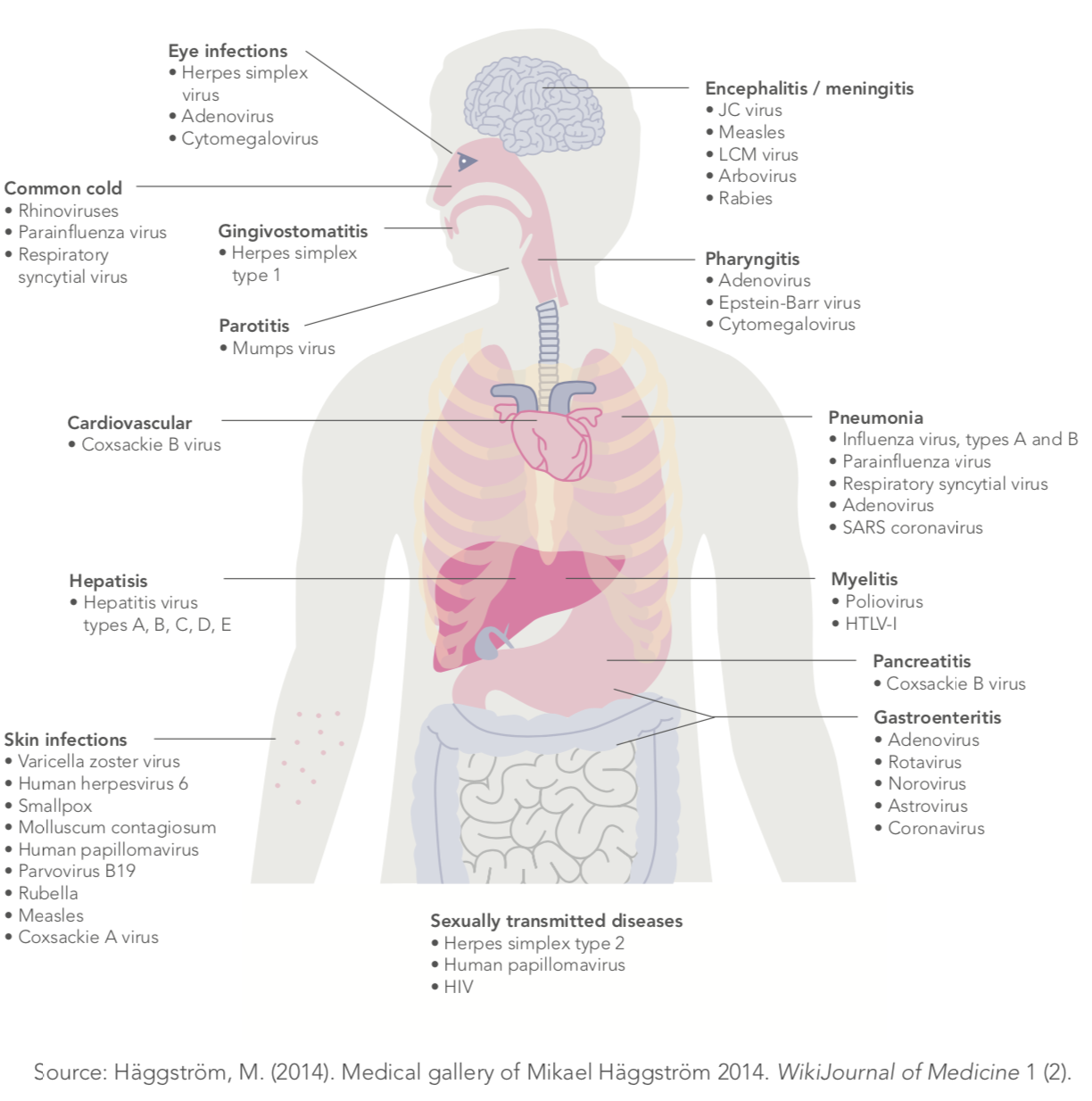
Overview of viral infections
Recommended practices in public places
When in public, consider the following cautionary measures:
- Wash hands before eating, after going to the toilet, coming to work and returning home
- Change towels frequently at home
- Don’t touch your face, eyes, nose or mouth before washing your hands
- Clean your mobile devices and jewelry frequently
- Use contactless payment methods instead of paper money and coins
- Open public doors and press elevator buttons with gloves on or use your elbows
- Avoid touching handrails
- Don’t eat or place food on public surfaces
- Stay away from large crowds in poorly ventilated areas
- Don’t use the hand dryers in public toilets – opt for paper, clean towels or hand sanitizer
Aitravel during a pandemic
Listed below are measures that significantly reduce the risk of getting infections while traveling:
- Wash your hands immediately after going through security—the trays are notorious for harboring more pathogens than toilet seats
- Remove all rings and watches before washing your hands. Rings, in particular, are well known to be collectors of microbes.
- Do not dry your hands in jet air or warm air dryers because they will increase bacterial and viral aerosolization when drying hands -Do not immediately queue to the plane. You can wait at a distance and observe the perfect moment for boarding.
- The highest risk for airborne infections happens actually while moving in and out of the aircraft. Cabin air is effectively localized and removed with the exhaust or return air.
- If you notice someone sneezing next to you, consider changing your seating or using a face mask to protect yourself
- Go to the toilet before boarding the plane if you need to.
- Turn on the ventilation above you and point the airway towards you. It is usually filtered air that goes through HEPA filters and other air filtration mechanisms. It creates an air bubble that protects you from potential droplets surrounding you.
- Skip the food service and do not eat any snacks with bare hands. The filthiest part of your seat is the food tray, the pocket in front of you with brochures, and the seat belt buckle.
- Low humidity on airplanes can increase risk for infec- tions. Increase humidity with a specially designed respiratory device or mask. Use a moisturizing nasal spray to help combat low humidity.
- Avoid unnecessary travel
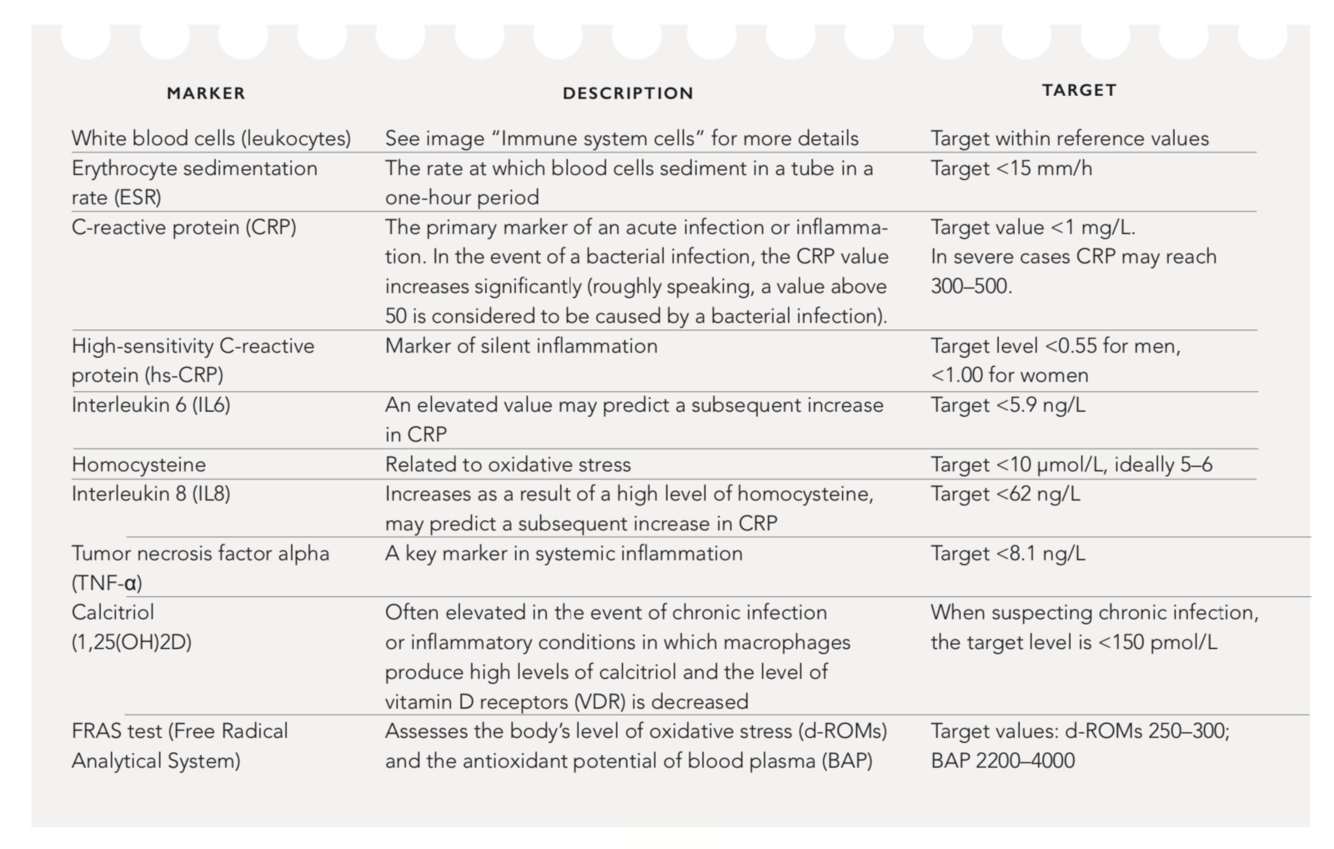
Measuring the condition of the Immune System
When conducting laboratory tests, pay special attention to the following factors in determining the condition of the immune system:
- C-reactive protein (CRP)
- Complete blood count
- White blood cell count (WBC count), in particular consider also taking WBC differential
- Polymorphonuclear leukocyte counts (to distinguish between bacterial and viral infections)
- Procalcitonin (PCT)
- Interleukin-6 (IL-6)
- TNF-alpha
- FRAS test
- Calcitriol
- Fasting blood glucose -> elevates with infection
- HbA1C -> important to keep low to prevent COVID-19 major activation