Immune Response
Definition
- Maintain a state of homeostasis such that when the system is perturbed by a foreign invader (external or internal) an adequate response is generated to control the invader
- Then the system returns to equilibrium.
- It’s memory of that particular invader is retained so that a more rapid and heightened response will occur should the invader return
External Threats
- Microorganisms
- Bacteria
- Viruses
- Fungi
- Parasites
- Protozoa
- Worms
- Ectoparasites
- Mechanical or chemical trauma
Internal Threats
- Cancerous cells
- Abnormal cells
- Old or damaged cells
Mechanisms of Defense
- Exterior Barrier
- Innate immune response
- Adaptive immune response
- Memory
- Prevents reinfection or recurrence of illness
- Maintained by adaptive immunity
- Functionally combines both innate and adaptive immunity
Exterior Defense Mechanisms
Provides a natural barrier that:
- Prevents microbial colonization
- Prevents host invasion
Microorganisms generally need to adhere to/penetrate host tissues and proliferate at that time to induce disease.
Mechanical Barriers
Contribute to defense by inhibiting attachment and penetration of infectious agents.
- Skin
- Mucus
- Cilia lining mucosa (mucociliary elevator)
- Mechanical
- Coughing
- Sneezing
- Peristalsis
Chemical Barriers
Numerous components of bodily secretions contain microbicidal factors.
- Sweat and sebaceous secretions
- Contain lactic acid and fatty acids
- Lysozyme
- Present in tears, saliva, and nasal secretions
- Hydrolyzes bacterial cell wall
- Acidic environments
- Urine and vaginal secretions
- Hydrochloric acid in stomach
- Lactoferrin and transferrin
- Iron chelators
- Defensins
- In the lung and GI tract
- Damages microbial membranes
Bacterial Interference
- Normal flora colonizes:
- Upper respiratory
- Lower GI
- Reproductive tracts
- Skin
- Competes with pathogens for nutrients and for attachment sites on epithelial or mucosal surfaces
- Potent barrier to the establishment of infection by pathogens
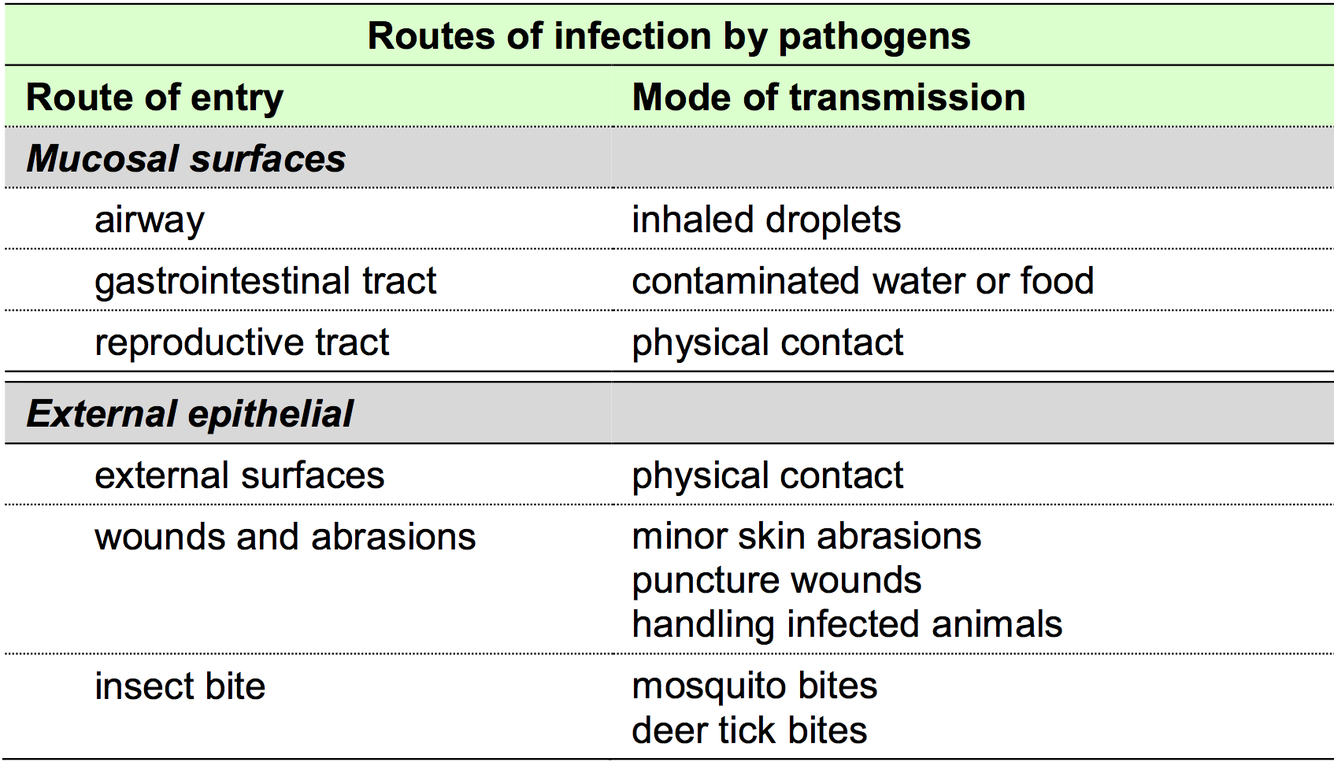
Microbial Invasion
Pathogens can evade, overwhelm, or penetrate a barrier.
After entry into the host it begins to replicate.
Body generates an immune response.
Immune Response
Overview
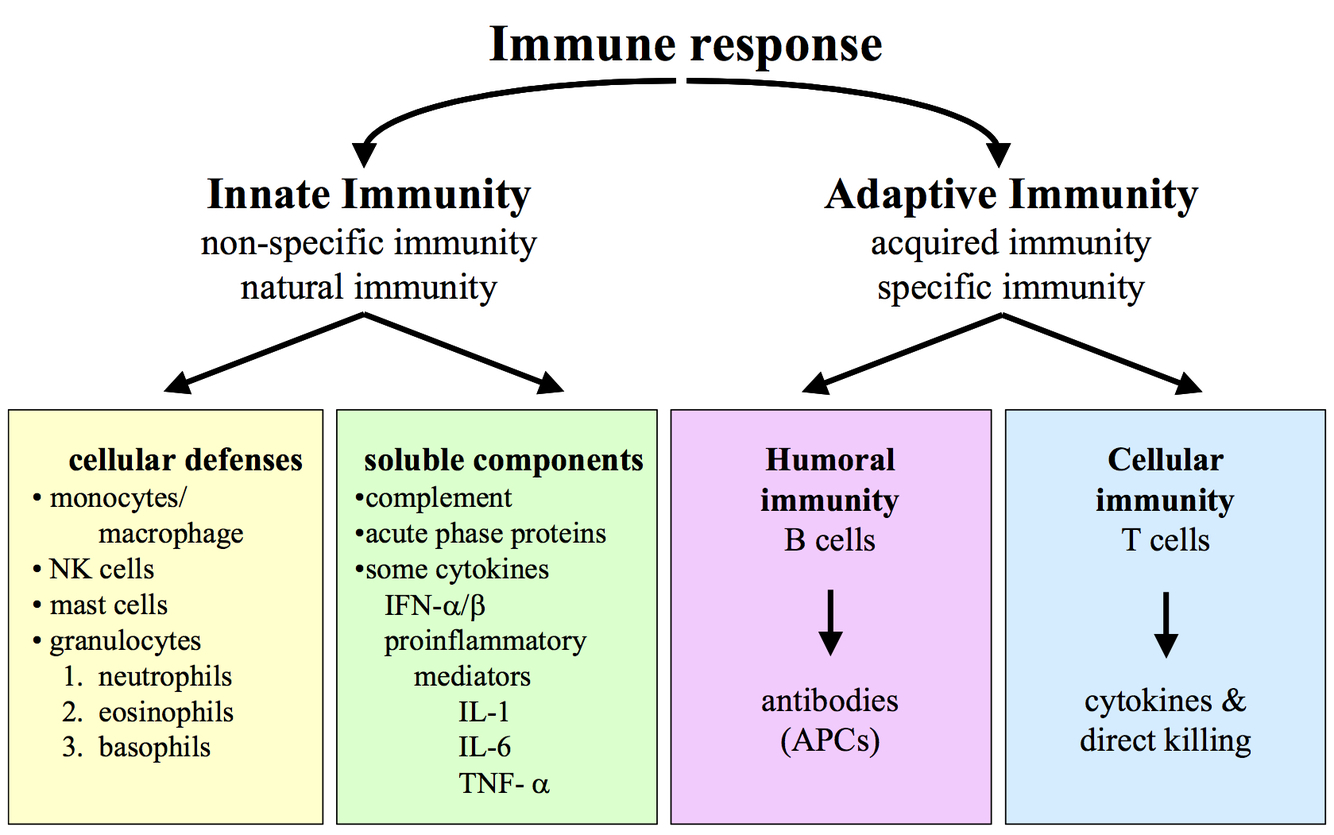
Innate Immunity
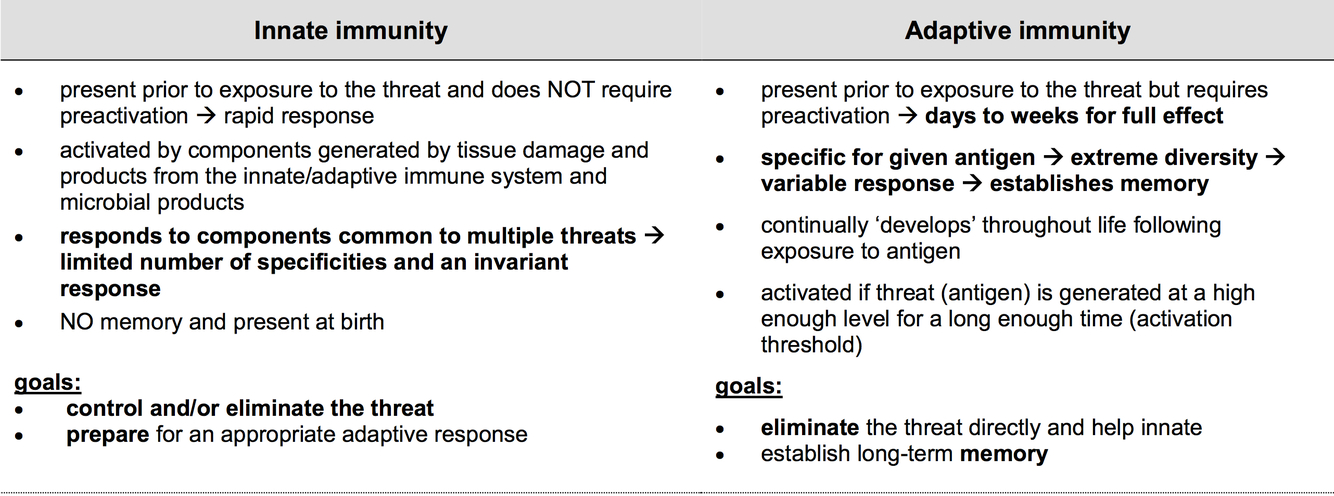
- Ready to function prior to exposure to the threat ⇒ rapid response
- Attempts to control and/or eliminate the threat
- If unable to eliminate the threat, the goal is to keep the body alive long enough for the adaptive response to occur
Adaptive Immunity
- Activated if innate immunity has failed to eliminate the threat
- Threat has bypassed an “activation threshold”
- Includes mechanisms that require days to weeks to become fully functional
- Usually capable of eliminating the threat
- Establishes long-term memory
Innate Immunity
Overview
- Functions by means of pre-existing antimicrobial molecules and cells
- Can resolve most insults
- Only has a few types of recognition molecules that recognize common motifs to many different pathogens
- Can use components of the adaptive immunity to target their immune response
- Antibodies & Cytokines
Innate Immunity
Components
- Phagocytic cells
- Neutrophils
- Macrophages
- Natural killer (NK) cells
- Several cytokines
- Complement
- Multiple plasma proteins
Innate Immune Response
Goals
- Kill/remove the threat
- If unable to remove threat, amplifies and stimulates the immune response
- Prevent spread of the threat
- Prepare for the adaptive immune response
Cytokine
Definition
- A mediator that influences the growth, differentiation, or function of cell types inside and outside of the immune system
- Made by cells of the immune system and other cells in the body
- Usually a soluble glycoprotein that binds to specific receptors to induce signaling
Tissue Macrophages
There are two major types of tissue macrophages:
- Resident macrophages
- Microglia
- Kupffer cells
- Alveolar macrophages
- Osteoclasts
- Proinflammatory macrophages
- Recruited from the blood during an immune response
Neutrophils
(PMNs)
- Granulocytes that circulate in the blood
- Migrate quickly in response to local stimulation or invasion by a microorganism
- Critical to immune defense against extracellular bacteria & other threats
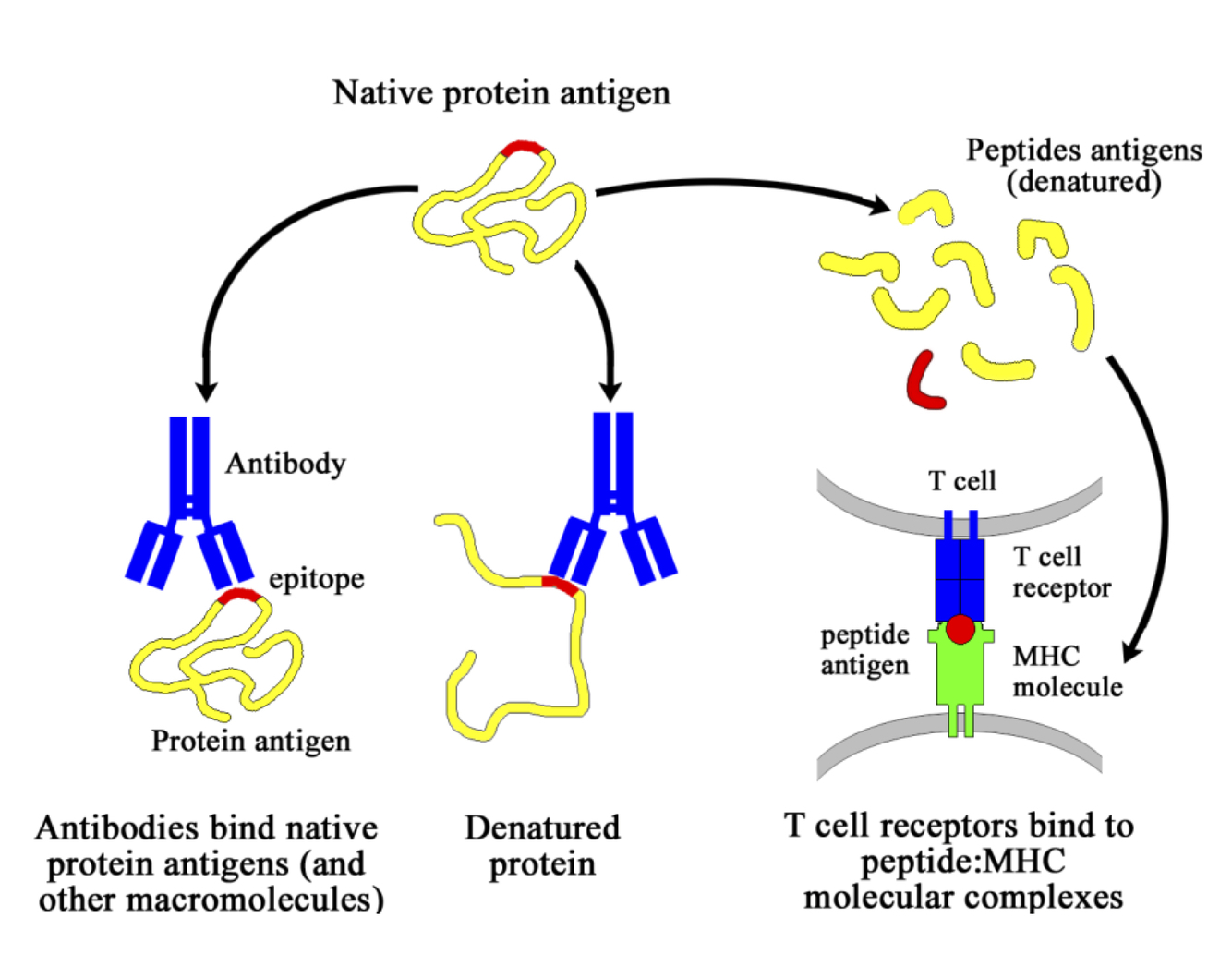
Antigen
Any molecule that can bind specifically to an antigen receptor (e.g. antibody, TCR)
Pathogens are usually composed of many repeating antigentic components.
Epitope
The site on an antigen that is bound by an antibody or TCR
(a.k.a. antigenic determinants)
Many/most antigens have more than one epitope
Methods of Recognition
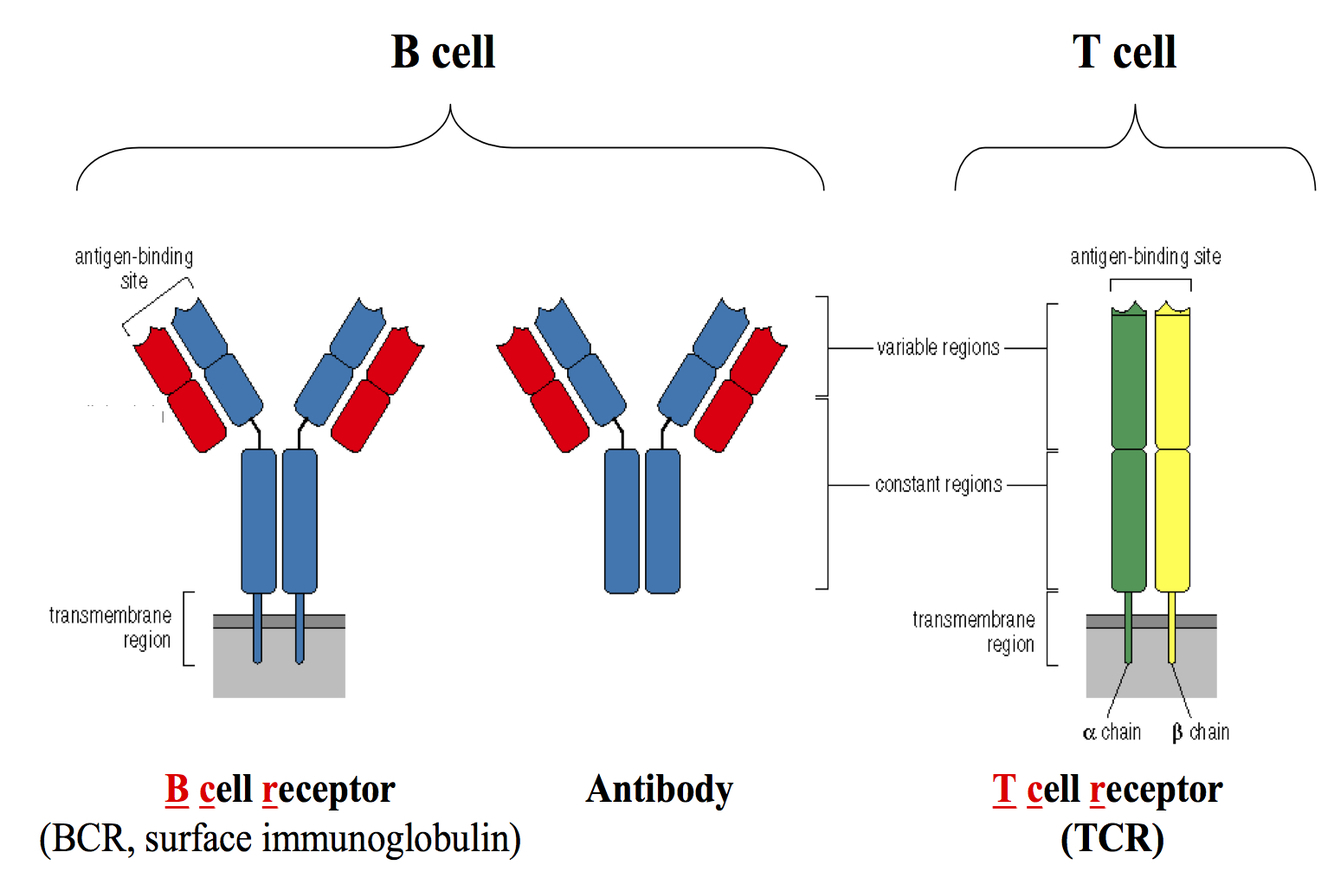
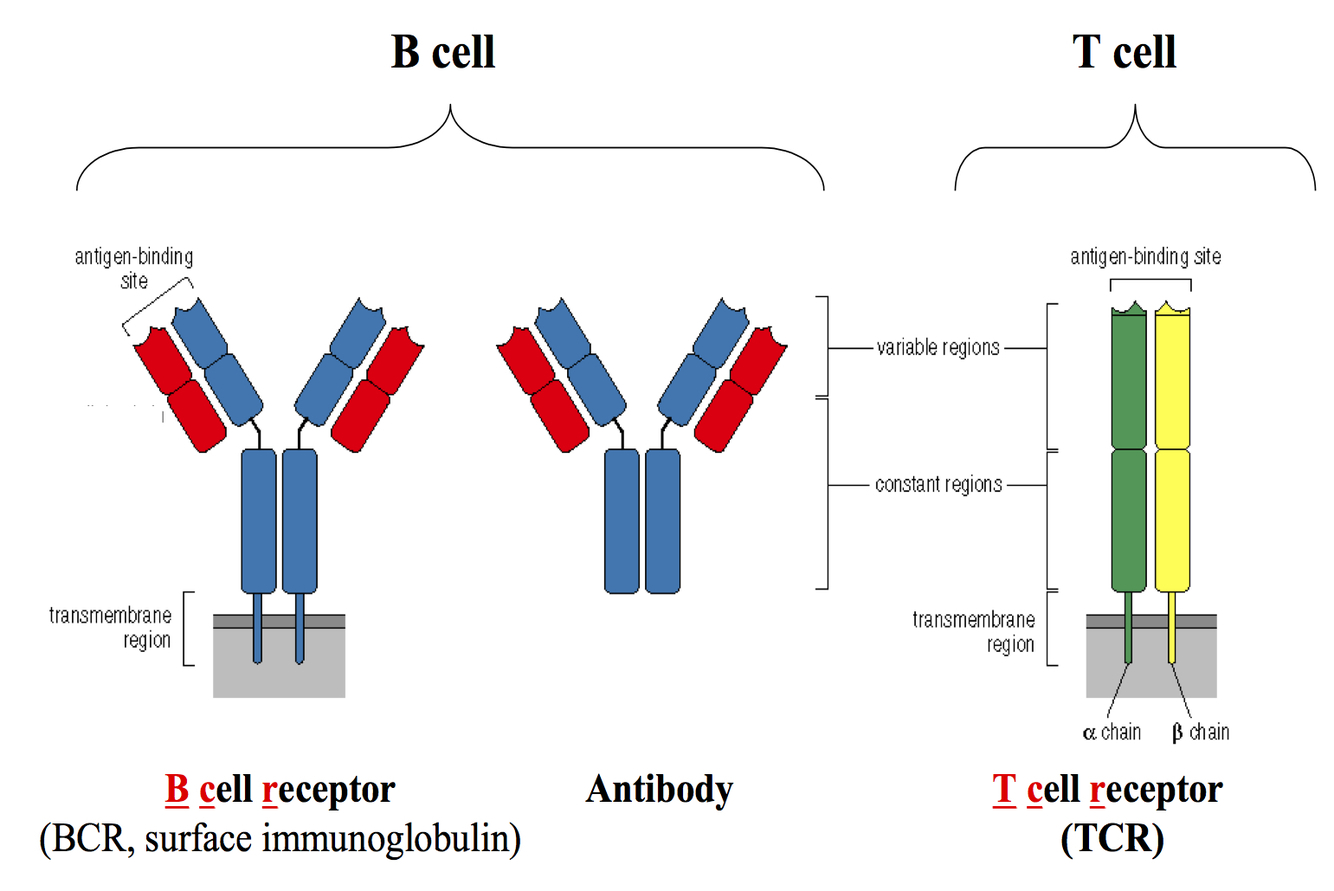
- Both Ig and TCR contain:
- a variable antigen-binding domain
- a constant region
- Important in anchoring it to the cell
- Gives it certain effector properties
- Characteristics of B and/or T cell responses:
- Specific for initiating antigen
- Each receptor varies slightly in structure giving it a different reactivity
- Each B or T cell only expresses a single antigen receptor
Immunoglobulins
(Ig)
Expressed by B-cells:
- B cell receptor (BCR)
- Membrane bound Ig that determines the antigen specificity of the B cell
- BCR can bind free antigen (native and/or denatured)
- Protein
- Polysaccharide
- Lipid
- Nucleic acid
- Antibodies (Ab)
- Soluble forms of immunoglobulins
- Secreted by plasma cells
- Exerts different effector functions
TCR
(T cell receptor)
- Membrane-bound antigen receptor expressed by T-cells
- TCR cannot bind to free antigen
- Only recognizes peptide antigens presented by major histocompatibility molecules
- Class I MHC
- Class II MHC
- Means T-cells are stimulated by host cells expressing MHC and foreign antigens but not free antigen
Lymphoid Organs
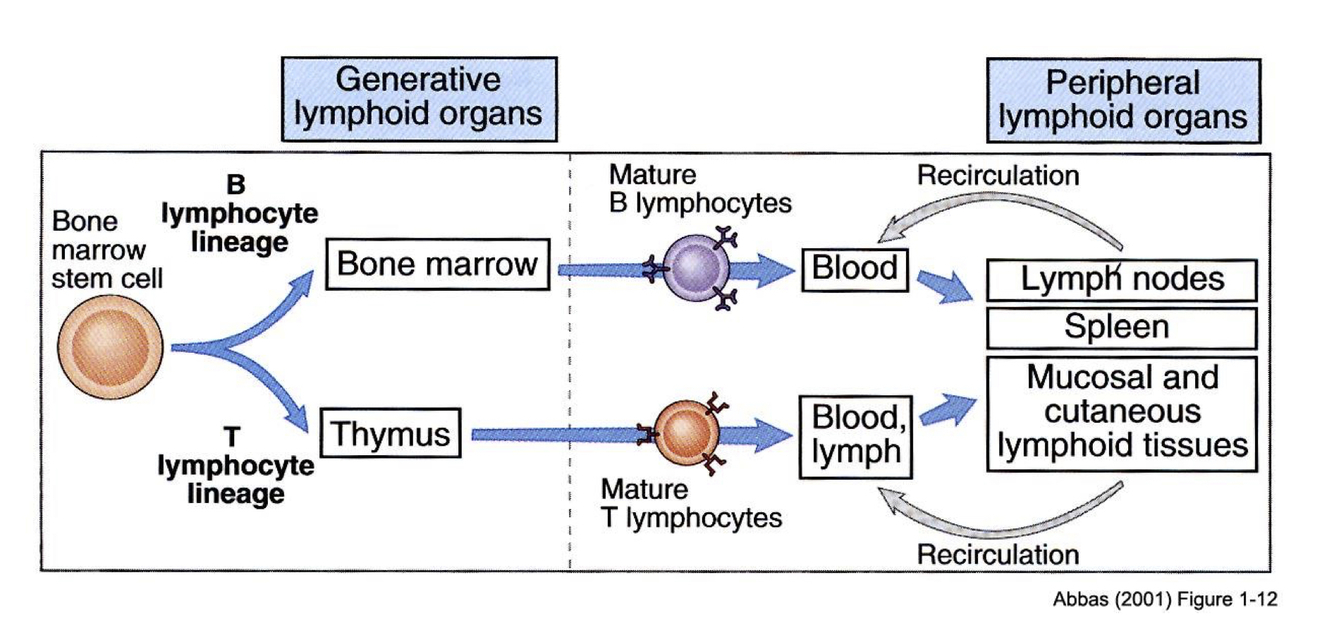
- Primary lymphoid organs
- generative organs
- B lymphocytes (B cells) - bone marrow
- T lymphocytes (T cells) - thymus
- Secondary lymphoid organs
- Highly organized tissues that promote the interaction between antigen, T cells, and B cells.
- Naive T and B cells are usually activated here then proliferate, differentiate, and promote effector functions
- Includes:
- Lymph nodes
- Spleen
- MALT (mucosal-associated lymphoid tissue)
- BALT (bronchial-associated lymphoid tissue)
- GALT (gut-associated lymphoid tissue)
Clonal Proliferation
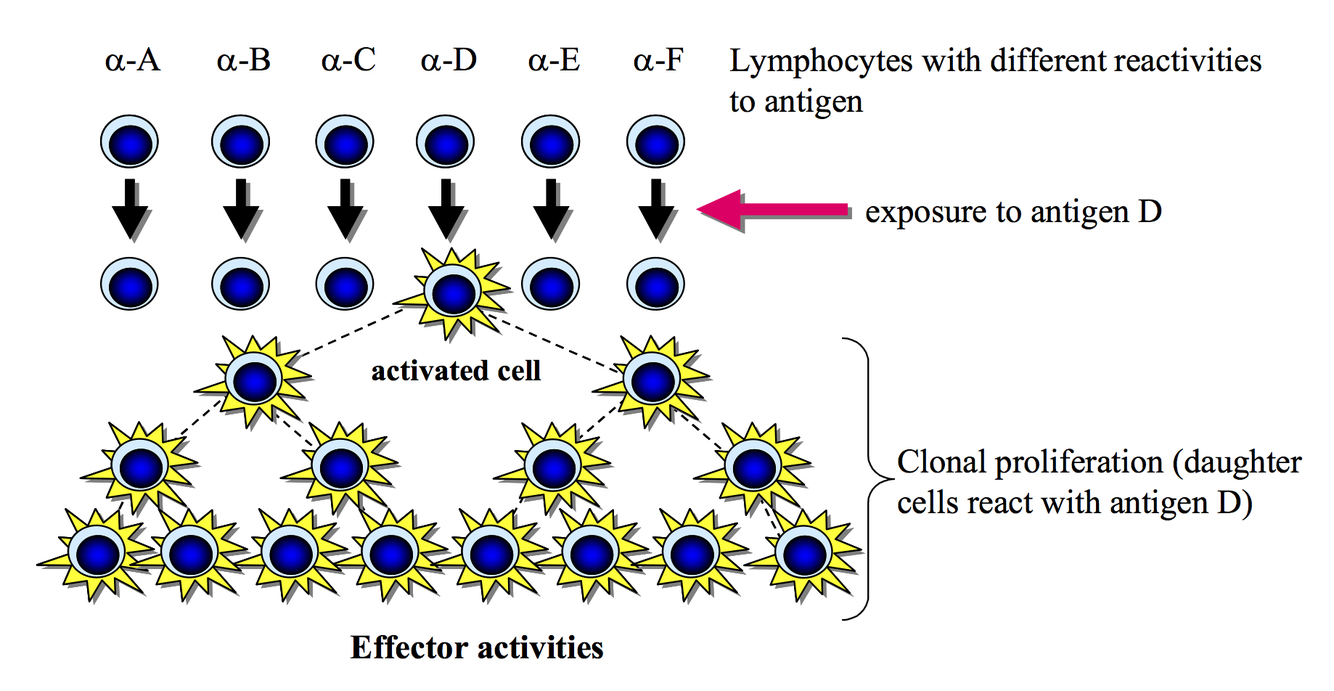
- Usually a threat will activate the few cells that can recognize it out of the millions of different antigen receptors
- Cells stimulated to divide, proliferate, and differentiate into effector cells.
- Daughter clones have the same antigenic specificity as the parental cell.
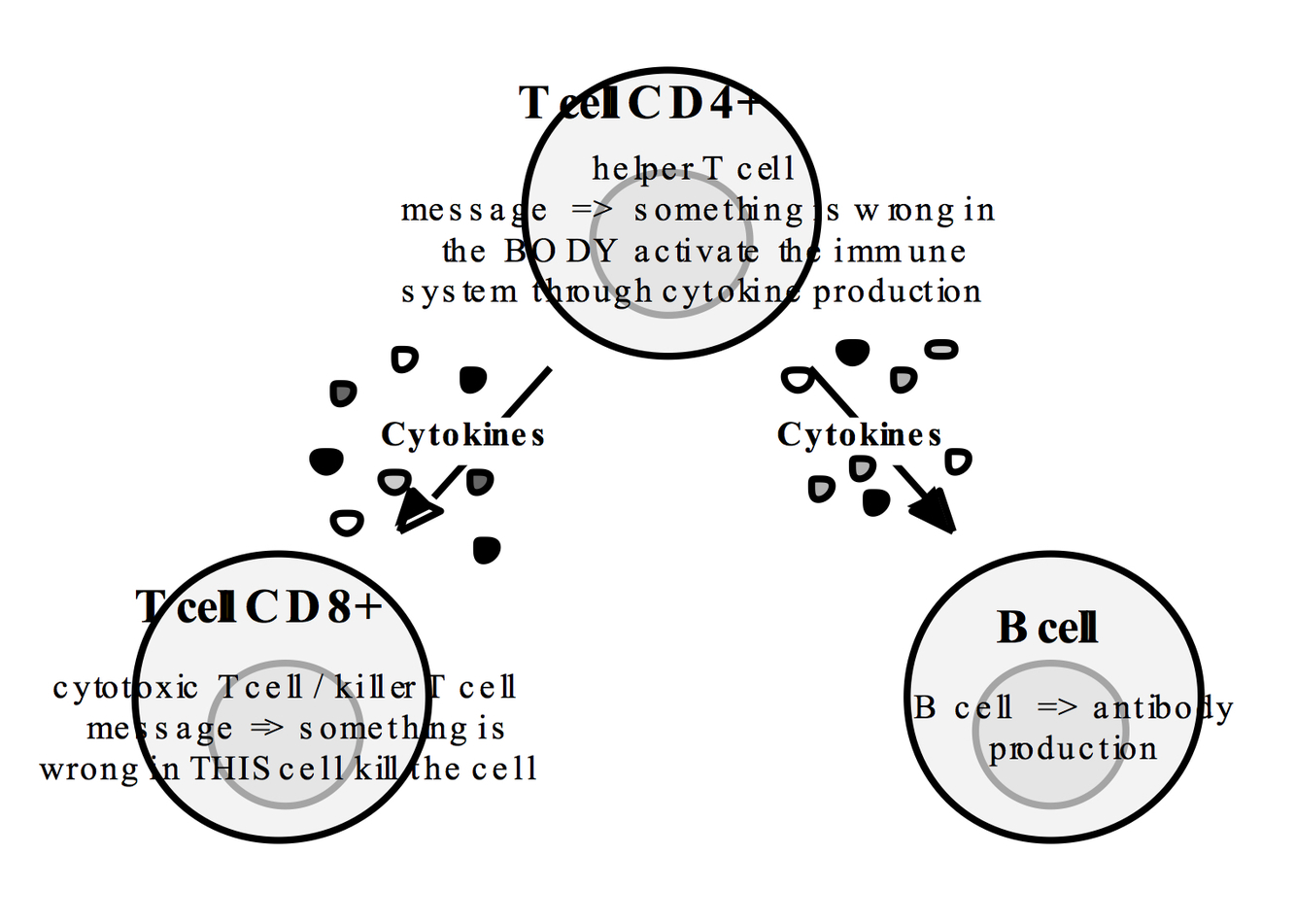
Helper T-cells
(TH)
- Express CD4+ markers
- Synthesize cytokines
- Modulate the immune system
- Helps immune system to function
- Critical role in promoting most adaptive and many innate immune responses
- Promotes immunity to both intracellular and extracellular threats



-
Introduction32
-
Innate Immunity30
-
Complement27
-
Inflammation & Hematopoiesis30
-
Antibody Structure and Function38
-
Antibody Recognition and Generation of Diversity15
-
B-Lymphocyte Development and Antibody Production14
-
Clinical Applications of Ab/Ag Interactions6
-
TCR and MHC14
-
Antigen Processing and T-cell Ontogeny13
-
T Cell Activation and Effector Functions13
-
TC & TH Cells25
-
Immunity to Infection13
-
Cancer30
-
Hypersensitivities46
-
Immune Regulation & Tolerance24
-
Autoimmunity19
-
Transplantation32
-
Immunodeficiencies30



