Initiation of Labour
-Remains uncertain
-Multifactorial in origin, involving;
- hormones
- mechanicals
- maternal anterior pituitary gland is stimulated by factors from the fetal hypothalamus
- The fetal adrenal gland secretes cortisol which in turn changes placenta hormones
- Pro labour, estrogen increases and pro pregnancy progesterone now decreases
- Oxytocin (the contracting hormone) is now released by the maternal posterior pituitary and the prostaglandins are released from the decidua of the placenta.
Initiation of labour
↑ in oestrogen pro-labour hormone
↓ in progesterone pro-pregnancy hormone
Release of oxytocin by the mother’s posterior pituitary gland
Prostaglandins from the decidua if the placenta
Together creating uterine contractions
Mechanical stimulation of the uterus and cervix caused by overstretching and pressure from the baby’s head causing it to shorten and dilate.
Diagnosis of labour. Labour is divided into 3 stages or phases
Latent phase; before labour becomes active, a woman’s body spend some time prepping itself, this can last for 24-48 hours and can be very exhausting as women are often unable to sleep during this period.
1st stage of labour
2nd stage of labour
3rd Stage of labour.
Latent phase of labour
1. Effacement of cervix; During the latent phase, the cervix is going through a period of change, in response to prostaglandin, the cervix starts to soften and shorten.
2. Contractions; the pressure of the presenting part (baby) in the cervix will then cause the cervix to start opening.
- The combination of oxytocin and prostaglandin will create uterine contractions
- At this latent stage, the contractions will vary in intensity and regularity.
*Effacement means that the cervix stretches and gets thinner. Dilatation means that the cervix opens. As labor nears, the cervix may start to thin or stretch (efface) and open (dilate).
-All of these stages can be assessed by a clinician on digital examination.
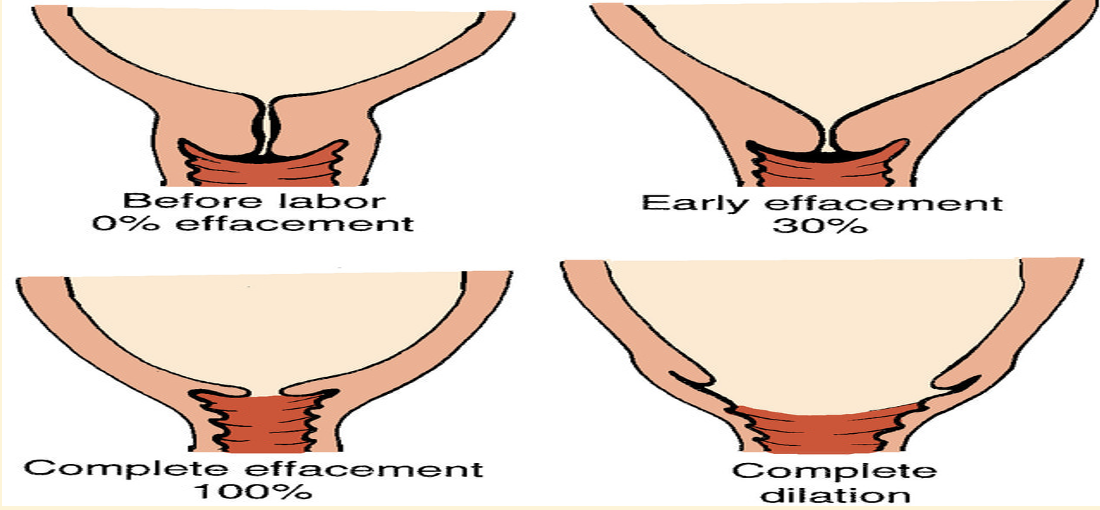
Diagnosis of Active Labour
- Painful regular contractions (contractions are assessed in a 10 minute period and are usually at least 3 every 10 minutes during the active phase). Each one strong, long and lasting 50-60seconds from the beginning to the end. It becomes increasingly more painful.
- Cervical effacement
- Dilatation of the cervix of 4cms or more. this assessment is made digitally on vaginal examination.
*A baby cannot be born without adequate power, contraction despite being painful are integral to the birth process.
Active Labour/First Stage of Labour
- Active labour lasts for approximately 12 hours
- Established labour to full cervical dilatation
- Vaginal examinations
- Cervix dilates on Average is 0.5cm/hour. vaginal examinations are done to assess progress every 4 hours. however, labour can be much quicker if the pregnant woman has had a baby before.
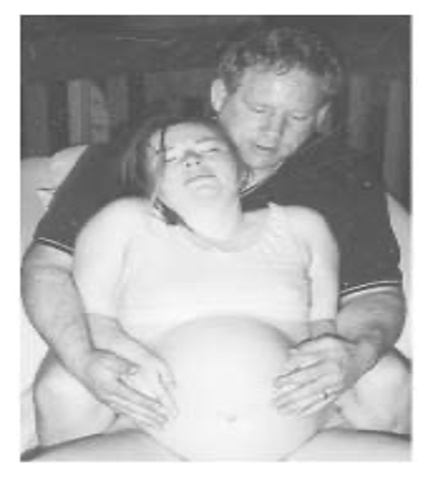
Here is a woman experiencing a contraction supported by her partner.
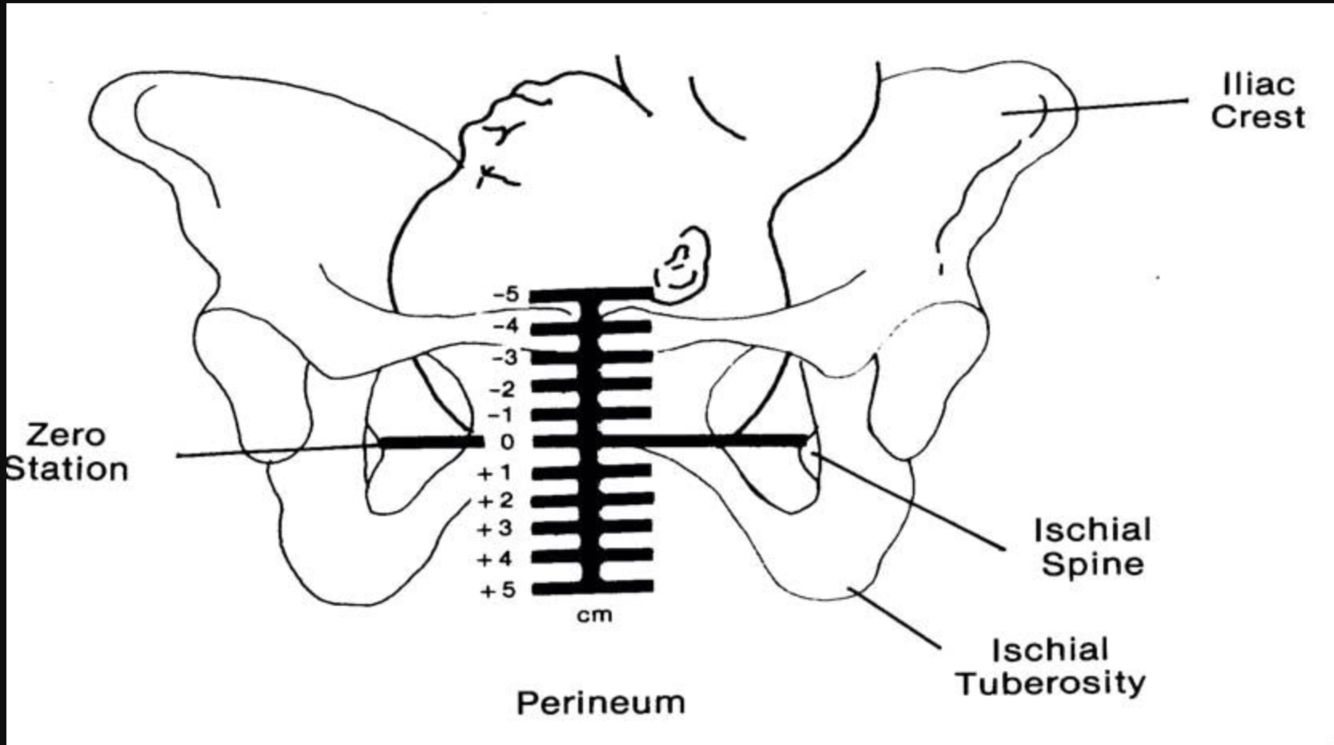
Descent of the fetal head in relation to the ischial spines
- The fetus does not play a passive role in labour.
- As well as assessing cervical dilation on vaginal examination, we need to ensure that the passenger is progressing and descending through the passage.
- clinicians use the maternal pelvis as a guide to assess the descent of the fetus.
- points on the pelvis called the ischial spines are used to assess how far the baby has travelled during the birth process.
Second Stage of Labour
-This stage is diagnosed when the cervix is fully dilated.This is from full dilatation of the cervix to the delivery of the baby..
from this stage to the birth of the baby, it can be variable in time. depending on whether the woman has had a baby before, it can take from just a few minute up to about 3 hours to push our a baby.
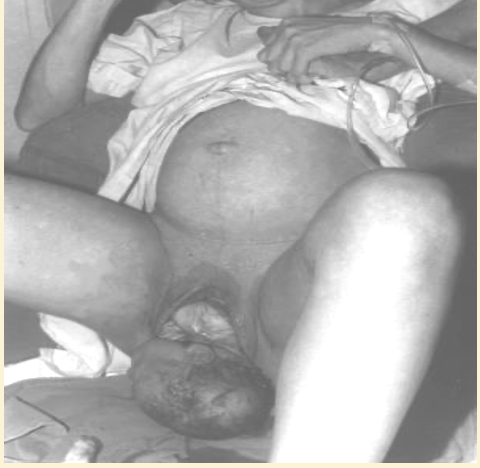
Here you can see the birth of the fetal head facing the right maternal thigh. Plus the emergence of the anterior shoulder.
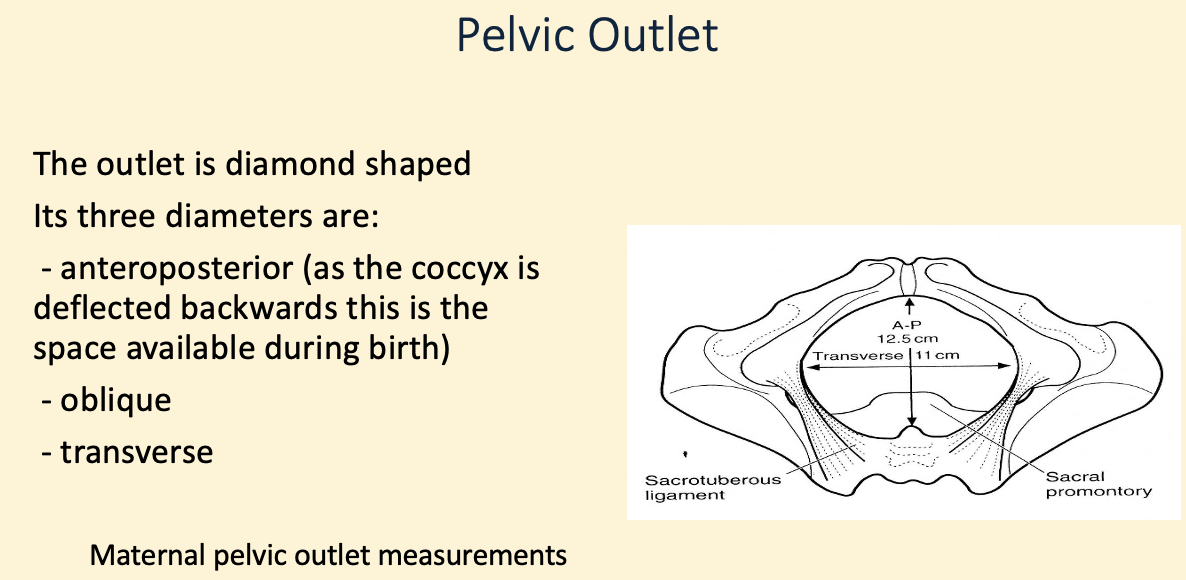
Pelvic Inlet and Outlet
- A baby is born by a process of descent, flexion, rotation and extension. The fetus usually enters the pelvis facing either to the maternal left or right. As this transverse diameter is the widest one to accommodate the fetal head
- The transverse diameter is approximately 13 cm wide.
- contractions will now cause the fetus to descend into the pelvic cavity.
- As the fetal head descends, space decreases in the transverse diameter. To adapt, the fetus flexes its chin up to its chest and rotates its head into the anterior-posterior diameter. As you can see from the diagram, this afford more space than the original transverse diameter at the inlet of the pelvis.
-The brim is oval except where the promontory projects
The anteroposterior diameter is 12cm
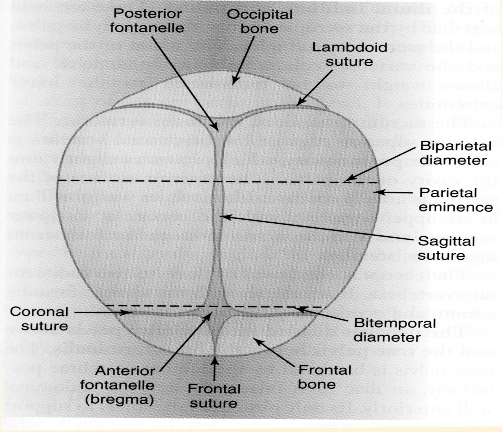
Superior view of the fetal skull
-The widest part is the Biparietal diameter, the skull is formed of seperate bones which mould together during the mechanics of birth.
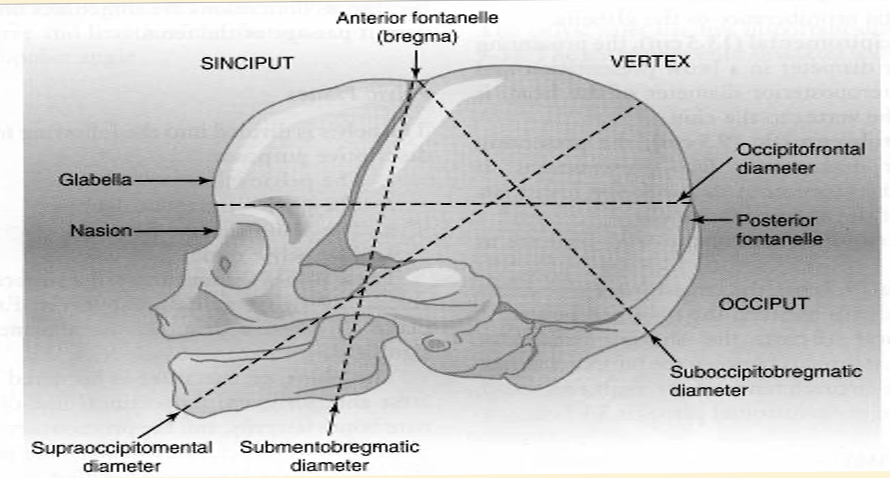
Lateral view of the fetal skull
In normal birth mechanics, the OCCIPUT (back of the skull) presents anteriorly at the outlet of the pelvis. As the fetus’s head flexes, the smallest diameter is then presented to accommodate the limited space. This is called the SUBOCCIPITOBREGMATIC DIAMETER or the diameter running from under the back of the skull on to the anterior fontanelle or the Bregma.
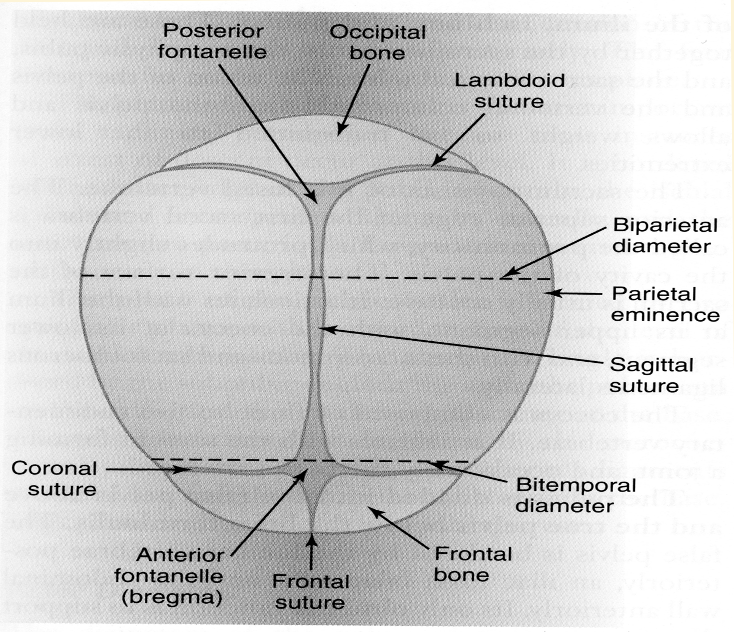
Fontanelles
Anterior fontanelle (bregma)
- diamond shaped intersection of 4
- sutures
- 2x3 cms
- closes at 18 months
Posterior fontanelle
- Y shaped intersection of 3 sutures
- closes at 6-8 weeks
*To ascertain flexion and position of the fetal skull during the mechanics of birth, a clinician call digitally feel both anterior and posterior fontanelles on examination.
Diameters of the fetal skull
- When the fetal head internally rotates to adapt to the increased space in the maternal pelvic space, the OCCIPUT rotates to the anterior position. A well flex fetal skull with OCCIPUT position to anteriorly is approximately 9 and a half cm in diameter.
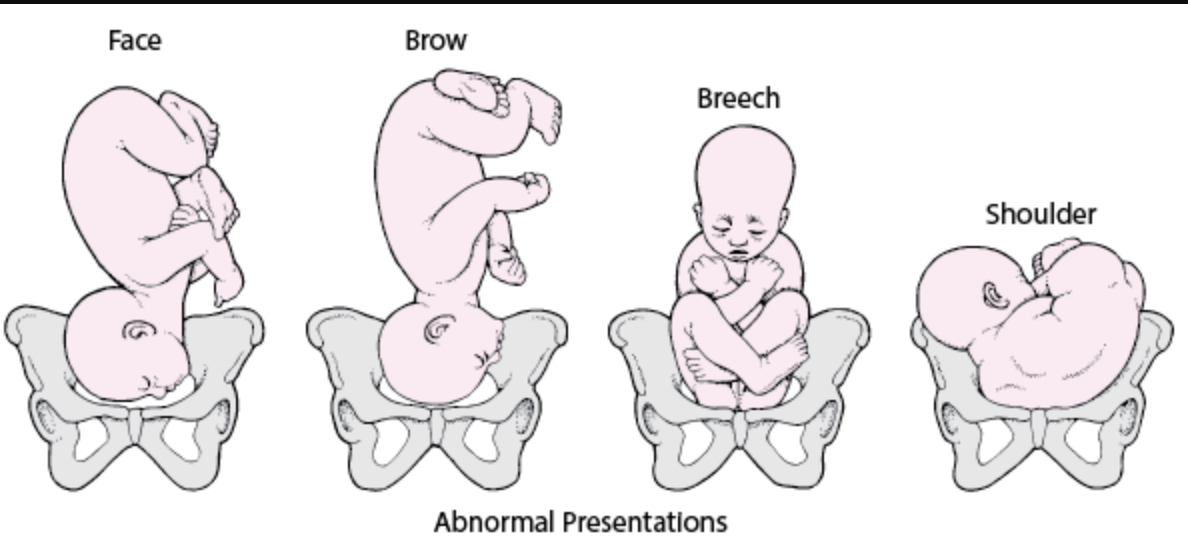
- In relation to the outlet which is approximately 12 and hald cm, the fetal head is easily accommodated and birthed. However, you can see that if alternative positions are adapted, it may mean that the fetus cannot be born as easily or even vaginally in the case of a BROW presentation.
Brow presentation is one of many abnormal positions that can lead to labor and delivery complications and subsequent birth injuries. A fetus in brow presentation has the chin untucked, and the neck is extended slightly backward. It is similar to face presentation, except the neck is less extended.
Suboccipitobregmatic (9.5cms) = OA position
Occitopitofrontal ( 11cms) = OP position
Supraoccipitomental ( 13.5 cms) = brow
Submentalbregmatic (9.5cms) = face
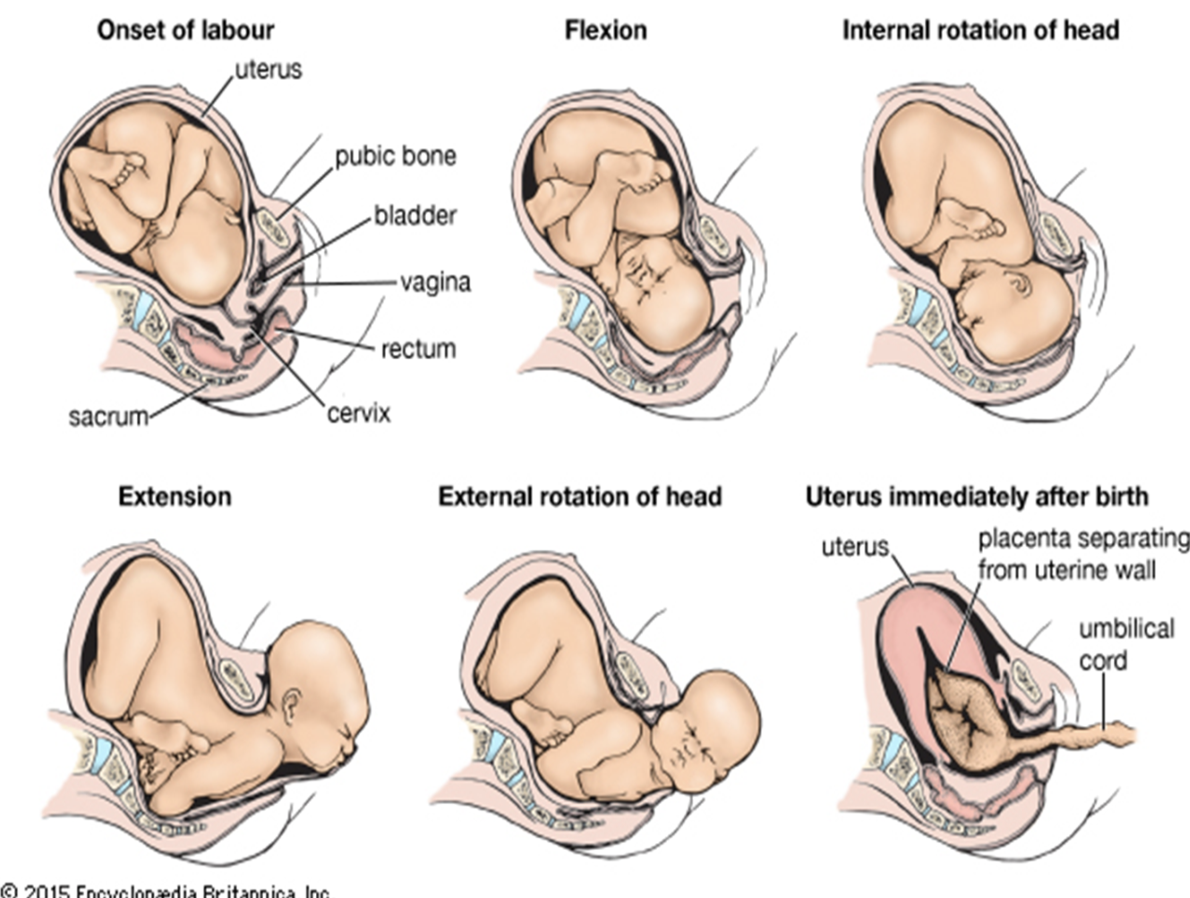
Mechanism of birth summary
-Head at pelvic brim Occipital transverse (OT) position
-Flexion of neck (Suboccipitobregmatic)
-Head descends and engages
-Head reaches pelvic floor- rotates to Occipital Anterior
-Head delivers by extension
-Head “restitutes” (comes in line with the shoulders)
Shoulders rotate into anterior/posterior diameter of pelvis
Anterior shoulder delivered by lateral flexion from downward pressure on baby’s head
Posterior shoulder by upward lateral flexion
Third stage of Labour
Delivery of placenta and membranes.
Normal Estimated Blood loss 300-500mls
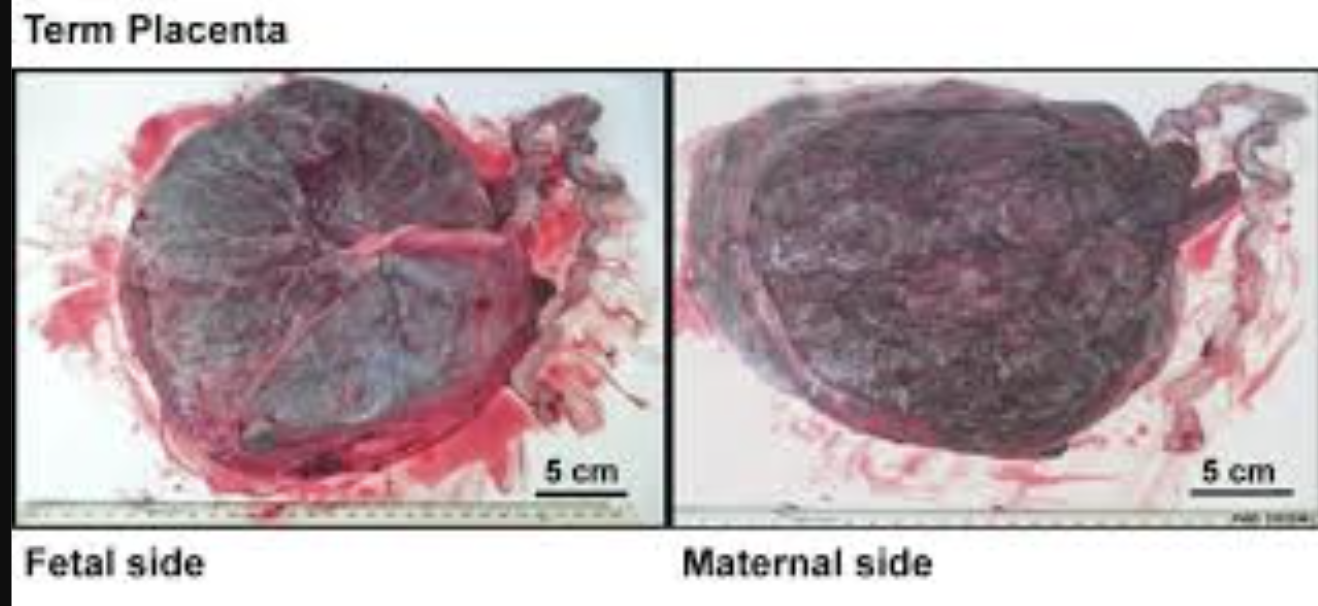
Inspection of placenta to ensure completion and nothing has been retained in the uterine cavity.
The fetal side of the placenta
There are 2 membranes.
- amnion
- chorion
*During pregnancy, maternal circulation increases by 50% therefore a blood loss of up to 500 mls usually does not cause any maternal compromise.
Third Stage of labour
The Placenta is birthed either physiologically with maternal effort or by active management.
1. Active management (CCT)
A utero tonic drig is given which is a synthetic form of Oxytocin i.m. given into the maternal thigh. Causes sustained uterine contraction. Aids delivery of the placenta & contraction of the placental bed. The placenta is delivered with a controlled pull on the umbilical cord. This drug Decreases risk of Post Partum Haemorrhage (PPH). Takes about 10-15 minutes to deliver the placenta.
2.Physiological:
Mother naturally expels the placenta and membranes with uterine contractions over a few minutes or up to an hour.
Fetal Monitoring in Labour
Why do we do this?
to detect fetal hypoxia and deliver baby if needed
How?
Screening the fetal heart rate by:
Intermittent auscultation by
1. Pinard (ear trumpet) or Sonicaid (Handheld doppler)
2. CTG (cardiotocograph) Machine
3. FBS (Fetal Blood Sample)- can be collected from the fetal scalp during labour if hypoxia is suspected.
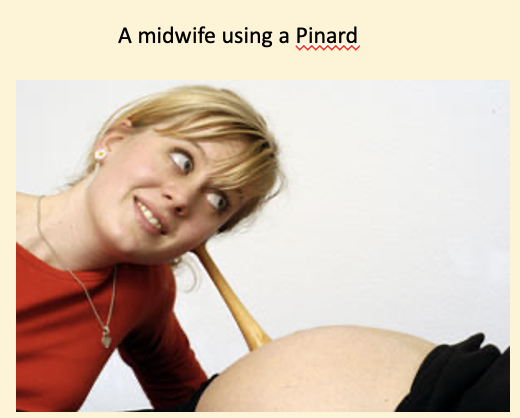
Intermittent Auscultation
Every 15 mins before and after a contraction during the first stage
Every 5 minutes in the second stage
Any abnormality heard would lead to the use of the CTG. Cardiotocography (CTG) is a technical means of recording the fetal heartbeat and the uterine contractions during pregnancy.
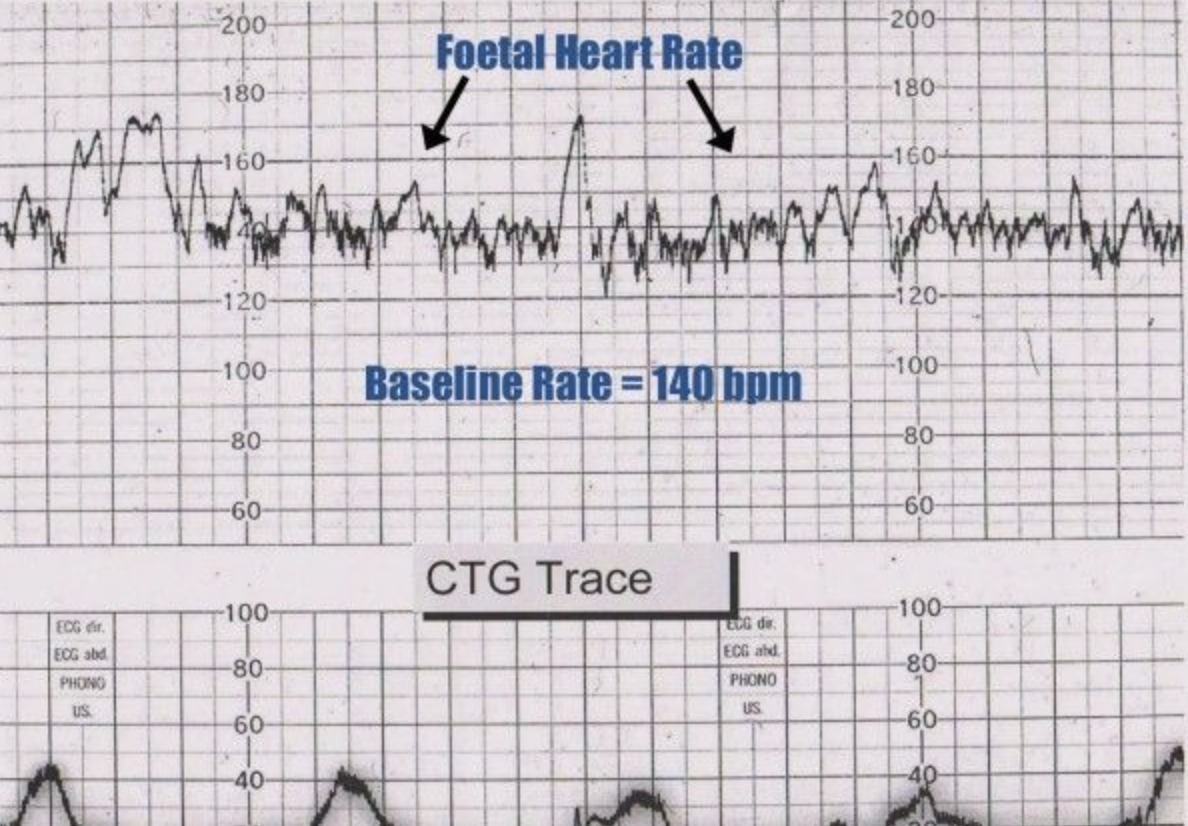
Cardiotocograph
Continuous print out of fetal heart rate and contractions
By abdominal ultrasound-detects cardiac movements and hence heart rate
OR
A clip applied to the fetal scalp (FSE)-detects the R-R wave of the fetal ECG
Most usual is the abdominal ultrasound.
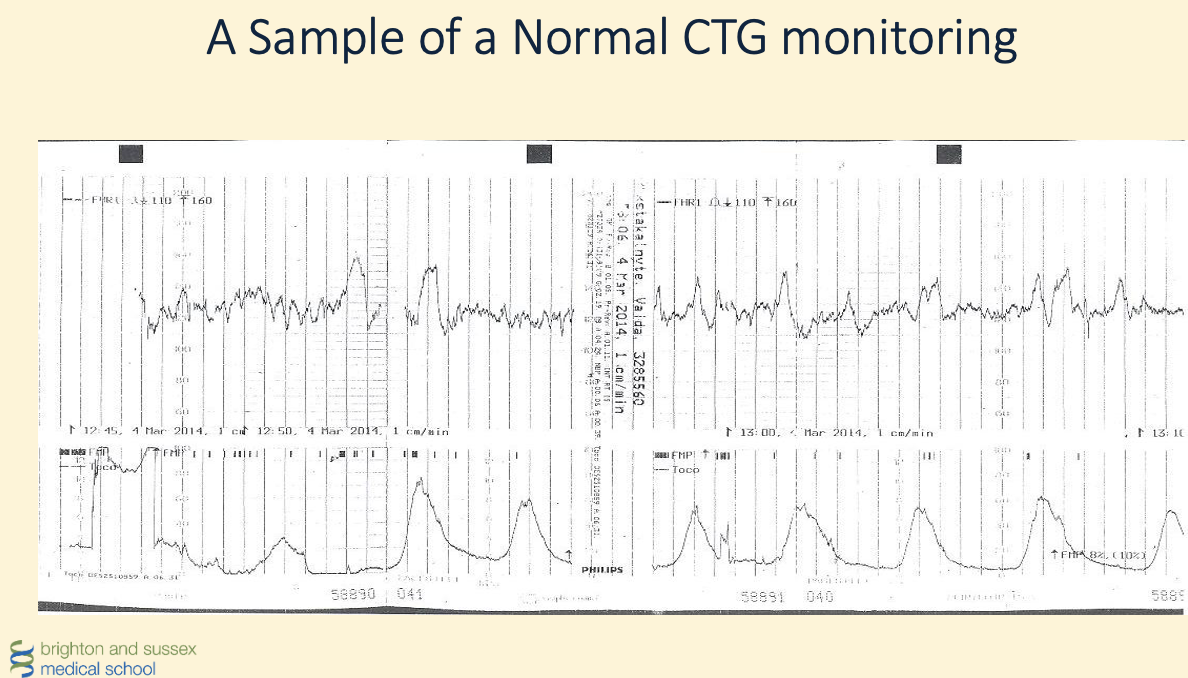
Fetal Blood Sampling
A CTG is highly sensitive e.g. if normal, baby is OK
But poorly specific, for example if abnormal only a few babies are hypoxic.
Use of CTG leads to a 4 fold increase in Caesareans Sections for fetal heart irregularities
Therefore
Need to check the CTG (Cardiotocograph) findings with FBS.
Fetal Blood Sampling
This is a stab on the fetal scalp
Blood is then collected via a glass pipette
pH and base excess results
Contraindications:
Infection such as HIV and Hepatitis B
Fetal Bleeding disorder
Prematurity less than 32 weeks

-
Defining The Pelvic Region38
-
SEXUAL DIFFERENTIATION: HOW TO MAKE A BOY OR A GIRL35
-
Disorders of Ovulation51
-
Puberty – Physiology & Disorders33
-
Defining the Reproductive Tracts70
-
Male and Female Reproductive Endocrinology14
-
Fertility Control15
-
Thinking about populations at a moment in time: Prevalence and cross-sectional studies1
-
Infertility – Basic Science & NICE Guidelines39
-
The testis and spermatogenesis28
-
Measuring Sperm11
-
Normal Birth21
-
Prenatal Screening:NHS Fetal Anomaly Screening Programme24
-
Maternal Hyperglycaemia During Pregnancy29
-
Sexually transmitted infections29
-
Physiology of Pregnancy22
-
Fertilization and Placental development22
-
Fetal growth problems20



