What is ADHD?
Condition incorporating features relating to inattention and/or hyperactivity/impulsivity that are persistent
What are the sub-types of symptoms for ADHD?
Inattention
Hyperactivity/impulsivity
When are most children diagnosed with ADHD?
Between 3 and 7
What are the symptoms of ADHD?
Inattention
Fail to pay close attention to details or make careless mistakes in schoolwork
Have trouble staying focused in tasks or play
Appear not to listen, even when spoken to directly
Hyperactivity and impulsivity
Fidget with or tap his or her hands or feet, or squirm in the seat
Have difficulty staying seated in the classroom or in other situations
Be on the go, in constant motion
Run around or climb in situations when it’s not appropriate
How do you diagnose ADHD?
Medical exam
ADHD criteria from the Diagnostic and Statistical Manual of Mental Disorders DSM-5, published by the American Psychiatric Association
ADHD rating scales to help collect and evaluate information about your child
What is the treatment for ADHD?
Methylphenidates (blocks reuptake of dopamine)
Methylphenidate
Amphetamines (Increase release of dopamine)
Lisdexamfetamine
Dextroamphetamine
What are the side effects of methylphenidate?
- Abdominal pain
- Nausea
- Dyspepsia
- In children, weight and height should be monitored every 6 months
What should you do before starting a child on ADHD medication?
Baseline ECG
What is autism spectrum disorder?
Autism spectrum disorder is a condition related to brain development that impacts how a person perceives and socializes with others, causing problems in social interaction and communication
What 4 seperate disorders does autism spectrum disorder include?
- Autistic disorder (autism)
- Asperger’s disorder
- Childhood disintegrative disorder
- Pervasive developmental disorder not otherwise specified
What is the epidemology of autism spectrum disorder?
ASD is three to four times more common in boys than girls.
Around 50% of children with ASD have an intellectual disability
What conditions are associated with autism?
- Fragile X syndrome
- ADHD
- Down’s syndrome
- Muscular dystrophy
- Neurofibromatosis
- Tuberous sclerosis
What are the symptoms of autism?
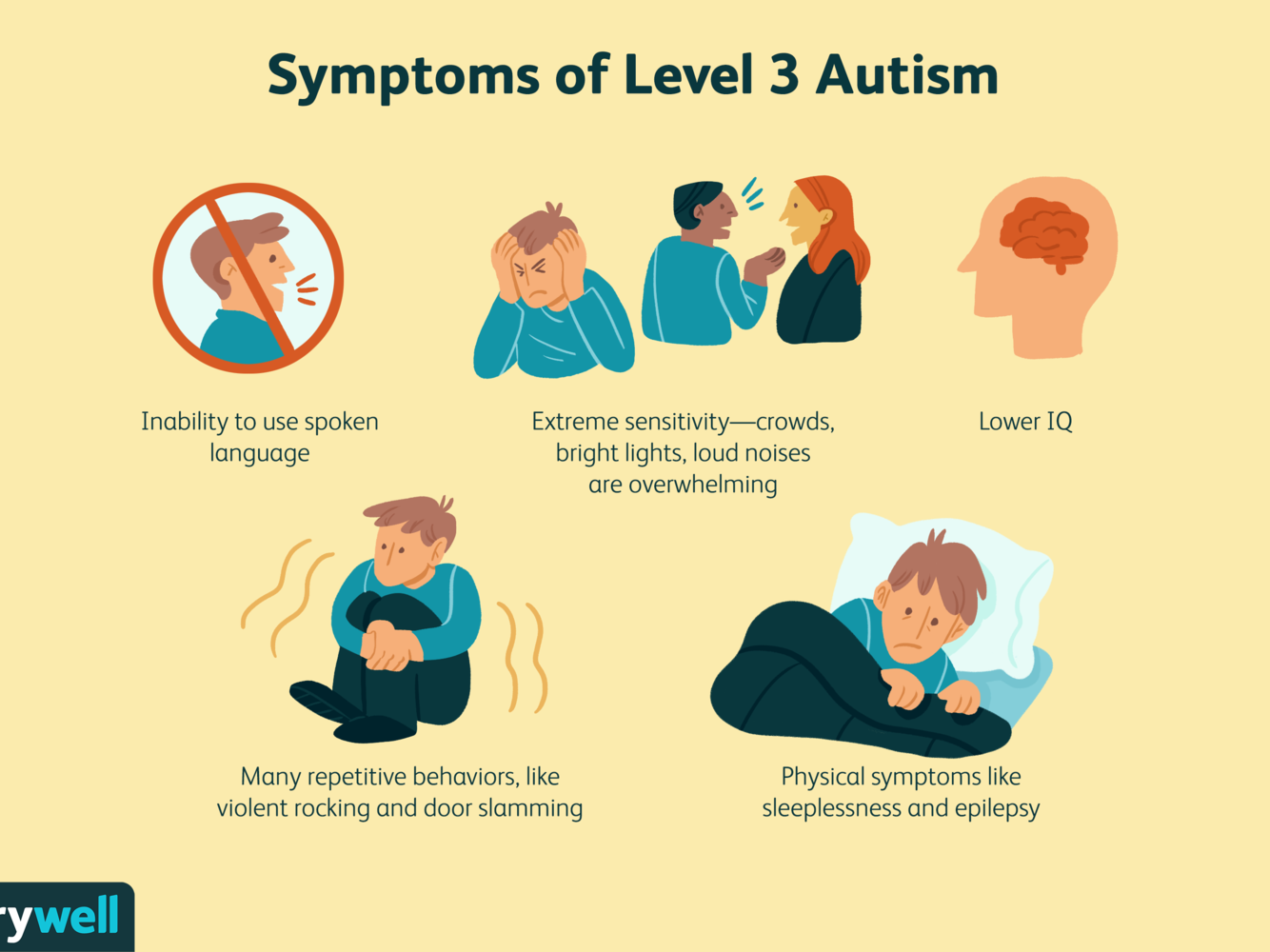
Impaired social communication and interaction
Repetitive behaviours, interests, and activities
ASD is often associated with intellectual impairment or language impairment.
Attention deficit hyperactivity disorder (35%) and epilepsy (18%) are also commonly seen in children with ASD.
ASD is also associated with a higher head circumference to the brain volume ratio.
When does autism typically develop?
Before the age of 3
How do you diagnose autism?
- Consider assessment for possible autism when a person has: one or more of the following:
- Persistent difficulties in social interaction
- Persistent difficulties in social communication
- Stereotypic (rigid and repetitive) behaviours, resistance to change or restricted interests, and
- One or more of the following:
- Problems in obtaining or sustaining employment or education
- Difficulties in initiating or sustaining social relationships
- Previous or current contact with mental health or learning disability services
- A history of a neurodevelopmental condition (including learning disabilities and attention deficit hyperactivity disorder) or mental disorder
What is the treatment for autism?
- Educational and behavioural management
- Applied behavioural analysis
- ASD preschool program
- Medical therapy
- SSRIs - reduce repepative disorder
- Antipsychotics - reduce agression
- Family counselling
What are the signs of annorexia nervosa?
Reduced body mass index
Bradycardia
Hypotension
Enlarged salivary glands
Lanugo hair
What are the ions in annorexia nervosa?
Hypokalaemia
Low FSH, LH, oestrogens and testosterone
Raised cortisol and growth hormone
Impaired glucose tolerance
Hypercholesterolaemia
Hypercarotinaemia
Low T3
How do you diagnose anorexia nervosa?
- Restriction of energy intake relative to requirements leading to a significantly low body weight in the context of age, sex, developmental trajectory, and physical health.
- Intense fear of gaining weight or becoming fat, even though underweight.
- Disturbance in the way in which one’s body weight or shape is experienced, undue influence of body weight or shape on self-evaluation, or denial of the seriousness of the current low body weight.
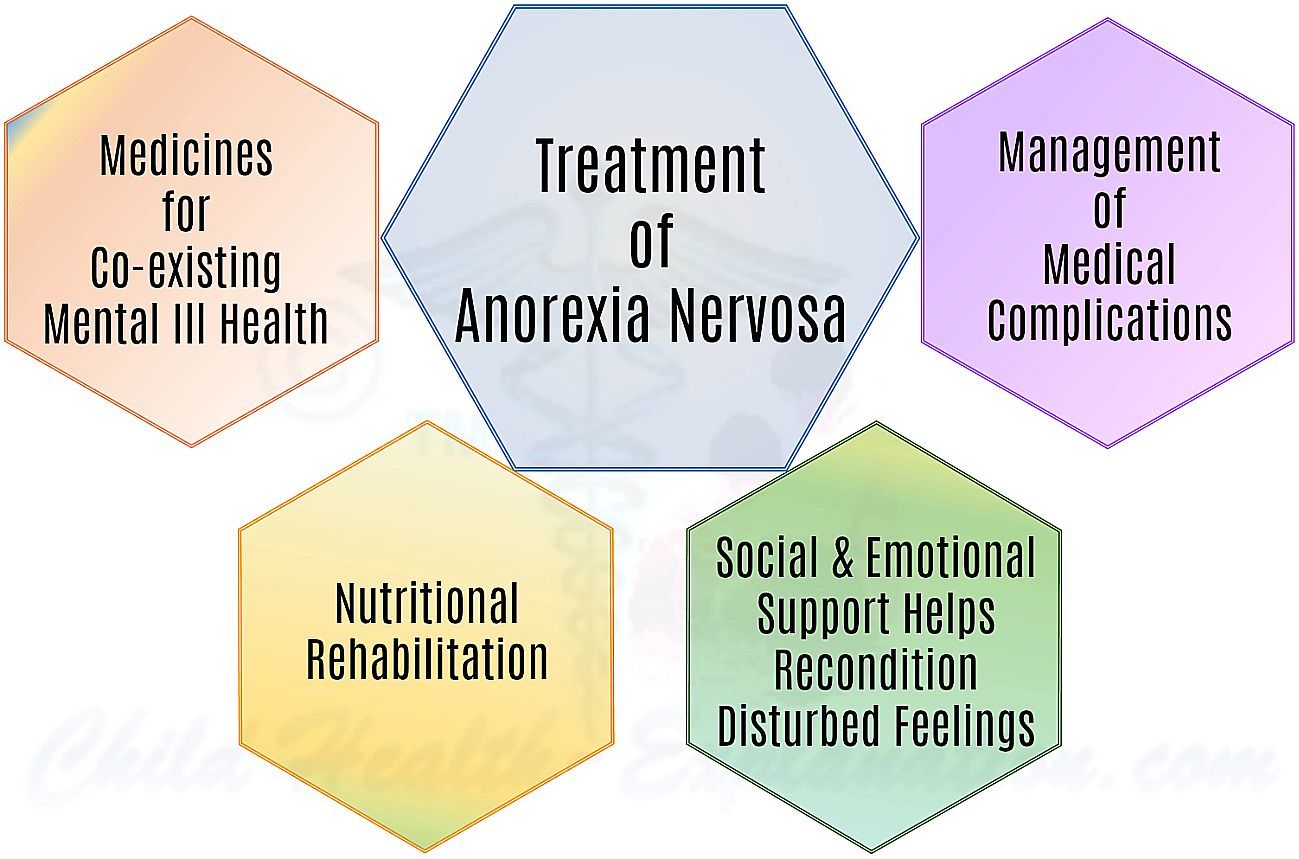
What is the treatment for anorexia nervosa?
- *For adults with anorexia nervosa, NICE recommend we consider one of:**
- individual eating-disorder-focused cognitive behavioural therapy (CBT-ED)
- Maudsley Anorexia Nervosa Treatment for Adults (MANTRA)
- specialist supportive clinical management (SSCM).
- *In children and young people, NICE recommend**
- ‘Anorexia focused family therapy’ as the first-line treatment.
- Cognitive behavioural therapy.
What is bulimia nervosa?
Bulimia nervosa is a type of eating disorder characterised by episodes of binge eating followed by intentional vomiting or other purgative behaviours such as the use of laxatives or diuretics or exercising
What is the DSM 5 diagnostic criteria for bulimia nervosa?
Recurrent episodes of binge eating
A sense of lack of control over eating during the episode
Recurrent inappropriate compensatory behaviour in order to prevent weight gain, such as self-induced vomiting, misuse of laxatives, diuretics, or other medications, fasting, or excessive exercise.
The binge eating and compensatory behaviours both occur, on average, at least once a week for three months.
Self-evaluation is unduly influenced by body shape and weight.
The disturbance does not occur exclusively during episodes of anorexia nervosa.
What is the management for builima nervosa?
Referral for specialist care is appropriate in all cases
- Guided self-help for adults
If bulimia-nervosa-focused guided self-help is unacceptable after 4 weeks of treatment
- Individual eating-disorder-focused cognitive behavioural therapy (CBT-ED)
- Children should be offered bulimia-nervosa-focused family therapy (FT-BN)
Pharmacological treatments
- Have a limited role - a trial of high-dose fluoxetine is currently licensed for bulimia but long-term data is lacking

-
Respiratory52
-
ENT20
-
Cardiology27
-
Gastroenterology130
-
Developmental Milestones11
-
Infectious Diseases125
-
Genetics71
-
MSK70
-
Psych23
-
Neurology29
-
Neonatal medicine111
-
Endocrine and reproductive47
-
Immunisation schedule9
-
Skin and allergy38
-
Renal and urinary55
-
Oncology46
-
Haemotology53
-
Ophthalmology10
-
Child Abuse and Neglect3



