Accelerated renal failure
factors increasing progression of renal failure:
1. hyperlipidaemia: CVD and renal dysfunction
2. metabolic acidosis: increased local ammonia
3. phosphate retention: CaPO4 precipitation
4. Proteinuria: likely toxicity
Acid/Base
Henderson-Hasselbach:
pH= 6.1 + log ([HCO3]/(0.235 x [PaCO2]))
pH equation:
pH= -log [H+]
pKa
- pH at which 50% acid molecules are undissociated and 50% associated
Acute Kidney Injury
definition: inability to excrete solute load
diagnosis: GFR< 100ml/min/173m2, increase Cr >1.5X baseline, UO<0.5ml/kg/hr
- increased Cr/urea/K/PO4
- decreased Na/Ca/VitD/HCO3
- AKI: large swollen kidneys versus CKI: small shrunken kidneys
clinical:
- water causing oedema
- Na causing HTN
- K causing arrhythmias
- H causing metabolic acidosis
- urea causing nausea/vomiting/encephalopathy
- phosphate causing decreased calcium
management
- electrolyte mx, fluid management, treat infection, remove nephrotoxins, monitor weight/BP
prognosis: complete loss of function >4weeks, ongoing unlikely to recover after 2-3 months
ADH/vasopressin
synthesised in hypothalamus and released from posterior pituitary
control of secretion:
- increased osmolality: stimulation osmoreceptors in anterior hypothalamus AND
- decrease fluid vol: tension/stretch of volume receptors in vena cavae/great pulm veins/carotid sinus/AA
actions:
- acts on V2 receptors which are G protein coupled
- phosphorylate ATP to cAMP and cause insertion of aquaporin 2 channels in DT/CD
causes excess ADH:
- pituitary ADH excess: hypoadrenalism/stress, drugs (barbiturates/vincristine), lung disease, IC disease, systemic disease (acute int prophyria)
- increased ADH sensitivity: carbamazepine
- ectopic ADH secretion: bronchogenic carcinoma
ADPKD
incidence: 1/1000
genetics: chromosome 16, polycystin 1/2 maintain renal cell tubular differentiation/proliferation
- 10% new mutation
clinical: most paediatric patients asymptomatic until adulthood
- renal: large bilat hyperechoic kidneys due to cysts
- symptoms in adulthood: haematuria, HTN, proteinuria, infection cysts, abdo/back pain, renal insufficiency
- cardiac valve, hepatic, pancreatic, colonic diverticular, splenic cysts, berry aneurysm 10%
diagnosis (Ravine’s criteria):
- postive family history and renal US
- genetic testing if US indeterminant
prognosis: normal renal function until 40’s
Aldosterone
definition: C21 mineralocorticoid hormone secreted by zona glomerulosa of adrenal cortex
actions: Na/Cl reabsorption and K/H excretion in distal tubules/collecting ducts
secretion: via RAAS
- cAMP mediated (indep ACTH) or ACTH stimulation
increased secretion
- 10% decrease plasma Na or 10% increase plasma K
- upright postion
- loss ECF
- surgery/anxiety
- hyperaldosteronism
- RAS
decreased secretion:
- increased Na, adrenalectomy
Alport syndrome
type: diffuse GBM
incidence: AR 15%, AD 5%, X linked 85% mutation of type IV collagen
- associated family history
pathogenesis: GBM/tubular membrane thinning/thickening/splitting with foam cells (lipid containing tubular cells), progressive, may also affect ears/eyes
clinical: microscopic haematuria with episodes of synpharyngitic macrohaematuria +/- proteinuria
- SNHL deafness (NOT congenital)
- anterior lenticonus, corneal erosions, macular flecks
diagnosis: genetic studies, biopsy
Anion Gap
Anion gap= [Na + K] - [Cl + HCO3]
Normal anion gap= 10-16 mmol/l
increased AG: renal failure, diabetic/alcoholic ketoacidosis, lactic acidosis, ingestion salicylate/methanol/ethylene glycol/paraldehyde
decreased anion gap: increased unmeasured cation eg. potassium/Mg/calcium, decreased unmeasure anion eg. hypoalbuminaemia
ANP
ANP: secreted from atrial tissues with fluid overload and causes natriuresis/vasodilation
renal effect:
- dilates afferent/constricts efferent glomerular arteriole
- relaxes mesangial cells
- increased excretion Na/water
- decreased reaborption in DCT/CD
- inhibition of renin secretion
- reduction in aldosterone secretion in zona glomerulus
vascular effect:
- relaxation vascular SM
- inhibition of catecholamines
Antenatal hydronephrosis
outcome:
- hydronephrosis w/o ureteric dilation not concerning: transient, pelvic ureteric obstruction, VUR
- hydronephrosis with ureteric dilation needs Ix
risk factors:
- bilateral hydro APD >10mm, unilateral APD > 15mm
- single kidney, duplex system, ureteric dilation, ureterocoele, oligohydramnios
management: AB at birth, US day 4-7
- if less dilation then repeat in 1 month
- if severe admit
investigations: MAG3 < 6weeks, DTPA > 6 weeks
ARPKD
(aka infantile PKD)
incidence: 1/10,000
genetics: carriers 1:70, chromosome 6, PKHD1 gene for protein fibrocystin/polyductin
pathogenesis: renal cystic disease in utero with dilation of CD
antenatal dx: antenatal scan: large echogenic kidneys with microcysts <3mm
clinical:
- neonatal: enlarged kidneys, oligohydramnios, pulmonary insufficiency
- renal: hyponatraemia, poor [] ability, metabolic acidosis, recurrent UTIs, proteinuria, glycosuria, hyperphosp, magnesiuria, HTN, renal failure
- liver: congenital hep fibrosis, dilation intrahep/main bile ducts, degree varies, develop hepatomegally, portal HTN
- resp: lung dysplasia, Potter syndrome
prognosis: survive 1st month then 80% chance to 15yrs
diagnosis: renal imaging +1 (hep fibrosis/pathology, absence cysts both parents/ARPKD in siblings/consanguinity)
- renal US: large echogenic kidneys with poor corticomed differentiation
- liver: increased echogenicity, dilation of intrahep ducts
management: no disease recurrence in transplant
complications: UTI, bacterial cholangitis, portal HTN
Acetozolamide
mechanism: inhibits carbonic anhydrase
effect: NaCl and NaHCO3 loss but NET diuresis
- LOH then absorbs it
- diuretic action attenuated by met acidosis from loss of HCO3
indication: diuretic for oedematous patients with met alkalosis
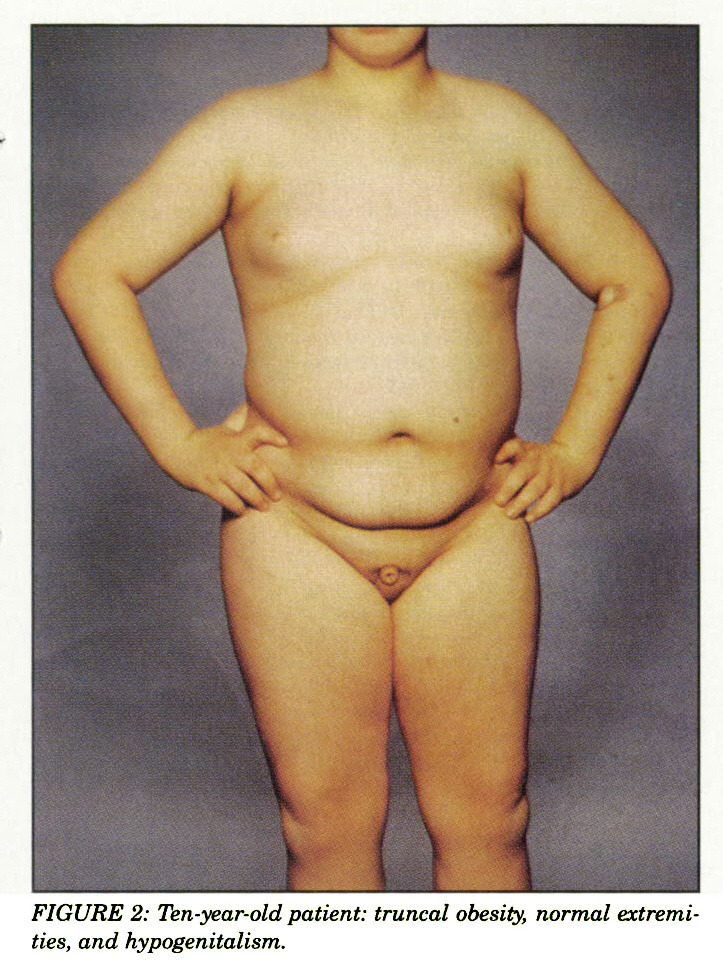
Bardet-Biedel
incidence: 1:140,000
genetic: AR digenetic, 12 genes localised to primary cilia/basal bodies
clinical: polydactyly, truncal obesity, retinal dystrophy, hypogonadism, renal involvement 70%, ID, anosmia, situs inversus
Bartter/Gitelman syndrome
-tubular hypomagnesemia/hypokalaemia-
incidence: onset infancy, Gitelman 1/40,000, Bartter 1/1,000,000
genetics: AR
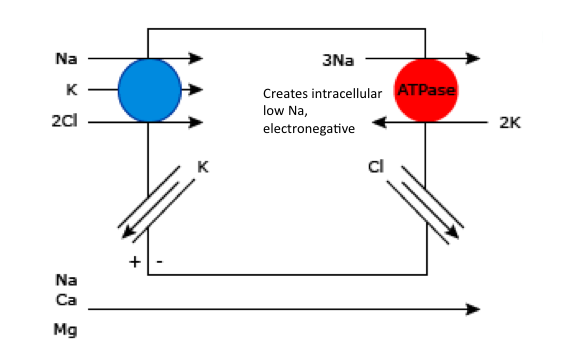
pathophysiology: tubular defect in NaCl transport
Bartter: acts as loop diuretic and prevents NaCl reabsorption in ascending LOH
Gitelman: acts as Thiazide
- unable to concentrate urine
- hypocalciuria
- less severe
clinical: severe, growth/mental retardation, polyuria, polydipsia
diagnosis: hypokalaemic met alkalosis, low serum Na/Mg, high urine Cl
- H+ ions lost to reabsorb K+
- elevated renin/aldosterone
treatment: KCl, NSAIDs, spironolactone, ACEi, fluids
Benign familial haematuria
aka. thin basement membrane disease
type: diffuse
incidence: family hx haematuria, sporadic/AD mutations type IV collagen
pathogenesis: thinning GBM
clinical: microscopic haematuria with episodes of gross haematuria
diagnosis: normal complement
prognosis: benign
Buffers
children make 2-3mEq/kg of acid
buffers:
- HCO3 in ECF
HCO3 + H+ ⇔ H2CO3 ⇔ dissolved CO2 + H2O
- H renally excreted and HCO3 reabsorbed
base excess:
- normal -2 to 2
- reflects the excess or deficit of base
Hypertension
classification:
normal: <90th centile
preHTN: 90-95th centile
stage I: 95-99th centile +5mmHg
stage II: >99th centile +5mmHg
types:
primary
secondary (30%): more common in infants
- renal (60-80%): parenchymal, vascular, obstruction
- cardiac
- endocrine: CAH, cushing’s, phaeo, thyroid
- central
- OSA
- drugs: steroids, OCP, thyroxine
- tumours: neuroblastoma
diagnosis: BMI, 4 limb BPs and pulses
investigations: UEC, LFT, FBC, urine (Pr:Cr), renin, aldosterone, renal dopplers, MAG3, angiography, TTE, CXR, TFTs, cortisol, HbA1c
treatment: nifedipine, ACEi, prazosin
Calcium calculi
hypercalciuria
incidence: commonest cause (60-90%)
increased urine Ca by:
- increased dietary Na
- increased dietary Ca, Vit C, Vit D
- decreased Ca (increases oxalate absorption as usually Ca bound)
- immobilisation
- oliguria
- drugs: lasix, topiramate, steroids
- genetics: Bartters, Bents, Cl channel defect
clinical: calculi, nephrocalcinosis, decreased BMD
treatment: fluids, decreased dietary Na, increase dietary K, calcium chelation, thiazides (reabsorb Ca in tubules
causes of haematuria
‘SHIRT’
Stones
Haematologic abnormalities
- AVM, coagulopathy, sickle cell
Infection/Iatrogenic/Idiopathic/Immunologic
- BFH, haemorrhagic cystitis, collagen vasc disease, epididimytis, exercise, UTI, vasculitis
Renal abnormalities: anatomic, Alport’s, nephritis, renal vein thrombosis
Tumour/Trauma: hypercalcaemia, foreign body, perineal irritation/trauma
Chronic kidney disease
definition: GFR< 60 for >3months or with evidence of structural damage
stages:
stage 1: normal GFR >90,
stage 2: GFR 60-69
stage 3: GFP 30-59
stage 4: GFR 15-39
stage 5: GFR<15
OR <2yrs: 1-2 SD from mean is moderate, >2SD from mean is severe
cause: congenital abnormalities (60%), cystic (ARPKD, ADPKD), GN (17%)
progress: once diagnoses, gradual progression and decline
management: SLOW progression, maintain growth/development, preserve vasculature
treatment: dyslipidaemia (statins >10yrs, exercise), proteinuria (ACEi), hyperphosphataemia (low Ph diet, Ph binders), Na retention (low Na diet), hyperkalaemia (low K diet, frusemide), met acidosis (NaBicarb), osteodystrophy (Ph binders, vit D), anaemia (EPO, Fe)
CMV in immunosuppressed
various clinical syndromes in immunocompromised patients with multiple organ system involvement
clinical:
- most important manifestations: pneumonitis, GI disease, and retinitis
- GI disease: esophagitis, gastritis, gastroenteritis, pyloric obstruction, hepatitis, pancreatitis, colitis, and cholecystitis
- nausea, vomiting, dysphagia, epigastric pain, icterus, and watery diarrhea.
Complement mediated HUS
incidence: rare, 50% non Shiga HUS
pathophysiology: trigger event with gene mutation leads to uninhibited activation of the alternative pathway with formation MAC
- results in renal endothelial damage and activation of coag cascade and thrombotic microangiopathy
clinical: microangiopathic haem anaemia, thrombocytopaenia, AKI
- assoc family hx, HTN, trigger
diagnosis: screening for mutations not widely available, consider in family hx or previous episodes HUS
treatment: supportive
Congenital nephrotic syndrome
onset: at birth or within 3 months
clinical: oedema, FTT, infections, hypothyroidism, thrombosis
- most progress to ESKD
causes:
primary: congenital, diffuse mesangial sclerosis, MCNS, FSGS, membranous
- mutations in 4 genes: NPHS1/2, WT1, LAMB 2 (GBM components)
- Denys-Drash syndrome: WT1 mutation with abnormal podocytes
- Pierson syndrome: LAMB2 gene for B2 laminin
secondary: infection, drugs, SLE, syndromes, HUS
Cystine calculi
incidence: 1-5% stones
onset: in childhood
mechanism: defective reabsorption of dibasic AAs in tubule causing cystine precipitation in hexagonal crystals
diagnosis: urine microscopy, RADIOLUCENT
treatment: fluids, alkalinise urine, decreased Na, penicillamine


clearance of solute
- ideal solute: freely filtered at glomerulus, no metabolism/secretion/reabsorption ie. inulin
creatinine: small endogenous product muscle metabolism
- secreted in tubules so can overestimate GFR
urea:
- 40-50% passively reabsorbed in proximal tubule
- can underestimate GFR
cystatin C: small molecule produced nucleated cells in body
- metabolised in tubules so can't measure clearance
- BUT serum cystatin C may correlate better with GFR


-
Acute Care28
-
Basic Sciences15
-
Cardiology109
-
Dermatology26
-
Developmental43
-
Endocrinology99
-
Gastroenterology151
-
Genetics127
-
Haematology72
-
Immunology102
-
Metabolic Disorders19
-
Microbiology133
-
Neonatology94
-
Neurology89
-
Oncology105
-
Orthopaedics37
-
Psychiatry13
-
Renal128
-
Respiratory66
-
Rheumatology36
-
Statistics/Epidemiology22
-
Surgery4
-
Pharmacology19



