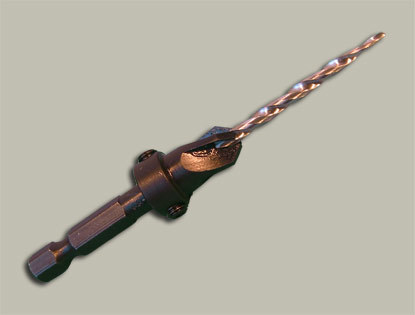
Fuller Combo
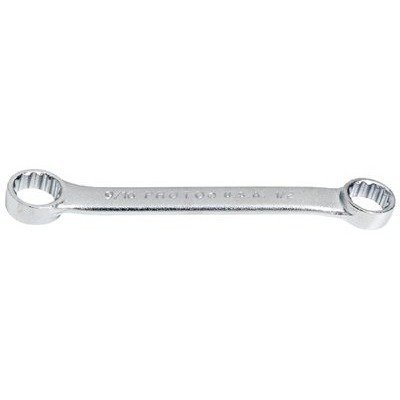
Box Wrench
A wrench, usually double-ended, that has a closed socket that fits over the head of a bolt.

Cap Screw
Similar to the machine bolt in size and appearance but more refined; not limited to just two head styles; has longer thread segment for joining threaded parts which require precision alignment
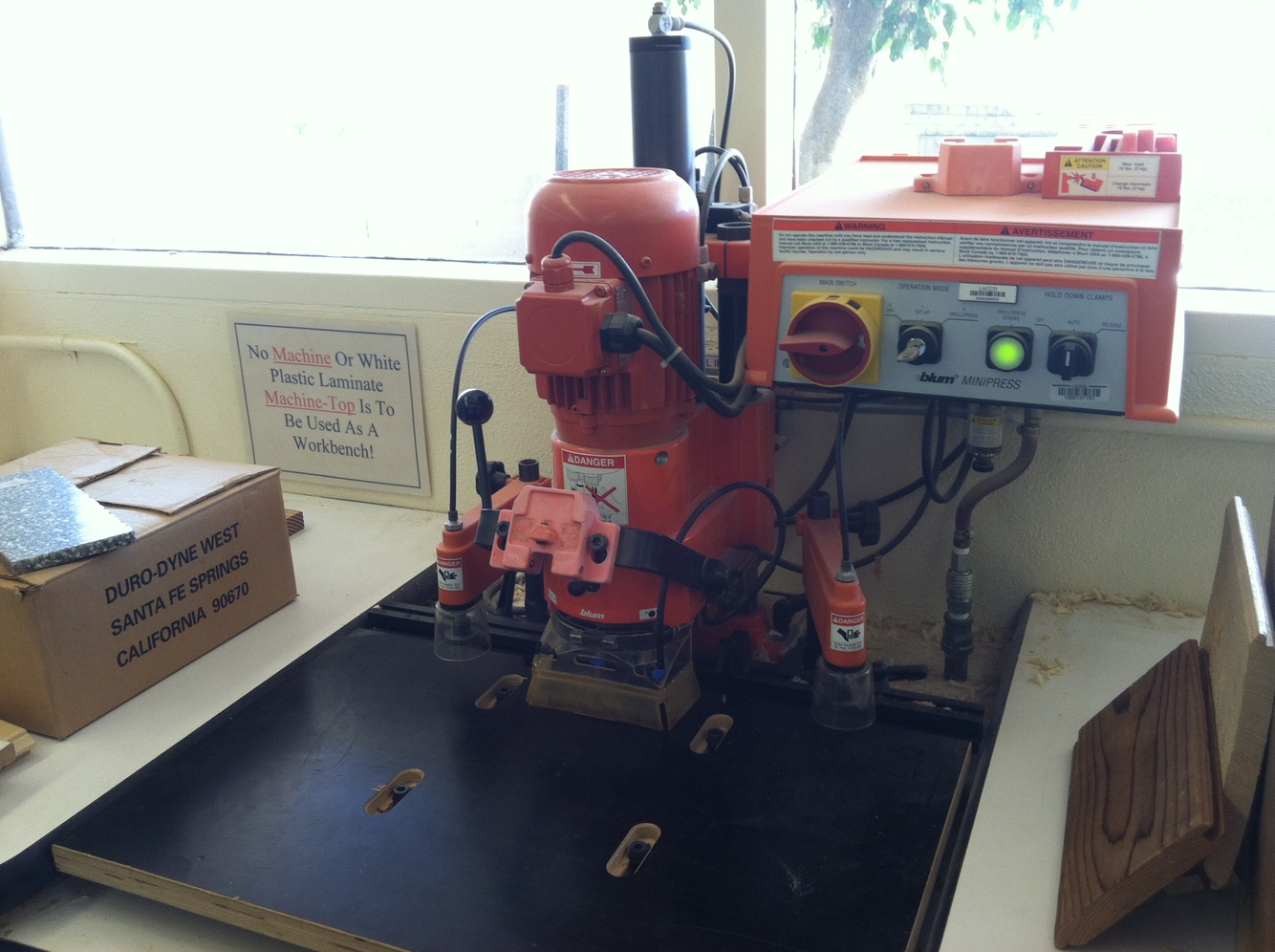
The mini press is a multi-functional machine that is designed entirely with the 32mm European cabinet system in mind. It bores 3 holes simultaneously for a single hing, (2-10mm & 1-35mm) and pressed it into a cabinet door all in a matter of seconds. The mini press also has an interchangeable spindle head for “line-boring” that will bore seven 5mm holes in one quick process.
Typically European-style cabinets, referred to as “32mm cabinets,” have evolved from the tradtional style of cabinetmaking. They have adopted a very rigid construction “system” having a series of specifications that were designed to expedite the construction prcoess and accomodate strategically-designed hardware.
Basically, the system is as follows: 32mm cabinets are modular constructed boxes; they have a single loose base to accomadate an entire run of cabinets; they have no face frame; their exposed edges get banded and their exposed ends get laminated if necessary; there is no joinery to speak of to accomodate assembly other than grooving for a 1/4” back; and finally, four rows of 5mm “system” holes are drilled 32mm apart with a 37mm set back from the cabinet’s front edge. The specificity of these “line-bored” holes allows for easy installation of door hinges, drawer slides, drawer slide spacers, shelf pins, cabinet connectors, and a vast host of accessory hardware.
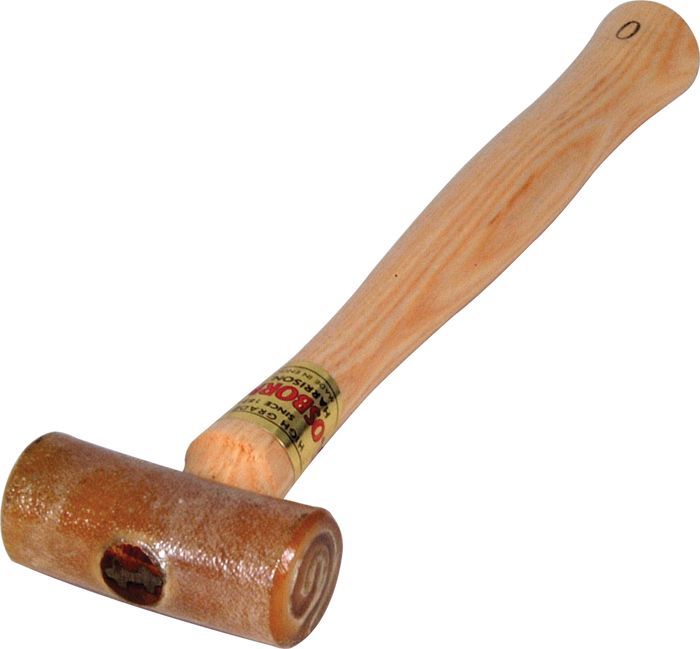
Rawhide Mallet
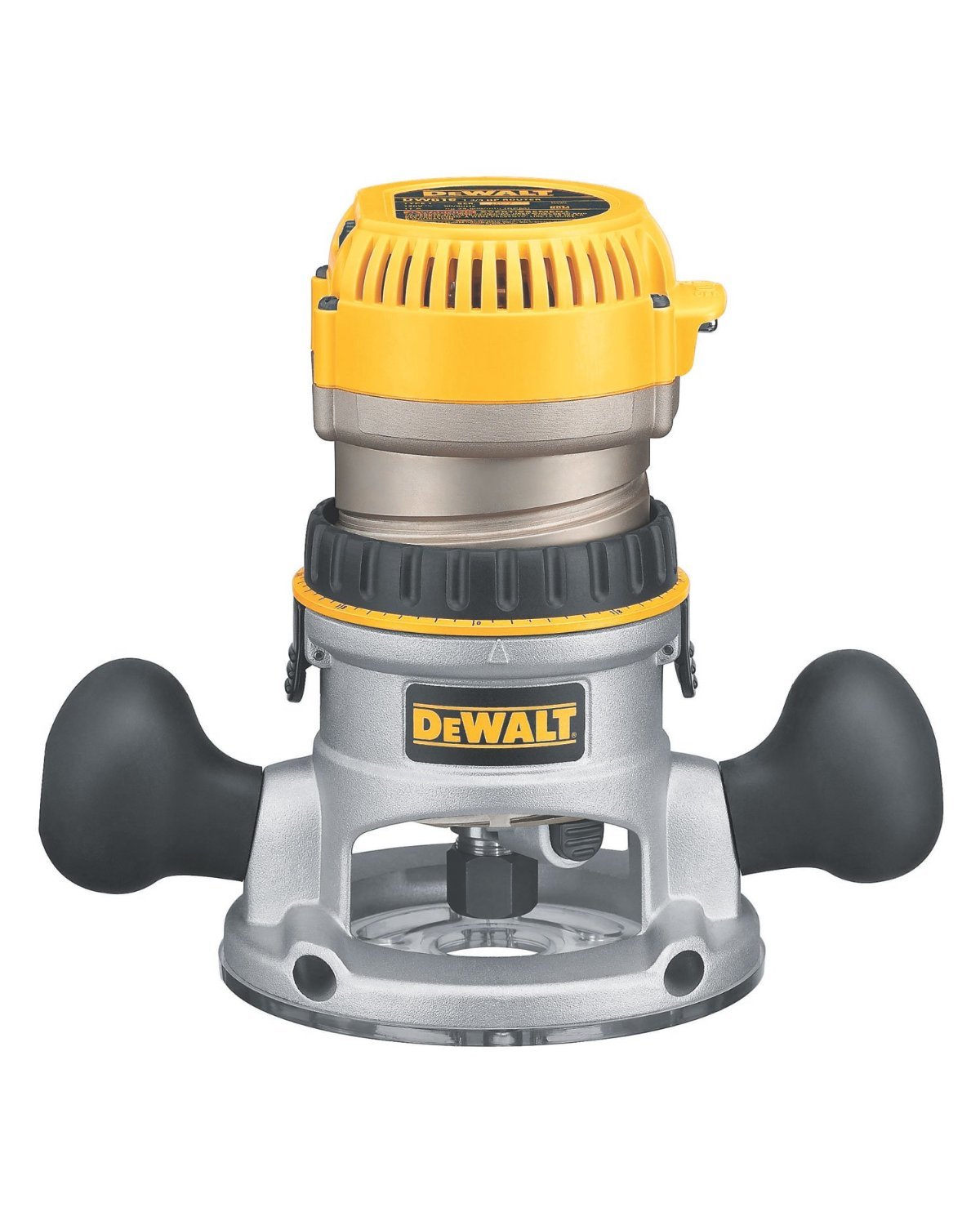
The router may be the most versatile power tool used in the woodworking industry. Its unmatched ability for creating joinery, shaping designer profiles, flush-trimming plastic laminates or veneers, and cutting out parts from sheet stock are just a few of its many attributes. It can be hand-held or mounted beneath a table and used as a small scale shaper. Over the years it has been incorporated into numerous machinery applications including panel routers, router lathes, duplicating carvers, pocket hole machines, and of course CNC (computer numerical control) technology.
As illustrated above, routers come in a variety of horse powers to accomodate any task a serious woodworker might encounter. Industrial CNC routers like the one in our lab are commonly manufactured with spindles up to 20 HP. All routers have collets for securing router bits to the ends of their armature. The laminate trimmer and the 7/8 hp router above have 1/4” collets while the 1 3/4 hp and 3 1/4 hp routers both have interchangeable collets to accept 1/4” or 1/2” router bits.
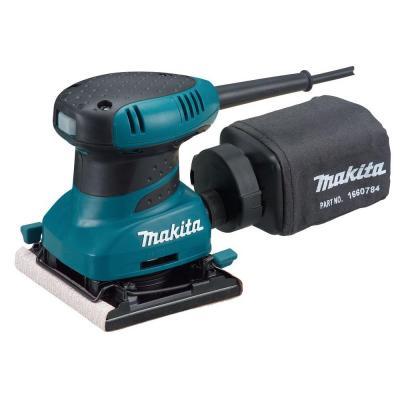
In the array of finishing sanders shown above, each is designed for smoothing the surfaces of various wood materials. Three of the styles shown are electric and one is pneumatic. As labled above, finishing sanders are designed to sand with varying patterns of rotational motion in an attempt to minimize sanding scratches. Some sand exclusively in a undirectional orbital pattern while the random orbital changes rotational direction repeatedly throughout a sanding session.
Their abrasive discs and sheets come in a variety of grit selections to accomodate all required sanding applications. Essentially, they are attached to the sanders by three varying methods: some have spring-loaded clamps for holding loose sandpaper tightly to a felt or rubber platen; other with a PSA design (pressure sensitive adhesive) have sanding pads with a smooth, vinyl surface that allow for the application of self-adhering sanding discs; and still others have sanding pads with a “hook & loop” design similar to Velcro enabling their sanding discs to be changed quickly from one gri to another. Manufactured discs with concentric holes are designed to be used with finishing sanders that have dust collection bags to minimize dust inhalation. Be sure to align these holes and only use discs with the same number of holes that the finishing sander was designed for.
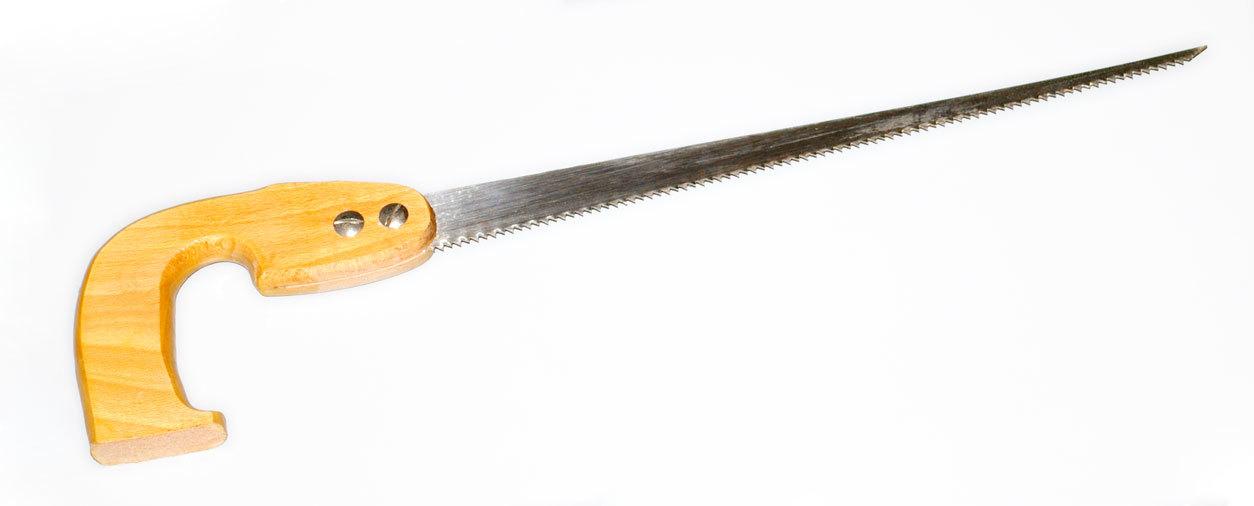
Keyhole Saw
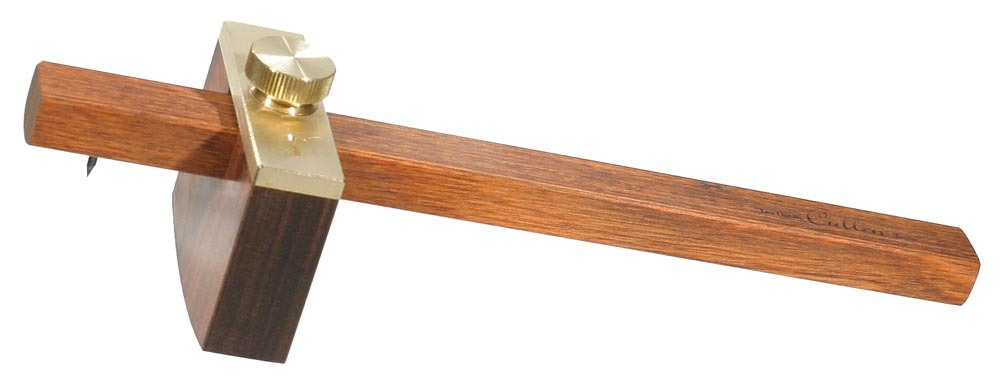
Marking Guage
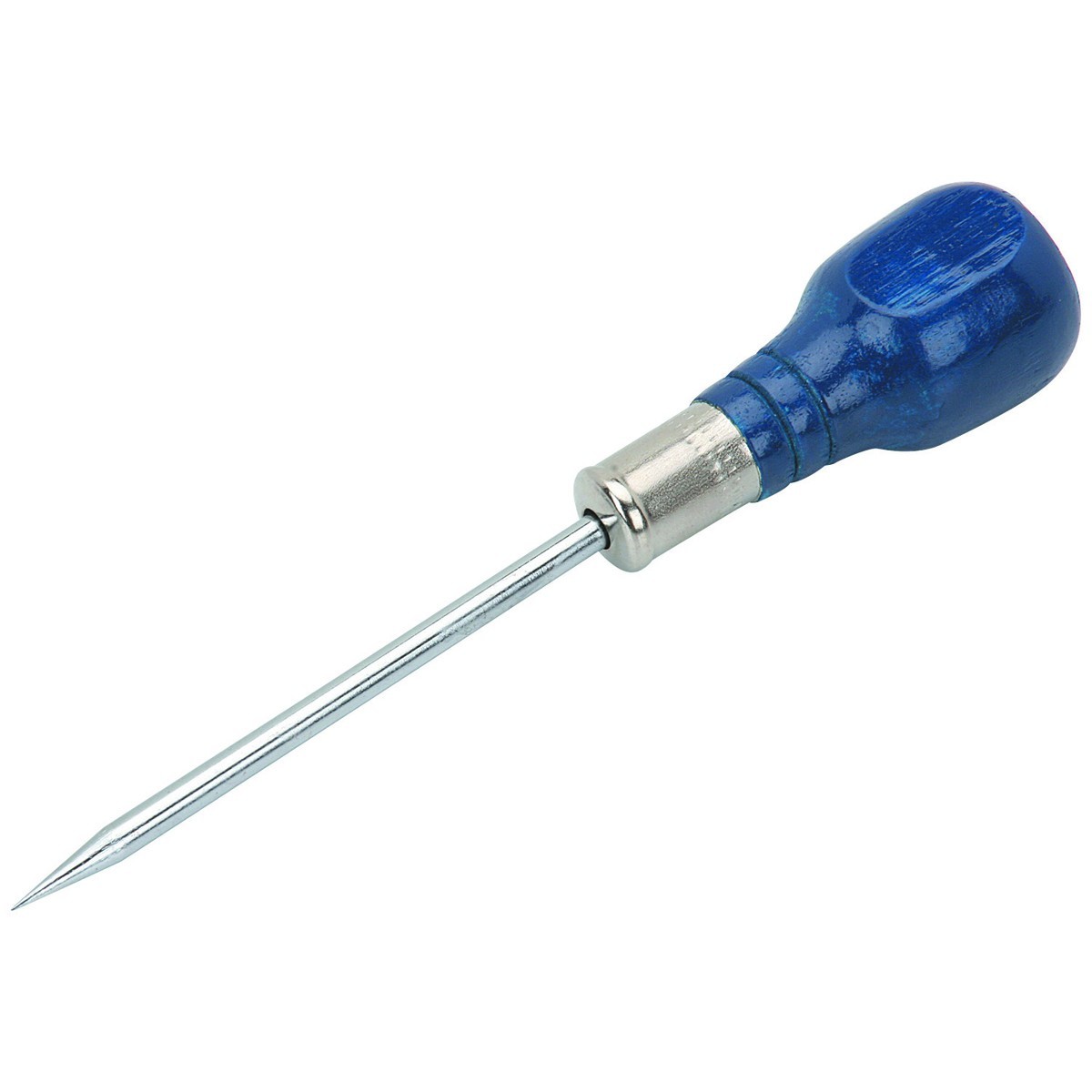
Scratch Awl
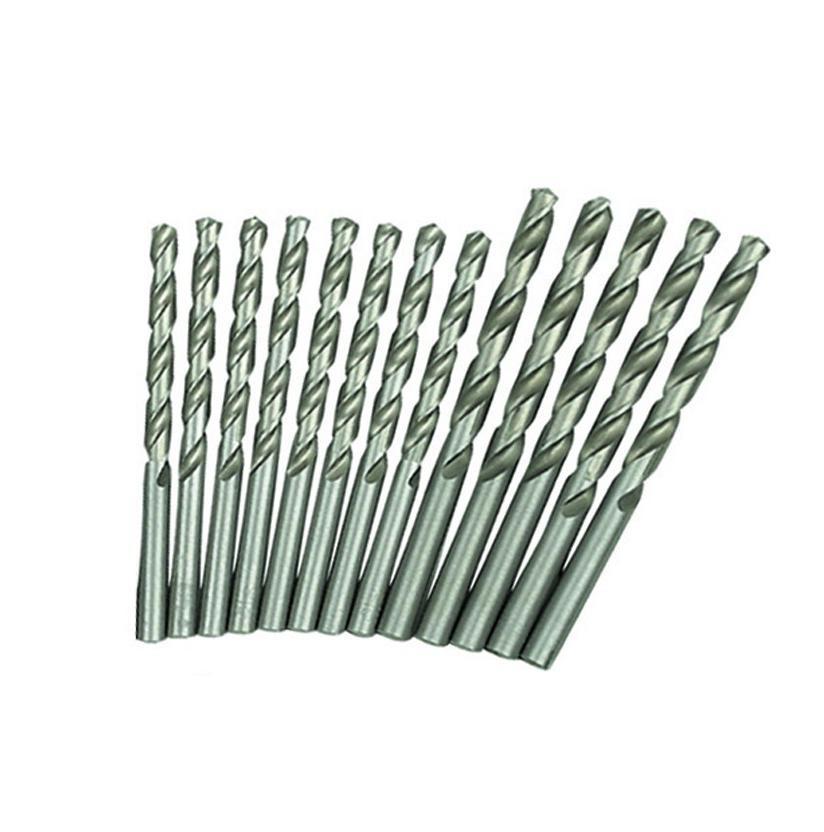
Twist Drill Bits
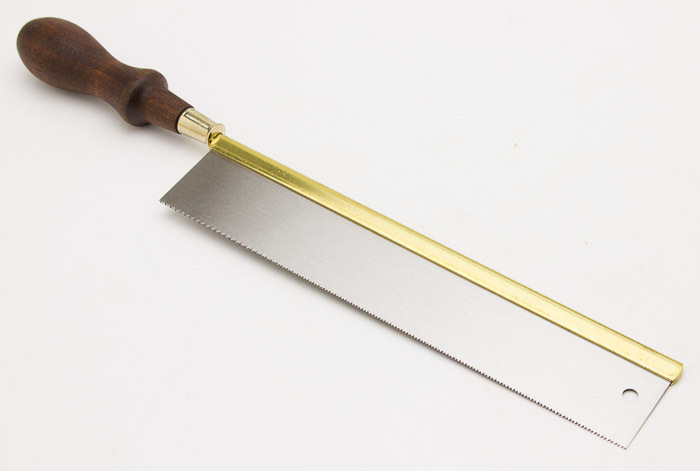
Dove Tail Saw
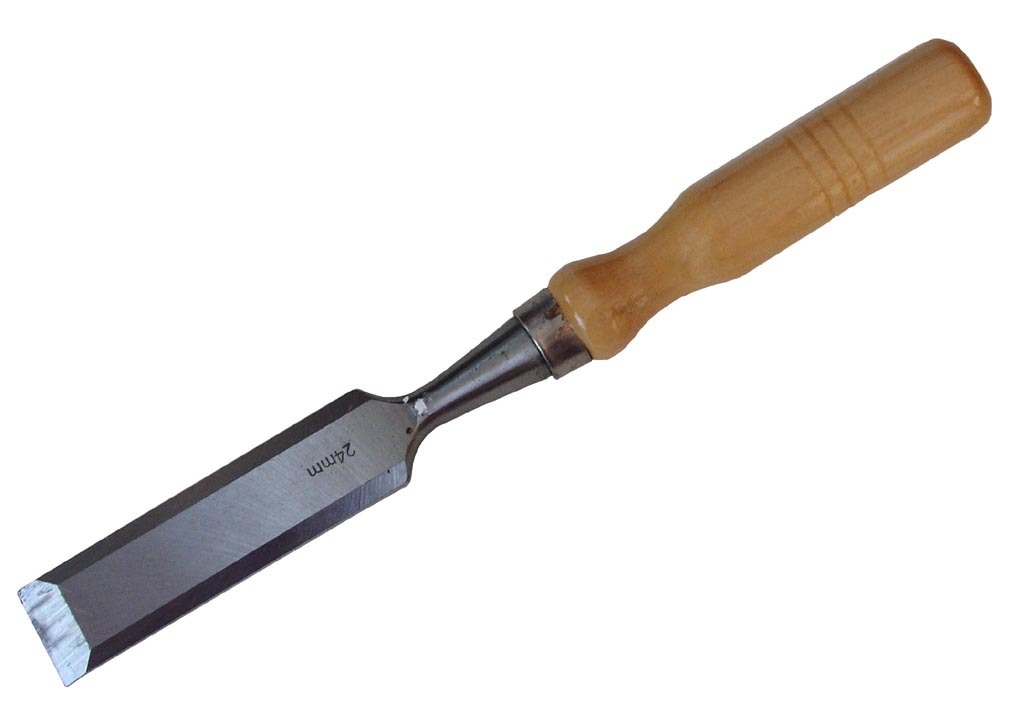
Wood Chisel
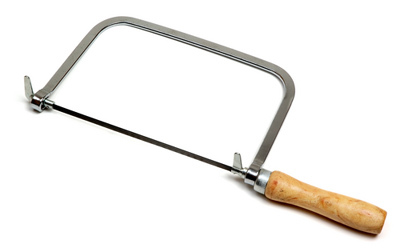
Coping Saw
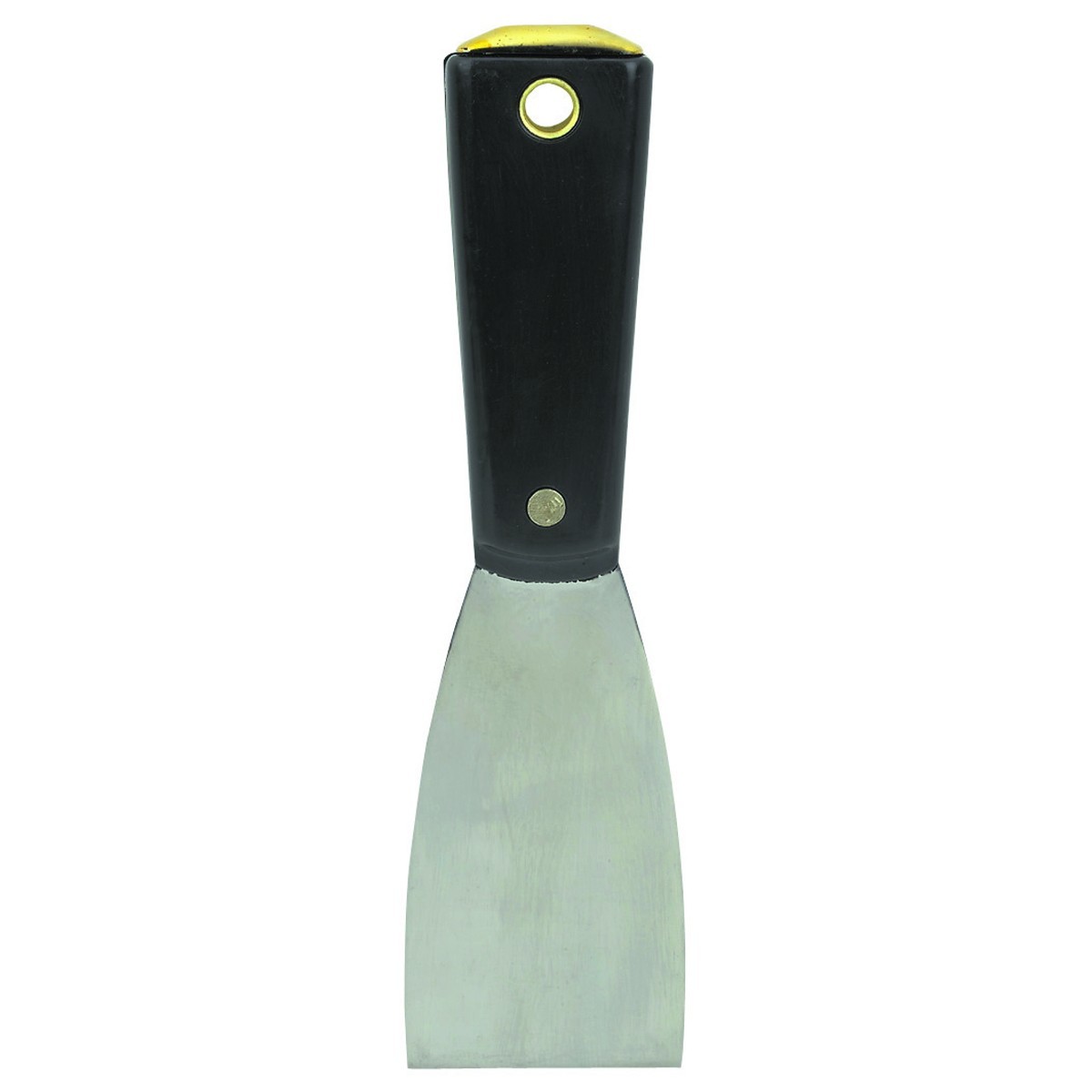
Putty Knife
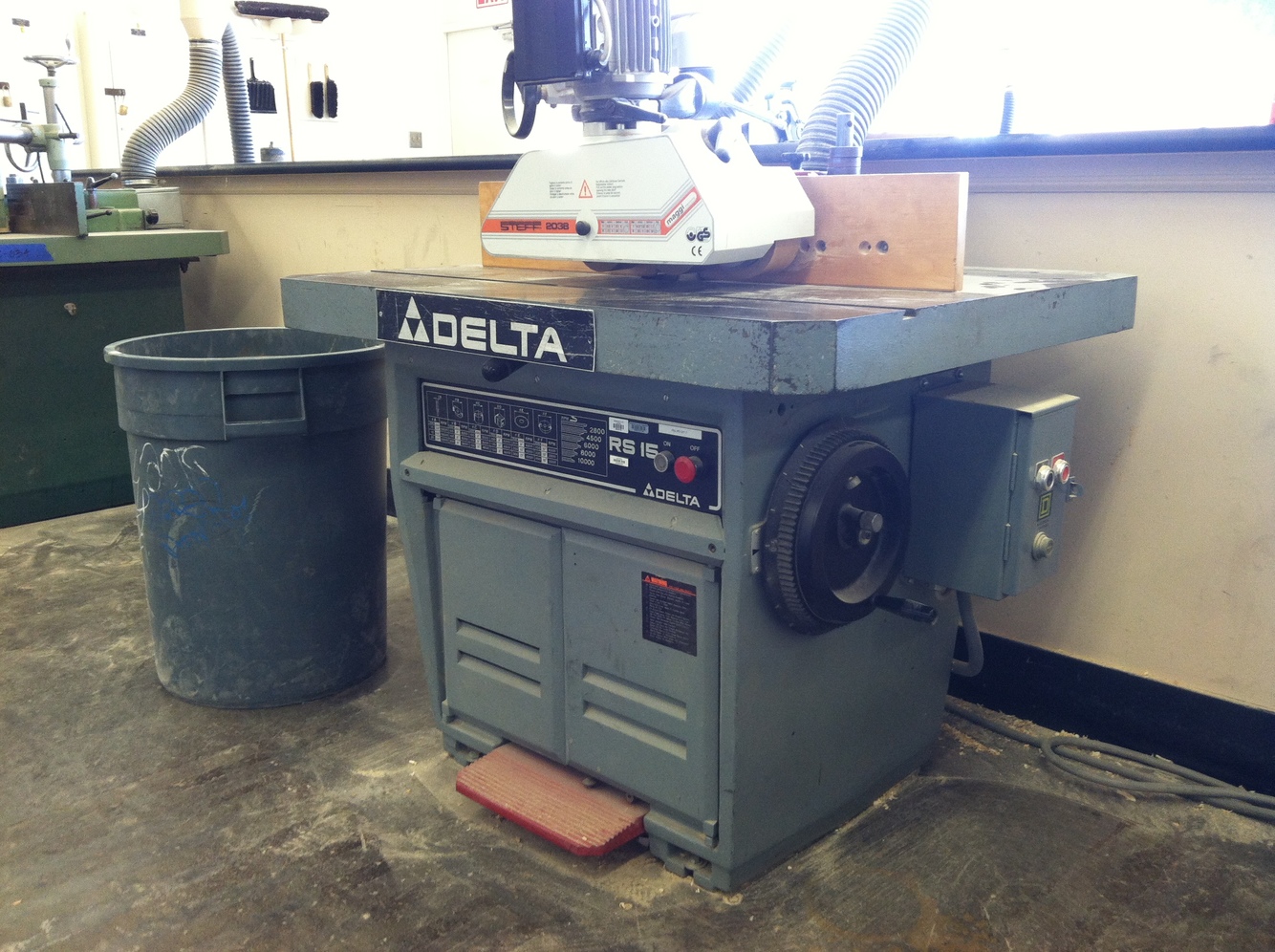
The shaper is designed to machine or “shape” a myriad of profiles and detials for various ornamental and architectural applications. Some of these, just to name a few, are moldings, staircase handrails, raised panels, “stick & cope” configurations for stiles & rails at panel doors, rabbets, bevels, chamfers, tongues, grooves, tenons, roundovers, coves, the list is endless. Many cutter-heads are designed to be stacked, allowing multple profiles to be machines in a single pass.
The stock to be shaped is supported by a fence and pushed against the rotation of the spindle’s selected cutter-head. The stock can be fed manually or by using a power feed. Curved or irregularly shaped perimeters can also be shaped by removing the supporting fence and trading it for a sleeve bearing placed on the spindle just above or below the cutter. This bearing follows a template that supports the attached work piece and guides it across the cutter.
This machine requires instructor supervision at all times! Students may at no time turn on this machine, even for set-up purposes, without the instructor being present!

Drywall Screw
A non-rusting bugle head screw for attaching drywall to wood or metal studs; often cabinet installers use them for attaching cabinets to walls.

Self Tapping Screw
A specially designed machine screw which taps it’s own threads when installed into a pre-drilled hole.
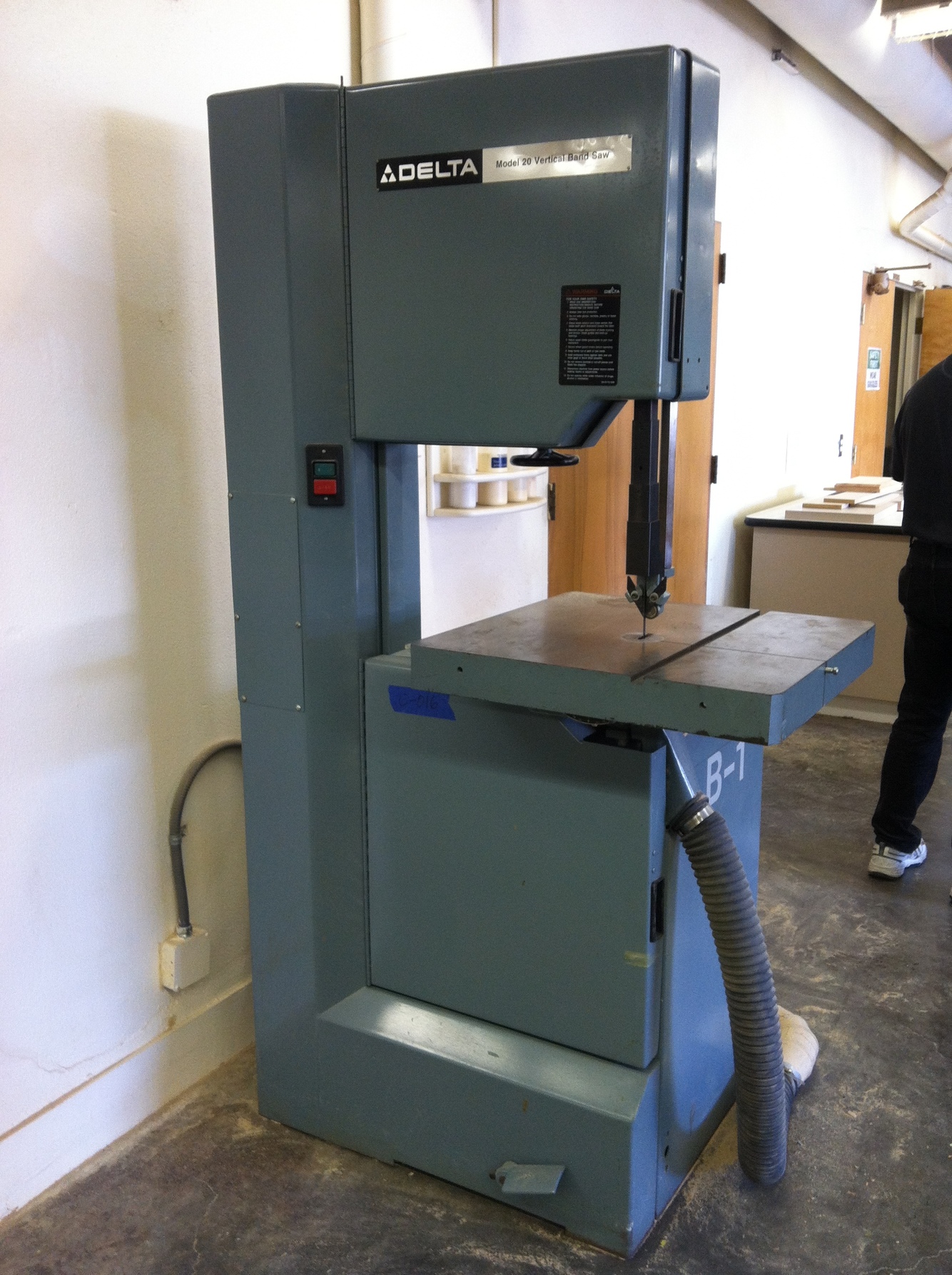
The band saw is designed with a continous blade and can cut almost any shape in a vast number of assorted materials. Most woodworkers associate band saws with cutting curved shapes like arcs and circles. While this is certainly true, they also play an indispensible role in quickly and efficiently milling complex objects that would normally be difficult and maybe impossible to cut using other woodworking machines. A few examples for these are 3-dimensional sign letters, irregularly-shaped furniture parts, wood shingles, and wood patterns used as templates. Band saws are equipped with removable fences for ripping operations, tilting tables for compound angle cuts, and a unique height cutting capacity permitting them to re-saw lumber and cut through very thick materials.
Band saws easily cut through other diverse materials such as styrofoam, plexiglas, plastics, most metals, plastic laminates, and very dense composites like solid surface material used in the fabrication of counter-tops. Even grocery store butchers use specialized band saws to cut through meat and bone. To accomodate each of the specialized materials, there are specific blades tailored and manufactured for cutting each of them.
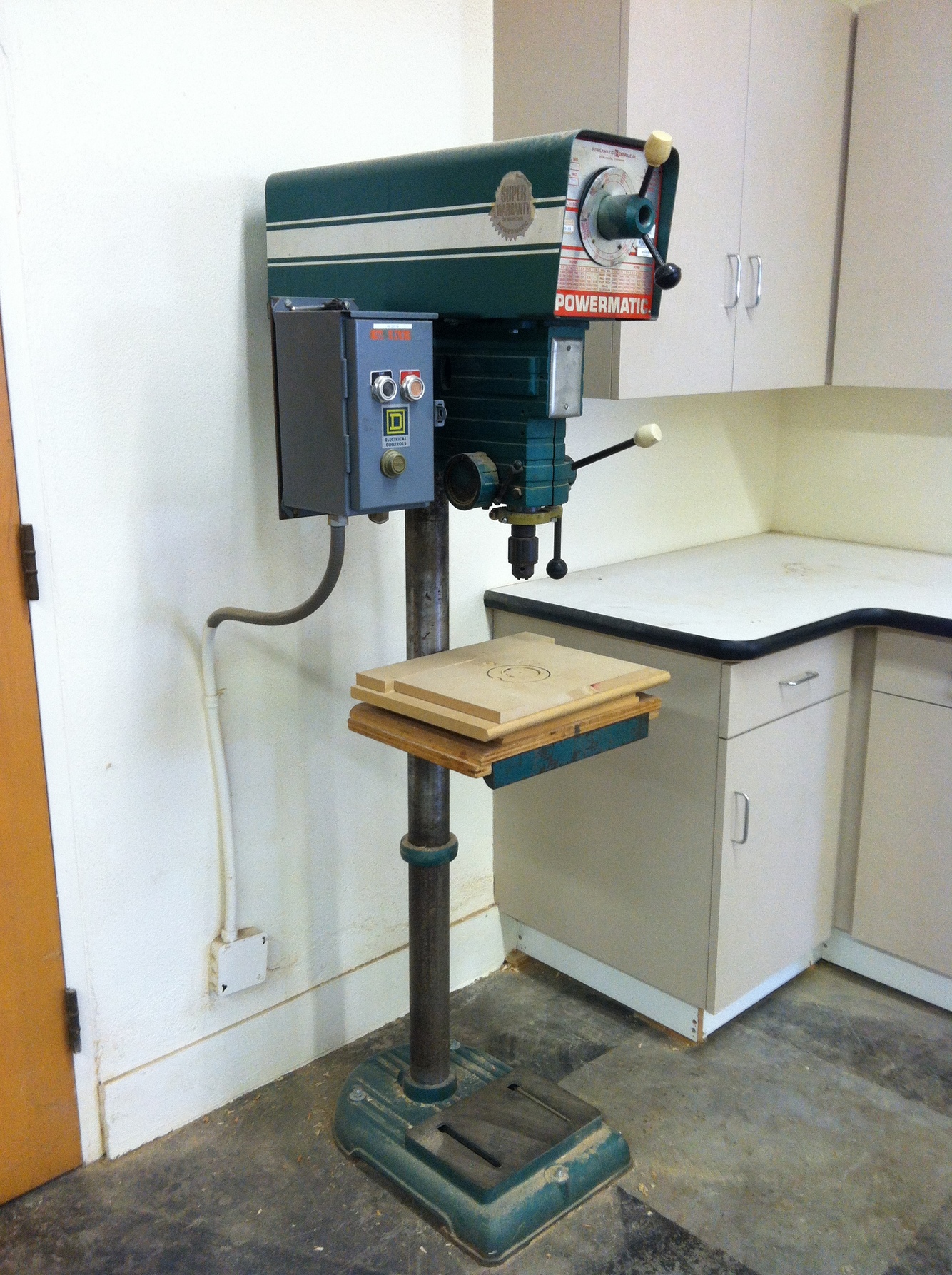
The stationary drill press is by far, the best tool in our lab facility for precision vertical drilling. Holes can be drilled ranging from 1/16” - 5” in diameter. Five inches is the largest hole-saw we have. What makes the drill press so valucable is as follows: it bores all holes at a precise 90 degre angle; it has an adjustable stop for duplicating fixed depths in multiple holes; its smooth pinion handle rotation easily allows for controlled feed speed when plunging; its adjustable spindle speed accomadates all drill-bit diameters; the adjustable table accepts most height sizes for stock; and an attached fence allows linear holes to be drilled precisely.
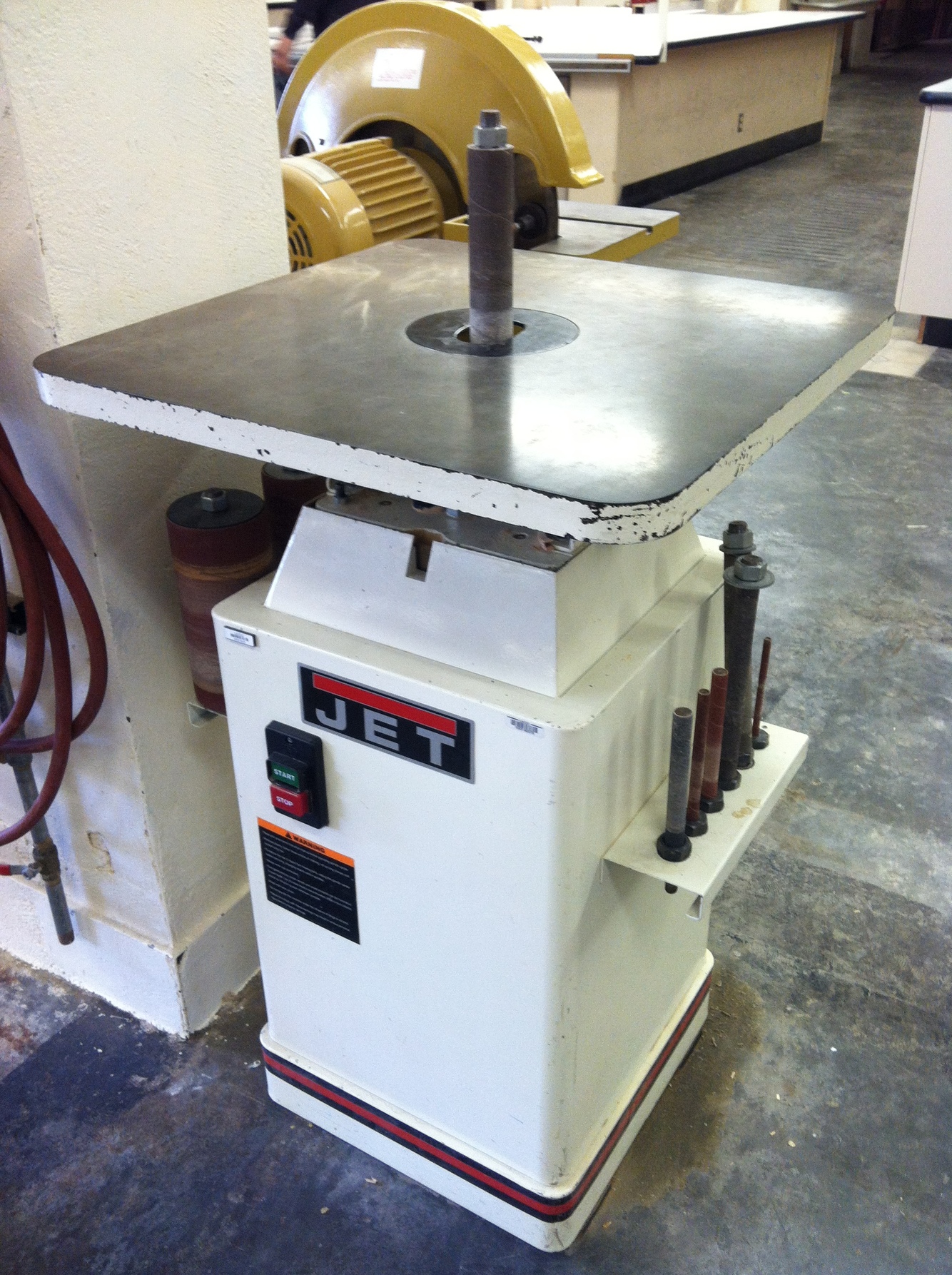
The oscillating spindle sander makes easy work of sanding concave and convex cuves on edge grain, end grain, and face grain. Its slow-moving, oscillating strokes help prevent burning due to excessive friction as does the oscillating edge sander mentioned previously. There is a variety of on-board spindle diameters to select from when sanding various radii. The proper throat plate must be installed each time a new spindle size is selected. The table-top is designed with a tilting feature to support the stock if a difficult or compound angle needs to be sanded.
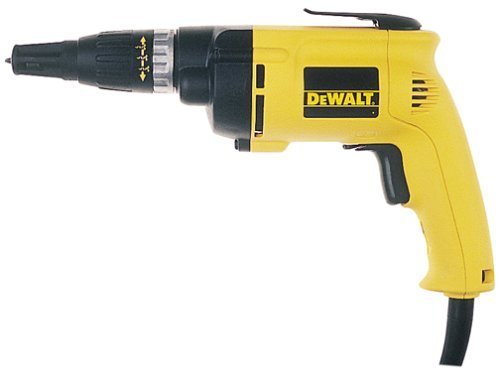
Drywall Screw Gun
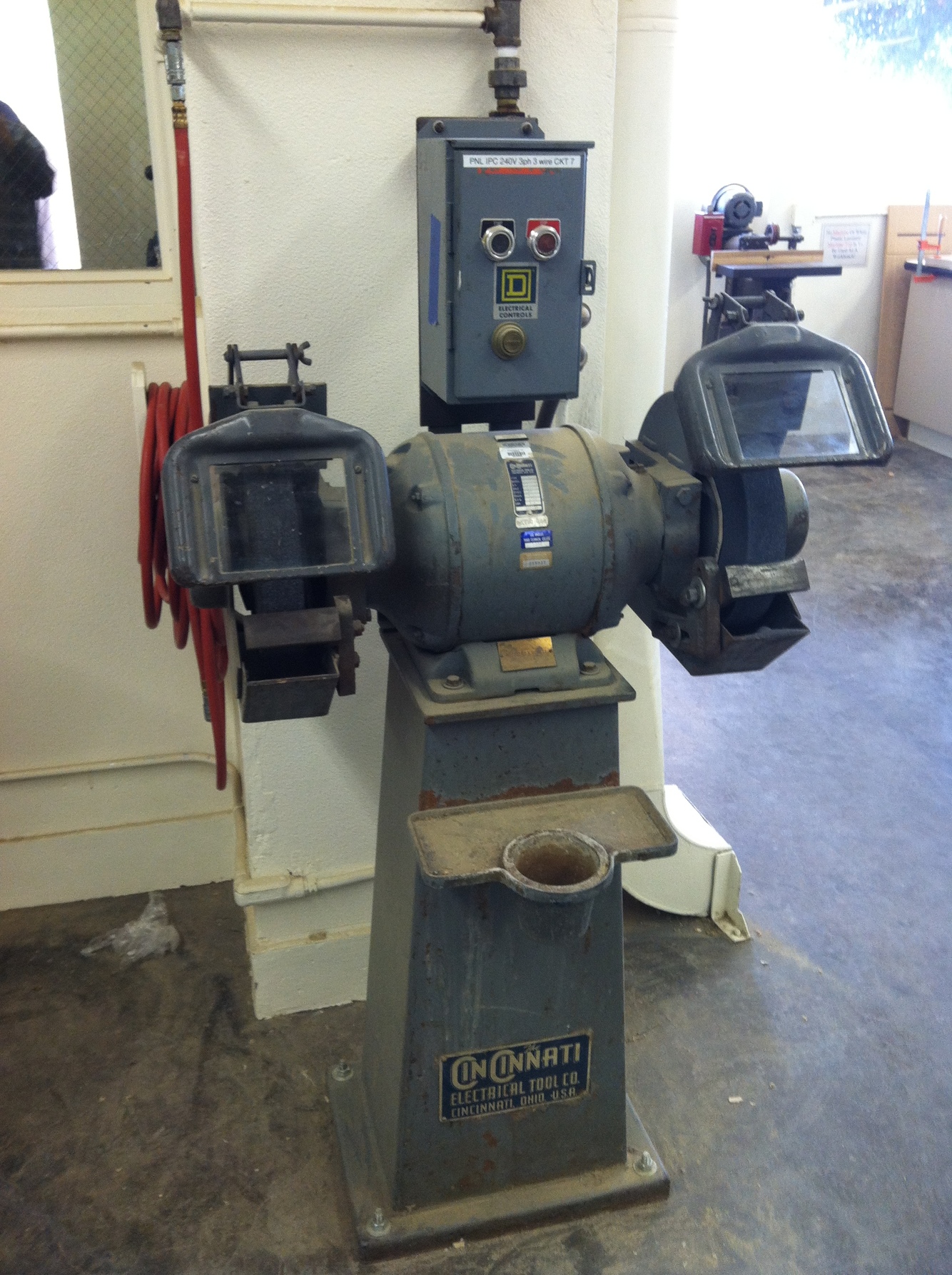
Whether it’s a bench grinder or a stationary grinder, woodworking lab facilities will always have at least one or the other in their arsenal of tools. It’s important to use sharp hand tools because they’re the safest to use. As mention earlier a dull tools requires more force to be applied. Therefore, a user’s chances for slipping are increased, making them more prone to injury. For this reason woodworkers learn to sharpen their own hand tools. The pedestal grinder (left) turns approximately 3450 rpm, necessitating safety shields to safeguard the operator’s eyes from sparks and metallic debris. The very slow turning Tormek bench grinder (shown right) only turns about 90 rpm and therefore doesn’t require safety shields.

Expansion Anchor
An anchoring device which expands inside a pre-drilled hole when driven downward against it’s tapered plug.








-
Tools & Equipment116
-
Measuring Tape15
-
Concrete55
-
Earthwork24
-
Openings15
-
Finishes105
-
Masonry102
-
Metals25
-
Thermal and Moisture Protection61
-
Wood, Plastics, and Composites189
-
Conveying Equipment7
-
Electrical27
-
Project Document Control119
-
Project Definition19
-
Detailed Scope Work Plan Development25
-
Project Lifecycle and Early Planning21
-
Team Selection and Development15
-
Labor Productivity21
-
Project Management Principles22
-
Project Budgeting41
-
Early Estimates19
-
Project Initiating and Planning41
-
Organizational Structure21
-
Leadership and Communications40
-
Fundamentals of Construction Contract Administration28
-
Preconstruction48
-
Meetings20
-
Roles and Responsibilities28
-
Submittals32
-
Site Visits, Observations, Inspections36
-
Quality Assurance & Quality Control16
-
Construction Law339
-
Dispute Prevention and Resolution134
-
Fundamentals of Real Estate Law221
-
Risk Management154



