ANATOMY Flashcards

(111 cards)

1
Q

carotid sheath a.k.a

A

carotid triangle

anteiror triangle

2
Q

carotid sheath passess underneath

A

sternocleidomastoid muscle

3
Q

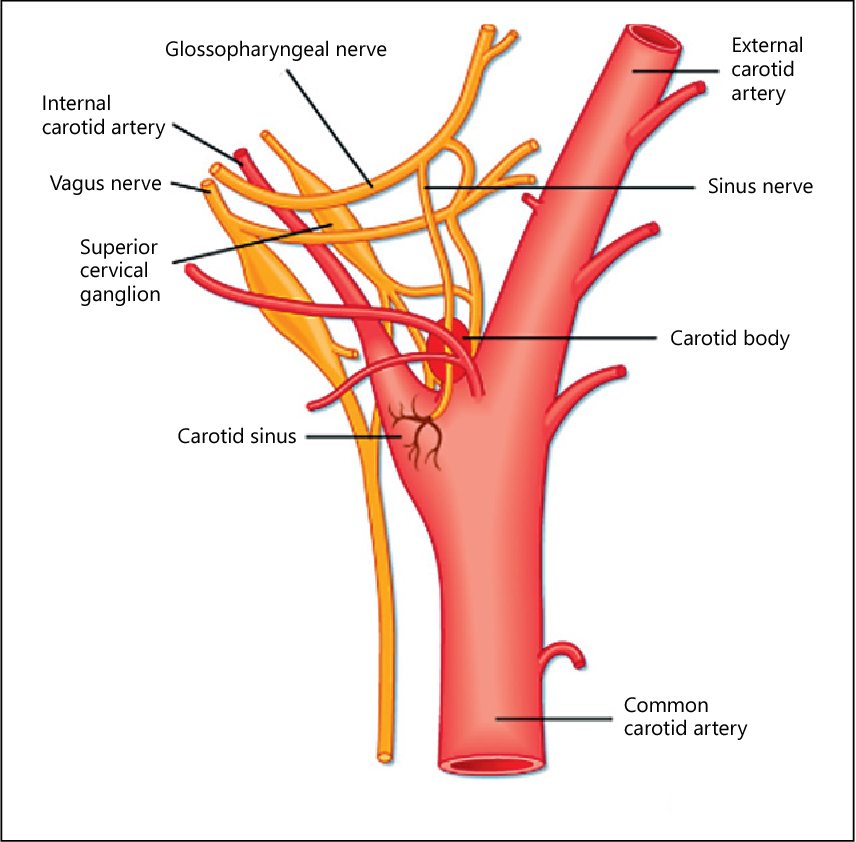
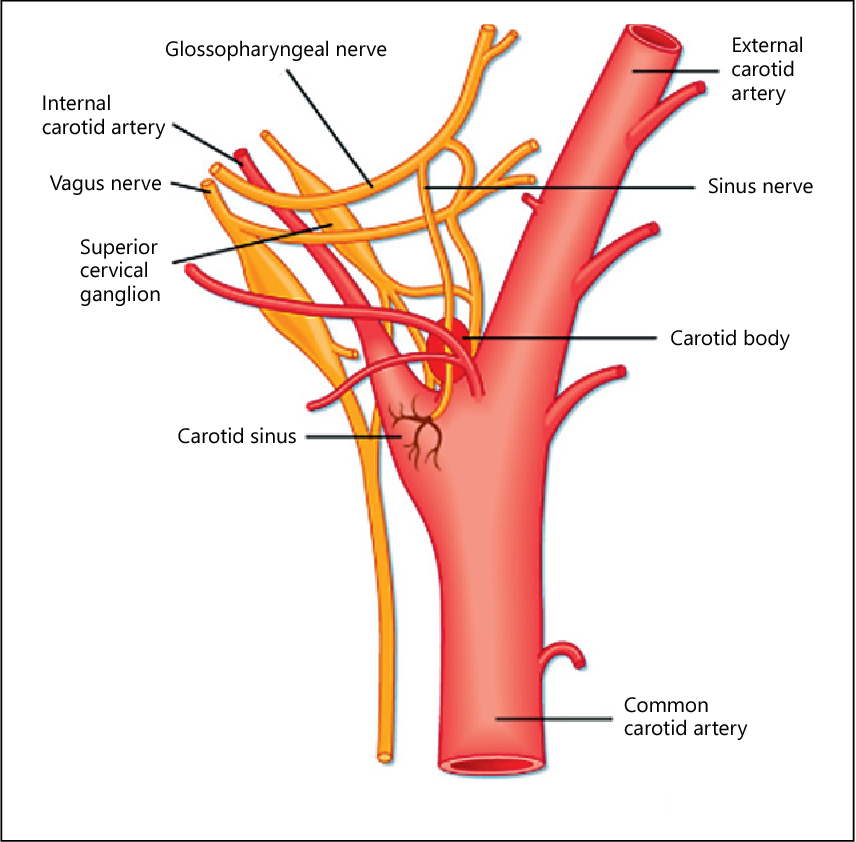
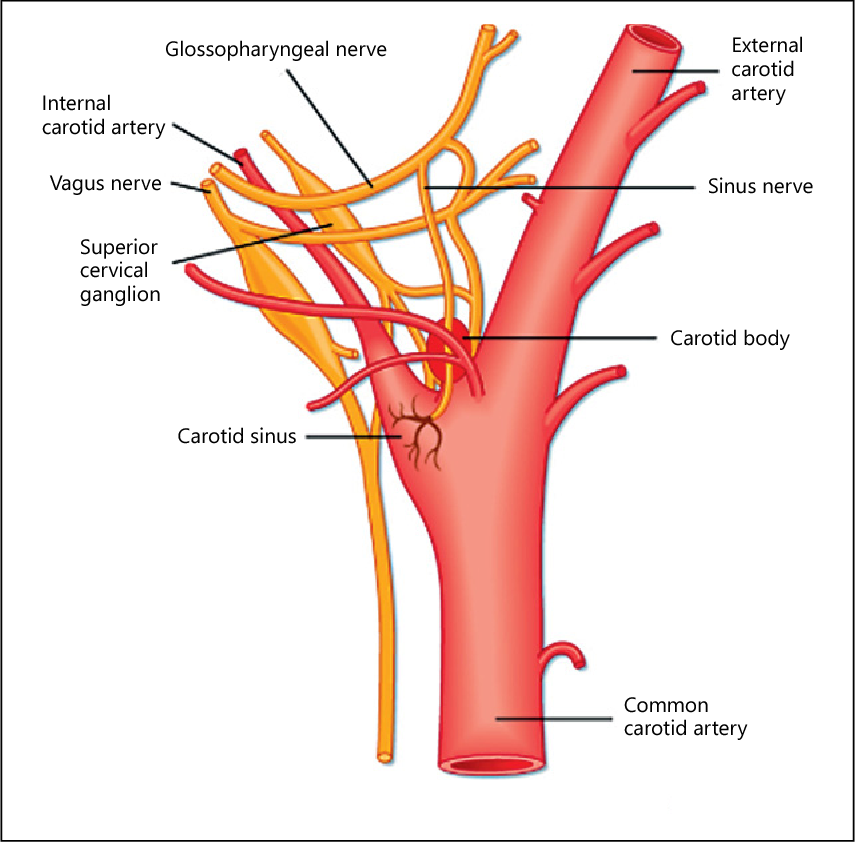
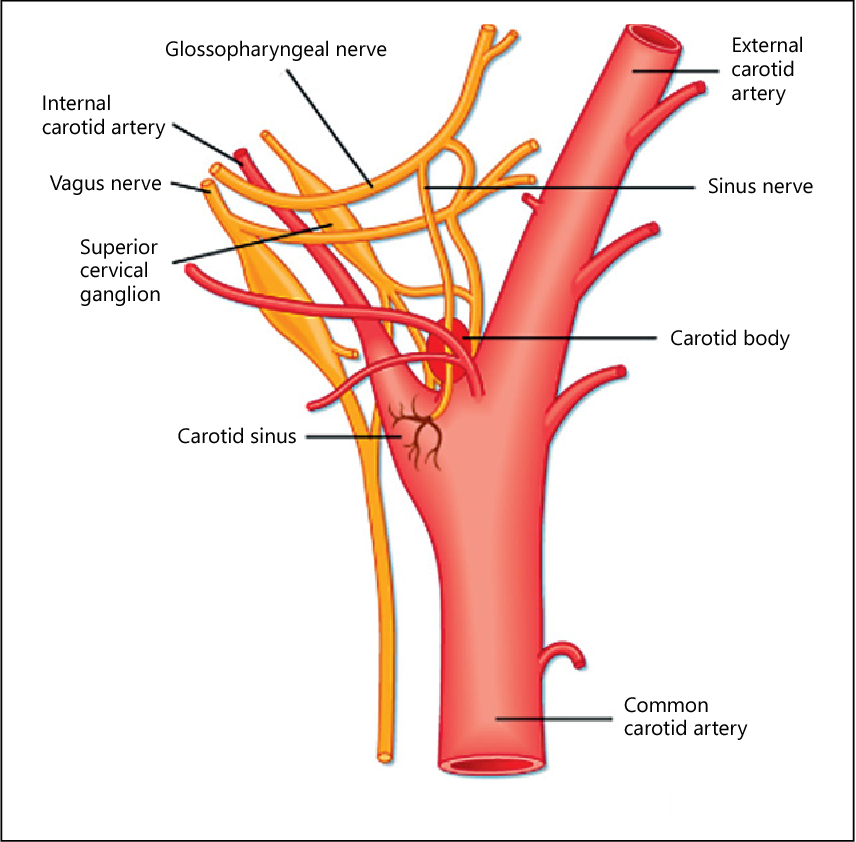
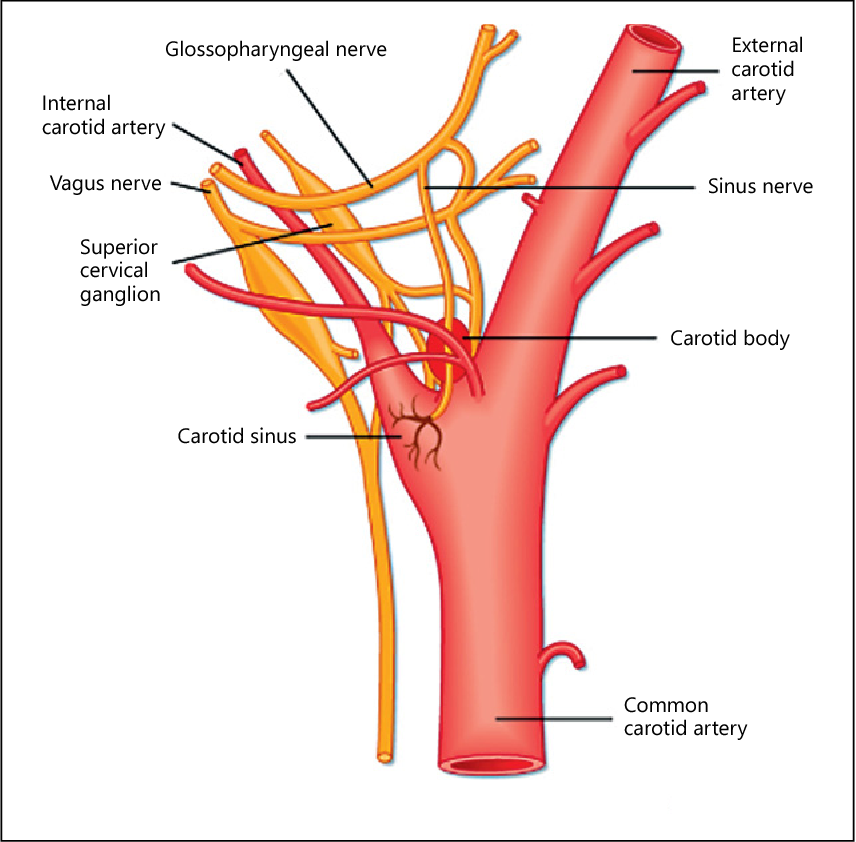
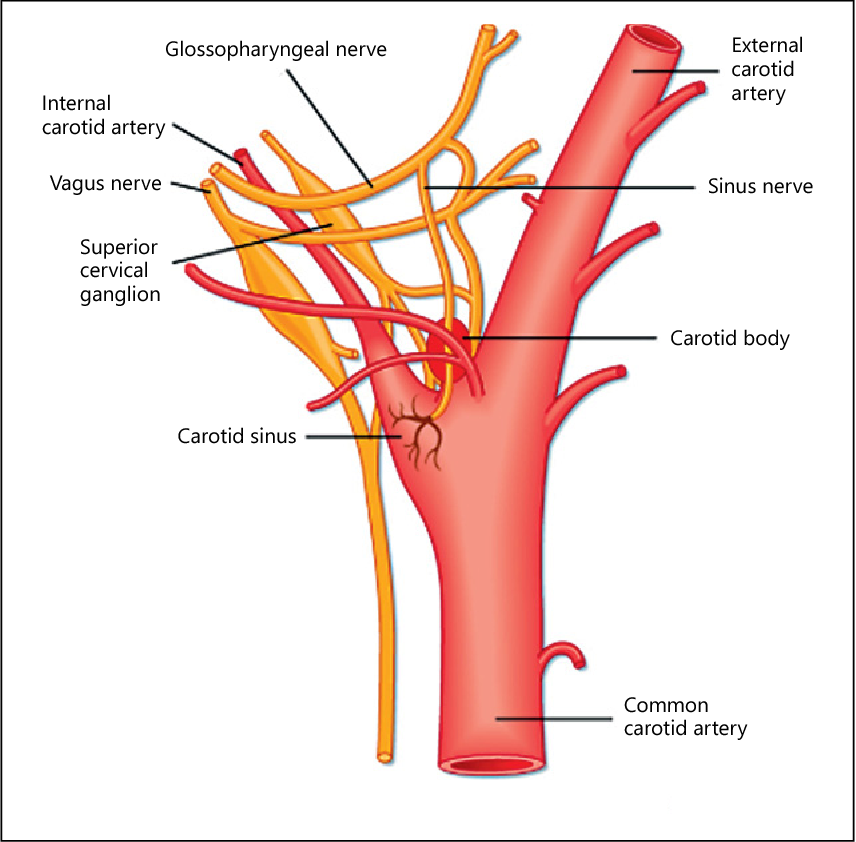
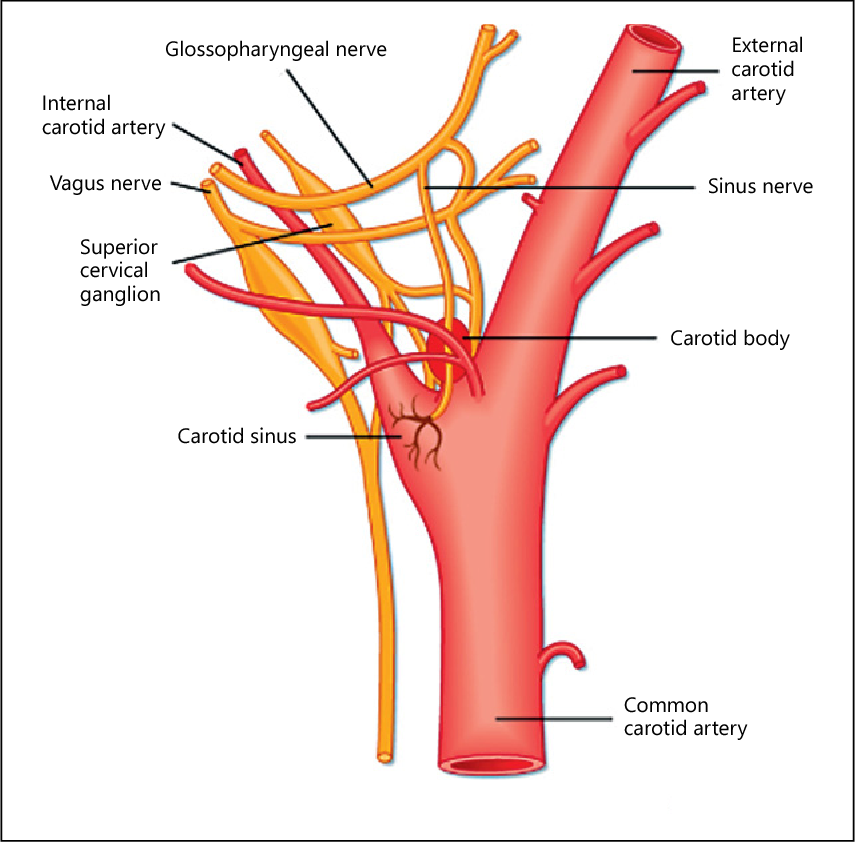
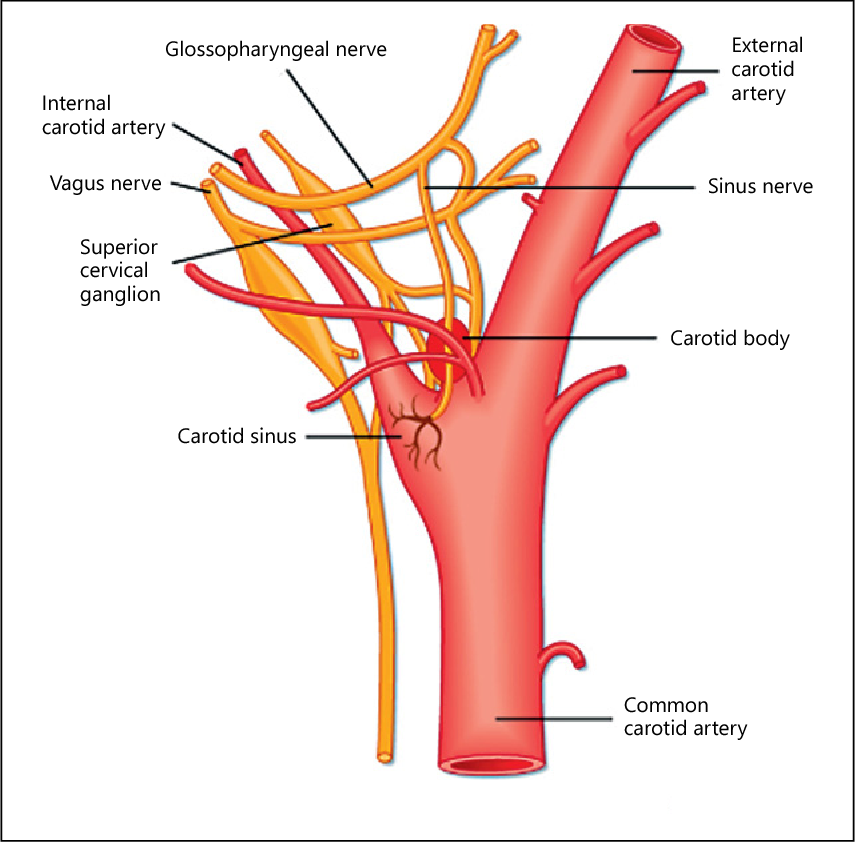
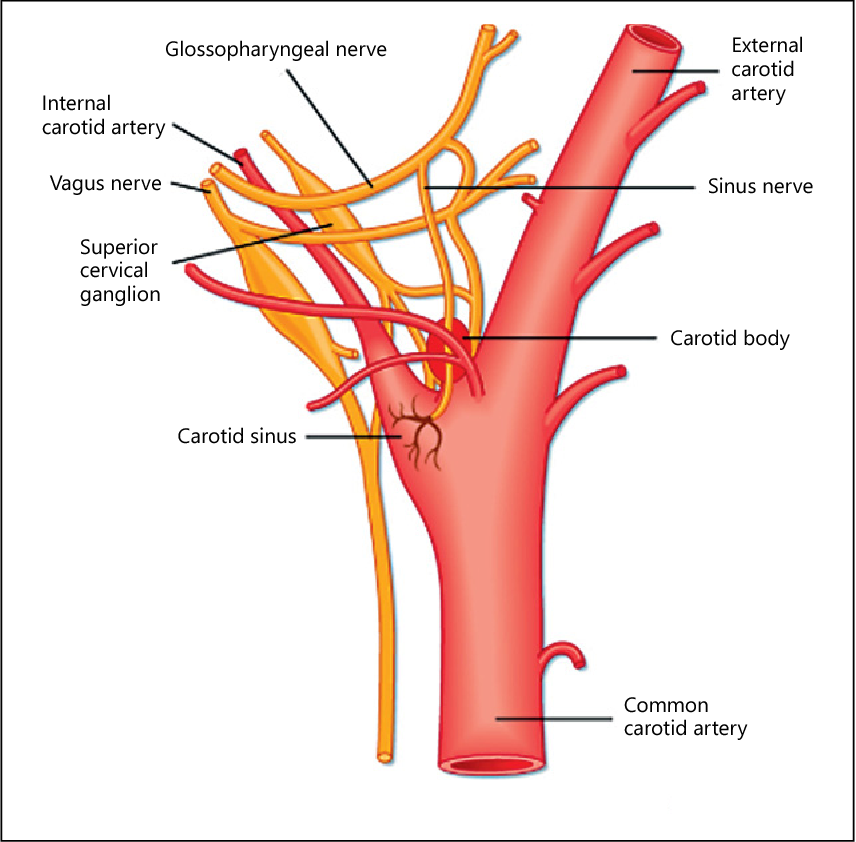
carotid bifurcation occurs at

A

level of the thryroid cartilage (C4)

4
Q

internal carotid location compared to external carotid

(after bifurcation)

A

internal carotid distal

external carotid more mesial
5
Q

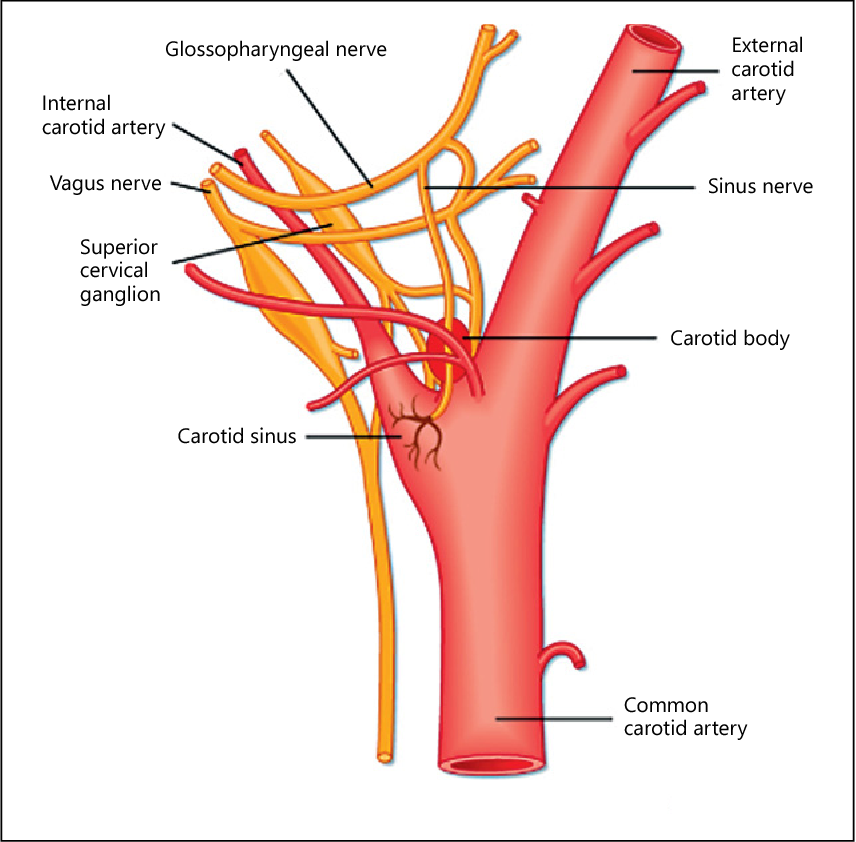
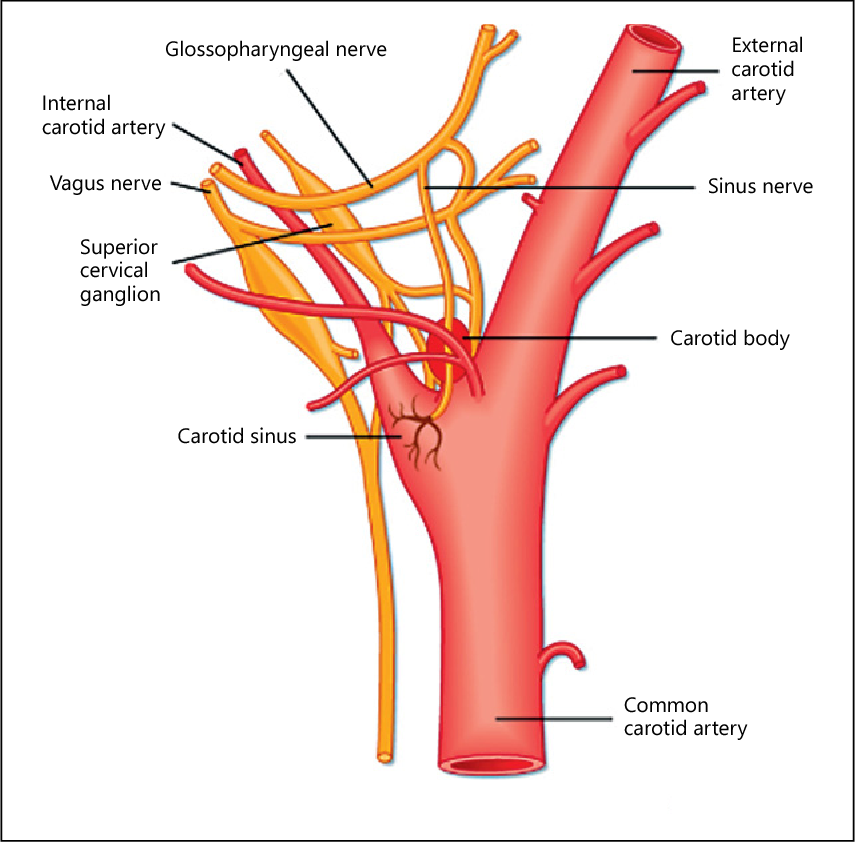
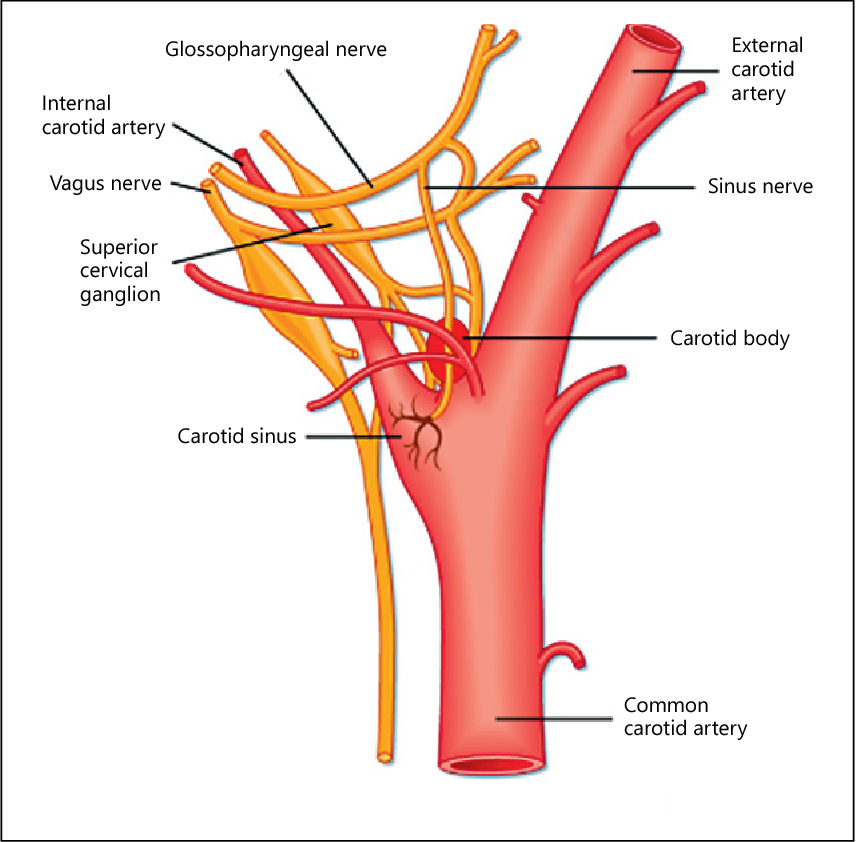
carotid sinus location

A

just before bifurcation of the carotid (before C4)
6
Q

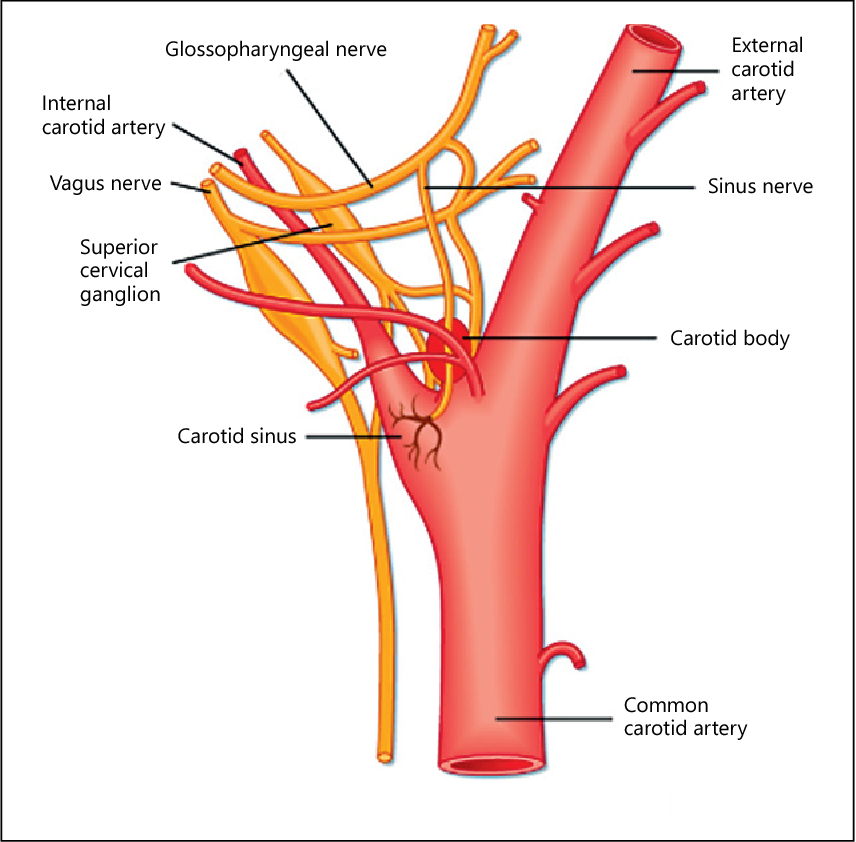
carotid sinus contains

A

baroreceptors and O2 level receptors (Carotid body)
7
Q

what arteries arise from the brachiocephalic trunk

A

left and right carotid and subclavian artery
8
Q

what arteries arise from the aorta

A

common carotid and subclavian

9
Q

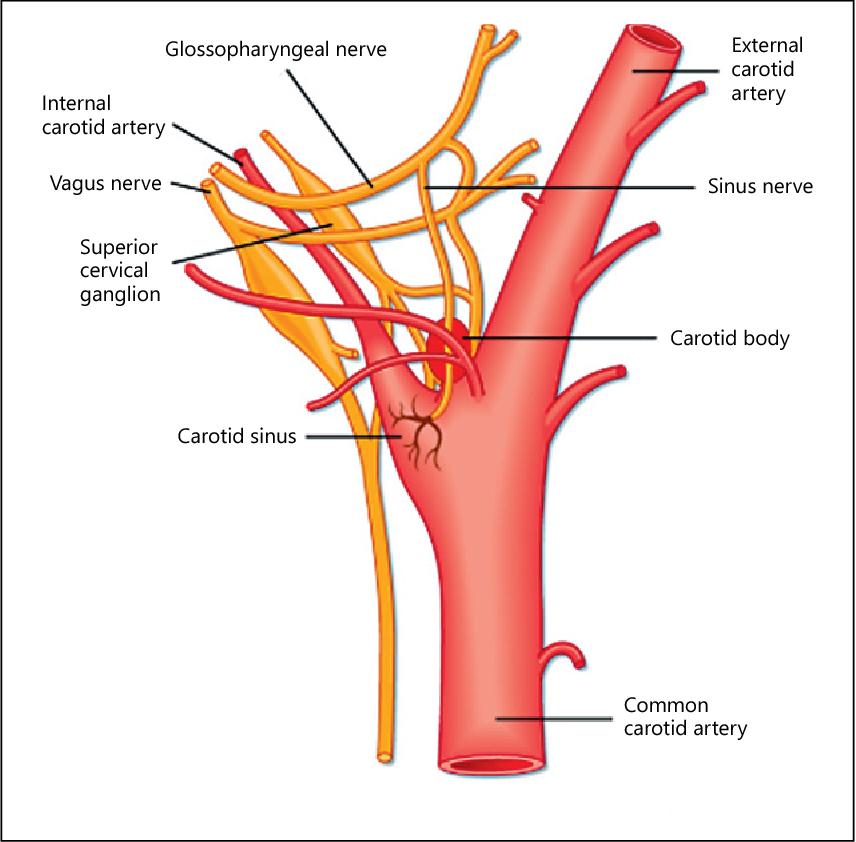
nerves in the carotid sheath

A
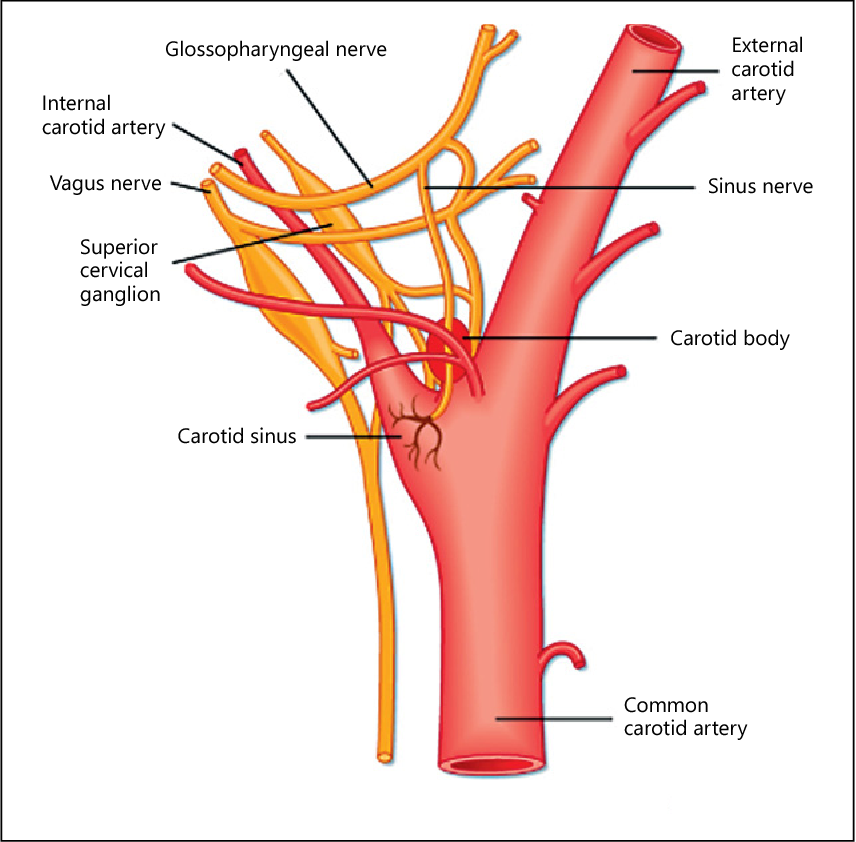
  • acessory spinal nerve (CNXI)
  • Ansa Cervicalis (C1, C2, C3) spinal nerves
  • inferior root of the Ansa Cervicalis
  • Hypoglossal nerve (CNXII)
  • Glossopharyngeal nerve (CNIX) (superiorly) and Vagus Superior cervical ganglion (inferiorly)
10
Q

what nerve lies over the internal jugular vein in the carotid sheath

A

accessory spinal nerve (CN XI)

11
Q

what nerve lies on the internal jugular vein in the carotid sheath

A

Ansa Cervicalis (C1, C2, C3)

12
Q

where is the inferior root of the Ansa Cervicalis in the carotid sheath

A

loops round down the internal jugular and up the cmmon carotid
13
Q

where is the hypoglossal nerve in the carotid sheath

A

above the carotid bifurcatoin (C4)

14
Q

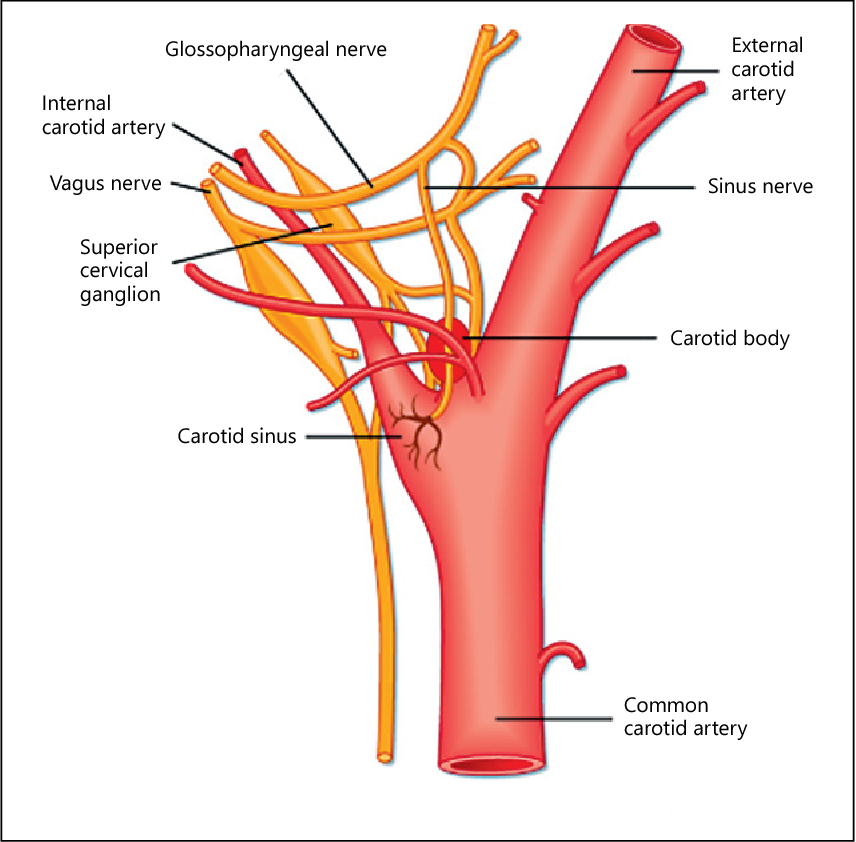
where are the glossopharyngeal and vagus superior cervical ganglion in the carotid sheath

A

just above the carotid bifurcation

glossopharyngeal nerve (superiorly) and vagus superior cervical ganglion (infeirorly)
15
Q

what innervates the carotid sheath

A

glossopharyngeal nerve

16
Q

veins in the carotid sheath

A

internal jugular vein

17
Q

role of internal jugular vein

A

drains the head and neck

18
Q

where does the venous drainage of the head and neck go

A

internal jugular vein

19
Q

arteries in the carotid sheath

A

internal carotid artery

external carotid artery

20
Q

role of the internal carotid artery

A

supplies the nearest brain hemispher with the nearest basilar artery

21
Q

direct branch of the internal carotid artery

A

opthalmic artery

22
Q

opthalmic artery supplies

A

the eye orbit and the lacrimal gland

23
Q

branches of the external carotid

A
  • Superior thyroid artery
  • Ascending pharyngeal artery
  • Lingual artery
  • Facial artery
  • Occipital artery
  • Posterior auricular artery
  • Maxillary artery
  • Superficial temporal artery
24
Q

acrynym for remembering branches of external carotid artery

A

Some Anatomists Like Freaking Out Poor Medical Students

  • Superior thyroid artery
  • Ascending pharyngeal artery
  • Lingual artery
  • Facial artery
  • Occipital artery
  • Posterior auricular artery
  • Maxillary artery
  • Superficial temporal artery
25
clincial relevance of carotid sinus
carotid sinus can be hypersensitive in some pts which can have feedback causative reduction in HR and hypotension resulting in syncope check carotid sinus in these pts
26
structures in anterior triangle of neck
submandibular gland tail of parotid submandibular lymph nodes
27
superior border of anterior triangle of neck
inferior border of mandible
28
lateral border of anterior traingle of neck
medial borde of SCM
29
medial border of anterior triangle of neck
saggital line down midline
30
muscles in the submandibular/submental triangle
* hyoglossus * mylohyoid * middle pharyngeal constrictor * anterior belly of digastric
31
role of hyoglossus
depresses and retracts the tongue
32
role of mylohyoid
elevates the tongue
33
role of middle pharyngeal constrictor
helps to force bolus into the oesphagus and has respiratory role
34
anterior belly digastric role
entire muscle helps elevatory and opening muscles in mandible
35
nerves in the submandibular/submental triangle
* nerve to mylohyoid * hypoglossal nerve CNXII * marginal mandibular branch of the facial nerve CN VII
36
vessels in the submandibular/submental triangle
* facial artery and vein * submental artery and vein * lingual artery adn vein (small part) * anterior jugular vein
37
infrahyoid region
strap muscles innervated by Ansa Cervicalis (C1-3) by thyrohyoid C1 spinal fibres
38
strap muscles in infrahyoid region
TOSS * thyrohyoid * omohyoid * sternothyroid * sternohyoid
39
artery in infrahyoid region
superior thyroid artery
40
most superfical and medial strap muscles
sternohyoid then omohyoid superior belly
41
arrangement of strap muscles
sternohyoid - most superficial and medial then superior belly omohyoid is distal then thyrohyoid is distal to that sternothyroid is almost an instant continuation of the thyrohyoid but is seperated by the oblique line of thyroid cartilage
42
what lies deep and medial to the sternothryoid and thyrohyoid muscles
cricothryoid muscle and median cricothryoid ligament they fill the space between teh thryoid cartilage and the cricoid cartilage
43
parts of thyroid gland
body isthmus lobes pyramidal lobe often absent
44
posterior triangle of neck anterior border
posterior border of SCM
45
posterior triangle of neck inferior border
middle 1/3 of clavicle
46
posterior triangle of neck posterior border
anterior border of trapezius
47
nerves deep to SCM in post triangle of neck
Phrenic nerve is situated distal to the External jugular vein Distal to the great vessels of the neck is the ventral rami of the C1- C3 spinal nerves, these originate at the distally placed Accessory spinal nerve (CN XI) and converge on the scalene muscles into a tributary like network of nerves Running inferiorly from these rami down towards the clavicle is the Phrenic Nerve These nerves then become one loop lying on the great vessels known as the Ansa Cervicalis The Vagus nerve (CN X) runs underneath the ansa down towards the clavicle more medially than the phrenic The Brachial Plexus is also in this region between the scalenes
48
vessels deep to SCM in posterior triangle of neck
Subclavian vein and artery - vein is more superficial * Subclavian gives rise to the deeply placed vertebral artery More distally and superficially there is the Thyrocervical trunk which has two branches * Transverse cervical artery (superior) * Suprascapular artery (inferior) The Dorsal scapular artery passes through the root of the brachial plexus
49
clinical significance of the suprcaclavicular nodes
neck and oesphageal malignancy
50
clinical significance of accessory nerve CNXI
damage to the nerve will result in an inability to shrug the shoulders
51
nerves superficial to SCM
Transverse cervical nerve runs in a trident pattern across the SCM from D to M the Great Auricular Nerve runs superior to these towards the angle of the mandible The accessory spinal nerve looks like a slingshot with its forked part lying on the posterior border of SCM Supraclavicular nerves are running in a triad towards the clavicle The Phrenic nerve is situated distal to the Internal jugular vein
52
vessels superficial to SCM
External Jugular vein lies on the SCM running up its length The EJV branches into the Posterior Auricular vein and the Posterior retromandibular vein The Posterior retromandibular vein then becomes the major retromandibular vein and dissappears into the Parotid It branches just before it dissappears to become the anterior retromandibular vein which then joins with the common facial vein to become the facial vein running towards the more anterior portion of the mandible
53
muscles in the posterior triangle of the neck
the SCM lies most superficially and originates at the mastoid process of the temporal bone with a tendonous end to insert into the anterior 1/3 of the clavicle and the sternal part inserts into the manubrium of the sternum with its very tendonous end The inferior bellly of the Omohyoid muscle runs in an opposite diagonal vector to the the SCM and loops underneath it forming an “X” arrangement * below this is the Scalenus Anterior and Medius Distal to these is the Levator Scapulae muscle
54
osteology of neck C3-C7
typical * Body of vertebrae transmits weight * Spinal Cord is inside the vertebral foramen * Spinous process - attaches muscles and ligaments * greater distance from vertebral body = greater leverage * Pedicles slope anteriorly and laterally from vertebral foramen * Lamina - encloses spinal cord and give attachment to the ligamenta flava * Facet joints of opposing vertebrae join by a zygapophyseal joint * C7 known as the vertebrae prominens due to its large spinous process (Non-bifid)
55
transverse foramen role
a.k.a foramen transcersarium transmits the following structures * Vertebral artery * Vertebral vein * Sympathetic nerve plexus
56
intervertebral foramina
when the pedicular spaces of the opposing vertebrae articulate they form intervertebral foramina which in turn transmit spinal nerves
57
transverse porcess made of
* anterior tubercle * costo-transverse bar * posterior tubercle
58
vertebral artery
runs through c6-c1 (skirts around c7 the vertebrae prominens) altough c7 doesn't have a verterbral artery supply it still has the other neurovascular components
59
atlas
C1 has no vertebral body but instead has two vertebral arches and lateral masses On inside of anterior arch there is a facet for the Dens of C2 Since this is the most superior of the vertebrae, once the vertebral artery leaves the foramen transversarium it goes across the C1 arterial groove and joins the vertebral artery from the other side of the body When they join they become the Basilar artery and enter the brain via the foramen magnum C1 joins the skull at the atlanto-occipital joint via the sup. art. facet and occipital condyles
60
axis
c2 Odontoid process (Dens) small foramen transversarium
61
clinical significance of the cervical spine
In Osteoarthritis, bony spurring (osteophytes) of the facet joints occurs and results in a narrowing of the disc spacing - Some osteophytes can compress on the foramen transversarium causing vertebro-basillar ischaemia and resultant cerebral ischaemic events
62
10 groups of superficial lymph nodes of head and neck
occipital nodes mastoid nodes (post auricular nodes) pre-auricular nodes parotid nodes (inner) parotid nodes (outer) submental nodes submnadibular nodes facial nodes superficial cervical nodes
63
occipital nodes
1-3 usually drain the back of teh scalp
64
mastoid nodes (post auricular)
2 lie on the origin of the SCM muscle drain the posterior neck, upper ear and back of the external auditory meatus
65
pre-auricular nodes
1-3nodes anterior to auricle of ear drain superficial areas of face and temporal region
66
parotid nodes (outer)
lie on parotid gland drain nose, nasal cavity, external acoustic meatus, tympanic cavity, lateral border of the orbit
67
parotid nodes (inner)
lie on inner surface of parotid drain nasal cavity and nasopharynx
68
submental nodes
superficial to mylohyoid drain lower lip floor of mouth apex of tongue
69
submandibular nodes
3-6 in submandibular triangle drain cheeks, lateral aspect of nose, upper lip and anterior tongue also drain secondary structures covered by the facial and submental nodes
70
facial lymph nodes
maxillary/ infraorbital, buccal and submandibular nodes drain the mucous membrane of the nose and cheek, eyelids and conjuntiva
71
superficial cervical
divided into 2 sets superficial anterior nodes (near anterior jugular vein) * drain anterior structures of the neck posterior lateral nodes (near external jugular vein) * drain superficial areas of the neck
72
deep lymph nodes in head and neck
deep cervical chain of nodes * recieve lymph from entirety of head and neck * in close proximity to the internal jugular vein * loosely divided into superior and inferior but include node such as the jugulo-omohyoid, jugulo-digastric, supraclavicular nodes and pretracheal nodes amongst many others
73
clinical significance of head and neck lymph nodes in over 45s
Neck Lymphadenopathy is a huge red flag in predictions of malignancy Associated pharyngitis, dysphagia, otalgia
74
clincical significance of head and neck lymph nodes Virchow’s Node in the supraclavicular region
supraclavicular lymph nodes on the left side if enlarged can be called Troisiers sign which is a long agreed sign of Abdominal Malignancy due to its tendency to have lymphatic metastatic patterns
75
base of skull divided into
antirior cranial fossa middle cranial fossa posterior cranial fossa
76
anterior cranial fossa
frontal bone to sphenoidal ridge
77
middle cranial fossa
lesser wing if the sphenoid to the chiasmatic groove adn teh petrous part of the temporal bone
78
posterior cranial fossa
petroud temporal to the occipital bone
79
cribiform plate of ethmoid
(separated by the Crista galli) ant cranial fossa contains fibres that form the **Olfactory bulb (CN I)** (imagine the fibres being like the bristles of a tooth brushes and the head being the body of the toothbrush)
80
optic canal
Contains **Optic Nerve (CN II)** which cross partially at the optic chiasm to form the one visual image, it also transmits the _Opthalmic Artery_ which is a branch of the Internal Carotid
81
superior orbital fissure
Contains the * Oculomotor Nerve (CN III), * Trochlear Nerve (CN IV), * Abducens (CN VI) * V1 of Trigeminal Nerve CN (V)
82
inferior orbital fissure
Contains the * Zygomatic Branch of V2 * Maxillary branch of Trigeminal Nerve, * Opthalmic vein * ascending branches of the Pterygopalatine ganglion
83
foramen rotundum
Maxillary branch V2 of the Trigimenal nerve (CN V) mid cranial fossa
84
foramen ovale
mandibular branch of V3 of the trigeminal nerve (CNV)
85
foramen spinosum
contains the middle meningeal artery, middle meningeal vein and meningeal branch of the mandibular nerve which supples the dura
86
foramen lacerum
sphenoidal emissary vein - links the pterygoid venous plexus to the cavernous sinus (creating the link here for alveolar infections and their theoretical fatal outcome)
87
internal acoustic meatus
facial nerve CNVII and vestibulocochlear nerve CNVIII and the Labyrinthine artery
88
jugular foramen
1. anterior compartment - inferior petrosal sinus 2. intermediate compartment - glossopharyngeal CNIX and accessory spinal nerve - descending fibres (CNXI) 3. posteiror compartment - sigmoid sinus that becomes the Internal Jugular Vein and some Meningeal branches of the occipital and ascending pharyngeal arteries
89
hypoglossal canal
hypoglossal nerve CNXII
90
foramen magnum
ascending fibres of the accessory spinal nerve, spinal cord and vertebral artery
91
meninges of brain
1. skin 2. subcutaneous tissue 3. bone of skull 4. dura mater 5. arachnoid mater 6. sub-arachnoid space 7. pia mater
92
bone of skull
outer table dipole (vascular) inner table
93
dura mater
endosteal layer * lines the inner surface of the bones of the cranium dural venous sinuses e.g. superior saggital sinus meningeal layer * lines the endosteal layer inside the cranial cavity, it is the only layer present in the vertebral column * numerous infoldings of the meningeal layer * falx cerebri - splits hemispheres * tentorium cerebelli (occipital lobe from the cerebellum) * falx cerebilli splits cerebral hemispheres * diaphragma sellae - covers pituitray gland and sella turcicia
94
arachnoid mater
* web like appearance * cushions CNS * Arachnoid trabeculae (inferiorly into the pia mater) * Arachnoid villi (superiorly into the superior saggital sinus) = arachnoid granulations they drain CSF into sup. saggital sinus
95
subarachnoid space
connective tissue filaments with space in between arachnoid and pia maters, it allows CSF to flow through the filament spaces
96
pia mater
highly vascular due to abundance of capillaries closely adherent to the gyru also fit into the sulci
97
arterial supply of dura
anterior meningeal artery middle meningeal artery posterior meningeal artery
98
anterior meningeal artery
branches of ethmoidal arteries which are branches of the maxillary artery (ECA)
99
middle meningeal artery and accessory meningeal artery
branches of maxillary artery (ECA)
100
posteiror meningeal artery
terminal branch of ascending pharyngeal artery (ECA) and other meningeal branches from * ascending pharyngeal artery * occipital artery * vertebral artery
101
arterial supply to brain from
internal carotid arteries vertebral arteries
102
internal carotid artery
After running their course through the carotid sheath they enter the brain via the carotid canal of the temporal bone They don’t supply any branches to the face and neck but do to intracranial structures The branches are : * Opthalmic artery - Supplies the orbit * Posterior Communicating artery - one on either side of the circle of willis * Anterior cerebral artery - supplies part of the cerebrum After branching the internal carotids become the midddle cerebral artery whcih supplies the lateral parts of the cerebrum
103
Right and Left vertebral arteries arise from the subclavian arteries, join to form the basillar artery go up through the foramina transversarium of the vertebral column enter cranium through the foramen magnum Has branches :- * Meningeal branch - supplies the falx cerebelli * Anterior and Posterior Spinal Arteries - supplies the spinal cord going its entire length * Posterior inferior cerebellar artery - supplies the cerebellum
104
stroke
due to thrombosis, emoblism, hypoperfusion or haemorrhage (see cerebrovascular accidents) Atherosclerotic embolus from the neck is the most common aetiology
105
intracranial aneurysm
- most likely to occur in the circle of willis, rarely symptomatic until rupture
106
spinal cord stroke
aka spinal stroke, due to fracture, vascular disease or compression, results in paralysis and muscle weakness
107
venous drainage of brain
Cranial venous sinuses have walls made of not endothelium but instead the actual dura mater itself The sinuses are valveless unlike most veins The transverse sinus is attached to the tentorium cerebelli Sigmoid sinus becomes the Internal jugular vein after leaving the cranial cavity RHS sinus drains upper part of the brain because of connection to the superior saggital sinus the venous sinuses are best thought of as collecting pools of blood rather than true veins, \*The superior cerebral veins on the superior saggital sinus have been prescribed a role of maintain venous pressure within the venous system of the brain, as they face in an opposite direction to the flow of blood, therefore replace the need for venous valves
108
falx cerebri
contains the straight, occipital, superior and inferior saggital sinuses the three sinuses meet at an area called the confluence of sinuses aka the torcular herophilli the straight sinus is a continuation of the great cerebral vein and the inferior saggital sinus
109
final drainage of brain
cavernous sinus drains the opthalmic veins and can be found either side of the sella turcica - the blood then returns to the internal jugular vein via the superior and inferior petrosal sinuses
110
cavernous sinus thrombosis
1) Blood flow slow in the sinus 2) Boil burst on the face - bacteria travel and multiply 3) Thrombosis occurs due to communication with the pterygoid venous plexus 4) Results in fever, eye swelling, upper motor dysfunction
111
Brain Regions and Functions