Essential B Vitamins
Nomenclature
Thiamine = Vit B1
Riboflavin = Vit B2
Niacin = Vit B3
Pantothenic Acid = Vit B5
Pyridoxine = Vit B6
Biotin = Vit B7
Folic acid = Vit B9
Cobalamin = Vit B12
Thiamine
Characteristics
Vitamin B1
- Sources:
- Lean pork, whole-grain cereals, legumes, and yeast
- Chronic ethanol ingestion strongly favors thiamine deficiency
- Absorbed primarily in the jejunum
- Functions:
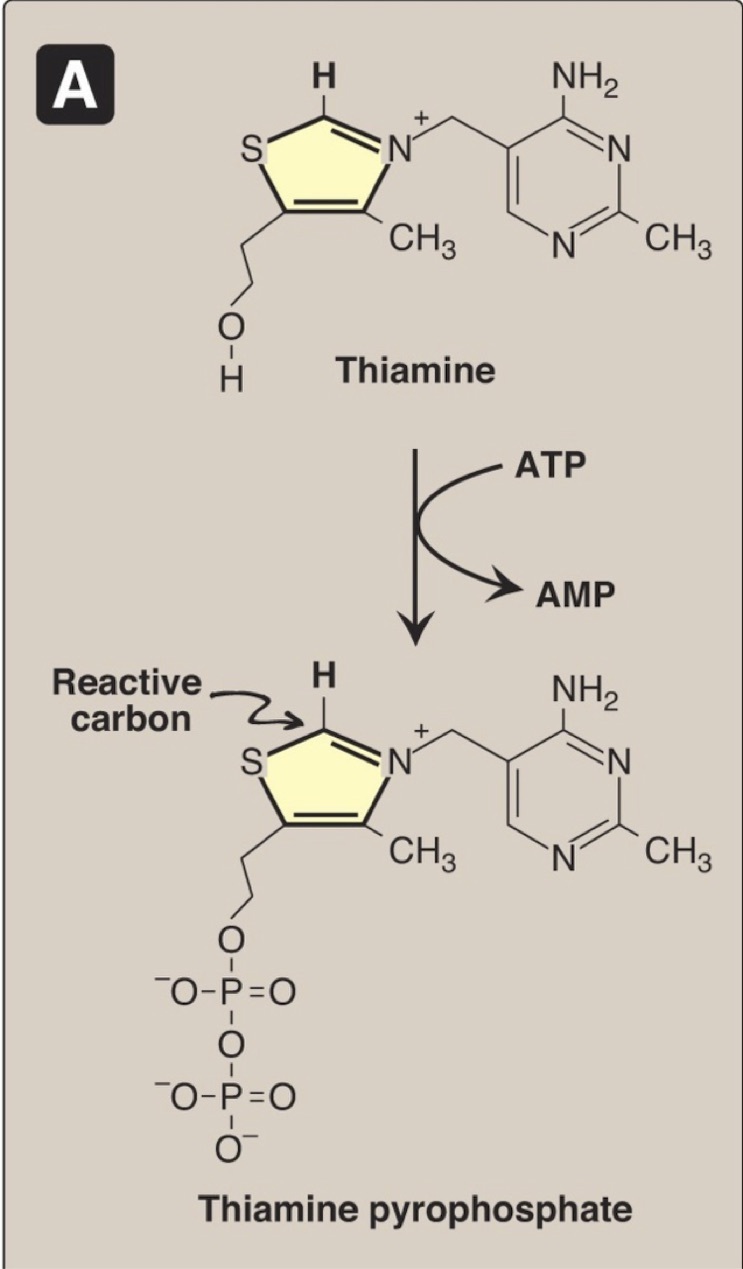
- Phosphorylated form ⇒ thiamine pyrophosphate (TPP)
- Cofactor for formation or degradation of 𝛼-ketols by transketolase
- Cofactor in oxidative decarboxylation of 𝛼-keto acids
- conversion of pyruvate to acetyl-CoA by pyruvate dehydrogenase
- Important for
- carbohydrate catabolism
- proper heart and brain function
- structural component of nervous system membranes
- Phosphorylated form ⇒ thiamine pyrophosphate (TPP)
Beri-beri
Caused by a thiamine (Vit B1) deficiency.
Two forms: “wet” (edematous) and “dry” (non-edematous).
- Causes:
- Most commonly seen with alcoholic patients
- due to interference by alcohol on B vitamin absorption
- Associated with bariatric surgery when Vit B supplementation inadequate
- absorbed primarily in the jejunum
- restrictive reconstruction results in mild malabsorptive state
- B1 level can be depleted after PO or IV carb intake
- Sx can occur within 6 months of surgery in adolescent cases
- Most commonly seen with alcoholic patients
- Considered a medical emergency
- can progress to cardiac failure
- can result in permanent neurological deficits
- Symptoms include:
- muscle weakness
- ataxia
- foot drop
- ophthalmoplegia
- nystagmus
- neuropathy
- cardiac abnormalities
- GI manifestations
Wernicke-Karsakoff Syndrome
Caused by weak TPP binding.
Becomes manifested if thiamine intake is compromised ⇒ alcoholism, poor diet, malabsorption.
Similar symptoms to beri-beri but also memory problems, disorientation, confabulation, and coma.
Niacin
Characteristics
Vitamin B3
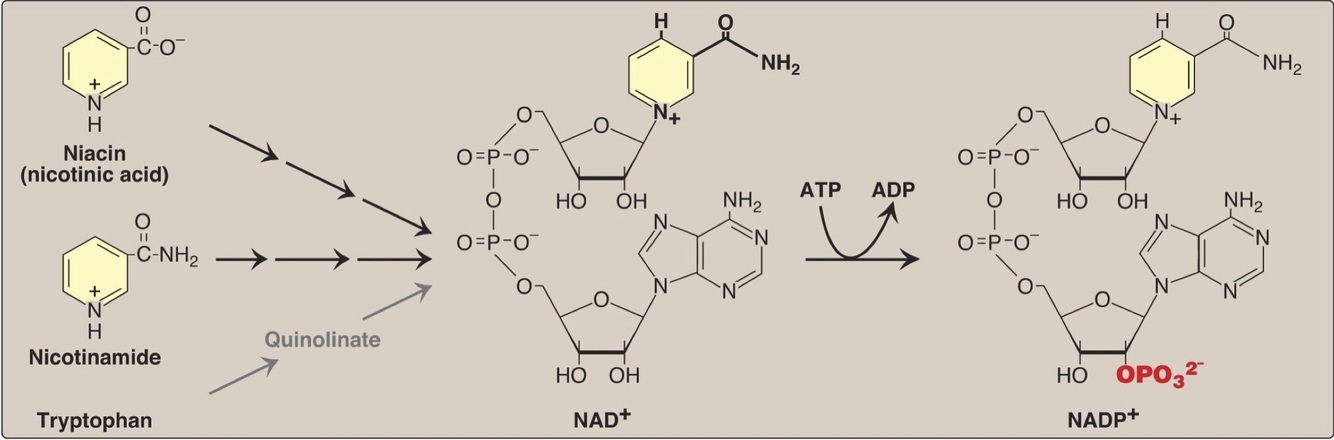
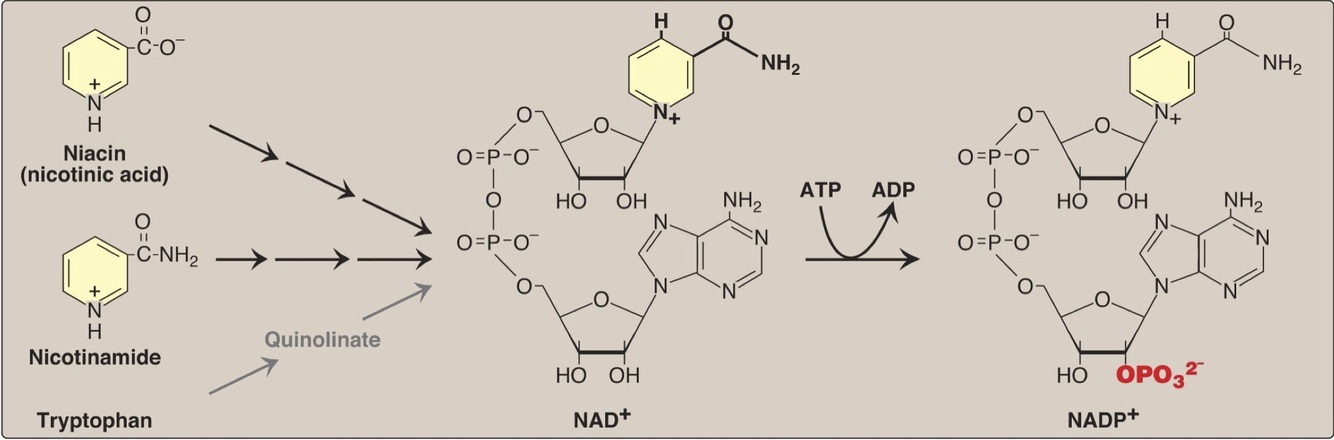
- Substituted pyridine derivatives
- Niacin (nicotinic acid)
- Niacinamide (nicotinamide)
- Sources:
- Dietary:
- Mostly as physiologically active forms: NAD+ or NADP+
- Legumes, cereals, lean meat, poultry, and fish
- Absorption impeded by alcohol
- Synthesized from tryptophan
- Requires sufficient dietary tryptophan and pyridoxal (Vit B6) cofactor
- B6 deficiency or inadequate tryptophan absorption can result in pellagra-like symptoms
- Requires sufficient dietary tryptophan and pyridoxal (Vit B6) cofactor
- Dietary:
Niacin
Physiological Functions
- Pyridine nucleotide functions:
- Essential co-substrates/co-enzymes for most dehydrogenase reactions
- Substrates for ADP-ribosylation reactions
- Precursors of cyclic ADP-ribose
- Role in intracellular Ca2+ handling
- Important for:
- cellular repair
- DNA repair
Niacin
Pharmacological Uses
Niacin (but not nicotinamide) used at high doses for treatment of hypercholesterolemia.
High doses of niacin only in excess of 1 g/day causes acute flushing.
Chronic intake at these levels can cause biochemical abnormalities.
Abnormal liver function, hyperglycemia, increased plasma uric acid, vasodilation.
Pellagra
Caused by a niacin deficiency.
- Clinical signs are the three Ds:
- Diarrhea
- Dementia
- Dermatitis
- glossitis
- angular cheilitis
- characteristic Casal’s necklace
- Can result in death if untreated
- Serious disease in Africa, Europe, and Southeastern US
- Diet consisting mainly of corn which is low in niacin and tryptophan
Secondary Niacin Deficiency
Pellagra due to frank malnutrition rare in the US.
Pellagra-like symptoms can result from:
- Bariatric surgery
- can result in vitamin malabsorption
- ↓ plasma pyridoxine and niacin levels can be seen
- treat with supplements of pyridoxine, nicotinamide, zinc sulfate, and riboflavin
- Drug-nutrient interaction
- Ex. isoniazid (commonly prescribed anti-Tb drug)
- mimics niacin deficiency
- competetively inhibits conversion of nicotinamide acid to NAD+ and NADP+
- coenzyme deficiency inhibits repair of cell damage
- affects tissues of high turnover i.e. skin and GI tract
- Other agents known to cause pellagra-like sx
- 6-mercaptopurine, 5-fluorouracil, and chloramphenicol
- Ex. isoniazid (commonly prescribed anti-Tb drug)
- Abnormalities of tryptophan metabolism
- Carcinoid syndrome
- Hartnup’s disease
Folic Acid
Characteristics
Vitamin B9
- Sources:
- Derived from leafy green vegetables, legumes, and some fruits
- Grains fortified with folate
- Most dietary folate with chain of glutamate residues
- Folate masks a B12 deficiency
- TUL is set at 1 mg/day
- Absorption and transport:
- Involves specific enzyme systems:
- Dietary folate taken up by a saturable transport system
- Absorbed mostly in jejunum
- Reduced and some methylated to 5-methyl-THF before entering blood
- Functions:
- One-carbon donor in many biochemical reactions
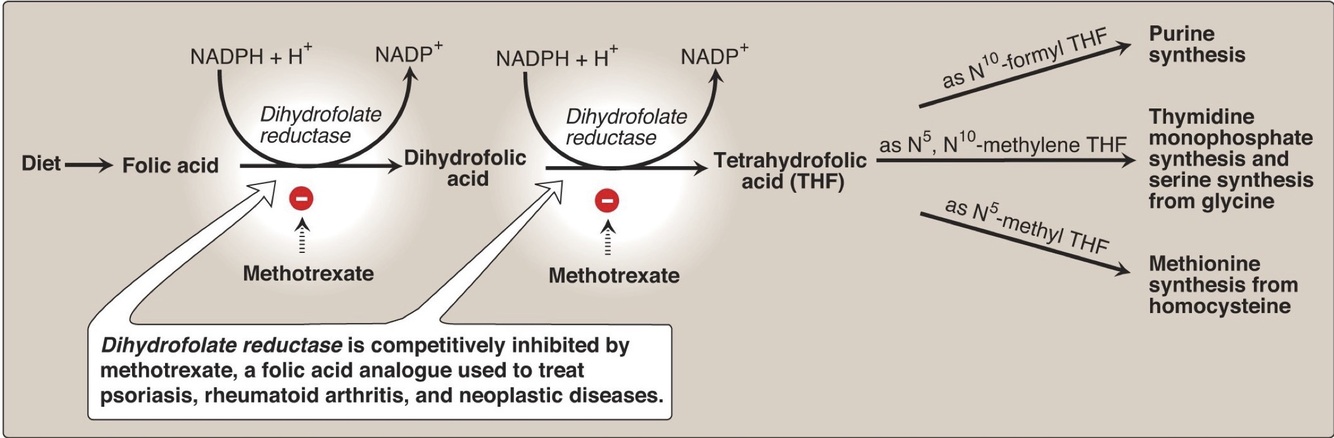
- Tetrahydrofolate (THF) ⇒ reduced coenzyme form of folate
- Role in biosynthesis of purines, TMP, and methionine
Folate Pool
Reversion of 5-methyl-THF → THF requires Vit B12.
B12 deficiency “traps” folate in the 5-methyl-THF form preventing re-entry into the folate pool.
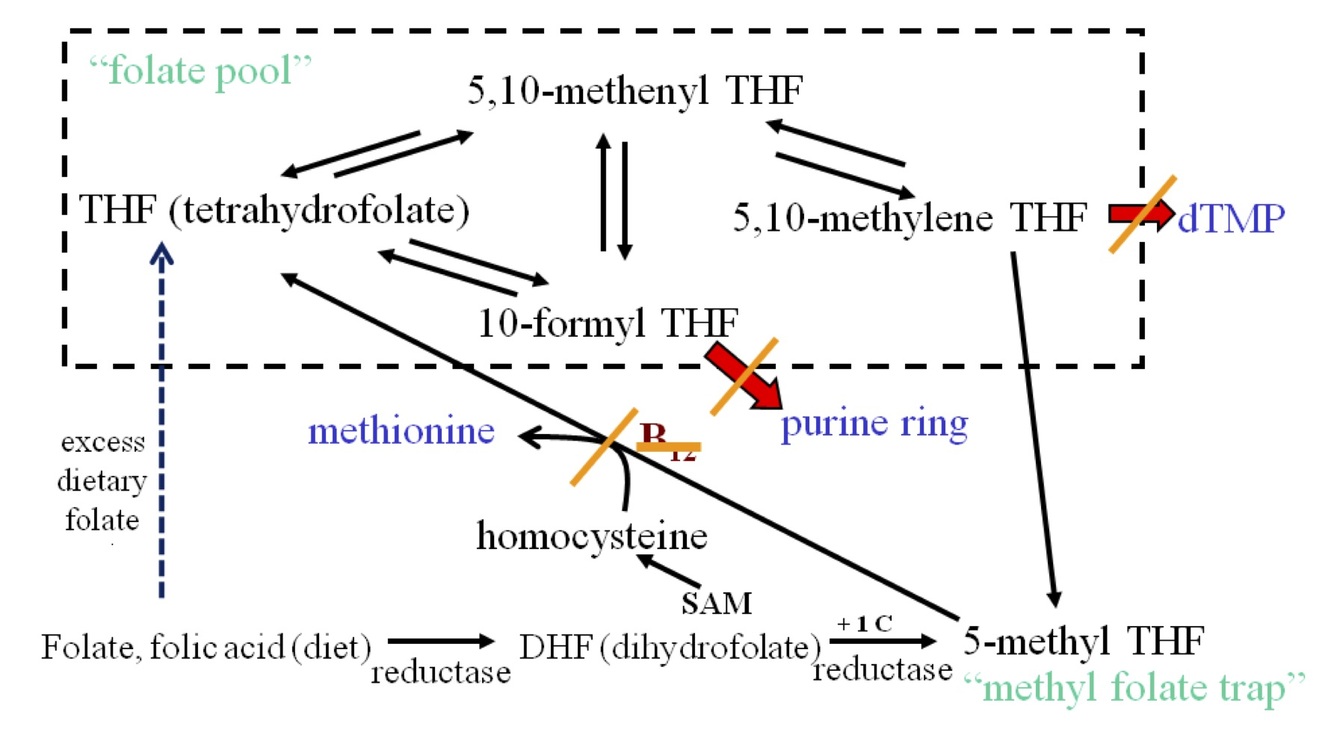
Folate Deficiency
Common, particularly among the poor.
- Forms of folate required for purine and pyrimidine synthesis & DNA synthesis
- Folate deficiency inhibits synthesis of new cells resulting in:
- macrocytic anemia
- hypochromic, macrocytic RBCs on blood smear
- hypersegmented neutrophils possible
- villous atrophy
- depapillation of the tongue
- increased risk for serious diseases
- weakness and fatigue
- palpitations
- shortness of breath
- increased neural tube defects in fetuses
- 400 mcg/day supplement recommended for pregnant women
- macrocytic anemia
- Hyperhomocysteinemia commonly accompanies folate deficiency
- linked to increased risk of CAD
- folate supplementation lowers homocysteine levels
- not consistently shown to reduce risk of CAD
Inadequate Folate
Time Course
- Serum folate ↓
- RBC folate ↓
- Hypersegmented neutrophils appear
- Mean Corpuscular Volume (MCV) ↑
- months before anemia is apparent
- Hb levels ↓
Cobalamin
Sources and Absorption
Vitamin B12
- Sources:
- Synthesized by microorganisms
- Found primarily in animal sources
- Meats, fish, dairy, eggs
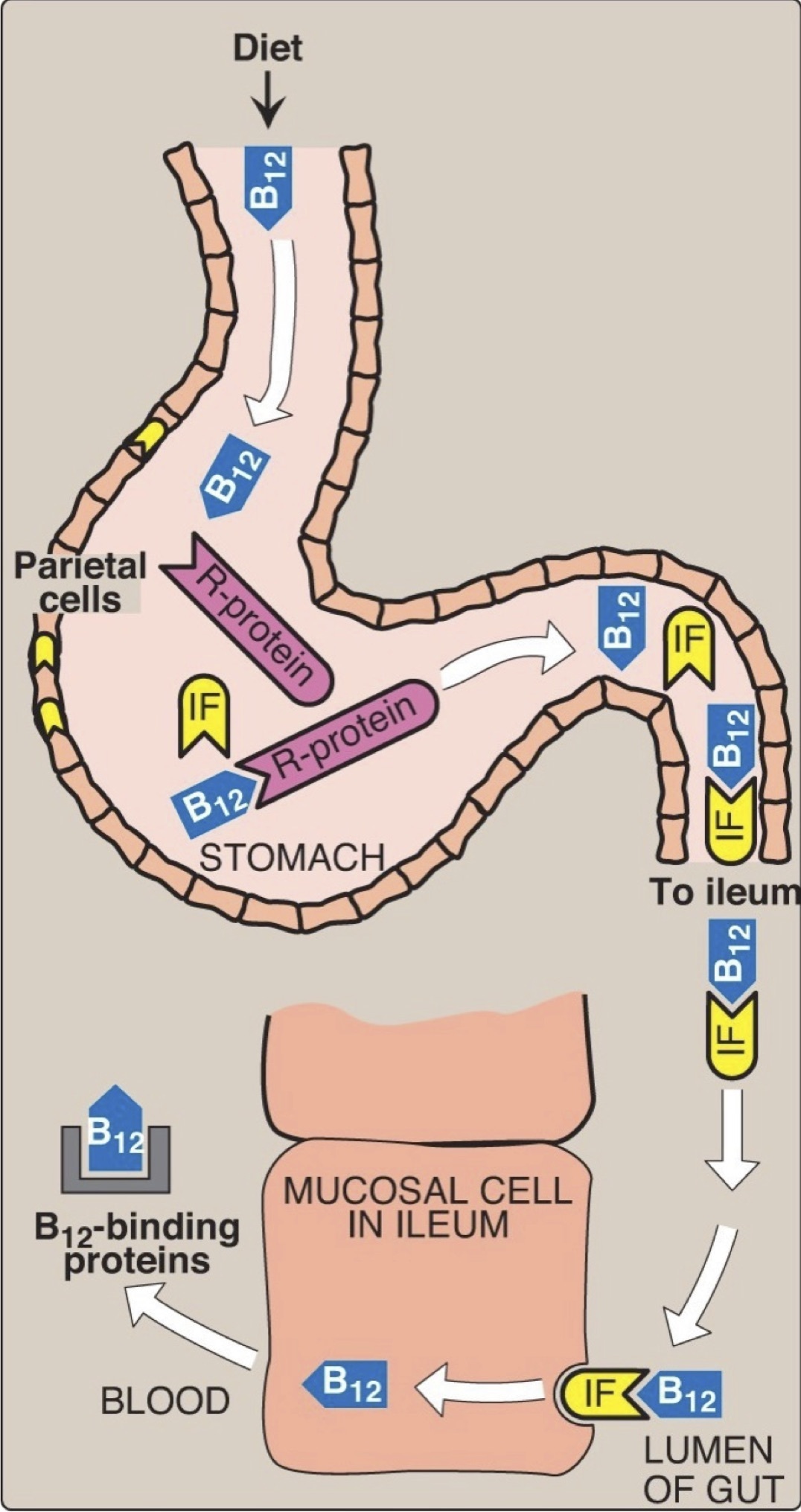
- Absorption: requires gastric acid (to release the vitamin from food) and Intrinsic Factor (IF) secreted by the stomach
- B12 initially bound to “R-proteins” in acidic conditions of stomach
- released by proteases in duodenum
- binds to intrinsic factor
- very efficiently absorbed (or reabsorbed) in ileum by receptor-mediated process
- remaining 1% taken up by diffusion
- If absorption mechanisms are intact, B12 stores can last 10-20 years due to recapture
- If absorption mechanisms damaged, anemia can appear within 3-6 months
- Vegetarians, elderly, and bariatric sx patients at risk for deficiency
Cobalamin
Functions
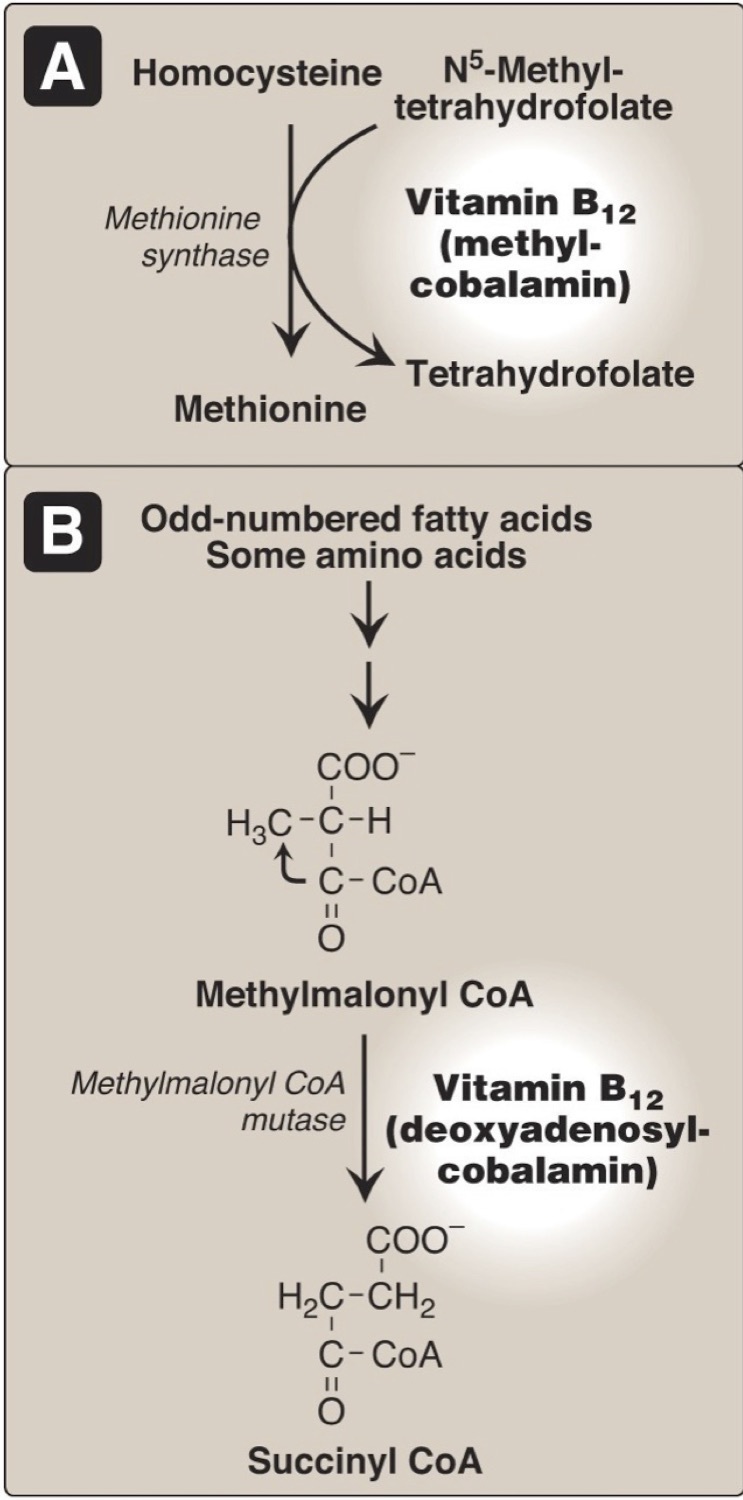
Involved in only two metabolic pathways:
- Conversion of 5-methyl-THF → THF
- B12 deficiency traps folate in methyl form
- folate can no longer be used in purine and TMP synthesis
- Conversion of methylmalonic acid → succinyl CoA
- prolonged B12 deficiency results in neuropathy
- due to inability to catabolize odd # FAs
- prolonged B12 deficiency results in neuropathy
Vit B12 Deficiencies
- Common disorder among older adults and vegetarians
- ~ 5-15% in people > 65 y/o
- Folate can mask a B12 deficiency
- Causes:
- food-cobalamin malabsorption
- achlorhydria
- atrophic gastritis
- prolonged PPI use
- bariatric surgery
- pernicious anemia
- due to IF deficiency
- inadequate intake of animal sources
- food-cobalamin malabsorption
- Symptoms:
- megaloblastic anemia
- neuropathy
- cognitive impairment
- psychopathology
- elevated levels of methylmalonic acid (MMA) and homocysteine (HCYS)
- Only hyperhomocystemia seen with folate deficiency
- Clinical Course:
- monitoring of Vit B12 concentrations in asymptomatic patients taking PPI for > 4 years
- immediate screening for Vit B12 deficiency if symptoms manifest
- given irreversible nature of neurologic changes
- Treatment:
- Supplementation with non-protein-bound B12
- ↓ in MMA and HCYS levels after replacement suggestive of food-cobalamin malabsorption
- R/O renal dysfunction as cause of elevated MMA/HCYS
- B12 injections may be neccessary
- used for treatment of pernicious anemia
- Supplementation with non-protein-bound B12
Pernicious Anemia
B12 deficiency due to inability of parietal cells to synthesize Intrinsic Factor (IF), resulting in malabsorption.
- Results in similar sx as folate deficiency
- megaloblastic anemia and hyperhomocysteinemia
- Neuropathy due to failure to metabolize odd # FAs
- Usually treated with B12 injections
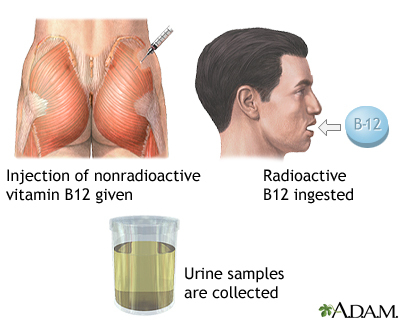
Schillings Test
Used for the assessment of B12 absorption.
Pyridoxine
Characteristics
Vitamin B6
- Widely distributed in foods
- Poultry, fish, pork, liver, kidney
- Whole grains, carrots, cabbage, peas, potatoes and tomatoes
- Deficiency is rare
- Large doses of B6 > 500 mg/day can cause irreversible peripheral toxic sensory neuropathy
- Abnormal for a soluble vitamin
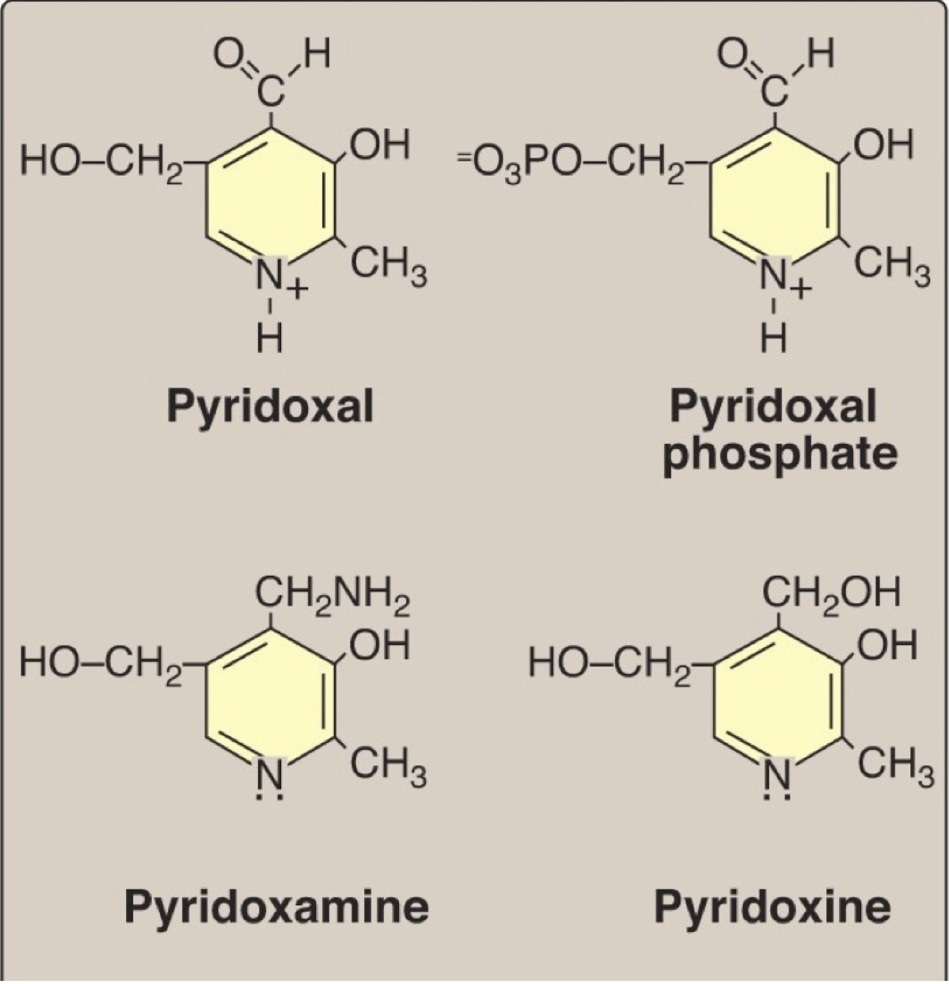
Pyridoxine
Functions and Deficiencies
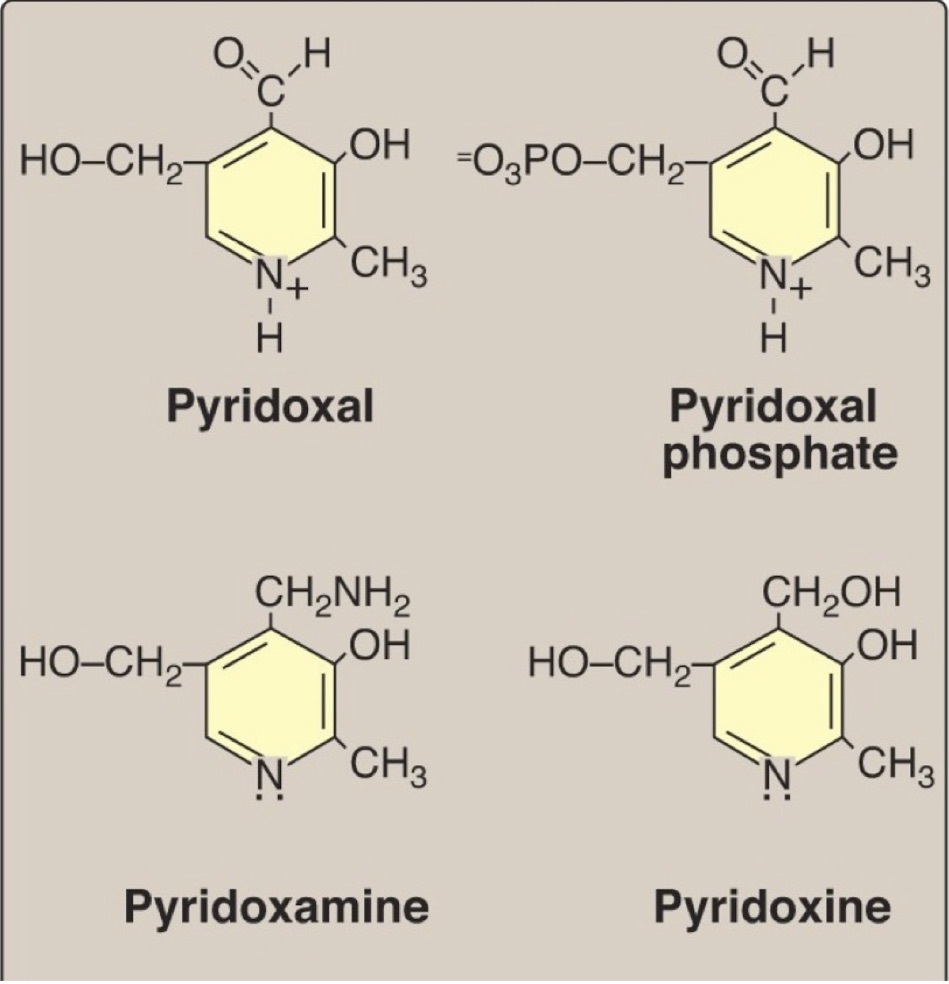
- Pyridoxine, pyridoxal, and pyridoxamine are precursors to biologically active coenzyme pyridoxal phosphate (PLP)
- PLP functions:
- Associated with amino acid metabolism
- Conversion of tryptophan → niacin
- Deficiency produces pellagra-like sx
- Involved in glycogen breakdown
- Factor in conversion of homocysteine → cysteine
- role in reducing elevated homocysteine
Riboflavin
Vitamin B2
- Widely found in a variety of foods
- Dairy products, yogurt, cheese, meat, eggs, broccoli,asparagus, and whole grain foods.
- Component of enzyme prosthetic groups
- Flavin mononucleotide (FMN)
- Flavin adenine dinucleotide (FAD)
- FAD and FMN are part of oxidation-reduction enzymes
- NADH dehydrogenase
- Succinate dehydrogenase
- Riboflavin-containing enzymes critical to life
- Uncomplicated riboflavin deficiency uncommon
- Deficiency usually seen with multiple vitamin deficiencies
- Has surprisingly mild symptoms
- dermatitis, cheliosis (fissures at corners of mouth), and glossitis (smooth and dark appearing tongue)
- corneal vascularization
- anemia
- Has surprisingly mild symptoms
Biotin
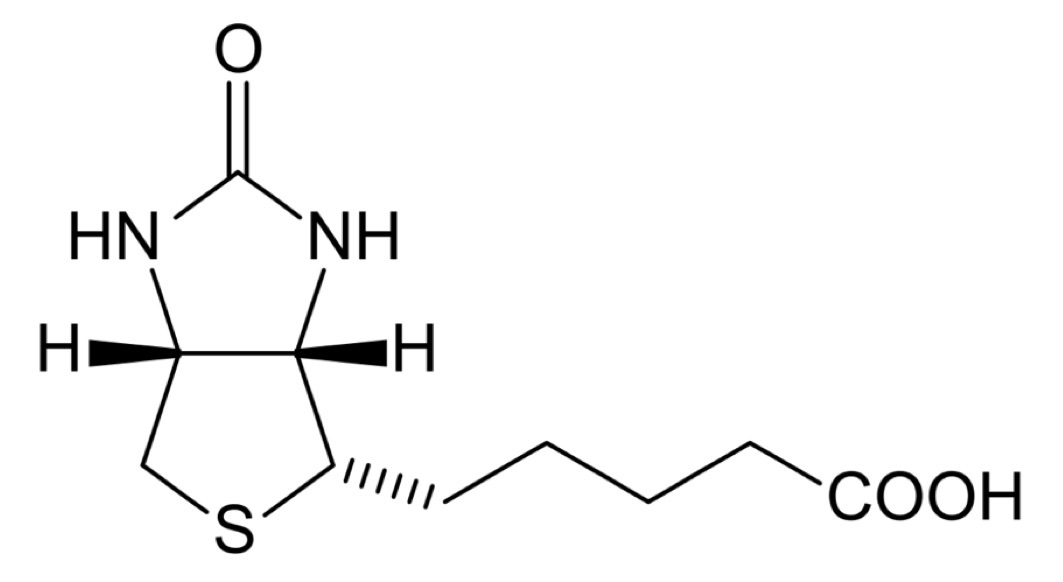
Vitamin B7
- Widely distributed in foods
- Deficiency is ordinarily not seen
- Egg whites contain avidin which has very strong affinity for biotin
- Consumption of raw egg whites can lead to biotin deficiency
- Functions as coenzyme in carboxylation reactions
- serves as carrier of activated CO2
- binds to specific lysine residues in enzymes
- ex. pyruvate carboxylase
Pantothenic Acid
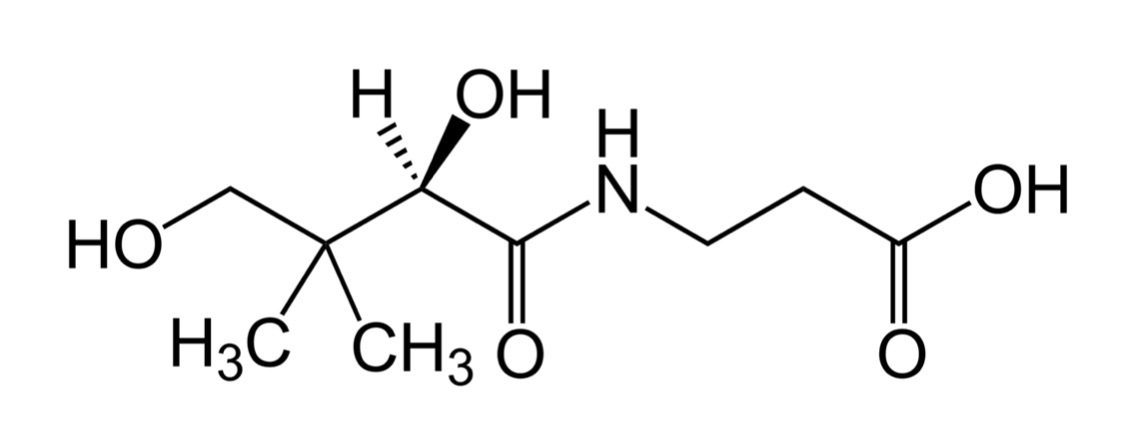
Vitamin B5
- Sources are common
- eggs, liver, and yeast are major sources
- Deficiency is rare
- cooking may destroy some B5 in foods
- deficiency only suspected in recorded cases
- No RDA established
- Toxicity is rare
- No TUL established
- Functions:
- Pantothenic acid itself is a component of the acyl carrier domain of fatty acid synthase
- Component of CoA
- Functions in the transfer of acyl groups in numerous reactions

-
Dietary Recommendations, Life Stages, and Nutrition24
-
B Vitamins23
-
Antioxidants11
-
Energy Expenditure15
-
Nutritional Assessment10
-
Carbohydrates23
-
Proteins15
-
Lipids16
-
Obesity20
-
Need to Know Numbers23
-
Nutrition and Cancer31
-
Vitamin A & K18
-
Vitamin D10
-
Calcium, Phosphate, and Iron31
-
Nutrition for the Critically Ill22



